Tea Brand Zipper Pouches Sample Approval Checklist is where attractive packaging meets actual use. A pouch can look crisp on a screen and still fail once it is filled, sealed, stacked, and handled by a buyer who does not have patience for awkward details. That is why tea brand zipper pouches sample approval is not a ceremonial step. It is the point where you find out whether the pack will protect aroma, hold its shape, and still feel right after a few open-close cycles.
Tea is unforgiving in a way snack packaging sometimes is not. It picks up moisture. It lets aroma drift. It also exposes weak closures fast, because people do not usually open a tea pouch once and forget it. They are gonna use it every day, which means the zipper, seal, and panel structure all need to behave like real packaging, not just a pretty mockup.
From the buyer side, that distinction matters. Approving a printed proof confirms layout; approving a physical sample confirms fit, fill behavior, shelf stance, and whether the package still supports your brand after someone has lived with it for a week. That is the actual job of Tea Brand Zipper Pouches sample approval.
A pouch can look perfect flat and still misbehave once it is filled. The zipper changes under load, the gusset shifts, and the front panel starts telling a very different story.
I have seen teams fall in love with the flat art, then change their minds the moment the sample comes back filled. The black that looked rich on the proof went muddy under store lighting. The zipper felt fine empty, then stuck a little once the tea weight pushed against the top edge. That kind of mismatch is exactly why sample approval exists in the first place.
Why tea brand zipper pouches sample approval saves reprints
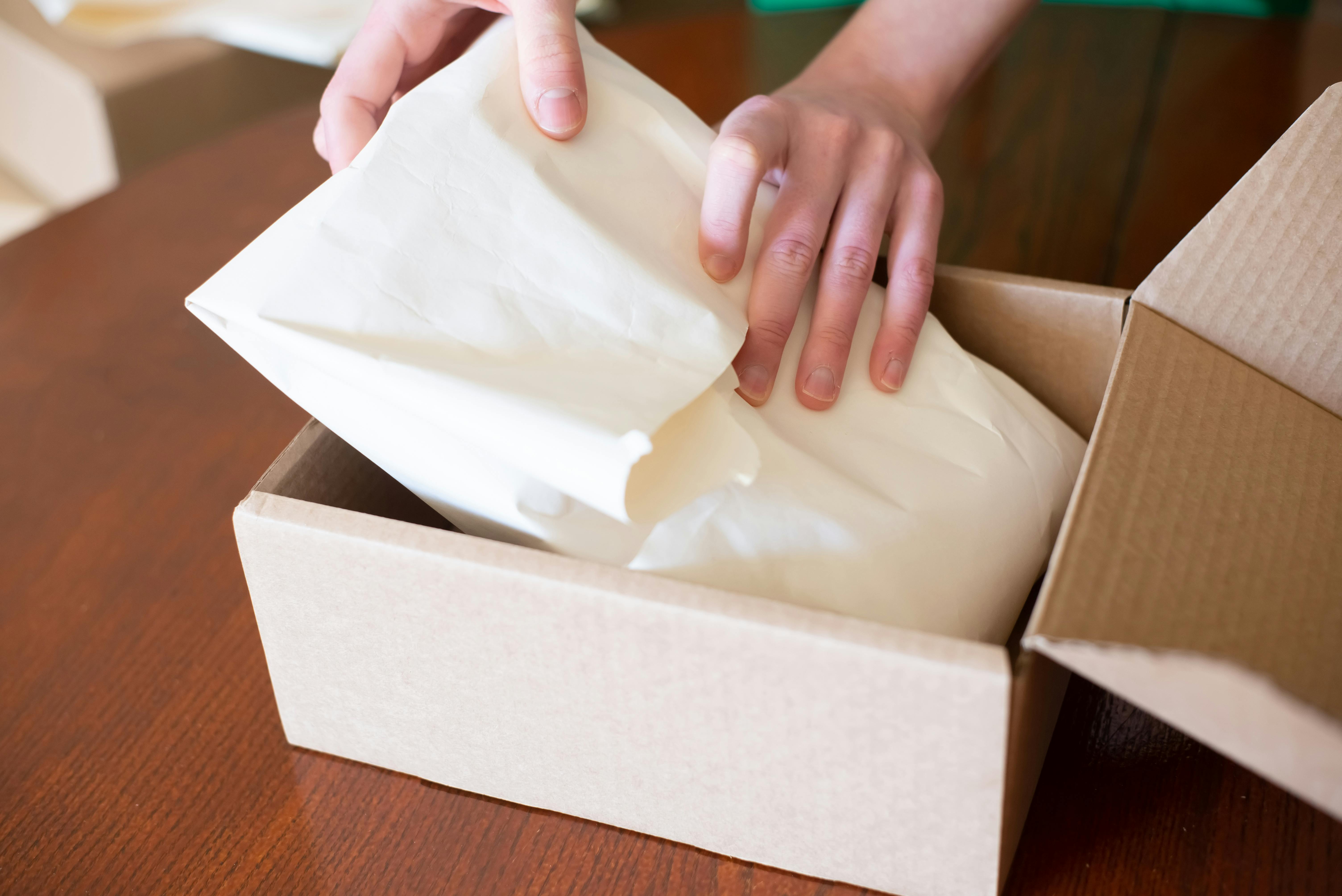
The cheapest packaging mistake is the one you catch before production starts. Tea Brand Zipper Pouches sample approval protects you from the expensive version: reprints, relabeling, launch delays, and the awkward conversation where everyone agrees the pouch "looked fine" until it arrived and did not. That scene plays out often with tea, coffee, and herbal blends. The flat mockup looked elegant. The filled pouch was stiff in the wrong places, lopsided, or difficult to reseal. Good artwork could not save a weak structure.
The real value of tea brand zipper pouches sample approval is simple: it confirms whether the structure and the graphics match the actual product load. Tea can be airy and light, dense and broken leaf, or somewhere in between. Each version changes headspace, gusset behavior, and the way the pouch stands on a shelf. If the sample shows a wrinkle across the front panel after it is filled to the real weight, that is not a small cosmetic issue. It is a customer perception issue, and it can affect brand recognition faster than most teams expect.
Tea buyers care about aroma as much as appearance. A zipper that feels vague or flimsy does more than annoy the user; it makes the package feel less protective. If the closure does not reseal cleanly, moisture pickup and scent loss become real risks. That is why tea brand zipper pouches sample approval should include the zipper after filling, not just a dry finger test on an empty pouch. Empty samples can be misleading. Filled samples show the real behavior.
There is another reason this stage matters: shelf life. Tea packaging often sits in market longer than impulse snacks. Small defects have time to compound. A weak seal, a pinhole, a loose zipper pull, or a finish that scuffs too easily can turn into dead inventory after the pack is already on shelves. Tea brand zipper pouches sample approval catches those issues while the fix is still a change request instead of a destruction order.
Teams often focus too heavily on artwork and too lightly on structure. That tends to work in reverse when the box is opened and the pouch has to stand up in real life. Visual branding matters, yet the pouch also has to survive storage, shipping, and repeated handling. If you want to see how structure and print shape the finished result together, take a look through our Case Studies and notice how often the two have to work as one.
For tea brands that care about distribution testing or retail handling, this is also the point where standards help. If the pouch will move through a wider shipping network, I like to sanity-check the distribution profile against ISTA testing methods instead of trusting hopeful assumptions. That does not replace sample approval. It simply keeps the team honest about what the package will face after it leaves the plant.
So yes, tea brand zipper pouches sample approval is less glamorous than the design concept. It is also what keeps the concept from turning into a very expensive lesson.
How tea brand zipper pouches sample approval works
The process usually starts with a spec sheet. Not a vague email. A spec sheet. Tea brand zipper pouches sample approval works best when the supplier receives exact dimensions, fill weight, material structure, closure type, finish, and print details before anyone starts the dieline. If the spec is fuzzy, the sample will be fuzzy too, and then the project drifts into revision loops that waste time and energy.
The usual flow is straightforward enough. First comes the dieline and artwork check. Then the digital proof. Then the physical sample. Then internal review. Then revision notes if needed. Then final sign-off. That sequence sounds simple until three departments all decide they own the pouch. Brand wants richer black. Operations wants easier filling. Procurement wants a lower unit price. Tea brand zipper pouches sample approval is where those priorities get pulled into one decision.
A physical sample matters because tea pouches have moving parts, even if they do not look like moving parts. The zipper has to close cleanly. The side gussets need to stay stable. The seal needs to look consistent. The pouch should stand without folding into a sad triangle. The actual fill weight can even change the opening height enough to affect line speed. That is why tea brand zipper pouches sample approval should never stop at the proof stage.
Here is what I would check on the sample itself:
- Dimensions: width, height, gusset depth, and fill behavior should match the spec within a defined tolerance.
- Film structure: confirm the barrier layer is what you were promised, especially if aroma retention matters.
- Zipper function: close it several times, with and without tea inside, and feel whether it locks cleanly.
- Seal quality: look for consistent heat seal lines, no weak spots, and no contamination in the seal area.
- Print registration: check logo placement, barcode readability, and whether key text is centered correctly.
- Tear notch and opening: a neat tear does not help if the customer then struggles with the zipper.
Different teams care about different details during tea brand zipper pouches sample approval. Brand usually focuses on visual branding, color accuracy, and shelf presence. Operations cares about fill speed, seal reliability, and line handling. Procurement is usually watching MOQ, freight, and unit cost. None of those priorities are wrong. The mistake is pretending they are the same priority.
That is why the approval record should be written down. Annotated photos help. Measured tolerances help more. If the approved sample is 140 mm wide, 220 mm tall, and built with a 120 micron laminate, write that down. If the zipper pull is easy to open but not too loose, write that down too. Tea brand zipper pouches sample approval should leave a paper trail that a stranger could follow six months later without guessing.
For brands that want proof of what actually got approved, I recommend storing the sample photo set, measured notes, and final artwork in the same folder as the order record. That sounds boring because it is. Boring is good here.
Tea brand zipper pouches sample approval: cost, pricing, and MOQ
Tea brand zipper pouches sample approval can be inexpensive or annoyingly costly depending on how much structure, print, and finishing you ask for. The useful habit is to separate sample cost from production cost. A sample may include proofing, setup, and courier charges. Production cost depends on material structure, quantity, and print coverage. If you blur those together, you cannot tell whether the quote is genuinely strong or merely dressed up to look attractive.
Basic digital proofs are often low cost or included. Physical samples are a different matter. If the supplier needs to build a production-matched mockup with a custom zipper, barrier laminate, and printed finish, that sample is doing real work. In some cases the sample fee is credited back against the first order. In other cases it is not. Ask directly. Do not assume. Tea brand zipper pouches sample approval gets messy fast when both sides assume the other meant the same thing.
The main pricing drivers are usually easy to spot once you know where to look:
- Material structure: PET/PE, paper laminate, matte film, foil barrier, or recyclable film all price differently.
- Zipper style: standard reseal, child-resistant options, or heavier-duty closures add cost.
- Finish: matte, gloss, soft-touch, or spot varnish changes the run complexity.
- Window or clear panel: any visibility feature usually adds material and conversion steps.
- Print coverage: full-bleed artwork costs more than a restrained layout with open space.
MOQ matters just as much. Smaller runs make tea brand zipper pouches sample approval feel easier to start, but the unit cost is usually higher because setup gets spread across fewer pieces. Larger runs lower the unit price, yet they increase inventory risk. If you are a newer tea brand testing flavors or seasonal blends, a smaller MOQ may be the smarter move even if the per-unit cost stings a little. Cheap packaging that sits in a warehouse is not cheap.
Here is a simple comparison table that shows how the sample path often changes the economics.
| Option | Typical Use | Usual Cost Range | Timeline | Main Risk |
|---|---|---|---|---|
| Digital proof only | Artwork review, barcode check, layout sign-off | $0-$50 | 1-2 business days | Does not confirm fill, zipper feel, or shelf shape |
| Plain physical sample | Basic structure and size check | $25-$120 | 3-7 business days | May not match final print or finish exactly |
| Production-matched sample | Full tea brand zipper pouches sample approval before release | $80-$300+ | 5-12 business days | Higher upfront cost, but far less guesswork |
Hidden costs are where buyers get surprised. Courier fees. Rush handling. Extra proof rounds. Re-sampling after a color correction. Artwork changes after the sample is already in production. Those are all normal enough, but they add up. In a project with tight margins, a few "small" changes can erase the benefit of a lower unit quote very quickly. That is why tea brand zipper pouches sample approval should include a clear question about what revisions are included and what triggers a new charge.
If you want a quote that is actually useful, ask for apples-to-apples pricing. Same pouch size. Same material. Same zipper. Same finish. Same print coverage. Vague quotes are cheap for a reason. They leave out the parts that matter. For tea brands, that usually means the missing parts show up later as both cost and friction during tea brand zipper pouches sample approval.
One more practical note: if the secondary packaging is paper-based and part of your brand story, sourcing language can matter. If you are using paper cartons or labels alongside the pouch, ask whether the paper components can be sourced from FSC-certified supply chains. That does not fix pouch performance, but it does support brand consistency and retailer paperwork.
Tea brand zipper pouches sample approval process and timeline
The fastest projects are the ones with clean inputs. Tea brand zipper pouches sample approval usually moves faster when the supplier gets complete specs the first time: exact pouch size, tea weight, zipper type, finish, print colors, and any special handling notes. If that information arrives in pieces over five emails, you are not staying efficient. You are delaying the proof.
A practical timeline often looks like this: digital proof in 1-2 business days, physical sample production in 3-7 business days, shipping in 2-5 business days depending on location, then internal review in another 1-3 days if your team is organized. Complex finishes, larger pouches, and specialty zippers can push the process longer. That is normal. It is also why tea brand zipper pouches sample approval should never be squeezed into a launch plan with no buffer.
The step-by-step flow is usually:
- Lock the structure, size, and zipper type.
- Send artwork in the correct dieline format.
- Review the digital proof for text, color references, and barcode placement.
- Approve or revise the physical sample after filling it with the actual tea weight.
- Record the final sign-off with photos and notes.
- Release production only after the approved reference is stored.
That last point matters more than people admit. A lot of delay happens after the sample arrives, not before it ships. Someone is out of office. Someone else wants one more round of edits. Marketing decides the logo should sit 3 mm higher because it feels more premium. Meanwhile the calendar keeps moving. Tea brand zipper pouches sample approval has a habit of revealing how many decision-makers a company actually has.
If you want to shorten lead time, do three things. First, send complete specs. Second, appoint one decision-maker who can consolidate feedback. Third, avoid artwork changes once the sample is in motion. That is not about rigidity. It is about keeping the process from turning into a slow loop. In packaging, the same change made three times is not a refinement. It is a sign that the decision was never finished.
Another thing to watch is how the sample is tested. A tea pouch that passes a dry look test may still fail once it is filled with the right amount of product. I prefer to test with the exact tea weight or a close fill substitute because pack behavior changes. The zipper closure feels different. The gusset opens differently. The panel tension changes. That is why tea brand zipper pouches sample approval should include a filled test, not just a visual inspection on an empty bag.
For higher-risk shipments or retail programs, look at distribution behavior too. A filled pouch may need carton protection or an outer case plan that can survive stacking and transit. If your pack is traveling through a tougher distribution chain, it helps to compare the pack-out assumptions with recognized transport methods like ISTA. That is not overkill. It is what a serious packaging plan looks like.
Build a buffer before launch. Always. If retailer deadlines, carton ordering, and freight booking all collide with sample sign-off, you lose room to react. Tea brand zipper pouches sample approval should happen early enough that you can still fix a mistake without paying for emergency shipping and unnecessary stress.
Common mistakes that slow down tea pouch sample approval
Tea brand zipper pouches sample approval slows down for the same reasons over and over. The first is judging color on a monitor and assuming screen color equals print color. It does not. A screen can flatter a deep green, warm up a black, or make a beige appear cleaner than it will under store lighting. If the pouch will live on a retail shelf or in a subscription box, check color under the lighting conditions the buyer will actually see.
The second mistake is not testing the zipper after fill. Empty pouches can make a zipper feel easier than it really is. Once tea is inside, the top edge behaves differently. Some closures get stiffer. Some feel loose. Some are fine until the third open-close cycle. That is exactly why tea brand zipper pouches sample approval should include repeated use, not one ceremonial click and a thumbs-up.
Third, people underestimate headspace and fill weight. A pouch that looks roomy in a mockup may end up overfilled in production, which creates wrinkling or a bulging front panel. Too much headspace can make the pack look underfilled and cheap. Either version hurts customer perception. It also weakens the unboxing experience because the first thing the buyer sees is not confidence; it is packaging that feels off by a few millimeters.
Fourth, feedback gets vague. "Make it pop more" is not useful. "Shift the primary brand mark 4 mm higher, increase contrast on the tea name, and reduce the gloss on the top panel" is useful. Tea brand zipper pouches sample approval moves faster when comments are measurable. If the supplier has to guess, you will get another round of guesswork back.
Fifth, too many people weigh in at once. Three comments from three departments can become six conflicting notes very quickly. One person wants the logo larger. Another wants the copy smaller. A third wants a new illustration. Now the sample is no longer being approved; it is being re-designed in circles. That is how a two-day review turns into a two-week delay.
There are also a few mistakes that sound minor but create major headaches later:
- Approving a pouch without checking barcode scan quality.
- Ignoring seal contamination on the sample’s top edge.
- Forgetting to compare the sample against the actual tea jar or bag it replaces.
- Skipping the filled sample photo record after sign-off.
- Assuming a "similar" zipper is good enough for production.
Honestly, the worst version is the one where everyone is rushing and no one writes anything down. Then six weeks later somebody says, "We approved the lighter black," and somebody else says, "No, we approved the deeper black," and the supplier is stuck in the middle. Tea brand zipper pouches sample approval needs one version of the truth. Not three versions of memory.
Good packaging teams keep a simple rule: if a detail matters to launch, it must be visible in the sample notes. That keeps brand consistency intact and stops endless debate. If you want examples of how teams document packaging decisions, the examples in our Case Studies archive are a useful place to start.
Expert tips for faster tea brand zipper pouches sample approval
The fastest approvals are boring in the best possible way. Tea brand zipper pouches sample approval gets easier when you use a checklist with pass-fail items instead of open-ended opinions. Color match. Zipper function. Seal quality. Size. Finish. Copy placement. Barcode scan. Shelf stance. If a point matters, it gets a line on the checklist. If it does not matter, it stays off the page.
Use the real fill whenever possible. If the final tea weight is 80 grams, test with 80 grams or a near equivalent. That gives you the right volume, headspace, and pack feel. It also helps you judge whether the pouch supports the brand story you want to tell. A premium tea brand should not look like it was packaged in a rush, and tea brand zipper pouches sample approval is the stage where that standard gets enforced.
Side-by-side comparisons help too. Put the new sample next to the previous pouch, or next to a competitor sample if you have one. You will notice size, color temperature, and shelf presence much faster that way. Without comparison, teams tend to approve "fine." Fine is usually where good packaging goes to die.
Set acceptable variation limits before the sample arrives. Do not wait until the review call. If the brand can live with a 2 mm shift in logo placement and a slight print tone variation, write that down now. If the zipper pull must feel firm, say so now. Tea brand zipper pouches sample approval becomes slower when everyone negotiates tolerance after the sample is already on the table.
Here is a simple review structure that works well:
- Pass: the sample meets the requirement exactly.
- Pass with note: the sample is acceptable, but a documented variance is allowed.
- Fail: the issue must be corrected before production release.
That structure sounds basic because it is. Basic is useful. It prevents three people from using the word "okay" to mean three different things. If the pouch is acceptable but not ideal, note the tradeoff in the approval record. That protects both brand consistency and future reorder consistency.
Keep the approved sample, photos, and signed notes in one folder. Not five folders. One folder. Every reorder should start from the same reference point so the second run does not drift from the first. That matters even more for tea because a slightly different pouch structure can affect the unboxing experience and the shelf look in ways buyers may not articulate, but absolutely notice.
One more practical tip: if the supplier offers a pre-production sample or a production-matched revision, use it for higher-value orders. It is often the best bridge between design approval and full run approval. It costs more than a quick proof, yes. It also reduces the odds of discovering a zipper problem after thousands of units have already been made. Tea brand zipper pouches sample approval is one of those places where a modest extra cost can save a serious headache.
Do not forget the role of visual branding. The tea name, flavor cue, logo weight, and finish all need to support the same message. If one element feels artisan and the others look discount-grade, buyers sense that split immediately. Strong brand recognition depends on consistency, not just decoration.
Next steps after tea brand zipper pouches sample approval
Once the sample is approved, do not drift into casual optimism. Lock the approved artwork, exact material spec, zipper type, pouch dimensions, and finishing notes. Tea brand zipper pouches sample approval should produce a final reference package, not a vague "looks good" email that gets buried later.
Then confirm the purchase order, production slot, and delivery window. If you are ordering cartons, inserts, or secondary labels, coordinate those too. Packaging delays love company. If one component slips, the entire launch can move with it. That is why I tell buyers to treat tea brand zipper pouches sample approval as the start of production control, not the end of the project.
Incoming QC should be planned before the first carton arrives. Check the first batch against the approved sample for print, zipper function, seal strength, and dimensions. Catching a mismatch at receiving is annoying. Catching it after filling tea is much worse. A quick inspection saves more than it costs.
Now is also the time to decide your reorder trigger. Do not wait until inventory is almost gone. If the pouch lead time is 15 business days, and your tea sales are steady, your reorder point should reflect that lead time plus a buffer for transit and QC. That is the sort of basic planning that sounds obvious only after the stockout happens.
For brands that want a broader picture of how packaging decisions affect launch outcomes, our Case Studies page shows how structural details and artwork choices play out in real projects. It is useful because the same pattern shows up again and again: better sample approval leads to fewer surprises later.
Here is the clean version of the process: approve the sample, lock the spec, release production, inspect the first cartons, and keep the approved reference for reorders. That is the boring path. It also happens to be the profitable one. Tea brand zipper pouches sample approval is not the glamorous part of packaging, but it is the part that protects margin, timing, and customer trust.
And yes, the keyword still matters here because the job still matters here. If you remember one thing, remember this: tea brand zipper pouches sample approval is the cheapest place to find a mistake, the safest place to correct it, and the smartest place to insist on proof before you spend on full production.
FAQ
What should I check before tea brand zipper pouches sample approval?
Check the pouch size, print placement, zipper function, seal quality, and whether it stands correctly when filled. I also recommend checking the sample under the same lighting and shelf conditions your buyers will see. If the tea weight is final, use that fill weight. If not, use a close substitute so tea brand zipper pouches sample approval reflects real behavior instead of a best guess.
How long does tea brand zipper pouches sample approval usually take?
Digital proof review is usually quick, often 1-2 business days. Physical samples take longer because they need production time plus shipping. Simple specs move faster. Special finishes, custom zippers, and larger pouch formats slow things down. Build in revision time too, because one color change or one zipper tweak can add another round to tea brand zipper pouches sample approval.
How much does sample approval cost for tea zipper pouches?
Digital proofs are often low cost or included. Physical samples can carry setup, tooling, or courier charges. Extra features like foil, windows, or specialty zippers can increase both sample and production pricing. Ask whether revisions and re-sampling are included. That question saves people from the classic fake-cheap quote that looks fine until tea brand zipper pouches sample approval starts adding line items.
Can I approve a digital proof instead of a physical sample?
You can approve artwork digitally, but that does not prove the pouch will fill, seal, or reseal correctly. Use a physical sample whenever zipper performance, barrier performance, or shelf appearance matters. For tea, a digital proof alone is usually not enough if the order is meaningful. Tea brand zipper pouches sample approval needs a real sample when the closure and structure affect product quality.
What causes delays in tea pouch sample approval?
Missing specs, late artwork, and too many reviewers are the usual culprits. Unclear feedback slows everything because the supplier has to guess what you want fixed. Changes after proofing or after the sample is made can add a full extra round of timing. The cleanest way to reduce delay is to keep one decision-maker in charge and keep tea brand zipper pouches sample approval focused on measurable notes, not vague opinions.
The clearest takeaway is simple: approve the pouch only after it has been filled with the real tea weight, closed several times, checked under real lighting, and matched against one written reference. If those four things are in place, tea brand zipper pouches sample approval stops being a guessing game and becomes a reliable gate before production money goes out the door.


