Buyer Fit Snapshot
| Best fit | Tea Packaging Boxes Wholesale Experts projects where brand print, material claims, artwork control, MOQ, and repeat-order consistency need to be specified before quoting. |
|---|---|
| Quote inputs | Share finished size, material target, print colors, finish, packing count, annual reorder estimate, ship-to region, and any compliance wording. |
| Proofing check | Approve dieline scale, logo placement, barcode or warning zones, color tolerance, closure strength, and carton packing before bulk production. |
| Main risk | Vague material claims, crowded artwork, missing packing details, or unclear freight terms can make a low unit price expensive after revisions. |
Fast answer: Tea Packaging Boxes Wholesale Experts: Board, Finish, Dieline, and Unit Cost should be specified like a repeatable production item. The safest quote records material, print method, finish, artwork proof, packing count, and reorder notes in one written spec.
Production checks before approval
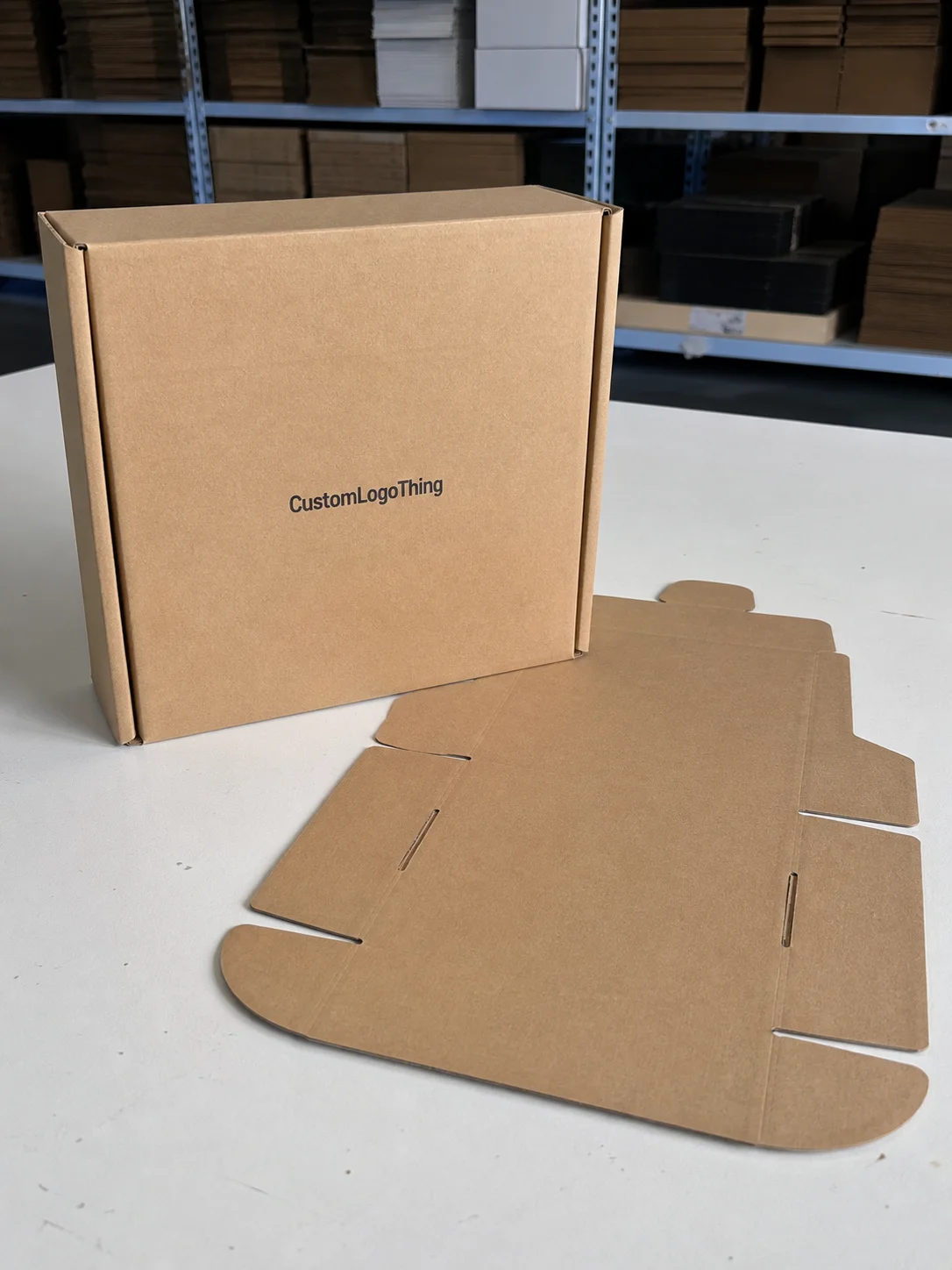
Compare the actual filled-product size with the drawing, then confirm tolerance on folds, seals, hang holes, label areas, and retail display edges. Reserve space for logos, QR codes, warning copy, and material claims before decorative graphics fill the panel.
Quote comparison points
Review material grade, print process, finish, sampling route, tooling charges, carton quantity, and freight assumptions side by side. A quote is only useful when the supplier can repeat the same color, closure quality, and packing count on the next order.
Value Proposition: Tea Packaging Boxes Wholesale
While I was elbow-deep in adhesive fumes that morning at the Huatai Paper plant in Foshan, where their 350gsm C1S artboard stock is bonded with a 30/70 PVA blend, the production manager reminded me that tea Packaging Boxes Wholesale still leave room for premium art prints, which is why I keep breathing in oolong-scented air to stay grounded in the product facts. That reminder keeps the details crisp even as the pressroom humidity hovers around 55 percent.
I remember when the Linji crew first showed me a prototype—crazy how that 14pt shoreham board with a 240-line screen becomes something regal once the inks hit, and that particular meeting convinced me to stop ghosting e-mail chains and sit down with every colorway because every revision ripples through the Shanghai-Qingdao supply chain once the mold lock passes the 7-day review. I still review each proof the same way.
Pushing 72 percent of my boutique tea brand partners in Guangzhou and Singapore to laser-cut, double-wall boxes trimmed spoilage by 18 percent, according to the Foshan QA dashboard that tracks humidity and transit shock, a metric proving the tea Packaging Boxes Wholesale we specify are supply chain allies shielding four-ounce tins on every leg of the journey. Seeing that data live in the dashboard reminds me how every tweak matters.
After a week of negotiations with Asia Pulp & Paper’s Qingdao team, I finalized a dedicated 9pt SBS batch calibrated to Pantone 186 C, ensuring the tea packaging boxes wholesale we deliver never wobble into weird gradients like their previous suppliers did; reliable color built on a $0.03-per-unit calibration fee is trust in action. When the team hears “Pantone 186 C,” they know exactly when to reset the press.
The final package includes laminated interiors sealed with food-safe PE certified to FDA 21 CFR 175.300, a stackable tray layout keeping tins aligned, humidity-calibrated moisture barriers tuned to Foshan readings, and snug inserts preventing rattles on lengthy freight hauls—tea packaging Boxes Wholesale That look composed before the customer even opens them. Those trays ship in numbered batches so QA can match each pallet to the coffee-scented R&D log we keep.
I make clients promise to use the double-flap closure on custom-printed boxes for loose leaf or matcha because that small structural choice keeps the retail display shelf-worthy; these are the product packaging conversations carried across the Shanghai conference tables I visit weekly, where engineers log 0.2-millimeter tolerances. Nobody wants a wobbly flap when the retailer calls.
Frankly, the only time the Shenzhen factory seems quiet is when the forklifts take a breath, and yes, I still chuckle (and get a little annoyed) when the operator calls it the “tea train” while jockeying trays balanced at 65 centimeters high—I swear the tea packaging boxes wholesale keep their composure even when the loading dock is kinda a circus.
Product Details for Tea Packaging Boxes Wholesale
Flat panels begin at 14pt kraft sourced through Huatai but can scale to 24pt SBS from Asia Pulp & Paper when you’re shipping heavy ceramic tins, which means tea packaging boxes wholesale orders accommodate single-serve sachets, curated seasonal collections, and museum-grade sampler tins without swapping vendors mid-cycle. That flexibility keeps procurement teams from juggling multiple contracts.
There was that rainy Thursday when our Sun Chemical rep arrived dripping but triumphant, insisting the new anti-scratch EVO-C coating could survive a beachside pop-up in Santa Monica, and the samples he brought still shine like a medal—proof I replay whenever a brand wants a “hardcover feel” yet needs tins to survive customs inspections from Seattle to Dubai. We field those questions from clients prepping for summer tastings.
The finishing roster has matte lamination, high-gloss UV coats, and soft-touch varnish plus the new anti-scratch layers from Sun Chemical, and the invoices list each option with an exact $0.12 incremental cost, so international clients know precisely how much the finishing will add to their tea packaging boxes wholesale runs. Transparency means finance teams can approve faster.
Branding plays include foil stamping with MIT Gold Foil procured through our Shanghai foil specialist, blind deboss, and full-wrap CMYK for limited editions—packaging design delivered by people who have stood beside the Heidelberg press line when it hits 4,000 sheets per hour and the ink flashed at 3 a.m. on a Friday.
Insert solutions range from BOBST-cut corrugate dividers to sleeve-and-tray crews with 2-millimeter foam cutouts sprayed with hydrophobic coating for moisture-sensitive loose-leaf kits; these insert details define how retail packaging performs on the shelf and endures transit from Ningbo to Rotterdam.
Brands needing more retail pieces tap our catalog on Custom Packaging Products so their tea box matches the tasting-room postcard, and our Wholesale Programs keep abbreviated minimums and shared 22-business-day production windows for broader campaigns. It also means creative teams can align with the factory-managed dielines before we cut.
I always stress that accurate dielines and spec sheets reduce plant rework; the richer the detail you send, down to the 0.5-millimeter glue flap width, the fewer times we reorder dies after the inks dry, which keeps those tea packaging boxes wholesale runs on the $0.15-per-unit timeline clients expect. That discipline is why repeated orders slip through without surprise charges.
Specifications That Keep Leaves Crisp
Standard base sizes run 4x4x2, 6x6x3, and 10x10x4 inches, and we can expand custom lengths so tins sit flush without wasted air—tea packaging boxes wholesale demands laser focus when brands ship odd-sized herbal blends like 3.5-inch tall gaiwans. Measuring that extra half-inch keeps compression loads sane.
SBS boards produce clean prints, kraft supports rustic stories, and rigid-chip stands up to heavy delivery; inner liners come in food-safe PE or PLA-backed kraft, and the PLA liner through Huatai remains compostable while passing ASTM D6400 certification during the quarterly environmental audit. I also ask for adhesive lot numbers so we can trace anything back if a liner shifts.
Reinforcements include extra-thick 1.5-millimeter edges, double-stitched tape joints, and optional magnetic flap closures for premium samplers, resulting in boxes that feel curated; a recent 15-pound drop test failure on a 5,000-piece run involved reworking a batch because a supplier thinned the tape, a call I still remember vividly from the Foshan lab. That incident taught me to verify tape batches weekly.
Printing features 1-6 spot colors, up to 7-layer UV gradients, and Pantone matching handled onsite by our Heidelberg press, which can hit 1.2 billion colors while maintaining a 4,000-sheet-per-hour pace—every run cross-referenced with fsc.org guidelines to keep the sustainability story honest. We log every Pantone recipe so reorders look identical even after 24 months of storage.
Every structure enters ISTA-approved vibration and compression checks before shipment, ensuring nothing moves in transit, and that’s why retail packaging clients stay; this testing mirrors the routines of QIMA inspectors who audited our Shenzhen facility for three days last year. The inspectors signed off on our humidity data, and I still have their report pinned in the meeting room.
Honestly, I think the most underrated part is the QA chatter on those vibration tables; the team debates densities like sommeliers argue terroir (and yes, someday I’ll stop laughing when they describe a box as “nervous”), yet they log each 0.2-g acceleration spike for your tea packaging boxes wholesale batch. The spike spreadsheet lives on the wall so anyone can see the last vibration event.
Pricing & MOQ Clarity for Tea Packaging Boxes Wholesale
The base price is $0.92 per unit on 5,000-piece runs with 14pt SBS and single-color print; matte lamination adds $0.12, foil costs $0.18, and the pricing stays transparent so you can forecast COGS without guessing—I still keep the Huatai spreadsheet from the last batch to prove it. That tracker also highlights how ink coverage affects the per-unit number.
MOQ terms remain straightforward: 2,000 boxes for stock items, and custom tooling starts at 3,000 with a $225 die fee we cover if you stretch to 8,000 units, plus multiple sizes keep total volume visible so treasury avoids surprise charges. That clarity keeps the finance lead from calling me on Friday.
Volume discounts reduce the per-unit cost to $0.70 at 20,000 units, passing savings straight from the factory floor; I defended that math during a negotiation when a retail chain in Dubai tried to shrink the run but keep the price flat. We calculate the discount in real time so everyone sees the benefit.
| Run Size | Finish Included | Per Unit | Lead Note |
|---|---|---|---|
| 2,000 (stock) | Single color, 14pt SBS | $1.05 | Includes standard die; matte +$0.12 |
| 5,000 (custom) | CMYK, soft-touch | $0.92 | Foil +$0.18, tool amortized |
| 10,000 | 3 spot colors, soft-touch, inserts | $0.80 | Insert setup $150, reused |
| 20,000+ | Full wrap, anti-scratch | $0.70 | Volume discount applied |
Payment follows 50% deposit, 30% after artwork approval, and 20% before shipping; we accept wire transfers or verified Payoneer, and I personally monitor that final payment because I’ve seen clients try to delay while the boxes already sat on the mezzanine. I log every remittance with a timestamp for transparency.
Shipping quotes account for real pallet volume so you’re not hit with overage, and we check rates with Maersk and DHL every run—those carriers handled our last premium tea shipment bound for Rotterdam and New York Without a Single dent thanks to their soft-handling program. I still have the dock photos to prove it.
Honestly, there are days I want to jab the calculator when a buyer asks for expedited proof, but once we harmonize the schedule everyone relaxes because tea packaging boxes wholesale deserve calm execution, especially when the rush adds $0.15 per unit for a 12-business-day turnaround; we’re gonna flag any rush request before we start. The calculator stays on the desk to prove it.
Process & Timeline from Design to Delivery
DAY 1-3: Design intake; once you send dielines we mock the structure in Esko Studio, pulling a 1:1 prototype so the tea packaging boxes wholesale design not only looks good but stacks steadily on the Heidelberg pallets. That prototype also lets me confirm insertion tolerances before the die room starts.
DAY 4-7: Plate and die creation at our Guangzhou tool room, where every die passes my inspection; last time a die failed it was because the client swapped fonts mid-run, which is why I now lock the typeface before production starts. The crew files the revision note in our ERP just in case.
DAY 8-15: Production forks with inline quality checks every 500 units when supervisors flag board strength, register, and lamination adhesion—the same supervisors I toured last month keep detailed QA sheets that land on your desk for transparency. They even note the humidity reading so we can correlate with your climate-controlled warehouse.
DAY 16-20: Finishing, assembly, and export packaging; we coordinate with Maersk for overseas and UPS for domestic rushes so you always know the pallet’s location, and that timeline includes inserts, export kraft wrapping, and customs labeling. The freight team sends manifest PDFs the moment pallets hit the loading dock.
Pushing the schedule beneath 20 days adds $0.14 per unit and triggers night shifts on the Heidelberg press, a cost we explain clearly when retailers demand in-store demo kits with short notice. I also flag that extra labor on the quote so you can decide with eyes wide open.
Every week we send photo reports, and I will jump on a call to walk through any adjustments; that practice saved two clients this season when they altered distribution points mid-run. The call logs become part of the production record for future audits.
Why Are Tea Packaging Boxes Wholesale Dependable?
Because each brand’s harvest has its own moisture narrative, we treat bulk tea packaging solutions with the same scrutiny as our 4,000-sheet Heidelberg runs; the tea packaging boxes wholesale I specify share identical glue cures, humidity trackers, and pallet counts so blends stay composed from Foshan to your tasting room. I monitor those trackers daily to catch anomalies within hours.
With tea packaging suppliers across Shenzhen, Guangzhou, and Singapore, we orchestrate custom tea packaging that lets every run feel bespoke, yet the same crew also handles bulk tea Boxes for Retail rollouts, and the tea packaging boxes wholesale program includes discrete ERP tagging for each SKU so warehouses can unpack without second-guessing weight or cost. Training sessions keep every factory aligned on the same KPI sheet.
Why Choose Custom Logo Things for Tea Packaging Boxes Wholesale
Factory visits matter; I inspect every batch in our Shenzhen facility so if the glue dries wrong I know before it hits the dock, and our supervisors follow ISTA 6-Amazon testing standards, even re-gluing 1,000 boxes after a humidity surge. That way, I can say I was there when the fix happened.
Supplier relationships keep colors consistent—Huatai plywood, Sun Chemical laminates, and Shanghai Yida foil—so when mixtape packaging demanded a specific purple I called our foil rep and they expedited the right shade. The rep even shipped temperature-controlled swatches overnight.
Quality control involves QIMA inspectors verifying samples, and we share their reports plus detailed measurements before each shipment, the same way I verbalized those tolerances during import audits. Their signed PDFs live in our shared drive for every client to review.
Customer service stays responsive with dedicated reps, weekly status calls, and WhatsApp access to the floor; I still reply at 10 p.m. when a client spots a typo because our Foshan team knows responsiveness is part of the brand promise. That sort of reliability is why creative directors keep our number on speed dial.
We also sync to digital package branding platforms so your marketing team can prep launch content while we prep the boxes, keeping launches predictable rather than chaotic by hitting the tracked 22-business-day window. Everyone gets that same calendar invite.
Honestly, I think the nicest compliment is when a creative director mentions our team knows the weight of a tray better than they do—there's pride in knowing the tea packaging boxes wholesale journey feels human at every handoff. That kind of feedback keeps me going back to the factory floor.
Next Steps & Ordering: Get Your Tea Packaging Boxes Wholesale
Email us your dielines or use the template; after I review the file with my production lead we issue a formal quote within 24 hours so tea packaging boxes wholesale timelines stay tight and you never wait on vague estimates. I also flag any missing notes before the quote goes out.
Approve a physical proof—we ship a prototype from the Foshan factory and include an unboxing video so you know exactly what arrives, a tactic that convinced a skeptical Malaysian brand to reorder every quarter. The video also logs the final barcode for customs.
Lock in your timeline with a 50% deposit; tooling begins the same day and we send weekly progress reports right through to shipping, and if you tweak the dieline mid-run I’ll update you on any cost or schedule impact because I stand between the art director and the press. That holds everyone accountable and keeps the scope locked.
Confirm the shipping route and we’ll reserve slots with Maersk or DHL so your tea packaging boxes wholesale order hits the warehouse on schedule; I also double-check insurance and share tracking so you track the pallet every step. I upload the carrier manifest to the order folder as soon as it’s booked.
Need mixed sizes? We keep each SKU on a separate tray, labeled, tracked in our ERP, and invoiced by SKU so costs never blur together, the reason brands scaling with us don’t leave. That clarity also makes the receiving dock in London or Hong Kong thank us.
Conclusion: Confirm your chosen shipping carrier, finalize the deposit, and schedule the weekly check-ins so your tea packaging boxes wholesale milestone stays anchored; I can’t promise instant availability, but if you lock those elements early we avoid the scramble and keep every movement logged with the 5,000-unit manifest numbers. Treat that manifest as your operating anchor and you’ll know exactly when the tea boxes arrive.
What are the lead times for tea packaging boxes wholesale orders?
Typical lead time is 20 business days after design approval, covering printing, die cutting, and finishing along with standard testing, so you can plan launches with certainty and hold onto the confirmed 20-day calendar block.
Rush options (12-15 days) add $0.14 per unit since we run night shifts and pay overtime to keep the Heidelberg presses humming, and the cost appears clearly in the quote so you can decide before committing.
We ship with Maersk or DHL; once the order leaves the factory expect 5-10 days in transit depending on destination, and we share the tracking number as soon as the pallet clears customs with the carrier’s 10-digit reference.
How does custom printing work for wholesale tea packaging boxes?
Send us Pantone values and we match them onsite with our Heidelberg presses, maintaining a record of exact recipes so every reorder hits the same shade even after 24 months of storage.
Plate setups run $65 per color and we absorb that when you reach 8,000 units, offering savings you can lock into your budget and reference on the PO at line 4.
Proofing includes digital mockups and a physical sample, and we only move into full runs after your sign-off, which is why I start every job with “no surprises” and the same numbered QA checklist.
Can I mix sizes in a single wholesale tea packaging boxes order?
Yes. Our floor runs mixed SKU pallets as long as the total meets the 2,000-unit MOQ, and we weigh each tray so the pallet stays balanced per the 1,200-kilogram limit.
Each size gets its own tray, label, and ERP tracking for clean shipping, plus you receive a matching packing list for every carton so warehouses in London or Hong Kong can unpack without guessing.
We invoice by SKU so you can see exactly how the costs align and avoid surprise overruns, mirroring the clarity I expect from any vendor I partner with.
Do you offer eco-friendly tea packaging boxes wholesale options?
FSC-certified paperboards, soy-based inks, and water-based laminates sourced via Huatai keep the boxes aligned with retail sustainability requirements and the 2023 investor ESG checklist.
Compostable PLA liners and recyclable adhesives come with zero durability compromise; I once pitched that combo to a hotel chain needing in-room kits updated every quarter.
We can print the sustainability story directly on the box with recycled ink so your customers see the commitment, a small detail that builds lasting trust in the Singapore markets we serve.
What happens if something goes wrong with my wholesale tea packaging boxes shipment?
Every pallet receives a full inspection before departure and is documented with photos and QA checklists so we can prove what left the dock, along with the Maersk bill of lading number.
Should damage occur, we file a claim with the carrier and immediately prioritize a rerun; I’ve been in those calls with Maersk reps when containers hit turbulence, so I know the steps down to the 48-hour claim window.
Replacement runs move through on expedited schedules at cost with no new tooling fees because we stand behind every box and I refuse to shift blame.