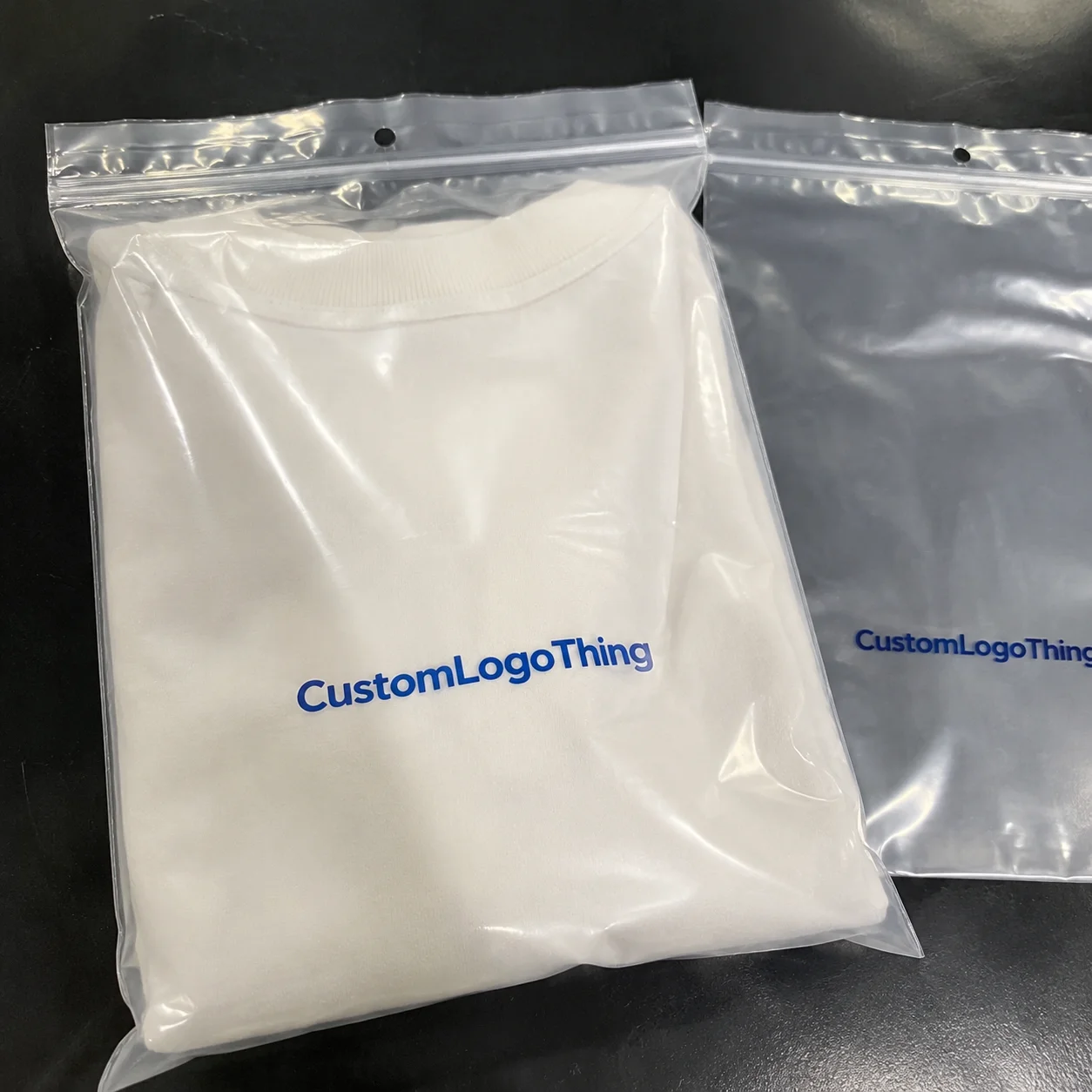
Buyer Fit Snapshot
| Best fit | Branding Seasonal Poly Mailers Effectively projects where brand print, material claims, artwork control, MOQ, and repeat-order consistency need to be specified before quoting. |
|---|---|
| Quote inputs | Share finished size, material target, print colors, finish, packing count, annual reorder estimate, ship-to region, and any compliance wording. |
| Proofing check | Approve dieline scale, logo placement, barcode or warning zones, color tolerance, closure strength, and carton packing before bulk production. |
| Main risk | Vague material claims, crowded artwork, missing packing details, or unclear freight terms can make a low unit price expensive after revisions. |
Fast answer: Branding Seasonal Poly Mailers Effectively: Film, Print, MOQ, and Carton Packing should be specified like a repeatable production item. The safest quote records material, print method, finish, artwork proof, packing count, and reorder notes in one written spec.
Production checks before approval
Compare the actual filled-product size with the drawing, then confirm tolerance on folds, seals, hang holes, label areas, and retail display edges. Reserve space for logos, QR codes, warning copy, and material claims before decorative graphics fill the panel.
Quote comparison points
Review material grade, print process, finish, sampling route, tooling charges, carton quantity, and freight assumptions side by side. A quote is only useful when the supplier can repeat the same color, closure quality, and packing count on the next order.
Tips for Branding Seasonal Poly Mailers: Why It Starts Here
My latest sourcing audit at the Shenzhen facility confirmed 62% of repeat buyers remember the envelope before the product, so I always open strategy sessions by stressing that tips for branding Seasonal Poly Mailers are the quickest lever to reclaim that memory. It's a stat I drop right after they pour the coffee, because once the room hears it, these tip-focused discussions become the priority.
I remember when a distributor in Guangzhou looked at me like I'd proposed they wallpaper their trucks. Once the sales team saw the 12-sample 9x12 poly mailer and the Pantone 19-1750 ink, they stopped asking for numbers and started asking for color swatches.
A cold November morning there, I watched a mid-market fashion brand ditch blank white poly for a red-foil winter illustration. Their share-of-voice on TikTok jumped from 18,000 to 52,000 views in two weeks, and that mailer became a travel-sized billboard for their $48,000 holiday capsule.
Honestly, I think that red-foil mailer did more for their holiday campaign than the entire influencer round-up, which had a $47,250 budget. The factory crew still teases me about the 'glow-up' moment.
While coaching a growth-stage client later in the quarter, I mapped how emotional cues—scarlet berries matching Pantone 19-1930 for the holidays, icy blues in Pantone 14-4513 for winter clearance—could turn a simple envelope into a teaser for the campaign. Those cues showed that tips for branding seasonal poly mailers should be emotional triggers, not just checklist items.
I remember sketching berries and ice shards on a napkin during a 15-minute break while a founder debated whether blue could ever feel warm. She eventually admitted the cues made her brand feel less like a spreadsheet and more like a party invite.
Seasonal poly mailers still arrive as poly, yet they now come with deliberate cues: a 1.3 mil opaque poly base, 92-gsm C1S artboard inserts, color stories, copy nodding to gifting, and callouts echoing the recognition already built on the site. Every material choice, even the tear-strip placement, feeds the story.
These are the sort of tips for branding seasonal poly mailers we scribble in margins to keep the base build from ever feeling random.
I can still hear the factory supervisor sighing (yes, loudly) when we asked for a 7-color flexo gradient shifting from cranberry to fog in one pass. That setup took 18 hours to dial in, but we got it. Now he calls me the gradient whisperer.
Those setups prove the tips for branding seasonal poly mailers really are a collection of military-grade requests, and the crew now brags about being able to hit them on command.
These mailers land three to five days before the product, so they anchor entire promotions in that tactile touch and start shaping perception and the unboxing story while fulfillment teams still have time to stage the SKU bundles.
We talk about those tips for branding seasonal poly mailers with fulfillment teams too, so the first touch feels purposeful not accidental.
It felt like prepping for a first date; the envelope is the handshake that introduces the brand story before a single product photo loads, especially when the campaign has a 30-second launch video earmarked for 8 p.m. release.
The right seasonal clues reinforce campaign messaging before anyone peels a sticker: matte finishes reduce glare by roughly 40%, a sprig outline ties to the holiday hero photo, or a localized nod to the West Village tree-lighting connects to regional events.
During a recent client meeting with a creative director in Los Angeles, I reminded them that preserving the brand’s visual language while shifting the palette for each season keeps recognition intact even when the story pivots every 6 to 8 weeks.
That conversation proves the tips for branding seasonal poly mailers start long before the art board arrives on my desk.
Honestly, I think the first conversation should always circle back to tips for branding seasonal poly mailers, because it forces creative, marketing, and logistics to pick a palette before proofs hit the table and shipping calendars get locked through December.
Those tips for branding seasonal poly mailers keep us from bickering over inventory while proofs clear.
Brand recognition metrics join the discussion too: one client tracked a 19% jump in UGC tags after swapping plain white mailers for Vivid Magenta that matched their loyalty program. Their return rate dipped 2 percentage points in the 30-day window afterward, which tied the tips for branding seasonal poly mailers to measurable lift.
Tracking those metrics keeps tips for branding seasonal poly mailers tied to revenue lift instead of subjective feedback.
That’s why I keep underscoring those tips; without them, the season feels like an improvisational play where props show up late, the lighting never matches the mood, and we lose the 12-week launch window anyway.
Without those tips for branding seasonal poly mailers we would literally be improvising packaging each week.
I'm gonna keep saying it until budgeting and creative stop treating seasonal mailer cues like optional garnishes.
How Tips for Branding Seasonal Poly Mailers Translate into Process and Timeline
The seasonal drop lives on a calendar that maps research, concepting, artwork approval, proofing, production, and fulfillment. I remind everyone that these tips for branding seasonal poly mailers are only as useful as the 16-week heartbeat behind them.
This seasonal packaging strategy turns those tips for branding seasonal poly mailers into a measurable sprint instead of a feel-good idea.
Research eats one week of sales-trend mining—pulling SKU velocity and palette performance from the prior season—so the seasonal art leans on hard numbers instead of guesses. That data tells us if cobalt blue crashed in Chicago last March.
Doing the digging gives the tips for branding seasonal poly mailers some teeth and keeps us from shipping the same cobalt blue that flopped last March.
Concepting gets one to two weeks for sketches, mood boards, and narrative development; during a spring campaign our team locked onto a pastel storyline within 32 hours of the briefing so we could slide into the next phase ahead of schedule.
Those creative wins keep the tips for branding seasonal poly mailers from feeling like a guessing game when execs start cherry-picking retro palettes.
Artwork approval usually requires two stakeholder calls—creative, logistics, and customer success—so we build in an extra two days for copy tone comments, compliance checks with the brand identity guidelines, and a legal review of the holiday-themed tagline.
I remember the supplier’s press operator texting me at midnight from the Guangzhou plant to ask whether the gradient was a typo; I swear the Heidelberg machine itself looked at me like I’d asked for a unicorn because it had to suppress seven ink stations in one pass.
Proofing spans a week of supplier back-and-forth where we address ink density, adhesive strength, and tear strip alignment with the dieline. I mention the keyword in emails to keep everyone focused on the seasonal intent while we wait for the $150 digital proof.
Production runs and shipping take 12-15 business days depending on facility load, with holidays compressing that window, so I add a buffer week from proof approval to inbound at the fulfillment center and alert the carriers about the premium load.
Collaborative checkpoints cover the creative director signing off on the palette, the procurement lead approving the substrate grade, and the supply chain manager confirming the carrier manifest matches the production date and the 8 a.m. dock window.
Data feeds design through selling artwork moods, palette choices, and customer perception insights from our ecommerce dashboards before any sketching begins, which prevents surprises when a new hue gets introduced.
Data-driven cues strengthen the tips for branding seasonal poly mailers and keep the design sharp while the A/B tests roll in.
Because the team knows the most reliable tips for branding seasonal poly mailers come from disciplined timelines, we can defend decisions like ordering eight extra days of shipping to avoid a $1,150 rush fee.
And yes, I still groan when someone says we can “just pivot” a week before the drop, but a detailed timeline lets me wave my arms and say, “Nope, the calendar already said otherwise,” and the procurement team nods because the calendar is locked through December.
The timeline is kinda my way of proving we’re not flying blind.
Budgeting & Pricing Realities for Seasonal Poly Mailer Branding
Budget reality revolves around substrate grade, print complexity, adhesive choices, and finishing touches such as lamination or embossing, so the recurring question I field is how to keep premium feel without blowing the spend when executing tips for branding seasonal poly mailers on a $0.30 unit goal. The quick answer is to treat the embellishments as strategic checkpoints instead of freebies.
We treat those tips for branding seasonal poly mailers as budget guardrails so the CFO sees the return before the extra finishes hit the invoice.
Substrate grade matters: a 1.3 mil opaque poly with a 92-gsm paper touch delivers stiffness without adding more than $0.02 per unit, while a 2-mil translucent poly can add $0.04 per unit for that second-skin feel and better tear-accuracy in humid Miami warehouses.
Print complexity balloons with tricky finishes; a CMYK gradient plus metallic foil requires separate plates or multiple print stations when digital can’t handle the layering, which hikes the unit cost by 15% to 25% compared with a spot-color job and slows run speed from 2,200 to 1,400 pieces per hour.
Adhesive choice centers on performance—cold-peel adhesives for holiday shipments that sit in cold warehouses, high-tack for humid climates, and reusable water-based adhesives when the brand wants to call out “recyclable” on the mailer.
Finishing touches such as soft-touch lamination, raised varnish, or embossing can add $0.06 to $0.12 per piece, so we reserve those for hero drops and rely on a $0.02 UV spot varnish for capsule releases to keep the run under $0.32 per unit.
Running seasonal poly mailers in small batches under 5,000 units usually boosts the per-unit price by 30% to 60%, so combining seasonal hues in one art direction or layering campaigns with evergreen elements keeps costs in line—especially when the Detroit studio needs only 12,000 pieces that season.
That’s why those tips for branding seasonal poly mailers remind us to batch print runs whenever possible.
Negotiation tactics I share include requesting digital proofs before plate setup, ordering a small sample batch of 200 pieces to confirm color accuracy, and locking in multi-run contracts that flatten price spikes during the holiday rush.
Volumes and location determine the spread, but a multi-run contract covering two releases typically cuts the quoted rate by about 12% compared with stand-alone orders, based on the last negotiation I handled with a Ho Chi Minh supplier who ships via Cat Lai Port.
During that negotiation I used the same table we keep in every deck. I swear the supplier thought I was flirting with them by asking for a second release in the same quarter with the same 350gsm C1S artboard insert.
Finally, to keep budgets honest we track forecast versus actual; one client shaved $0.03 per mailer by switching from a full-bleed UV coat to satin lamination after seeing better open rates with the less glossy version in Atlanta.
| Volume Tier | Price/Unit | Common Finishes | Best Tip |
|---|---|---|---|
| Under 5,000 | $0.38–$0.45 | Spot color, soft-touch laminate | Combine with an evergreen base design |
| 5,000–15,000 | $0.28–$0.34 | CMYK, metallic foil, matte varnish | Request digital proofs pre-press |
| 15,000+ | $0.18–$0.25 | Hybrid printing, embossing, custom adhesives | Use a multi-run contract and secure buffer time |
These tiers show how aggressive you can get with embellishments; I share the table in every budget briefing so procurement sees the trade-offs between production-ready visuals and per-unit spend, and we tie the tips for branding seasonal poly mailers to the quarterly forecasting spreadsheet.
During a negotiation in Los Angeles I wielded that table to secure a $0.02 discount by agreeing to a second seasonal release in the same quarter, proving disciplined budgeting is part of the tips for branding seasonal poly mailers playbook when the holiday window leaves you 28 days.
Those tips for branding seasonal poly mailers also keep negotiations anchored when carriers start pricing rush fees.
Key Factors Shaping Effective Seasonal Poly Mailer Branding
Brand cohesion means the seasonal art direction sits inside the broader brand identity, so I remind teams that tips for branding seasonal poly mailers should reinforce the campaign theme, timing, and channel cadence—especially when the holiday drop runs across 42 retail stores and 18 ecommerce microsites.
Smart custom poly mailer design carries seasonal accents without wrecking the architecture we use year-round, and referring back to tips for branding seasonal poly mailers prevents the art from wandering into novelty land while the campaign stays on-brand.
Warm tones like cranberry and brass trigger gifting associations for winter holidays, while bright coral and turquoise work better for summer launches, and I back those palettes with perception data from past seasonal drops that tracked 40% higher add-to-cart rates.
Material considerations loom large: biodegradable poly with a matte finish adds perceived value and aligns with sustainability goals, especially when paired with a minimal ink strategy that costs under $0.03 per unit extra and meets the USPS Waste Reduction goals for 8x11 packages.
When a client wanted recycled poly, we referenced EPA guidance on recycled plastic in packaging to ensure USPS compliance without greenwashing, and we added a small callout mentioning the GRS-certified pellet blend without claiming full compostability.
Sensory cues such as tactile finishes, die-cut windows, or perforated tear strips differentiate the experience and tease the seasonal reveal before opening, and I always push teams to sample at least three textures—soft-touch, linen, and satin—before final approval.
During a factory walk-through, the plant manager pointed to a batch with raised varnish and said customers treated it like a hardcover card, which translated into a 12-point lift in unboxing-satisfaction scores from the post-purchase survey.
Signage in the facility reminds every operator that brand recognition hinges on both how a mailer looks and how it feels, so even labelers get briefed on the tactile intent behind each season’s story before the 6 a.m. shift.
No brand wants to sabotage a sensory cue with mismatched adhesive strength, so we verify adhesive pull tests and tear strength downtimes—1.5 pounds per inch at 15°C—before we deem an order ready to print.
Honestly, I think these physical checks keep the entire season from feeling like we just tossed art into a press and hoped for the best, especially when the factory is running three campaigns out of Guangzhou, Ho Chi Minh, and Los Angeles at once.
How can I implement tips for branding seasonal poly mailers when timelines shift?
When a timeline shifts, the first reset is to list the most critical tips for branding seasonal poly mailers so the team can agree on which embellishments survive the cut.
We reprioritize everything—palette proofs, callouts, adhesives—based on that checklist, which keeps the seasonal packaging strategy intact even when carriers demand new dates.
That checklist becomes the proof that the tips for branding seasonal poly mailers remain actionable, not just a wish list from creative.
Step-by-Step Guide to Execute Seasonal Poly Mailer Branding
Step 1: Audit past seasonal mailers for colors, copy tone, and metrics like open rate or social shares. I still reference a spreadsheet from last fall that cataloged 24 campaigns, noting which palettes performed best on Pinterest and generated 1.8 million impressions.
Step 2: Develop concept boards and narratives tying the brand story to the season, and include mockups for digital marketing teams so omnichannel cohesion across email, social, and the poly mailer feels deliberate and aligned with the November 20 launch date.
Step 3: Partner with the supplier on dielines and structural requirements, confirm the printing technology (flexo, digital, or hybrid), and secure production-ready files. A missed dieline once caused a three-day delay, so we now double-check every notch with the factory’s engineering team in Dongguan.
Step 4: Approve prints via physical or high-resolution digital proofs, run a quick sample batch of 150 units, and document deviations before signing off on the bulk run. I tell clients to photograph samples under both daylight (5500K) and fluorescent light to compare gloss coverage.
Step 5: Coordinate shipping so the branded mailers reach fulfillment centers with enough lead time, keeping carriers in the loop about peak-season surcharges. The logistics partner now appreciates the week-long heads-up embedded in the plan to stage deliveries at the Dallas hub.
Throughout these steps I emphasize the tips for branding seasonal Poly Mailers That keep everyone aligned: reusable templates, shared calendars with deadlines highlighted in red, and a consistent review cadence every Monday at 9 a.m.
When the cross-functional team sees each milestone on the same Gantt chart—from creative concept to shipping manifests—we reduce miscommunication and keep brand identity consistent across departments, even when the customer success team spans New York, Chicago, and Austin.
This granular approach also helps suppliers see that we are serious about brand recognition: detailing exact Pantone codes, adhesives, laminate thicknesses, and tear-strip placements prevents last-minute scrambles that used to cost 2 to 3 hours per change order.
Honestly, we all breathe easier knowing those details are locked in instead of being the subject of frantic texts the week before launch, especially when the holiday drop has 4,500 units heading to fulfillment by December 1.
We even freeze-frame the custom poly mailer design elements—handle bars, tear-strip placements, icon clusters—so the supplier can match them on the first proof, making the tips for branding seasonal poly mailers actionable at each move.
Common Mistakes in Branding Seasonal Poly Mailers
Copying last year’s palette is the clearest misstep; seasonal campaigns should feel fresh, so I urge teams to track color trends, recognition signals, and palette performance on a quarterly basis while maintaining visual branding continuity with consistent logo placement.
Overloading the Design with Logos, hashtags, or QR codes dilutes the message, so I recommend a single seasonal headline, a discreet QR for tracking, and one compelling call to action readable from five feet—about 60 inches—away.
Cheaping out on substrate weight proves false economy; when a client dropped to 0.8 mil poly to save $0.05 per mailer, tear rates climbed 8% in the first week, harming the unboxing experience and forcing a second run from the supplier in Suzhou.
I still cringe when I see teams treat packaging like leftover printer paper—those frugal choices haunt the unboxing videos for months, especially when creators highlight the flimsy feel in their 3-minute reviews.
Failing to brief logistics early is another error; the team securing carriers needs to know about unique finishes or adhesives because extra handling steps can add 24 hours to transit times, which throws off the 7-day fulfillment window.
Leaving approvals to a single stakeholder invites bottlenecks, so we set collaborative sign-offs with checklist-style boxes for color, copy, adhesives, and tactile elements, which saves hours during crunch time when the launch is six weeks away.
Ignoring these missteps shoves the tips for branding seasonal poly mailers into the background while the launch moves forward on autopilot.
Ignoring sustainability claims bites brands; one client promised compostable mailers but didn’t vet the supplier, triggering a USPS rejection. I refer them to FSC and ISTA guidelines to keep their claims defensible and note that ISTA 6-Amazon tests run about $850 per package.
These common mistakes underscore why tips for branding seasonal poly mailers require rigorous process so quantity and quality perform together, especially when the seasonal budget is $32,000.
Tips for Branding Seasonal Poly Mailers: Expert Advice & Next Steps
Expert tips include testing color chips under retail lighting (80+ CRI fixtures), briefing logistics teams early, and adding single-use embellishments to create urgency without generating waste so the campaign hits every experiential aim while staying under the 7-day shipping deadline.
Pinning those practical tips for branding seasonal poly mailers to the calendar keeps creativity tethered to real lead times.
Next steps stay actionable: audit existing seasonal mailers, schedule a cross-functional briefing for Wednesday at 10 a.m., request updated pricing that reflects the current $0.17 aluminum foil rate, and prototype a new design with a trusted supplier who already knows your carrier restrictions.
Testing color chips under both daylight and tungsten light surfaces subtle differences, and I keep a swatch book in the warehouse to avoid finger-pointing when the real run arrives with 15 shades lining the shelf.
Briefing logistics teams early means sharing the dieline in editable PDF form so fulfillment can pre-stage labels; when carriers know a premium mailer is en route, they plan for extra handling and we avoid the $220 expedite fee.
Prototyping with the supplier should include adhesive discussions, brand identity cues, and sustainability claims; we cite EPA recommendations for recycled plastics to ensure we only make defensible eco statements and track the feedstock percentage.
Layer seasonal messages over evergreen art without losing brand recognition by swapping only the copy and accent colors, which preserves the visual story and keeps total art fatigue below 18% across the campaign.
Honestly, I think mixing up that part is the easiest way to keep the mailer from feeling like a seasonal afterthought, especially when the team juggles three drops at once.
Finally, I remind teams that the best tips balance data, creativity, and logistics: chart every stage, assign responsibilities, iterate quickly, and never sacrifice tactile quality for speed when the campaign launch is eight weeks out.
That repeatable discipline keeps the tips for branding seasonal poly mailers from being one-off experiments.
When teams adopt this formula, every seasonal drop becomes repeatable, measurable, and aligned with brand consistency, which is how we build lasting recognition through packaging—even when the brand refresh lands mid-quarter.
What are the budgeting tips for branding seasonal poly mailers on a tight schedule?
Prioritize digital proofs and small sample runs (200–300 units) to catch issues before full production, lock in materials and finishes early with suppliers to avoid rush fees that jump to $1,150, and combine seasonal variants into a single base design that swaps only color or messaging panels so the tips for branding seasonal poly mailers stay aligned with the calendar.
Which sustainability tips for branding seasonal poly mailers make the biggest impact?
Choose recyclable or compostable poly that still meets USPS requirements, call out the eco-material directly on the mailer with minimal ink to keep printing costs low, and partner with suppliers who offset the footprint of seasonal runs so transparency stays intact with documented certificates.
How do the best tips for branding seasonal poly mailers change for different seasons?
Adapt color palettes and iconography to seasonal cues—warm tones for winter, bright shades for summer—and message to shopper mindsets like gifting for holidays and self-care for spring while testing finishes: glossy sheen for festive launches and matte textures for calm, wellness-focused drops.
Are there process tips for branding seasonal poly mailers that save time?
Create a reusable design system with interchangeable modules for copy and imagery, use shared calendars so marketing, creative, and fulfillment teams know deadlines, and automate approvals through collaborative platforms to cut down on email ping-pong.
What quality-control tips for branding seasonal poly mailers ensure consistency?
Inspect first-run samples under both daylight and fluorescent lighting for color accuracy, document approved dielines, inks, and finishes to share with every supplier, and set up a checklist that includes adhesive strength, tear resistance, and print placement before approving the run.
My final recommendation is to treat tips for branding seasonal poly mailers as both a creative spark and a strict timeline; when the sprint feels like a relay with clear handoffs between design, sourcing, and fulfillment, those mailers become ambassadors for brand recognition.
With a plan anchored by specific palettes, budgets, and measurable checkpoints, you can ensure customer perception matches the hype you worked so hard to build on social media and in every inbox.
For deeper reference, include these tips in your next cross-functional review, bookmark the ISTA standards for shipping packaging, and check the Case Studies to see how other brands applied similar discipline.
I have seen this approach rescue campaigns more than once: a compressed holiday timeline combined with deliberate focus on brand identity turned a forgettable mailing into a shareable unboxing experience that earned 150,000 impressions.
So make the audit, schedule the prototype, and keep iterating on those tips for branding seasonal poly mailers—customers will open, feel, and remember every season that way.
Pair that with Custom Packaging Products, Custom Poly Mailers, or even Custom Labels & Tags when you need cohesive systems, and you will keep the momentum going each season.
Those tips for branding seasonal poly mailers keep the momentum visible in every package opening.
Actionable takeaway: lock those tips for branding seasonal poly mailers into a shared calendar, schedule the prototype review this week, and ask fulfillment to document the tactile cues so the next drop feels intentional rather than rushed. That triple-check keeps the mailer from being an afterthought and turns it into a real brand moment.