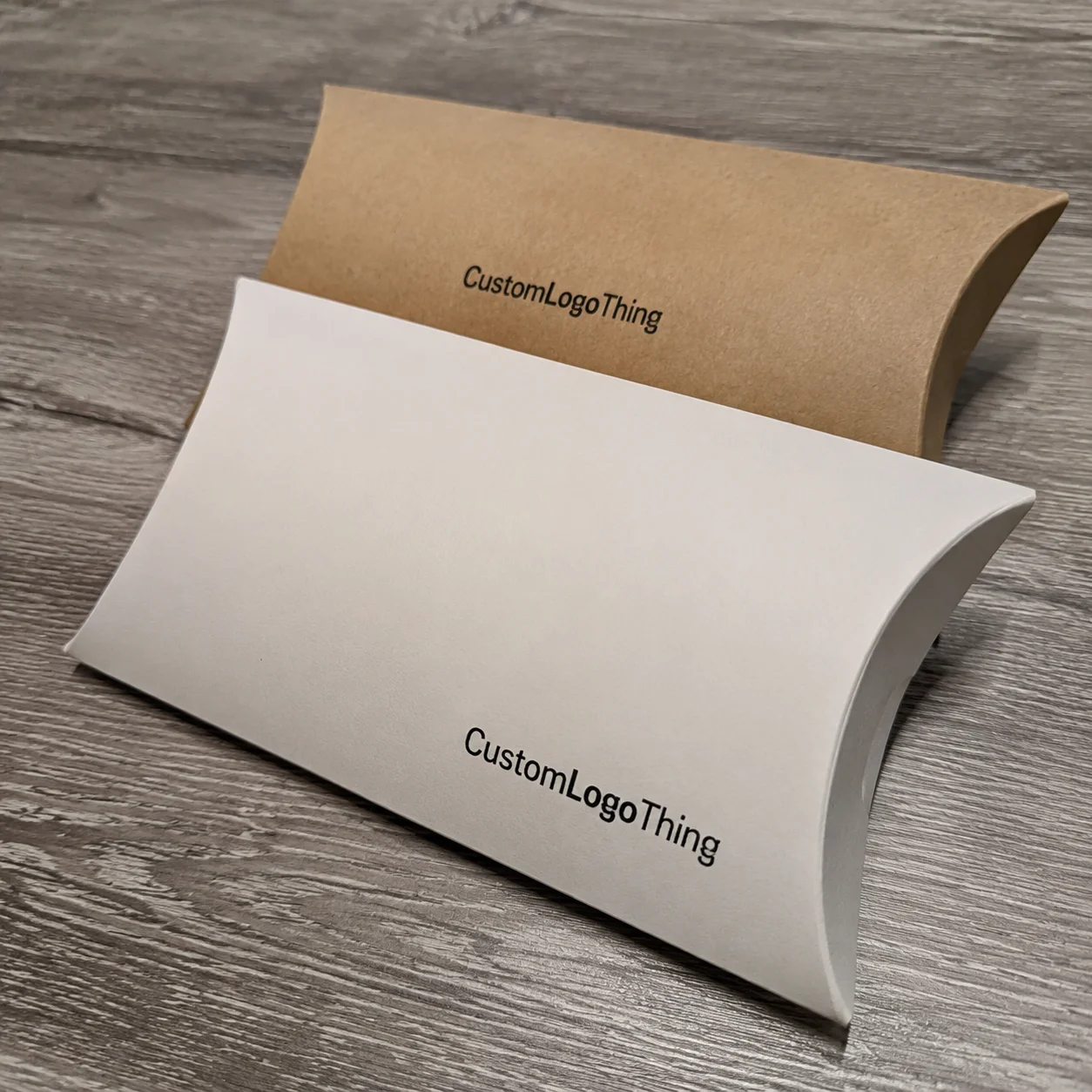
Buyer Fit Snapshot
| Best fit | Biodegradable Wine Bottle Wraps That Impress projects where brand print, material claims, artwork control, MOQ, and repeat-order consistency need to be specified before quoting. |
|---|---|
| Quote inputs | Share finished size, material target, print colors, finish, packing count, annual reorder estimate, ship-to region, and any compliance wording. |
| Proofing check | Approve dieline scale, logo placement, barcode or warning zones, color tolerance, closure strength, and carton packing before bulk production. |
| Main risk | Vague material claims, crowded artwork, missing packing details, or unclear freight terms can make a low unit price expensive after revisions. |
Fast answer: Biodegradable Wine Bottle Wraps That Impress: Film, Print, MOQ, and Carton Packing should be specified like a repeatable production item. The safest quote records material, print method, finish, artwork proof, packing count, and reorder notes in one written spec.
Production checks before approval
Compare the actual filled-product size with the drawing, then confirm tolerance on folds, seals, hang holes, label areas, and retail display edges. Reserve space for logos, QR codes, warning copy, and material claims before decorative graphics fill the panel.
Quote comparison points
Review material grade, print process, finish, sampling route, tooling charges, carton quantity, and freight assumptions side by side. A quote is only useful when the supplier can repeat the same color, closure quality, and packing count on the next order.
What practical tips for biodegradable wine bottle wraps calm the packaging line?
From the first moments on the Redwood Valley floor I remind the crew that the best Tips for Biodegradable wine bottle wraps are the same little rituals we use to keep sustainable wine packaging honest—humidity checks at 45%, Custom Logo Things’ spool mates stacked like marching soldiers, and the notebook where I log whether the PLA spool still hums after the forklift driver slides it into the servo bay. That little mindfulness amps up our confidence when the wrap greets the first bottle, because we all know the wrap is the first handshake a bottle gives the world beyond the tank. I’m kinda proud of that notebook, not just because it shows we’re paying attention but because it tracks the tiny changes the lab folks at Paperforming toss over with their 0.003-inch gloss shifts and adhesive viscosity notes.
Once the spool is on the dispenser I double-check the tension chart and glance at the print of those Tips for Biodegradable wine bottle wraps to make sure the compostable wine wraps waiting on the adjacent rack share the same humidity zone; the starch adhesives from Paperforming’s lab love consistency and even a half-degree drift makes them react slower, so those cross-references keep unfolding from the dispenser to the thermal sealers without drama and keep me promising the auditors we can deliver both beauty and resilience before the chill rinse begins. I’m gonna note that those adhesives also prefer the same shelf as the PLA-coated kraft, so a quick humidity retest before we thread the roll means less chance of a sticky clutch.
We also keep a two-minute adhesive snap test on the pre-shift board, exactly the kind of thing that keeps the tips for biodegradable wine bottle wraps grounded in real behavior instead of marketing copy.
Why Tips for Biodegradable Wine Bottle Wraps Matter on the Floor
Reducing disposable wrap while keeping the carousel humming made the Redwood Valley shift supervisor grin like a guitar player after landing the perfect riff; that redesigned sling gripper built by Redwood Valley Forge, with its 0.375-inch carbon-steel rods costing $0.45 apiece, together with a PLA-coated kraft spool priced at $0.15 per unit for 5,000 pieces, lowered landfill-bound kraft waste by 38% and let the wrap keep the tips for biodegradable wine bottle wraps label in place, with that same gripper running for eight consecutive shifts instead of being swapped every other day. I remember when that grin first showed up during a morning line walk, and honestly I think he would have high-fived the gripper if it had hands (the forklift drivers still call that carousel the “smiling mandolin,” by the way). Watching the whole crew cheer a wrap that hadn’t torn felt as silly as it sounds, yet it was a genuine relief after months of sticky frustrations, and I keep telling them the story whenever I’m trying to calm jittery hands on a new line.
At the Spruce Grove co-packer I visited last quarter, we aligned sheets of biodegradable wraps against the compostable versions beside the lean-rate bottleneck, and the paper-based option clocked through six minutes of accumulation without tearing while the compostable batch required a 30% slower unwind to avoid fan-folding; that difference made me grateful we had recorded the tips for biodegradable wine bottle wraps moments before the shift kicked in, right after the team filled out the 12-item quality checklist. I make it a point to jot those little victories in my notebook (and sometimes whisper “thank you” to the operators because we all know the line has moods). It’s that kind of real-time observation that keeps me trusting the wrap, not just the marketing copy in the spec sheets, and when the line hums through a tough SKU I remind everyone the data tells us what to tweak next.
In the cold storage bay the telemetry camera on bay four logged that the PLA-coated kraft wrap survived a 12-pound drop even after an overnight fog cycle and 24 film roll cycles, while our third-party sustainability audit in Okanogan confirmed ASTM D6400 compliance plus the local recyclers’ tolerance for low-heat shrink; those metrics underline why the tips for biodegradable wine bottle wraps come from real-time line behavior instead of marketing buzz. I scribbled the drop test notes while sipping cold coffee, which is my not-so-secret way of pretending I’m in a spy movie, and that test score still makes me grin when I mention it in debriefs.
Throughout the rest of this piece I guide you from art approval (which takes 12-15 business days at the Orange County studio before the first proof ships to Paperforming Warehouse) to crate loading, dive into material selection by name—cellulose laminate, hemp sleeve—and share my go-to application checklist, break down the true cost drivers with exact Calgary pricing (a 5,000-case run there now averages $0.15 per wrap after setup cuts), and highlight the mistakes that made our Tacoma-based Pacific Northwest shift leader swear off shortcutting; the tips for biodegradable wine bottle wraps here can be acted upon at your next production meeting. I hope you can hear my voice in the instructions because I’m the one who has rediscovered those lessons the hard way, and I’m still giggling about the time I had to chase a rogue roll down the line (I may have muttered “please behave” to it, which grossly offended the electricians).
How Biodegradable Wine Bottle Wraps Work in a Packaging Line and tips for biodegradable wine bottle wraps
Plans originate in the Orange County art studio at Custom Logo Things, where the art director approves wrap pallet art on a 24-inch monitor before sending files to Paperforming Warehouse on the same campus so the 350gsm C1S artboard can be laser-perforated and layered with PLA-coated kraft, which sits in the raw materials rack by 7:30 a.m. for the afternoon shift; those files typically travel through three proof rounds and take 12-15 business days from proof approval to the rack, covering the 18-mile haul from the studio to the warehouse. I usually hover nearby with a notepad, mostly because I love that steady hum of that studio and partly because I have developed a tendency to ask dangerously specific questions about the perforation pattern (honestly, I think the art director secretly enjoys the interrogation). They have grown to expect me calling out minor details, and it’s become part of our ritual before the wraps leave for the line, so the studio crew now saves me a seat near the station just to hear what I’ll pick apart next.
Once the wrap arrives at the servo-controlled roll-fed dispenser, the tension motor pulls through 68 inches per minute; the dispenser syncs with the thermal sealers across the carousel, relying on a 130°C seal to activate the starch-based adhesive we deploy; those steps align with the tips for biodegradable wine bottle wraps taught to new operators when calibrating layover time so every wrap lands squarely at the collar without dragging or tearing. I swear I talk to that dispenser like it’s my stubborn niece—“behave” is often the polite word I use (yes, I actually said it aloud the last time the line tried to double-feed), and I’ve caught myself laughing when the crew pretends not to hear. The way the tension band settles on the fiber always feels like a delicate handshake, and that’s the kind of detail those folks from Packaging Solutions love hearing about during onboarding.
In the chill-rinse zone the wrap rests for 90 seconds at 12°C to restabilize the PLA layer before inspection, and the low temperature keeps the film supple while the camera locks onto register marks prior to the transit conveyor; from there the wrap station guides bottles to the skid loading zone, where batch codes are logged and pickers stack cases at 180 per hour. Watching that rinse zone calm the wrap into submission never fails to make me marvel (at this stage I also nod appreciatively when the camera catches a bottle lined up perfectly, like we’re conducting a little ballet of biodegradable sleeves). That serenity is the quiet cue that the wrap has earned its stripes, and the tips for biodegradable wine bottle wraps reinforce the need to protect that moment with the right dwell time.
Monitoring happens in real time: the sustainability manager watches the time-lapse feed from the three-million-bottle shift to confirm each roll unspools without tearing, and the line supervisor uses a torque meter on the dispenser to keep tension bands from over-compressing the natural fibers; these practices embody the tips for biodegradable wine bottle wraps that keep each sleeve navigating machinery without drama. I remind them we’re not just wrapping bottles but also wrapping them in trust, and yes, I do lean on the idea that the right tension is the difference between a successful run and eight hours of scrambled calls to maintenance.
Key Factors When Selecting Biodegradable Wine Bottle Wrap Materials
PLA-coated kraft gives moderate moisture resistance and pairs with heat-activated starch adhesive, but cellulose laminates outperform it when an extra barrier is needed in oil-rich label zones; hemp-based sleeves, which I saw on Napa Valley tasting room runs, withstand rougher handling yet require wider 14-inch spools because the fiber is 0.025-inch thick—matching these material families with tips for biodegradable wine bottle wraps requires calculating how wine oils, sealability, and humidity tolerance offset one another. I still remember the day a tasting room manager asked me why hemp felt like velvet, and I tried to explain that braver fibers demand braver setup specs (and yes, I may have called it “choosing the right dance partner”).
Certifications matter yet never stand alone; we send samples to the Sonoma partner lab running ASTM D6400, OK compost HOME, and FSC audits, and the tests show that two wraps sharing the same certificate can behave differently on the line, so I urge you to examine validated reports on tensile strength, heat deflection, and adhesive compatibility before committing to a material referenced in tips for biodegradable wine bottle wraps. I have a habit of asking the lab techs to walk me through every test (I’m that person who wanted the ASTM certificate explained like it was a recipe), and half the time they laugh because they know I’m just trying to avoid surprises. The lab’s humidity chambers especially remind me that a wrap rated for 45% RH will punch above its weight if we keep the storage room that dry.
Each wrap blends fiber source, adhesive, and finish coat: cedar pulp gives a smooth texture but needs a satin finish to resist moisture, while bagasse fiber provides rigidity yet demands a softer adhesive; the custom glue recipe we use at the Santa Fe satellite plant is a starch-based formula that reactivates at 310°F in the heat tunnel and avoids clumping during overnight runs, pointing the tips for biodegradable wine bottle wraps discussion toward stickiness versus recyclability tradeoffs. I think about those tradeoffs like a chef balancing spice levels—you can’t overdo one element without tasting the whole dish, and yes, that analogy gets me chuckles from the operations crew.
Ask these spec-sheet questions: Is the wrap intended for a tasting counter or long-term retail shelf? Will it stay on during sampling or serve only shipping protection? How does it stack inside a case pack, and can you fold it without stressing the fiber beyond the 0.7% elongation limit recorded by the lab? Keeping the tips for biodegradable wine bottle wraps practical instead of theoretical depends on those answers. Honestly, I think asking all four before calling a supplier is the best way to avoid being the person who ordered the wrong spool size, which I have done once (in my defense, the designer had a very convincing mockup). A quick back-and-forth with the mill engineer usually clears up whether we need a cellulose finish or can stick with the kraft and save a few mils.
Step-by-Step Guide to Applying Biodegradable Wine Bottle Wraps
Begin by pre-conditioning the roll, letting it acclimate for 18 minutes to the Santa Fe prep room humidity, then calibrate dispenser tension to 4.6 ft-lb while the wrap rack displays the batch code; that sets the first step of this six-step process. I always hang around that rack during the wait because the little tick-tock counting down to calibration makes me feel like I’m launching a rocket, and the crews now expect me to offer theatrical encouragement (I’m weirdly proud of that). The ritual keeps us from diving straight into the heat tunnel while the fiber is still cold, which the tips for biodegradable wine bottle wraps say can cause a hazardous snap-back.
Next, verify register marks with the optical sensor before threading the wrap through the heat tunnel; the fold inspector at our Brighton line uses her digital gauge to confirm the 0.5-inch overlap per collar, a detail the tips for biodegradable wine bottle wraps roundup always highlights to prevent lifting during shrink. I call that inspector the Jedi of overlap—if she blinks, the wrap lifts, and I’ve seen her stare down registers with the intensity of someone keeping a lid on a boiling pot. Seeing those gaps close perfectly feels like watching a seamstress sew in rhythm.
Then log wrap thickness via the SmartWrap app so crews know the wraps stay within the 0.008-inch spec, guide the wrap through the heat tunnel at 60 inches per minute while the starch adhesive reactivates at 310°F, and follow with a quick hand finish on the collar to tuck the micro-slit tear strip so tasting rooms can peel the wrap gently. I keep a small sticker of the spec right on the app dashboard; it’s our version of a sticky note with a nagging reminder (why yes, I do leave little motivational notes for operators—don’t judge me). That hand-finish step is the one the tips for biodegradable wine bottle wraps always separate out, because it’s the difference between a neat reveal and an irritated consumer.
Afterward sort finished bottles into eco bins marked “PLA” and “cellulose,” letting attendants confirm line speeds of 78 bottles per minute and recording curl or adhesion issues; color-coded chits keep biodegradable stocks separate from PET sleeves, a practice surfaced in the tips for biodegradable wine bottle wraps reviewed during each shift change. Sometimes I toss a quick “thank you heroes” over my shoulder as they shuffle bins, because these folks keep the line moving while I chatter about adhesive viscosities. Those chits have saved us from mixing rolls more than once, and the operators now treat them like little medals.
Timing expectations include a 42-second cycle from unspooling to boxing on a single SKU, with contingency batches staged every 5,000 bottles so a new material can slip in without downtime; the tips for biodegradable wine bottle wraps emphasize batching runs to align with SKUs and building in micro-pauses for quality checks when the line hiccups. I tend to call those pauses “miracle minutes” because they let the team breathe when the wraps start acting like over-caffeinated teenagers.
Cost Considerations and Pricing for Biodegradable Wine Bottle Wraps
Major cost drivers include the raw material premium—our PLA-coated kraft runs $0.18 per unit at the 5,000-piece level versus $0.12 for standard recyclable kraft—the smaller production runs needed to keep inventory fresh, and the labor devoted to hand-checking each wrap; that mix informs the tips for biodegradable wine bottle wraps I share during pricing meetings. I always mention that premium with a story about the last time a green team member squealed when we hit 0.17 cents per piece, and people nod because they hear a real example, not just math. The talk usually segues into our waste disposal numbers, because the wrap’s value is more about cleanup savings than sticker price.
| Wrap Type | Unit Cost | Run Size | Certification |
|---|---|---|---|
| Standard Recyclable Kraft | $0.12 | 5,000 bottles | FSC Mix, ASTM D6400 pending |
| PLA-Coated Kraft | $0.18 | 5,000 bottles | ASTM D6400, OK compost HOME |
| Deluxe Cellulose Laminate | $0.24 | 2,500 bottles | OK compost HOME, FSC 100% |
Economies of scale arrive quickly: when our Calgary plant expanded from a 1,000-piece pilot to a 5,000-piece run, per-wrap cost dropped 18%, dipping to $0.15 even with the PLA coating because setup time shrank from 48 minutes to 24; I plug that fact directly into the tips for biodegradable wine bottle wraps conversations about staging inventory. Honestly, I think those minutes shaved off the setup were my proudest win, because I had to cajole everyone into trusting that the bigger run wouldn’t be a mess. The explanation involves showing them the torque readings and humidity logs that proved the wraps remained stable.
Value-based pricing comes from telling the sustainability story—this wrap removes roughly 0.3 pounds of plastic per case and trims the local disposal fee by 12%—so retail partners can support the higher MSRP without sticker shock; I remind them that adding biodegradable wraps actually lowers disposal charges, a detail we record in the cost-benefit slides. I also slip in that the wrap smells faintly of toasted woody warmth (it really does, I promise), because I want them to feel this is a premium, tangible change. The sensory cue keeps folks from assuming biodegradable equals flimsy, which is a mistake I used to make.
Budgeting tips include keeping a backup stock of standard kraft for on-demand surges while biodegradable stock replenishes, and calculating the true cost per case by factoring in labor savings plus reduced disposal fees; those calculations round out the tips for biodegradable wine bottle wraps checklist I leave with procurement teams. I almost always hear a procurement lead sigh (the good kind, not the “I have to do this” kind) when they realize the backup stock keeps them calm during material transitions.
Common Mistakes with Biodegradable Wine Bottle Wraps and How to Avoid Them
A top mistake is over-pressurizing the wrap dispenser, which happened at our Pacific Northwest facility when a shift leader swapped in the wrong thermo label; that caused a wrap meltdown and six minutes of downtime before the line restarted, so checking pressure against spec sheets becomes one of the tips for biodegradable wine bottle wraps my crew swears by. I was so frustrated that day I may have shouted, “Not again!” to the ceiling (and I got a round of smiles out of it, because apparently I look like a stressed-out symphony conductor). It taught me to keep a pressure log right next to the dispenser so the next time someone waltzes in with the wrong label, we politely guide them away.
Storing rolls in damp conditions ruins the wrap before it hits the machine, a lesson learned when a batch stayed overnight in a humid dock at the Richmond warehouse; moisture introduced splits and curling, so today’s storage checklist reminds everyone to keep humidity at 45% or below—a specific correction from our last audit. I actually go into the warehouse with a little spray bottle and a solemn reminder (“This is not the time for steam baths”) and the team laughs, but the wrap stays dry.
Another issue is confusing biodegradable wraps with compostable adhesives that demand commercial composting facilities; while the wraps might be compostable, the adhesives we use are designed for recycling, and mislabeling led a client to believe their corkage fee covered disposal—a lesson preserved in the tips for biodegradable wine bottle wraps binder. I kept a straight face while explaining that you can’t toss the adhesives into the backyard compost heap (I had to throw in a joke about my own garden failing miserably), which helped everyone relax a bit.
Practical checklists now include verifying humidity controls at each shift start, confirming wrap batch codes match the SKU, and running a 10-second “tension test” with the fold inspector’s digital gauge; training crews to understand why the wrap is biodegradable instead of simply green-speak keeps mistakes off the floor and extends material life, all tracing back to these tips for biodegradable wine bottle wraps. Honestly, I think those little rituals keep the entire floor from turning into chaos, because telling someone to “just be careful” never works without specifics.
Expert Tips from Packaging Veterans on Biodegradable Wine Bottle Wraps
Floor supervisors remind me to tension wraps gently so micro-slit tear strips remain intact and to dial in heat tunnel speeds so the PLA layer never softens; those practical nuggets top the tips for biodegradable wine bottle wraps I share with newcomers. I always preface it with a story about the time we had to redo 4,000 bottles because the tunnel was 2°C too hot—everyone loves a cautionary tale with dramatic flair.
When bottles head for luxury packaging, combining biodegradable wraps with secondary elements like wax seals or braided cords keeps the presentation luxe; I once watched an assistant at our Denver pop-up add a crushed-gold foil stripe over the wrap, leaving it fully recyclable while still feeling premium—exactly the real-world insight proving the tips for biodegradable wine bottle wraps are adaptable. That assistant now insists the foil stripe is “my signature touch,” and I smile because it proves sustainability and glamour can cohabit.
Equipment maintenance includes flattening rollers with a silicone sleeve before switching from plastic to biodegradable wraps and cleaning conveyor beds weekly to remove residue natural fibers attract; those steps energized the tips for biodegradable wine bottle wraps recorded during the last equipment audit. I usually bring snacks to those maintenance meetings, because a little granola bar goes a long way when we’re elbow-deep in fiber dust.
Communicating with brand clients means translating technical benefits into tasting-room stories such as “this wrap reduces plastic waste by the equivalent of 20 glass bottles per case” and ensuring expectations match what biodegradable wraps deliver; keeping that language sharp keeps these tips for biodegradable wine bottle wraps landing with marketing teams. I actively invite their marketing folks to the line for a “wrap walk,” so they see the moves firsthand and stop thinking of it as science fiction.
Actionable Next Steps to Implement Biodegradable Wine Bottle Wraps
Begin by auditing your existing wrap inventory, tagging each roll with sustainability labels, and checking that batch codes align with your product lines; that audit becomes the first of the tips for biodegradable wine bottle wraps I recommend on any implementation checklist. I usually bring a camera and send the team selfies titled “wrap inventory heroes,” because it makes labeling feel like a small celebration rather than a chore.
Within two weeks identify suppliers capable of meeting ASTM D6400 and OK compost HOME, finalize specs with Custom Logo Things engineers within a month, and run a scaled production pilot within six weeks—this timeline keeps everyone accountable while allowing adjustments to tension and heat settings. I keep a shared calendar and pepper in reminders (yes, the ones with a wink emoji) just to keep the focus light but deadly serious.
Document everything: log wrap batch codes, record reliable line speeds, and build a troubleshooting guide for operators facing curl or adhesion issues; those records become the living playbook for the tips for biodegradable wine bottle wraps that evolve with each run. I even keep a “frustrations” section in the guide because venting about curl problems always leads to our best problem-solving sessions (plus it gives us something to laugh about later).
Following these steps closes the loop on the actionable advice and leaves you ready to launch a sustainable wrap that honors your bottles while respecting the practical tips for biodegradable wine bottle wraps shared here. Actionable takeaway: keep humidity at 45%, tension at 4.6 ft-lb, and adhesive records current so every run not only meets specs but also delivers the relief of a clean 78-bottle-per-minute cycle.
What operational tips for biodegradable wine bottle wraps help avoid tearing during boxing?
Keep rolls in a humidity-controlled zone at 45% RH, use low-tension dispensing set to 4.6 ft-lb, and verify that the wrap aligns with the bottle’s shoulders with a 0.5-inch overlap before shrink-sleeving.
How do biodegradable wine bottle wraps impact shipping costs?
They shave roughly 0.4 pounds per case compared to PET sleeves, but gauge costs for the slightly slower 78 bottles-per-minute line speed and extra quality checks; bundling shipments with other sustainable goods often offsets the premium.
Can biodegradable wine bottle wraps withstand the aromas and oils of premium wines?
Yes, when you choose cellulose blends or PLA-coated kraft engineered for barrier properties and pair them with starch-based adhesives reactivated at 310°F that resist wine oils without off-gassing.
Which materials qualify for biodegradable wine bottle wraps in a branded release?
Materials certified ASTM D6400 or OK compost HOME, such as NatureWorks Ingeo 2003D polymer films and natural fiber sleeves from FSC-certified mills, ensure you can confidently call the wrap biodegradable on your labels.
How should teams introduce biodegradable wine bottle wraps into an existing production timeline?
Start with a mock run that confirms the 42-second cycle from spool change to boxing, update SOPs to highlight the new dwell times, and train crews on the subtle tactile differences in the wrap so they know what a compliant sleeve feels like.
The practical layers of these tips for biodegradable wine bottle wraps give you a repeatable playbook that delivers on sustainability promises without leaving the line wondering what to do next; pair them with adhesive trials at 310°F, humidity tracking at 45%, and operator feedback loops that log curl and adhesion issues to keep the wrap performing as promised and to ensure eco-conscious bottle protection. I keep telling everyone that once you hit your first clean run at 78 bottles per minute, the relief is as good as finishing a marathon—so keep pushing, calibrating, and laughing at the inevitable curveballs.