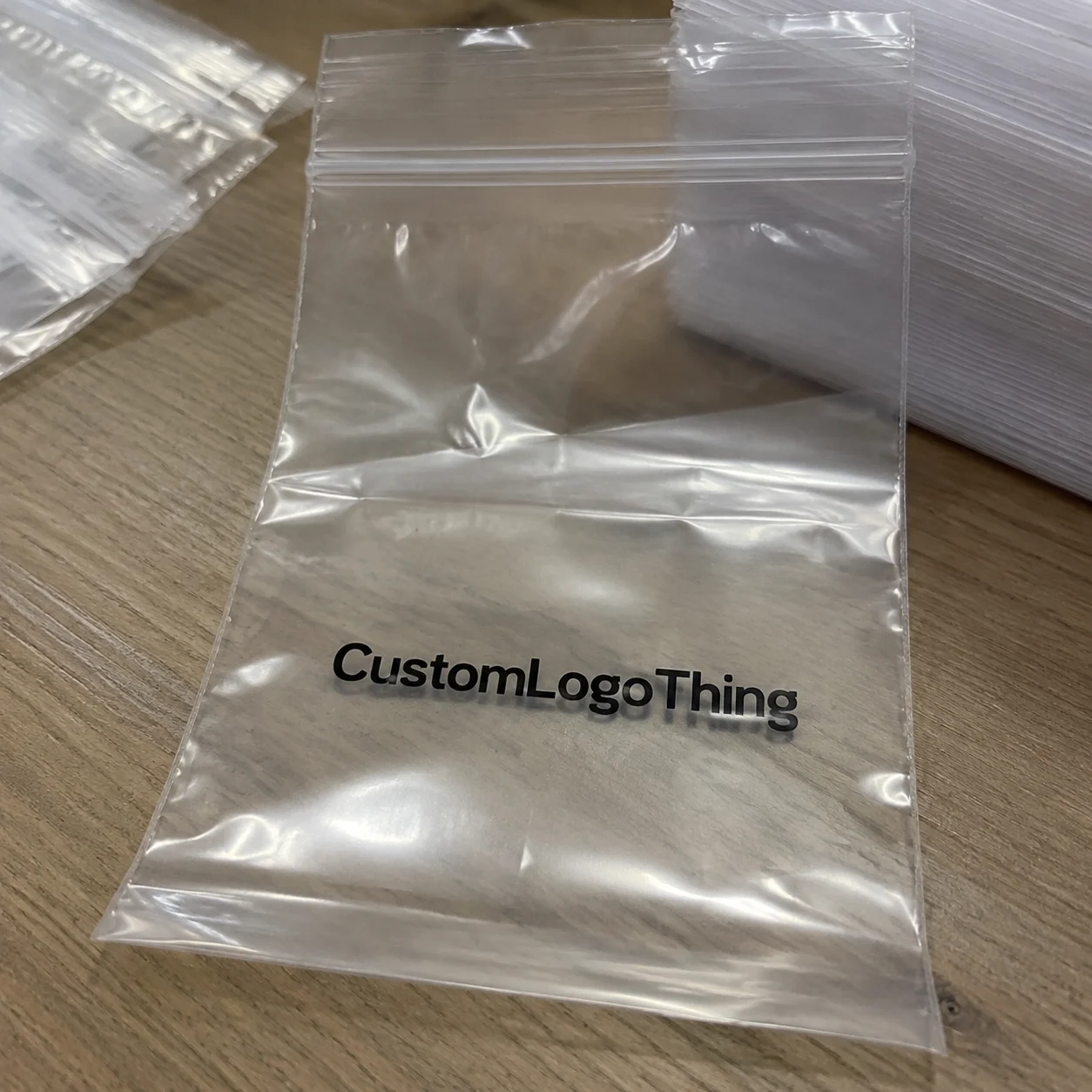
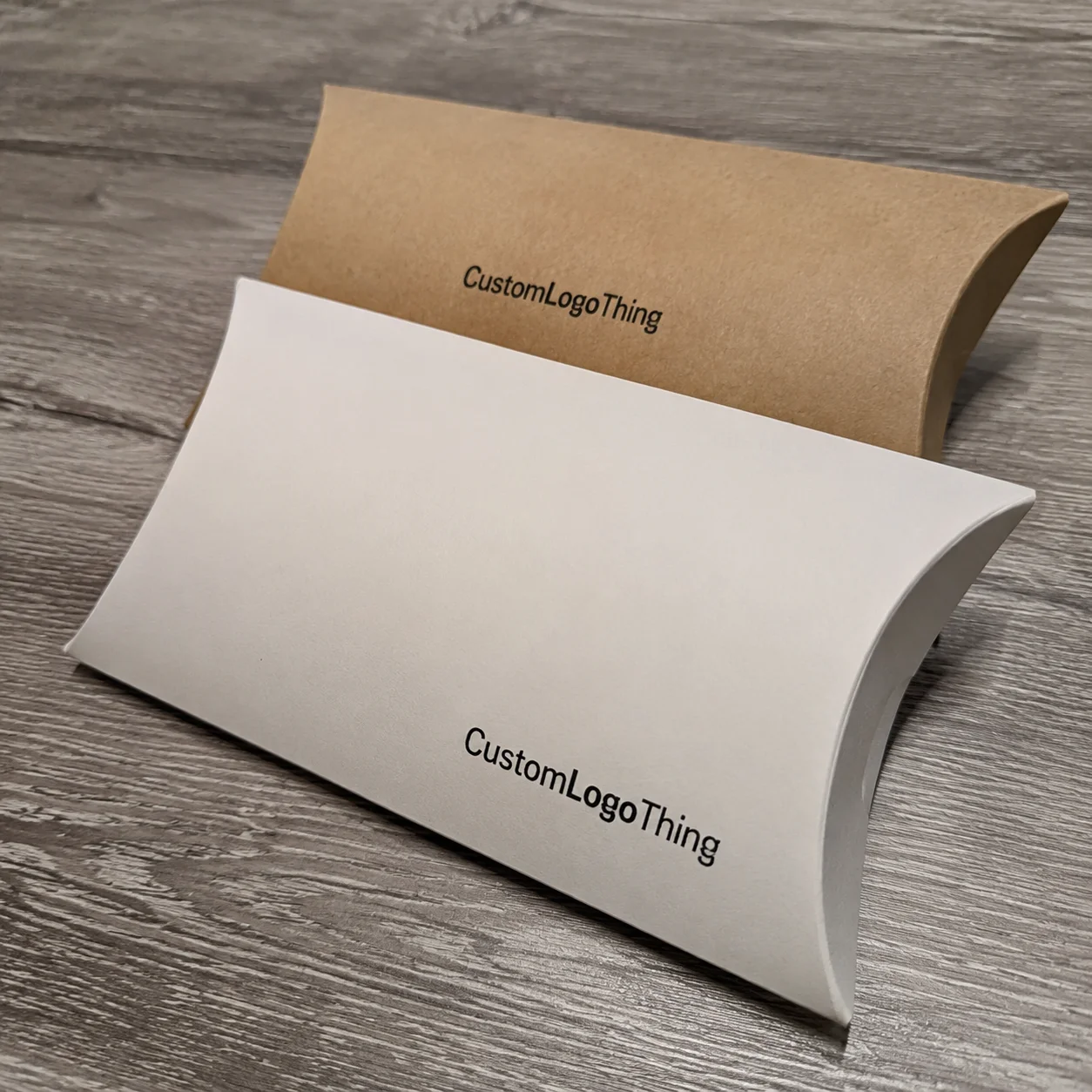
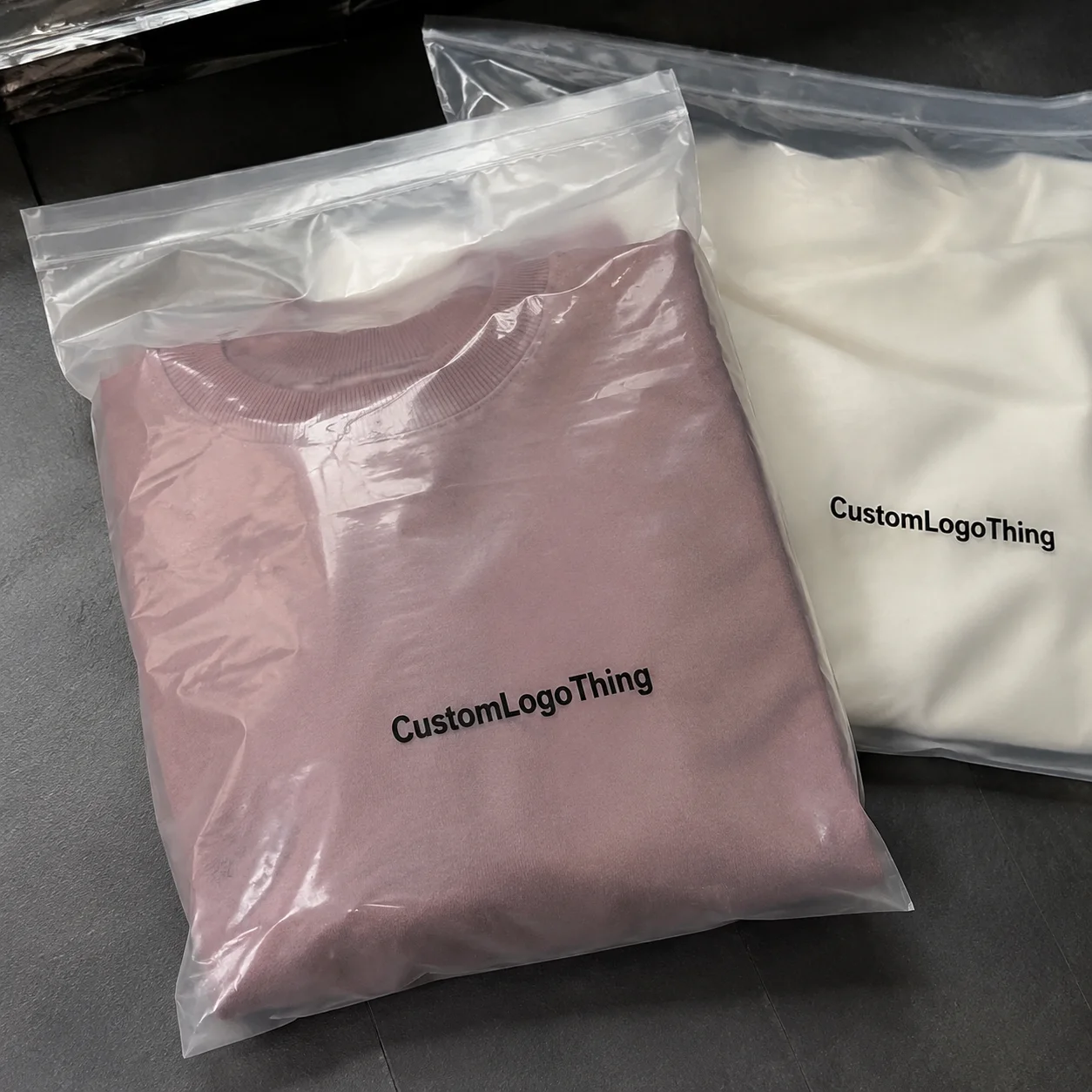
Buyer Fit Snapshot
| Best fit | Minimalist Packaging Design That Still Sells projects where brand print, material claims, artwork control, MOQ, and repeat-order consistency need to be specified before quoting. |
|---|---|
| Quote inputs | Share finished size, material target, print colors, finish, packing count, annual reorder estimate, ship-to region, and any compliance wording. |
| Proofing check | Approve dieline scale, logo placement, barcode or warning zones, color tolerance, closure strength, and carton packing before bulk production. |
| Main risk | Vague material claims, crowded artwork, missing packing details, or unclear freight terms can make a low unit price expensive after revisions. |
Fast answer: Minimalist Packaging Design That Still Sells: Material, Print, Proofing, and Reorder Risk should be specified like a repeatable production item. The safest quote records material, print method, finish, artwork proof, packing count, and reorder notes in one written spec.
Production checks before approval
Compare the actual filled-product size with the drawing, then confirm tolerance on folds, seals, hang holes, label areas, and retail display edges. Reserve space for logos, QR codes, warning copy, and material claims before decorative graphics fill the panel.
Quote comparison points
Review material grade, print process, finish, sampling route, tooling charges, carton quantity, and freight assumptions side by side. A quote is only useful when the supplier can repeat the same color, closure quality, and packing count on the next order.
Minimalist packaging design can look simple on a mood board and still be surprisingly demanding on a factory floor. I remember one carton job that looked almost serene in the deck—clean type, one accent color, lots of breathing room—and then it turned into a week of debate over 350gsm C1S artboard, ink density, and whether the insert should be glued in or left loose. I’ve watched a six-color carton with foil, embossing, and a custom insert cause more headaches than a clean one-color kraft box, which is exactly why Tips for Minimalist packaging design matter so much for brands trying to balance shelf appeal, cost, and real-world performance. The smartest packages I’ve seen at plants in Shenzhen, Ohio, and northern Mexico were not the busiest ones; they were the ones that knew what to leave out.
The core idea behind Tips for Minimalist packaging design is plain enough: reduce visual noise without weakening protection, brand recognition, or compliance. The package still has to survive a 36-inch drop test, scan a barcode in a warehouse, and communicate what the product is in about two seconds at retail. If it can do those things with fewer colors, fewer components, and a cleaner structure, you usually have a better package, not a more boring one. On a 5,000-piece run in Dongguan or Columbus, that simplicity can also shorten prepress approval by 2-4 business days because there are fewer artwork variables to reconcile.
Honestly, I think a lot of teams confuse “minimal” with “cheap,” and that’s where projects go sideways. The right tips for minimalist packaging design are about discipline, not austerity. You’re choosing where to spend attention: maybe on a better board grade, a tighter die line, a soft-touch coating, or just a smarter brand hierarchy on the front panel. (And yes, someone in every meeting will eventually say “can we just make it look cleaner?” as if that sentence solves everything.) A cleaner design often needs more planning, not less, especially when a supplier quotes a 12-15 business day turnaround from proof approval to finished cartons.
And there’s a logistics side people forget. Fewer inserts, fewer loose accessories, and fewer print variations usually mean faster packing, cleaner inventory handling, and less risk of damage in transit. In a busy fulfillment center in Dallas or Rotterdam, that can save real money by the carton—not just by the pallet. If an operator is packing 300 units per shift and each extra insert adds 8-10 seconds, the labor cost compounds quickly across a 10,000-unit order.
Tips for Minimalist Packaging Design: Why Less Can Move More
The most expensive packaging jobs I’ve seen were not the flashy ones with complicated graphics; they were the ones with too many moving parts, too many approvals, and too many failure points. A client once insisted on four specialty inks, a foil stamp, and a nested insert system for a cosmetic set, and the run ended up delayed nine days because one ink supplier’s batch drifted by a shade. I still remember the sigh from the plant manager when the final cartons arrived—one of those long, tired exhales that says, “we all knew this was coming.” The cleaner version, which we finally approved, printed on 18pt SBS with a single accent color and one embossed logo, and the line ran 22 percent faster on a press in Shenzhen.
That’s why tips for minimalist packaging design start with a plain definition: cut visual clutter while keeping product protection, brand recognition, and regulatory clarity intact. Minimalist packaging design is not empty packaging; it is intentional packaging. If a panel has one brand mark, one product name, one usage cue, and the required compliance copy placed with care, the result often feels more confident than a crowded surface trying to say everything at once. A 4-inch front panel can carry a surprising amount of authority when the type hierarchy is controlled and the margins are consistent at 0.125 inches or more.
In shipping and logistics, minimalism can be even more practical. A one-piece mailer, a right-sized carton, or a standardized folding tray usually speeds up packing and reduces the number of SKUs a warehouse has to manage. I’ve stood on lines where operators were folding three-piece gift boxes with magnets and ribbon, and the line rate was stuck at 180 units per hour; switch to a simple auto-lock bottom carton, and that same team moved to 420 units per hour with fewer rejects. That kind of jump is hard to ignore, especially when the clock is screaming at you and the truck cutoff is 3:00 p.m.
That is why tips for minimalist packaging design are often really product packaging system tips. The structure, the artwork, the protection, and the fulfillment workflow all need to agree. If the box looks elegant but crushes on a corner test, or if the insert is beautiful but takes 90 extra seconds to assemble, the design missed the point. A minimalist carton built from 24pt folding board can outperform a prettier but thinner stock when the product weighs 1.8 pounds and ships across 600 miles of parcel network.
Minimalism also helps with brand consistency. A restrained palette, a clear type hierarchy, and a repeatable box format make the line look more deliberate across a range of SKUs. That matters in retail packaging because shoppers read order and spacing as signals of confidence, while in ecommerce the same visual restraint can make unboxing feel calmer and more premium. One brand I worked with used the same 2-color scheme on a 6 oz candle, a 12 oz candle, and a gift set; the result looked unified on a shelf in Austin and in a subscription box warehouse in New Jersey.
For brands looking at custom printed boxes, the promise of minimalism is simple: fewer elements, fewer opportunities for misprint, and often fewer labor touchpoints. That does not mean every package should be white space and one logo. It means every element has to earn its place, and that is the real backbone of the best tips for minimalist packaging design. On a 5,000-unit order, dropping one ink station and one finishing pass can shave $0.15 to $0.22 per unit in some markets, especially when production is split between a converter in Vietnam and final fulfillment in California.
How Minimalist Packaging Design Works in Real Production
Artwork simplification can make a package easier and cheaper to produce, but only if the converter or box plant is involved early enough to give practical feedback. On a flexographic press, fewer spot colors may mean fewer plates, shorter make-ready time, and less wash-up between jobs. In offset, a simpler layout can reduce the risk of misregistration across a wide flood of ink. On digital lines, minimal graphics often print cleaner because you’re asking the device to do less heavy lifting. A plant in Guadalajara quoted one client 14 business days for 10,000 units after a proof signoff because the art was a two-color layout with no special varnish or foil.
One snack brand I supported wanted a two-color kraft carton instead of a full photo wrap, and the change cut setup time by nearly half because we dropped three plates and a UV coating station. The cost savings were useful, but the bigger win was consistency: fewer moving pieces meant fewer chances for the orange logo to drift on press. That’s one of the most practical tips for minimalist packaging design I can offer—simplicity reduces variation. We also reduced spoilage from press-side rework by 11 percent over a 7,500-piece pilot in Ohio.
Structure matters just as much as graphics. A one-piece mailer with reinforced folds can often replace a more complicated box-and-sleeve system. Die-cut inserts can replace foam blocks if the product is light enough and the board is chosen correctly. Right-sized cartons also eliminate void fill, which is especially useful in ecommerce where crumpled paper, air pillows, or bubble wrap can add both labor and clutter. On a 9 x 6 x 3 inch carton, for example, a molded pulp insert can hold a 14 oz skincare bottle more securely than two loose kraft pads ever will.
Material choice shapes the final look more than many designers expect. Corrugated kraft gives you that honest, understated feel; SBS paperboard supports sharp graphics and clean whites; recycled chipboard often fits entry-level retail programs; molded pulp has become a strong option for products that need visible sustainability cues without plastic-heavy inserts. Each of those materials can support tips for minimalist packaging design, but each tells a slightly different story. A 400gsm SBS box in Chicago will read much more polished under fluorescent retail light than a rougher 18pt kraft fold, even before finishing is added.
From a shipping standpoint, minimalism improves pallet density and warehouse picking when the package is standardized and compact. If you reduce the footprint from, say, 10.5 x 8 x 4 inches to 9 x 6 x 3.5 inches, the pallet math changes fast, especially on 48 x 40-inch pallets. More units per pallet means fewer freight moves, and lower dimensional weight can matter a lot for parcel shipping. For a regional fulfillment center sending 2,000 parcels a week, that size reduction can save $0.35 to $1.10 per shipment depending on carrier zone and carton weight.
That said, minimalist packaging still has to be tested like any other package. I’ve seen plain kraft mailers pass visual approval and fail compression because the board caliper was too low for the product weight. For ecommerce, I always want to see drop testing, edge-crush review, and transit evaluation before final signoff. Industry references like ISTA and EPA recycling guidance are useful here, especially when a team wants minimalism to align with damage reduction and material recovery goals. A 32 ECT corrugated spec may be enough for a 1-pound item, but a 44 ECT board may be the safer call for a 3-pound product shipping from Toronto to Miami.
Key Factors Behind Tips for Minimalist Packaging Design
The first factor is brand hierarchy. Every package needs a single most important message, and that message changes by category. For a premium candle, it may be scent and mood; for a supplement, it may be dosage and benefit; for a beverage, it could be flavor and brand name. One of the best tips for minimalist packaging design is to decide that hierarchy before you touch the artwork, because once you know what matters most, clutter falls away naturally. On a 3.5-inch-wide front panel, even 6-8 words can start to crowd the layout if the hierarchy is not locked early.
Typography comes next, and this is where a lot of projects get messy. I usually recommend one or two type families, one strong weight for the primary message, and maybe a secondary weight for support copy. Too many fonts make even the best branded packaging feel unfocused. I once sat in a client meeting where six font styles were being argued over for a 3.5-inch front panel; after we trimmed it to two, the entire package suddenly looked more expensive. Funny how that works when you stop treating typography like a buffet and start treating it like a tool. A good sans serif at 9.5 pt can often outperform a decorative typeface at 11 pt because clarity wins on a retail shelf in Denver or Taipei.
Color restraint is another major lever. A limited palette—often one base color and one accent—keeps the package readable and can reduce print complexity. Black on kraft, deep green on uncoated white, or navy with a single silver accent all work because they create contrast without shouting. In many cases, that restraint supports better package branding because the brand mark becomes the focal point instead of fighting with five competing colors. One converter in Monterrey quoted $0.15 per unit for 5,000 pieces on a two-color kraft box, compared with $0.28 per unit once a third color and matte lamination were added.
Finish selection is where minimalism can quietly become premium. A matte varnish, aqueous coating, or soft-touch lamination can add a tactile impression without adding visual clutter. Spot varnish and embossing can emphasize the logo or product name while keeping the rest of the panel calm. If I had to rank finishes by their usefulness in minimalist packaging, I’d put tactile restraint near the top because it does more with less. A 0.4 mm emboss depth on a logo can create more perceived value than a full-bleed graphic on a standard carton.
Compliance and logistics cannot be treated like afterthoughts. Barcodes need quiet zones. Ingredient statements need legibility. Warning copy, origin marks, and shipping symbols need enough contrast to scan and read properly. When a design team gets too pure about minimalism and pushes those elements aside, the package often fails in production or gets rejected by retail buyers. A barcode with a 0.25-inch quiet zone and a 100% K black print on a white panel is a small detail, but it can save a whole receiving dock from scanning problems.
| Option | Typical Print/Finish | Approx. Unit Cost at 5,000 pcs | Best Use | Notes |
|---|---|---|---|---|
| Standard folded carton | 2-color flexo, aqueous coat | $0.18/unit | Light retail items | Fast to run, clean appearance, good for simple branding |
| Premium paperboard box | Offset print, matte lamination, emboss | $0.42/unit | Cosmetics, gifts, premium retail packaging | Higher tactile value, better for minimalist packaging design with a premium feel |
| Kraft corrugated mailer | 1-color print, no lamination | $0.31/unit | Ecommerce shipping | Strong sustainability cue, easy to assemble, lower finish complexity |
| Molded pulp insert set | Natural finish, no print | $0.24/unit | Inner protection | Ideal when you want minimal visual noise and secure product hold |
Those numbers vary by board grade, tooling, and volume, but they show a simple truth: tips for minimalist packaging design do not always mean the cheapest possible package. They mean the smartest use of budget. Sometimes a slightly better substrate produces a cleaner result and fewer damage claims, which is a better deal than saving two cents on a box that scuffs in transit. A premium 350gsm C1S artboard box from a converter in Suzhou may cost more up front, but it can reduce returns by 1.5 percent over a six-month run.
Tips for Minimalist Packaging Design: Step-by-Step Workflow
The first step is a packaging audit. List every element currently on the pack and tag each one as branding, protection, compliance, or habit. I’ve done this on redesign projects where 30 percent of the front panel copy existed only because it had “always been there.” If an element does not help sell the product, protect it, or satisfy legal requirements, it probably belongs in the cut pile. That mindset is one of the most useful tips for minimalist packaging design because it turns opinion into a decision process. On a 12-minute review, that audit can save three rounds of revision later.
Step two is choosing the smallest viable structure. A product that fits in a 12 x 8 x 4 box should not be living in a 14 x 10 x 6 box just because the old packaging file was built that way. Match product dimensions to an available mailer, carton, or folding box format the plant already runs well. Custom structures are fine, but they should solve a real problem, not create one. If the product weighs 11 ounces, a 200gsm folding carton might be enough; if it weighs 2.4 pounds, move to corrugated before you start arguing about print finish.
Step three is the layout itself. Build on a flat dieline and make sure the visual order is obvious: logo, product name, one line of benefit, then compliance copy where it belongs. Whitespace is not wasted space; it’s the frame that helps the message breathe. If you need a rule of thumb, leave enough open area that a warehouse clerk can still find the SKU at a glance, even from three feet away. In practice, that means testing legibility at 24 inches and 48 inches, not just on a monitor in a design studio.
Step four is prototyping with real substrates. This is where good intentions meet reality. Kraft board absorbs ink differently than coated SBS. Corrugated flutes can telegraph through a surface and change the way a “minimal” design reads. I’ve seen a soft gray ink look elegant on a monitor and turn muddy on uncoated stock, which is why sample boards and press proofs matter so much. A proof approved in New York can still fail visually once it lands on a 24pt board in a plant in Ahmedabad or Vietnam.
Step five is testing in actual handling conditions. Run the package through the packing line, stack it on a pallet, move it through your warehouse, and ship it with normal courier handling. If the box arrives with corner crush, label failure, or scuffing around the logo, the minimalist design needs refinement. In my experience, the best tips for minimalist packaging design are the ones that survive this kind of unglamorous validation. I usually want at least 10 sample units through a local courier loop before signoff, and ideally 48-72 hours of real handling, not just a desk review.
Here’s a practical sequence I like to use with clients:
- Define the single marketing message.
- Lock in size and structure.
- Choose board and finish.
- Build the art with a restricted palette.
- Sample, test, and revise.
If you need a starting point for structures or box styles, our Custom Packaging Products page is a good place to compare options before you commit to a dieline. A clean workflow saves time, and time matters when production is waiting on one last revision. For many teams, moving from brief to approved prototype takes 2-3 weeks, while a fully custom structure with new tooling can stretch to 4-6 weeks.
Cost and Pricing Factors for Minimalist Packaging
Minimalist packaging often saves money in places that are not obvious at first glance. Fewer inks can mean fewer plates or fewer ink channels. Less finishing can reduce labor and setup. Smaller formats can improve pallet density and lower freight charges. On a recent cosmetic carton job, switching from a full-coverage print to a two-color design with one matte coat reduced the unit cost by about 14 percent at 10,000 pieces because we cut both press time and post-print handling. A plant in Mexico quoted one version at $0.23 per unit and the simpler version at $0.16 per unit once the foil and spot UV were removed.
But minimalism can also cost more in the right places. A premium uncoated board, a tight registration tolerance, or a custom die line may cost more than a busy stock box. That is not a bad thing if the package performs better and supports the brand. I’d rather see a client spend an extra $0.06 on a better board than lose $1.20 in damage claims or customer complaints. A sturdier 24pt stock with a clean die-cut can easily outperform a cheaper 18pt board that buckles in transit from Atlanta to Phoenix.
Volume changes the math quickly. At 500 units, a digital print run may be ideal because setup is light and proofs are easy to revise. At 25,000 units, flexographic or offset becomes more efficient, especially if the art is simple and repeatable. That is one reason tips for minimalist packaging design often fit startups and larger brands alike: the same clean design can scale better than a high-variation package. A 5,000-piece run from approval to delivery typically lands in 12-15 business days at many converters, while a 50,000-piece run with tooling can take 20-30 business days depending on region and finishing.
There are hidden logistics savings too. A smaller package reduces dimensional weight, and in parcel shipping that can make a big difference. Less void fill means less material spending and less packing time. Standardized carton sizes also make it easier to train staff, stock warehouses, and reduce the chance of packing the wrong SKU in the wrong box. If your outbound team packs 800 boxes a day, shaving 6 seconds per box adds up to more than 1.3 labor hours saved per day.
For brands comparing options, I tell them to think in terms of total landed cost. That includes print, board, inserts, assembly, damage rate, freight, warehousing, and returns. A package that looks slightly more expensive on the quote can still be cheaper overall if it saves 2 percent in breakage and 12 seconds per packout. That is the kind of arithmetic that matters in real operations, not just on a spreadsheet. In some U.S. and Canadian distribution centers, the labor savings alone can offset a $0.03 to $0.05 unit premium on paperboard.
If sustainability is part of the buying decision, talk to suppliers who understand chain-of-custody and responsible sourcing. The Forest Stewardship Council has useful standards for responsible fiber sourcing, and that can matter a lot when a brand wants minimalist packaging to also communicate environmental care without greenwashing. I’ve seen buyers respond better to a plain, well-built carton with credible sourcing than to a loud “eco” design with questionable claims. A carton made in a certified plant in Kuala Lumpur or Vancouver often carries more trust than a box with a recycled icon slapped on at the last minute.
Common Mistakes to Avoid with Minimalist Packaging Design
The first mistake is confusing minimalism with emptiness. A package that looks unfinished because it has no focal point, no contrast, and no hierarchy is not minimalist; it’s just underdesigned. I’ve watched design reviews stall because a team kept deleting elements without replacing them with a stronger structure. Good tips for minimalist packaging design do not remove meaning; they sharpen it. On a 6 x 4 inch panel, one strong headline and one supporting line usually beat four weak phrases every time.
The second mistake is stripping away too much information and then panicking when compliance copy, barcodes, or shipping labels need to be added at the last minute. That usually leads to a crowded back panel or a clumsy sticker solution. If the information architecture is planned from the start, the package stays clean and functional. I’ve seen teams lose a full week because regulatory text had to be squeezed into a 2-inch panel after art was already signed off.
The third mistake is using low-quality materials and calling it minimalism. Thin board, dull print, and weak folds can make a package look stripped down rather than intentionally refined. A minimalist package still needs good caliper, solid fold memory, and clean cutting. The feeling should be deliberate, not bare-bones. A 250gsm board with sharp score lines in a plant near Taipei will look intentional; a flimsy stock with fuzzy edges will look unfinished even at 20 feet away.
The fourth mistake is ignoring manufacturing tolerances. On a plain surface, every defect shows more clearly. Misaligned logos, rough glue points, scuffed corners, and white cracks on folds become obvious fast. That is especially true on dark inks or matte coatings, where tiny flaws stand out under warehouse lighting. If your registration tolerance is off by even 1 mm on a sparse layout, the mistake jumps out much more than it would on a busier design.
The fifth mistake is designing only for the shelf and forgetting ecommerce. A box that looks beautiful in retail packaging may still fail in a courier stream if it rubs against another carton, gets boxed inside another carton, or lands hard on a conveyor. I’ve seen fragile minimalist packs that looked elegant in a studio and came back with abrasion damage after two hubs and a local delivery route. Nothing humbles a polished concept faster than a battered box on the receiving dock. In one test from Chicago to Raleigh, a matte black sleeve showed visible scuffing after just 18 miles of mixed parcel handling.
Expert Tips for Minimalist Packaging Design That Feels Premium
One tactile detail can carry a lot of weight. An embossed logo, a debossed product name, or a soft-touch coating on an otherwise simple carton can create depth without adding clutter. I’ve seen that single move turn a basic white box into something customers described as “quietly expensive,” which is exactly the kind of reaction minimalist packaging can create when it is handled well. A 0.3 mm emboss on a 350gsm carton can be enough to change the perceived value without adding another ink color.
Negative space is your friend. Give the logo room, give the product name room, and give the eye a resting place. That breathing room helps shoppers process the pack faster on shelf and makes the unboxing moment feel calmer in ecommerce. Many of the strongest tips for minimalist packaging design I’ve used over the years come back to spacing, not decoration. In practice, leaving a 0.25-inch margin around key elements can make a 4-inch panel feel twice as orderly.
Keep inserts and protective elements visually aligned with the outer pack. If the carton is clean and restrained, a bright plastic tray or random filler can break the experience immediately. Molded pulp, paperboard inserts, and kraft tissue often feel more coherent because they support the same visual language from outer shell to inner presentation. A molded pulp tray made in Jiangsu or Michigan can preserve that minimalist feel while still holding a bottle, cable, or compact device at a fixed angle.
Match the print process to the job. Digital printing works well for short runs and frequent revisions. Flexographic printing can be efficient for repeat runs with simple spot colors. Offset often shines when you need sharp detail and premium consistency. The right choice depends on quantity, substrate, and finish expectations, so there is no universal winner. A 2,000-piece pilot in Los Angeles might be ideal for digital, while a 20,000-piece replenishment order in Texas may justify offset with a matte aqueous coating.
Here’s a principle I repeat in supplier meetings: collaborate before the first sample, not after the first problem. Structure, artwork, and logistics need to be discussed together. If the manufacturer knows the target carton size, the retail channel, and the shipping method up front, they can steer the design away from expensive surprises. That is one of the most practical tips for minimalist packaging design because it prevents rework, which is where budgets go to die. One missed dieline adjustment can add 3 extra business days and a retooling charge of $150 to $400 depending on the plant.
For teams building out a full packaging line, it helps to keep the entire system consistent. Outer cartons, labels, inserts, and even filler materials should feel like they belong to the same brand family. That consistency is what makes branded packaging feel confident without being loud. The package becomes part of the product story rather than just a container. A consumer who sees the same line language on a mailer from Portland and a shelf carton in Singapore gets a much clearer signal than one who sees a different style on every SKU.
One small but useful detail: test the design under actual warehouse light, not just studio lighting. Fluorescents and LED high bays can change how inks and coatings read. A gray that looks refined in a design file may turn flat under a dock lamp, while a warmer white may hold up much better. That little reality check saves a lot of regret later. I’ve seen a soft-touch black carton look nearly charcoal under a 4,000K dock fixture in Newark, and suddenly the whole “premium” effect changed.
Next Steps for Better Minimalist Packaging Design
Start with a one-page packaging brief. Include product dimensions, shipping method, target cost, compliance needs, and the single most important brand message. That document does more to keep a minimalist project on track than a dozen review meetings, because it forces the team to decide what the package must do before they start talking about what it might do. A brief with exact specs—say 8.25 x 5.5 x 2.75 inches, 24pt board, and a $0.22 target—tends to produce better outcomes than a vague “make it cleaner” request.
Request a structural sample and a print proof together. A lot of teams review graphics separately from the box shape, and that creates blind spots. If you can hold the sample, fold it, and see the print all at once, you’ll catch issues in scale, contrast, and handling much faster. I’ve saved clients multiple rounds of revision just by putting the physical sample on the table early. In many cases, a proof can move from approval to the first prototype in 3-5 business days, then to final production in 12-15 business days after signoff.
Compare two or three materials side by side. Kraft corrugated, coated paperboard, and recycled board can each deliver a different version of minimalism. The best one depends on product weight, transit distance, retail expectations, and budget. There is no prize for choosing the fanciest stock if it adds no value to the program. A plant in Oregon may recommend 32 ECT corrugated for a lightweight ecommerce product, while a converter in Malaysia may push 400gsm folding board for a premium shelf presentation.
Run a small pilot through packing, labeling, and shipping before committing to the full order. That pilot should include barcode scanning, tape adhesion, corner crush checks, and at least a few transit cycles. A package can look perfect at prepress and still be awkward on the line, which is why the pilot is worth the time. Even a 50-unit pilot shipped through UPS Ground and one regional freight lane can reveal issues that a PDF proof never will.
Finalize the artwork only after your team checks the box in real light, under warehouse conditions, and in the actual shipping configuration. If you do that, you’ll end up with a design that is cleaner, sturdier, and easier to scale. The best tips for minimalist packaging design are the ones that work on paper, on the line, and on the truck—not just on a design screen. A good final check usually takes less than 30 minutes, and it can save thousands in reprint costs.
At Custom Logo Things, we’ve seen how the right Custom Packaging Products can support a cleaner brand story without sacrificing protection or efficiency. That is usually where the smartest programs land: not flashy, not bare, just deliberate. A well-run minimalist project in Indianapolis or Ho Chi Minh City can be just as distinctive as a heavily decorated pack, only easier to manufacture and easier to repeat.
If you want minimalist packaging to earn its keep, keep asking three questions: does it communicate clearly, does it protect the product, and does it move well through the system? If the answer is yes, you are already using the best tips for minimalist packaging design in the business. And if you can answer those questions with a quantified spec sheet, a quoted unit cost, and a realistic timeline, you’re not guessing—you’re designing with intent.
FAQ
What are the best tips for minimalist packaging design for small businesses?
Focus on one clear message, a simple color palette, and a package size that fits the product with minimal void fill. Choose materials that look clean but still protect the item during shipping, such as kraft corrugate or sturdy paperboard. Use one strong brand mark and keep the rest of the panel free of clutter. For a small business ordering 1,000 to 3,000 units, a simple two-color design on 350gsm C1S artboard or 32 ECT corrugated can keep costs controlled while still looking polished.
How can minimalist packaging design still feel premium?
Use high-quality substrates, precise print registration, and one refined finishing detail such as embossing or soft-touch coating. Leave generous whitespace so the design feels intentional rather than sparse. Make sure the package opens smoothly and the product presentation is neat and aligned. A premium feel can come from a $0.42-per-unit box at 5,000 pieces, especially when the finish is matte lamination and the logo is embossed by 0.3 mm.
What materials work best for minimalist packaging design in shipping and logistics?
Recycled corrugated board, kraft paperboard, SBS, and molded pulp are common choices because they are practical and visually restrained. The best option depends on product weight, transit distance, and whether the package is retail-facing or ecommerce-only. Material selection should balance appearance, cost, and protection. For example, a 24pt SBS carton may be ideal for a 12 oz retail item, while a 44 ECT corrugated mailer is better for a 3-pound shipped product from Chicago to Atlanta.
How long does a minimalist packaging design project usually take?
A simple project may move from concept to prototype quickly, but timeline depends on dieline development, proofing, sampling, and testing. Projects with custom structures or premium finishes take longer because each round of sampling needs validation. Fast approvals and clear specs shorten the timeline more than any single design trick. In many factories, a straightforward order takes 12-15 business days from proof approval to finished goods, while custom tooling can extend the process to 4-6 weeks.
Can minimalist packaging design reduce shipping costs?
Yes, if it reduces package size, dimensional weight, void fill, and damage rates during transit. A right-sized package often improves pallet density and warehouse efficiency as well. Savings come from the full system, not just from making the artwork simpler. If a box shrinks from 10.5 x 8 x 4 inches to 9 x 6 x 3.5 inches, the freight savings can be meaningful on a 48 x 40-inch pallet and across a month of parcel shipments.