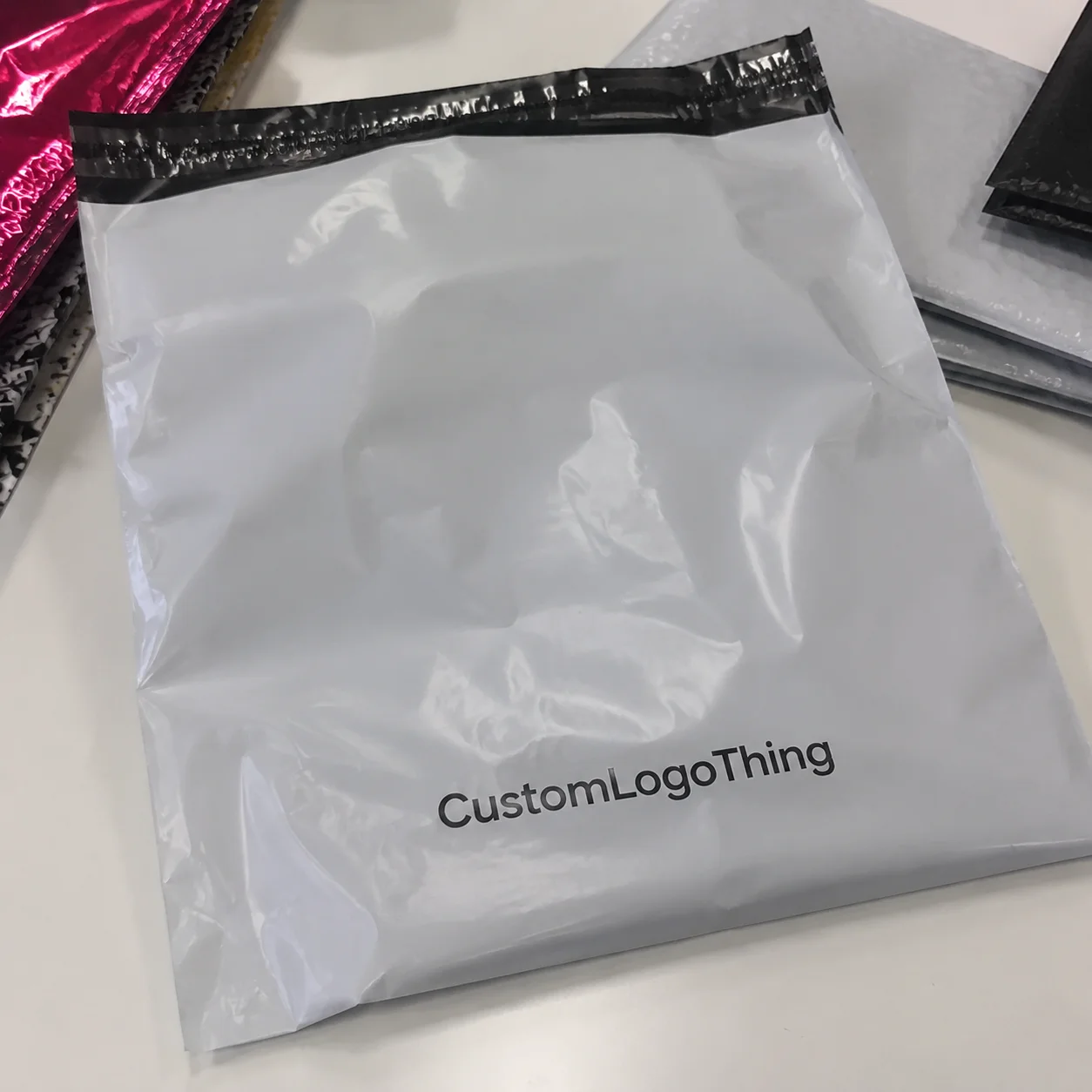
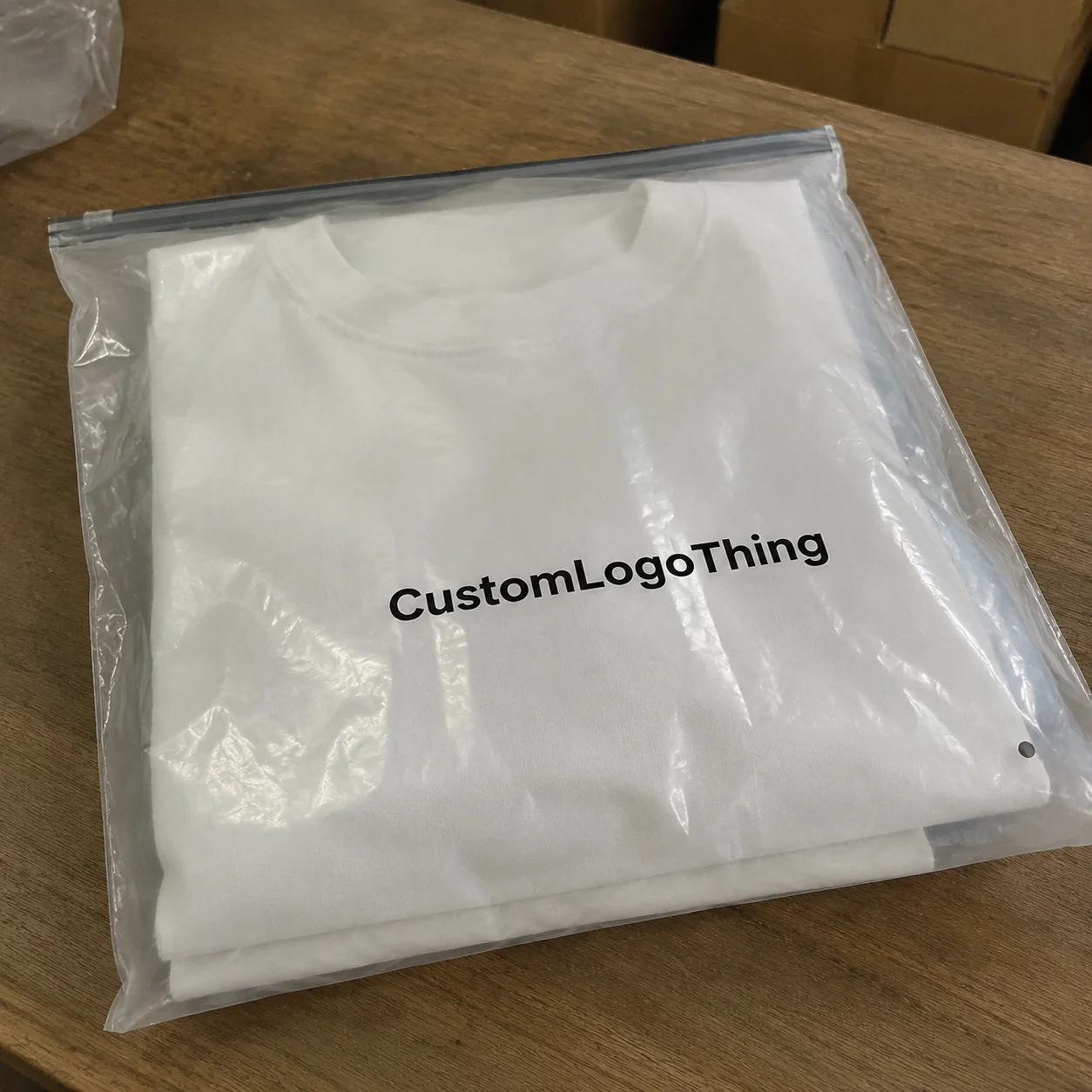
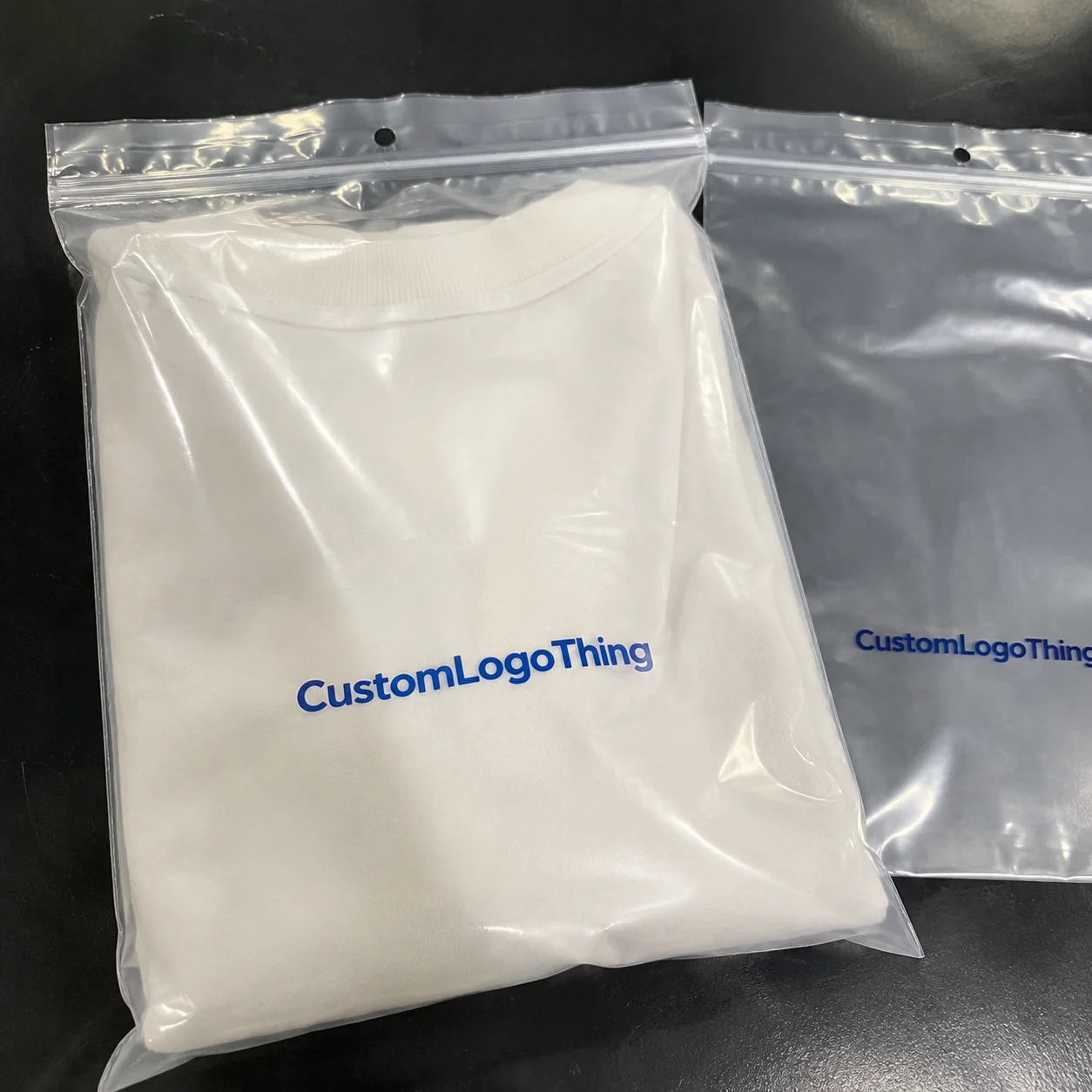
Buyer Fit Snapshot
| Best fit | Seasonal Holiday Packaging Design Review projects where brand print, material claims, artwork control, MOQ, and repeat-order consistency need to be specified before quoting. |
|---|---|
| Quote inputs | Share finished size, material target, print colors, finish, packing count, annual reorder estimate, ship-to region, and any compliance wording. |
| Proofing check | Approve dieline scale, logo placement, barcode or warning zones, color tolerance, closure strength, and carton packing before bulk production. |
| Main risk | Vague material claims, crowded artwork, missing packing details, or unclear freight terms can make a low unit price expensive after revisions. |
Fast answer: Seasonal Holiday Packaging Design Review: Material, Print, Proofing, and Reorder Risk should be specified like a repeatable production item. The safest quote records material, print method, finish, artwork proof, packing count, and reorder notes in one written spec.
Production checks before approval
Compare the actual filled-product size with the drawing, then confirm tolerance on folds, seals, hang holes, label areas, and retail display edges. Reserve space for logos, QR codes, warning copy, and material claims before decorative graphics fill the panel.
Quote comparison points
Review material grade, print process, finish, sampling route, tooling charges, carton quantity, and freight assumptions side by side. A quote is only useful when the supplier can repeat the same color, closure quality, and packing count on the next order.
I’ve watched tips for seasonal holiday packaging design make or break a product in the first three seconds on a crowded retail shelf, and that’s not me being dramatic for effect. I remember one December morning in a grocery test aisle in Chicago where a red-and-gold carton literally stopped shoppers mid-step before they even read the name. The package didn’t win because it screamed for attention; it won because the package branding was clear, the materials felt premium, and the holiday cue landed fast enough for a rushed customer to notice. Human beings do not browse shelves like poets. They skim. They grab. They move on.
At Custom Logo Things, this topic comes up every season because seasonal packaging is really a mix of design, production planning, and cost control wrapped around a brand story. Honestly, I think that’s what makes it so interesting: the best tips for seasonal holiday packaging design are never just about making something look festive; they’re about keeping your product recognizable, protecting it in transit, and getting it into market before the selling window closes. Miss that window, and you can have the prettiest box on the planet sitting in a warehouse in Dallas or Rotterdam like it’s serving a sentence.
Tips for Seasonal Holiday Packaging Design: Why It Works on Busy Shelves
Here’s the simplest truth I’ve learned from factory floors in Shenzhen, Milwaukee, and a few very hectic co-pack lines in between: holiday packaging often wins attention before a shopper reads a single word. On a busy shelf, the eye catches color, contrast, foil, texture, and shape in that order, which is why tips for seasonal holiday packaging design need to start with visual impact rather than copywriting. If the front panel takes too long to understand, the sale has already wandered off.
Seasonal holiday packaging design is a short-term visual strategy that layers festive cues onto an existing brand system without losing recognition. That balance matters because a shopper may be buying a gift, a pantry staple, or a corporate giveaway, and in every case the package still has to feel like your brand, not like a costume someone threw on five minutes before the party. I’ve seen packages with all the holiday charm in the world fail because they stopped looking like the product people came to buy.
In grocery, the package might have 1.5 seconds to get noticed between a private label pasta box and a premium imported sauce. In gift retail, the window is slightly different, because shoppers expect more ornamentation and maybe a ribbon motif or metallic ink. In e-commerce, the package has to hold up inside a mailer, photograph well for product pages, and still feel like a gift when it lands on a doorstep. That’s why the strongest tips for seasonal holiday packaging design are never one-size-fits-all. The channel changes the job.
I’ve seen folding cartons, corrugated mailers, rigid gift boxes, and laminated sleeves each create a different emotional response. A 350gsm C1S artboard with soft-touch lamination says something very different from a kraft corrugated mailer with a single-color screen print. One feels polished and boutique; the other feels earthy, practical, and sturdy. Both can work, but the material choice is part of the message. And yes, customers absolutely notice the difference, even if they can’t explain why in polite conversation.
Honestly, I think a lot of brands overcomplicate seasonal work. They add snowflakes, ornaments, gift tags, glitter, red foil, three taglines, and a holiday character, then wonder why the package looks noisy. The better approach is to treat tips for seasonal holiday packaging design as a discipline: use the holiday to sharpen the brand story, not bury it under decoration like an overstuffed gift bag that’s seconds away from tearing.
There’s also a timing element that gets underestimated. Seasonal packaging is not just decoration; it’s merchandising, production lead time, freight scheduling, and inventory risk. If you miss the retail window by ten days, the most beautiful box in the world may spend the rest of the season in a warehouse. I’ve seen that happen in Toronto and Atlanta, and let me tell you, there is nothing festive about paying for storage on something designed to feel timely.
“The package has to sell fast, read fast, and survive the trip. If it fails any one of those, the holiday season gets expensive.”
How Seasonal Holiday Packaging Design Works in Production
When a design moves from concept to the plant floor, the reality of production starts to shape every decision. The best tips for seasonal holiday packaging design always account for what happens after the file leaves the designer’s screen: dieline setup, color separation, proofing, finishing, packing, palletizing, and delivery. It sounds unromantic because it is. Also necessary. Very necessary.
I’ve stood beside press operators at a flexographic line in Suzhou where a beautiful seasonal design had to be adjusted because a delicate silver line disappeared on coated kraft. That kind of issue never shows up in a slide deck, but it matters a great deal in print. Offset printing can hold fine detail and cleaner gradients, flexographic printing is often efficient for longer runs on corrugated or label stock, and digital print runs are handy for shorter seasonal quantities where speed matters more than plate costs.
Finishing also changes the final effect. Foil stamping can add a bright metallic accent, embossing can give a wreath or snowflake subtle dimension, spot UV can make a logo catch the light, and matte or gloss coating can shift the tone from cozy to glamorous. Those finishes are not free, and they are not always available in every quantity or on every substrate, which is why the practical tips for seasonal holiday packaging design start with an honest production conversation. Nobody likes the moment when the “simple little foil accent” turns into a budget meeting with everyone staring at the spreadsheet.
Seasonal packaging is different from evergreen packaging because the inventory window is tighter and forecast errors cost more. If you overprint 8,000 units of a limited-edition carton and sell only 6,200 before the holiday rush ends, you’re left with dated stock that may need discounting or destruction. That’s why many brands keep the structural box the same and change only the printed sleeve, insert, or outer wrap. It reduces risk without sacrificing the seasonal story.
Substrate selection matters more than people think. SBS paperboard is common for premium folding cartons because it prints cleanly and holds color well. Kraft corrugated can be excellent for mailers and shipping boxes when strength matters. Coated paperboard offers a polished surface for rich ink density, while specialty wraps and textured stocks can create a more luxurious hand feel. Every one of those choices affects the final look, and every one of them should be part of your tips for seasonal holiday packaging design checklist.
When packaging teams coordinate well, the whole timeline feels calmer. Marketing locks the artwork, operations confirms the pack-out method, fulfillment checks case counts and pallet patterns, and the retail buyer sets the launch date. I’ve seen launch plans fail because the design was approved before someone asked whether the inner tray could be assembled at 40 units per minute on the line in Monterrey or Grand Rapids. That’s the sort of detail that saves money and keeps the holiday launch on schedule. It also keeps people from doing that tense half-smile that says, “Well, we have a problem, but we’ve decided to say it nicely.”
For brands planning Custom Printed Boxes, the production path usually includes these stages:
- Creative brief and campaign goal
- Dieline review and structural check
- Artwork development and revision rounds
- Digital or analog proof approval
- Material sourcing and finish selection
- Print scheduling and post-press finishing
- Assembly, case packing, and freight booking
If you want a benchmark for quality standards and testing, the Association of Plastic Recyclers and paperboard groups may be part of your sustainability review, but for shipping integrity I’d strongly recommend checking the standards published by the International Safe Transit Association. Their test protocols are extremely useful when your seasonal pack has to survive rough handling, vibration, or drop events.
Key Factors in Tips for Seasonal Holiday Packaging Design
Brand consistency is the first factor I look at, because a holiday package still has to read as yours from five feet away. If your logo usually sits in the top-left corner on a clean field of color, don’t bury it under three layers of snowflakes and a metallic wreath. One of the most useful tips for seasonal holiday packaging design is to protect the hierarchy: logo first, product name second, seasonal accent third. That structure is boring in the best possible way.
The audience matters just as much. A luxury candle brand can support deep burgundy, soft-touch lamination, and blind embossing without feeling overdone. A family food brand may need brighter colors, larger type, and stronger callouts for flavor or quantity. Beauty packaging often leans on minimalism with one festive cue, while corporate gifting may need a cleaner, more universal design that feels appropriate across departments and age groups. Good package branding reads the room. Bad packaging walks in wearing sequins to a meeting.
Price is always part of the conversation, even when creative teams wish it weren’t. Based on the jobs I’ve quoted and reviewed in Austin, Warsaw, and Ho Chi Minh City, here are some common cost drivers for holiday packaging projects:
| Packaging Option | Typical Effect | Common Cost Impact | Best Use Case |
|---|---|---|---|
| Printed sleeve over existing carton | Seasonal refresh without changing structure | Lower tooling cost, moderate print cost | Fast seasonal updates |
| Custom rigid gift box | Premium, gift-ready presentation | Higher material and labor cost | Luxury or corporate gifting |
| Corrugated mailer with printed exterior | Durable shipping and branded unboxing | Moderate cost depending on print coverage | E-commerce and subscription packs |
| Folding carton with foil and emboss | Strong shelf presence and tactile appeal | Finish upgrades raise unit price | Retail packaging with premium positioning |
For a simple reference point, I’ve seen short-run seasonal folding cartons quoted around $0.15 per unit for 5,000 pieces to $0.42 per unit for 5,000 pieces depending on size, board grade, and print coverage, while a rigid box with specialty wrap and insert can climb well above that. Those numbers shift with finish complexity, freight, and packing method, so they’re a starting point rather than a universal rule. I’ve also seen a 10,000-unit run drop by roughly 18% on a per-unit basis once the plate and setup charges were spread across the order. That’s why smart tips for seasonal holiday packaging design always include a budget conversation before the artwork gets too far along. Creative ambition is lovely; invoices are less charming.
Sustainability is no longer a side note. I’ve had more than one client ask for a festive package that still fits their environmental commitments, and the good news is there are practical ways to do that. Recyclable paperboard, minimal ink coverage, water-based coatings, right-sized inserts, and fewer mixed materials can all help. If your packaging claims touch recycled content or recyclability, verify them carefully and stay aligned with the guidance from the U.S. Environmental Protection Agency recycling resources.
Then there are the hard constraints: barcode readability, ingredient panel space, warning text, shipping durability, and retail compliance. A brilliant holiday illustration is not worth much if the barcode scans poorly under a supermarket scanner or the nutrition panel gets cramped by decorative elements. The best tips for seasonal holiday packaging design respect those practical limits from the start.
I still remember a client meeting in Minneapolis where the sales team wanted a full-bleed red wrap on a food carton, but the regulatory panel needed more space than the design allowed. We solved it by shifting the holiday artwork to the upper band and using a subtle pattern on the lower half. The box kept its shelf energy, and nobody had to choose between compliance and creativity. Those are my favorite meetings, by the way: the ones where everyone walks out slightly relieved and mildly amazed that the answer was not “add more ornaments.”
Tips for Seasonal Holiday Packaging Design: Step-by-Step Planning Process
The cleanest seasonal projects usually follow a clear sequence, and that sequence saves money. The first of my tips for seasonal holiday packaging design is always to define the campaign goal before anybody opens Illustrator. Are you aiming for shelf visibility, giftability, unboxing excitement, or a limited-edition upsell? The answer changes everything from structure to finish. If the goal is fuzzy, the package gets fuzzy too.
Next, audit what you already have. I’ve seen brands throw away perfectly good dielines because nobody checked whether the current carton could be adapted with a seasonal sleeve, printed belly band, or revised outer label. A 15-minute audit can save a 15-day delay. If your current packaging system already works, reuse the strongest bones and refresh the surface. No need to reinvent the whole skeleton because someone wants a snowflake pattern.
Then choose the visual theme and lock the core elements. Decide on the color palette, the holiday motifs, the tone of copy, and how shiny or matte the package should feel. I recommend limiting the season to one or two strong cues, such as pine green with copper foil, or deep navy with embossed stars. Too many signals can turn premium branded packaging into visual clutter.
Build the package in layers
Good seasonal packaging design usually works in layers: brand layer, seasonal layer, and production layer. The brand layer includes logo, typography, and product identity. The seasonal layer brings in the holiday mood. The production layer makes sure the package prints, folds, ships, and displays properly. If any one of those layers is weak, the whole piece feels off. I’ve reviewed packages where the art was lovely but the structural layer was a disaster, and the result was basically a very expensive disappointment.
After that, move into prototyping. A flat mockup can be useful, but nothing replaces a physical sample in your hand. Hold it under warehouse lighting, retail lighting, and office lighting. Check whether the foil catches glare, whether the matte finish fingerprints too easily, and whether the box still feels sturdy after repeated handling. I’ve lost count of the number of times a design that looked excellent on a screen needed one more pass after the sample arrived.
For many brands, the physical prototype is where the project becomes real. One cosmetics client I worked with in New Jersey had a gorgeous holiday sleeve, but the first sample showed that the sleeve dragged slightly when slid over the inner carton. That tiny resistance would have slowed pack-out on the line. We adjusted the tolerances by just a few tenths of a millimeter, and the problem disappeared. That is why tips for seasonal holiday packaging design should always include a sample stage.
Now build the timeline backward from the launch date. If the product needs to ship to a regional distributor by November 10, your artwork probably needs approval much earlier than that, especially if you’re adding foil, embossing, spot UV, or special die cuts. A realistic timeline might look like this:
- Design and concept development: 1 to 2 weeks
- Artwork revisions and internal approvals: 1 to 2 weeks
- Proofing and prepress: 3 to 5 business days
- Production: 12 to 18 business days depending on quantity and finish
- Assembly and packing: 2 to 4 business days
- Freight and distribution: varies by route and carrier
Approval checkpoints matter more than many teams realize. Marketing wants the story right, operations wants the pack-out efficient, retail partners want the shelf-ready dimensions correct, and finance wants the unit economics under control. When those teams review the same proof at the same time, you avoid the painful round of “small changes” that suddenly become new plates, new tooling, and new freight bookings.
I’ve been in supplier negotiations where a client thought they could add a metallic cold foil late in the schedule and still keep the same delivery date. Sometimes that works. Often it doesn’t. The honest answer depends on line availability, substrate compatibility, and how many approval loops you already burned. Real-world tips for seasonal holiday packaging design respect the calendar as much as the concept. The calendar, annoying as it is, always wins.
If your lineup includes multiple SKUs, create a system rather than designing each box as a one-off. Use a master template for typography, logo placement, and seasonal accent areas, then adapt color or imagery by flavor, scent, or size. That keeps the range cohesive and helps the customer understand the family at a glance, which is especially useful for retail packaging in a crowded fixture.
Common Mistakes to Avoid with Seasonal Holiday Packaging Design
The biggest mistake I see is over-designing. A package that tries to say “holiday,” “premium,” “gift,” “limited edition,” and “family favorite” all at once usually ends up saying “busy.” One of the most practical tips for seasonal holiday packaging design is to remove one element after you think the design is done. If it still works, you were probably overstuffed to begin with. If it collapses, you’ve learned something useful before the press run starts.
Another common failure is ignoring structural strength. A carton can look beautiful and still crush in transit if the board caliper is too light or the locking tabs are weak. I’ve seen scuffed gloss, dented corners, and torn mailers wipe out an entire seasonal launch because the design team never asked how the package would ride in a mixed pallet shipment or a parcel network from Louisville to Phoenix. A strong image matters, but the package still has to survive.
Late ordering is a classic problem. When the clock runs out, you get rush fees, limited material choices, and fewer finishing options. Instead of choosing the exact textured stock you wanted, you may have to accept whatever the supplier has on hand. That can change color appearance, cost, and even print consistency. Better tips for seasonal holiday packaging design always protect extra time for surprises. And yes, surprises show up. They always do. Usually on a Friday.
Inconsistency across SKUs causes real confusion. I’ve seen one chocolate flavor look festive and special while the rest of the range looked like it was left out of the party. That kind of mismatch can weaken brand perception, especially if the customer shops the set as a family. Build one coherent system and let the variants differ in a controlled way, perhaps through accent colors or flavor cues.
Pricing surprises often come from artwork changes that seem small on paper but trigger real production changes. A new dieline, extra spot color, new foil plate, or custom insert can add time and cost. If the artwork is still in flux, don’t lock production too early. That’s a lesson I learned the hard way during a run of custom printed boxes for a specialty food client in Portland, where a tiny logo shift forced a new plate set and pushed the order by more than a week. The client called it “just a small tweak.” The press room called it “three more days and a headache.”
Here’s a quick warning list I give clients:
- Don’t add too many holiday icons.
- Don’t hide the brand name.
- Don’t ignore transit testing.
- Don’t leave regulatory copy until the end.
- Don’t approve artwork before checking the die-line.
Expert Tips for Holiday Packaging That Feels Premium
If you want the package to feel elevated, one strong seasonal cue usually beats five weak ones. A single foil accent on the logo, a ribbon-inspired border, or a tactile paper stock can create more impact than a crowded mix of ornaments, snowflakes, and glitter textures. Among all the tips for seasonal holiday packaging design, restraint is one of the most useful. Counterintuitive, maybe. True, definitely.
Photography matters too, especially for e-commerce and social media. I’ve watched buying teams approve a design in person only to discover that the package looked flat under a phone camera. Dark matte finishes can absorb light beautifully, but they may hide detail in product images. High-gloss metallics can sparkle in a post, but they may create glare under retail lighting. Design for both real life and digital presentation. A package that only works in one environment is half a package.
Premium packaging factories often combine soft-touch lamination, embossing, and restrained contrast to create a high-end feel. That combination works because each element contributes differently: the lamination changes touch, embossing changes depth, and contrast guides the eye. None of that has to be loud. In fact, the quietest premium packages are often the ones people remember longest. They don’t shout “premium”; they whisper it with confidence.
Durability still matters, even in luxury. A rigid box with a beautiful lid is only premium if the corners stay square and the lid closes neatly after repeated handling. For mail-order products, the outer structure should stay strong while the seasonal art layer can be lighter and more adaptable. That way the same product can work in-store, in a gift set, and in a shipping carton without a full redesign.
Testing under real conditions is one of the most underrated tips for seasonal holiday packaging design. Put the sample under a 4000K retail fixture, stack it in a carton, shake the case lightly, and see whether the finish rubs or the ink scuffs. Then open and close it five or six times. If it still feels good, you’re in a much better place.
I once visited a gift factory in Dongguan where the team had chosen a gorgeous deep-green wrap with gold foil stars. Under office lighting, it looked magnificent. Under warehouse fluorescents, the gold reflected just enough to make the stars feel almost animated, and the client knew immediately they had the right balance. That is the kind of detail that separates pleasant packaging from memorable packaging. It also explains why tips for seasonal holiday packaging design need to be tested in the environment where the product will actually live.
For brands that want structure and visual polish, there’s a smart middle ground: use a durable base pack and a seasonal outer layer. That could mean a standard folding carton with a printed sleeve, a corrugated shipper with a branded insert, or a rigid gift box paired with a removable seasonal band. It keeps costs in check and gives you flexibility next season.
If you’re shopping for packaging support, our Custom Packaging Products page is a good place to see what structural and printed options are available. I’d still advise requesting samples, because paper feel, finish quality, and fold tolerance can be very different from one line to another.
Next Steps: Applying Tips for Seasonal Holiday Packaging Design
The easiest way to put these tips for seasonal holiday packaging design to work is to start with a clear inventory of what you already have. Review each product and ask three questions: does it need a seasonal refresh, a structural update, or no change at all? That one exercise can save a surprising amount of time and money.
Then build a short project brief that includes the target audience, budget range, launch date, quantity, and desired finishes. If you know you need 3,000 units of a folding carton with a matte finish and one foil accent, say so early. If you expect to ship to retailers or directly to consumers, include that too. Good briefing is one of the most practical tips for seasonal holiday packaging design because it keeps the project grounded from day one.
Request material and print samples before making your final decision. Put SBS board, kraft corrugate, coated paperboard, and any specialty wrap in your hands. Compare them under light, bend them a little, and look at how the color shifts across the surface. That hands-on comparison often reveals the best option faster than a dozen phone calls.
Map the project backward from the launch date, not forward from today. If your retail ship date is fixed, every creative and production decision should orbit that date. I’ve seen too many teams approve a beautiful design with no time left for freight booking, and freight is never forgiving once the calendar gets tight.
Finally, use the final design as part of your seasonal marketing calendar. A strong holiday package can feed website banners, email campaigns, point-of-sale displays, and social posts, which makes the physical pack work harder for the brand. Save the best visual elements for future campaigns too. A great pattern, foil treatment, or color pairing can often return as a recognizable seasonal signature next year.
From my seat, the best tips for seasonal holiday packaging design are simple: keep the brand readable, keep the package functional, keep the schedule realistic, and let the seasonal spirit enhance the product instead of overwhelming it. If you get those four things right, the package has a real shot at selling the product and strengthening the brand at the same time.
FAQ
What are the best tips for seasonal holiday packaging design for small brands?
Focus on one or two strong festive elements instead of redesigning everything. Use existing dielines and standard materials to control cost, and keep the logo and product name easy to read so the package still feels like your brand after the holiday ends. For a 2,500-unit run, a simple sleeve update is often faster and cheaper than a full box redesign.
How early should I start seasonal holiday packaging design?
Start several months before launch so there is time for concepting, prototyping, approvals, and production. Special finishes and custom structures add more time than simple print-only updates, and working backward from the ship date helps prevent rush charges and material shortages. In many cases, proof approval to finished goods takes 12 to 15 business days for a straightforward run.
How do I keep holiday packaging on brand without looking generic?
Keep your core logo, typography, and brand colors visible. Add seasonal cues through accents, patterns, copy, or finishes rather than replacing the whole identity, and test whether a shopper can still recognize the brand at a quick glance from 4 to 5 feet away.
What affects the price of seasonal holiday packaging design the most?
Special finishing like foil, embossing, and spot UV increases cost. Shorter runs usually cost more per unit than longer production runs, and custom structures, inserts, and frequent artwork changes also raise pricing. For example, a rigid box with an insert might add $0.60 to $1.20 per unit compared with a basic folding carton.
What materials work best for holiday packaging that ships well?
Corrugated mailers and sturdy folding cartons perform well for transit and retail handling. Coated paperboard can deliver strong color and finish quality for shelf-facing packs, and the best choice depends on product weight, fragility, and whether the package is for shipping, display, or gifting. For heavier items, E-flute or B-flute corrugated is often the safer option.
If you’re planning your next seasonal launch, keep these tips for seasonal holiday packaging design close: start early, Choose the Right substrate, protect the brand system, and test the package where it will actually be seen and handled. Then make one final pass with the calendar in one hand and the sample in the other. If both still look right, you’re probably ready to print.