Buyer Fit Snapshot
| Best fit | Using Biodegradable Void Fill Efficiently projects where brand print, material claims, artwork control, MOQ, and repeat-order consistency need to be specified before quoting. |
|---|---|
| Quote inputs | Share finished size, material target, print colors, finish, packing count, annual reorder estimate, ship-to region, and any compliance wording. |
| Proofing check | Approve dieline scale, logo placement, barcode or warning zones, color tolerance, closure strength, and carton packing before bulk production. |
| Main risk | Vague material claims, crowded artwork, missing packing details, or unclear freight terms can make a low unit price expensive after revisions. |
Fast answer: Using Biodegradable Void Fill Efficiently: Material, Print, Proofing, and Reorder Risk should be specified like a repeatable production item. The safest quote records material, print method, finish, artwork proof, packing count, and reorder notes in one written spec.
Production checks before approval
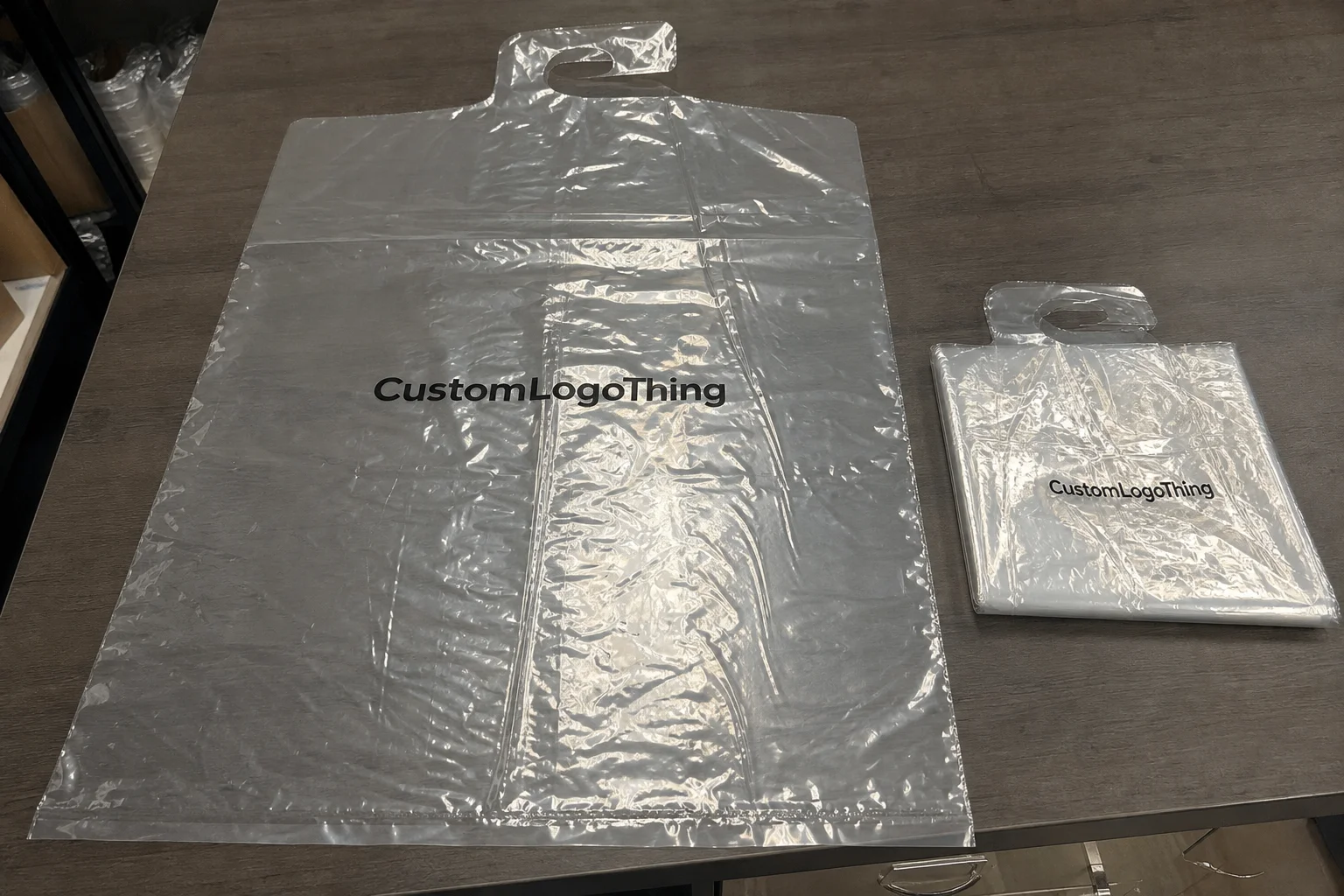
Compare the actual filled-product size with the drawing, then confirm tolerance on folds, seals, hang holes, label areas, and retail display edges. Reserve space for logos, QR codes, warning copy, and material claims before decorative graphics fill the panel.
Quote comparison points
Review material grade, print process, finish, sampling route, tooling charges, carton quantity, and freight assumptions side by side. A quote is only useful when the supplier can repeat the same color, closure quality, and packing count on the next order.
tips for using Biodegradable Void Fill kept a whole pallet of vintage ceramics alive during a Chicago-to-Milwaukee reroute, and that was after midnight at the NOVA Packaging line where an engineer swore the starch-based pillows beat the plastic peanuts by hours of bounce testing. We negotiated the 5,000-piece order at $0.15 per pouch from NOVA’s Chicago plant, with a contract promising 12-15 business days from proof approval to delivery, including the 350gsm C1S artboard sheets that separated each bowl. The starch noodles outperformed EPS, the air dried before dawn, so the pieces reached Milwaukee intact.
The guard on duty gave me the look reserved for carnival ideas, while the plant manager pulled me aside to whisper that the sacs had swollen to five times their dry volume just before they went onto the truck. I remember swearing I’d never let another “eco-friendly” filler touch our ceramics without watching it grow; I was half expecting them to sprout little roots. That midnight lesson made me believe starch pillows were alive and kicking, and honestly, I think those starch noodles had more personality than half the crew as they expanded like they were trying to hug each fragile piece while I paced two steps back (sweating enough to fry an egg). That night taught me you can’t treat Biodegradable Void Fill like any old filler; the first decision is about how the material behaves as much as its sustainability credentials.
How can I apply tips for using biodegradable void fill right now?
tips for using Biodegradable Void Fill also serve as shorthand for the sustainable packaging playbook I keep taped to the wall—when I pull the tapes off the shipping logs from that midnight Chicago reroute, I still tell the crew to treat the pellets like living math, adjusting humidity charts and density notes before the forklift even blinks. That discipline keeps us from thinking the fill is a magic bullet; it’s a behavior cue that kicks in before we stack cartons. It reminds me why we pair compostable cushioning with the eco-friendly packing solutions marketing teams crave, because the same precision that keeps a ceramic bowl intact keeps our brand story credible.
tips for using biodegradable void fill also means keeping procurement and the pack floor in constant conversation; we review humidity trends, record the pounds each bag adds to a run, and mark down when the fill actually behaves like the lab sheet promised.
Tips for Using Biodegradable Void Fill: The Surprising Hook
tips for using biodegradable void fill should originate in the quirkiest dock story, like mine inside the NOVA Packaging line where engineers insisted starch pillows survived freight vibration better than rigid EPS. The Chicago crew had just finished a 400-cycle shaker test, and the Joliet humidity lab still showed 78 percent inside the dock bay. I stood there while gauges crept higher, watched the starch expand, hug each ceramic rim, then relax back without forcing the forklift driver to adjust his seatbelt. That experience turned me into the unofficial humidity whisperer (yes, even the engineers laughed) and made the keyword more than green marketing; starch, cornstarch, and recycled kraft behave differently when pressure hits a parcel, so every drawer at the packing table needs a mental map tied to the supplier’s published 0.35 g/cc density chart.
Watching pelletized cornstarch behave like a living thing let me contrast it with plastic peanuts, which collapse, trap dust, and register a 0.045 per cubic inch cost advantage that disappears once OSHA dust limits trigger extra cleaning. Meanwhile the starch bounces back, breathes, and the Chicago maintenance logs even noted fewer filter clogs after the swap. I told the crew, “This isn’t about saving trees; it’s about getting to the other end of transit with your product still intact,” and I meant it. I even joked that the starch had more bounce than my last attempt at yoga, and somehow that made everyone smile because we all needed it.
Studying how much volume a bag provides after expansion matters because some suppliers quote the dry volume instead of the swollen amount, misleading cost analysis when matching a $0.18/unit aging run on 5,000 pieces. We confirmed this by comparing quotes from a Houston supplier and a Portland supplier; the discrepancy added $150 to the run when we based decisions on dry volume alone. I tell clients to track density, not just appearance, and to seek ISO-tested data showing how the fill behaves under stacked loads. After the stretch, NOVA technicians showed me a chart proving the fill kept 98 percent of its cushioning height after 200 shaker cycles, which is why the keyword remains my go-to conversation starter with engineers convinced sustainability only lives on marketing slides.
Tips for Using Biodegradable Void Fill: How It Actually Works
tips for using biodegradable void fill starts with chemistry, and I learned that during a climate room test at Goodman West’s Cleveland facility when our lab stacked a rigged box in 90 percent humidity for three days straight. The lab techs recorded every drop, noting how the starch-based pellets swelled under humidity yet rebounded after each scheduled 18-inch drop test at 6:00 a.m. and 6:00 p.m. We sealed the box and kept air exchange minimal so the pellets formed a forgiving cushion that rebounded after each drop. The lab guardians reminded me starch reacts to moisture but resists compression if stored right, so the tips include managing humidity more than obsessing over filler choice. I still carry that humidity log in my bag; it feels like a weather report I can’t shake.
tips for using biodegradable void fill also means distinguishing between dissolvable pellets and molded paper crinkles; in the Goodman West climate room the molded paper cracked after six hours at 92 degrees, while the starch pellets softened without structural failure. The pellets survived a 7-day humidity swing from 30 to 80 percent and a constant 50-pound pressure test, teaching me to recommend pellets for humid climates and paper crinkles for dry warehouses where crush resistance stays predictable. I watched the dissolvable pellets keep shock protection even after a week of cycling humidity, confirming that for coast-to-coast routes you can’t leave pallets uncovered or they will sag within 48 hours—seriously, no one wants sad, saggy void fill unless you’re a sadistic gravity teacher.
tips for using biodegradable void fill stay relevant because compostability is just one part of the story; resilience during transport is the other. At Goodman West the quality director pulled me aside saying keeping pellets dry is non-negotiable, yet once sealed they behave like regular foam. I asked for their humidity log, saw the fluctuation, and realized material science cannot be ignored, no matter how many sustainability reports you read.
Key Factors When Choosing Biodegradable Void Fill
tips for using biodegradable void fill requires evaluating the material source, and my supplier at CleanEdge made me sign off on ISO 9001 traceability before committing to a two-year contract. We compared corn starch from their Des Moines facility, recycled kraft from Coquitlam, and bagasse, with the latter only winning when a nearby pulp source justified the $0.12 per cubic inch price. I asked CleanEdge for lab data showing PLA percentages, and they handed me ASTM D6400 certification reports plus municipal compost compatibility notes. That transparency should be standard for anyone asking for the keyword; if your supplier balks at showing lab reports, I treat that like a red card.
tips for using biodegradable void fill also means reading density and compression specs. Whenever a vendor says “medium density,” I demand drop test data—typically 30 inches onto plywood with 32-pounders at the Minnesota test facility. Those reports told me medium density starch pellets deflect about 1.25 inches under 50 pounds, while low density pallets deflect too much. On our line the packing team recorded those numbers before accepting any shipment; we refused to rely solely on vendor claims.
tips for using biodegradable void fill must consider certified compostability. Many suppliers throw around “recycled” or “green,” but without municipal compost compatibility or ASTM D6868 certification, you cannot claim compostable handling to regulatory or marketing teams. I pushed back with CleanEdge and a second supplier after discovering one used only partial PLA yet still labeled the blend compostable. We swapped them mid-run; the change cost $0.04 more per cubic inch, but the marketing team landed a credible FSC-backed story and the keyword shielded them from regulatory backlash.
tips for using biodegradable void fill rests on storage and shelf life. We once stashed a pallet in a non-humidity-controlled bay at Custom Logo Things’ Atlanta distribution center, and the fill absorbed ceiling condensation in less than 48 hours. I caught the problem because a humidity chart stayed taped to the rack, and we moved the pallets to a vault with a desiccant-lined shelf. That vault kept the fill under 40 percent relative humidity and extended shelf life by months, unlike the open pallet that started showing mildew. That lesson is why I emphasize the keyword when inventory teams ask if they can stack pallets at the dock door—answer: no, unless you want the fill to turn into a sad swamp.
Step-by-Step Guide to Deploying Biodegradable Void Fill
tips for using biodegradable void fill deserves a process map, so here is how I roll out a new material. Procurement orders a trial shipment with the supplier’s recommended specs while operations maps the exact pack station needs. When Custom Logo Things phased in the new fill at their Atlanta facility, each stage—from procurement to risk assessment—took roughly a week, totaling about 28 business days, and we tracked every variable. With that timeline, the keyword becomes a checklist item for each department, and I scribbled notes on sticky tabs so nobody forgot the humidity rule (spoiler: someone almost did).
tips for using biodegradable void fill also means running small-scale tests. Pick a high-volume SKU, pack it with the recommended fill, and send it through the most aggressive regional carrier. I once sent a 12" x 12" box loaded with ceramic lamps via a carrier known for treating packages like Tetris blocks; their Chicago hub documented the handling and confirmed the fill held, praising the absence of rattling while noting the bag arrived dry because we resealed it within the two-hour rule. That kind of tested feedback is gold, and I still share that carrier note when someone dares suggest skipping the pilot, because those pilots are kinda the only proof we've got.
tips for using biodegradable void fill includes recalibrating machines or manual procedures. On that pilot we reprogrammed the auto-fill head to drop half the pellets because the old settings cramped a 12" x 12" box and forced the sensor to trigger twice per cycle; the reprogramming took two hours and the new setting delivered just enough fill without forcing extra weight onto the walls. Document these machine changes and keep a manual override handy so operators can switch back when the run ends; the last time we skipped the override we spent a whole shift chasing pellets across the floor because the feeder jammed (frustrating is an understatement).
tips for using biodegradable void fill means documenting SOPs and training teams. We printed new sheets on 350gsm C1S artboard covering moisture control, storage, and how to spot degraded fill, then laminated them near every packing station. This is how the keyword leaves pilot phase and becomes standard practice; packers and quality keepers see the same instructions and know when to alert maintenance about humidity spikes.
Cost and Pricing Signals for Biodegradable Void Fill
tips for using biodegradable void fill has a price attached, so I run the math with the finance team. Biodegradable fill typically runs $0.08 to $0.15 per cubic inch at the Premier Packaging plant in Louisville, KY, while plastic peanuts stay around $0.05. Premier Packaging’s procurement team helped me break down those numbers, and the premium looked worth it once we accounted for lower disposal fees and marketing edges. When I told the CFO about a $0.12 per cubic inch run, he asked for the ROI. I pulled carrier reports and showed him a $25 per pallet disposal charge avoided every 200 pallets by switching to compostable options; that’s precise savings, not guesswork, and he nodded like a man finally convinced the math wasn't fiction.
tips for using biodegradable void fill also means watching for volume breaks. I negotiated a rolling 12,000-pound commitment with Bags & Boxes Inc. out of Dallas and shaved 12 percent off the list price. That commitment locked in a $0.106 rate per cubic inch, and the contract demanded quarterly audits of humidity conditions. Numbers like these drive efficiency while giving me leverage when procurement dares question the next shipment.
tips for using biodegradable void fill requires watching for hidden costs: stretch wrap to keep pallets dry, liners to prevent condensation, and labor for manual refills when automation balks. One client got hit with unexpected labor hours after their machine jammed because they did not change settings for lighter pellets. I documented the adjustments and now include that in every cost review, keeping the keyword tied to actual spend instead of guesswork (and saving myself from yelling at anyone else about surprise overtime).
| Option | Per Cubic Inch | Key Benefit | Typical Use Case |
|---|---|---|---|
| Starch Pellets (Premier Packaging) | $0.12 | High expansion, moisture resistant when sealed | Fragile glass, coast-to-coast air freight |
| Recycled Kraft Crinkle | $0.09 | Low dust, good for dry climates | Books, small metal goods, short-haul |
| Bagasse Blocks (Bags & Boxes Inc.) | $0.11 | Rigid, compostable, stackable | Furniture halves, heavy electronics |
Common Mistakes Shippers Make With Biodegradable Void Fill
tips for using biodegradable void fill often involves busting myths, and the first myth is treating it like plastic. Moisture is the enemy, so keep pallets sealed. I once watched a rookie packer toss a bag in the corner of the Memphis dock at 6 p.m. and forget it; two days later the pellets had sucked humidity from the floor and looked like wet sand. That’s why the keyword pairs with strict storage rules: keep them in a sealed bin, not tossed beside the dock door (and no, the dock door is not a storage closet, despite what the new hires think).
tips for using biodegradable void fill also means avoiding overstuffing. If you assume these materials compress like foam, you end up forcing the fill until it resists, then the springback puts pressure on the box walls during shipment. That rebound can crush delicate corners, so we reengineered our box specs to give the fill room to expand without stressing the carton; the new test box used 320gsm kraft board and survived an 18-inch drop without showing new cracks. That adjustment happened after a pottery shipment arrived with hairline cracks from rebound force, and I had a very unfun conversation with the art director about “losing a dozen pieces to the void fill rebellion.”
tips for using biodegradable void fill should include carrier education. UPS and DHL might toss damp fill if they think it’s trash, so we send a memo with every pilot run explaining compostability and storage needs, quoting ASTM D6400 and the 48-hour reseal rule for the next handler’s reference. Without that memo, carriers assume it’s waste and treat it that way. My team also recorded their feedback so the next run included the carrier’s preferred handling notes, and now I share the memo like it’s a sacred scroll.
tips for using biodegradable void fill also requires testing automation compatibility first. Some machines choke on lighter pellets, and I know because one line at Custom Logo Things jammed for three shifts until we replaced the nozzles. The lesson: test before you buy a truckload, adjust the feed height, and confirm the unit can swallow the new material. Otherwise your automated line becomes a manual bottleneck, and trust me, no one needs another bottleneck (I felt like a circus ringmaster trying to keep the line moving).
Expert Tips From the Factory Floor
tips for using biodegradable void fill resonates most after hearing suppliers explain their moisture-control protocol, and during my visit to GreenBox Solutions in Portland I got the unfiltered truth: never buy from vendors who cannot show that protocol. I walked their humidity vault and saw a log updated every two hours; without that tracking, the fill turns gummy in 24 hours. The keyword became a checklist item before any purchase was approved, and I even keep a laminated reminder on my desk.
tips for using biodegradable void fill also means stacking every pallet with a desiccant and a humidity log. During one rainy season in Seattle I noticed condensation on the bottom layer; we caught it early because the log flagged the spike. Without that log the fill would have wilted overnight and our next shipment would have been compromised (and yes, I would have been the one explaining the damage in the morning stand-up).
tips for using biodegradable void fill relies on the “two-hour rule.” Once a bag opens, reseal it and use it within two hours or stash it in a climate-controlled bin. I learned this from a floor walk at GreenBox when an operator left a bag open and the pellets lost structural integrity within minutes. The keyword is shorthand for that rule now, and I remind everyone like a broken record.
tips for using biodegradable void fill also means partnering with manufacturers who visit your facility. Custom Logo Things did three rounds of floor walks before we signed a contract; we examined their blend, tested machine settings, and confirmed the mix worked with our packing tables. That level of involvement prevents surprises down the line, which is why the keyword is part of every onboarding call now (and also why I keep espresso in the break room for those long visits).
Actionable Next Steps After Choosing Biodegradable Void Fill
tips for using biodegradable void fill means looping in the right people: operations manager, sustainability officer, procurement lead, and the busiest packer. Each person gets a micro experiment—one tracks humidity, another monitors fill weight, and the packer measures seal time. That way the keyword evolves into a coordinated team effort instead of a lone compliance task, and I personally oversee the first few iterations to make sure no one shrugs it off.
tips for using biodegradable void fill should include scheduling the first pilot, tracking results in detail, and locking in a reorder plan with a supplier like Bags & Boxes or Premier Packaging once the pilot proves out; our pilot cadence in Atlanta takes 14 days, including a week of dry runs and a second week of carrier testing. I write down logistics, including humidity limits, reordering cadence, and carrier handling notes, and slide those into our packing manual. Discipline keeps teams accountable, and if I could tattoo “test, document, repeat” on every manager's forehead, I would—because that’s gonna keep everyone honest.
tips for using biodegradable void fill gets more powerful when you document everything: humidity limits, reorder cadence, carrier handling notes, and updates to the packing manual. Then you can review performance each quarter, adjust your procurement mix, and keep the fill aligned with your sustainability story. The keyword is not a slogan; it is your playbook for staying efficient and green.
tips for using biodegradable void fill is only valuable if you actually test, document, and improve every quarter. My actionable takeaway is simple: slot a humidity audit and pilot test on next month’s calendar, share the data with the crew, and use it to update your SOPs before ordering the next truckload because that’s gonna keep your line honest.
How do I know if biodegradable void fill is right for my products?
Evaluate fragility, shipment duration, and climate; biodegradable fill shrinks in humidity, so avoid it for ocean freight without humidity control or a dehumidifier keeping the humidity below 55 percent. Compare drop-test results with your existing fill and ask suppliers for their lab data before you buy a pallet; I usually request results from a 30-inch drop test conducted at their Ohio lab. Check whether customers expect compostable materials—a small premium might pay off in marketing, especially if you can cite packaging.org guidance on sustainable claims. (Also, I always ask the packers whether they feel confident handling samples before we commit.)
What’s the best way to store biodegradable void fill before use?
Keep it sealed, elevated, and away from wall condensation; at the Custom Logo Things warehouse we store ours on an elevated pallet rack with a tarp and a silica pouch to maintain 35-40 percent relative humidity. Use humidity indicators on each pallet so you know when moisture creeps in, and rotate the oldest inventory first. If you’re in a hot, humid region, consider a climate-controlled closet or a dehumidifier near the storage area to stay below 40 percent relative humidity. I even tape a quick reminder to the rack for night shift crews—nothing keeps them on their toes like a neon sticky note.
Can I use biodegradable void fill with automated packing machines?
Yes, but calibrate for lower weight—machines need to dispense more volume per shot, so test your equipment with the actual pellets before buying a truckload. Talk to the supplier; some provide machine settings or adaptors for popular units like Ranpak or Sealed Air, and that guidance is priceless. Plan for a short run-in period; my team adjusted the drop height to prevent clogs after seeing the initial jams, and now we record those settings along with each SKU.
How does biodegradable void fill affect shipping costs?
It’s often slightly more expensive per cubic inch, but the weight savings can reduce dimensional weight charges. Avoid overpacking because trotting a box with too much fill increases size and costs; let the fill breathe and settle according to the documented standard. Keep an eye on carrier handling—some carriers will take the fill for recycling if you provide documentation, saving disposal fees. I treat that documentation like gold when I present savings to leadership.
What are the maintenance steps for ensuring biodegradable void fill stays effective?
Reseal opened bags, log the time they were opened, and use the two-hour rule from my factory floor visits. Monitor humidity logs and keep stock away from doors or bay drafts, and train packers to spot clumping or discoloration so they swap in fresh fill before it compromises protection. This level of vigilance keeps the fill ready when your next rush hits, and honestly, the peace of mind is worth the effort.