Buyer Fit Snapshot
| Best fit | Using Biodegradable Void Fill in Packaging projects where brand print, material claims, artwork control, MOQ, and repeat-order consistency need to be specified before quoting. |
|---|---|
| Quote inputs | Share finished size, material target, print colors, finish, packing count, annual reorder estimate, ship-to region, and any compliance wording. |
| Proofing check | Approve dieline scale, logo placement, barcode or warning zones, color tolerance, closure strength, and carton packing before bulk production. |
| Main risk | Vague material claims, crowded artwork, missing packing details, or unclear freight terms can make a low unit price expensive after revisions. |
Fast answer: Using Biodegradable Void Fill in Packaging: Quote Scope, Sample Proof, MOQ, and Lead Time should be specified like a repeatable production item. The safest quote records material, print method, finish, artwork proof, packing count, and reorder notes in one written spec.
Production checks before approval
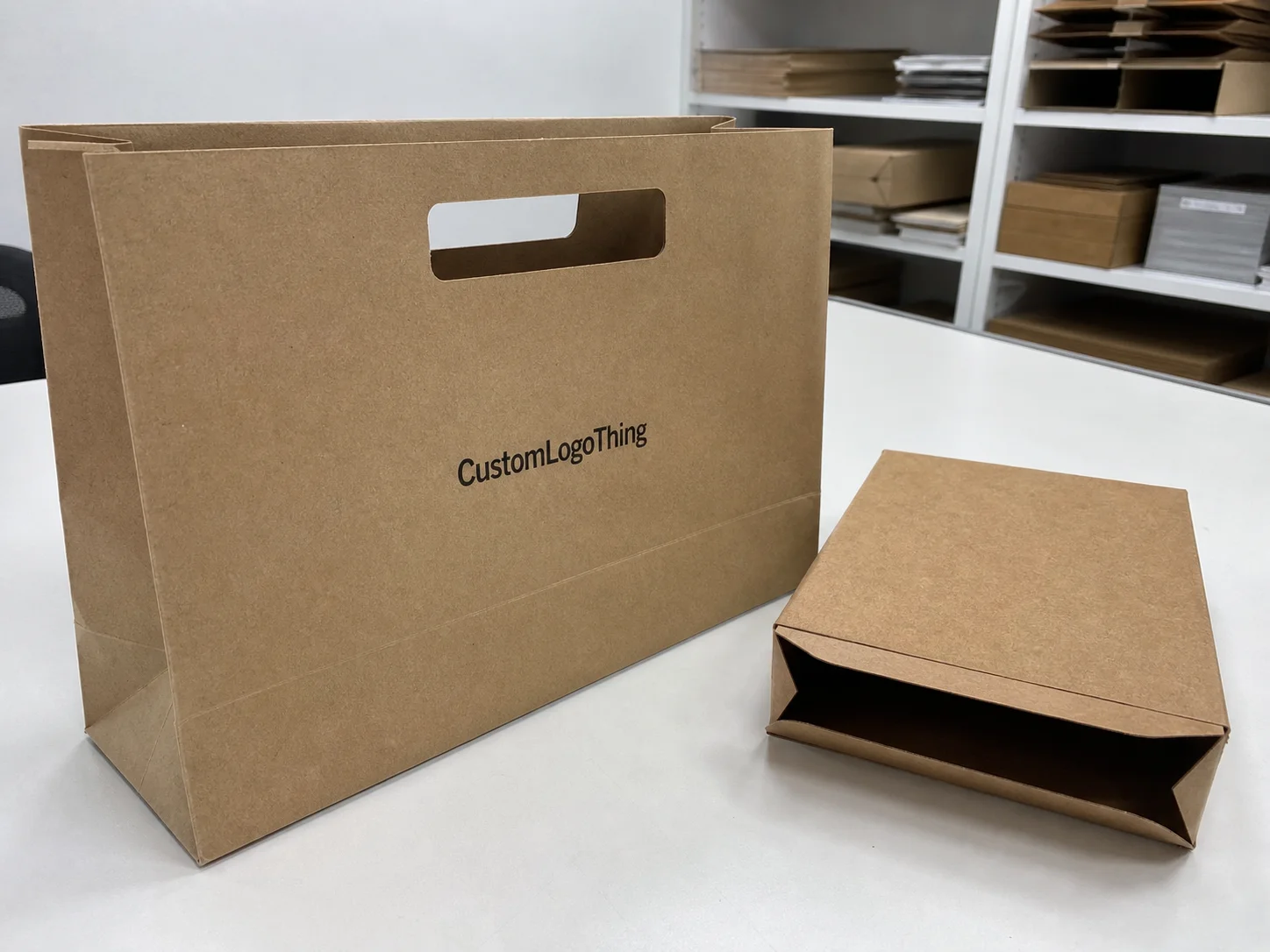
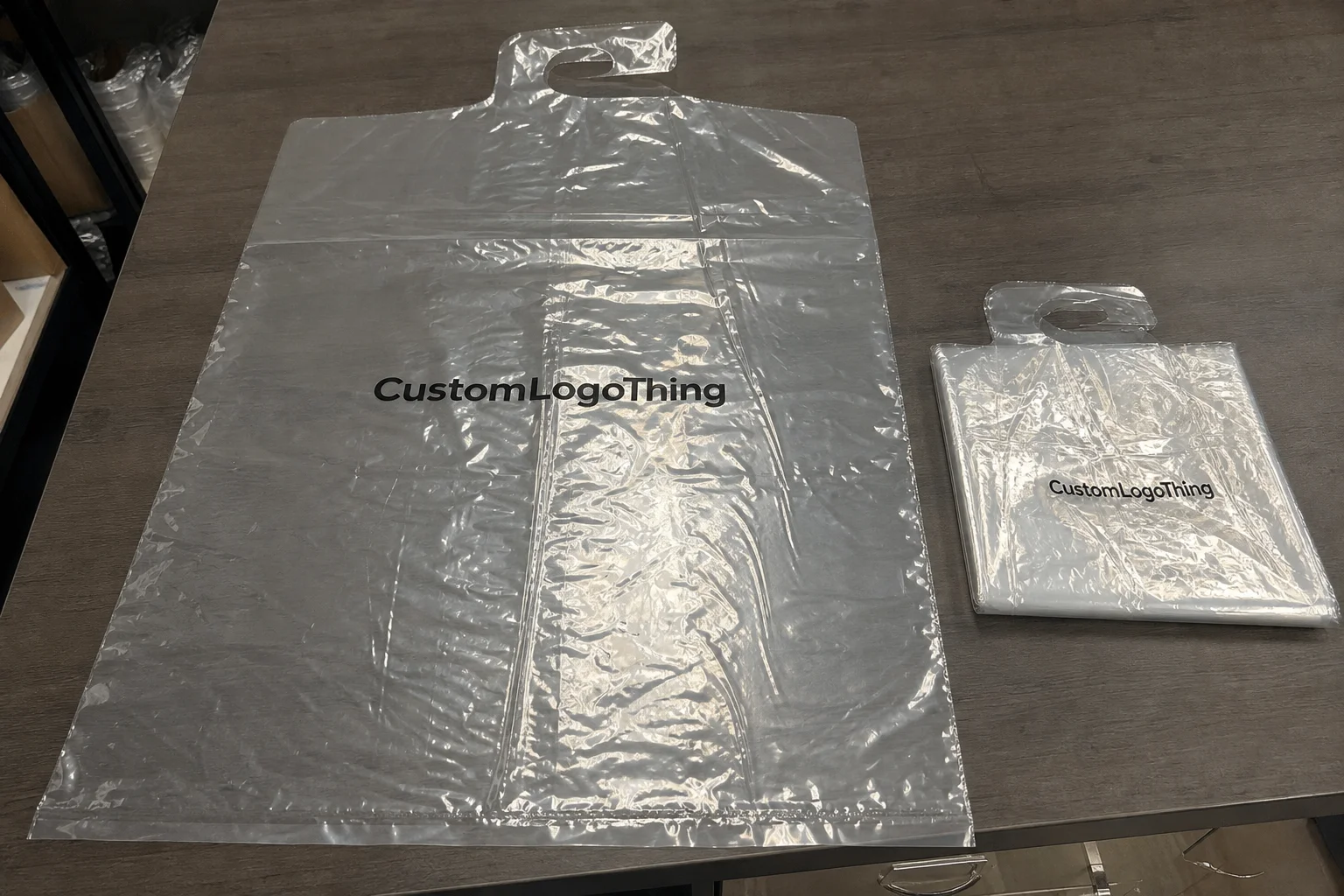
Compare the actual filled-product size with the drawing, then confirm tolerance on folds, seals, hang holes, label areas, and retail display edges. Reserve space for logos, QR codes, warning copy, and material claims before decorative graphics fill the panel.
Quote comparison points
Review material grade, print process, finish, sampling route, tooling charges, carton quantity, and freight assumptions side by side. A quote is only useful when the supplier can repeat the same color, closure quality, and packing count on the next order.
Tips for Using biodegradable void fill start with a blunt packaging fact: filler does not earn points for looking eco-friendly. It gets credit for keeping a product still. A lightweight item can arrive intact because the packout used less plastic, less waste, and a tighter fit than loose paper or air pillows. Miss the fit, and the damage claims show up fast. Packaging, annoyingly, is not a vibes-based discipline.
From a buyer's point of view, Tips for Using Biodegradable Void fill are really about control. Control of movement. Control of cost. Control of the story your customer sees the second the box opens. The material matters. The fit matters more. That is the part people keep trying to skip, usually right before they ask why a "green" packout still generated returns.
What Are the Best Tips for Using Biodegradable Void Fill?
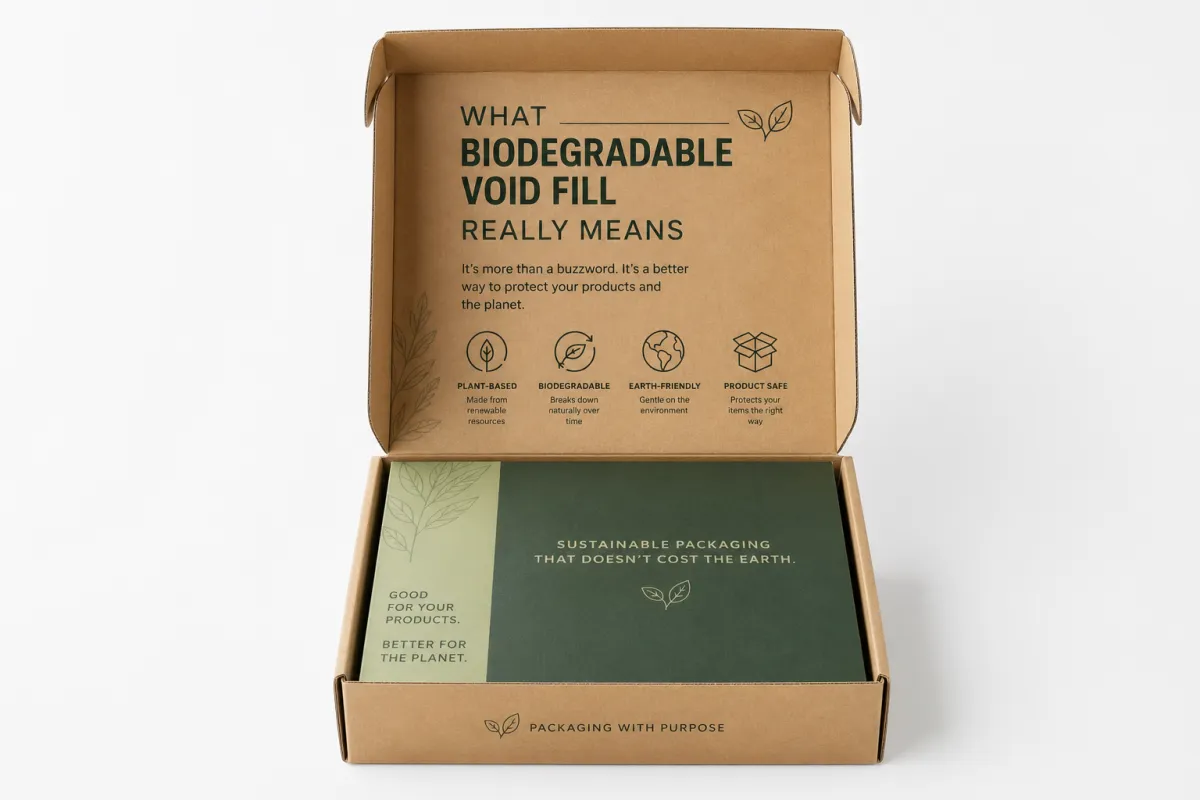
The best tips for using Biodegradable Void Fill start with one question: what movement am I trying to stop? That is the whole game. If the product can slide, tilt, rattle, or punch through a corner, the filler is not doing its job. A biodegradable material can still fail if the packout leaves room for the product to travel. Sustainability does not get a free pass on physics.
Tip one: stop treating biodegradable void fill like one neat product category. It can mean starch-based loose fill, paper-based cushioning, molded pulp, or other materials designed to break down faster than conventional plastic fillers under the right conditions. That is why tips for using biodegradable void fill should start with language, not price. If the claim is fuzzy, the packout becomes fuzzy too. And fuzzy packaging decisions usually become expensive ones.
People also mash together biodegradable, compostable, recycled, and recyclable. They are not the same thing. A biodegradable material may break down over time, but that does not mean it is certified compostable, accepted in every local system, or fit for backyard disposal. Compostable products usually need defined conditions. Recycled content says nothing about end-of-life behavior. Recyclable means the item can enter a recycling stream that actually exists for your customer. Those distinctions matter because packaging teams get the blame when the claim outruns reality.
That is why tips for using biodegradable void fill need to focus on fit. If a jar rattles inside a carton, the filler failed, even if the material is technically biodegradable. A good void fill packout keeps products from shifting, settling, edge-scuffing, or punching through a corner during carrier handling. The filler is a structural choice dressed up as a materials choice. I have seen teams chase a greener label while ignoring the fact that the box was basically a tiny maraca.
I see the same mistake over and over: choosing filler by feel instead of by function. Soft, fluffy, and light can work. So can denser paper-based forms. The right answer is the one that matches the product's weight, shape, and failure mode. A 6-ounce cosmetic bottle and a 2-pound hardware kit do not need the same restraint. Neither do a rigid candle tin and a mixed accessory kit with sharp edges. That is one of the most useful tips for using biodegradable void fill, and one of the easiest to ignore.
Practical callout: The best tips for using biodegradable void fill rarely start with sustainability. They start with one question: "What movement am I trying to stop?"
That shift improves damage performance and brand perception at the same time. Customers notice a clean unboxing. Warehouses notice fewer re-packs. Finance notices fewer returns. A sustainability story sounds a lot more believable when it rides on a packout that actually protects the product. Fancy claims are cheap. Surviving a rough delivery is the part that costs effort.
One catch: biodegradable does not mean universally better. Humidity, carton size, climate control, product fragility, and travel distance all change the result. A filler that performs beautifully on a short regional route may compress too much after a long cross-country trip. That is why tips for using biodegradable void fill should include real shipping tests, not just a hand squeeze in the warehouse. The hand squeeze is a classic warehouse ritual, but it is not a test protocol.
Tips for Using Biodegradable Void Fill in Transit
In transit, void fill has three jobs at once. It reduces movement, absorbs vibration, and keeps the product from slamming into the outer wall of the carton. That sounds obvious until a package opens and the item is sitting at the bottom because the filler settled by 25 percent during handling. Good tips for using biodegradable void fill are about holding position under abuse, not just filling empty air at the packing bench.
Different products create different transit problems. Rigid bottles need side support so the neck does not become a stress point. Irregular accessories need filler that wraps around protrusions instead of bridging over them. Apparel boxes need enough restraint to stop sliding, but not so much that the box balloons and looks overstuffed. Mixed-SKU shipments are the hard ones, because one item can crush another if the packer leaves a pocket in the corner. The neat, tidy carton on the bench is often the one that fails on the truck.
Paper-based cushioning behaves differently from loose fill. Kraft paper can create a tighter nest and feels more structured, which helps with medium-weight items and sharp corners. Loose-fill biodegradable material can be faster for odd shapes and lighter goods, but it may settle if the box is too large or the product surface is slick. Molded options sit at the other end of the spectrum: better restraint, better repeatability, less freedom. The right choice depends on the SKU profile, not on which material looks greener in a catalog. That is one of the most practical tips for using biodegradable void fill because it keeps the discussion tied to performance.
Shipping distance matters more than many teams expect. A parcel that rides across two regional hubs and a parcel that moves through a long linehaul route are not exposed to the same vibration, stacking, or dwell time. If you want reliable tips for using biodegradable void fill, test them against the highest-risk lane, not the easiest one. If the packout survives the hard route, the easy route usually follows.
Carrier handling changes the amount of filler needed. A carton that may be stacked under heavier freight should have more internal restraint than one moving through a gentle local network. Drop risk matters too. A short drop can create enough internal momentum to push a product into the wall, especially if the packout has large pockets. That is where ISTA test methods help. They let teams evaluate the package as a system instead of guessing from a single tabletop test.
For teams that want a more formal damage screen, ASTM D5276-style drop checks and vibration simulation are worth the time. They do not replace real order testing, but they expose weak spots faster than a one-box demo. That is one reason tips for using biodegradable void fill should include a pilot that crosses at least a few shipping cycles. A sample that survives one gentle run is not evidence. It is a lucky day.
Think of the package as a stack of layers. The carton, the closure, the internal structure, the filler, and the product itself all interact. A strong filler cannot rescue a weak carton with sloppy tape application. A perfect carton cannot rescue underfill. A clean closure cannot stop a product from crushing its neighbor if the void fill slips to one side. Tips for using biodegradable void fill should never be isolated from carton performance, tape quality, or internal dividers. Protective packaging works as a system, not a slogan.
Key Factors for Choosing the Right Biodegradable Void Fill
Start with product weight and fragility. Basic, sure. Still the place where a lot of sourcing decisions go sideways. A premium-looking filler can fail if it compresses too fast under a heavier item. The reverse happens too. A denser option might protect well, but if it is bulky and slow to dispense, packers will either use too much or avoid it altogether. Good tips for using biodegradable void fill connect the filler to the SKU's actual failure mode.
Warehouse reality comes next. Humidity can affect paper-based materials, especially if storage sits near a loading dock or a dock door that stays open all day. Dust can be a problem with certain loose-fill products, especially in high-volume facilities where housekeeping already stretches the team. Space matters too. A material that ships compressed may look cheap on paper but need more staging room once opened. Equipment matters as well. If your team uses a dispenser, bagged loose fill, or on-demand paper conversion equipment, the material has to work with that setup, not against it. That is where void fill packaging choices either hold up or fall apart.
Brand presentation is another filter. Some customers like seeing paper cushioning or a neat molded insert because it signals care. Others see loose fill and think mess, even if the material is eco-friendly. That perception is not always fair, but it is real. Tips for using biodegradable void fill should account for the unboxing experience because your customer meets the material before your sustainability statement. First impression is not everything, but it is definitely something.
Claim language deserves a careful pass. If your team says "biodegradable" without explaining conditions, region, or certification basis, someone in compliance or customer service will eventually have to clean up the wording. If the material is compostable, say so only if the claim is backed by the right certification or supplier documentation. If fiber source matters, ask about recycled content or FSC sourcing. EPA guidance on reducing waste and selecting sustainable materials is a useful reference point for broader packaging decisions, especially when teams are separating actual performance from marketing language.
Fulfillment speed is the last gate, and it is not a small one. A material that protects beautifully but slows the line by 8 seconds per parcel can be the wrong answer for a high-throughput operation. Multiply that delay by 3,000 orders a day and the labor bill gets ugly. Good tips for using biodegradable void fill recognize that protection and speed have to live together. If the packout protects but creates rework, it will get abandoned. Nobody keeps a process that makes the line groan.
Use five questions to narrow the field:
- Does it stop movement in the highest-risk SKU?
- Can packers use it consistently after one training session?
- Does it store cleanly in the available space?
- Does it support the customer experience you want?
- Can you explain the claim accurately without stretching it?
If the answer is no to two or more, keep looking. That is one of the simplest tips for using biodegradable void fill, and one of the most expensive to ignore. Procurement loves a quick yes. Operations pays for the wrong one later.
Biodegradable Void Fill Cost and Pricing Considerations
Packaging teams love unit price. Procurement does it. Operations does it. Finance does it. The problem is that unit price only tells part of the story. Real tips for using biodegradable void fill require a total-cost view: material price, labor time, storage footprint, freight density, and the value of prevented damage claims.
A filler that costs a few cents more per shipment can still save money if it cuts breakage on a fragile product. That is especially true for high-margin items, return-prone SKUs, or shipments with expensive reverse logistics. A broken candle set, glass bottle, or specialty accessory can erase the savings from months of cheaper packaging. The math changes once a claim enters the picture, and it changes fast.
There is another hidden cost: overuse. If the team uses more material than necessary because the filler feels inexpensive, the economics change quickly. Extra material can increase box size, which can raise freight charges. It can also increase pack time and make the package look wasteful, even if the filler itself is biodegradable. That is why tips for using biodegradable void fill should include fill-volume targets, not just a purchasing price. Cheap material used badly is still a bad deal.
Make the tradeoffs visible with a simple pilot and a consistent way to capture numbers. Compare pack time, damaged units, material used per order, and any customer complaints tied to the unboxing experience. Then annualize the data. Plenty of teams skip that step and rely on a sample quote. That is like judging a shipping lane by one tracking update. Cute, maybe. Useful, no.
| Option | Typical Use | Approx. Material Cost per Order | Strengths | Tradeoffs |
|---|---|---|---|---|
| Biodegradable loose-fill | Light, irregular, low-to-medium fragility items | $0.12-$0.35 | Fast to dispense, fills awkward spaces, good for varied SKUs | Can settle, can feel messy, may need more box control |
| Kraft paper cushioning | General ecommerce, medium-weight goods | $0.08-$0.28 | Widely available, easy to explain, better structure than loose fill | More labor, less ideal for very sharp or irregular items |
| Molded pulp | Fragile, repeat-fit products | $0.20-$0.60 | Excellent restraint, repeatable fit, strong presentation | Less flexible across SKU sizes, may require tooling or design work |
| Plastic air pillows | High-speed void fill for light shipments | $0.05-$0.18 | Lightweight, fast, good cube efficiency | Weaker sustainability story, not biodegradable |
The table is not a verdict. It is a starting point. In many cases, tips for using biodegradable void fill point toward a hybrid approach. A fragile SKU may need a more structured insert, while a less sensitive accessory can use loose fill or paper. A warehouse that handles both may save money by standardizing two or three packouts rather than chasing one universal material that performs only halfway well. One-size-fits-all packaging is a nice idea right up until it hits a real catalog.
Volume changes the picture too. If you Buy Small Runs, minimum order quantities can distort the per-unit cost. If you buy in larger volumes, storage and freight density matter more. Seasonal spikes complicate the forecast again. A team that budgets from one month's average order count may run short during peak demand and then rush-purchase at a worse price. Good tips for using biodegradable void fill include planning around those spikes before they hit.
Here is a practical rule: pilot one SKU, not the whole catalog. Measure actual pack time, material usage, and damage rate. Then project annual spend from the real numbers. That approach usually gives a much sharper answer than a supplier brochure does. Brochures are polished. They are not objective.
Step-by-Step Rollout and Process Timeline
Rolling out biodegradable void fill should feel like a controlled change, not a leap of faith. The best tips for using biodegradable void fill use a simple sequence: audit the current damage points, narrow the candidate materials, test real orders, and document the winning packout. That sounds modest. Modest is good. Packaging change fails more often because teams move too fast than because they move too slowly.
Start with a damage audit. Which products crack, scuff, leak, bend, or arrive loose in the carton? Which lanes generate the most complaints? Which SKUs get repacked the most often? That tells you where the filler matters most. A product that already survives shipping with no issues may not need a change at all, while a fragile item with recurring claims deserves immediate attention.
Next, choose a small set of candidate materials. Three is enough in most cases: one loose-fill option, one paper-based option, and one structured option if the SKU mix is broad. Then test them with real orders, not empty cartons on a bench. The more the test resembles your actual workflow, the more useful the result. This is one of those tips for using biodegradable void fill that sounds obvious and gets skipped anyway.
A reasonable timeline is a few shipping cycles for a pilot and a few more for confidence. The first cycle tells you whether packers understand the instructions. The second cycle tells you whether the material behaves consistently. The third tells you whether carrier handling changes the result. If you want a more formal screen, pair those trials with drop testing or vibration analysis and compare the findings with your real claims data.
Ownership matters just as much as timing. Procurement should source samples and keep documentation tidy. Operations should run the packout tests and report line speed. Quality should review damage and drop-test results. Customer service should flag complaint patterns that might never show up in a warehouse report. The better the handoff between those teams, the faster the rollout. Good tips for using biodegradable void fill always have a process owner, not just a champion with a spreadsheet.
Standardization is what keeps success from sliding backward. Once the right fill is identified, write the packout down. Use photos. Use a carton diagram. Note the target fill depth, the product orientation, and any insert or divider requirements. If the team relies on seasonal staff, this step matters even more because new hires will not improvise the same way an experienced packer does.
A simple go-live checklist helps:
- Approve the sample and supplier documentation.
- Store the new material in the assigned location.
- Update work instructions with fill volume and box size.
- Train the team and confirm the first shift uses the new packout correctly.
- Review the first 50-100 shipments for damage, speed, and consistency.
That final review is not bureaucracy. It is insurance. It is also one of the most overlooked tips for using biodegradable void fill because it catches small errors before they turn into monthly patterns. The expensive part of packaging is usually not the first mistake. It is the one nobody noticed until the invoices showed up.
Common Mistakes That Undercut Protection and ROI
The most common mistake is underfilling the carton. Not slightly underfilling. Really underfilling. The product shifts, the filler moves out of position, and the warehouse decides the material "doesn't work." The truth is uglier and simpler: the packout was never dense enough. If there is a void, the product will usually find it. That is why tips for using biodegradable void fill need to emphasize fill density as much as filler type.
A second mistake is assuming every biodegradable material behaves the same. It does not. Compressibility varies. Dust varies. Settling varies. Static behavior varies. A loose-fill product that feels great in the hand may collapse under weight, while a paper-based option may give better support but take longer to use. Teams that treat all biodegradable options as interchangeable usually spend the most on trial and error. The word "biodegradable" is not a performance spec.
Overpacking is the opposite problem, and it causes its own damage. Extra filler raises material cost, slows the line, and can make the package look bulky or careless. Ironically, that can hurt the sustainability message even if the material is biodegradable. Good tips for using biodegradable void fill are not "use more because it is eco-friendly." They are "use the least amount that still protects the product." Green theater is not a warehouse strategy.
Weak testing is another trap. A carton that survives a countertop push test may still fail in a carrier network where vibration, stacking, and temperature swings come into play. If the only test is a quick warehouse check, the team has not really validated the packout. A better approach is to test against the roughest shipping lane and the most fragile SKU in the group. Test conditions should be uncomfortable. That is the point.
Training drift is easy to miss and expensive to ignore. A packout can look perfect on Monday and sloppy by Friday if staff members are not following the same fill-depth target. Seasonal staff make that problem worse. One person tucks material tightly around the product. Another leaves space. Another overcompensates and uses twice as much. Soon the data becomes hard to trust. That is why tips for using biodegradable void fill should include periodic refreshers, not just a one-time launch meeting.
Here are the five mistakes I see most often:
- Choosing a material before defining the protection problem.
- Using the same packout for products with very different weights.
- Skipping real shipping tests and relying on internal handling only.
- Ignoring humidity, storage space, or dispensing equipment.
- Failing to document the approved fill level and carton size.
Fix those five, and the odds of success rise quickly. That is not glamorous advice. It is the kind that keeps claims down and keeps tips for using biodegradable void fill grounded in actual packaging performance. Boring wins here. Boring is cheaper.
Expert Tips for Better Results and Next Steps
If you want a fast, honest answer, test one fragile SKU, one heavy SKU, and one awkwardly shaped SKU before scaling anything else. That trio usually shows whether the material is truly versatile or just decent in one narrow use case. Those are the tips for using biodegradable void fill that save time because they cut false confidence early. A sample that looks great with a candle tin can still fail miserably with a bottle set that likes to wander around the box.
Use a scorecard for every trial. Keep it simple and visible:
- Protection: Did the product survive drop, vibration, and stacking?
- Pack speed: Did the material slow the line or fit the workflow?
- Material usage: How much was needed per shipment?
- Customer reaction: Did the unboxing feel tidy, premium, or messy?
- Total cost: Did the change lower claims enough to justify the spend?
That scorecard gives teams a shared language. It also keeps the conversation from drifting into vague opinions like "I like the feel of this one better." Feel matters. Damage data matters more. When both line up, the choice gets easy. When they do not, data wins and opinions can take a seat.
Use a least material that still protects mindset. That does not mean skimping. It means removing empty space that serves no purpose. A smaller carton may reduce filler demand more effectively than a better filler can. A divider may outperform any loose-fill option. A tighter product fit may let you use less material while improving protection. Tips for using biodegradable void fill are strongest when they connect to the whole packout, not just the filler itself. Otherwise you are optimizing a single component and hoping the rest of the system behaves.
Document everything with photos. Show the approved fill depth. Show the product orientation. Show the carton size and closure method. When a packer or supervisor can compare the actual box to a reference image, repeatability improves fast. A warehouse that does this well usually sees fewer "special cases" and fewer one-off re-packs. It also makes retraining a lot less painful.
For teams that want a broader sustainability frame, ask whether the paper content is FSC-certified, whether the material is recyclable in the markets you ship to, and whether the claim language matches the evidence. Buyers are getting better at spotting green language that overreaches. A cleaner explanation beats a louder one every time. Honest packaging language sounds less flashy, sure. It also lasts longer once customers start asking real questions.
Here is the next-step list I would use:
- Pick one pilot item with a real damage history.
- Order samples of two or three candidate materials.
- Run a two-week packout test using live orders.
- Track damage, speed, and material usage side by side.
- Update the standard packout if the numbers hold.
Do that, and tips for using biodegradable void fill stop being theory. They become a repeatable process. That is the real win for a packaging team: not just choosing a better filler, but building a system that uses it well. Fancy sustainability language is nice. Repeatable protection is better.
Bottom line: pick the material last, not first. Define the product's failure mode, test the roughest shipping lane, document the approved fill level, and train the team until the packout is boringly consistent. That is the clearest path to using biodegradable void fill without paying for it later in damage, labor, or regret.
What are the best tips for using biodegradable void fill for fragile products?
Use enough filler to stop movement on all sides, not just beneath the product. Choose a material that holds shape under vibration and does not flatten in transit. Then test the packout with real carrier conditions before rolling it out across every fragile order. Those are the tips for using biodegradable void fill that most often separate a clean delivery from a claim.
How do I know which biodegradable void fill is right for my packaging?
Match the material to the product weight, shape, and breakage risk first. Then check whether your warehouse needs loose fill, paper, or a more structured option. Small pilots help here because they show damage data, pack speed, and material usage in a way a sample quote never can. The best tips for using biodegradable void fill usually come from those live tests, not from the product sheet.
Is biodegradable void fill more expensive than plastic alternatives?
The unit price is often higher, but the total cost can still be competitive if damage rates fall. Compare labor time, storage needs, freight impact, and returns instead of only looking at bag price. For fragile or high-value goods, the reduction in breakage can outweigh the material premium quickly.
How long does it take to switch to biodegradable void fill?
A small pilot can be finished in a few shipping cycles if the team already has test procedures in place. Full rollout usually takes longer because packers need instructions, samples, and feedback loops. Lead times also depend on supplier availability, warehouse training, and how many SKUs need validation.
What mistakes should I avoid when using biodegradable void fill?
Do not underfill boxes, because movement is the fastest route to damage. Do not assume every biodegradable product performs the same in transit. Do not skip testing, since real shipping conditions are harsher than internal handling. If you follow those tips for using biodegradable void fill, your packout has a much better chance of holding up in the carrier network.