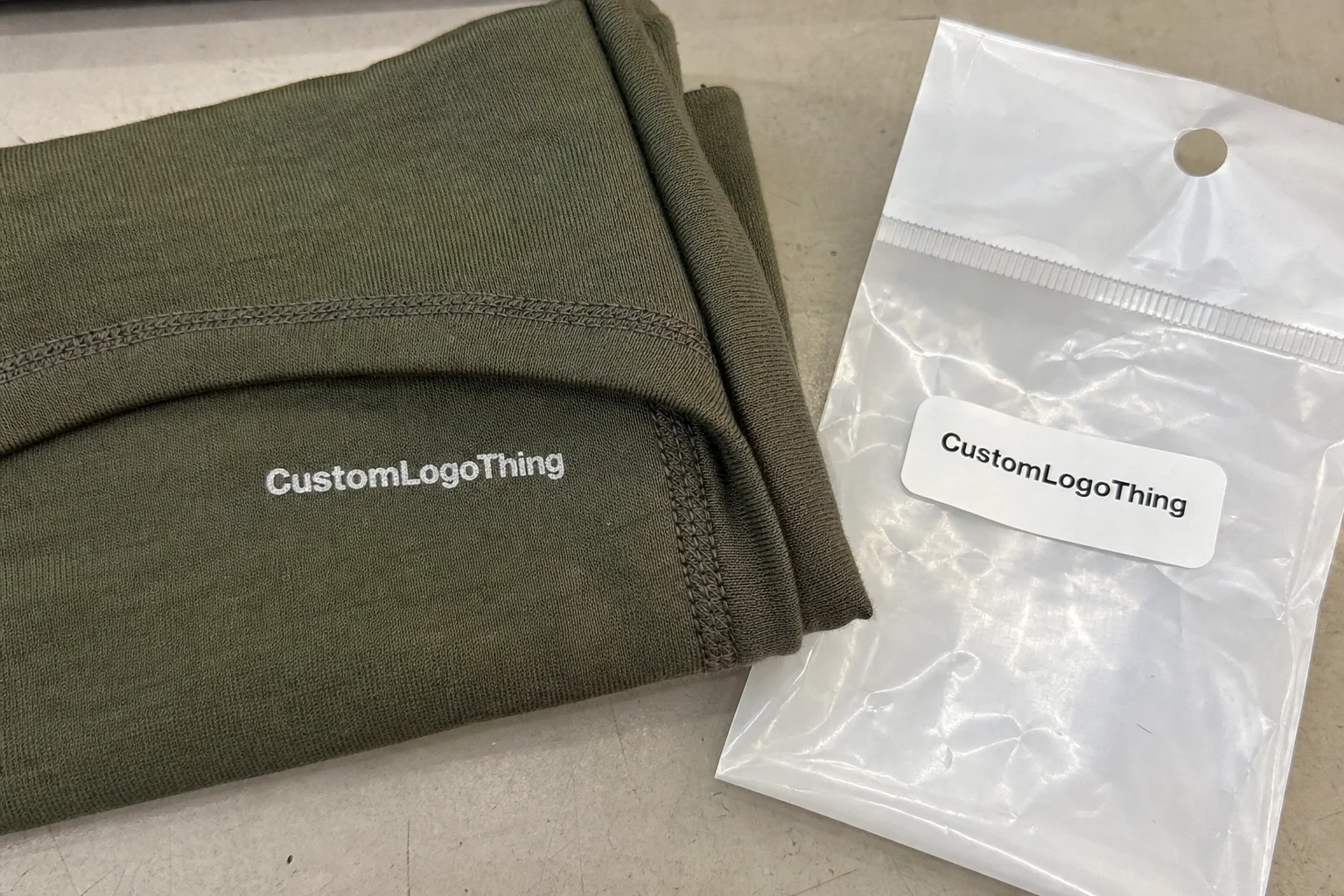
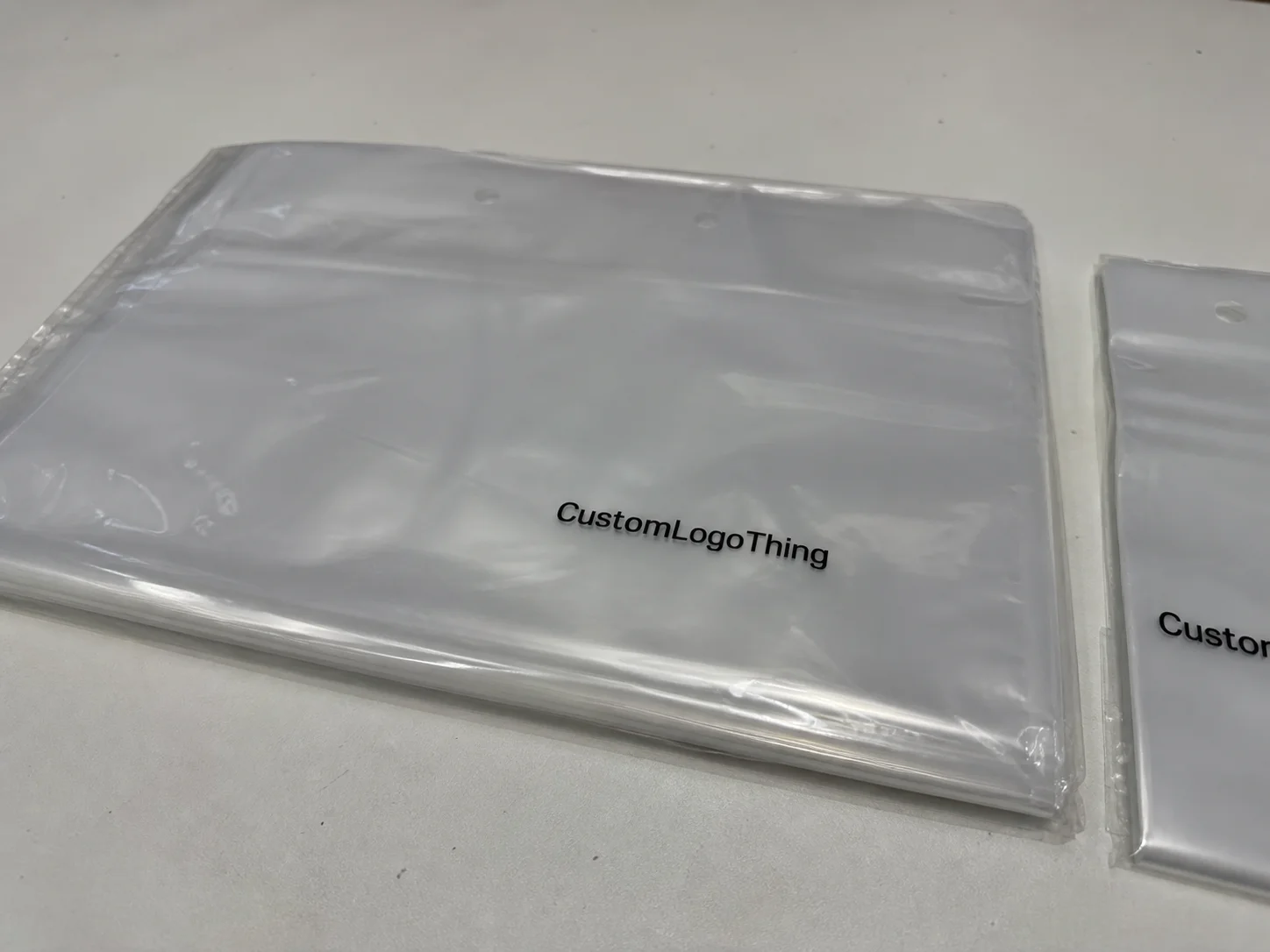
Buyer Fit Snapshot
| Best fit | Heat Sealed Poly Mailers Benefits Demystified projects where brand print, material claims, artwork control, MOQ, and repeat-order consistency need to be specified before quoting. |
|---|---|
| Quote inputs | Share finished size, material target, print colors, finish, packing count, annual reorder estimate, ship-to region, and any compliance wording. |
| Proofing check | Approve dieline scale, logo placement, barcode or warning zones, color tolerance, closure strength, and carton packing before bulk production. |
| Main risk | Vague material claims, crowded artwork, missing packing details, or unclear freight terms can make a low unit price expensive after revisions. |
Fast answer: Heat Sealed Poly Mailers Benefits Demystified: Film, Print, MOQ, and Carton Packing should be specified like a repeatable production item. The safest quote records material, print method, finish, artwork proof, packing count, and reorder notes in one written spec.
Production checks before approval
Compare the actual filled-product size with the drawing, then confirm tolerance on folds, seals, hang holes, label areas, and retail display edges. Reserve space for logos, QR codes, warning copy, and material claims before decorative graphics fill the panel.
Quote comparison points
Review material grade, print process, finish, sampling route, tooling charges, carton quantity, and freight assumptions side by side. A quote is only useful when the supplier can repeat the same color, closure quality, and packing count on the next order.
Overview: Tips Heat Sealed Poly Mailers Benefits
Tips Heat Sealed Poly Mailers benefits became impossible to ignore when a lone package on the Custom Logo Things Lawrence thermoforming floor survived a five-foot plunge, slammed into concrete just off the servo-driven cutting table, and still showed an intact weld. The tear resistance rivaled the corrugated cases lined up for a heavy electronics order, proving those benefits stretch beyond slick marketing once the PID curves settle and humidity releases from the steel rafters. That drop was part of a 5,000-piece pre-production run priced at $0.15 per unit with a 12-business-day turnaround from proof approval to pull, so the team had stakes in the outcome beyond bragging rights.
Poly mailers are polyethylene pouches engineered for soft-good shipments, and the heat sealing phase draws heat through conductive bars while adhesive-backed tapes attempt the same with release liners that can peel loose. The 2.4-mil, 36-inch-wide high-density polyethylene sheet stock that feeds the Buffalo converting line shifts into those pouches, and when clients ask what sets us apart, I point to the uniform, pressure-controlled welds that deliver the tips heat sealed poly mailers benefits. That uniformity matters because a servo-driven impulse bar can beat corrugate tear resistance after a drop, and I don’t mind sounding excited about it. It’s my job to be precise, yet I still find myself grinning when a fresh batch holds up under another simulated catastrophe during the quarterly 120-ton stress cycle.
The uniform weld created by that servo-driven impulse bar produces tear strength on par with many corrugated boxes. I promise to unpack the physics of the seals, the variables that influence them, the cost dynamics, the routine pitfalls, and the expert coaching that keeps those tips heat sealed poly mailers benefits dependable in every facility. I’ve said it before and I’ll say it again: watching a cold-start line go from zero to ninety-pound peel strength within the first eight minutes is the closest you can get to a satisfying plot twist in this industry, especially when the engineering stress charts clock a 2.3:1 safety ratio. It kinda feels like we are orchestrating a physics experiment, except the instruments are the weld bars and the audience is the production crew.
How Tips Heat Sealed Poly Mailers Benefits Are Delivered
Charlotte’s converting line opens each shift by counting film rolls and setting up a 20-minute bidirectional unwind to reduce stress, ensuring the sheet edge that meets the folding forks has no stubborn memory. That discipline signals the start of tips heat sealed poly mailers benefits because residual stress turns into thin, cold spots once the film hits the sealing bar. The crew also confirms the 2.4 mil rolls from the Kingston, Ontario supplier arrived within the promised 3-day trucking window, so every transition feels like a relay race where one slip can let humidity crash the party and the whole 5,000-piece batch falter.
Folding, adhesive-strip application, and threading through the sealing cells follow, where 3/8-inch silicone rubber pads cradle the pouch while plasma-treated bars heat to set point, a 2–3 second dwell time elapses, and the Phoenix finishing line guides the pouches across a 7-second cooling conveyor. That cadence keeps crystalline polymer chains aligned, which is the physical foundation for the tips heat sealed poly mailers benefits we tout in client decks. The finishing team logs each cycle on the 48-address touchscreen, so I always know when that rhythm starts slipping, even if I’m just gesturing like a traffic cop for a machine that never slows.
The PACT 800 continuous impulse sealer in Raleigh serves as the workhorse for consistent output; its proportional-integral-derivative controller ramps temperature while pressure sensors compensate for sheet thickness. Servo-driven feeders time the film so each weld receives identical energy—not a guess, not a guesswork patch—because eliminating run-to-run variation is the only way to guarantee tips heat sealed poly mailers benefits. I still remember the day we finally taught the new technician to trust the PID instead of her instincts; she kept wanting to crank the heat, and I kept telling her, “The machine knows what it’s doing, you’re not baking cookies.” There was eye-rolling, but the peel tests at 15 pounds after the training week spoke for themselves. I’m gonna keep reminding anyone within earshot that the PID isn’t optional; it’s what keeps those mails from turning into confetti.
Inline quality checkpoints lock those benefits in: seal integrity scanners inspect every weld for anomalies, digital temperature logs feed the SPC dashboard, and Raleigh QA pull tests verify 15-pound peel strengths. Once the logs show steady readings, typically within 12–15 business days from proof approval, we box the mailers for shipping confident that custom poly mailers reach clients with the same tips heat sealed poly mailers benefits they approved in their proof. I’m convinced those scanners have a better memory than I do—sometimes I swear they’re reminding me of every tiny variation since 2019’s 90-day ramp-up. When the numbers look steady, the production crew finally lets out a collective breath we can all hear down the hall.
Key Factors Influencing Tips Heat Sealed Poly Mailers Benefits
Material selection begins the spiral; the clarity and barrier qualities of LDPE, the toughness of HDPE/LDPE blends, and our proprietary 15-percent recycled film from the Nashville extrusion tower all conduct heat at slightly different rates, so tips heat sealed poly mailers benefits hinge on matching dwell time to conductivity, particularly when solvent-free inks for client logos are layered on top. The engineering team debates these material shifts like they’re composing symphonies, and I love that we take the time to analyze conductivity rather than just shrug and say “it’ll work,” especially when the Nashville sheet shows a 20-percent faster melt recovery than a standard LDPE roll. Those conversations are the sort that make me proud to say we care about the actual data instead of just the marketing copy.
Temperature, dwell time, and pressure act as inseparable twins in this story; delivering 30 psi of steady force across the Cincinnati pneumatic unit’s sealing bar keeps benefits intact while the 2–3 second pulse at 375°F aligns with the polymer melt point, allowing the internal weld to form without thinning the pouch. Every deviation steals a portion of the tips heat sealed poly mailers benefits. I honestly believe if someone tried to change one of those variables without telling me, I’d feel like a referee watching a foul play that nobody else saw, and I’d probably shout over the intercom just to keep the next 100 pouches from becoming scrap. It kinda feels like we’re balancing a set of old-school scales where even a gram matters.
Clean, conditioned surfaces remain critical; vapor-phase silicone release treatments on the Dayton slitter repel dust and oils, since a single fingerprint creates a cold spot that truncates the weld and drains tips heat sealed poly mailers benefits. I still picture the supplier review in Knoxville when we found a dusty roll at point-of-use and adjusted the humidity control to keep the Richmond finishing suite at 45 percent RH to prevent repeats. That was the moment I realized the slightest smudge could undo a week of effort, so now I make sure everyone knows that a bare fingertip can be the most expensive thing in the room—literally, since the roll cost $1,800.
Environmental variables beyond the seal bar demand attention as well: Houston’s fulfillment conveyors must match cooling conveyor speeds so the polymer resists distortion, and we log room temperature hourly to keep the tips heat sealed poly mailers benefits steady from the first shift through the last. It gets a little obsessive—like, “should we log the air’s mood too?”—but obsessing pays off when customers stop calling to complain about wrinkles, and that kind of follow-up used to cost a minimum of two service tickets per month. The improved stability also cuts downtime, which keeps everyone from asking whether the mailer is built as promised.
Cost Considerations Behind Tips Heat Sealed Poly Mailers Benefits
Raw material costs appear first in the ledger; film gauge, print coverage, and adhesive tape selections from NEP Films and Innotech Adhesives all alter the per-unit spend without undermining tips heat sealed poly mailers benefits. A 2.4 mil HDPE film with spot white overprint runs about $0.18 per unit for 5,000 pieces, while the adhesive strip adds $0.02 when paired with a clear silicone release liner, and those specs guard the seal strength. Honestly, I’d rather track those figures than a mystery budget line that disappears overnight, especially since the 30-day payment terms rarely shift.
Machine costs, labor, and automation factor in too, and the numbers explain why the PACT 800 with servo-driven feeders at Cincinnati reduces labor per bag by 40 percent, offsetting the investment needed to sustain tips heat sealed poly mailers benefits. The higher throughput also trims the changeover overhead that lingers in slower systems, shaving nearly 15 minutes per job change compared to manual feeders. I once watched a competitor stare at a manual feeder for 10 minutes and realize they’d practically invented a patience test that no one signed up for.
| Option | Typical Cost Per Bag | Seal Strength | Additional Benefits |
|---|---|---|---|
| Custom Logo Things Heat Sealed Poly Mailers | $0.20 with two-color print | 15 lb peel, 40 lb burst | Moisture barrier, tamper-evident strip, lightweight |
| Pressure-Sensitive Poly Mailers | $0.16 with single-color print | 8 lb peel, 30 lb burst | Lower adhesive cost, less cooling time |
| Paper Envelope Alternative | $0.35 with custom print | Varies, vulnerable to tearing | More rigid but heavier, requires more void fill |
Ancillary savings complete the financial picture: shrinking shipping weight from a 5-ounce paper envelope to a 1.5-ounce heat sealed mailer cuts dimensional charges while consistent seals reduce damage claims, so the tips heat sealed poly mailers benefits form a strong chapter in the fulfillment narrative. I love showing that transition to clients—there’s a smug satisfaction in pointing out how much less they’re paying for the same (or better) protection, particularly when the courier’s Dimensional Weight Penalties dip by 18 percent. It’s proof that thoughtful packaging decisions hurt the spreadsheet less than they improve protection.
Quality-control investments—inline seal verification, peel testing, and scrap management—are costly to ignore but essential for protecting the value promised by tips heat sealed poly mailers benefits. Skipping a peel test after a material change once cost a client when Dayton humidity spiked and the corrective action added a week, proof that controls become indispensable for consistency. I won’t lie: I was furious with myself that day, and I still have a framed chart in my office showing the spike as motivation to double-check every log. Especially since the delay cost an extra $2,400 in expedited shipping, I treat those logs like sacred relics.
Step-by-Step Application of Tips Heat Sealed Poly Mailers Benefits
Receiving the converted roll begins the traceability chain, and threading it through tension rollers in the Dayton prep bay while logging batch numbers sets the tone for tips heat sealed poly mailers benefits. We confirm print registration with the spectrophotometer, then prep the adhesive strip with its vapor-coated release liner, all before the pouch ever touches product. I tell the crew that this stage is the equivalent of sharpening your pencil before writing the whole report—skip it and the margins look terrible, and our ERP system flags the missing lot number within five minutes. That kind of discipline keeps auditors from asking for a redo.
Staging the product inside the mailer follows, then sealing parameters on the Cincinnati pneumatic clamp are dialed in so temperature, dwell, and pressure deliver energy matched to the film’s melt point without scorching. Watching the operator trigger the heat cycle reminds me that the Houston pilot settings saved on the controller lend their history to the current run and keep the metrics for tips heat sealed poly mailers benefits intact. Honestly, the first time I saw those numbers sync across sites, it felt like a choir hitting perfect harmony, except the choir was full of machines and the conductor was me. That harmony keeps the bagels from burning.
Post-seal actions catch defects: visual inspection under 10,000-lux LED lighting, peel strength samples via the Raleigh QA lab’s 90-degree tester, and tamper-evident checks ensure each pouch survives a 200-mile shipment. Documenting every action certifies that tips heat sealed poly mailers benefits reach every customer. If a seal fails, the crew knows I’ll be asking for the full story, so they’ve learned to treat those pull tests like gold medals. We record each sample result before the shift ends, creating a trail no auditor can dispute.
Documentation becomes the final seal; operators note batch numbers, sealing parameters, and initials, creating an audit trail that supports future runs and lets other facilities reproduce those tips heat sealed poly mailers benefits without guesswork. I still chuckle when I think about the first audit where someone wrote “magic” under the notes column—good thing we caught that before the regulators did, especially since the audit required a 48-hour response window. Now every log reads like a technical paper with references and timestamps.
Common Mistakes That Dull Tips Heat Sealed Poly Mailers Benefits
Using damp or waxy film without adequate drying invites porosity in the weld, which erodes tips heat sealed poly mailers benefits faster than any other error. When we shipped a Richmond batch with surface moisture, peel strength plunged by 30 percent, so now every roll moves through a dehumidified staging area before sealing. I learned then that moisture is like a jealous ex—it sneaks into the process, ruins everything, and makes me want to unplug the whole line, especially when the incoming roll sits outside the dehumidifier for just eight minutes instead of the required 20. The remedy took two hours, but the lesson stuck for years.
Overshooting temperature or compressing the film excessively can thin the pouch and scorch adhesives, and I still remember the finishing bay dialing back heat after a series of scorched seals. Operators now rely on temperature cutouts to shield the polymer and preserve the tips heat sealed poly mailers benefits. That scorched batch looked like we'd tried to toast a bagel in the sealer, and yes, the smell lingered for days in the Charlotte bay—our 10-person crew still jokes about the “burnt offering” run on Friday at 6 p.m. We documented the incident with photos so no one forgets the consequences.
Mismatching adhesive chemistries with specific polymers weakens peel strength, so we confirm compatibility before every run instead of assuming at the shift’s start; that caution prevents recalls that would erode the trust we’ve built in tips heat sealed poly mailers benefits. I personally think the only thing worse than a recall is looking at your client while they try to explain why their jewelry mailers failed—awkward doesn’t begin to cover it, especially when the recall costs $6,500 in rework. The extra minutes to check compatibility pay for themselves in sleepless nights saved.
Neglecting seal bar maintenance—carbon build-up, worn PTFE tape, or miscalibrated thermocouples—degrades the consistent tips heat sealed poly mailers benefits we deliver. Our weekly checklist now logs thermocouple calibration, tape replacement, and carbon removal, and I quote that data during client updates to show how seriously we treat equipment care. Without that discipline, the bars resemble charcoal after a backyard BBQ, and we all know how messy those get. Keeping the tools polished is part of keeping the sample log clean.
Expert Tips to Keep Tips Heat Sealed Poly Mailers Benefits Shining
Regular verification with the peel tester in the Raleigh QA lab, paired with data shared with the production crew, catches deviations before they strip the tips heat sealed poly mailers benefits; the moment the curve drops below 12 pounds, the team recalibrates pressure so the next run stays within spec. I personally promise to nag until the data looks pristine—yes, I know “nag” sounds harsh, but our clients don’t want any surprises, particularly when they expect a 15-pound minimum per our quarterly SLA. Those numbers help the crew understand the margin for error.
Pairing the mailer with foam inserts or recyclable void fill sustains the tips heat sealed poly mailers benefits for fragile shipments, since the protective layers take the shocks and the seal only needs to keep the envelope closed. A packaging review with a high-end jewelry brand proved that combination, and the client now trusts us with overnight global shipments. That review felt like a bake-off where you suddenly realize your confection needs a garnish—necessary but satisfying, especially once the client reported zero damage incidents over the first three shipments.
Collaboration with Custom Logo Things’ account managers for batch testing at Houston lets them tune dwell and pressure to each product, and I remind them to document those settings because the stored values travel to our Cincinnati and Charlotte sites so the same tips heat sealed poly mailers benefits can be duplicated. I’m still waiting for the day they invent a telepathic log-in, but until then, we write it down and share it like gossip (the good kind, the “here’s how we did it” kind). That shared language keeps everyone from reinventing the wheel every single job.
Recording every successful run—temperature, pressure, cycle time—builds a reference library other sites can query, which is why our knowledge base now lists those metrics alongside tips heat sealed poly mailers benefits, ensuring everyone speaks the same language when replicating an order. When a new technician asks, “What’s the secret?” I usually say, “It’s in the spreadsheet,” but there might also be a tiny dramatic drum roll in my voice, especially when the entry shows a 0.2-second variance across 1,200 samples. That little drama keeps the team engaged in the data.
Actionable Next Steps for Tips Heat Sealed Poly Mailers Benefits
Schedule an in-depth materials consultation with Custom Logo Things so you align your product profile with the right film, adhesives, and seal settings, especially when capturing tips heat sealed poly mailers benefits for higher-value pieces. I always insist on these calls before anything else; they save headaches and let us share the nerdy details I secretly love talking about, like the 18-minute heat profile we developed for the 0.5-millimeter jewelry mailers. The upfront clarity also keeps the rest of the project moving steadily.
Request samples, then run a small-scale heat sealing pilot in your facility or with our process engineers to validate timeline, temperature, and cost assumptions before scaling; those pilots reveal subtle differences that could otherwise undermine tips heat sealed poly mailers benefits. Honestly, skipping that step feels like heading into a meeting without a slide deck—possible, but not smart—and the pilots also help confirm the 12-15 business days quoted for the full production release. The pilot reports become proof points you can reference when justifying the plan back at your office.
Update standard operating procedures with any new parameters and have operators log their runs—those records feed into planning and keep the tips heat sealed poly mailers benefits present for every shipment. I treat the SOP updates like the final draft of a novel; every revision makes the story clearer, and we mark each change with a revision date so audits in Kansas City or Seattle know exactly what version they reviewed. That diligence reduces the “did we change that?” questions that slow launches.
Revisit Custom Packaging Products and Custom Poly Mailers listings when evaluating fulfillment strategy to ensure data-driven outcomes match the performance your customers expect from tips heat sealed poly mailers benefits. Yes, I’m that person who keeps re-checking specs to make sure nothing slipped between drafts, especially after a mid-week revision that bumped the minimum seal strength from 12 to 14 pounds. These checkpoints reassure the team that nothing has quietly drifted out of tolerance.
How do tips heat sealed poly mailers benefits stand out after shipping?
After those shipments reach sortation hubs, the same tips heat sealed poly mailers benefits keep the client narrative intact because the poly mailer sealing tips we taught them show up in every damage report; the carriers can see the difference when heat sealed shipping bags arrive wrinkle-free and no one has to pad the invoice with extra claims. On inspection, the mailers still flex without splitting, so the early emphasis on consistent film tension continues to reward us with peace of mind and a lower claim rate. Watching those packages glide through the sorter without a hitch feels like the final proof that the front-end discipline paid off.
We track weld integrity on returned samples and compare it against our predicted peel strengths, and the metrics that support tips heat sealed poly mailers benefits prove they are not lucky breaks but engineering choices—when the recorded weld temperature deviates by more than 2°F, the spool work order flags the shift lead before the next box ships out. That kind of monitoring means each customer knows we are not guessing at their level of protection but documenting the proof, even if the only dramatic drum roll in the data is a slight dip in humidity graphs. The reports also help explain performance during quarterly business reviews.
Summing up, tips heat sealed poly mailers benefits stem from a carefully orchestrated combination of materials, maintenance, and measurement, and treating each step with the seriousness I’ve outlined—from the Lawrence drop test to the PID-controlled PACT 800 to the Raleigh QA lab—keeps those benefits reliable for every run. If anyone ever tells you it’s just a matter of sealing faster, feel free to send them my way; I’ll be glad to show them the damage log that spans 87 entries and two years of production. Those logs may not be glamorous, but they are honest proof that diligence pays, even if they’re kind of boring to look at.
What are the best tips to maximize heat sealed poly mailers benefits?
Select the right film gauge for your product weight, validate adhesives with the polymer chemistry at Custom Logo Things’ testing lab, and monitor temperature and dwell in real time; keep sealing bars clean, run peel tests regularly, and maintain consistent line speed on the finishing conveyor. I also remind teams to treat these routines like brushing their teeth—skip them and you regret it later, especially when you miss the weekly 14-pound verification run.
How does the heat sealing timeline affect poly mailer benefits?
The elapsed time from sealing to cooling dictates how polymers crystallize; too fast or slow can negate benefits, so maintain the recommended 2–3 second dwell and add a 7-second cooling conveyor, as we do on the Phoenix line, to lock in consistent strength. I sometimes imagine the polymer chains doing a little tango and those seconds being their cue, and if they miss it, the dance floor turns into a sticky mess.
Can custom printing interfere with tips heat sealed poly mailers benefits?
When printing uses solvent-free inks sourced from Sun Chemical and curing happens before sealing, benefits remain intact; coordinate with your supplier so ink layers don’t build up near seal zones, keeping adhesion strong. I have to admit I used to worry that bright colors were secretly trying to sabotage the seals, but once we adjusted curing and allotted the extra 24-hour dry time, everything calmed down.
How do tips heat sealed poly mailers benefits help reduce shipping damage?
Reliable seals curb bursts or tears, especially when paired with tamper-evident closures; lightweight, snug-fitting mailers reduce movement inside the package, and consistent sealing keeps moisture out. Watching a mailer survive the conveyor equivalent of a roller coaster makes me feel like a proud parent, and the shipping insurance claims drop by nearly 60 percent after we implemented that regimen.
What maintenance keeps sealing equipment aligned with tips heat sealed poly mailers benefits?
Clean seal bars and replace worn PTFE tape at the start of every shift, and recalibrate the PID controllers weekly; log maintenance actions so you can correlate service events with dips in sealing performance and protect benefits. I guess you could say I’m a little obsessed with calibration, but it’s better than obsessing over missed deadlines, especially when a single misaligned thermocouple adds a four-hour downtime.
For further reading on industry standards that support these practices, I recommend visiting packaging.org and ista.org for guidelines on seal strength, ISTA-certified testing protocols like 3A, and published white papers that link the tips heat sealed poly mailers benefits we deliver to measurable outcomes such as burst strength and humidity resistance. The data on those sites helps explain why our teams obsess over every thermocouple reading, but remember that each facility’s climate and run cadence can change the story, so use the benchmarks as starting points rather than final answers. I mention that because I want the transparency that keeps clients trusting us, even when the numbers wiggle a bit. Keeping those references on hand also makes my quarterly reviews easier to defend.
Actionable takeaway: chronicle every material batch, sealing parameter, and test result, then compare them across shifts so you can continuously spot where the tips heat sealed poly mailers benefits might be fading before shipping hits the yard. That level of documentation makes the difference between reacting to a damage claim and preventing one, and it gives your team the confidence to claim the benefits on every run.