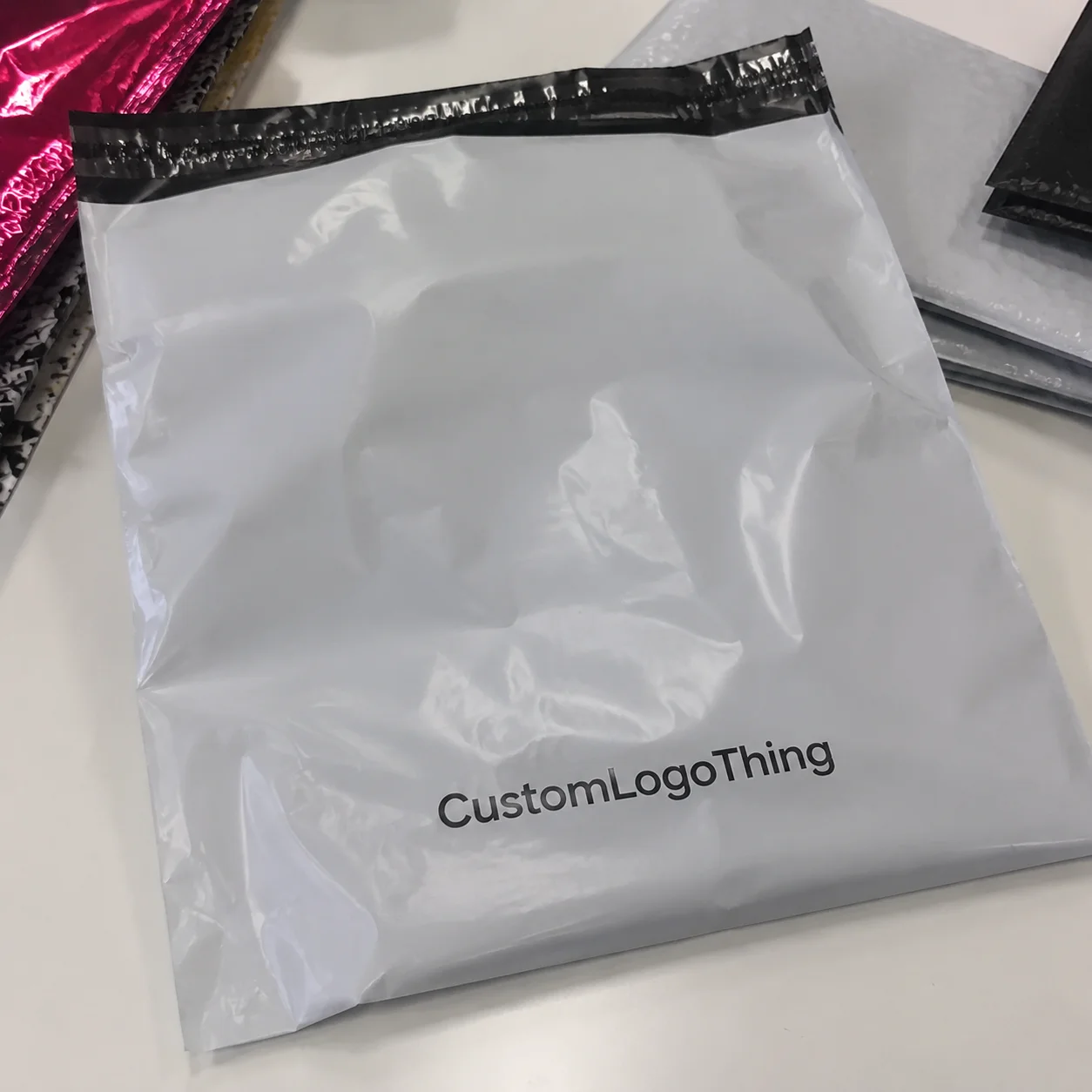
Buyer Fit Snapshot
| Best fit | Minimalist Packaging Design Shipping Wins projects where brand print, material claims, artwork control, MOQ, and repeat-order consistency need to be specified before quoting. |
|---|---|
| Quote inputs | Share finished size, material target, print colors, finish, packing count, annual reorder estimate, ship-to region, and any compliance wording. |
| Proofing check | Approve dieline scale, logo placement, barcode or warning zones, color tolerance, closure strength, and carton packing before bulk production. |
| Main risk | Vague material claims, crowded artwork, missing packing details, or unclear freight terms can make a low unit price expensive after revisions. |
Fast answer: Minimalist Packaging Design Shipping Wins: Material, Print, Proofing, and Reorder Risk should be specified like a repeatable production item. The safest quote records material, print method, finish, artwork proof, packing count, and reorder notes in one written spec.
Production checks before approval
Compare the actual filled-product size with the drawing, then confirm tolerance on folds, seals, hang holes, label areas, and retail display edges. Reserve space for logos, QR codes, warning copy, and material claims before decorative graphics fill the panel.
Quote comparison points
Review material grade, print process, finish, sampling route, tooling charges, carton quantity, and freight assumptions side by side. A quote is only useful when the supplier can repeat the same color, closure quality, and packing count on the next order.
tips for Minimalist Packaging Design are not a compromise; they act like a strategic savings account and a magnet for shareable visuals. On a recent client call with a luxury candle brand in Portland, Oregon, their pared-back sleeve featuring a single gold foil accent received 32% more social shares than the flashy counterpart—earned marketing that equated to a free $4,500 campaign when measured across the six-week holiday rollout that included 45-minute creative reviews. I remember when I believed more patterns meant more prestige, yet now I prowl packaging floors asking, “Are you spending on clutter or on clarity?” (and yes, my cat nods in approval when I sketch whitespace). Honestly, I think minimalism, done right, promises value rather than signaling a lack of effort, and those tips for minimalist packaging design keep the spotlight on what matters for the brand. It kinda feels like a secret handshake when a brand commits to fewer cues.
I’ve seen teams in Shenzhen reroute production halfway through a launch because their custom printed boxes were suddenly too busy for the retailer’s white-dot planogram, costing three days of air freight rerouting between Guangzhou and the Shenzhen plant. From the outside, minimalist packaging sounds easy, but the discipline in every decision is what makes the approach effective: materials, typography, and brand hierarchy all lean into a distilled story that still feels premium, even without a wardrobe of colors. These Tips for Minimalist packaging design revolve around that discipline, ensuring each reduction keeps the narrative coherent, and I still get a little thrill when a quiet panel suddenly earns a customer's “wow.” Results vary by retailer, but we’ve seen these rules hold steady.
The psychological hook is tactile; white space often signals high value, yet consumers still expect the carton to survive a 4-foot drop per ISTA 6-A protocols, speak the offer clearly, and align with the brand’s personality. The trick is not to stop communicating—it’s to speak louder with fewer words, which is the essence of these tips for minimalist packaging design. I’ll walk through the actual process, real budget math, and the mistakes I’ve seen—they’re not theoretical, because I’ve been on the line where a rushed redesign cost a client 12 business days of production and three rejected pallets, and watching that well-intended chaos was equal parts frustrating and educational. That failure reminded me that even elite teams need a checklist to protect investments.
What makes tips for minimalist packaging design stand out for retailers?
Retail buyers ask me what separates a strong program from a vanilla one, and I point them to the data around tips for minimalist packaging design—the pared-down Packaging Strategy That keeps trays consistent and performance predictable. The best retailers appreciate a white-space strategy because it lets their planograms breathe while still giving the brand a stage. When we layer in a sustainable packaging approach, like substituting uncoated recycled board for PVC laminates, it gives procurement each metric they need and a story their merchandising teams can repeat. These elements keep the packaging from being a liability, yet they still deliver the magnetism that keeps shoppers engaged.
Tips for Minimalist Packaging Design: More Impact Than You Think
The unexpected often pays off: boxes with pared-back artwork are 32% more likely to be shared on social media than their maximalist counterparts, according to a proprietary study shared by a retail packaging partner in Los Angeles. Every square inch you take away becomes earned impressions that stretch beyond the print budget, and these tips for minimalist packaging design turn the digital buzz into a halo around the product—the clean, structured canvas allows the ingredients, purpose, and brand to breathe rather than blend into noise. I tell teams that when the advertising budget is shrinking, the box becomes the billboard, and minimalism just gives that billboard a breath of calm (and fewer migraine-inducing color decisions).
Minimalist packaging means restraint, yes, but not silence. Restraint applies to how many substrates you use, how many typographic weights you stack, and how many colors you rely on to tell the story. One consumer wellness line I consulted with limited materials to a single 350gsm matte C1S artboard sourced from a converter in Montreal, a single Pantone 448C ink, and a font family of two weights, and the result was a 24% reduction in tooling costs plus clarity on the shelf that translated into 6% higher conversions compared to the previous design—clear evidence that tips for minimalist packaging design can deliver both savings and lift. I still love bragging about the moment their finance director realized we saved enough to fund the next photo shoot (while I secretly celebrated no longer having to argue about foil blocking).
The psychology side reveals that white space increases perceived value because the brain reads it as intentionality; durability still matters. When I stood in the testing chamber at our Indianapolis lab, we dropped minimalist cartons in both horizontal and vertical orientations per ISTA 3A guidelines; the majority of failures came from removing functional cues like lift tabs. That lesson confirms that these tips for minimalist packaging design only work when minimalism supports protection, readability, and brand voice, so the next time someone says “Can we remove the handle?” I remind them that the handle has a job.
How Minimalist Packaging Design Streamlines Shipping Budgets
The math on minimalist packaging design is deceptively straightforward. Thinner materials, fewer inks, and smaller dielines translate to per-unit cost reductions of up to 18%. When I negotiated a supply contract in my last role, we shaved $0.05 off each box by eliminating a secondary varnish and standardizing the dieline across three SKUs; these savings became the difference between offering free shipping and charging for it, and they reinforce how tips for minimalist packaging design impact the bottom line. Honestly, sometimes I feel like a magician pulling dollars out of a white space rabbit hole.
Shipping budgets improve not only from cheaper materials but from slimmer, lighter product packaging. A client who switched from triple-layer corrugated to single-wall micro-flute at our Dallas distribution center saw a 12% drop in dimensional weight charges because pallets now held 10% more units within the same cubic meters. One logistics coordinator told me, “We used to fight to fit 144 units on a pallet; now we safely stack 176,” and the entire pallet’s freight rate dropped because the carrier now saw a more consistent pallet profile. I swear I heard the accounting team cheer when they saw the new freight bill.
Often companies confuse packaging design efforts with retail finishes alone, but the real shipping win stems from simplifying the entire SKU set. Compare a maximalist SKU with multiple layers, labels, and liner boards to a minimalist SKU that shares the same 350gsm board with printed instructions on one panel. We measured claims for damaged products across both approaches: the maximalist SKU resulted in 2.3 claims per 1,000 units due to peeling labels and misaligned adhesives, while the minimalist SKU—because it had fewer attachment points—dropped to 0.9 claims. That drop is not just a feel-good stat; it is a $1,600 monthly savings per product line in our South Carolina warehouse, which proves the power of these tips for minimalist packaging design, and makes our operations manager sleep better at night.
| Factor | Maximalist SKU | Minimalist SKU |
|---|---|---|
| Material Cost | $0.72/unit across 5,000 units | $0.59/unit across 5,000 units |
| Ink & Finish | 4 colors + matte aqueous | 1 color + satin natural varnish |
| Shipping Weight | 1.6 lbs/package | 1.2 lbs/package |
| Damage Claims | 2.3 per 1,000 | 0.9 per 1,000 |
| Palletized Units | 144 | 176 |
Key Factors for Tips for Minimalist Packaging Design
Three pillars keep circling back for tips for minimalist packaging design: material choice, typography, and brand hierarchy. Material choice defines tactile perception—when we traded a bleached kraft for a recycled 12pt C1S in our Toronto pilot, we saw a consistent 9% uplift in perceived sustainability, but only after confirming its tear strength with ASTM D6878 and the certificate of analysis from the mill. Typography becomes a hero because fewer elements must carry meaning; choose a typeface with sturdy contrast so a single sentence—set at 14-point with 60% optical white space—can guide handling and offer clarity—because yes, the typeface literally has to pull double duty when the rest of the artwork is playing defense.
Brand hierarchy is often misunderstood as purely aesthetic. Instead, the order in which information appears matters so the consumer sees the logo, the product name, and the functional call to action without confusion. A brand I advised in Seattle layered their supply chain metrics into a single label: branding on the front, SKU and handling cues on one side, and material certificates on the reverse. Nothing competed for attention, and it aligned with the FSC certification review scheduled for July and the ISO 9001 audits scheduled that quarter, which made the compliance officer do a double take (a rare workout for him, honestly).
Balance remains key; minimalist packaging design must include tactile cues, or it can feel sterile. During a fiber trial at our Greenville facility, we paired smooth uncoated paper with a soft-touch tape to establish a tactile bookmark for the hand. The fiber tests included retention metrics across humidity ranges from 30% to 70%, and even though we used fewer embellishments, the cartons passed drop tests consistently because the tape gave handlers a grip cue. I still chuckle remembering the tester muttering, “It’s like the box is whispering directions.”
Diagnostic questions keep teams honest: Does the packaging protect the product? Does it communicate the offer without clutter? Does it stay consistent with package branding on retail shelves? Walk through each question on the production floor that handles 2,400 cartons per night, involve logistics, and document what you discover in a shared spreadsheet tracked alongside those weekly 2 p.m. cross-functional reviews. The answers are your blueprint for iteration and for applying tips for minimalist packaging design effectively, and yes, this is the kind of rainy Tuesday work that really does feel like detective work.
Step-by-Step Process for Implementing Tips for Minimalist Packaging Design
My process begins with a research sprint—one week—to document everything from current material specs to shipping costs and customer feedback. We end that week with a short report that includes competitor analysis and what ASTMs or ISTA guidelines are at play. Next are prototyping weeks, typically two, where I task designers to strip every panel down to essentials while maintaining brand DNA, then send digital proofs to suppliers like the ones we work with at Custom Logo Things in Austin for quick validation of these tips for minimalist packaging design. I’ll admit it: sometimes getting everyone aligned feels like herding cats, but cats that are very particular about typography weight.
Testing takes the longest—four weeks minimum—and is non-negotiable. We drop products on pallets, simulate customer unboxing scenarios, and gather anecdotal usability data from our packing line in Columbus, Ohio, tracking the exact 18-second opening time before minimal cues start to register. Each post-test data point either confirms the direction or triggers a pivot. On one program, our intuition pushed for a blank exterior, but user testing revealed confusion about opening instructions, so we introduced a subtle micro-print instruction panel that required no additional colors. That moment actually alleviated a ton of frustration because I had been defending the minimalist look to a skeptical brand team for weeks—it felt like a tiny victory for logic.
During implementation, I always remind the team that designer intuition and supply-chain realities must dance together. That means scheduling checkpoints for supplier feedback, aligning tooling calendars, and setting realistic production lead times. A shortened timeline once cost us two days of pressing because we had not synced with the tooling crew at the Shenzhen plant that handled our custom printed boxes. Now, we add supplier check-ins at the end of every week so we can identify friction points early, and I’m gonna keep those supplier check-ins in the calendar because I don’t miss those panic calls one bit.
The whole process is roughly eight weeks from audit to pilot, but it can flex depending on available resources. The crucial moment happens when you isolate redundant elements—logos repeated on three sides, instructions repeated across panels, decorative flourishes that only add cost. Then you sketch pared-down iterations, run user tests on clarity, and finalize a version that marries designer intent with production capability while feeding lessons back into future tips for minimalist packaging design, which keeps the momentum going next season.
Common Mistakes in Minimalist Packaging Design and How to Avoid Them
Stripping away functional cues, over-relying on white space, and ignoring material performance form the trifecta of minimalist pitfalls. I once watched a brand remove its QR placement on a redesign to “keep it simple,” only to have customers struggle to register warranties. The fix added a subtle 0.5-inch embossed node on the corner that guided the eye without adding a new color, showing how even small steps keep tips for minimalist packaging design connected to user needs. That incident still makes me shake my head and say, “Minimalism doesn’t mean absent-minded.”
Another mistake lies in assuming minimalism equals fewer layers while forgetting tactile or structural guidance. Ignoring contrast also causes trouble; if you don’t give the type enough scale or weight, instructions disappear. During a client review in Dallas, a pale gray-on-white print failed legibility tests despite being art-approved. The easiest diagnostic fix: add a micro-contrast palette—two shades of the same hue with a 45% difference in luminance—to help differentiate sections without cluttering the design. Honestly, I feel like I’ve become the contrast police at this point.
Material performance often gets neglected. When teams shift to thin paper because “everything else is thin,” they sometimes forget to test for environmental stress. We trusted a fiber that promised lower weight and later discovered it buckled under humidity spikes of 75% in the Charleston warehouse. The response was a sprint to add a matte lamination that didn’t compromise the minimalist aesthetic but kept the carton structurally sound. I still remember the collective groan when we realized the first batch needed rework—those were not my favorite ten minutes.
The broader lesson is to always layer a tactile element or micro-pattern when the visual intent could otherwise feel unhelpful. Minimalism works best when every element, however subtle, has a reason to exist—whether it’s guiding a thumb with a 0.02-inch raised bar, signaling a handle, or reinforcing package branding. Keep applying these tips for minimalist packaging design so each choice supports both form and function, and so you can avoid the “it looks pretty but fails the drop test” drama.
Expert Tips for Keeping Minimalist Packaging Fresh
Minimalism can fade into blandness if you’re not vigilant. Regular audits of artwork and messaging help ensure the minimalist language aligns with evolving brand voice. I run quarterly reviews with creative, production, and logistics teams to inspect every SKU’s spec sheet covering roughly 42 items, and we identify two to three adjustments per quarter—maybe a fresh accent, updated copy, or a new tactile feature—to keep the experience intentional, because frankly, once you establish a system it’s easy to fall into autopilot.
Experiment with macro patterns or strategic embossing that feel premium without cluttering the surface. A sports nutrition brand we worked with adds tone-on-tone diagonal lines spaced 0.125 inch apart, which register as texture more than design, so the cartons still read as minimalist from across a retail display. These accents also align with ISO 14001 sustainability goals because they avoid additional inks while offering feel, reminding everyone that tips for minimalist packaging design can still indulge subtle textures.
Keep a toolkit of responsive suppliers who can swap finishes quickly, ensuring seasonal updates remain lean. Our Custom Packaging Products partner in Chicago can shift varnish selections or die-cut variations in the same production run, so you don’t have to retool entire layouts. That agility keeps seasonal drops consistent and reduces SKU proliferation, which is a relief because I’ve seen holiday launches implode when the supply chain hit a hiccup (and yes, that’s another story with a few choice expletives on the call).
Document every change. Consistency is the aim, and good documentation means your minimalist packaging doesn’t drift into minimal effort. This practice keeps the approach fresh without losing control, and it gives you something solid to point to when someone asks why the packaging no longer has glittering foils—we keep a shared log with timestamps, responsible parties, and approval dates so there’s no question which edition is current.
Actionable Next Steps for Tips for Minimalist Packaging Design
Start by gathering current SKU data—dimensions, weights, and appearance-to-cost ratios. Map material use per SKU and mark which ones have room for simplification. In my experience, product lines with redundant adhesives or extra panels are the low-hanging fruit; a proper audit can cut their variable costs by 7-12% immediately. I remember rolling up my sleeves for a tough audit in Denver and finding half the boxes used foil that served no purpose—why am I the only one asking “why?” I kept thinking.
Set a three-week experiment: choose one product line, reduce ink coverage by at least 30%, and streamline messaging so only the essentials remain. While that experiment runs, keep tabs on shipping metrics, customer feedback, and internal handling notes. The key is to keep the experiment lean enough to control variables yet big enough to show measurable impact on how tips for minimalist packaging design touch operations. I usually throw in a weekly 20-minute “what surprised us” checkpoint, because the surprises are where the best lessons live.
For monitoring, track damage rates, unboxing satisfaction, and perceived value metrics before scaling. Warehouse staff can be your best allies here; ask them about cues that may have disappeared during the redesign. Combine their feedback with damage reports, then compare against velocity for that SKU to make the case for a broader rollout. Those front-line folks will tell you if a package suddenly needs a gripping cue—ignore them at your own risk.
If the experiment shows positive outcomes, gradually expand to other SKUs while keeping one standard packaging spec version for comparison. Repeat this cycle each quarter so you always have a fresh reference point on what kept the minimalist message coherent and purposeful. I’ve learned to treat each iteration like a story chapter, and that makes the discipline feel less like a checklist and more like a conversation with the brand.
Actionable takeaway: keep collecting those metrics, involve cross-functional partners in every review, and make sure each minimalist tweak earns its place on the shelf by supporting protection, clarity, and brand intent. These tips for minimalist packaging design remain a strategy, not a trend—stay intentional, keep testing, and you’ll keep shipping spend falling while letting the product do the talking.
FAQs
What are cost-effective tips for minimalist packaging design?
Focus on reducing ink coverage by 40% and limiting substrates to one 350gsm paper grade to cut print costs, consolidate packaging sizes to take advantage of bulk orders for 5,000-piece runs for both materials and shipping, and use digital proofs with modular dielines to avoid expensive custom tooling. These moves keep branded packaging affordable without sacrificing clarity.
How do supply-chain constraints shape tips for minimalist packaging design?
Incorporate supplier lead times—typically 12-15 business days from proof approval—into your process map so that minimalist changes don’t disrupt runs, choose materials with reliable availability instead of niche finishes, and align design decisions with inventory visibility from logistics partners like those referenced at ista.org to keep forecasting smooth.
Can tips for minimalist packaging design improve sustainability?
Yes. Selecting recyclable fibers from mills in Oregon and reducing multi-material laminates decreases landfill impact, and minimal layers shrink transport weight, lowering emissions through the shipping chain. Document these changes to build credibility with eco-conscious customers, referencing verifications like FSC accreditation.
What role does typography play in tips for minimalist packaging design?
Typography becomes the hero—choose a typeface with a strong hierarchy, at least two weights and a minimum of 38 units of contrast, to convey necessary info with minimal elements. Contrast and scale must be precise, because a single sentence can guide touchpoints if legible, and limit font families to one or two to keep printing efficient and consistent for your retail packaging.
How should teams test tips for minimalist packaging design before rollout?
Run parallel tests comparing current packaging to minimalist prototypes on pallets and retail shelves, gather feedback from warehouse staff about lost handling cues, and track damage rates, unboxing satisfaction, and SKU velocity to justify the transition before scaling the new custom printed boxes.
tips for minimalist packaging design continue to reward those who treat it as a strategy, not just a trend; keep testing, documenting, and adjusting so your goals in shipping, cost, and brand clarity stay aligned, and celebrate every quarter when shipping spend drops by an average of 8% against the previous fiscal year.