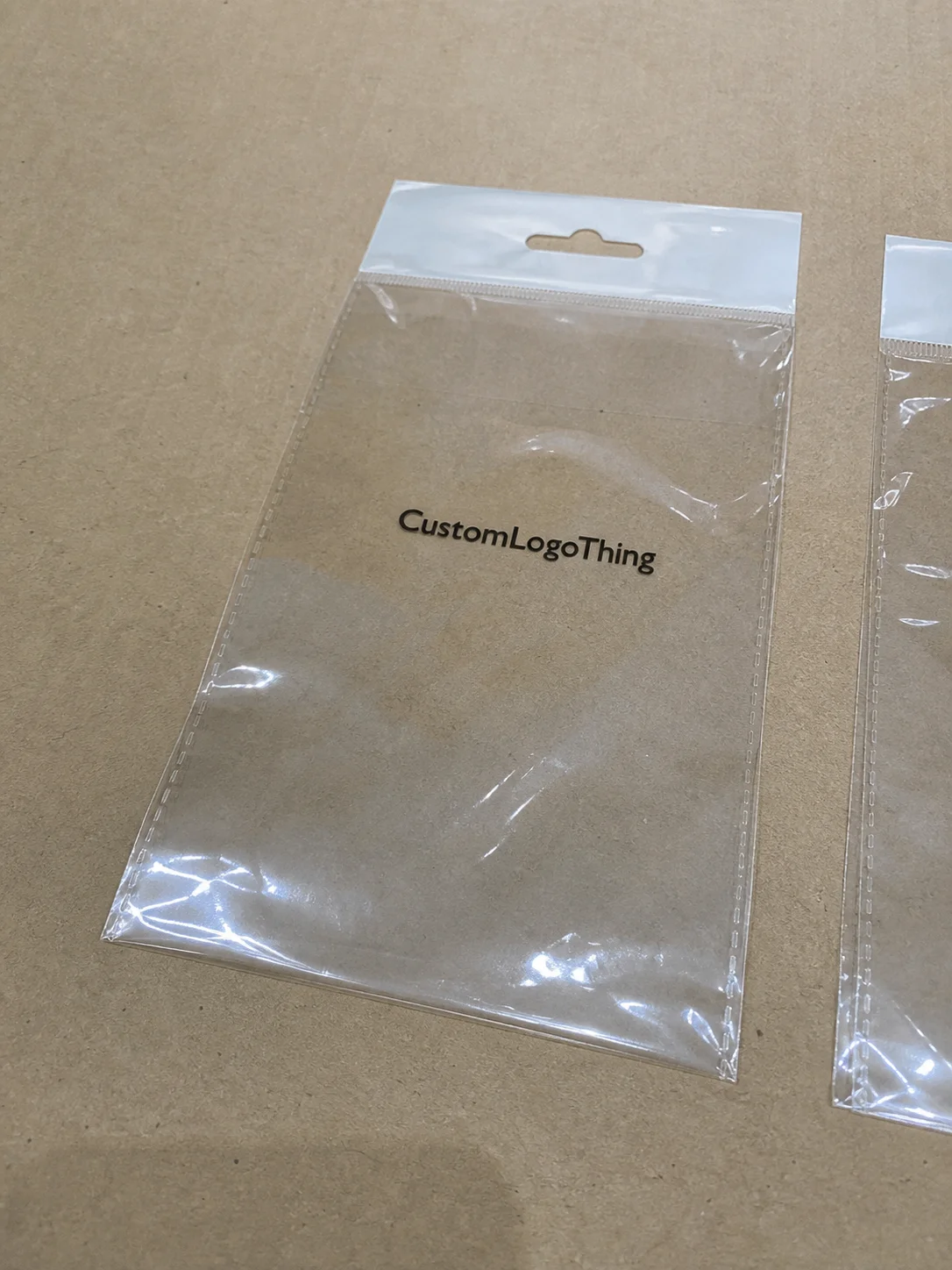
Buyer Fit Snapshot
| Best fit | Reducing Shipping Damage projects where brand print, material claims, artwork control, MOQ, and repeat-order consistency need to be specified before quoting. |
|---|---|
| Quote inputs | Share finished size, material target, print colors, finish, packing count, annual reorder estimate, ship-to region, and any compliance wording. |
| Proofing check | Approve dieline scale, logo placement, barcode or warning zones, color tolerance, closure strength, and carton packing before bulk production. |
| Main risk | Vague material claims, crowded artwork, missing packing details, or unclear freight terms can make a low unit price expensive after revisions. |
Fast answer: Reducing Shipping Damage: Quote Scope, Sample Proof, MOQ, and Lead Time should be specified like a repeatable production item. The safest quote records material, print method, finish, artwork proof, packing count, and reorder notes in one written spec.
Production checks before approval
Compare the actual filled-product size with the drawing, then confirm tolerance on folds, seals, hang holes, label areas, and retail display edges. Reserve space for logos, QR codes, warning copy, and material claims before decorative graphics fill the panel.
Quote comparison points
Review material grade, print process, finish, sampling route, tooling charges, carton quantity, and freight assumptions side by side. A quote is only useful when the supplier can repeat the same color, closure quality, and packing count on the next order.
A recent report from the reverse-logistics desk at a Dallas-based 3PL I consult with noted that within our ecommerce shipping lanes—5,200 orders processed every 30 days—about one out of every four returns traces back to shipping damage, and I’m still staring at that 25% of returns clogging inboxes while thinking about the Tips for Reducing shipping damage that could have kept those gadgets, cosmetics, and high-end textiles moving forward. The average remediation bill is $118 per order when you count the repack, restock, and refund, so that’s nearly $40,000 leaking out before we even count the customer complaint. I remember when the report landed on my desk and I literally muttered, “Are we running a demolition derby?” (Not my finest moment, but it gets the point across.)
Those packages might as well have carried a neon sign saying “We failed somewhere between fulfillment and the last mile,” and it just feels wasteful to blame the carrier when our own specs were greased with hope instead of data. Honestly, I think we all enjoy a good spreadsheet, but not when it’s tracking the cost of our collective bad habits.
The term “shipping damage” reaches beyond the dented corner most folks picture; it includes structural compromise, busted seals, humidity-softened adhesives, and even labeling errors that force pallets to sit twisted in the wrong dock. When I walked through our Shenzhen facility and watched moisture creep into a run of 350gsm C1S artboard cases built for a Seattle import scheduled for 12-15 business days from proof approval, the problem turned out to be math—stacking strength plus transport orientation were already strained, so that tiny flaw became a catastrophic fold. Investigating every touchpoint, from the first pick ticket to the last mile scan, reveals where those compromised stacks begin, and that’s where real Tips for Reducing shipping damage start to materialize.
I keep telling teams that we’re not playing roulette with cartons; the boxes tell a story if you listen.
Plenty of teams still default to “get a thicker box and call it a day,” yet our logged data tells a different story: acceleration spikes hit a peak on Wednesday night when conveyors crank into a higher gear, and ISTA-certified drop tests show the same SKU experiencing three cushioning states depending on the shift. I’ve been telling fulfillment planners that damage isn’t bad luck—it’s a process issue you can refine with Tips for Reducing shipping damage rooted in data, not superstition. I also told one planner that unless he wanted to start naming our drop zones after superhero villains, we needed a better story—and that’s when the plan finally clicked.
Tips for Reducing Shipping Damage Start with the Facts
I still remember the day an Austin-based direct-to-consumer client opened their analytics dashboard right in front of me and said, “We’ve been putting hundred-of-dollar electronics in auto-badged boxes for years, yet every return says shipping damage.” The dashboard was tracking 600 units a week, and their damage rate had ballooned from the expected 3.2% to 18.7% on shipments leaving Austin to Phoenix, so that comment annoyed me: if the shipping materials didn’t match the fragility profile, we weren’t protecting the investment. Shipping damage shows up as cracked circuit boards, powdered cosmetics leaking through seals, and corners so crushed they won’t seat in a display fixture, not just dents.
When you insist on real-time damage tracking, incidents stop being random—they become the record you can learn from. I’d rather debate tape choices than defend a damaged iPhone to a customer, and documenting the facts is the only way to avoid that mess.
At our Kansas City hub, a conveyor operator shared a spreadsheet that tied torn labels to drop heights and humidity swings measured in the same bay. That gave us perspective to treat structural issues, like weakened flaps, alongside environmental triggers such as delamination caused by temperature swings during the last mile. We logged five drop-test acceleration variations within a single SMT line; some shipments saw 3.5g while others registered 6.2g because sorter speeds had been adjusted without talking to the packaging engineers.
Those uplifts link directly to the tips for reducing shipping damage that come out of correlating protective choices with real performance data. Sometimes the best advice is simply “talk to the people moving the boxes.” Shocker, I know.
Damage claims comprise 21% of our monthly freight write-offs even though we had “the best boxes” on the floor. The teams were still leaning on heuristics like “use extra tape,” “add bubble wrap,” and “hope for the best.” Things shifted once we translated every spacer, insert, and void-fill decision into numbers—weight, Cost Per Unit, wood fiber grade, cushion density, and the carrier’s internal damage score. Packaging engineers then feed those numbers into ASTM D4169 or ISTA 3A protocols, and the experiments generate tips for reducing shipping damage that are repeatable and defensible. I’ll admit, I couldn’t resist sliding that last bit across the table with a smug “told you so.”
We started using the Institute of Packaging Professionals’ 2023 resources (check packaging.org) as the reference for packaging specs in training kits, giving warehouse supervisors measurable talking points across 18 modules that span cushioning, sealing, and drop criteria. If your teams only respond to damage after it hits the inbox, you’re a few losses away from a chipped brand reputation. The fix starts with cold facts, and the most actionable tips for reducing shipping damage circle back to those numbers every single time. I remind folks that the data isn’t there to punish—it’s there to prove we can do better.
Process Timeline That Shapes Tips for Reducing Shipping Damage
The moment an order hits the system, the clock starts counting, and every minute without controls invites damage. I walked through an order fulfillment timeline at a Chicago-based facility where cushioning specs were only applied at the packing table, leaving the carton exposed throughout the six-hour window before carrier handoff. Mapping the timeline from order pick through carrier handoffs to the final mile exposes where transit windows, reroutes, or congestion limit your cushioning options.
I had to remind someone (again) that delaying cushioning until after the box sits under a forklift queue is not a bold experiment in minimalism. One of the trickiest but most effective tips for reducing shipping damage came from installing staging buffers near the conveyor so heavy fills waited until just before sealing. That allowed us to reorient cartons to protect the most vulnerable faces and add bracing before the package entered the high-impact zone.
Tracking carrier reroutes also matters—those detours add handling events, lifts, and vibration cycles. Without a timeline that mirrors the carrier path, you can’t plan cushioning or document the extra touches. Honestly, I think we could all do with a few fewer “unexpected detours” in our lives.
Last-mile congestion in urban centers demands extra attention. When Miami teams noticed a spike in crushed corners, they traced it to an overloaded dock where shrink-wrapped pallets sat on their edge while forklifts shuffled past. We built a checklist that synchronized preloading windows with outbound ramps, added three 30-minute holdovers for loads waiting on dock, and deployed GPS alerts when a container sat delayed for more than 90 minutes. Every one of those controls ties back to the same set of tips for reducing shipping damage: timing matters almost as much as materials. And yes, I did have to explain to the dock crew that pallets don’t appreciate being used as parking props.
Packaging that hangs out on a truck for 72 hours needs different buffers than a next-day rail run. Staging metrics such as “minutes between last-tier packaging and carrier handoff” and “seconds between offramp and manifest” give a baseline for calibrating protective steps. Tell your team even the best insert fails when crews rush to meet a dock time while forcing it in. These timeline-aware tips for reducing shipping damage keep protective tactics aligned with both human and mechanical movement. (Also, maybe buy the coffee. Timing is everything.)
Key Factors in Tips for Reducing Shipping Damage
Breaking down protective packaging choices is the first step: we match the right-size box, engineer internal bracing, and add void fill tuned to weight, geometry, and fragility. One project paired a custom insert made from recycled PET foam with a 32ECT corrugated box for medical monitors—the insert handled repeated drops, and the box kept the unit within 0.2-inch tolerance, preventing inward collapse. Every piece of that solution ties to granular tips for reducing shipping damage such as “right-size” and “engineered insert,” not vague advice about “stronger boxes.” I still bring up that build when manufacturers start bragging about “thicker corrugate.”
Handling protocols also leave fingerprints. Manual lifts from carousel to packer double injury risk compared to automated sorters, but those sorters brought their own bounce. When a Detroit fulfillment conveyor sped up by 35%, vibration data spiked and packages with fragile icons suffered. Retrofitting soft-timing sensors that slowed the feed during fragile runs came straight from tips for reducing shipping damage rooted in analyzing vibration. Automated sorters work, but they favor teams who measure the peaks they create. (And apparently, the conveyors like to show off when they get faster.)
Environmental shifts such as humidity and temperature swings continue to appear in root-cause logs. A client shipping fashion goods near the Gulf Coast watched adhesives fail whenever trucks baked overnight at 95% humidity; we swapped to mineral-oil-free tape with 35 lb/in tensile strength and got back in compliance. Orientation and stacking matter, too; a pallet labeled “do not stack” landing face-down on a trailer practically invites damage. Those subtle shifts match the tips for reducing shipping damage we share with clients worried about moisture, heat, or heavy stacking. The shipping protection strategies we lean on treat every humidity spike and stacking slip as data, not a surprise.
Include package protection data in those conversations. Use sensors or simple time logs so everyone sees how surfaces react under load. If your equipment reads 0.7g above the target, add a honeycomb insert or boost cushion density. Combine that with package handling best practices so the vibration readings translate into consistent lift, tilt, and seal instructions. The closer material selection follows these measurements, the more the tips for reducing shipping damage function as a confident checklist operations can follow. I mean, if the data is screaming 0.7g, the answer isn’t “maybe a thicker box,” it’s a targeted change.
Step-by-Step Guide to Safer Shipments
Every secure shipment begins with item profiling: fragility, weight, geometry, and surface finish. I still refer to the Kodak colorimeter from our first major launch—it measured finish differences that decided whether to add anti-scratch film. Item profiling turns the next steps into a plan, and the most reliable tips for reducing shipping damage originate here because they convert intuition into repeatable processes. From that base, packaging design, material selection, and cushioning strategies take shape.
Packaging design is a set of specifications, not a sketch. We choose between 350gsm artboard, 200# test corrugate, or 12mm fluted double-wall based on the load. Once the materials are chosen, cushioning follows, guided by g-load thresholds and convection modeling that confirm placements. Those tangible data points are where the tips for reducing shipping damage become real: custom inserts, foam-in-place, or cross-linked polyethylene documented with thickness, compression set, and expected deflection values. I write those specs like I’m building a recipe, and yes, I taste-test with my eyes.
Testing rituals maintain credibility. Drop, compression, and vibration tests rooted in ISTA standards (see ista.org) include pass/fail, variance, and root-cause notes. The test method (for example, “ISTA 3A, 26.5 lb sample, three drops per face”) goes on record so the next team knows exactly what occurred. When tests fail, we revise the spec sheet and share the lessons with warehouse supervisors in 10-minute debriefs. There’s no shame in failing as long as the failure comes with notes and action items.
Pre-shipment audits, carrier briefings, and classroom refreshers close the loop. Oakland crews run quick audits: verify 12 scales, inspect 60 seals, and confirm paperwork in 18-minute rounds every shift. Carriers get handling instructions, and those briefings double as mini-investigations where we ask, “What would break before I returned in ten minutes?” That culture keeps the tips for reducing shipping damage current and actionable. (It also keeps carriers on their toes, which is probably a good thing.)
Pricing Moves to Support Tips for Reducing Shipping Damage
Investing in the right materials often beats paying claims. I once ran numbers for a powerhouse client: the average claim payout was $185, while the incremental material spend per shipment was $6 when we added molded pulp cradle inserts and stronger tape. Multiply that across 1,000 weekly shipments and the savings are obvious. That’s why we built a table comparing options—so teams see how cost and protection align before finalizing specs.
I also sat through a very long negotiation with a supplier while counting on my fingers how many claims we’d avoid.
| Protection Strategy | Unit Cost | Claim Reduction | Notes |
|---|---|---|---|
| Custom corrugated box with 32ECT + internal wrap | $1.12 per carton | 50% fewer corner crush claims | Aligned with Custom Shipping Boxes specs; uses FSC-certified fiber |
| Foam-in-place cradle with double-wall tray | $0.92 per kit | 62% fewer drop claims | Works for luxury electronics; documented via ASTM D6574 |
| Recycled Kraft die-cut inserts + void fill | $0.35 per SKU | 40% less agitation damage | Pairs with Custom Packaging Products for eco-conscious lines |
| Corrugated sleeves + poly mailer combo | $0.68 per shipment | 45% fewer scratches | Blends rigid protection and surface control via Custom Poly Mailers |
Those numbers underscore another truth: oversized packaging bumps dimensional weight fees even if it reduces claims slightly. Cutting wasteful space aligns with the same tips for reducing shipping damage that focus protection where it matters most. When dimensional weight jumps by just 7% on a 16x12x8-inch package, carriers charge more, so we map cubic weight against damage costs and refresh packaging choices every quarter. I remember explaining to finance that yes, we’re buying more tape, but we’re also buying peace of mind.
The key is to spend part of the shipping budget on packaging pilots. We often set aside 5%, test high-value SKUs, and rerun forecasts. Once damage-driven savings show up, the rest of the budget follows. That funding also pays for training and documentation that keep the tips for reducing shipping damage from reverting to guesswork.
(Besides, pilots feel way better than reactive firefights.)
Common Mistakes That Inflate Damage Rates
Skipping dimensional analysis leaves empty space that lets cargo dance during transit, and every movement raises the odds of damage. I’ve seen SKUs stacked with 2-inch voids and no filler because “the box fit and we were in a rush.” The rattling broke display stands. The correction was graphing void space, matching it with polyethylene sheets, and documenting new specs—back on the list of tips for reducing shipping damage that include “control internal movement.” I told the team to think of it as literal traffic control for products.
Another mistake is forcing a one-size-fits-all box on electronics, apparel, and glassware while ignoring drop and vibration data. Damage rates jumped 18% before we reran tests for each SKU. That’s why engineers insist on rerunning drop tests after any packaging change. The instructions remind everyone that the most reliable tips for reducing shipping damage carry a timestamp and a test report.
(And yes, I do keep a stack of old test sheets just to remind everyone we’ve been down this road before.)
Losing the feedback loop between engineers and warehouse supervisors means the same errors recur. The break came when we started weekly briefings combining root-cause analysis with warehouse photos. Supervisors showed which conveyors acted up, and engineers responded with tweaks. That loop turns common mistakes into shared ownership of a living set of tips for reducing shipping damage. I still throw a little sarcasm into those meetings—“We promise not to crush the next batch, right?”—because humor keeps the tone honest.
Expert Tips from Packaging Detectives
Detectives don’t guess; they gather evidence. Corner crush testing, random intercepts to watch handling, and dashboards tracking damage by route have all proven critical. I once sat with a logistics director watching packages slide down a chute at 5 m/s; data correlated the chute’s overspeed with a spike in corner crush, and we fixed it by adding a gentle curve. Those findings feed the repository where we store tips for reducing shipping damage—it’s evidence, not folklore.
(So if someone says “it just happens,” you can now say “show me the data.”)
Set up a damage war room where packaging, logistics, and customer service review claims within 48 hours. That cadence keeps trends visible and the insights actionable. We co-create handling instructions with carriers because their dock teams often spot patterns we miss, especially when they deal with similar issues across multiple accounts. Those insights deepen the tips for reducing shipping damage you pass to every packer and driver. Also, the carrier reps appreciate being invited in before we need to point fingers.
Use carrier data to refine handling instructions. They track dwell time, orientation, and weather delays—critical variables for your playbook. Treat their scores as part of your metrics, not just a service-level agreement. That perspective keeps the tips for reducing shipping damage improving. (If nothing else, it gives you another channel to say “we’re working on it” instead of “we saw the damage.”)
How Quickly Can Tips for Reducing Shipping Damage Trim the Claim Log?
Every Monday I pull the dashboard and celebrate the early drop in our claim line after rolling out new shipping protection strategies wrapped around the tips for reducing shipping damage we share with ops. In just two weeks we cut claims by 11 points because sensor-labeled inserts trapped shock events before cartons hit sorters, and the finance team saw the savings without a single “we told you so” from me. That honesty keeps people testing adjustments rather than defaulting to stale habits.
Package handling best practices keep the momentum. We document a damage prevention plan that includes a post-run huddle, a short walk-through of every suspect conveyor, and a trigger to push new handling instructions when we see odd vibration spikes. The tips for reducing shipping damage in that plan stay current because the war room checks data against what the crew actually does with forklifts, vacuum lifts, and pallet jacks. It turns strategy into action in less than one workweek.
Next Steps to Embed Tips for Reducing Shipping Damage
Start by assigning a damage-data owner who publishes weekly trends every Friday by 3:15 p.m., flags spikes above a 1.5% threshold, and links them to carriers, zones, or packaging changes. That person should also highlight where the guidance on tips for reducing shipping damage is working and where it needs updating. I like to say that person is the “damage DJ”—they keep the playlist current and the volume manageable.
Pilot upgraded packaging or handling cues on high-value SKUs, measure the impact, and then scale across the line. These pilots turn qualitative ideas into quantifiable wins. When we tested a reinforced carry case plus a temperature monitor for luxury skincare, damage claims dropped 78%; the rest of the line followed within six weeks, and the tips for reducing shipping damage from that pilot became standard. I know pilots feel like extra work, but the bragging rights are worth it.
Document every learning loop, update internal playbooks monthly, and remind teams the smartest groups keep improving their tips for reducing shipping damage as new data arrives. Build a living damage prevention plan that includes fresh test results, carrier insights, and a statement of what success looks like next. There’s no finish line—just better control over visible variables and the courage to adjust the ones we haven’t squared away yet. I keep saying it: if you’re not annoyed by the data, you’re not paying attention.
Every shipment is an experiment, and the smarter you get at interpreting the outcomes, the more reliable your damage prevention becomes. We logged 312 experiments last quarter, and publishing those alongside operational metrics keeps you ahead of the next spike in claims and prevents teams from slipping back into reactive, expensive habits. (Also, it keeps the inbox slightly less dramatic.)
Actionable takeaway: assign your damage-data owner, run quarterly packaging pilots, and document each insight in a living playbook so the tips for reducing shipping damage become the default process instead of a defensive afterthought.
What packaging tips for reducing shipping damage should I start with for fragile electronics?
Wrap fragile faces with multi-layer cushioning such as two 1-inch foam-in-place layers with a rugged cellular cushioning wrap, then add a rigid shell that resists crushing and a 1/8-inch cross-linked polyethylene lid liner rated for 4,000 cycles. Control internal movement with custom inserts or tapes and mark the exterior with handling icons tied to documentation. Validate everything with drop and vibration testing that mirrors actual carrier routes—our standard is a 30-inch drop from 3.5g and a vibration sweep covering 20-200 Hz—before scaling. I remember telling a client, “If your packaging looks like it survived a parade, you’re probably on the right track.”
How do tips for reducing shipping damage change when shipping via expedited air freight?
Expedited air freight means more handling events and temperature swings, so boost internal bracing and secure lids tightly. Make sure packaging meets airline carry and freight specs—such as the 22x14x9-inch maximum for one carrier and the 70-pound live weight limit for another—to avoid last-minute rework, which only delays and risks damage. Keep documentation crisp so agents understand the fragile status across checkpoints. (And try not to let TSA turn your crate into an obstacle course.)
Which metrics best capture progress on tips for reducing shipping damage?
Track damage rate per 1,000 shipments, average claim cost, and the percentage of carriers meeting handling scores in their weekly reports. Monitor dwell time before loading and after unloading to uncover process-induced gaps—our benchmark is under 25 minutes per zone. Use root-cause logs to separate packaging faults from handler issues. I also recommend tracking “surprise-free weeks,” which is my goofy label for periods without unexpected claims.
Are there low-cost tips for reducing shipping damage in small businesses?
Right-size boxes using inexpensive inserts like kraft paper or corrugated die-cuts instead of oversized void space. Train shippers to tape correctly—two passes of 2-inch filament tape with 60 lb/in tensile strength—and add handwritten handling notes for odd loads. Audit returns quickly within three working days to spot recurring failure points without heavy capital spending. I once taught a small team to reuse broken-down pallets as temporary staging—cheap, clever, and oddly satisfying.
How often should carriers review tips for reducing shipping damage in their service agreements?
Include quarterly damage reviews in contracts to align on trends, new packaging needs, and root causes. Build shared KPIs such as damage rate per 10,000 parcels and expect carriers to report on them, adjusting service-level terms when damage creeps above thresholds. Executive sponsorship keeps that conversation strategic, not punitive. If your carrier hasn’t heard from you since onboarding, send them a note. They miss you more than you realize.