Buyer Fit Snapshot
| Best fit | candle maker custom packaging options compared for packaging buyers comparing material specs, print proof, MOQ, unit cost, freight, and repeat-order risk where brand print, material, artwork control, and repeat-order consistency matter. |
|---|---|
| Quote inputs | Share finished size, material target, print colors, finish, packing count, annual reorder estimate, and delivery region. |
| Proofing check | Approve dieline scale, logo placement, barcode or warning zones, color tolerance, and any recyclable or compostable wording before bulk production. |
| Main risk | Vague material claims, crowded artwork, or missing packing details can create delays even when the unit price looks attractive. |
Fast answer: Candle Maker Custom Packaging Options Compared: Material, Print, MOQ, and Cost should be specified like a repeatable production item. The safest quote includes material, print method, finish, artwork proof, carton packing, and reorder notes in one written spec.
What to confirm before approving the packaging proof
Check the product dimensions against the actual filled item, not only the sales mockup. Ask for tolerance on folds, seals, hang holes, label areas, and retail display edges. If the package carries a logo, QR code, warning copy, or legal claim, reserve that space before decorative graphics fill the panel.
How to compare quotes without losing quality
Compare board or film grade, print process, finish, sampling route, tooling charges, carton quantity, and freight assumptions side by side. A lower quote is only useful if the supplier can repeat the same color, closure quality, and packing count on the next order.
Quick Answer: What top candle maker custom packaging actually delivers
Top Candle Maker Custom Packaging has one job on paper, but in practice it has to do four things at once: protect the candle, sell the brand, survive the channel, and make economic sense. I’ve spent enough time on packing lines in Dongguan, Shenzhen, and a few muggy workshops outside Guangzhou to know how often those goals drift apart. A candle can look gorgeous in a mockup, then show up with a crushed corner, a rattling insert, or a lid scuffed from too much movement. That is where the real work starts. The best top candle maker custom packaging keeps the product centered, the vessel safe, the shelf presentation clean, and the landed cost inside a range the finance team won’t side-eye.
My quick verdict? The strongest top candle maker custom packaging is not always the prettiest one. It is the one that protects a 10 oz or 16 oz glass jar, survives a 24-inch drop test, and still fits your target margin without pretending every candle needs a luxury rigid build. If your candle retails at $24 to $48, a practical packaging target often lands somewhere between 4% and 12% of COGS, depending on how premium the brand positioning is. That is not a fixed rule, just the range I’ve seen buyers use when they stop paying for decorative excess and start asking harder questions about board grade, insert geometry, and freight volume.
My buying lens after years of reviewing samples and negotiating with converters in Zhejiang and Guangdong is simple: start with material strength, then check print quality, then verify insert fit. Special finishes come after that. If the candle sells through retail, the box needs stackability and barcode space. If it is DTC, the packaging has to survive parcel handling and still look good on the kitchen counter. If it is a gift line, the unboxing moment matters more than it does for a refill candle sold on subscription. Different jobs, different packaging. Sounds obvious, but people miss it all the time.
Best for summary:
- Premium rigid boxes — best for luxury candles, limited editions, and high perceived value.
- Mailer boxes — best for DTC shipping and subscription programs where transit protection matters.
- Folding cartons — best for retail shelves, entry-level lines, and tighter budgets.
- Sleeve-style packaging — best for a clean branded look over a simple inner carton or tray.
Honestly, a lot of brands overestimate “premium-looking” packaging and underestimate transit performance. A soft-touch black box with a weak insert can fail faster than a plain kraft mailer with a properly engineered cradle. I saw that exact mismatch during a supplier meeting in Shenzhen: the mockup looked like a department-store fragrance launch, but the candle slid 18 mm inside the cavity during vibration testing. Pretty box. Bad engineering. That combination burns money fast.
One more thing: the right top candle maker custom packaging depends on candle weight, vessel shape, scent-line positioning, and your budget per unit. A square tin candle and a heavy double-wick glass vessel do not need the same structural approach. Treat them like different products, because they are.
Top Candle Maker Custom Packaging Options Compared
When I compare top candle maker custom packaging formats, I look at five things first: protection, presentation, print flexibility, storage efficiency, and total landed cost. Those five factors tell you more than a glossy render ever will. A packaging sample can look expensive and still be the wrong answer for your channel, especially if it is built from the wrong stock or sized 6 mm too loose.
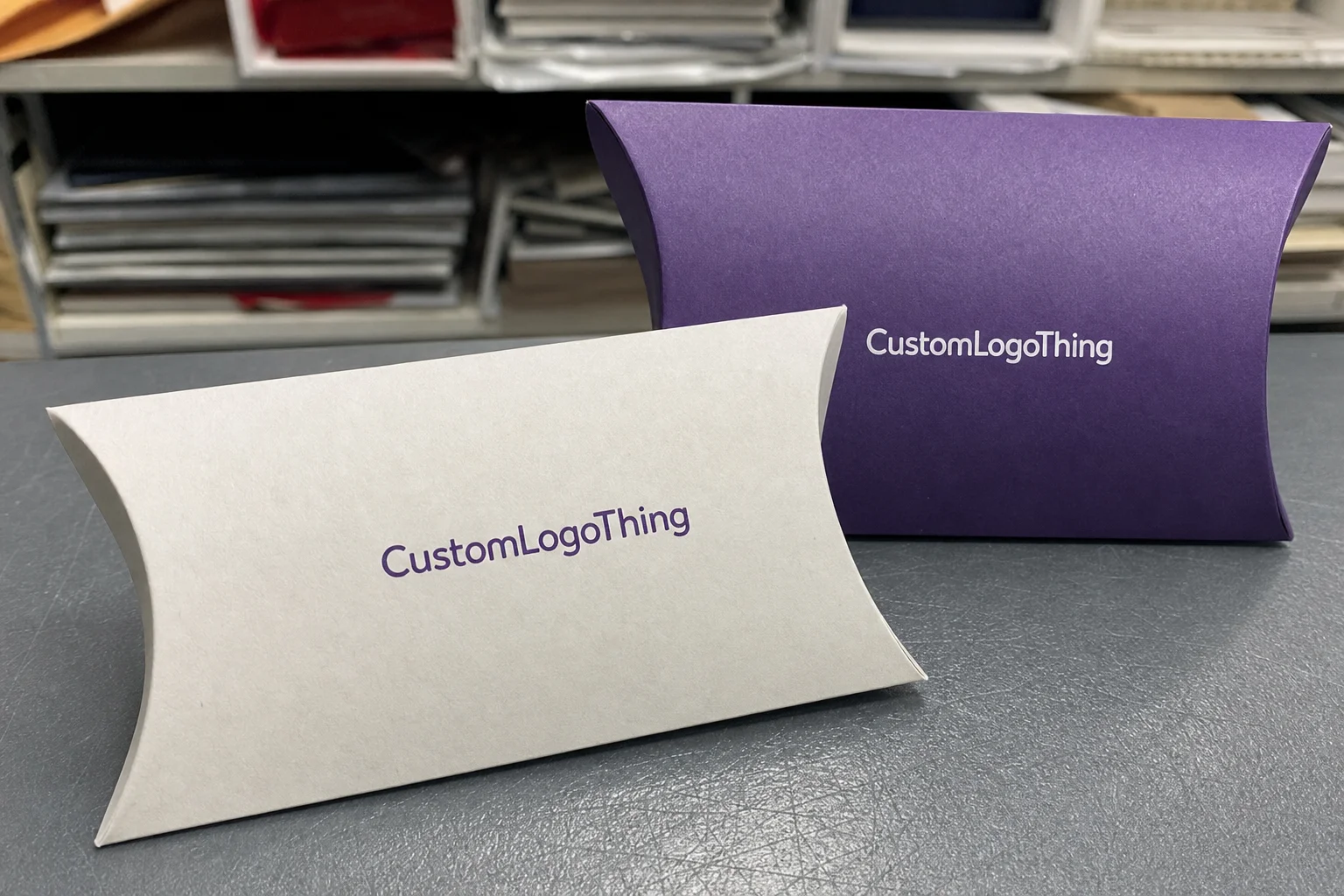
Rigid boxes usually win on perceived value. Folding cartons usually win on unit economics. Mailer boxes are often the best answer for shipping candles safely. Sleeves add brand identity without forcing you into a fully custom structural build. Insert-supported display boxes sit in the middle, which is why so many brands choose them for retail packaging and gift sets.
The catch is that each format shifts the balance differently. Rigid boxes are excellent for package branding and tactile appeal, but they consume more storage space and labor. Mailers are practical, but if the graphics are poorly handled, they can look too industrial for a fragrance-led candle line. Folding cartons are efficient, yet they can feel thin if you choose low GSM board or skip a proper coating, especially on a 14 oz vessel.
When I visited a candle manufacturer in Milwaukee and another in Guangzhou last year, the owners showed me two finished lines: one in 18pt SBS cartons with foil and emboss, the other in simple kraft mailers with a custom insert. The premium carton sold better in boutique shops at $34 to $42 retail. The mailer had fewer returns, even though its unit cost was only $0.62 higher than a plain carton. That split says everything. Different channels reward different packaging structures.
| Packaging style | Best use case | Typical strengths | Typical weaknesses | Relative cost tier |
|---|---|---|---|---|
| Rigid box | Luxury, gifting, limited editions | High perceived value, excellent unboxing, strong shelf appeal | Higher freight cost, more storage space, slower assembly | High |
| Mailer box | DTC shipping, subscription candles | Strong transit protection, efficient for parcels, good branding area | Can feel utilitarian if design is weak | Mid |
| Folding carton | Wholesale retail, entry-level lines | Low unit cost, compact storage, easy to print at scale | Less crush resistance, often needs inserts for glass jars | Low |
| Sleeve packaging | Minimalist branding, layered presentation | Flexible branding, good for premium impressions over basic structure | Limited protection without an inner pack | Low to mid |
| Insert-supported display box | Gift sets, retail displays, multi-piece assortments | Strong product presentation, organized layout, good for multiple SKUs | More setup complexity, higher die-cut precision required | Mid to high |
Branding changes dramatically by format. Full-bleed graphics and soft-touch lamination look gorgeous on rigid boxes, but on folding cartons the same finish can feel like too much if the candle is priced at $18. Foil stamping adds lift when used on a logo or border detail, especially on 24pt C1S artboard or a wrapped greyboard shell. It looks tacky when the entire panel is covered in metallic effects. Spot UV is useful on matte structures because it gives a controlled contrast. On a glossy board, it often disappears.
The best top candle maker custom packaging should also respect storage and turnaround realities. A flat-packed carton ships efficiently. A set-up rigid box takes more volume, more labor, and usually more careful handling. If your warehouse team in Los Angeles or Dallas is already running three shifts before holiday, the “beautiful” option may be the one that creates the least operational friction and the least rework at pack-out.
I’ve seen candle founders overpack a $22 soy candle in a structure that belongs on a $65 home fragrance line. That usually happens after one buyer meeting where someone says, “It needs to feel premium.” Fair enough. But premium is not a finish alone. Premium is a combination of structure, print quality, board choice, and how the consumer experiences the package from box opening to first burn.
Detailed Reviews of the Best Top Candle Maker Custom Packaging Styles
The most useful way to review top candle maker custom packaging is by how it behaves in the real world. Mockups tell you what the box looks like on a screen. Samples tell you what it feels like in hand. Production tells you whether the idea survives scale. I’ve watched plenty of beautiful packaging fail because the insert was off by 2 mm or the adhesive line was too weak for a heavier jar, and honestly, it never stops being annoying because it was avoidable.
Rigid boxes
Rigid boxes are the luxury standard. A well-built rigid box, usually made with 1200gsm to 1500gsm greyboard wrapped in printed art paper, gives the candle a heavier, more deliberate presence. For premium candles, that weight matters. Customers read it as value, even before they open the lid. In factories around Dongguan, I’ve seen rigid structures wrapped with 157gsm coated art paper, then finished with matte lamination, foil stamping, and a 0.8 mm magnetic closure that instantly changes the way the product feels in hand.
The strengths are obvious: crisp corners, strong shelf appeal, and a high-end unboxing feel. Add soft-touch lamination, foil stamping, or embossing, and the box can look expensive in a way that simple cartons cannot match. The weakness is cost. Rigid boxes often require more hand assembly, and the freight expense rises because you are shipping more volume and less flat-packed efficiency. If your candle margin is tight, this can become a drag quickly, especially on a 3,000-piece run where labor alone can add $0.18 to $0.40 per unit.
My honest view: buy rigid boxes if the candle price justifies the story. Skip them if you are trying to force luxury onto a mass-market line. I once sat through a client review in Portland where a brand wanted a $3.20 rigid box for a $19 candle. That math never made sense, and the sales team knew it. The package became the story instead of the product, which is usually a sign the budget has wandered too far.
Best for: luxury scents, limited drops, influencer kits, and giftable retail packaging.
Folding cartons
Folding cartons are the workhorse of candle packaging design. Most are made from 16pt to 24pt paperboard, sometimes SBS, sometimes CCNB depending on cost targets and print needs. A common spec for a clean retail candle box is 350gsm C1S artboard with a matte aqueous coating, which keeps the printed face sharp while still folding cleanly on standard converting lines. They fold flat, store well, and keep unit pricing far below rigid builds. For broad assortments or retail distribution, that efficiency matters more than many founders expect.
The upside is speed and cost control. You can print clean custom printed boxes with straightforward artwork, add a matte or gloss coating, and still keep the packaging practical. The downside is protection. A folding carton often needs a die-cut insert or a tight-fit structure if the candle is glass. Otherwise, the vessel can shift, especially in parcel shipping or on warehouse shelves where cartons may be stacked 6 to 8 high.
On a factory floor in Guangdong, I watched a folding carton line run at impressive speed, then stop because the candle neck measured 1.5 mm wider than the approved dieline. That small mismatch caused a cascade: pressure on the corners, scuffed print, and a return to the CAD desk. Packaging tolerances are not decorative. They are operational, and when you are buying 10,000 units from a plant in Foshan or Xiamen, that 1.5 mm can decide whether the job passes or gets rebuilt.
Best for: wholesale retail, starter lines, seasonal candles, and brands needing lower-cost branded packaging.
Mailer boxes
Mailer boxes are the practical favorite for DTC candle brands. They usually use corrugated board, which gives better crush resistance than paperboard cartons. For most single or double candle shipments, a 32 ECT or E-flute corrugated mailer with a fitted insert provides a strong mix of protection and presentation, especially when the candle ships directly to consumers in California, Texas, or New York.
Here the design challenge shifts. You are not just making a box. You are making a shipping system. The insert has to control movement, absorb impact, and hold the vessel upright. If the box is oversized by even 10 mm on each side, the candle starts to travel during vibration. That is how chipped rims and cracked jars happen, and I have seen it happen on routes from Nashville to Miami in the span of a single UPS transit cycle.
Mailer boxes can still look polished. Use good color control, restrained graphics, and a strong opening moment. They do not need to pretend to be luxury rigid boxes. In fact, when a mailer tries too hard, it usually loses credibility. I prefer them when the branding is clean and the structure is honest, and when the quote lands around $0.58 per unit for 5,000 pieces instead of drifting into luxury territory with no structural payoff.
Best for: subscription candles, e-commerce bundles, and shipping-first product packaging.
Sleeves
Sleeves are the quiet achievers in packaging. They are not usually the main protective structure, but they add a layer of story and can transform a plain inner carton into a branded presentation. For candle makers, sleeves work especially well when the vessel already sits in a protective tray or molded insert. A sleeve printed on 350gsm C1S artboard with a 1/8-inch wrap tolerance can create a clean, polished look without committing you to a full rigid setup.
They are also efficient for promotions. If you need a seasonal design or a scent-line refresh, a sleeve is easier to update than a full box structure. That can save time and reduce inventory risk. The tradeoff is obvious: a sleeve does not do much by itself. If the inner pack is weak, the sleeve only disguises the problem, and it will not fix a jar that can move 12 mm inside the base carton.
Use sleeves when you want flexibility. Use them badly, and they become wasteful. I’ve seen elegant sleeves paired with flimsy inners, and the result was a beautiful box with a dented candle inside. Not a win. In fact, it is the packaging version of wearing a tuxedo with muddy boots.
Best for: minimalist brands, layered presentation, and scent families with frequent artwork changes.
Insert-supported display boxes
Insert-supported display boxes are often the smartest middle ground for multi-piece sets and retail packaging. They can hold one candle, two candles, or a candle plus accessory set in a defined layout. That precision improves customer perception because the arrangement feels intentional. For example, a candle plus matches set in a 24pt folding carton with a molded pulp tray can look as tidy as a boutique gift item without pushing the unit price into rigid-box territory.
The real advantage is stability. A good insert keeps the candle centered and creates enough clearance to prevent friction on printed surfaces. Depending on the vessel, the insert may be corrugated, paperboard, molded pulp, or even a foam alternative if the brand accepts it. For most candle buyers now, molded pulp or board-based inserts make the better sustainability story, especially for brands shipping from the Midwest or the Carolinas into coastal retail accounts.
The weakness is setup complexity. Die-cut accuracy matters, and so does adhesive placement. If the insert shifts in the box or bows under load, the whole structure looks cheap. The payoff is strong, though, when the candle is part of a gift set or a premium retail display. I have seen these boxes perform well at $1.15 to $1.90 per unit because they carry both product and presentation in one controlled layout.
Best for: gift sets, premium retail assortments, and branded packaging with a strong presentation goal.
“We switched from a plain carton to an insert-supported mailer, and our breakage rate dropped from 4.8% to under 1% in parcel shipping.” That was a real quote from a brand director I worked with after they tested three samples over 200 shipments.
One more practical point: finish selection should match the structure. Soft-touch lamination feels rich on rigid boxes and some cartons, but on dark mailers it can show scuffs during fulfillment if the warehouse uses rough handling or tight conveyor turns. Foil looks strong on logos and corner details. On broad filled panels, it can look flashy in a way that cheapens the brand. For top candle maker custom packaging, restraint usually wins, especially when the finish adds $0.12 to $0.28 per unit and does not improve sales velocity.
Top Candle Maker Custom Packaging Price Comparison
Price in top candle maker custom packaging is shaped by more than the box style. Order quantity, board thickness, print passes, insert type, and finish selection all move the number. That is why two quotes that look similar can diverge by 20% or more once you account for the real build. A quote for $0.15 per unit for 5,000 pieces might sound attractive until you discover it excludes lamination, die-cutting, and inner support.
Here is the practical pricing structure I use when I evaluate candle packaging bids. These are directional ranges, not promises, because freight, country of origin, and finishing complexity can swing things fast.
| Packaging type | Typical unit price range | Common MOQ | Main cost drivers | Best fit |
|---|---|---|---|---|
| Folding carton | $0.18–$0.55/unit at 5,000 pieces | 3,000–10,000 | Board grade, coating, print coverage | Retail, entry-level lines |
| Mailer box | $0.42–$1.10/unit at 5,000 pieces | 1,000–5,000 | Corrugate strength, custom insert, color count | DTC, subscription, shipping-first brands |
| Rigid box | $1.10–$3.80/unit at 3,000 pieces | 1,000–3,000 | Greyboard thickness, wrapping paper, hand assembly, finish | Luxury, gifting, limited editions |
| Sleeve + inner pack | $0.30–$0.95/unit at 5,000 pieces | 2,000–10,000 | Two-piece construction, artwork updates, inner structure | Flexible branding, seasonal programs |
| Insert-supported display box | $0.65–$2.20/unit at 3,000 pieces | 1,000–5,000 | Custom insert complexity, multi-compartment layout | Gift sets, premium retail packaging |
Now the hidden costs. These are the ones that surprise buyers and show up after the quote looks “good.” Tooling for custom dies can run from $120 to $450 depending on structure. Samples often cost $25 to $150, especially if you need multiple print finish versions. Freight can add 8% to 22% to landed cost if you are importing from Shenzhen, Ningbo, or Ho Chi Minh City. Storage matters too, because rigid boxes eat warehouse space faster than flat cartons. If your team assembles packaging by hand, add labor. Two extra minutes per unit across 10,000 units is a real cost, not a theory.
Candle size also changes the price more than founders expect. A heavier 16 oz glass jar needs stronger board and a more secure insert than a 3 oz tin. That can push a carton from 18pt to 24pt, or a mailer from single-wall to stronger corrugated stock. Those upgrades are not cosmetic. They are insurance against damage, and they affect the quoted number directly, sometimes by 6 cents and sometimes by 40 cents depending on the build.
Where does spending more make sense? Luxury positioning, gift sets, and high-value retail displays. Where should you resist overspending? Entry-level candles, quick seasonal launches, and products with thin margins. I’ve lost count of how many brands get seduced by a fancy finish that adds 14 cents to the unit cost. On a 5,000-piece run, that is $700 gone before the candle has sold a single unit, and that money could have gone into better insert engineering or stronger outer cartons.
If you want a shortcut, think in tiers:
- Economy tier — folding cartons, basic coatings, minimal inserts.
- Mid tier — mailers, stronger board, custom inserts, restrained branding.
- Premium tier — rigid boxes, tactile finishes, special closures, stronger presentation.
How to Choose Top Candle Maker Custom Packaging for Your Brand
Choosing top candle maker custom packaging starts with channel strategy, not artwork. Are you selling luxury candles, eco-friendly refills, retail-ready gift items, subscription products, or shipping-first bundles? Each path wants a different structure. The wrong one can look fine in a deck and fail miserably in operations, especially if your fulfillment center in Atlanta or Sacramento is packing 800 units a day.
For jar candles, especially heavier glass vessels, fit and insert control matter more than decoration. For tins and votives, the packaging can be lighter and more compact. For multi-piece sets, you need a layout that stops movement between components. A three-candle set in a loose carton is a recipe for chips and scratches, and even a 2 mm gap can become visible after two shipping legs.
Timeline is another factor people underprice. A realistic custom packaging process includes dieline setup, artwork review, sampling, revisions, production, and shipping. If you are moving through overseas manufacturing, I usually tell clients to plan 12 to 15 business days from proof approval for simpler builds, and 20 to 30 business days for complex rigid structures or specialty finishes. That timing can stretch if the artwork team changes copy late. It happens all the time, usually right when everyone has already announced a launch date, which somehow still never stops being surprising.
I strongly recommend asking for prototypes or sample kits before committing. Do not trust a render alone. I learned that lesson the hard way during a client meeting where a “perfect” carton passed visual approval but failed because the insert cutout was 3 mm too generous. The jar leaned forward in transit. On a shelf, that might have been invisible. In shipping, it was a return and a chargeback.
Sustainability matters too, but it needs to be practical. Recyclable board, soy-based inks, minimal inserts, and reduced excess space usually deliver better results than vague green claims. If you want packaging aligned with responsible sourcing, look at standards and certifications from organizations like FSC, and for shipping or transit testing frameworks, the ISTA test standards are a smart benchmark. I do not think every candle brand needs the same certification stack, but the packaging should at least support a credible sustainability story and survive a 24-inch or 36-inch drop test.
Do not forget the basics: warning label placement, barcode space, and stackability on retail shelves. A beautiful box that hides the barcode or leaves no room for legal copy becomes a headache during launch. Packaging design is not just decoration. It is compliance, logistics, and brand identity in one object, whether you are shipping from New Jersey or displaying at a boutique in Austin.
Our Recommendation: Which Top Candle Maker Custom Packaging Wins by Use Case
If you want my straight answer, the best top candle maker custom packaging depends on the job the package must do. There is no universal winner. There is only the best fit for the channel, the candle, and the margin.
For premium luxury brands: rigid boxes win. They create the strongest first impression, support tactile finishes, and raise perceived value fast. If your candle is positioned at $40 and above, a well-built rigid package can be worth the investment, particularly if the box uses 1200gsm greyboard and a soft-touch wrap from a converter in Shenzhen or Suzhou.
For e-commerce shipping: mailer boxes win. They deliver the best ratio of protection to cost, especially when paired with a fitted insert and a clear opening experience. If you ship 1 to 3 candles per order, this is usually the safest bet, and the unit cost often stays in the $0.50 to $1.05 range at 5,000 pieces.
For wholesale retail: folding cartons win. They are efficient, display well, and keep storage manageable. A clean carton with strong graphics and the right board weight can outperform a fancier box that drags on margin, especially when the retailer wants a standard shelf-ready format with a barcode panel on the rear.
For budget-conscious launches: sleeves over a basic inner pack can be the smartest move. You get stronger package branding without paying for a full custom structure on day one. That approach also lets you test artwork changes without scrapping thousands of finished cartons.
Hybrid packaging often works best. I have seen brands use a shipping mailer outside, then a branded inner carton or sleeve inside. That gives the customer two experiences: safe transit and a branded reveal. It also lets the brand invest in the first impression without risking breakage. For gift-ready lines, that compromise can be more effective than going all-in on one expensive structure, especially if the outer shipper uses 32 ECT corrugated board and the inner piece uses 350gsm C1S artboard.
Here is the logic I use: choose the package that protects the candle, sells the story, and fits the margin. If one of those three fails, the system fails. That is why top candle maker custom packaging has to be judged as product packaging, not as an art project.
My final recommendation is practical, not romantic. For premium scented candles, choose rigid boxes. For shipped candles, choose mailers. For retail shelves, choose folding cartons. For fast-moving seasonal launches, choose sleeves or a simplified carton. If you make the right call, top candle maker custom packaging becomes an asset instead of an expense.
Next Steps for Ordering Top Candle Maker Custom Packaging
Start with measurements. Get the candle vessel height, diameter, lid style, and weight down to the millimeter and gram. Then confirm your target order quantity. Those two details alone will improve the quality of every quote you receive for top candle maker custom packaging, whether the job is running in Dongguan, Ningbo, or a domestic shop in Ohio.
Next, write a short brand brief. Include colors, finish preferences, insert needs, sustainability requirements, and your unboxing goal. If you want retail packaging, say so. If you need shipping-first durability, say that too. Too many buyers hand suppliers a logo and hope for strategic thinking. That is how misaligned quotes happen, usually with missing insert specs or unclear coating instructions.
Request at least two sample builds. Compare them for fit, print quality, corner strength, and opening experience. If possible, test them against your actual shipping method. A box that survives hand-carry may still fail a parcel route with a 24-inch drop and a side impact, and that failure usually shows up after 50 to 100 trial shipments if you skip testing.
Build a checkpoint list:
- Artwork submission
- Dieline approval
- Sample approval
- Production run
- Freight booking
- Inbound inspection
When you compare suppliers, ask about transparent pricing, revision policy, and minimum order flexibility. I also suggest reviewing their other Custom Packaging Products to see whether they can handle both structural work and print quality across multiple formats. That tells you more than a polished sales deck, especially if they can quote a folding carton, a mailer, and a rigid box with consistent color expectations.
If you want the fastest route to a decision, test samples against your actual candle and shipping method. That one step has saved clients thousands in returns, and it is still the simplest way to choose top candle maker custom packaging with confidence.
FAQ
What is the best top candle maker custom packaging for luxury candles?
Rigid boxes usually perform best because they create a premium first impression and support high perceived value. Add inserts and tactile finishes like soft-touch, foil, or embossing only if they fit the brand story. Choose luxury packaging only if the candle price can absorb the higher unit cost, which is often $1.10 to $3.80 per unit at 3,000 pieces.
How much does custom candle packaging usually cost per unit?
Pricing depends on material, box style, print complexity, finish selection, and quantity. Folding cartons and mailers are generally more affordable than rigid boxes. Sampling, freight, and inserts can increase the real per-unit cost beyond the quoted box price, so a $0.22 carton can land closer to $0.31 after add-ons and domestic inbound freight.
How long does the custom candle packaging process take?
The process typically includes dieline setup, artwork review, sampling, revisions, production, and delivery. Simple packaging moves faster than complex luxury builds with custom inserts or specialty finishes. Build extra time for approval cycles because packaging delays often come from artwork changes, not printing, and overseas production commonly lands at 12 to 15 business days from proof approval for straightforward runs.
Which packaging is best for shipping candles safely?
Mailer boxes with well-fitted inserts often offer the best balance of protection and cost for direct-to-consumer shipping. Avoid loose interiors or oversized boxes that let the candle shift during transit. Test drop resistance with the actual vessel, not a similar-sized sample, and look for at least a 24-inch drop test using the finished insert and closure.
How do I choose the right packaging for different candle sizes and shapes?
Start by measuring vessel height, diameter, weight, and closure style. Use packaging with inserts for irregular shapes, heavier glass jars, or multi-candle sets. Always confirm fit with samples because even small dimension errors can affect presentation and shipping safety, and a 2 mm tolerance issue is enough to create visible lean or side-to-side movement.
After testing cartons, mailers, and rigid builds across different candle lines, my honest conclusion is simple: the best top candle maker custom packaging is the one that matches the product, protects the vessel, and still leaves you enough margin to keep selling. Before you place an order, lock down the vessel dimensions, choose the channel first, and test the finished sample against your real shipping method. That is the cleanest path to packaging that looks right, ships right, and keeps the business healthy.