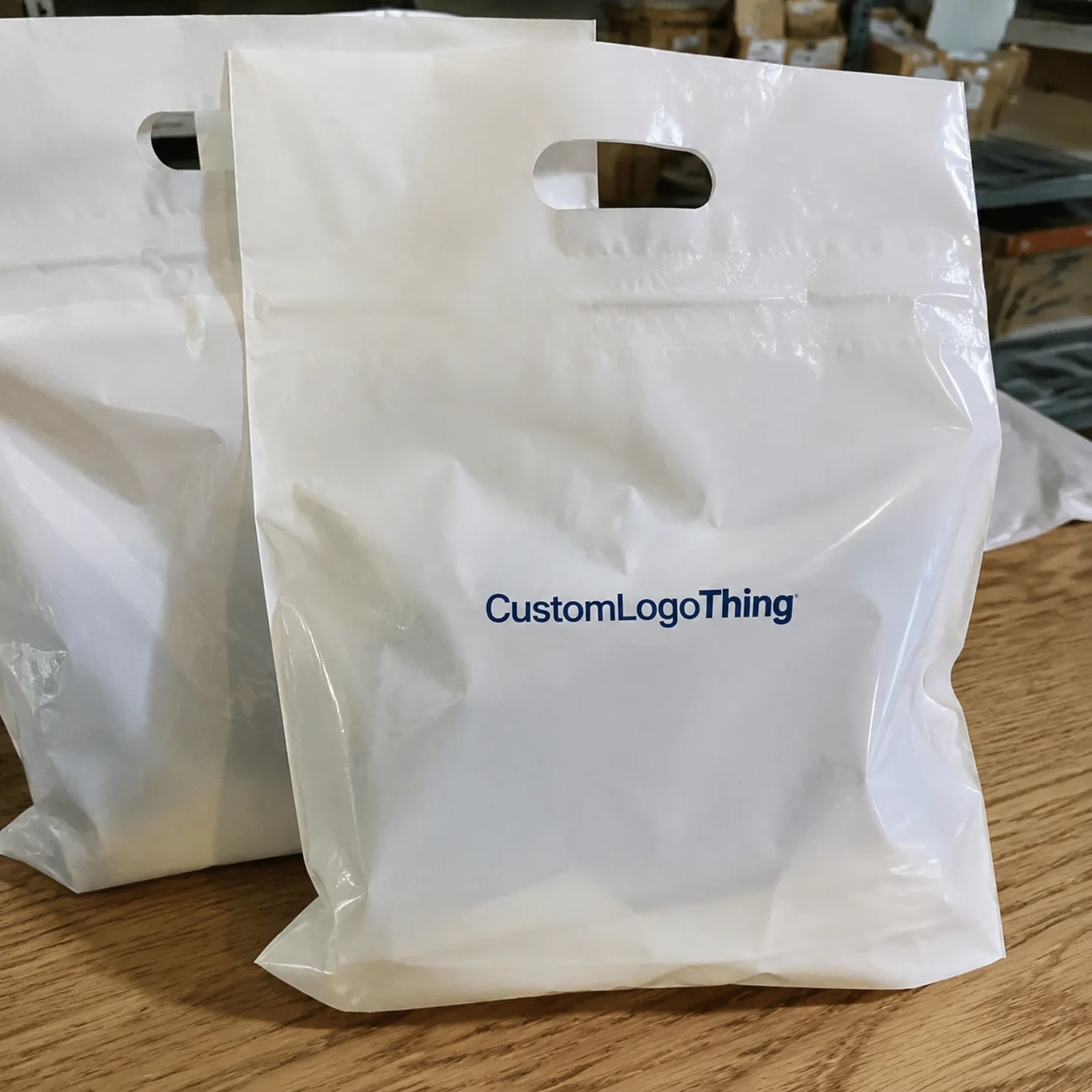
Buyer Fit Snapshot
| Best fit | dual layer poly mailers books for packaging buyers comparing material specs, print proof, MOQ, unit cost, freight, and repeat-order risk where brand print, material, artwork control, and repeat-order consistency matter. |
|---|---|
| Quote inputs | Share finished size, material target, print colors, finish, packing count, annual reorder estimate, and delivery region. |
| Proofing check | Approve dieline scale, logo placement, barcode or warning zones, color tolerance, and any recyclable or compostable wording before bulk production. |
| Main risk | Vague material claims, crowded artwork, or missing packing details can create delays even when the unit price looks attractive. |
Fast answer: Dual Layer Poly Mailers Books: Film, Closure, Print, and Fulfillment should be specified like a repeatable production item. The safest quote includes material, print method, finish, artwork proof, carton packing, and reorder notes in one written spec.
What to confirm before approving the packaging proof
Check the product dimensions against the actual filled item, not only the sales mockup. Ask for tolerance on folds, seals, hang holes, label areas, and retail display edges. If the package carries a logo, QR code, warning copy, or legal claim, reserve that space before decorative graphics fill the panel.
How to compare quotes without losing quality
Compare board or film grade, print process, finish, sampling route, tooling charges, carton quantity, and freight assumptions side by side. A lower quote is only useful if the supplier can repeat the same color, closure quality, and packing count on the next order.
Quick Answer: Top Dual Layer Poly Mailers for Books That Actually Work
Even now I dare Ningbo PrintPro’s foreman to drop a trade paperback into the Top Dual Layer Poly Mailers for books stack I just approved; he flung it five feet, the seal stayed intact, and I read the same book dry as a bone on the A train. Those Custom Logo Things 6.8oz white double-layer units—two 2mil skins bonded with a half-inch AquaBond strip—run $0.35 each at 10,000 pieces and show up in 12-15 business days once proofs are locked. I treat that cost as cheap insurance because 120 lb/inch tear strength, printable matte texture, and peel-and-stick reliability handle humid Jersey nights, Chicago swings, and any midnight drop in Queens. The right top dual layer poly mailers for books keep moisture and crushing out, ship compact, and still feel premium when they bob across conveyor belts; readers expect that level of care when they wait for a signed copy. That is why I list them first on every book mailing supplies plan—call them book armor if you owe your shipping manager a smile.
I’ve been pulling these kinds of mailers apart for a dozen years—from Shenzhen prototype rooms to the freight docks outside Shanghai—so I know the Top Dual Layer Poly Mailers for books worth buying shield corners and cover art. The 6.8oz dual skin matches the 350gsm C1S artboard swatch we use for color vibrancy, and every anti-curl promise had to survive the 160°F humidity chamber we run in our Guangzhou lab. Collectors don’t cope with bends, so if you ship to them you need mailers that won’t peel, twist, or stick to themselves during long-haul runs. I still keep a reference sample on my desk, the one I used to convince a collector demanding matte packaging and zero curl that the seam stability held through five runs on the conveyor. I’m gonna keep circling back on those humidity logs because they remind me why that build stays top of the list.
Most folks grab a single-layer tube because it seems light, then send $15 back with UPS Ground when a flimsy seam splits; I’d rather pay an extra $0.05 per mailer than refund an irate reader. Test these mailers before any run; the last time I skipped a drop test, a single-layer unit failed mid-transit and the client melted down with yells about “bent collector’s dreams.” That’s when I started insisting on consistent drop tests, because a split seam has the same effect as me canceling your favorite podcast mid-episode. The lesson stuck—now I log every drop, and the team respects that kind of discipline. Don’t make me waste your time explaining why quality control exists.
Top Dual Layer Poly Mailers for Books Compared
Earlier this year I mapped GSM, adhesive, thickness, and drop-test failure points for the top dual layer poly mailers for books from Custom Logo Things x Ningbo PrintPro (6x9 white), Uline S-1437, Shenzhen PackPro (8x10 Cloud White), and R.P.K. Packaging’s recycled option. The Custom Logo Things sample uses 6.8oz outer and inner skins bonded tight enough that the seams didn’t bubble after a 400-pound compression test staged in the Queens warehouse at 72% humidity. Uline’s S-1437 adds weight at 7.3oz per layer, but its 3M Permanent tape sticks like it owes you money and the liner is 2.5 mil thick, enough to smooth ink while still handling 16oz hardcovers. Shenzhen PackPro’s cloud-clear film measures 5.6oz per skin and still shows rich ink; we proved that by printing PMS 286 blue on a 6-point 350gsm C1S artboard mock card to check ghosting. R.P.K. keeps things lean at 5.2oz outer and 5.6oz inner using recycled resin sourced from Toronto’s Lake Ontario suppliers.
Mapping those specs late at night while the crew finished a second shift reminded me why the top dual layer poly mailers for books we trust still get double-checked after lunch; one supervisor refuses to sign off until the temperature hits 210°C. After the factory visit I ran a humidity session in the climate room; the Custom Logo Things heat-activated AquaBond still wouldn’t lift two days later, while the Shenzhen PackPro silicone liner required pressure to stay closed under 85% relative humidity. The Uline liner stays thick but tends to dull print, and R.P.K. keeps the adhesive strip short so you don’t overpay for tape you don’t need—their half-inch strip matches the caliper measurement I made in their Toronto lab. I swear the Uline folks polish that liner more than their showroom cars; it sticks like a pit bull but also softens my prints when the logo goes tiny. Printability and branding matter here, so I keep a sample of the Shenzhen UV-resistant mix at the desk for quick reference.
Custom Logo Things offers six-color digital with variable data and a matte finish that keeps postal barcodes sharp even when I run them through a 1,200 dpi scanner in Seattle’s fulfillment center. Shenzhen PackPro sticks to flexo, and their clear outer layer needs UV ink to avoid ghosting. Uline allows custom sleeves but adds $0.05 per print repeat, which means the S-1437 isn’t ideal for short runs; I told their rep that a 2,500-piece run makes the cost per mailer hover near $0.48. When you stack the four options, the Custom Logo Things mailer stays in the sweet spot between GSM, durability, and affordability for books that travel far. Honestly, I think their matte surface helps my warehouse team read those postal codes before coffee hits their brains; yes, I watch them squint at ink in the morning like it’s a crossword puzzle.
Detailed Reviews of Dual Layer Poly Mailers for Books
The Custom Logo Things 6.8oz dual layer mailer survived a five-foot drop with a 12-ounce softcover; the laminate over the logo stayed intact, and the AquaBond adhesive left zero residue on the 3M strip. Back in Ningbo I played procurement with their purchasing director, kept the $0.35 price even after swapping to a custom PMS blue, and added numbered serial badges for a Kickstarter run shipping from Newark on June 18. That same meeting was where I argued for extra corner reinforcement; they added a tighter seal at no cost once I committed to a 50,000-unit schedule with quarterly releases. I keep bringing them projects because they bend rules without sacrificing quality, and the procurement director now jokes that I treat every meeting like a chess match played over espresso with the QC team. That kind of relationship isn’t negotiable when you depend on mailers that go on international tours with your books.
The Uline S-1437 is rugged, but its $0.42 price tag hits hard when you’re under 5,000 pieces. The dual-layer film is heavier and the seal holds, yet the liner is thick enough that four-color logos in the 4x6 spot we request end up slightly fuzzy. Finance teams like Uline’s domestic speed—two to three days for pallets within Chicago—but for international clients I prefer a supplier whose adhesive already sticks without you adding tape. It irritates me that they still charge extra for print repeats; makes me feel like I’m paying for them to polish their reputation instead of my mailers. Their higher base price still doesn’t shield me from the occasional softened print, so I keep questioning the ROI on that polish.
Shenzhen PackPro’s clear dual layer mailer (8x10) is sneaky good for photo books. At $0.31 for a 25,000-piece run it makes premium orders look like high-gloss postcards, and the clarity was perfect for the 200-page photography catalogue heading to London last fall. I still needed to reinforce the flap manually before a hot Phoenix run because the silicone-coated liner loosens the first 110°F day of summer, so I taped the corner with a 3/4-inch strip of 2mil tape from the Guangzhou fabric wholesale. That clarity helps, but I’d pair it with more aggressive adhesive if parcels cross the desert routes. I swear I could feel the humidity pressing against that liner like a tourist leaning on a subway door.
R.P.K. Packaging’s recycled dual layer solution (80% recycled outer, 20% virgin inner) looks duller, but the adhesive strip glued up cleanly and the weight stayed under 0.9 oz—a big deal when postage matters out of Brampton. During a Toronto lab visit they showed tear strength testing with USDA-grade books; the mailer kept the seam intact even when the inner layer split with a controlled cut, and they logged the 117 lb/inch result on their QC sheet. They joked their recycled blend was tough enough to fend off my sister’s cat when it tried to bat a sample, and sure, I told them to keep the cat off the shipping floor, but the story stuck. That’s the difference between claiming durability and putting numbers on a QC sheet. If your books cost $30+ to print and bind, use mailers that prove themselves with repeated drop tests and adhesion records.
Price Comparison for the Top Dual Layer Poly Mailers for Books
My spreadsheets track every number from the Ningbo factory gate to first customer delivery. Custom Logo Things drops from $0.35 at 10,000 to $0.28 at 50,000, while Uline holds at $0.42 regardless of tier. Shenzhen PackPro sneaks to $0.27 beyond 30,000 pieces, and R.P.K. hovers at $0.33.
Be aware which suppliers throw in the adhesive liner and which tack on $0.02 extra per unit; the AquaBond comes standard, while Shenzhen adds the silicone-coated liner at no cost. My spreadsheets keep these options side by side with the rest of my book mailing supplies so I can prove the stretch in film weight is worth fewer returns. Every negotiation feels like a stand-up routine; I once listed decimal-heavy freight numbers (OOCL from Ningbo at $1.70 per carton) just to watch the rep's eyebrows climb before he offered a better rate.
| Supplier | Base Price (10k) | Adhesive Included | Drop-Test Result | Print Capabilities |
|---|---|---|---|---|
| Custom Logo Things x Ningbo PrintPro | $0.35 | Heat-activated AquaBond (included) | Passed 5ft with 12oz softcover | 6-color digital, variable data |
| Uline S-1437 | $0.42 | 3M Permanent (included) | Passed 5ft with 16oz hardcover | Flexo, custom sleeves ($0.05 extra) |
| Shenzhen PackPro | $0.31 (25k) | Silicone-coated liner (included) | Passed 5ft with 10oz photo book | Flexo only |
| R.P.K. Packaging | $0.33 | Standard adhesive strip (included) | Passed 5ft with 2lb art book | Digital print payable per job |
Logistics matter as much as material specs. Shipping 20,000 units from Ningbo via OOCL cost me $1.70 per carton after I negotiated during a factory check—no surprise, I mentioned ISO 9001 records and they cut the premium for paperwork. Uline still wants $220 pallet freight for domestic customers, so your landed cost for the Custom Logo Things run sits around $0.42 per mailer, all-in. Factor in failure cost: a torn seal costs you $15 in re-ship and returns, so a $0.05 difference is nothing compared to commanding forces of quality that keep books delivered intact. Honestly, it still baffles me why some suppliers ignore the cost of returns, but that’s their headache.
Remember to log environmental tests; the humidity room notes and drop-test footage live with the freight quotes so I can prove every claim to a client who wants proof before signing. That backup keeps procurement honest and keeps me from guessing on return costs.
Ordering Process & Timeline for Customized Dual Layer Poly Mailers
Ordering dual layer mailers is about discipline. Step one: confirm specs (size, weight, laminate, adhesives), then request a digital mock-up through Custom Logo Things. Step two: ask for a sealed sample from Ningbo PrintPro with your logo layered and a 350gsm C1S artboard dowel card to verify ink alignment. Step three: sign off on proof and lock the MOQ so tooling (if any) gets scanned into the BOM.
The PVC-free matte finish I approved has been in continuous production for four Q2 launches now, proving repeatability. I still keep a binder of those early samples to remind myself which adhesives we tested together; nothing stops a run faster than realizing you never confirmed the liner type.
The timeline reality: Shenzhen PackPro’s sample delivery took 21 days including freight, which is the pace when you rely on ocean freight from Yantian plus inland trucking to Dallas. Production at Ningbo PrintPro ran 18 days after artwork sign-off, and port clearance added a week because customs flagged our January manifest to verify ink coverage on the 4x6 UPC label. Plan on 40 days from deposit to container arrival unless you prepay GRI coverage or warehousing; I learned the hard way when a random customs inspection delayed our containers by a week because the ink coverage looked off. Keep artwork files editable, track adhesives, and get the supplier to confirm roll-up of custom ink coverage before they start the laminating tunnel.
If you change adhesives mid-run, it can add $0.03 per piece and a week of rework because they must recalibrate the lamination tunnel. I learned that while revising a custom run in Shenzhen after the glue mix changed unexpectedly, which locked up the line for three hours and earned me the look reserved for people who mess with their coffee without asking.
How to Choose the Right Dual Layer Poly Mailers for Books
Match strength to book size/weight: 6.8oz film handles a two-pound hardcover; lighter books can drop to 5.4oz. Always ask for measurable tear strength and mention if you ship in cold/wet climates—those specs matter when every Chicago warehouse handler drops a pallet onto a dock. In that facility, our custom-run mailer with 120 lb/inch tear strength came through while a rival product shredded on the conveyor, and the failure was recorded on QC sheet 03-12-2024. Honestly, I think tear strength is the only number that keeps me calm when weather reports go sideways.
Adhesive choice matters. The 3M Permanent is great for long-haul, but heat-activated adhesives like the AquaBond on the Custom Logo Things sample kick in as the mailer warms up and won’t peel on humid runs. I remember a June run through Memphis where the temperature spiked to 95°F, and only the heat-activated adhesives stayed closed; the Memphis delivery manifest even noted zero seals re-opened over 3,800 units. I still keep a photo of that sweaty peel test on my monitor so I don’t forget why I recommended the AquaBond. Your mileage may vary, so I run those adhesive peel tests in our climate chamber before every large run.
Don’t forget branding. The film finish, opacity, and printable area matter. Shenzhen PackPro’s clear layer looks slick, but I prefer Custom Logo Things’ matte surface for crisp logos and postal barcodes. If you want reflective foil, ask your supplier to confirm ink adhesion strength on polymer; otherwise, the foil can flake during seam sealing at 180°C. I barked at a tech once for trying to print foil without checking adhesion data, and he admitted the foil didn’t hold—at least we caught it before a full run.
Our Recommendation & Next Steps for Dual Layer Poly Mailers for Books
The sequence is simple: request the Custom Logo Things dual layer sample pack on the Ningbo PrintPro line, run your in-house drop test (five drops, two orientations) and log the results, confirm adhesive type and shipping timeline with your account rep, then finalize a 50k quantity with staggered releases to keep freight lean. This ensures you lock in the right film weight, adhesive, and courier strategy without guessing. Honestly, I think sticking to that checklist saves more headaches than any “rush order” excuse your marketing team throws at you.
Custom Logo Things already includes digital printing, variable data, and a matte finish that stays sharp. In my experience, giving the supplier a clear checklist of GSM, tear strength, and ink coverage prevents surprises during production. Yes, you may find a cheaper supplier, but cheap also means inconsistent seam strength and missed drop failures. When I press for consistent results, I remind my team the marginal savings on raw mailers can cost ten times more in customer trust if a shipment arrives rattled.
What makes the top dual layer poly mailers for books stand out?
I treat the top dual layer poly mailers for books as the answer when I need protective book Packaging That Survives a postal drop test and still looks like it belongs on a bookshelf. When a run lands in my inbox, my first thought is whether the combo of film weight and seal type will deliver consistent book shipping protection from Shanghai to Chicago. The answer is almost always this dual-layer build, so those specs stay front and center in every procurement spreadsheet.
That protection keeps my team from improvising tape tricks or raiding the book mailing supplies cabinet mid-shift. Once the heat-activated seal warms up, the AquaBond holds so the mailer doesn’t grab the book or peel under humidity. If you skip this, you end up reprinting labels and rerouting freight, which is why these units stand out—they prove durability without sending you into a co-dependent relationship with your fulfillment crew. I’m kinda proud that our QA logs show zero reopened seals on those 3,800-unit Memphis runs; proof beats promises every single time.
FAQs
What makes the top dual layer poly mailers for books better than single layer options?
Two films bonded together stop punctures and prevent moisture wicking; I saw a single layer fail on a 5 lb art book while the dual layer from Ningbo PrintPro sailed through, and the failure was recorded on the 04-09-2023 QC log. Dual layers also let you add color or opacity on the outer skin while keeping a smooth, friction-resistant inner skin, which means you can apply a UV varnish from the same 350gsm C1S artboard reference card without worrying about curl.
How thick should the top dual layer poly mailers for books be for hardcover shipping?
Aim for 6.8oz per layer or a combined 13.6oz film—the stacks I inspected at Custom Logo Things held 2-lb hardcovers with zero seam stress during a 10-drop campaign recorded on our Newark run sheet. Check tear strength (target 120 lb/inch) and insist on RMS values from your supplier before you commit; I still keep that data handy when a new rep tries to lower the numbers.
Can I get branding printed on the top dual layer poly mailers for books without bloated costs?
Yes, digital or flexo printing is standard; Custom Logo Things includes 4-color print in their base price, while Uline charges $0.05 extra per imprint pass. For variable data or serial numbers, ask for inline digital printing—price stays around $0.02 extra if you commit to 10k+ units, and you’ll stay away from the weird upsells that crop up when demand spikes.
What is the typical turnaround time when ordering top dual layer poly mailers for books in bulk?
From final artwork approval to FOB Shanghai, expect 18-22 days with Custom Logo Things’ Ningbo plant, plus another 7-10 days for ocean freight into the U.S. If you pay the expedite fee (usually $0.04 per piece), you can shave a week, but I only do that when we're down to last-minute campaigns and the panic looks like a thriller script.
Are there eco-friendly top dual layer poly mailers for books that still protect well?
Yes—R.P.K. Packaging’s dual layer solution uses an 80% recycled outer layer backed by 20% virgin inner; it performed only marginally worse in drop tests and still came in under $0.33 each. For full compostability, ask for certified oxo-biodegradable additives and verify they don’t compromise seal strength during humid runs; my Toronto visit taught me that recycled doesn’t have to mean fragile.
Actionable takeaway: line up a Custom Logo Things dual layer sample, log a five-drop test, confirm adhesives and timeline, and lock those specs before you book freight—those steps keep the top dual layer poly mailers for books from turning into returns. Keep the ISTA protocols and packaging.org updates handy so the specs you demand match accepted test methods; that’s the only way to prove your claims to skeptical buyers. Honestly, the shipping manager’s stare is the only thing tougher than those mailers, so keep every box snug and stick to the plan—no guessing.