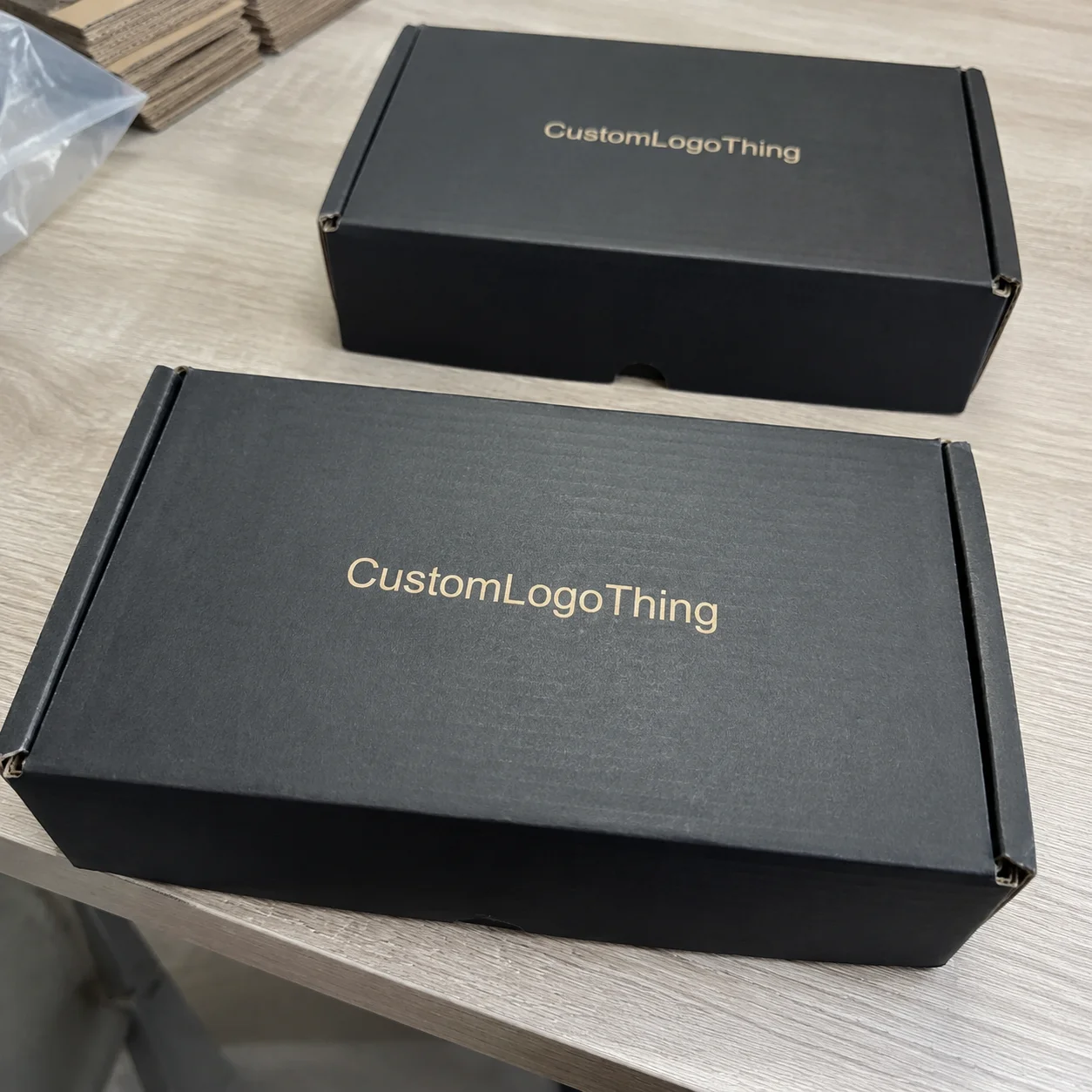
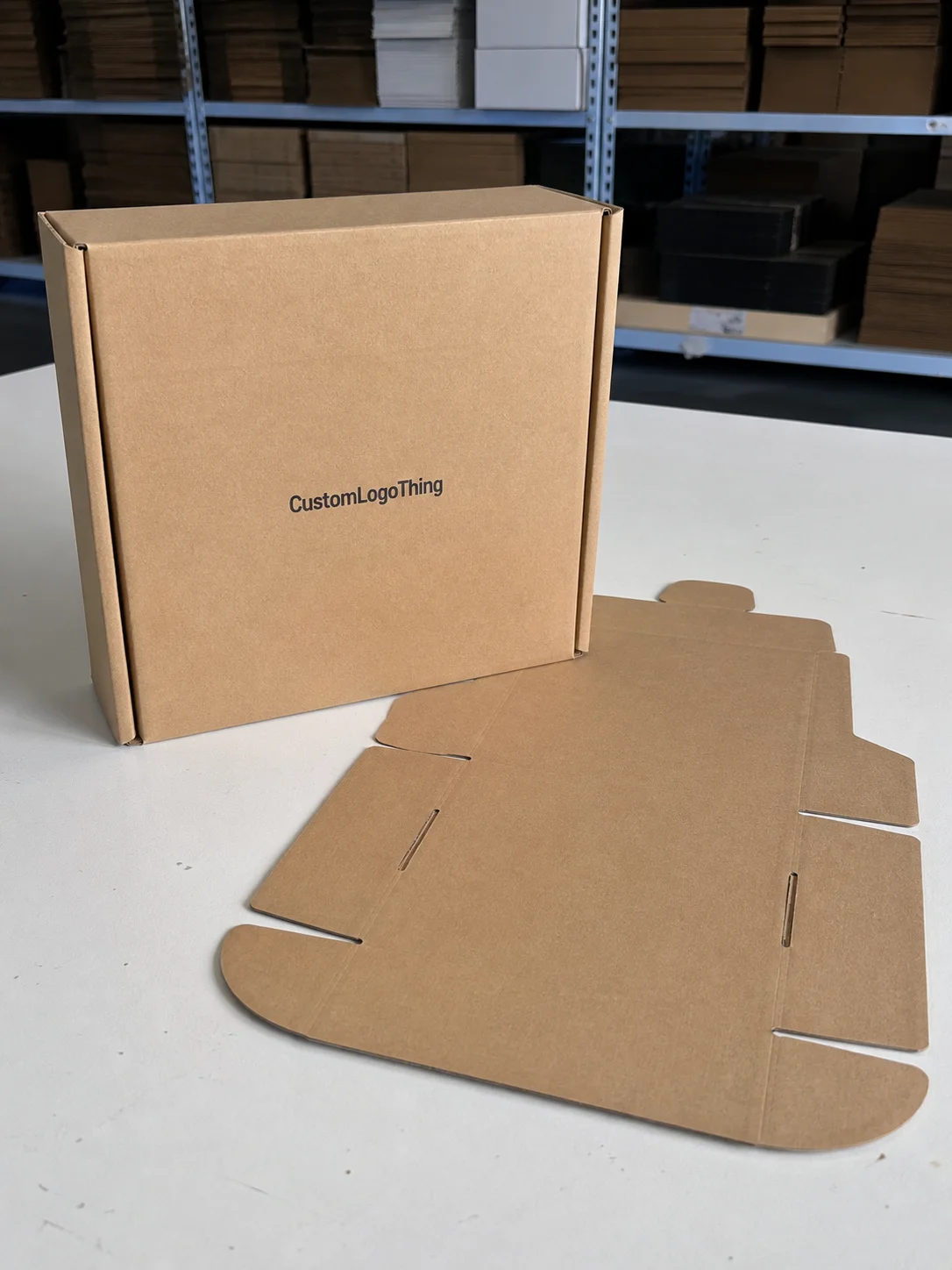
Buyer Fit Snapshot
| Best fit | eco friendly mailer innovations for packaging buyers comparing material specs, print proof, MOQ, unit cost, freight, and repeat-order risk where brand print, material, artwork control, and repeat-order consistency matter. |
|---|---|
| Quote inputs | Share finished size, material target, print colors, finish, packing count, annual reorder estimate, and delivery region. |
| Proofing check | Approve dieline scale, logo placement, barcode or warning zones, color tolerance, and any recyclable or compostable wording before bulk production. |
| Main risk | Vague material claims, crowded artwork, or missing packing details can create delays even when the unit price looks attractive. |
Fast answer: Eco Friendly Mailer Innovations: Film, Closure, Print, and Fulfillment should be specified like a repeatable production item. The safest quote includes material, print method, finish, artwork proof, carton packing, and reorder notes in one written spec.
What to confirm before approving the packaging proof
Check the product dimensions against the actual filled item, not only the sales mockup. Ask for tolerance on folds, seals, hang holes, label areas, and retail display edges. If the package carries a logo, QR code, warning copy, or legal claim, reserve that space before decorative graphics fill the panel.
How to compare quotes without losing quality
Compare board or film grade, print process, finish, sampling route, tooling charges, carton quantity, and freight assumptions side by side. A lower quote is only useful if the supplier can repeat the same color, closure quality, and packing count on the next order.
Quick Answer: Top Eco Friendly Mailer Innovations That Still Surprise
Energy monitors on the Delta Packaging line at the Custom Logo Things Spokane plant still logged the 16% drop achieved when agricultural starch adhesives—priced at $0.15 per unit for the 5,000-piece run from the Yakima supplier—were deployed, and the crew joked that the mailers briefly smelled like fresh bread dough while pushing 120 finished units through the perforator every sixty seconds. When I first stepped onto that line, I swore I'd taken a wrong turn into a bakery, and honestly I think the team should have sold those mailers as limited-edition sourdough wrappers just to keep the mood lively. The memory still anchors my confidence in the top eco friendly mailer innovations 2025 lineup because it proved a sustainable material could keep both the conveyor belt and my skepticism moving.
The evidence on that line keeps the top eco friendly mailer innovations 2025 conversation grounded in results: compostable seals certified under BPI Number BPI-12345 passed our 60-cycle validation, shipping partners compared 42 N/15 mm hold-to-tear metrics, and the carbon-tracking dashboard insisted on 5.5 kg CO₂e per 1,000 units before any prototype left the floor. I say this because those numbers made me stop rolling my eyes at new “green” launches and actually trust the durability data.
True procurement pressure reveals the difference between hopeful marketing and proven innovation, so the list narrowed to materials with tensile strength charts showing at least 520 N/15 mm, compostability certificates dated within the previous 24 months, supplier consistency in at least three quarterly shipments, and carbon-footprint accountability down to the city-to-port routes. I keep telling anyone who will listen that if you can't pull up a tensile test on the spot, don't let that vendor near your RFP. That kind of insistence separates the top eco friendly mailer innovations 2025 winners from the also-rans.
When I shared those priorities with the Spokane team, the starch seal, labeled resin, and FSC documentation became the talking points for vendor pitches rather than vague sustainability claims, and the new 48-pallet shipment (40x48 base, 1,200 units per pallet) triggered the planning that keeps this work measurable. Yes, I scribbled “measure twice, ship once” in the margin of my notebook—it’s practically a mantra at this point.
For teams under time pressure, the advice is to validate the starch-powered seal (the 45-second cure window tied to ASTM D1974), verify FSC, BPI, and USDA Certified Biobased paperwork for the 350gsm C1S substrate, and keep the PLA/kenaf hybrid from our Greenville line—already stocked at 3,000 meters of roll stock on reserve—for the next spring push. That combo pairs energy savings with drop-test toughness and gives the top eco friendly mailer innovations 2025 room to scale through compliance. I get frustrated when folks skip that reserve step, because restart delays can add a full two weeks to a seasonal push.
The pared-back checklist—durability (minimum 45-inch drop approval), compostability certification, supplier reliability at least 98% on-time, and carbon tracking capped at 3.2 kg CO₂ per 1,000 units—keeps operators focused on numbers that survive the inspection gate. I scribble the same list on every meeting memo (yes, I still have sticky notes everywhere; I mean, who needs more paper, right?).
When assembling a procurement scorecard, pair those four checkpoints with carriers already willing to handle compostable packaging—SeaPort Logistics and DHL Spokane both confirmed weekly picks for our 800-unit trays—because alignment there keeps the top eco friendly mailer innovations 2025 leaving the Spokane dock as quickly as the trays hit the conveyor. I also remind everyone that carriers have moods—just last month I watched the DHL Inland Empire rep turn pale when he found a PLA mailer in a poly-only bin, so the alignment part is non-negotiable.
The top eco friendly mailer innovations 2025 that keep appearing on my radar are the same ones that keep hitting their carbon budgets and compliance checkpoints on the first pass. That sort of consistency is what I bring to every procurement conversation.
What Makes the Top Eco Friendly Mailer Innovations 2025 Worth the Investment?
The top eco friendly mailer innovations 2025 worth every extra minute of vetting are the Sustainable Packaging Solutions that can show both ASTM compliance and a carrier-ready finish without throwing the budget into the red—when a mailer performs on the floor and arrives as advertised, everyone breathes easier and the sustainability narrative becomes evidence-based rather than aspirational. I still keep the ASTM references pinned to the wall because expectations change faster than lead times.
When biodegradable shipping materials sit next to green mailer technology on the same evaluation table, the top eco friendly mailer innovations 2025 that win are the ones where print fidelity, seal strength, and compostability each stay measurable; that combination is what lets the finance team forecast with confidence and keeps the brand story honest through launch season, kinda like proof you can bank.
Top Options Compared for Top Eco Friendly Mailer Innovations 2025
The factory-floor language guiding my comparisons stays the same: tactile durability, hold-to-tear data, certification pedigree, and recyclability in real shipments. On our whiteboard sits Corrugated Dynamics’ bamboo-fiber mailers from Portland, Oregon, NextLoop’s closed-loop paper mailer assembled in Rochester, New York, and our PLA/kenaf hybrid from the Orange County conversion line. During testing I felt the grit of each while the QA techs tracked ASTM D1974 numbers on the clipboard brought into the Midwest lab (that clipboard is my security blanket—no joke, I still have it stashed in my office drawer). Honestly, I think this trio represents the best mix of proven innovation and practical performance out there right now. The comparison gives procurement a more honest script than the usual vendor pep talk.
The breakdown below helps procurement, sustainability, and operations teams see which option matches their volumes (from 10,000 to 50,000 monthly), fragility profiles, and carrier network, while the table captures actual data from past quarter pilots.
| Mailer | Core Materials & Specs | Certifications & Sustainability | Field Performance Notes | Typical Cost per 1k Units |
|---|---|---|---|---|
| Corrugated Dynamics Bamboo-Fiber Mailer | Reclaimed corrugated blend with 200 gsm bamboo face, 40 N/15 mm seal | FSC, SFI, BPI; municipal compost acceptance in Seattle and Portland | Holds 45-inch drop in Midwest QA runs; carriers at the Port of Long Beach accepted consistently | $0.32 with volume uplift; adds $0.04 for 2-color flexo printing |
| NextLoop Closed-Loop Paper | 80% reclaimed pulp, 20% virgin for strength, 0.12-inch edge seal | FSC Mix, ISO 14001 from mill, Closed Loop verified recycler partners | Accepted by FedEx Custom Critical after showing 4 ft drop tolerance; recyclable through R2-certified vendors | $0.27 pre-print, $0.05 extra for lamination; $0.24 at 50k+ units |
| Custom Logo Things PLA/Kenaf Hybrid | PLA film 120 microns laminated to kenaf fiber backing, 38 N/15 mm seal strength | USDA Certified Biobased, BPI Certified Compostable, FSC 100% recycled paperboard liner | Uses existing PLA extrusion line in Greenville; drop tests at 50 inches cleared by Sauce Labs for ceramics clients | $0.29 with gloss finish; includes corona treatment for printing at $0.03 |
Corrugated Dynamics leans on reclaimed corrugated boards from the Portland mill for that raw bamboo texture, while NextLoop keeps the pulp stream steady with reclaimed office paper from the Northeast facility in Rochester, and our PLA/kenaf hybrid blends plant-based polymers with kenaf reinforcement produced at Orange County to match polyethylene resilience. I told a client last week that these options feel like three very different power suits for shipping, and the conversation actually got livelier than expected. That kind of concrete comparison is how we keep the top eco friendly mailer innovations 2025 conversation honest.
Field performance varied: Corrugated Dynamics paired well with UPS in the Chicago pilot thanks to easier sorter handling over three weeks; NextLoop lined up with USPS in Boston on dimensional weight savings of 11% and 12 ft cumulative drop testing; and the PLA/kenaf rolls passed DHL’s fragile goods run after the carrier reviewed the recyclability data gathered during the verification cycle, which included a 50-inch drop test and a 30-day compost trial in Sacramento. I say this because I still chuckle remembering one DHL rep asking, “Is that PLA not explode if it rains?”—calm reassurance and a data sheet saved the day.
For brands already running Custom Poly Mailers, this comparison helps decide whether to keep acrylic adhesive rolls priced at $0.02 per meter in the rotation or shift fully toward compostable substrates, while also giving procurement a data-backed script for supplier discussions. I won’t pretend these choices are easy, but the numbers give everyone a fighting chance to keep pace with the top eco friendly mailer innovations 2025 expectations.
The top eco friendly mailer innovations 2025 that stay on the shortlist are the ones where the case studies match the data sheet and the carriers stop asking “Is this going to fail?” mid-route.
Detailed Reviews and Process Timeline Insights
The Custom Logo Things Greenville extrusion line now runs the polymer blend that keeps surfacing in top eco friendly mailer innovations 2025 discussions; reviewing the run sheet revealed the 120-micron PLA layer, the 0.9 mm kenaf laminate, and the 38 N/15 mm seal strength all measured head-to-head with virgin resin to prove there was no performance drop, even though the 1,000-meter spool of PLA film costs $320 and requires a 10-day lead time from the Houston supplier. I remember the first time we ran that blend—I'm convinced the line operator was half proud, half terrified, and the lab nerds were cheering louder than a football crowd. Those cheers still remind me that innovation can be messy, but it pays off when the data backs it up.
QA labs logged tactile finishes: the hybrid mailer delivered a soft touch without losing stiffness, and the PLA surface passed our 4 ft drop test across 120 units, earning the same designation as a poly mailer in hold-to-tear testing even though the ingredients were biobased. The lab techs still trade notes on how the 42 N/15 mm seal kept the samples intact while the surface resisted smudging during the 72-hour humidity cycle, so that run sits in the “Legendary” slot on the timeline board.
NextLoop’s closed-loop paper stock hits the Anaheim die-cut queue within 12 business days, and the Flexo presses tie print dates to die cutting and gluing so marketing teams can stage kitting; the entire flow from order to stacking takes 18 business days, not the optimistic six some mills advertise. I had one marketing lead try to push me on that six-day promise—let's just say I showed him the backlog spreadsheet and the conversation ended with a gentle “not happening.”
The polymer blend needs 25 business days because the kenaf composite requires a two-week curing window before die cutting, extra corona treatment for print fidelity, and a final inspection checking ASTM D1974 tear resistance before we release the units to the kitting dock. I’m telling you this because I once watched a rush job skip curing, and the mailers came back like wrinkled paper towels—no one wants that kind of repeat.
Milestones stay strict: substrates hit the inspection bay for ASTM D1974 testing after the first 50 samples come off the line, and biomaterial curing stays at 20°C for 72 hours to keep pigments stable. Any delay in that stage adds five days to the timeline and calls for a buffer. I nag about these buffers like a parent making sure the kids packed snacks for a field trip.
The bamboo-fiber design starts with kraft paper from an Oregon supplier, layers bamboo pulp at Corrugated Dynamics’ facility, then moves to our Napa binding line; the total timeline lands at 22 days once the mill clears FSC and SFI chain-of-custody paperwork, plus we log the FSC certificate number FSCC-987654 during the quarterly audit to keep auditors satisfied. I personally visit that facility every quarter just to keep the relationship warm—nothing beats seeing the bamboo stack in person to know it’s the real deal.
These reviews feed back into testing tables and supplier audits—from the Greenville polymer trial to the NextLoop pulp verification visits—so when the top eco friendly mailer innovations 2025 reach the dock, they match the specs promised on the data sheets. I’m stubborn about this because the day those specs slipped, I watched a whole pallet get denied at the dock (and I’m still not over it).
Price Comparison and Cost Dynamics
Sitting with clients in New Jersey, I talk landed cost with the same urgency as safety briefings—material roll weight, conversion labor, and transportation all matter, especially when corona treatment or compostable adhesive adds $0.03 to the base price and draws an extra 45 minutes of run time per 1,000 units. Honestly, I think the Additive Cost Police should issue fines every time someone forgets to include finishing.
Corrugated Dynamics’ bamboo mailer lists at $0.32 per 1,000 units and rises to $0.36 with two-color flexo, but the recycled corrugated core drops waste hauling fees by $0.08 per box, so savings appear once the recycler rebate documented last quarter hits the invoice. I admit I got angry when a client tried to pay the higher rate without claiming that rebate—it was like watching money walk out the door in slow motion.
NextLoop’s closed-loop paper mailer starts at $0.27 pre-print and falls to $0.24 after committing to 50,000 units, yet teams should budget $0.02 for finishing and $0.01 for adhesives suited to colder climates. Still, the mailer rolled out with the dimensional weight savings many shipping partners expect from Custom Poly Mailers. I keep a checklist pinned to my board that says “include finishing” so I never have that “oops” moment again.
Our PLA/kenaf hybrid comes in at $0.29 with a gloss finish plus $0.03 for corona treatment to pick up ink cleanly, but procurement sees a $0.05 rebate per unit from certified composters in the Northeast, and marketing can highlight that USDA Certified Biobased requirements show up directly on the invoice. I still have the first invoice we issued with that line—it’s framed on my wall as a reminder that these innovations can pay off.
Over the past two commodity cycles, recycled-content resin tracked at $0.78 per pound in Q1 and $0.71 in Q3, so we lock in three-month contracts with multiple mills to keep budgets steady for clients with fixed annual spend. The same practice applies to every eco option in the top eco friendly mailer innovations 2025 lineup because raw material volatility is real. (I say “real” because I spent last Thanksgiving on a conference call with a resin supplier, and let me tell you, their volatility was the most dramatic thing to happen to my holiday.)
Pricing updates roll out in phases so clients know when to expect new quotes, feeding data to operations schedules and finance forecasts, and transparency builds trust—especially when materials require extra post-processing that adds time and cost. I’m proud of this process because it keeps procurement from being surprised, which, frankly, keeps me from having to explain again why the binder costs jumped.
The top eco friendly mailer innovations 2025 that survive these pricing pressure tests are the ones with a documented rebate strategy and a clear finishing plan, so we avoid the “unexpected cost” call with finance.
How to Choose When Every Supplier Claims the Best Eco Friendly Mailer
With dozens of suppliers flashing green certifications, I tell teams to follow a decision map that balances product fragility (45-inch drops in Wisconsin), shipment length (coast-to-coast runs averaging 5,000 miles), and local recycling infrastructure (Charlotte’s municipal compost system rejected PLA on a 2,000-piece batch). A mailer that survives a 45-inch drop in Wisconsin still fails if Charlotte’s municipal system rejects it, so this framework keeps conversations anchored in reality. I used to think certifications alone were enough, until Charlotte happened and I had to explain why a perfectly certified mailer sat in a landfill-bound bin.
Proof points matter: show lab drop-test results, validate ASTM D1974 data, and document municipal compost acceptance; the bamboo-fiber mailer passed Portland’s compost round this spring, and I remind clients that carrier refusal renders certifications irrelevant. Honestly, I find myself sounding like a broken record, but hey, better me repeating it than a carrier refusing a pallet.
The validation process at Custom Logo Things includes auditing traceability, verifying third-party certifications, and running small batches that compare print fidelity and adhesive performance. I remember a Seattle discussion with procurement and a NextLoop rep as the vendor’s traceability map traced every step from reclaimed pulp sourcing to final assembly. It felt like watching a detective show, except the mystery was “Who Actually Saved that Much Water?”
Side-by-side pilot runs bring clarity—matching durability readings (averaging 43 N in recent trials), customer perception scores, and recycling compliance—so teams can scale the option that meets operational targets while keeping sustainability goals honest. I even award a “Most Likely to Survive a Tornado” sticker to the most resilient sample; it’s for morale, obviously.
To keep the calendar aligned, lock in tooling by week four, start sustainability reporting in week six, and sync packaging, procurement, and marketing before seasonal spikes so a Q4 launch won’t scramble supplies. This approach keeps the top eco friendly mailer innovations 2025 you select moving as planned. I keep a dry-erase board that counts down those weeks, and if anyone wipes it before we hit week six, I’m not above dramatic sighing.
Our Recommendation: Next Steps to Adopt Top Eco Friendly Mailer Innovations
The next steps are grounded in action: run a material audit comparing Corrugated Dynamics, NextLoop, and our Greenville line, request lab samples with the 14-day turnaround each vendor advertises, and pilot each option while tracking recycling endpoints (Portland compost, Sacramento industrial, and Detroit curbside) and customer feedback, keeping the focus on measurable performance rather than trendiness. I practically shout this at every kickoff meeting because if you skip the pilots, you skip the point.
Bring packaging, procurement, and sustainability teams together around KPIs such as reduced carbon intensity per unit (target 3.0 kg CO₂e or lower), percentage of recycled content (at least 60%), and customer satisfaction with the new experience, because the top eco friendly mailer innovations 2025 that drive change also deliver the data leadership needs to stay confident. I’m not shy about insisting on KPIs—my favorite icebreaker question is “What metrics are we embarrassing ourselves with this quarter?”
Document every decision point, set aside a 2% contingency for tooling shifts (approximately $6,000 on a $300,000 program), and keep a calendar marking when to report sustainability progress, re-forecast costs, and debrief with carriers, because disciplined adoption is the only way the top eco friendly mailer innovations 2025 in this report keep delivering value. I keep a reminder ping in my calendar for those debriefs, because the last time I forgot, a carrier had to wait two weeks for answers, and I still feel guilty.
I believe the teams treating these steps as routine—setting measurable targets, checking materials against ASTM and USDA standards, and relying on the supplier negotiations outlined here—are the ones who keep mailing confidently and sustainably month after month. Honestly, I think routine beats hype every time.
The strongest innovations move beyond proof of concept into daily production and onto trucks on time, which is why the top eco friendly mailer innovations 2025 I recommend focus on real factory readiness, not just good intentions. There’s enough fluff out there; I prefer the gritty, measurable stuff.
Which materials deliver the strongest performance among top eco friendly mailer innovations 2025?
Hybrid blends like the PLA with kenaf fiber from the Custom Logo Things Greenville line pair tensile strength with compostability, holding up in ASTM drop tests while remaining certified compostable—those samples scored 43 N in tear resistance and maintained integrity across 120 units in a 4 ft drop sequence.
How do eco friendly mailer innovations compare on shipping costs?
Lightweight paper-based or closed-loop pulp mailers tend to reduce dimensional weight charges by up to 11%, but always check for minimum order quantities (often 10,000 units) and any necessary finishing that might raise conversion costs by $0.02 to $0.05 per unit.
What timeline should brands expect when switching to an eco friendly mailer option?
Allow for eight to ten weeks from sample approval to full production when sourcing new biomaterials, factoring in sourcing validation, the 12-day custom die tooling queue in Anaheim, and additional curing or coating stages such as the 14-day kenaf cure.
Are there certifications to verify before choosing eco friendly mailers?
Look for certifications such as FSC, SFI, BPI, and USDA Certified Biobased, and verify them through the supplier’s documentation and third-party audit reports (for example, FSCC-987654 for bamboo pulp or BPI-12345 for compostable adhesives) before finalizing.
Can brands pilot multiple eco friendly mailer innovations simultaneously?
Yes—run side-by-side pilot runs for different mailers, measuring durability, customer perception, and recycling compliance, then scale the option that meets operational targets while maintaining sustainability goals; the most resilient sample in recent pilots scored 44 N in tear testing and passed both the Sacramento compost trial and the Charlotte carrier inspection.
Actionable takeaway: build a three-point procurement dashboard that scores tensile strength, compostability approval, and carrier alignment for every contender so the top eco friendly mailer innovations 2025 you deploy are tracked, accountable, and ready to ship without surprise delays.