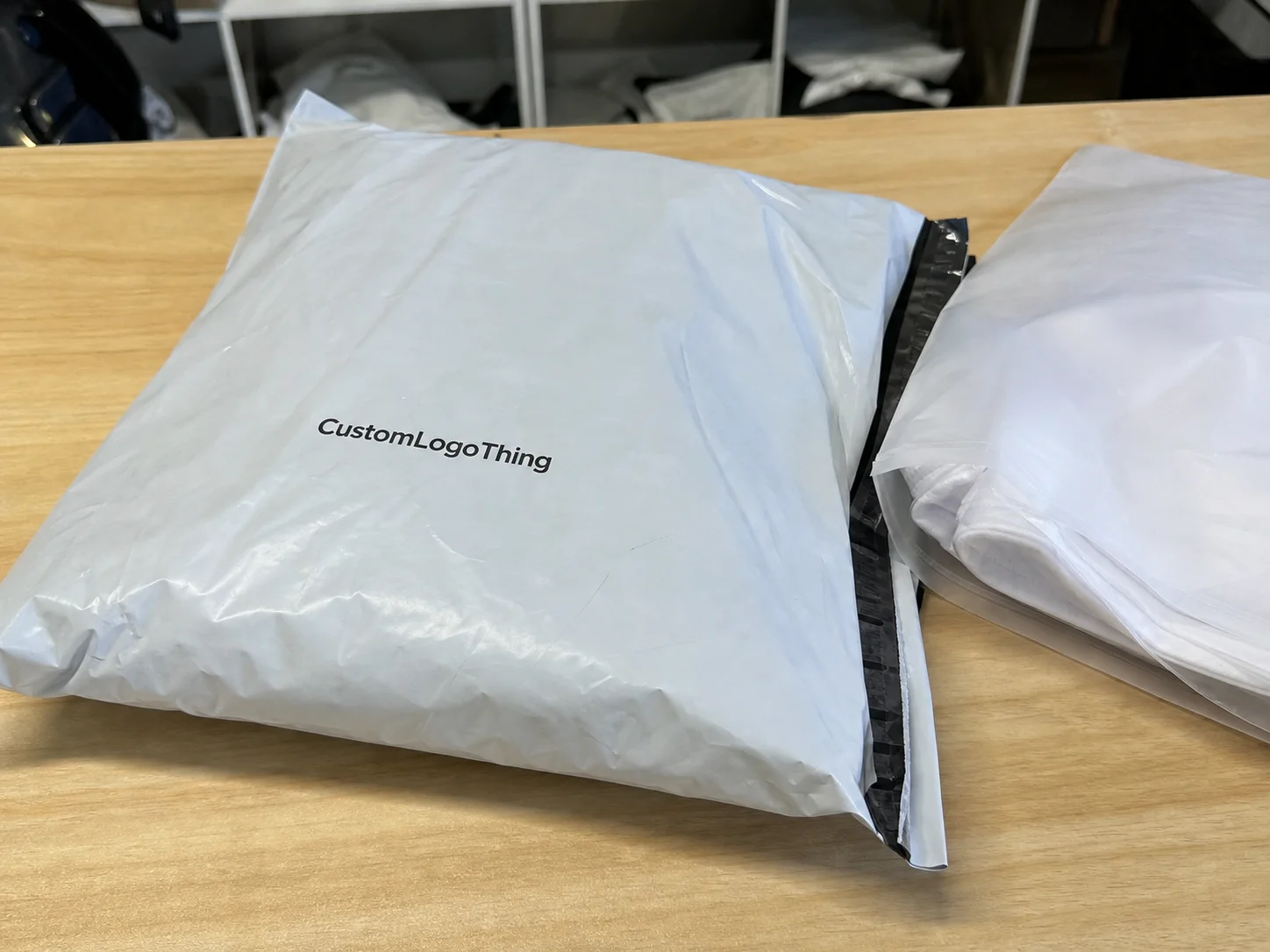
Brand launches do not usually fail because the product is weak. More often, the trouble starts with the shipping pack: a mailer that feels thin in the hand, prints muddy under warehouse lighting, or arrives with a seal that does not hold under pressure. That is why brand campaign custom Poly Mailer Bags wholesale order planning deserves the same discipline as the creative brief. The bag is often the first physical touchpoint a customer sees, and first impressions are unforgiving.
Poly mailers do two jobs at once. They protect apparel, accessories, and other lightweight goods in transit, and they act as visible branded packaging the moment the parcel lands on a doorstep or a receiving table. If the construction, print method, or closure is off, the whole unboxing experience can feel less intentional, even when the product inside is exactly right.
A mailer is not decoration. It is product packaging, brand identity, and transport protection packed into one buying decision.
Why a custom mailer order can make or break campaign launches
From a packaging buyer’s point of view, the mailer is one of the most underestimated parts of a launch plan. A campaign can ship on time and still lose impact if the print is off-register, the film is too weak, or the bag splits during transit. That does not only create customer complaints; it can trigger replacement shipments, service tickets, and inconsistent presentation across fulfillment sites.
The hidden cost is often larger than the bag price itself. A rush reprint adds freight charges. A wrong spec can force a redesign. A late proof cycle can push delivery into the next promotion window. For subscription programs, influencer drops, and seasonal promotions, even a one-week slip can be painful because the packaging is tied directly to timing and recall.
Many teams still treat mailers as a commodity until the first damage report arrives. That mindset works poorly for campaign work. If the order supports a limited promotion, retail push, or coordinated e-commerce send, the mailer spec needs to support both logistics and presentation. A bag that saves a penny but creates a 2% damage rate is rarely a bargain.
For teams comparing broader packaging programs, it helps to think in terms of package branding rather than only film thickness. A mailer may not replace Custom Poly Mailers, but it should sit alongside other pieces of product packaging, and sometimes coordinate with Custom Packaging Products or Case Studies that show how brands manage launch consistency.
Mailer constructions, print options, and finish details that affect the result
Poly mailers are not built the same way. The most common option is a co-extruded film, usually a blend of layers that balances tear resistance, opacity, and cost. Recycled-content films are widely used now too, especially when a brand wants to show progress on sustainability without changing the shipping format. The exact mix matters. A 2.5 mil bag and a 4 mil bag may look similar on a mockup, but they behave very differently once they are packed, stacked, and sorted.
Opaque bags remain the standard choice for privacy and visual consistency. Semi-opaque or translucent films can work for certain lightweight items, but they are less suitable if the goal is a stronger visual barrier or if contents should not be visible in transit. For soft goods, a tougher film with reliable seal performance can reduce puncture risk. For lighter garment lines, the same wall thickness may be unnecessary, especially if the route is short and handling is mild.
Printing method changes both the economics and the finish. Flexographic printing is usually the practical route for higher-volume runs with simple to moderate artwork and a limited color count. Digital methods can be attractive for shorter runs or artwork-heavy launches, but the unit cost usually climbs as quantities rise. Rotogravure can produce excellent output for very large programs, though the setup economics only work when the volume is high enough to absorb cylinder costs.
Several small details matter more than buyers expect:
- Adhesive strip quality affects closure security and return handling.
- Tamper-evident seals can reduce customer concern for higher-value shipments.
- Film thickness, usually measured in mil, changes puncture resistance and feel.
- Gusset style affects how much the bag can expand for bulky soft goods.
- Matte or glossy finish changes how colors read under retail and home lighting.
Typography and logo placement should be planned around the usable print area, not the overall blank sheet. That sounds basic, but that is where many layouts go wrong. A design that looks centered on screen can sit too close to the seal edge, drift into a fold, or lose balance once the bag is formed. Good packaging design respects bleed area, safe zone, and panel alignment, just as it would for retail packaging or custom printed boxes.
| Option | Best for | Typical tradeoff |
|---|---|---|
| Co-extruded opaque film | Most e-commerce and campaign mailings | Balanced cost and good privacy |
| Recycled-content film | Brands with sustainability targets | May cost a bit more and show slight color variation |
| Digital print | Short runs or artwork-heavy launches | Higher unit price at scale |
| Flexographic print | High-volume wholesale orders | Setup is less flexible for frequent artwork changes |
Specification choices that keep brand campaign custom poly mailer bags wholesale order planning on track
The fastest way to keep brand campaign Custom Poly Mailer Bags wholesale order planning moving is to lock the core spec early. Confirm dimensions, film thickness, print side count, adhesive style, and how the finished bags will be packed for shipment. If those five items are not settled, quotes drift, proofs change, and production schedules slip while everyone waits for clarification.
Size should match the packed item, not the product alone. A folded hoodie needs room for the garment, tissue, inserts, and any return-use strip. If the bag is too large, the shipment can look loose and wasteful. If it is too tight, the seal line gets stressed and the bag may split or curl. In practice, an accurate fit often saves more money than shaving a few cents from a thinner film.
Durability is not just about thickness. Seam integrity, puncture resistance, and stretch performance all matter, especially for soft goods and lightweight boxed items. For heavier garments or bundled items, a buyer may want to move from a basic construction into something closer to 3 mil or above, depending on product weight and how far the parcel travels. If the fulfillment network includes multiple sites, the spec should account for the roughest handling path, not only the easiest one.
Artwork preparation can either accelerate or slow the whole order. Vector logos, clean line weights, and correct color references help approvals move faster. If the artwork is being built for spot colors, provide Pantone numbers rather than only screen images. If the bag uses process printing, confirm the color space early so conversion issues do not appear at proof stage. Good file prep is boring, but it keeps the order out of the file-fix loop.
What to gather before requesting a quote
- Bag width, length, and any gusset requirement
- Material thickness and whether recycled content is required
- Number of print colors and print side coverage
- Closure style, including tamper-evident features if needed
- Target in-hand date and shipping location
One useful habit is to compare the bag spec against the actual launch flow. If the campaign ships in two waves, the packaging should be stable enough that the second wave looks identical to the first. That consistency matters for brand identity, especially when teams manage seasonal drops, influencer sends, or warehouse replenishment from multiple fulfillment centers.
Cost, pricing, and MOQ factors buyers should compare before approving
Pricing is usually shaped by five variables: size, film thickness, number of colors, total quantity, and any special packaging or shipping requirements. There is no single fair price without the full spec, which is why unit-cost comparisons can be misleading if the bags are not built the same way. A quote for 5,000 pieces may look higher than one for 10,000, but the lower quantity may still be the smarter choice if the campaign is short-run and inventory risk is real.
MOQ logic is straightforward once you see the production side. Larger runs spread setup costs across more pieces, so the unit price usually falls as quantity rises. Smaller campaign orders can still make sense, but the buyer should expect a higher per-piece rate and possibly fewer print-method choices. For some brands, the break point is around a few thousand units; for others, especially when artwork is simple, the economics improve only after a much larger commit.
Here is a practical way to think about wholesale pricing:
| Order profile | Typical price behavior | Buyer takeaway |
|---|---|---|
| Small campaign run | Higher unit price, lower inventory risk | Useful for launches, testing, or seasonal drops |
| Mid-size wholesale order | Better unit economics, moderate setup cost | Often the best balance for recurring promotions |
| High-volume reorder | Lowest unit cost after setup is absorbed | Strong choice for stable programs and multi-channel shipping |
Watch for add-on charges. Plate fees, custom sizing, proof revisions, special inks, matte coatings, and freight can all change landed cost. A quote that looks cheap at the unit level can become expensive once shipping and defects are counted. Landed cost is the number that should sit on the decision sheet, not the raw factory price alone.
It also helps to think about damage rates. A slightly better bag that reduces split seams or print rub-off may save more money than the cheaper alternative, because fewer replacements and fewer customer issues end up in the system. That is a real business calculation, not a packaging preference.
For buyers building a larger program, the comparison should include other retail packaging or promotional items in the budget. A campaign that uses Custom Poly Mailers, labels, inserts, and perhaps coordinated custom printed boxes needs the packaging spend to make sense as one complete system, not as isolated line items.
If you are mapping out a broader sourcing plan, it is useful to review Wholesale Programs and compare options against your expected reorder rhythm, rather than treating each campaign as a one-off purchase.
Process, proofing, and lead time from artwork to delivery
The normal workflow starts with quoting, then artwork submission, file review, proof approval, production, inspection, and shipping. Each step seems simple on paper, but the schedule risk usually sits in the approval window. When the client takes three days to review a proof, the calendar moves. When the artwork needs corrections, the timeline moves again. Campaign planning should include a realistic buffer, not just the date the marketing team wants the bag to arrive.
Lead time depends on print complexity, quantity, material sourcing, and whether the order needs a custom size or a special film build. A straightforward high-volume run with clean artwork may move faster than a short run with heavy color coverage and a nonstandard finish. In practice, many wholesale mailer jobs land somewhere around 12-15 business days after proof approval, but that can stretch if freight lanes are tight or the spec changes midstream.
Approval speed is often the biggest schedule risk. Teams should check copy, logos, bleed, seal direction, and color references carefully before returning a proof. A good supplier will send a digital layout or preproduction proof that shows placement clearly, but the buyer still needs to verify every detail. Small errors on a proof become expensive once production starts.
Alignment with the launch calendar matters just as much as the artwork itself. If fulfillment is scheduled for a coordinated drop, the mailers should be in-house early enough to survive a delay in the product line or a last-minute quantity adjustment. A few extra days of buffer can save a campaign from rush freight charges and avoid the awkward situation where the brand has inventory but no approved mailer.
For teams that want more reference points, industry guidance around packaging performance and transit testing is helpful. The ISTA standards are useful when a buyer needs to think about shipment stress, and the EPA recycling resources are worth reviewing when recycled-content claims or end-of-life messaging matter.
How to evaluate a supplier for consistent quality, communication, and repeat orders
A good supplier should be able to explain material grades, print tolerances, and testing methods without hiding behind vague claims. If a team cannot clearly describe film thickness, seal performance, or the limits of a print process, that is a warning sign. Strong vendors talk in practical terms about what the bag will do in transit and what tradeoffs come with each option.
Communication quality matters as much as machine capability. Fast proof turnaround, transparent pricing, and clear guidance on file formats reduce the chance of rework. A supplier that gives precise instructions on artwork files, Pantone references, and approval milestones is usually easier to work with than one that stays vague until the order is already in production.
Quality control should not be an afterthought. Buyers should ask about dimensional checks, seal inspection, print registration review, and carton packing standards before shipment. For larger or recurring programs, it is reasonable to ask how the supplier handles lot consistency across repeats. If the campaign is seasonal, that repeatability becomes part of brand identity, because the second wave needs to look like the first.
A strong procurement relationship also pays off over time. Once the supplier understands packaging preferences, artwork rules, and shipping cadence, reorders become easier and less risky. That matters for brands with recurring promotions or multi-channel fulfillment schedules, where the packaging has to stay stable while the product mix changes.
If you are comparing multiple product categories, it can help to see how the same vendor handles other Custom Packaging Products. That tells you something useful about consistency, file handling, and whether the team can support a broader package branding program rather than only one style of mailer.
Next steps to lock specs, request a quote, and place the order
Start by confirming the product size, material thickness, print coverage, and campaign volume. If you already know the annual usage, share that too, because it can shape the quote and the MOQ recommendation. Then gather logo files, Pantone references, the shipping destination, and the target in-hand date so the supplier can price the job accurately the first time.
Before approving production, review one final proof against the brand standard, not just against what looks good on a screen. Color, logo placement, and seal direction should be checked carefully. If the campaign is sensitive to presentation, ask for a printed mockup or a close digital layout so the team can see how the artwork sits on the finished bag.
One last check: carton counts, palletization, and delivery windows. Those details sound operational, but they are the difference between a clean receiving process and a last-minute scramble at the warehouse. For a wholesale order, the packaging should arrive ready to flow into fulfillment without extra sorting or relabeling.
Done well, brand campaign custom Poly Mailer Bags wholesale order planning gives the launch a cleaner first impression, fewer transit issues, and a better balance between cost and presentation. That is the practical goal, and it is usually achievable when the spec is clear, the proofing is disciplined, and the timeline includes a little breathing room.
How do I estimate the right quantity for a brand campaign custom poly mailer bags wholesale order?
Base the estimate on the campaign shipment count, then add safety stock, a reprint allowance, and buffer for damaged units or fulfillment errors. If the campaign may extend or repeat, plan for that possibility instead of ordering to the exact minimum.
What details are needed to quote custom poly mailer bags accurately?
Provide bag dimensions, material thickness, print colors, artwork files, quantity, and the preferred shipping location. It also helps to include your target delivery date and any special requirements such as matte finish, recycled content, or tamper-evident sealing.
What MOQ should I expect for wholesale poly mailers with custom printing?
MOQ usually depends on the print method, bag size, and film type. Larger runs often deliver better unit cost, while smaller campaigns may need a different production method or a standard size to keep the minimum commitment manageable.
How long does the proof and production process usually take?
Timing depends on artwork readiness, proof approval speed, and the complexity of the bag and printing setup. The fastest orders move when files are print-ready, all specifications are confirmed, and approvals are returned quickly.
What should I check before approving the final order?
Verify dimensions, print placement, logo colors, seal type, thickness, quantity, and shipping details. Confirm that the proof matches your brand standards and that the delivery schedule fits the campaign launch date.