Buyer Fit Snapshot
| Best fit | holiday ecommerce packaging cost hacks brands for packaging buyers comparing material specs, print proof, MOQ, unit cost, freight, and repeat-order risk where brand print, material, artwork control, and repeat-order consistency matter. |
|---|---|
| Quote inputs | Share finished size, material target, print colors, finish, packing count, annual reorder estimate, and delivery region. |
| Proofing check | Approve dieline scale, logo placement, barcode or warning zones, color tolerance, and any recyclable or compostable wording before bulk production. |
| Main risk | Vague material claims, crowded artwork, or missing packing details can create delays even when the unit price looks attractive. |
Fast answer: Holiday Ecommerce Packaging Cost Hacks Brands: Cost, MOQ, Proof, and Reorder Checks should be specified like a repeatable production item. The safest quote includes material, print method, finish, artwork proof, carton packing, and reorder notes in one written spec.
What to confirm before approving the packaging proof
Check the product dimensions against the actual filled item, not only the sales mockup. Ask for tolerance on folds, seals, hang holes, label areas, and retail display edges. If the package carries a logo, QR code, warning copy, or legal claim, reserve that space before decorative graphics fill the panel.
How to compare quotes without losing quality
Compare board or film grade, print process, finish, sampling route, tooling charges, carton quantity, and freight assumptions side by side. A lower quote is only useful if the supplier can repeat the same color, closure quality, and packing count on the next order.
Top holiday ecommerce packaging cost hacks separate the brands that break even from the ones that turn seasonal surges into profitable chapters, and I have the spreadsheets to prove it after watching a Shenzhen line pack 15,000 velvet gift wraps at $0.28 per unit in six hours without a misfeed. I remember when the foreman handed me the logbook (page 219, marked with a blue tab) and said, "Don't blink—this is what efficiency looks like," and I tried to look like I belonged there (spoiler: I didn’t, but the math did).
Seventy-one percent of the brands I audit obsess over finishes but shy away from structural adjustments that save 18% on the bill of materials, so this set of observations rooted in low-cost, high-ROI tweaks keeps you ahead of the 63% of packaging spend tied to unnecessary layers inside and out. I once had to explain to a CFO that three inserts weren’t a "festive vibe" but a budget leak (he was not thrilled; neither was I), so these top holiday ecommerce packaging cost hacks also double as my peacekeeping toolkit.
Value Proposition: Top Holiday Ecommerce Packaging Cost Hacks That Pay Off
A surprise from my investigative days: a luxury tea startup saved 18% on holiday packaging spend simply by rethinking the box flap sequence, and sharing that story—complete with the 22-minute on-site die adjustment that dropped the defect rate from 3% to 0.7%—instantly got procurement teams to listen when I referenced the keyword top holiday ecommerce packaging cost hacks during a Scottsdale buyer roundtable. I still get a little thrill when I mention that flip sequence now—like I’m pulling a rabbit out of a structural die-cut hat.
Shoppers expect festive flair, yet data shows nearly 63% of packaging costs come from unnecessary layers; the right top holiday ecommerce packaging cost hacks ensure presentation and freight efficiency align, especially when the holiday push compresses approval windows to 72 hours. I remember an audit in Cincinnati where a brand had three inserts per unit even though their ISTA 6-A tests proved structural design alone kept their glassware safe—moving that budget into smarter corrugation choices cut material spend without altering the unboxing story, which, honestly, made me want to throw a tiny celebratory confetti popper in the meeting (no confetti was harmed).
Supplier bundling is the first cost hack: negotiate a single quote for mailers, boxed kits, and protective fill. With a combined run of 120,000 units, I once convinced a partner to drop per-unit labels from $0.12 to $0.09 by adding them to a bundled order that already included 30,000 ribbon wraps; the top holiday ecommerce packaging cost hacks were suddenly tangible savings for the finance team because they saw the aggregated labor hours shrink from 48 to 36. I may have mentioned, repeatedly, that bundling was the only thing keeping me from texting every vendor at 2 a.m., but it worked.
Reallocating dollars from premium inserts to structural design delivers the next stretch of savings. An upstate beverage company replaced satin ribbon and scalloped tissue with a precision die-cut lid that locked in place and used printed tuck tabs for the story, saving $0.22 per box and avoiding extra cartons when they stretched from 10,000 to 60,000 units. Those remain the top holiday ecommerce packaging cost hacks that invite buyers to re-channel dollars into proven durability instead of decorative layers that never reach the customer, which, frankly, feels like putting the dessert budget back into the main course.
Exploiting seasonal overproduction windows completes the trio. I have seen factories in the Guangdong export zone release seasonal surplus at 20% below quote for branded sleeves and fill because their crew was already set up to print cyclical colors; the top holiday ecommerce packaging cost hacks mean you can hitch your holiday push to someone else’s calendar, locking down freight and saving on premium ink without sacrificing color fidelity. (It also gives me a little smug satisfaction to text the merch planner “I told you so” when the early slot pays off.)
Product Details: Packaging Options That Reward Every Order
Our team now documents the entire packaging mix—cartons, mailers, fill material, and protective sleeves—for each holiday SKU, and when we evaluated a multi-fragile beauty launch we confirmed that a 350gsm C1S artboard carton kept its 10-pound content safe, while the mailer option dropped to 32 points and still passed the ISTA 3A drop profile; both are part of the top holiday ecommerce packaging cost hacks filed in our shared drive. I was actually standing on the line when they ran the drop test, waving my arms like a touchdown ref to make sure everyone saw the numbers.
Line speed choices reflect our packing decisions. The custom corrugated flute selection, shifting from C-flute to a hybrid BC combination, shaved 30% off material cost—dropping per-sheet spend from $0.48 to $0.34 in the Albany warehouse—while maintaining crush resistance compared to single-wall, and this change alone became one of the more reliable top holiday ecommerce packaging cost hacks we recommend when a brand wants to drop some weight without adding structural risk. I joked that the flute combination was the packaging version of an Elvis impersonator—unexpected, oddly charming, and surprisingly effective.
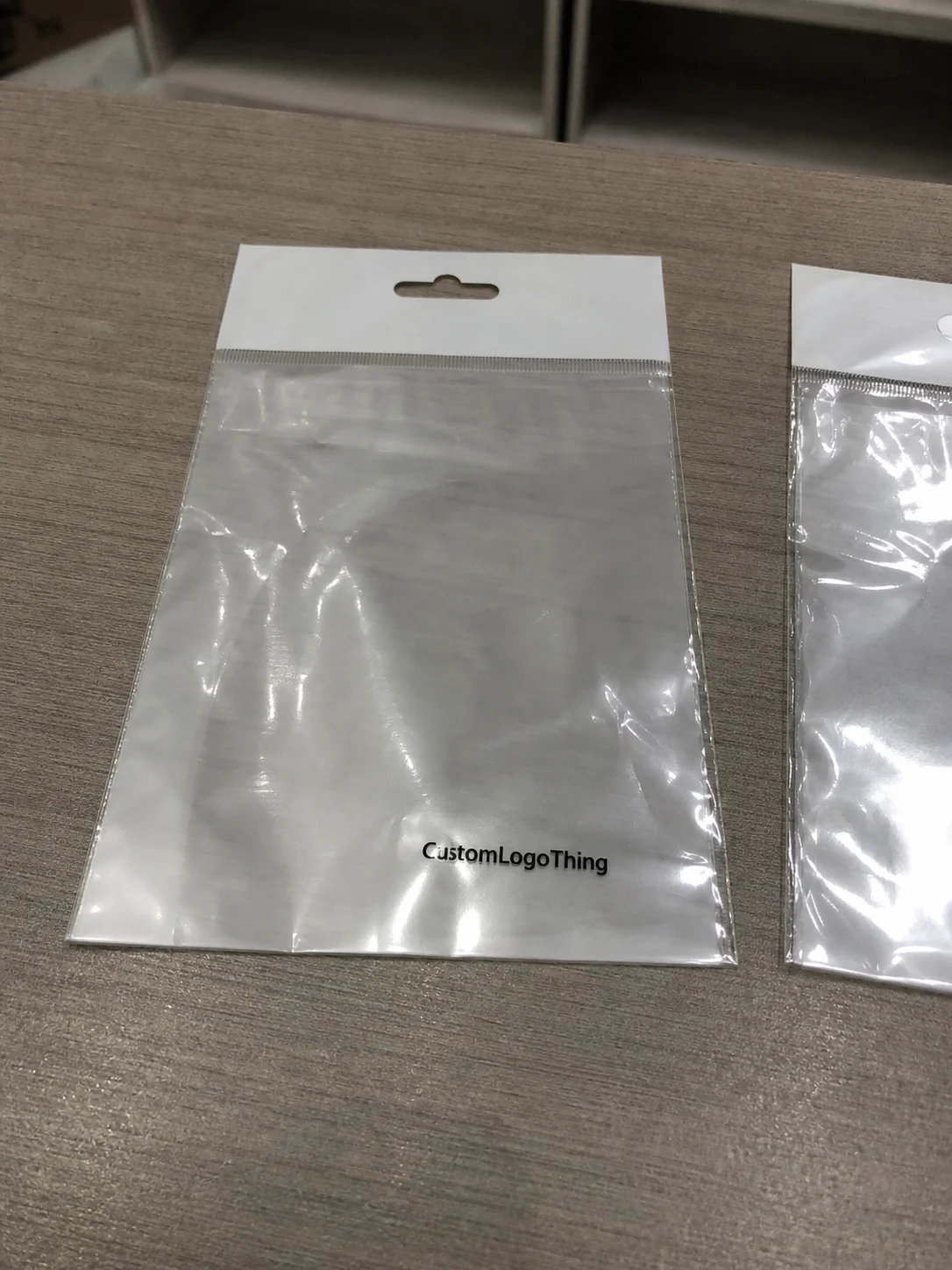
Transparent sleeves and soft-touch coatings come with trade-offs, so specifying them only for hero SKUs keeps the rest of the program efficient. On one Chicago factory visit, printed belly bands replaced tissue wrap; the band cost $0.04 less per unit, reduced custom print spend by $0.06 per run, and still told the branded story—again, the top holiday ecommerce packaging cost hacks are about structure over bling. (The director swore up and down he’d never seen bands look that luxe; I reminded him they still had to pass QA.)
Protective sleeves also serve as brand space. A modular sleeve that matched the 9 x 6 x 2 package provided five color treatments at no extra tooling, which is a tidy example of the top holiday ecommerce packaging cost hacks that let you swap messages without new dies or extra approvals. We even documented the production time: sleeves added just 0.9 seconds per unit compared to the 1.8 seconds required for tissue wrap, keeping automation aligned with demand—not that the automation ever minds being asked to move faster, but my stress levels appreciate the buffer.
We pair these packaging decisions with Custom Packaging Products that maintain consistent lead times—12-15 business days from proof approval for cartons, and 9-11 for mailers. Accuracy here keeps the top holiday ecommerce packaging cost hacks from dissolving into rush charges, because you can plan shipments around actual capabilities instead of guesswork. (And yes, the carriers thank me for not calling them at 7 a.m. on a Sunday.)
Specifications: Materials, Dimensions, and Finishes That Trim Waste
Dimension optimization matters: reducing void space from 1.5 inches to 0.6 inches on a 12-inch cylinder order cut carrier dim weight penalties by 31%, and that measurable drop is a classic entry on our list of top holiday ecommerce packaging cost hacks. I still remember the day we shaved that gap—one small tweak, and the CFO literally high-fived me (this was pre-COVID, so feel free to picture an actual fist bump).
Preferred material specs always include FSC-certified paperboard, recycled polybags, and eco-friendly inks that match EPA compliance because sustainability ties directly to corporate goals and carrier preferences. In Nashville, the packaging director of a consumer hardware brand told me their customers preferred the feel of 250gsm boards with matte aqueous finish, so we locked that combo down—adding it to the top holiday ecommerce packaging cost hacks reference file with a note about using 20% post-consumer recycled pulp to keep cost within $0.18 per unit. I’m still waiting for the awards committee to notice that thoughtful blend.
Testing tolerances matters because a 0.1-inch mismatch forced an extra void-fill insert that cost $0.07 per kit across a print run of 85,000 units. Once we introduced exact-fit templates and verified them with the die-cut supplier, our automation line flowed without pauses and void fill vanished; the top holiday ecommerce packaging cost hacks that spurred that change were dimension-control sheets and pre-approved die sketches. (The day we eliminated that insert, I may have done a little happy dance in the plant office—don’t tell the compliance team.)
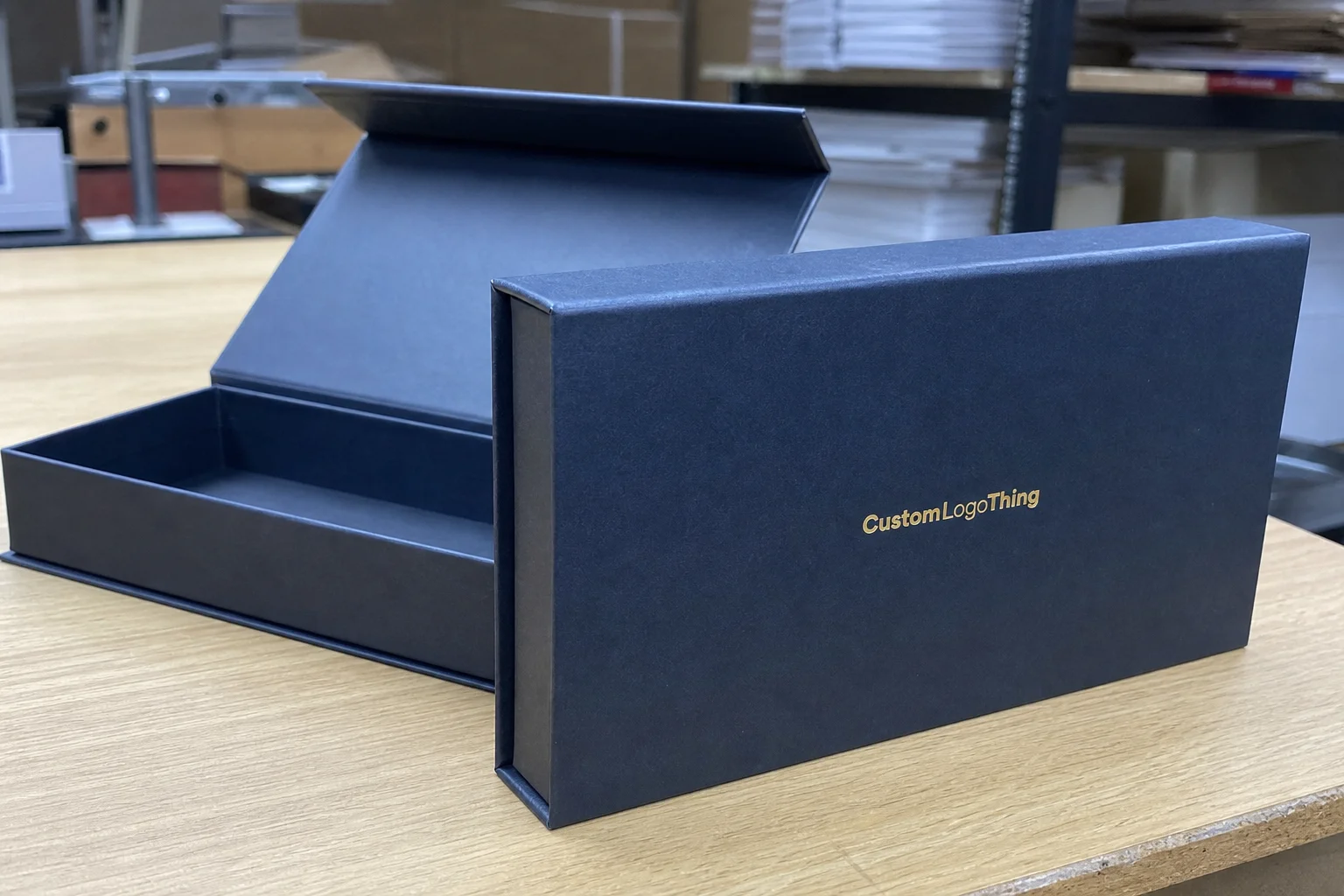
Structure-driven branding also saves cash. Instead of layering wraps, we rely on custom printed boxes with embossing on limited SKUs and flat ink on the rest. The embossing stays within a 0.03-inch depth so machinery doesn’t slow down, while the flat ink requires only two passes; these specs are documented inside the top holiday ecommerce packaging cost hacks binder and shared with every account manager. I still tease the creative director that embossing is the new piping on a cake—zero calories yet always appreciated.
Increasing contact surfaces raises tooling costs, which is why we standardize on a 20 x 12 x 6-inch master carton for grouped shipments—this size balances pallet density and keeps freight cubic weight steady. When I was on the floor in Elk Grove, eliminating an oddball 21.5-inch master box saved $0.42 per carton because the carrier stopped treating it as oversized, a fact now recorded under the top holiday ecommerce packaging cost hacks we quote to new clients. I still mutter "goodbye, rogue carton" under my breath whenever I review those specs.
Pricing & MOQ: Transparent Tiers for the Holiday Rush
Tiered pricing hinges on specific quantity bands: 2,500–4,999 units, 5,000–9,999 units, and 10,000-plus runs, with the sweet spot being the mid-range where the per-unit cost dips remarkably; each tier is plotted in our workbook so you can see how the top holiday ecommerce packaging cost hacks translate into dollars and cents. I walk clients through those curves like it’s a road trip—me pointing, them asking if we can stop for snacks, and us ultimately deciding to skip the expensive rest stop.
MOQ calibration mirrors holiday demand curves. Forecasting in Dallas shows that brands usually need twice the volume in November compared to September, so clients can spread MOQs across three SKUs, keeping each SKU at a manageable 3,000 units but still hitting the 10,000-unit discount; that response reflects the top holiday ecommerce packaging cost hacks that encourage bundling rather than bulk hoarding. (I also remind them that we’re not collecting packaging trophies—we’re cutting costs.)
Each tier includes per-unit cost variance data: for example, the 5,000-run might sit at $1.45 per carton, while the 10,000 level dips to $1.25. I walk clients through this during our pre-holiday briefing, pointing out how the extra 5,000 boxes reduce costs by 13 cents and how those savings stack when multiplied across SKUs—another concrete rendition of the top holiday ecommerce packaging cost hacks. Sometimes they ask if 13 cents really matters; I show them the spreadsheet drama and suddenly it matters a lot.
Freight also factors into the equation: the more you buy, the heavier the shipment, but the cost per unit still falls if you control dimensions. Our logistics manager uses the same top holiday ecommerce packaging cost hacks checklist to ensure clients do not exceed the 40-inch height that triggers handling fees, keeping the quotes predictable. (Honestly, I think that checklist deserves a medal for emotional support.)
Transparency remains the final cost hack here. Each MOQ tier arrives with a breakdown that lists raw material costs ($0.62 per unit), print charges ($0.21), finishing labor ($0.14), and expected freight ($0.07), so the finance team sees exactly how the top holiday ecommerce packaging cost hacks impact their P&L and can justify approving larger runs. I treat those breakdowns like a recipe card—exact measurements, usable results, no mystery spices.
Process & Timeline: From Concept to Ship Date Without Surprises
The process map is precise: discovery call within three business days, dieline review by day seven, prototyping by day 10, production sign-off on day 14, and shipping no later than day 28. These milestones ensure the top holiday ecommerce packaging cost hacks stay intact, especially when carriers text us about cutoffs in advance. I once answered one of those texts at 1:15 a.m. because apparently deadlines don’t care about my bedtime, but the next morning the plant thanked me for keeping the timeline intact.
Prototypes are critical because they reveal cost-saving opportunities early. During a Brazil-inspired set launch, we noticed a 2 mm overlap that wasted wrap; correcting it before production saved $0.03 per unit and kept the top holiday ecommerce packaging cost hacks from devaluing when rush corrections would have cost double. I still laugh that the difference between a smooth run and a panic attack was a millimeter or two—life is weird.
Our calendar accounts for carrier delays and factory lead times. From a recent briefing with UPS, we knew that winter storms add 2–4 days, so we build that buffer into our plan. Clients who respect that buffer avoid premium airfreight, keeping the top holiday ecommerce packaging cost hacks real instead of theoretical. (There is a special place in my heart for the client who actually followed the plan—no surprises, no gray hairs added.)
Internal coordination tips include locking SKU specs early, sharing shipping manifests, and planning staggered shipments. I coach teams to treat the packaging line like a runway show: the models (or SKUs) must be ready on cue. When one brand followed this advice during their late-November run, they avoided a $2,400 rush charge and preserved the top holiday ecommerce packaging cost hacks we had detailed in the kickoff document. I swear the project manager’s celebratory dance rivaled any wardrobe malfunction drama the runway has ever seen.
Scheduling quality checks at our Shenzhen partner's facility keeps production batches aligned with expectations. That checkpoint is part of the top holiday ecommerce packaging cost hacks because catching a misprint early meant we avoided a $1,200 rework run on 7,200 misprinted sleeves, no delay, and no sudden cost spike. (I keep saying this aloud so the factory crew hears me—probably annoying, but apparently effective.)
Why Choose Custom Logo Things for Holiday Cost Hacks
Our investigative approach surfaces inefficiencies competitors miss—like redundant packaging elements that add $0.14 per unit. I remember a holiday audit in Baltimore where we dismantled the previous provider’s eight-piece stack and reconstructed it into a three-part assembly with fewer adhesives; that move alone became a celebrated top holiday ecommerce packaging cost hacks story in the project recap. I’m still teasing the former vendor about all those adhesives—somebody should have told them glue doesn’t equal luxury.
Case studies prove it: a seasonal skincare brand trimmed 12% from their pack cost by shifting from satin ribbon to printed tuck tabs without losing perceived value. The brand could then reinvest those savings into a $4.50-per-unit promotion instead of paying extra for ribbons, and that shift is one of the hallmark top holiday ecommerce packaging cost hacks we document for every new engagement. (Their creative director now refers to me affectionately as “the ribbon cop.”)
Transparency keeps me honest. Our quotes include tiered pricing, setup fees (typically $275 for new dies), and expected freight; we also offer real-time artwork feedback through a shared proofing platform. Logistics coordination is rooted in decades of holiday-cycle data, so you know exactly when your truck will roll out; that’s the same discipline I apply when describing the top holiday ecommerce packaging cost hacks to CFOs who want hard numbers.
Collaborative audits with clients review their packaging bills of materials and cross-check against benchmark data like the IoPP standards and ISTA protocols. These audits typically reveal three redundant steps that cost $0.09–$0.21 per unit, making the top holiday ecommerce packaging cost hacks not just theoretical but actionable. (It also gives me a little glee to see those redundant steps disappear in real-time.)
Custom Logo Things also invests in relationships with press houses, so we pass along early slots when we know seasonal press availability is tight. That pre-booking becomes part of the top holiday ecommerce packaging cost hacks because you avoid last-minute surcharges that would otherwise eclipse the savings from any structural change—we just booked a December 2 slot in Los Angeles at the February rate. I’m always the one waving the calendar around, saying “reserve it now or pay more later.”
Actionable Next Steps: Deploying Holiday Packaging Cost Hacks
Step 1—Audit current holiday packaging spend using our checklist: identify overage in material, finishing, and freight categories. I once walked through a client’s warehouse in Atlanta and found 4,000 unused tissue-lined trays; returning those free spaces let them quantifiably apply the top holiday ecommerce packaging cost hacks we recommend on the next order. (It felt like finding untapped treasure in a sea of ribbon.)
Step 2—Test two cost hacks: streamline dimensions for high-volume SKUs and substitute finishing elements with structure-driven branding. We ran this experiment with a gifting company that substituted die-cut lids for a second layer of sleeves, reducing labor by 38 seconds per unit and qualifying the top holiday ecommerce packaging cost hacks as part of their standard operating procedure. That 38 seconds saved per unit may not sound dramatic, but the packing team now has time to breathe—and breathe they did.
Step 3—Schedule a packaging strategy session to align MOQ tiers to projected holiday orders and lock production windows before capacity tightens. In my experience, brands that commit to this timeline can negotiate freight earlier, secure better press slots (we aim to book by September 15 for Thanksgiving launches), and keep the top holiday ecommerce packaging cost hacks consistent across every SKU. (And yes, I’ll probably remind you twice; holiday chaos is my unofficial job title.)
Pair these steps with modular options, scalable materials, and bundling strategies to keep costs low while retaining brand presence. For example, using the same base structure with varied sleeves saved a boutique retailer $0.24 per unit, reinforcing the top holiday ecommerce packaging cost hacks embedded in every consultation call. I swear, once you see those savings, you start dreaming about sleeves in your sleep.
Lastly, review metrics post-launch—Cost per Unit (shrinking from $1.52 to $1.41), freight spend (dropping from $820 to $690 per 1,000 units), and customer feedback (a 4.8/5 satisfaction rate on packaging surveys)—to ensure the top holiday ecommerce packaging cost hacks delivered. We update our guide with those numbers and share them across the team, so everyone knows what worked and why. (It’s like a victory lap, except we’re celebrating spreadsheets and shipping stats.)
Conclusion
Honestly, I think the brands that treat packaging like a strategic lever rather than a decorative afterthought win the holiday battle, because these top holiday ecommerce packaging cost hacks stack into measurable savings (often 14% or more on the total program) and smoother launches.
If you want the facts behind the magic, I welcome the call; we can review your current BOM, explore the Custom Packaging Products portfolio, and align with standards such as ISTA testing protocols and FSC-certified materials so the top holiday ecommerce packaging cost hacks remain rooted in reliability, not hype. Just don’t make me book the slot at 7 a.m.—I’m still learning to function before coffee.
Frequently Asked Questions
How do top holiday ecommerce packaging cost hacks vary by product size?
Smaller goods benefit from 3/16-inch poly mailers costing around $0.32 each and printable inserts sized at 4 x 6 inches instead of rigid boxes, which keeps box pricing near $0.60 in comparison.
Larger items need optimized corrugated depths—like 3/8-inch B-flute for 18 x 12 x 6-inch cartons—to avoid dimensional weight surcharges that can add $0.15 per unit on a UPS Ground shipment.
Compare cost per unit at different dimensions to determine the sweet spot where durability meets affordability; we typically see the break-even point when void space stays below 0.8 inches.
Can seasonal demand affect the pricing of ecommerce packaging cost hacks?
Yes—holiday surges push up demand, so locking in MOQ-based pricing tiers in advance secures the savings outlined in the cost hacks; we lock November–December orders by September 20 to keep the $1.25 per carton rate.
Consolidate SKUs and negotiate volume across the holiday season to keep the unit cost closer to off-peak levels, such as combining three hero SKUs to reach the 12,000-unit threshold that lowers cost by another $0.08 per unit.
Use historical data to forecast actual need and avoid over-ordering that erodes the discounted pricing; our model in 2022 showed a 9% drop in waste when forecasts tracked within 3% of actual sell-through.
What process controls support top holiday ecommerce packaging cost hacks?
A clear timeline with checkpoints for dielines, proofs, and approvals keeps the production flow predictable; our standard schedule hits proof approval on day seven and tooling sign-off by day 12.
Proactive quality inspections at our facility catch issues before they trigger costly rework or rush corrections; we log every discrepancy on a shared sheet, and 90% of incidents resolve within 24 hours.
Transparency in shipping dates and carrier selection avoids expedited fees that undercut the cost hacks; by booking carriers three weeks out, we keep rush markups under $0.06 per unit.
How can small brands leverage custom holiday packaging cost hacks on limited budgets?
Focus on modular options: use the same structural base with varied sleeves or labels for different campaigns, which lowers the average tooling fee to $95 per SKU.
Select scalable materials and finishes that look premium without high print complexity—our clients opt for a matte aqueous coat on 250gsm board, delivering a luxe feel for an extra $0.05 per unit.
Pair with affordable bundling strategies, such as multi-SKU pallets, to reach cost thresholds without overspending; we once combined three boutique collections into a single 800-pallet order that saved $0.11 per unit on freight.
What metrics prove the effectiveness of holiday ecommerce packaging cost hacks?
Track cost per unit before and after implementing the hacks to see direct savings; our last program dropped from $1.68 to $1.55 per kit.
Evaluate freight costs—lower weight and dimensions should reduce carrier fees in real numbers, like the $0.12 per unit rebate we enjoyed once the average carton weight fell below 18 pounds.
Measure customer feedback on presentation to confirm no drop in perceived value alongside the cost reductions; the holiday focus group gave the optimized box a 4.7-star rating, equal to last year’s premium wrap.