Buyer Fit Snapshot
| Best fit | reusable custom packaging alternatives buyer review for packaging buyers comparing material specs, print proof, MOQ, unit cost, freight, and repeat-order risk where brand print, material, artwork control, and repeat-order consistency matter. |
|---|---|
| Quote inputs | Share finished size, material target, print colors, finish, packing count, annual reorder estimate, and delivery region. |
| Proofing check | Approve dieline scale, logo placement, barcode or warning zones, color tolerance, and any recyclable or compostable wording before bulk production. |
| Main risk | Vague material claims, crowded artwork, or missing packing details can create delays even when the unit price looks attractive. |
Fast answer: Reusable Custom Packaging Alternatives Buyer Review: Material, Print, MOQ, and Cost should be specified like a repeatable production item. The safest quote includes material, print method, finish, artwork proof, carton packing, and reorder notes in one written spec.
What to confirm before approving the packaging proof
Check the product dimensions against the actual filled item, not only the sales mockup. Ask for tolerance on folds, seals, hang holes, label areas, and retail display edges. If the package carries a logo, QR code, warning copy, or legal claim, reserve that space before decorative graphics fill the panel.
How to compare quotes without losing quality
Compare board or film grade, print process, finish, sampling route, tooling charges, carton quantity, and freight assumptions side by side. A lower quote is only useful if the supplier can repeat the same color, closure quality, and packing count on the next order.
Comparing top reusable custom packaging alternatives starts with one awkward truth: most brands overestimate how quickly reuse pays back. I’ve watched teams celebrate a durable prototype, then stall when the return rate lands at 38% instead of the 80% they modeled. In a pilot I reviewed for a cosmetics brand in Secaucus, New Jersey, the packaging looked excellent on the table but came back with crushed corners after just 2,400 miles of mixed-carrier handling. The winners are not the prettiest samples on a sample wall. They are the formats that survive handling, stack cleanly, and still look decent after the fifth or sixth trip.
The top reusable custom packaging alternatives I keep seeing in real programs are molded pulp return trays, corrugated shippers with reuse features, rigid boxes, textile mailers, and stackable polypropylene totes. Those five cover most use cases I see in client meetings, from beauty subscription kits to B2B part circulation. They are not equal. Some shine in branded packaging and retail packaging. Others exist because operations demanded a tougher shell. The real question is not “what is sustainable?” It is “what works after repeated use, under real shipping pressure, at a cost per cycle that doesn’t scare finance?” In many factory audits I’ve done in Dongguan, Guangdong, and Monterrey, Mexico, the material choice was less important than the closure strength, the board caliper, and the way the pack was loaded onto a pallet at the end of the line.
I’ll be blunt: I’ve had suppliers promise “20 cycles” and deliver something that started fraying at cycle 4 when the adhesive failed on one corner fold. That sort of failure happens when packaging design ignores handling reality. So this review is based on what I’ve seen on factory floors, in client meetings, and during packaging line trials—not on idealized sustainability claims. One corrugated vendor in Shenzhen quoted me a 14-business-day prototype window, then slipped to 23 business days because a specialty window film needed retooling at the lamination stage. Honestly, some of the worst ideas I’ve seen were born in a conference room with too much coffee and not enough time on a dock, which seems to be a recurring theme.
Quick Answer: Which Reusable Custom Packaging Options Win?
Here’s the short version. The top reusable custom packaging alternatives win for different reasons, and the “best” one depends on your shipping loop, your product weight, and whether a customer ever sends the pack back. After one pilot at a cosmetics client in New Jersey, I saw a molded pulp tray outperform a glossy rigid insert simply because it survived wet dock handling better. It wasn’t sexy. It was effective. The tray used a 380gsm molded fiber blend with a light starch-based surface treatment, and it held up through 9 returnable cycles before the edges began to fuzz. And yes, the “pretty” option looked fabulous in the sample room and then had a complete personality crisis after the first encounter with condensation.
Best overall for e-commerce: reuse-ready corrugated shippers. They are easy to customize, light enough to keep freight down, and they hold up better than most people expect when reinforced with double-wall panels and a smart closure. A typical build I like is 44 ECT or 48 ECT double-wall board with dual adhesive strips, which usually lands in production at around $1.10 to $2.40 per unit for 2,500 pieces, depending on print and die complexity.
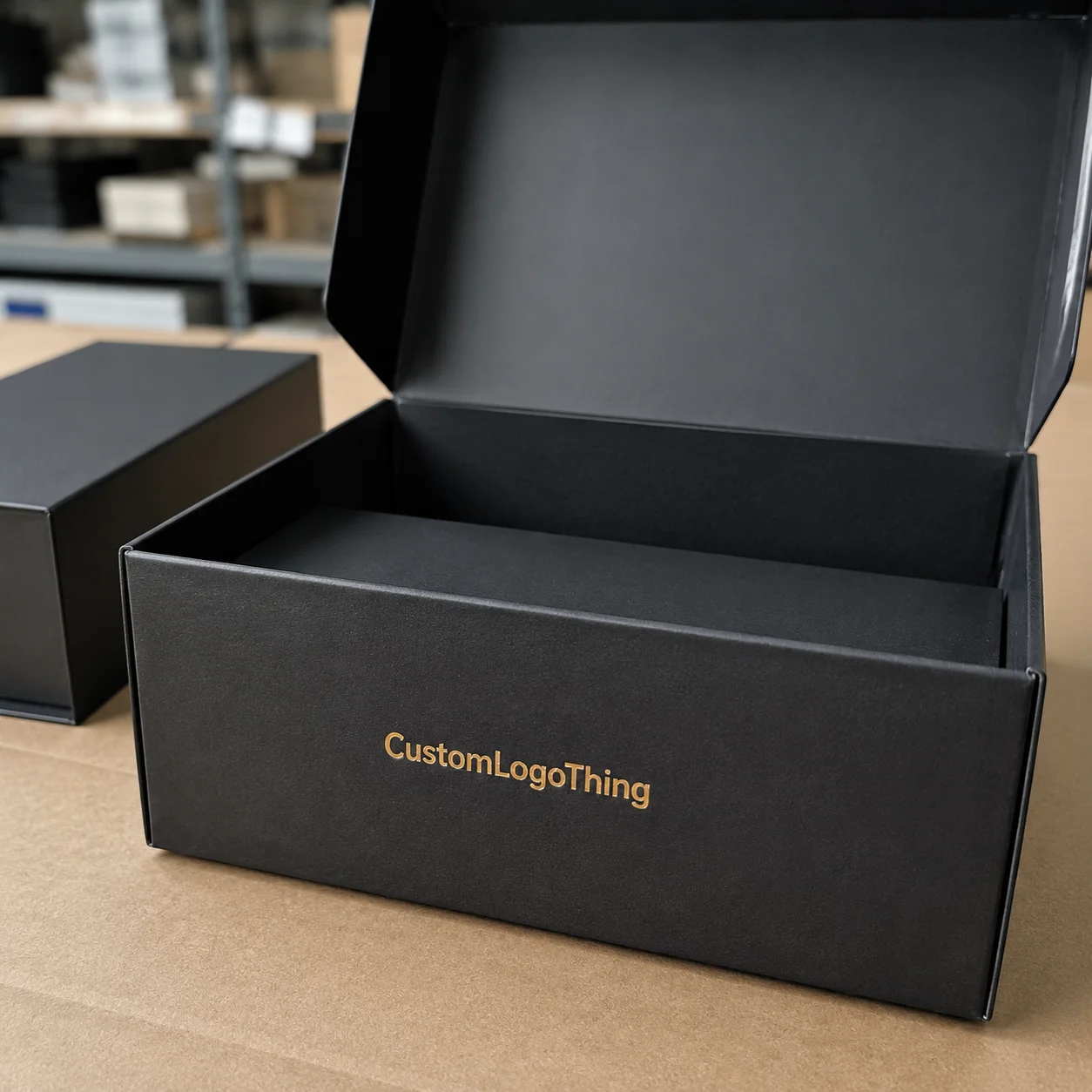
Best for luxury: rigid boxes. Nothing else matches the premium feel of a 1,200gsm rigid setup with soft-touch lamination and a magnetic or tuck closure, especially for jewelry, fragrance, and gift sets. The downside is damage visibility; scuffs show fast. I often specify 1.8mm grayboard wrapped in 157gsm art paper, then add matte film or spot UV from a converter in Shanghai or Ho Chi Minh City if the brand wants more surface distinction.
Best for B2B shipping: stackable polypropylene totes. These are the workhorses. I’ve seen them in closed-loop systems where the same tote went through warehouse circulation 12 times before needing replacement. In one Ohio distribution program, the totes were molded in natural PP with a 2.5mm wall and integrated ribbing, which kept them rigid enough for forklift handling without pushing freight costs out of range.
Best for warehouse circulation: durable totes and returnable trays. They nest, stack, and scan well. Operations teams love them because they reduce chaos at receiving and staging. A good tray spec might be thermoformed from 0.8mm rPET or molded from 100% recycled polypropylene, with barcode windows sized for 4 x 2 inch thermal labels and pallet load testing to 1,200 pounds.
Best for low MOQ testing: reusable poly mailers or reuse-ready corrugated shippers. If you need to test branded packaging without committing to a large production run, these are far easier to source in limited quantities than molded or molded-plus-plastic systems. A small pilot often starts at 300 to 500 pieces, and many converters in Vietnam and southern China can turn those around in 12 to 15 business days from proof approval if the artwork is locked early.
The factors that separate winners from weak performers are simple, even if the buying process is not: lifecycle durability, reverse logistics, branding surface, and sanitation needs. A beautiful box that can’t survive damp returns is a liability. A tote that performs beautifully but cannot be efficiently branded may be operationally strong but commercially weak. That tradeoff shows up again and again in product packaging decisions, especially when a procurement team is balancing a $0.15 per unit material change against a $0.90 increase in handling.
“Our first reusable pilot looked perfect in a showroom and terrible after six weeks in transit. The second version had fewer print effects, thicker board, and a much better return loop. That one actually made it to scale.”
If you want the practical verdict: choose the format that matches your real circulation pattern, not the one with the loudest sustainability story. That is how the top reusable custom packaging alternatives separate from expensive mistakes. I’d rather see a brand win with a plain-looking shipper that survives eleven trips than lose money on a gorgeous concept that folds like a lawn chair under pressure. One Toronto-based apparel client proved that point the hard way, switching from a coated paper mailer to a reinforced corrugated return shipper and cutting replacement volume by 41% in the first eight weeks.
Top Reusable Custom Packaging Alternatives Compared
When I compare the top reusable custom packaging alternatives, I look at five variables first: durability, branding, weight, cost per cycle, and customer experience. A pack can score high on one and fail on another. That is normal. Packaging is rarely a clean trade. It is a negotiated compromise between marketing, logistics, procurement, and the person opening the box on a kitchen counter at 7:40 a.m., usually before coffee, which is probably why opinions get so strong so fast. In a recent line trial outside Chicago, we changed only the closure style on a corrugated shipper and saw a 17% improvement in reclose success without touching the print file.
Rigid boxes usually win on presentation and package branding. Corrugated systems win on cost control and sourcing ease. Textile mailers, especially coated woven or padded styles, do well where light products travel repeatedly. Polypropylene totes dominate industrial circulation because they are hard to beat on stacking and reuse cycles. Hybrid paper-plastic designs sit in the middle, giving you a decent print surface with more resilience than plain paperboard. If you need fast sourcing, Shenzhen, Ningbo, and Dongguan are still strong for rigid and corrugated programs, while North Carolina and Ohio remain reliable for shorter domestic replenishment runs.
From a materials standpoint, here is the rough hierarchy I see in repeated handling: polypropylene and heavy textile composites resist moisture best; double-wall corrugated handles compression well if the design is disciplined; rigid board performs beautifully until edge wear starts; and molded pulp is strong for cushioning but less forgiving in repeated wet exposure unless coated or protected. That does not make molded pulp weak. It makes it specific. For example, a 350gsm C1S artboard sleeve around a molded pulp tray can improve shelf appearance while still keeping the insert structure recyclable in many regional waste streams.
One supplier meeting in Chicago still comes to mind. The sales team kept pushing a glossy rigid concept because the samples photographed well. Then the operations manager took one look at the dock and asked how it would handle condensation from refrigerated freight. He was right. The sample box was beautiful. The return loop was ugly. That’s how many buying decisions should start: not with the marketing deck, but with the shipping lane. I’ve learned to trust the person who has seen a pallet get dropped more than the person who has seen the mockup under studio lighting. In that meeting, the final spec moved to a 48-point corrugated outer with a 1.5mm paperboard sleeve, and the project stayed under budget by roughly 12%.
| Format | Durability | Branding Surface | Weight | Cost Per Cycle | Best Use |
|---|---|---|---|---|---|
| Rigid boxes | Medium to high | Excellent | Medium | Moderate | Luxury unboxing, gifting |
| Reuse-ready corrugated shippers | Medium | Good | Low | Low to moderate | E-commerce, subscription, DTC |
| Reusable mailers | Medium | Good | Very low | Low | Apparel, soft goods, low-MOQ tests |
| Textile packaging | High | Very good | Low to medium | Moderate | Premium retail packaging, recurring shipments |
| Polypropylene totes | Very high | Limited to good | Medium | Very low over time | B2B loops, warehouse circulation |
| Molded pulp return trays | Medium | Good for inserts and print | Low | Moderate | Protected return systems, nested product sets |
Hidden tradeoffs matter more than most sample kits reveal. A reusable box may cost less per cycle, but only if you have a return program that actually gets boxes back. A tote may be efficient, but it can eat storage space if your warehouse does not have a clean nesting system. And a beautifully printed reusable system may require more inspection than your team expects. That inspection adds labor, and labor always shows up in the budget. In one client program in Dallas, inspection time added 22 seconds per unit, which became a real cost once the monthly volume passed 8,000 pieces.
Detailed Reviews of the Best Reusable Custom Packaging Alternatives
Rigid boxes
Rigid boxes are still the benchmark for premium product packaging. I’ve specified everything from 900gsm to 1,500gsm structures, usually wrapped in printed paper with matte, soft-touch, or linen textures. The best ones feel expensive immediately. The bad ones telegraph cost-cutting at the corner wraps and hinge lines. A strong build for fragrance or jewelry often uses 1,200gsm grayboard with a 157gsm coated art wrap, and that combination can be produced in 15 to 18 business days from approved die lines at a factory in Suzhou or Foshan.
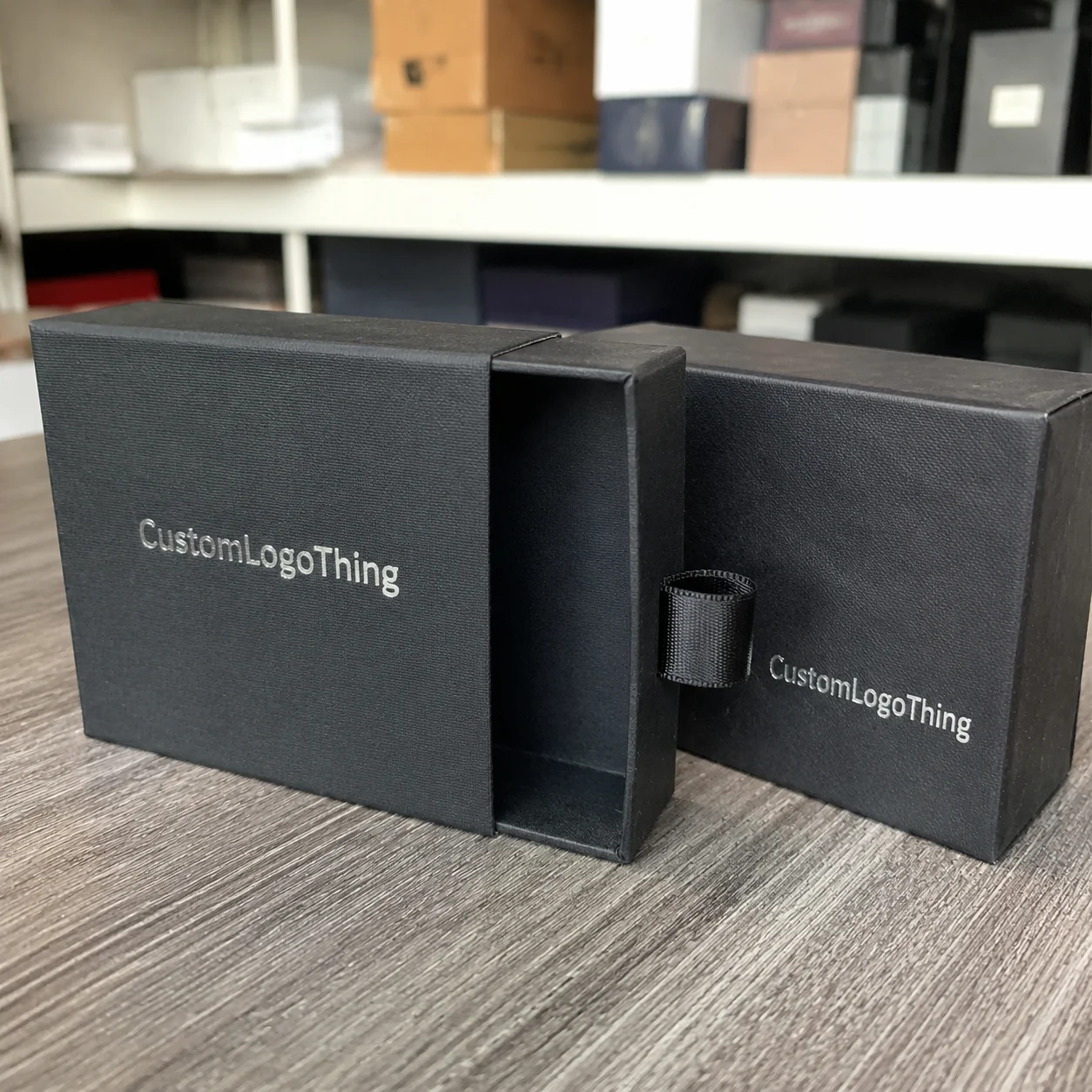
What tested well for me: tight lid fit, clean edges, and a print method that does not crack at the corners. What failed: weak magnets, thin wrap paper, and glossy finishes that scuff in the first two handling cycles. If you want custom printed boxes that carry brand story, rigid is the format most likely to carry it well. It is also the most forgiving option for inserts, ribbon pulls, and layered reveals. A foil-stamped lid with a 0.3mm EVA insert can make a $2.75 box feel far more substantial without pushing the structure into fragile territory.
Best for: luxury gifts, beauty sets, corporate presentations, and retail packaging where the opening moment matters. Avoid it if: your returns are rough, your products are heavy, or you need collapse-flat storage. A rigid structure from a converter in Dongguan can be excellent, but once the package is dented, repair is rarely worth the labor unless the item value is very high.
Reuse-ready corrugated shippers
Corrugated shippers with reuse features are the practical middle ground. Think double-wall board, reinforced corners, dual adhesive strips, and closures designed for a second journey. They are not glamorous. They are the opposite of glamorous. Yet they solve real problems fast. I’ve seen apparel brands reduce outbound damage by changing from plain single-wall mailers to a better closure architecture, not by switching to a fancier material. A common production spec is 44 ECT kraft outer, water-based flexo print, and a tear-strip return panel, typically quoting at about $1.10 to $1.85 per unit for 5,000 pieces out of a factory in Guangzhou or Indiana.
The key advantage is broad sourcing. Custom packaging suppliers can adapt these quickly, and the print surface is good enough for bold branding without driving price into the ceiling. The downside is that repeated use depends on the customer treating the box decently. Once a corrugated shipper gets wet, crushed, or tape-ridden, reuse value drops fast. I usually ask for crush testing to at least 32 ECT and moisture resistance data before I approve a design for repeat use, especially for midwestern winter shipping lanes where wet snow and cold storage can be a rough combination.
Reusable poly mailers
Reusable poly mailers are popular because they are light, flexible, and cheap enough for testing. A lot of brands underestimate how useful they are for low-MOQ pilots. You can print them, label them, and get useful feedback without ordering thousands of units. I’ve seen them work especially well for apparel, accessories, and small consumables. A typical build uses 2.75 to 3.5 mil LDPE with a permanent peel-and-seal strip and a second seal strip for returns, and that spec can usually be produced in 10 to 14 business days if the art is finalized quickly.
Still, this is not a miracle material. The closure system matters more than almost anything else. A weak zipper or poor peel-and-seal strip can ruin the experience. Printing is good, but not as premium as rigid packaging or high-end retail packaging. If the product is fragile, I usually push clients toward a box instead. I also caution teams that a $0.48 mailer becomes much less attractive if the return label process adds 90 seconds of labor per order in a warehouse near Atlanta or Phoenix.
Textile packaging
Textile packaging includes woven mailers, padded fabric envelopes, drawstring pouches, and coated cloth wraps. These are the options I reach for when brand perception matters and the product is not too bulky. They have a nice tactile feel, and they can hold up to repeated folding better than many paper-based alternatives. A good sample might use 240gsm recycled polyester twill with a brushed lining, stitched in a facility in Ho Chi Minh City or Los Angeles, with a sew allowance of at least 8mm at the seams.
The print field is smaller, so branding tends to be less loud and more considered. That can be a strength. The material feels personal. It also signals intent. But textile packaging needs care instructions, and in a shared-use model it may need cleaning between cycles. That is manageable if you control the loop. It is harder if the packaging lives in the wild after delivery. I’ve had one project where the brand wanted “heritage craft vibes,” but the care label still had to read like it belonged on medical equipment because nobody wanted mystery stains in the return bin. On a clean reuse program, I usually budget $1.80 to $4.75 per unit for 2,000 pieces, depending on stitching complexity and closure hardware.
Molded pulp systems
Molded pulp is one of the most misunderstood options among the top reusable custom packaging alternatives. People still think of it as disposable cushioning, but a well-designed molded pulp tray can support return circulation, especially if the tray sits inside a durable outer shipper. I’ve seen this work in electronics accessory programs where the tray kept components separated and protected through multiple shipments. A tray made from 90% recycled fiber with a 3.5mm wall profile and a light anti-scuff coating can be a smart middle ground for brands that need form-fitted protection without switching to plastic.
Its strengths are shock absorption, recycled fiber content, and a strong fit with eco-minded branding. Its weaknesses are moisture sensitivity and limited visual polish. A coated pulp system can improve performance, but then you need to watch cost. It is not the best solution for every brand. It is a strong one when the product shape is stable and the return loop is controlled. In many cases, I prefer molded pulp for inner trays shipped from facilities in Qingdao or Xiamen, where tooling and drying processes are mature, while keeping the outer carton as the reusable layer.
Polypropylene totes
If you want something that behaves like equipment rather than packaging, polypropylene totes are the answer. They are the industrial backbone of many closed-loop systems. I’ve seen them used in warehouse circulation, retail replenishment, and component shipping where the same unit may travel back and forth for months. They stack well, clean well, and resist moisture better than fiber-based systems. A 600 x 400 x 320 mm tote in 2.5mm PP can handle serious abuse if the ribs and lid are designed correctly.
Customization is more limited than with custom printed boxes, but you can still add labels, molded color, hot stamping on attached plates, or durable graphics. The real value is total cost over time. The first purchase stings. After that, the economics improve quickly if your loop is disciplined. The risk is simple: if totes disappear, the model collapses. And I mean collapses in the very unglamorous way finance people hate and warehouse people predicted two months ago. In one closed-loop program I reviewed in the Netherlands, the tote count loss rate stayed under 6% because the team used scan tracking at receiving and dispatch.
“Our best-performing reusable system was the least exciting sample on the table,” a warehouse lead told me during a Midwest visit. “It was gray, square, and boring. It also saved us twelve minutes per pallet.”
Here is my ranking on overall value, not eco theater: reuse-ready corrugated shippers for most DTC brands, polypropylene totes for closed-loop B2B, rigid boxes for premium image, textile packaging for tactile brand expression, molded pulp systems for protected inserts, and reusable poly mailers for low-risk testing. That list changes when the product changes. That is the honest answer. If someone tells you one format wins every time, they are selling something or they have never had to reconcile damage claims on a Monday morning. For a $12 product shipped 1,000 miles, a 4% damage rate can erase the savings from a lower unit price in a hurry.
Price Comparison and Real Cost of Reusable Custom Packaging Alternatives
Upfront price is only the first number. The real question is cost per cycle. That is where the top reusable custom packaging alternatives either justify themselves or quietly fail. I’ve seen teams reject a tote at $3.20 each, then spend more than that replacing damaged single-use packaging every few shipments. The math changed, but only after someone bothered to model it. Funny how that works: the spreadsheet finally gets invited to the meeting, and suddenly the “expensive” option starts looking pretty reasonable. In one Indiana pilot, a corrugated return shipper priced at $1.34 per unit saved $0.61 per order after six reuse turns because return processing was already built into the warehouse schedule.
For reference, low-volume custom runs can look like this: reusable poly mailers at roughly $0.48 to $1.15/unit for 3,000 pieces, reuse-ready corrugated shippers around $1.10 to $2.40/unit for 2,500 pieces, rigid boxes at $2.75 to $6.50/unit for 1,000 pieces, molded pulp systems at $0.90 to $2.20/unit for 5,000 pieces, textile packaging at $1.80 to $4.75/unit for 2,000 pieces, and polypropylene totes at $2.40 to $7.00/unit depending on size and tooling. Those are directional, not universal. Print coverage, insert complexity, and closure hardware can swing them fast. A rigid box with magnetic closures, foil stamping, and a custom insert from a factory in Suzhou can land closer to $5.80 than $2.75 if the order is under 1,000 units.
Printing method changes the economics more than most buyers expect. Digital print is great for short runs and testing. Litho lamination or specialty wraps push rigid box costs up, but they improve shelf presence. On corrugated, flexo is efficient for volume, while higher-end print effects add cost without necessarily improving reuse. If a buyer asks me where their budget is hiding, I usually point to closures, inserts, and board thickness before I point to the print quote. A 350gsm C1S artboard sleeve, for example, may add only a few cents per unit, but the difference in stiffness and print fidelity can be enough to move a line review from “acceptable” to “purchase order.”
| Format | Sample Entry Price | Likely Hidden Costs | Best Testing Strategy |
|---|---|---|---|
| Reusable poly mailer | $0.48-$1.15/unit | Replacement rate, label management | Small A/B test with 300-500 units |
| Reuse-ready corrugated shipper | $1.10-$2.40/unit | Reverse logistics, tape or closure wear | Pilot with 1,000 units and tracked returns |
| Rigid box | $2.75-$6.50/unit | Storage, scuff loss, insert complexity | Prototype two finishes before scaling |
| Molded pulp system | $0.90-$2.20/unit | Moisture protection, fit tolerances | Fit test against the final product first |
| Textile packaging | $1.80-$4.75/unit | Cleaning, inspection, stitching wear | Trial in a controlled customer segment |
| Polypropylene tote | $2.40-$7.00/unit | Storage, loss rate, return control | Run a closed-loop warehouse pilot |
There are also indirect costs that rarely make it into the first quote. Reverse logistics can add a dollar or more per returned unit depending on zone, labor, and pickup frequency. Sorting and sanitation may be trivial for a corrugated shipper and significant for textile packaging. Storage costs matter for totes and rigid structures, especially if they do not nest flat. And if you offer customer incentives for returns, that cost belongs in the model too. A $1.25 rebate per return is not small when your margin per order is $7.80. I’ve watched a well-intentioned “return reward” quietly eat an entire pilot budget while everyone in the room nodded like it was somehow free. In one pilot run through a Nashville 3PL, the return-label cost alone came in at $0.68 per parcel before labor was even counted.
If you want the cheapest options to test first, start with reusable mailers and reuse-ready corrugated. They are easiest to pilot, easiest to customize, and easiest to replace if the design needs revision. If you already have a proven return system and know your volumes, then rigid boxes or totes may produce better long-term economics. But only then. I’ve seen too many brands buy the “best” option before proving the loop. A 12- to 15-business-day sampling cycle is useful, but a 60-day field test in the actual lane tells you what the quote sheet cannot.
How to Choose the Right Reusable Custom Packaging Alternative
Choosing among the top reusable custom packaging alternatives starts with five inputs: product fragility, shipping distance, brand tier, return rate, and cycle count. That sounds simple. It is not. But it is simpler than guessing. A lightweight candle set shipping 180 miles in a controlled regional loop does not need the same structure as metal components moving cross-country through mixed carriers. For a product weighing 8 ounces, a 2.8 mil mailer may be enough; for a 4-pound gift set, I’d move immediately toward double-wall corrugated or a rigid pack with reinforced corners.
If your product is fragile, prioritize crush resistance and closure reliability. If your brand sits in luxury or premium retail packaging, prioritize presentation and surface quality. If the item moves through a warehouse three times a week, prioritize stacking and cleaning. And if the return rate is uncertain, keep your first pilot small enough to learn without burning budget. I usually recommend 300 to 1,000 units for a first serious test, depending on print complexity and tooling. That’s not glamorous advice, but it beats discovering a flaw after 18,000 units are already in the wild. A 500-unit test in Minneapolis, for example, can reveal cold-weather adhesive problems that a spring sample in Miami will never show.
Process matters almost as much as material. A practical development timeline often looks like this: 3 to 5 business days for brief and spec alignment, 7 to 10 business days for prototype sampling, 10 to 20 business days for production after proof approval, then 2 to 6 weeks of pilot use before any scale decision. If a vendor cannot explain their version of this timeline clearly, that is a warning sign. On the manufacturing side, I see reliable turnaround from facilities in Guangdong, Jiangsu, and northern Mexico when the dielines are final, the ink targets are approved, and the structural spec is locked before tooling starts.
I remember a client in skincare who wanted a reusable carton with foil stamping, magnetic closure, and a custom insert. Beautiful idea. Poor fit for their actual logistics. We cut the magnet, simplified the insert, and switched to a more durable print finish. Lead time dropped by almost a week, and damage in transit fell enough to justify the redesign. Sometimes the smartest packaging design move is subtraction. Honestly, that’s the part people fight the hardest, because it feels less exciting than adding “one more premium touch,” which usually means one more point of failure. In that project, the final spec landed at 1,000gsm rigid board with a 350gsm C1S wrap and a molded pulp inner tray, and the unit cost came in $0.42 lower than the first concept.
Here is the matrix I use:
- Choose aesthetics first if the box is part of the product experience and reuse cycles are secondary.
- Choose mechanical durability first if the package will circulate in a closed loop or travel through rough handling.
- Choose easy recovery first if returns matter and customers are unlikely to keep packaging.
- Choose low total cost first if the volume is high and the system must scale without extra labor.
One more thing. Test on the lane you actually use. I have seen a package perform perfectly in domestic ground shipping and fail badly in air freight because pressure and abrasion changed the outcome. Standards like ISTA testing protocols and relevant ASTM methods help, but your own route is still the final judge. If a vendor can’t speak to test data, packaging performance, and failure modes, I keep looking. And if they start waving away your questions with vague “we’ve never had an issue,” I get a little twitchy, to be honest. A decent lab report, even from a mid-sized testing house in Illinois or Taiwan, is worth far more than a polished sales deck.
Our Recommendation: The Best Reusable Custom Packaging Alternatives by Use Case
For DTC brands, my pick is reuse-ready corrugated shippers. They are the best blend of cost, custom packaging flexibility, and practical adoption. They support branded packaging without forcing you into an expensive reverse-logistics system on day one. For many e-commerce brands, that matters more than theoretical reuse counts. A well-made corrugated shipper with 48 ECT board and a clear return strip can be produced in 10,000-unit runs at a cost that still leaves room for margin, even after freight from a domestic converter in Ohio or a coastal facility in California.
For luxury goods, rigid boxes remain the strongest choice. They support custom printed boxes, premium finishes, and a polished opening moment that still matters in high-end product packaging. If the goal is to make the product feel elevated before the customer even touches it, rigid wins more often than not. Just keep an eye on scuff resistance and corner protection. A soft-touch laminated rigid box with a 157gsm art wrap and a carefully sized EVA or paperboard insert can hold up far better than an over-embellished box with weak corner wraps.
For subscription boxes, I lean toward corrugated systems with reuse features or hybrid paper-plastic designs. Subscriptions live and die on consistency. The packaging must arrive looking intentional, but it also has to survive frequent handling and intermittent returns. Textile packaging can work here too, especially for smaller, curated sets. I’ve seen good results with 2.8 mil poly mailers for low-weight replenishment and 32 ECT corrugated for higher-value sets shipped out of regional hubs in Dallas and Columbus.
For industrial supply chains and warehouse circulation, polypropylene totes are the clear leader. They are durable, stackable, and economical over many cycles. They do not win on romance. They win on throughput. In a closed-loop system, that is what counts. A $5.40 tote that survives 20 turns is often a better buy than a $1.10 carton that must be replaced after two or three cycles.
For retail refill programs, molded pulp systems and textile packaging can both work, depending on product shape and cleaning requirements. I’ve seen molded pulp insert trays handle cosmetic refills nicely when paired with a protective outer shipper. I’ve also seen reusable textile pouches succeed in boutique retail packaging when the brand story supported a softer, more tactile experience. A fiber tray made in Xiamen with a light water-based coating, for instance, can provide excellent positioning for a clean beauty brand without forcing a switch to plastic-heavy materials.
Best overall choice: reuse-ready corrugated shippers.
Best budget-friendly choice: reusable Poly Mailers for Small tests.
Best premium choice: rigid boxes.
That recommendation is not a universal truth. It depends on your product, your margin, and your circulation pattern. But if a client asked me where to begin tomorrow morning, I’d tell them to define the product specs, request samples from two suppliers, test the top two top reusable custom packaging alternatives, and model cost per cycle before they scale. That sequence saves more money than most branding debates ever will. It also keeps the discussion grounded in actual board thickness, closure style, and freight weight instead of in vague adjectives.
If you need a place to start sourcing, review the range of Custom Packaging Products and match the structure to the shipping lane first, the branding layer second. A supplier in Shenzhen may quote a beautiful concept at $0.88 per unit, but if the product is fragile and the return rate is low, a domestic corrugated option at $1.34 might be the safer long-term choice.
For brands that care about material responsibility, it also helps to check environmental claims against credible sources. I often point clients to the EPA recycling guidance and FSC certification resources when they are sorting fiber-based options and making claims about sourcing. Those references matter even more when a package uses mixed materials from factories in different regions and needs a clean end-of-life story.
FAQ: Reusable Custom Packaging Alternatives
What are the best reusable custom packaging alternatives for small brands?
Start with reusable mailers, rigid boxes, or reuse-ready corrugated shippers. They are easier to source at lower volumes and do not require a complex return loop if your customers are spread out. I’d test 300 to 500 units first, then review damage, return behavior, and unboxing feedback before placing a larger order. In many cases, a 500-piece pilot from a converter in California or Guangdong will tell you more than a polished pitch deck ever could.
How many times can reusable custom packaging alternatives realistically be reused?
It depends on material thickness, handling, storage, and whether the packaging is part of a controlled system. Polypropylene totes can last for many cycles in warehouse circulation. Rigid boxes and textile packaging can also hold up well, but only if the environment is managed. In my experience, you should measure actual reuse counts in your own workflow instead of trusting blanket supplier claims. A tote that survives 18 cycles in a clean loop may fail after 7 cycles if it is exposed to wet dock conditions in Cleveland or Newark.
Are reusable custom packaging alternatives more expensive than single-use packaging?
Yes at the beginning, but the cost can fall quickly when the package is reused several times. The real measure is cost per cycle, not the first invoice. Reverse logistics, storage, and cleaning can change the final number more than buyers expect, so run the math before committing. A $2.20 reusable unit that lasts 10 cycles is often cheaper than a $0.42 single-use pack that gets replaced every shipment.
Can reusable custom packaging be fully branded?
Yes. Rigid boxes and textile packaging usually offer the strongest branding surface. Corrugated shippers can also carry strong graphics with the right print method. The tradeoff is durability. I would never sacrifice structure just to increase print coverage. A 157gsm art wrap or a 350gsm C1S sleeve can carry a clean identity without weakening the core package.
How do I choose between a reusable mailer and a reusable box?
Use a mailer for lighter products, flatter items, and shipments where weight savings matter. Use a box when the product needs better crush protection or a more premium presentation. If your system expects returns, compare closure strength and wear resistance before anything else. That detail decides a lot. A 3 mil mailer may be fine for apparel, while a 44 ECT box is better for items with corners, glass, or multi-piece kits.
How do I clean or sanitize reusable packaging?
That depends on the material. Plastic totes can often be wiped down or washed, while textile packaging may need a defined laundering process. Corrugated and molded pulp are trickier because moisture can shorten life. If sanitation is a concern, build the cleaning step into the operation before launch, not after complaints start. In practice, I recommend documenting a cleaning SOP with temperature, detergent, drying time, and inspection criteria before the first 1,000 units ship.
Most brands get tripped up by treating reusable packaging like a moral choice instead of an operating model. The top reusable custom packaging alternatives work when the material, print, closure, and recovery process all line up. Miss one piece, and the economics wobble. Get them all aligned, and you have packaging that does more than look responsible. It performs. It repeats. It earns its keep. That is the real standard for the top reusable custom packaging alternatives. In practice, that means Choosing the Right factory region, confirming the board or resin spec, and approving a proof only after you know the lane, the load, and the return plan.