Buyer Fit Snapshot
| Best fit | translucent mailers for branding compared for packaging buyers comparing material specs, print proof, MOQ, unit cost, freight, and repeat-order risk where brand print, material, artwork control, and repeat-order consistency matter. |
|---|---|
| Quote inputs | Share finished size, material target, print colors, finish, packing count, annual reorder estimate, and delivery region. |
| Proofing check | Approve dieline scale, logo placement, barcode or warning zones, color tolerance, and any recyclable or compostable wording before bulk production. |
| Main risk | Vague material claims, crowded artwork, or missing packing details can create delays even when the unit price looks attractive. |
Fast answer: Translucent Mailers for Branding Compared: Film, Closure, Print, and Fulfillment should be specified like a repeatable production item. The safest quote includes material, print method, finish, artwork proof, carton packing, and reorder notes in one written spec.
What to confirm before approving the packaging proof
Check the product dimensions against the actual filled item, not only the sales mockup. Ask for tolerance on folds, seals, hang holes, label areas, and retail display edges. If the package carries a logo, QR code, warning copy, or legal claim, reserve that space before decorative graphics fill the panel.
How to compare quotes without losing quality
Compare board or film grade, print process, finish, sampling route, tooling charges, carton quantity, and freight assumptions side by side. A lower quote is only useful if the supplier can repeat the same color, closure quality, and packing count on the next order.
Top translucent Mailers for Branding can change the feel of a shipment faster than most people expect. A mailer that shows a hint of the product often reads as more premium than one that hides everything, because the package starts telling the brand story before the customer even opens it. The material, the haze level, and the way the logo sits on the film all shape that first impression.
That matters most for DTC apparel, accessory launches, subscription drops, and social-first unboxings. In those settings, top translucent mailers for branding do more than protect a parcel; they shape customer perception, strengthen brand recognition, and make the shipping experience feel deliberate instead of generic. A well-chosen mailer can carry more design weight than a stack of inserts ever could.
This review is built around practical criteria, not supplier slogans. I am looking at visual impact, privacy, seal strength, scuff resistance, durability in transit, and whether top translucent mailers for branding still look clean after handling, sorting, and normal shipping abuse. That means real warehouse conditions, not a perfect sample on a white table.
For packaging buyers, that is the real test. A translucent finish has to balance reveal and restraint: enough opacity to keep the contents from feeling exposed, enough clarity to preserve the unboxing experience, and enough structure that the bag does not look tired the moment it leaves the warehouse. The best options hold their shape, protect the product, and still look composed after the trip.
Top Translucent Mailers for Branding: Quick Answer
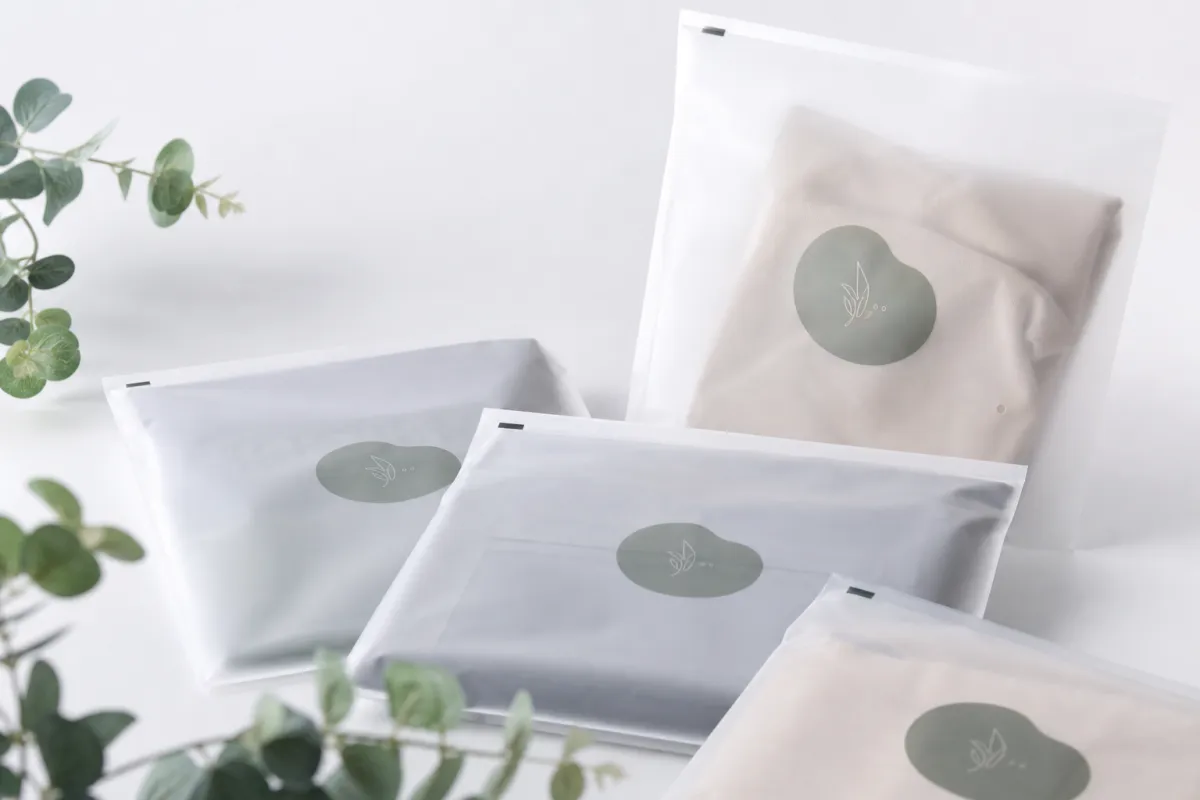
If you need the shortest answer, top translucent mailers for branding are usually the frosted or milky poly mailers with a 2.5 to 3.0 mil film, a strong self-seal strip, and a print surface that keeps logos crisp. They suit brands that want a hint of product color or shape without losing privacy entirely. For most growing labels, that balance is the one that feels polished without getting fussy.
Honestly, I think that is the sweet spot for most growing labels. The best top translucent mailers for branding make the parcel feel controlled and intentional, not flashy. They work especially well for apparel, beauty tools, small accessories, and curated bundles where the exterior packaging needs to support the brand identity rather than compete with the product. You get enough reveal to create interest and enough restraint to keep the shipment looking clean.
Where they outperform opaque bags is simple: they add depth. A dark printed logo on frosted film can look architectural, while a product silhouette behind the bag can create a subtle reveal effect that improves the unboxing experience. That kind of visual branding often costs less than a heavy full-color print job, yet it can lift perceived value in a way plain white poly seldom does. The visual texture alone can make a shipment feel more considered.
Best means more than appearance here. For this review, the winning top translucent mailers for branding are the ones that hold their seal, resist edge tears, survive surface rub in transit, and still look presentable after a few bumps in a sortation system. That is where buyer expectations and shipping reality meet. A pretty bag that splits at the corner is not a branding asset.
There is also a privacy line you should respect. If the product inside is sensitive, highly varied in color, or prone to showing seams and tags, the top translucent mailers for branding category still works, but you may need a darker print block, an inner sleeve, or a more frosted finish. Not every translucent mailer should be treated the same. A good match between product and film keeps the reveal controlled.
A package can be quiet and still feel premium. The best translucent mailers do not scream for attention; they frame the product, protect the shipment, and make the brand look like it understands materials.
One more practical point: if your packaging program already uses inserts, stickers, or hang tags, the mailer has to coordinate with the rest of the system. That is why many teams pair Custom Labels & Tags with translucent mailers, or build the whole kit from Custom Packaging Products so the finish, typography, and color story stay consistent. A tidy outer shipper and a coherent inner system usually read as more premium than one isolated branded element.
For transit testing logic, I like to think in terms similar to ISTA packaging test methods: drop resistance, vibration tolerance, and closure reliability matter more than a glossy product shot. If the bag fails in shipping, the branding never gets a chance to work. Packaging earns its place by surviving the route first, then looking good second.
Top Translucent Mailers for Branding Compared
The cleanest way to compare top translucent mailers for branding is by opacity level, thickness, print compatibility, adhesive performance, and minimum order quantity. That framework tells you more than a generic “good, better, best” chart because packaging buyers rarely choose a mailer on appearance alone. The numbers matter, but so do packing speed, freight volume, and how the material behaves when staff are moving quickly.
| Mailer type | Opacity feel | Typical thickness | Best use case | Typical MOQ | Indicative unit price |
|---|---|---|---|---|---|
| Frosted translucent poly mailer | Soft reveal, high-end | 2.5-3.0 mil | Premium apparel and boutique launches | 5,000+ units | $0.22-$0.38 each |
| Milky translucent poly mailer | Moderate blur, balanced privacy | 2.5-3.2 mil | Multi-SKU brands and subscription mailings | 3,000+ units | $0.18-$0.32 each |
| Clear translucent mailer | Highest visibility | 2.0-2.5 mil | Accessories, flat textiles, color-driven brands | 5,000+ units | $0.16-$0.28 each |
| Printed translucent mailer with white ink | Controlled reveal | 2.5-3.0 mil | Brand-forward launches and social content | 10,000+ units | $0.26-$0.45 each |
| Recycled-content translucent mailer | Usually softer and less glossy | 2.8-3.5 mil | Eco-led positioning and corporate buyers | 5,000+ units | $0.24-$0.42 each |
That table hides an important truth: the same translucent finish can look elevated on one brand and cheap on another. A minimal logo on frosted film usually feels intentional. Busy artwork on a cloudy bag can feel like the printer missed the mark. Top translucent mailers for branding reward restraint, contrast, and clean layout discipline. The more the design breathes, the better the material usually performs.
For bulk orders, the milky translucent option often wins because it balances price and presentation. For premium positioning, the frosted and white-ink printed formats usually justify their higher cost if your customer base posts unboxings or expects a polished first impression. And for brands that ship light textiles or flat items, clear translucent mailers can be strong performers as long as the contents are visually tidy. The right choice depends less on trend and more on the product sitting inside the bag.
My rule of thumb is simple. Pay more for material quality, seal performance, and print clarity. Do not pay extra for features that sound impressive but rarely change the customer experience, such as overly decorative seam treatments or unnecessary multi-layer effects. The best top translucent mailers for branding are usually the ones that solve three jobs at once: protect, present, and photograph well. Anything beyond that should earn its keep.
Brands that want a cleaner privacy balance can also pair a translucent outer mailer with a label-forward system. A strong outer bag and a precise label application often deliver a better result than trying to force every detail into the film itself. That is especially true for small runs with Custom Poly Mailers where a simple logo and one or two color blocks do more work than a complex print layout. In practical terms, fewer moving parts often means fewer production headaches.
Detailed Reviews of the Best Translucent Mailers
Here is where top translucent mailers for branding start to separate into real use cases. I am not treating these as universal winners. Instead, I am reading them like a packaging buyer would: how they handle tear pressure, whether the adhesive strip stays flat, what the surface does under friction, and how the printed side behaves once the bag is filled. The details sound small until a warehouse shift exposes them.
Frosted translucent poly mailer
The frosted style is the safest premium pick. It tends to hide enough of the contents to preserve privacy, yet it still gives a visual texture that feels more considered than opaque stock. In practice, this is one of the strongest top translucent mailers for branding for apparel, especially when the logo is large, centered, and printed in a dark ink that cuts through the haze. The finish carries confidence without trying too hard.
Strengths: the finish looks intentional, the surface takes branding well, and fingerprints are less obvious than on glossier films. Tradeoffs: if the print is too fine, the translucency can mute it, and the bag can look cloudy if the film quality is low. For brands chasing a refined unboxing experience, that cloudiness is the difference between premium and unfinished. Good frosted film feels soft; bad frosted film looks tired before it ships.
Milky translucent poly mailer
The milky option is the workhorse. It is often the most practical entry point for top translucent mailers for branding because it balances privacy, price, and acceptable visual appeal. The look is softer than clear film, and that softness helps a brand that wants a subtle reveal instead of a full display. It feels approachable, which is useful for brands that ship often and want a consistent package without overdesigning the exterior.
Strengths: strong all-around value, broad print compatibility, and decent mask over product seams. Tradeoffs: it can look generic if the artwork is weak. If the logo is tiny and the color choice is low contrast, the bag is kinda doing the brand a disservice. The fix is usually simple: larger logo placement, cleaner typography, and one bold accent color. Give the film a clear visual job and it usually holds the line.
Clear translucent mailer
Clear translucent bags are the most revealing and the most unforgiving. They can work beautifully for accessories, folded textiles, or products with a strong internal color story, but they expose everything. That makes them the most dependent on product presentation of all top translucent mailers for branding. Every fold, tag, and seam becomes part of the design, which is useful only if your packing discipline is strong.
Strengths: high product visibility, strong shelf appeal in certain categories, and a crisp look when the inner product is tidy. Tradeoffs: privacy is limited, and any wrinkles or asymmetry inside the parcel becomes part of the design. If your packing team is not consistent, the result can slide from polished to messy fast. This is where brand consistency matters as much as print quality. A clear bag can make excellent presentation visible, but it can also expose weak pack-out habits in a hurry.
Printed translucent mailer with white ink
This is the one that usually looks most deliberate on social media. White ink on translucent film can produce a strong contrast that reads well in photos and reinforces visual branding. Among top translucent mailers for branding, this style is often the most striking, but it is also the most dependent on accurate file setup and print discipline. The artwork has to be clean, because the material gives you very little room to hide mistakes.
Strengths: premium visual impact, better logo clarity, and a sharper appearance in content creation. Tradeoffs: higher setup cost, more demanding proofing, and a greater chance of disappointment if the artwork is overcrowded. White ink is not a magic fix. If the composition is weak, the bag will still look busy. Strong spacing and simple typography usually do more for the final result than extra decoration.
Recycled-content translucent mailer
Brands with sustainability messaging often prefer this route, but the finish can vary more than people expect. Some recycled-content films are slightly softer in sheen, which can be attractive; others look uneven. Among top translucent mailers for branding, this is the category where sample testing matters most because recycled feedstock affects both visual tone and seal behavior. It is a category that rewards patience, because the first sample may not tell the whole story.
Strengths: good alignment with eco positioning, often acceptable for B2B buyers, and better storytelling potential if you are documenting packaging choices publicly. Tradeoffs: inconsistent clarity across suppliers, potential wrinkling, and less polish if the bag is overloaded. If sustainability is central to your brand identity, this can be a smart direction, but only if the appearance supports the promise. Buyers will notice if the messaging is ahead of the material.
One useful standard here is testing against transit stress, not just a desk-side inspection. If you want a formal lens, look at ISTA guidance for distribution-focused testing. It is not about overengineering a simple mailer. It is about making sure the package still protects the product after real handling, not just after a perfect pack-out. A sample that survives a desk test but fails a cart run is not ready for production.
For brands that care about certification and responsible sourcing, external supply chain claims should be backed up, not guessed. If you are considering recycled or fiber-based secondary packaging alongside your mailers, FSC certification is worth understanding. The point is not to decorate the spec sheet. The point is to reduce mismatch between the packaging story and what actually lands in the customer’s hands. Customers can feel the difference between a real claim and a lazy one.
My honest verdict: the frosted and printed white-ink formats are the most premium-looking, the milky option is the best balance of cost and flexibility, and the clear translucent bag is the most sensitive to product presentation. That is why top translucent mailers for branding should be chosen by use case, not by whichever sample looks best under a studio light. The right choice depends on the product, the shipment, and the story you want the package to tell.
Pricing, MOQ, and Hidden Costs
Top translucent mailers for branding rarely fail on material cost alone; they fail on hidden add-ons. The headline unit price is only one piece of the equation. Setup fees, plate charges, proofing, freight, and rush production can all move the real landed cost in a way that makes a “cheap” quote more expensive than it first appeared. A budget line looks different once it includes the full run from artwork to dock delivery.
In practical terms, plain stock translucent mailers with labels can start around $0.16 to $0.24 per unit at mid-size quantities, while custom-printed versions often sit around $0.22 to $0.45 depending on print coverage and order size. At 3,000 to 5,000 units, the spread can feel wide. At 10,000 or more, the gap usually narrows, and branding ROI starts to matter more than raw material savings. The bigger the run, the more the packaging experience needs to justify itself.
That is the part many teams miss. If a custom bag improves perceived value, reduces the need for separate inserts, or increases social shares, the slightly higher unit cost can be justified quickly. This is especially true for top translucent mailers for branding in launches where packaging is part of the marketing plan, not a back-office expense. A package that earns attention can create returns long after the shipment lands.
Hidden cost checklist:
- Artwork setup or plate charges, which can add a flat fee even on modest orders.
- Proofing revisions, especially if the brand changes logo placement after seeing the first mockup.
- Freight on bulky pallet shipments, which can be meaningful on large mailer runs.
- Rush fees if your launch window moves and production has to be pushed ahead.
- Sampling, which is worth paying for because one bad color match can ruin a batch.
Here is the practical comparison most buyers need: custom translucent mailers versus plain mailers plus labels. Plain mailers look cheaper on paper, but labels add labor, application time, and a second quality-control step. Custom-printed top translucent mailers for branding can win on labor savings alone if the pack-out volume is high enough and the print area is simple. The savings may not show up in the quote, but they often show up in labor reports.
If your operation ships daily, even a few seconds saved per parcel adds up. If the order volume is smaller or the designs change often, labels can be the smarter move because they reduce lock-in. That is where brand consistency and operational flexibility have to share the same spreadsheet. A lean system is usually the one people can keep up with.
One more note: the most premium-looking translucent mailers usually do not need dense artwork. A strong logo, one accent color, and a clear placement strategy often outperform a complicated print job. Paying more for a cleaner layout is usually smarter than paying more for extra ink coverage that customers barely notice. The goal is visual confidence, not visual noise.
If you want to see how packaging decisions affect the rest of the presentation, browse Case Studies for examples of how brands coordinate outer packaging, labels, and inserts. The pattern is consistent: the more deliberate the system, the stronger the customer perception. Good packaging usually feels connected, not crowded.
Process and Timeline: From Artwork to Delivery
The timeline for top translucent mailers for branding usually starts with quote requests, then moves into artwork review, proof approval, production, inspection, and shipping. That sounds simple. It rarely is. The part that slows things down is almost always the file stage, not the machine stage. Once production starts, delays often come from questions that should have been settled earlier.
If your artwork is not production-ready, expect delays. Missing bleed, low-resolution logos, unsupported fonts, or unclear placement instructions can add days. When the proof comes back, another common delay appears: the brand wants to move the logo a little, darken the background, or widen the print block. That seems minor, but it resets the approval clock. A small edit can ripple through a whole schedule.
For sampling, many buyers can get a small run quickly, but full production needs more patience. A typical custom order for top translucent mailers for branding may take around 12 to 20 business days after final proof approval, plus freight time. Larger orders or specialty finishes can take longer, especially if the order needs custom color matching or heavier print coverage. Once the specs get more specific, the timeline usually stretches with them.
Seasonal launches deserve extra slack. If the product drops near a holiday or a peak retail window, build in buffer time for revision, freight disruption, and quality checks. That extra week is often the difference between a launch that feels coordinated and one that arrives with packaging after the product is already live. Late packaging can make an otherwise strong launch look unfinished.
There is also a practical sequencing issue. If you are pairing translucent mailers with labels or branded inserts, confirm all components before production begins. A lot of teams treat packaging as separate purchases, then discover the mailer shade clashes with the label stock. That is a preventable problem, and it weakens brand recognition fast. Matching the parts before production starts saves time and protects the final look.
For brands moving from plain stock packaging to custom, I recommend ordering two or three samples, checking them under bright indoor light and near a window, and then running a tiny pack-out test. Does the adhesive hold? Does the bag scratch? Does the logo still read after the product is inside? These questions matter more than a catalog image ever will. Real handling tells you more than polished photography.
In a launch plan, the safest order of operations is: artwork finalization, sample approval, production sign-off, and then freight booking. That order protects both the schedule and the budget. It also keeps top translucent mailers for branding from becoming a last-minute scramble. A clean sequence usually costs less than a rushed one.
How to Choose the Right Translucent Mailer
Choosing among top translucent mailers for branding is easier if you start with the product, not the packaging. Weight, shape, color, sensitivity, and shipping distance all matter. A 6-ounce apparel shipment has different packaging needs than a boxed accessory set or a beauty kit with multiple components. The mailer should fit the parcel, not force the parcel to fit the mailer.
For lighter products, a thinner milky or frosted mailer may be enough. For heavier or more angular items, I would move up in thickness and prioritize seam strength over cosmetic finesse. If the parcel travels long distances or passes through more handling points, the extra durability is worth more than a slightly more transparent look. Shipping stress exposes weak film faster than any product photo ever will.
Privacy is the next filter. If the customer should only see a hint of the contents, choose a heavier frosted finish. If the product color is part of the brand story, a clearer finish can help. That is why top translucent mailers for branding are not one product family so much as a set of visual strategies. The finish should match how much you want the customer to know before opening the bag.
Artwork choice matters just as much as material choice. Bold logos, high-contrast typography, and minimal layouts tend to work best. Fine line work often disappears. Busy gradients can muddy the surface. White ink can be excellent, but only if the brand leaves enough breathing room around the logo and avoids trying to print a brochure on a bag. The strongest layouts usually look simpler than teams expect.
For brands that want more structure in the system, the outer mailer should coordinate with secondary branding touches. A package built from Custom Labels & Tags, a simple insert, and a translucent outer bag often feels more intentional than a single loud print that fights with everything else. That coordination supports visual branding and helps the whole shipment feel coherent. The parts should sound like the same brand, not three different ones.
Test your samples under real conditions before committing. Fill the bag with the actual product, seal it, shake it, stack it, and check it again after a day in storage. Then look at it under bright retail lighting and in a plain warehouse setting. Top translucent mailers for branding can look elegant in one environment and ordinary in another. You need to know both. A sample should pass the room test and the route test.
If you are deciding between more transparency and more privacy, think about customer expectations too. Beauty buyers often prefer a cleaner reveal, while apparel buyers may tolerate more visibility if it makes the product color pop. The best answer is not universal. It depends on how the packaging supports the product story, the brand identity, and the shipping profile. Good packaging follows the product, not the other way around.
Our Recommendation and Next Steps
My recommendation is straightforward. The best overall choice among top translucent mailers for branding is usually the frosted translucent poly mailer for premium-looking apparel and accessory brands. The best budget-friendly pick is the milky translucent mailer because it balances price, privacy, and a clean enough look for high-volume shipping. The best premium branding choice is the printed translucent mailer with white ink, provided the artwork is simple and the brand wants strong social visibility. Each one serves a different kind of customer experience.
If you are still deciding, request two or three samples and compare them under the conditions your parcels actually face. Put the product inside, seal each bag, and check the bag after handling, stacking, and a short period in storage. This is the fastest way to separate polished top translucent mailers for branding from samples that only look good on a desk. The sample that survives rough handling usually deserves the order.
Then compare how each option photographs. A mailer that looks flat in person may still perform well on a product page if the logo reads clearly and the finish catches light in the right way. A mailer that looks dramatic in a studio may reveal too much or scuff too easily in shipping. That is why I prefer a small pilot order before scaling. Photography matters, but shipping behavior matters more.
If your brand is in a launch phase, use the pilot to validate more than appearance. Check delivery damage rates, packing speed, customer feedback, and whether the package supports repeat purchase behavior. The right top translucent mailers for branding should improve the shipping story without creating operational friction. If they do both, you have the right pack. A good mailer should make life easier for the team and more memorable for the customer.
For a broader packaging refresh, review Custom Packaging Products and compare your outer mailer with inserts, labels, and tape so the whole experience feels connected. The brands that win here are rarely the loudest; they are the ones that make every touchpoint look intentional. Consistency usually does more brand work than drama.
My final advice is simple: choose based on order size, launch timing, and the role packaging plays in your customer journey. If the mailer is just a shipper, keep it efficient. If it is part of the brand promise, invest in the finish. That is the practical way to select top translucent mailers for branding without wasting money on features your customers will never notice. A smart choice fits the product, the budget, and the story all at once.
What makes translucent mailers for branding better than standard opaque poly mailers?
They create a more intentional unboxing experience because the product silhouette or color can become part of the design. They can also make simple branding feel more premium without requiring a full-color print job, which helps smaller brands strengthen brand recognition without overcomplicating production. The package feels designed instead of purely functional.
How opaque should top translucent mailers for branding be to protect privacy?
Choose a finish that blurs product details at arm's length while still showing enough texture or shape to feel premium. Test the mailer with the actual product inside under bright indoor light and near a window. If the contents are sensitive, add an inner bag, tissue wrap, or a darker printed area behind the logo. That extra layer can preserve privacy without losing the translucent effect.
Are custom translucent mailers for branding more expensive than plain mailers?
Usually yes, because custom printing, setup, and proofing add cost. The price gap can shrink on larger orders, especially when branding replaces separate labels or inserts. The more useful comparison is landed cost versus perceived value, since packaging can influence conversion and repeat orders. A stronger package can return value in ways a basic quote will not show.
How long does it take to produce translucent mailers with branding?
Timeline depends on proof approval, order size, and whether the artwork is production-ready. Samples are often faster than full production, but custom orders still need buffer time for setup and quality checks. Plan extra time if the design uses special ink, multiple print areas, or a tight launch window. Good planning keeps the production schedule from turning into a bottleneck.
What artwork works best on translucent mailers for branding?
Bold logos, strong contrast, and simple type usually read best on translucent material. Designs with too much fine detail can get lost once the product is inside the mailer. White ink, dark ink, and restrained layouts tend to perform better than busy, full-bleed graphics. Clean spacing usually does more for the final result than another layer of decoration.
If you are ready to decide, the most practical next step is to order two samples, pack the real product, and compare seal strength, privacy, and logo clarity after handling. That one test usually tells you more than a dozen mockups, and it is the fastest way to Choose the Right mailer without guessing.


