People ask about toy gift boxes cost as if there is one neat number hiding somewhere. There usually isn’t. Price moves with structure, board grade, print coverage, finishing, inserts, and how much abuse the box needs to survive between packing and retail. A simple folding carton with 4-color offset print, aqueous coating, and no insert can land around $0.18-$0.55 per unit at 1,000 MOQ. A premium rigid gift box with wrapped greyboard, foil, embossing, and a custom insert can run $2.50-$4.00 per unit at 500 MOQ. Lead time changes the math too: standard production is often 18-22 business days after sample approval, plus shipping.
In packaging procurement, the low quote is often the one that costs more later. A box can be cheap per unit and still turn expensive if it crushes in transit, slows packing, or shows scuffs before it reaches the shelf. I have seen buyers save a few cents and then spend days sorting damaged stock. That is not a bargain. It is a delayed bill. The real cost needs to include assembly time, rework, freight cube efficiency, and the pass rate at final inspection, not just the printed unit price.
The better question is not, "What is the cheapest box?" It is, "What build protects the toy, stays inside budget, and still feels right in a parent’s hand or on a store shelf?" That question usually gets you a straighter answer and a better box. If the pack uses textile elements such as fabric handles, ribbon pulls, or soft-touch liners, ask for GOTS or OEKO-TEX Standard 100 paperwork where it applies. If the box uses recycled board or recycled polyester inserts, ask for GRS documentation. If factory social compliance matters, WRAP or BSCI audit records are worth checking.
Toy Gift Boxes Cost: Why Cheap Boxes Usually Cost More
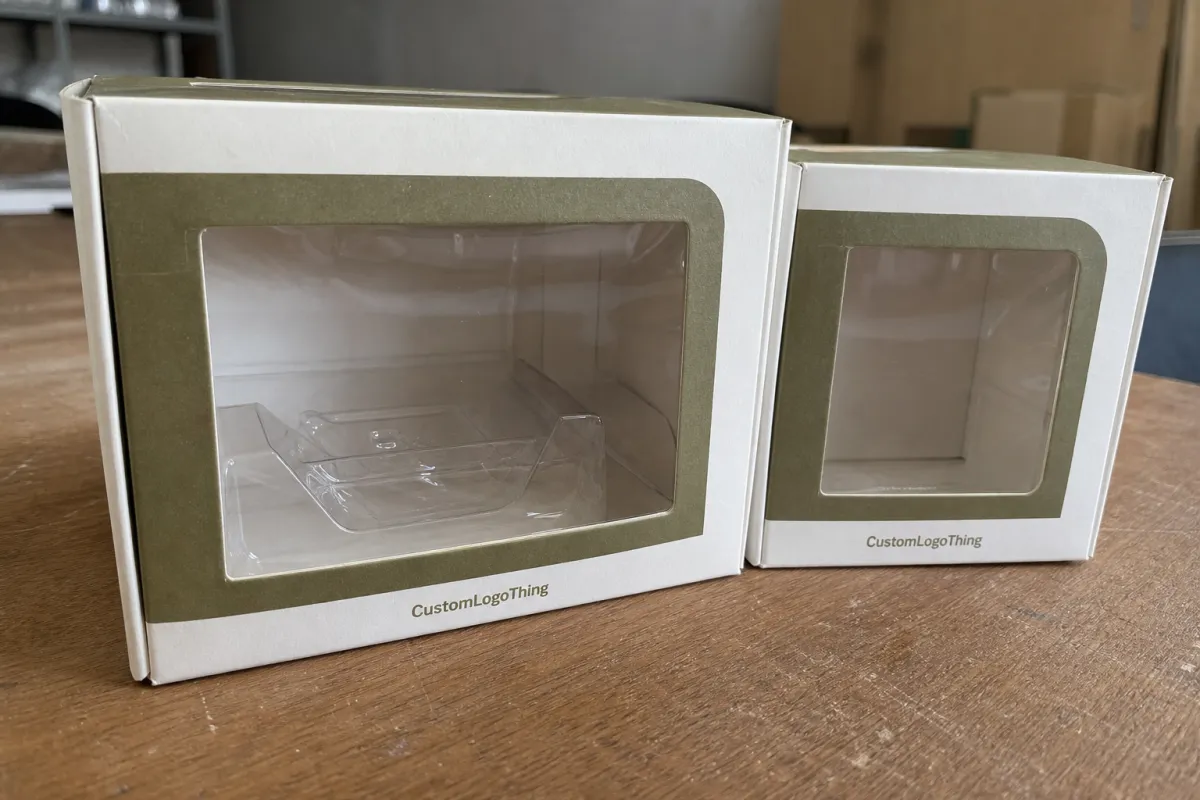
The blunt answer is this: toy gift boxes cost goes up when the box is built to do its job properly. That is not a flaw in the pricing. It is the actual cost of materials, tolerances, and labor. A flimsy carton may trim a little off the quote, but if the toy shifts in transit, the corners crush, or the closure fails, the savings disappear fast. A 350gsm SBS carton with a tight die-cut, 1.5mm greyboard insert, and matte lamination will cost more than a lightweight CCNB sleeve, but it also gives you better rigidity, cleaner folding, and fewer packing defects.
The hidden costs usually show up in three places. First is rework. If the box is undersized, the tray is loose, or the tuck flap will not hold, operators spend time fixing the problem by hand. Second is returns and replacements. Retailers do not want dented lids or scratched windows, and neither do customers. Third is brand damage. Packaging is part of the product experience, especially for toys, where the unboxing moment can decide whether a gift feels special or just ordinary. On a production line, even a 2-3 second slowdown per pack can turn into real labor cost over 5,000 or 10,000 units.
A better-made box can actually lower total spend. That sounds backward until you look at the line. Clean die-cuts speed assembly. Better board reduces crush damage. A tighter structure can remove filler material. Once those savings stack up, toy gift boxes cost stops looking like a fixed line item and starts looking like an operations decision. A well-set carton also runs better on common equipment such as Heidelberg or Komori offset presses, automatic die-cutters, folder-gluers, hot-stamp machines, and UV coating lines, which helps keep output steady once the file is approved.
A box that saves two cents and creates a return is not saving money. It is just postponing the expense.
Cheap can be expensive.
Retail presentation matters too. A toy gift box with crisp edges, consistent color, and a finish that matches the price point makes the product feel intentional instead of improvised. That matters for holiday gift sets, collector pieces, and educational toys that need to look credible before they are even opened. A small upgrade in board quality or print finish can lift the whole pack without blowing up the budget. If color needs to stay tight, ask for Pantone targets up front, and if the design includes a window, specify PET thickness and the adhesion method so the window does not peel in hot or humid freight conditions.
Suppliers can only quote accurately when the spec is clear. For a faster comparison, start with a standard structure from Custom Packaging Products and then decide what truly needs to stay custom. That usually cuts setup time and trims the back-and-forth that slows a price request to a crawl. A standard dieline, known board grade, and a common finish stack make the numbers easier to compare and reduce sampling waste.
A box that folds flat, locks cleanly, or needs fewer motions also saves packing time. On a short run, the difference may feel small. On several thousand units, it adds up quickly. Toy gift boxes cost is not just board and ink. It is also the time your team spends making the packaging cooperate, including carton erection, insert placement, glue cure time, and final bundle packing.
Product Details: Styles, Materials, and Use Cases
Box style exists for a reason, and toy gift boxes cost changes fast depending on the structure you choose. A folding carton usually gives the leanest option for retail toys and mass-market gift packaging. It ships flat, prints efficiently, and keeps the unit cost down once the order size is large enough. A rigid box feels heavier and more premium, but it costs more because of greyboard, wrap material, hand assembly, and more involved finishing. For a lot of projects, the material stack is 250gsm to 400gsm SBS, FBB, or CCNB for folding cartons, and 1.5mm to 2mm greyboard wrapped with 157gsm C2S art paper or specialty paper for rigid packaging.
The most common structures buyers ask for are these:
- Folding cartons work best for lightweight toys, blind-box products, and straightforward retail packs. They are quick to sample and can be priced tightly at 500-1,000 MOQ.
- Rigid boxes suit premium sets, collector items, and gifts where presentation carries real value. Expect more labor, more hand assembly, and a higher sample fee.
- Drawer boxes make sense for modular toys, accessory kits, and packaging that benefits from a reveal moment. A thumb cut, ribbon pull, or pull-tab insert can change the feel without changing the whole structure.
- Sleeve-and-tray is a practical middle ground for gift sets, especially when the tray holds parts securely. It gives more presence than a straight carton but usually costs less than a full rigid box.
Material choice matters just as much as structure. For folding cartons, buyers often choose 250gsm to 400gsm SBS, FBB, or CCNB depending on print quality and budget. For rigid boxes, 1.5mm to 2mm greyboard wrapped with printed art paper is common. If the toy is heavy, has sharp edges, or ships with an insert, the board spec needs to carry that load. Otherwise the box looks great for about five minutes and then starts folding under its own ambition. If sustainability matters, recycled SBS, FSC-certified paperboard, or GRS-certified recycled content can be requested, and a water-based coating or aqueous varnish can reduce the need for heavier plastic lamination.
Print method changes the economics too. Offset printing is usually the right call for strong color consistency and larger runs. Digital printing works for short runs or seasonal tests, but the cost per piece usually stays higher. Spot colors, full flood coverage, and complex artwork raise press time and can affect bulk pricing. If the design only needs a clean base color and a simple logo, keep the art restrained. That is not glamorous advice, but it keeps the job from becoming harder, slower, and more expensive than it needs to be.

