Toy Retailer Compostable Mailers Cost: Pricing & MOQ
Many toy sellers look at a compostable mailer quote and stop at the unit price, yet the real spend usually lives in the whole packing method. For flat toy shipments, toy retailer compostable mailers cost can come in lower than cartons once tape, void fill, extra shelf space, and the labor tied to box assembly are counted together. That is where packaging stops being a line item and starts shaping margin. If the product already has its own retail carton or protective shell, the right mailer keeps the shipment light, tidy, and ready for the customer without paying for materials that never add value.
Blind boxes, card packs, sticker bundles, mini figures, small accessories, and other low-profile items usually fit that pattern. They need moisture protection, dirt protection, and a clean outer finish more than they need a heavy corrugated shipper. From a packaging buyer’s point of view, toy retailer compostable mailers cost should be measured against the full shipped order, not just the price of one bag on a quote sheet. A mailer that costs a little more per unit can still reduce total expense if it shrinks carton size, lowers damage handling, or trims seconds from each pick-and-pack cycle.
Toy Retailer Compostable Mailers Cost: Why the Switch Pays Off
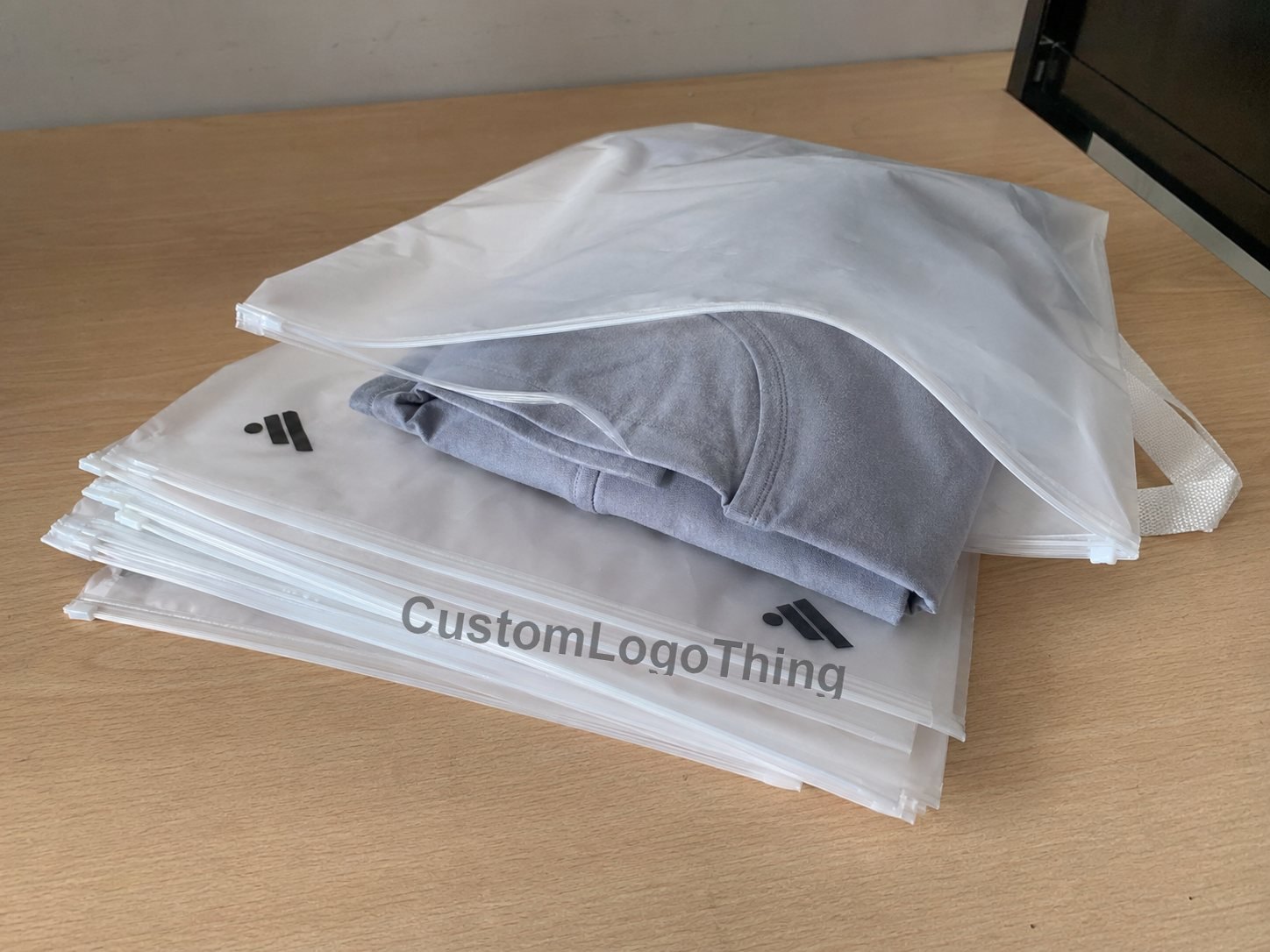
Packaging decisions in toy retail get narrowed down too quickly. A buyer sees a compostable mailer quote and compares it with the cheapest poly option, yet that comparison misses the hidden costs inside the current setup if the order still needs a box, tape, void fill, and extra handling on the packing line. Toy retailer compostable mailers cost makes more sense once the full pack-out flow is visible, because a flat, lightweight shipment can move faster and usually uses less material from end to end.
That matters most when the product already carries structure. Card packs, blind boxes, sealed hobby items, sticker sheets, and small toys in retail cartons tend to need protection from moisture and dirt more than they need a rigid outer shipper. In those cases, toy retailer compostable mailers cost can compare well with corrugated packaging once the time saved at the packing bench is counted in. Faster packing is not just a convenience. It changes labor cost, throughput, and how many orders a team can finish before the shift ends.
The brand side deserves attention too. Toy shoppers often notice the package because the purchase may be a gift, a collectible, or a repeat order, and the outer mailer becomes part of the first impression. A clean printed compostable mailer can support an eco-friendly story without adding much weight, which helps a store lower packaging waste while keeping the unboxing experience polished. If the mailer closes neatly and arrives looking deliberate, it supports the sale instead of distracting from it.
A practical test helps here: if the mailer lets you remove carton fill, shrink the shipping footprint, and cut time from each order, the real value tends to be stronger than the raw unit price suggests. Toy retailer compostable mailers cost should be compared with the full carton-and-tape alternative, not with a bare bag sitting alone in a spreadsheet. That gap is the difference between a sticker price and an operating cost.
A low unit price stops mattering when the pack-out is slow, the shipping format is oversized, or the shipment reaches the customer looking careless. Those hidden costs surface quickly in a busy toy operation.
Stores trying to cut waste without losing presentation can also use compostable mailers to support a circular-economy message that many shoppers understand right away. They do not replace good package design, and they are not a fix for every product type, but they can be a sensible step toward lower waste when the item and shipping profile match the format. That is why toy retailer compostable mailers cost should always be weighed against labor, shipping efficiency, and customer perception together.
From the factory side, the quote gets better when the spec is clean and the order is well defined. A vague request with no sample, no final dimensions, and no realistic volume forecast almost always comes back expensive, or at least messy. A tight brief does the opposite. It gives the supplier a path to Choose the Right film gauge, the right closure, and the right print method without guessing, and that kind of clarity usually keeps the buy from drifting upward.
Toy Retailer Compostable Mailers Cost Drivers and Materials
The main drivers behind toy retailer compostable mailers cost are easy to name, though each one matters in a different way. Size usually comes first, because a larger mailer uses more material, more ink if the bag is printed, and more freight space. Thickness comes next, since a heavier film often costs more but can improve seal reliability and puncture resistance. The resin blend is another factor, and compostable mailers often rely on combinations of PLA, PBAT, and plant-based starches. The exact mix affects both performance and pricing.
Print coverage changes the quote as well. A simple one-color logo on a stock size is usually less expensive than a full-coverage branded pouch with several ink hits, and that difference becomes meaningful on a recurring replenishment program. If you are comparing quotes, ask whether the price includes artwork setup, cylinders, plates, or digital print preparation. A number that looks lower at first glance may climb once those items are included. For that reason, toy retailer compostable mailers cost should always be reviewed as a full quote, not a headline number.
Material claims deserve close reading. Some mailers are meant for industrial composting systems, while others are positioned differently depending on certification and market. Many buyers assume “compostable” automatically means backyard compostable, but that is rarely the case. If the goal is a cleaner sustainability story, ask for certification proof and confirm the disposal pathway. For a general reference, the U.S. Environmental Protection Agency explains home composting limits and basic composting behavior at EPA composting resources, but buyers still need to verify whether the mailer is certified for home or industrial conditions.
Privacy and shelf presentation matter too. An opaque mailer hides the contents, protects the unboxing moment, and lowers the chance that a gift or collector item is visible in transit. That sounds cosmetic until you ship toys at scale, where presentation can shape repeat buying behavior. A cleaner, stronger, better-matched film can reduce damage claims and repacks, which is why toy retailer compostable mailers cost should never be judged only by the resin weight on paper.
- Size: Bigger mailers use more material and raise freight volume.
- Thickness: Heavier film often costs more but can improve puncture and tear resistance.
- Print: More colors and more coverage increase setup and production cost.
- Certification: Verified compostable claims usually cost more than unverified film.
- Format: Stock sizes are usually less expensive than fully custom dimensions.
It helps to ask whether the supplier can share test data on seal performance, tear behavior, and puncture resistance. Toy shipments are not as punishing as hardware or glass, yet they still need enough durability to survive conveyor handling, warehouse sorting, and the occasional rough parcel route. A stronger spec may raise toy retailer compostable mailers cost by a small amount, but it can save money by lowering damage rates and reducing the labor tied to re-shipping.
If your store is trying to avoid green claims that sound good but fall apart under scrutiny, the cleanest path is a clear spec sheet and a transparent quote. That is where toy retailer compostable mailers cost becomes easier to defend inside the business. You can explain not only what the mailer costs, but why the structure, film quality, and certification level fit the shipment profile you actually run.
One more practical detail: toy lines often include both hard goods and soft goods, and the mailer choice should follow the item that is hardest to protect. A plush accessory pack is a different problem from a rigid collectible box with sharp corners, and the same pouch will not always do both jobs well. A buyer who matches the mailer to the worst-case item in the assortment usually avoids returns, and that keeps the final packaging math from getting ugly.
Specifications That Matter for Toy Shipments
Picking the right mailer starts with the product, not with a trend. A flat card pack may fit a standard compostable pouch, while a boxed toy set or mixed accessory kit may need a gusseted style that opens wider and closes without strain. Usable interior dimensions matter more than outer size, and that detail often changes toy retailer compostable mailers cost because the smallest practical option usually delivers the best value.
For a toy retailer, fit comes first. Measure the product length, width, and thickness after retail packaging is applied, not just the item itself. A small toy in a blister pack behaves differently than a loose item. If the package is too tight, the seal can be stressed during packing; if it is too loose, the shipment may look sloppy and waste material. A careful buyer keeps the mailer snug without stretching it, because that balance supports both presentation and cost control. In practical terms, it can lower toy retailer compostable mailers cost by avoiding a larger size than necessary.
Second, check performance specs. Puncture resistance matters for items with corners, even if the product is not sharp enough to cut through a heavy film. Tear behavior matters during opening and sorting. Moisture protection matters for warehouse handling, rainy delivery routes, and retail returns. Closure type matters too: a reliable peel-and-seal strip is often the preferred choice for fulfillment speed, and some buyers also ask for tamper-evident closure options. All of those details affect toy retailer compostable mailers cost because they determine the level of film quality and process control required.
Third, pay attention to opacity and branding. A mailer that is slightly opaque can protect privacy while still leaving room for a logo, sizing marks, or a simple brand message. If the print area is large, the cost usually rises because more ink and more setup are involved. Still, the branding value can be worth it, especially if the shipment is part of a repeat-purchase model. A plain pouch may be the cheapest route, yet a branded pouch can improve customer recognition and reduce the need for extra inserts.
The shipping profile should guide the spec choice. A 7 x 9 inch package for sticker sets or trading-card bundles is a very different job from a gusseted 10 x 12 inch pouch for a plush toy accessory. The tighter the fit, the better the pack-out efficiency, but only if the product can be inserted without damaging corners, folds, or seals. That is one reason toy retailer compostable mailers cost needs to be quoted alongside actual product samples, not just a dimension guess on a spreadsheet.
For buyers who want a reference point for test methods and transit expectations, ISTA shipping test standards are useful. No packaging spec should be approved on appearance alone. A credible supplier will ask for the fill weight, the surface texture of the product carton, the route length, and whether the package will move through distribution centers or go directly to consumers. That is how the right size gets selected and how toy retailer compostable mailers cost stays under control without compromising the shipment.
In my experience, the best packaging outcomes show up after a very ordinary mock pack. Put the toy in the mailer, seal it, stack a few units on the bench, and see how they behave after a short squeeze test. That quick check is not fancy, but it catches the kind of fit problems that make a quote look cheap and a packing room feel expensive later.
Pricing, MOQ, and Unit Cost Breaks
Once size and material are narrowed down, the quote becomes easier to read. For many toy buyers, the first question is simple: what is the MOQ, and how does the unit cost change as volume rises? The answer depends on whether the order is stock, custom printed, or fully custom sized, but the pattern stays consistent. Higher volume usually lowers toy retailer compostable mailers cost per unit, though the total spend rises, and that can shift how the order fits a seasonal budget.
Here is a practical comparison based on common buying tiers. These are typical market ranges, not a promise, because resin markets, print coverage, and freight method can move numbers quickly. Even so, they are a useful starting point for anyone trying to frame toy retailer compostable mailers cost against current packaging methods.
| Option | Typical MOQ | Typical Unit Cost | Lead Time After Approval | Best Fit |
|---|---|---|---|---|
| Stock unprinted compostable mailer | 500-1,000 pieces | $0.14-$0.24 each | 7-12 business days | Testing demand or launching a small SKU set |
| Stock size with simple custom print | 3,000-5,000 pieces | $0.18-$0.32 each | 12-18 business days | Retail branding with modest setup cost |
| Custom size and custom print | 5,000-10,000 pieces | $0.24-$0.45 each | 15-25 business days | Exact fit, stronger branding, and repeat replenishment |
Those ranges show why MOQ matters so much. A buyer may assume the lowest printed quote is the best choice, but if the quantity is too high for present demand, the cash tied up in inventory can outweigh the unit savings. That is why toy retailer compostable mailers cost needs to be discussed with reorder rhythm in mind. A store that ships steadily every month can often justify a larger buy. A seasonal toy seller may be better served by a smaller starting order, even if the unit price is slightly higher.
Several items can shift the final quote. Custom print coverage is one. The number of ink colors is another. Special sizing can increase tooling or film conversion time. Some projects also need sample rounds, packaging testing, or revised proofs, and those steps add time and cost. Freight method matters too; air shipping a rush order can make an otherwise fair quote feel expensive. If you want a true apples-to-apples comparison, ask for the landed cost, not just the ex-factory unit cost. That is the only way to know what toy retailer compostable mailers cost really means for your warehouse.
Do not overlook the difference between printed and unprinted options. An unprinted mailer may be the right first step because it reduces setup, lowers initial risk, and lets you verify fit in live packing. A printed run can follow once the size and volume pattern are confirmed. In many buying programs, that staged approach keeps toy retailer compostable mailers cost under control while still moving toward a more polished branded experience.
When comparing quotes, ask for three lines side by side:
- Mailer unit price at the MOQ.
- Sample and setup cost for print or tooling.
- Freight and landed cost to the receiving dock.
That small exercise often reveals hidden gaps. A lower quote may carry higher freight, or a slightly higher unit price may include a cleaner specification and a safer delivery schedule. For many retailers, that is the difference between a smart buy and a rushed one. It is also why toy retailer compostable mailers cost should be reviewed through total supply-chain impact, not only through packaging procurement.
There is also a cash-flow angle that gets missed a lot. Even if a larger MOQ drops the unit price by a few cents, the buyer still has to carry that inventory until it is used. For toy sellers with fast-moving SKUs, that trade can be worth it. For shops with uncertain demand, it can be kinda annoying, because the savings sit on a pallet while money sits in limbo. That is not a packaging problem alone; it is a planning problem.
Process, Timeline, and Production Steps
The cleanest projects usually follow the same path: spec review, sample approval, proof sign-off, production, quality check, and shipment. If the buyer sends clear dimensions and artwork files on day one, the process moves faster and the risk of rework drops. That matters because toy retailer compostable mailers cost is not only about materials; delays and mistakes can create expensive interruptions in the fulfillment schedule.
Most timelines depend on whether the mailer is stock or custom. Stock items can move faster because the base film and size are already established. Custom print adds proofing time, and custom dimensions can add conversion time. If the supplier is waiting on artwork revisions, production cannot begin, and each revision pushes the ship date. A well-run project has fewer surprises when the buyer provides final dimensions, approved logo files, and a realistic monthly usage estimate up front. That planning discipline does a lot to stabilize toy retailer compostable mailers cost over the life of the program.
Quality checks deserve direct attention. A good supplier should verify seal consistency, print placement, thickness, and count accuracy before the shipment leaves the plant. For toy retailers, a small defect rate can turn into a real problem if bags are being used for direct-to-consumer orders. The goal is not perfection for its own sake; the goal is to reduce the kinds of errors that create repacks, complaints, and extra labor. Those costs sit inside the total picture behind toy retailer compostable mailers cost.
Freight should be planned beside production, not after it. A short manufacturing lead time does not help if the ship method is slow or the receiving window is missed. For a retail fulfillment center, timing the arrival of packaging against order forecasts can make or break the efficiency of the next pack cycle. If the mailers arrive too early, storage eats space. If they arrive too late, the team falls back to emergency packaging. Either way, the nominal quote stops reflecting the real program cost.
The most reliable buying approach is to define the annual or monthly run rate before placing the order. That makes it easier to choose the right MOQ, stock depth, and reorder point. If your toy line is steady, a larger buy can lower toy retailer compostable mailers cost and simplify replenishment. If your assortment changes often, a smaller, flexible order may protect cash flow even when the unit cost is a touch higher. There is no single answer here; the best choice depends on the product mix and sales rhythm.
Clear documentation helps as well. Ask for a written spec sheet that shows material construction, thickness, size, closure type, print method, certification claims, carton count, and expected lead time. That way, procurement and warehouse staff are working from the same version. A straightforward document set reduces confusion and keeps the buying process grounded in facts instead of assumptions. In practice, that clarity is one of the simplest ways to keep toy retailer compostable mailers cost predictable.
Testing matters too. If the product is delicate, glossy, or prone to rubbing, request a sample and run a few mock shipments. Put the toy package in the mailer, seal it, shake it, and look for corner scuffing or seal stress. That small test can prevent a lot of frustration later. It is a practical way to check that the chosen format truly supports the shipment profile and that toy retailer compostable mailers cost reflects the right balance of protection and efficiency.
When testing, include the real people who will use the packaging every day. The packer notices awkward closures, the supervisor notices slow insertion, and the receiver notices crushed cartons or inconsistent count. Those observations are not glamorous, but they are exactly what make a packaging choice hold up after the first purchase order. In other words, the warehouse has a vote too.
Why Choose Us for Toy Retailer Compostable Mailers
Custom Logo Things works best for buyers who want packaging advice grounded in actual use rather than generic sales language. Toy shipments have their own rhythm: some are flat and fast, some are giftable, some need a more protective outer layer, and some have a tighter retail presentation requirement. Our job is to help you match the mailer to the product so the quote makes sense and the pack-out process stays practical. That is why we pay close attention to toy retailer compostable mailers cost, MOQ, print choice, and size fit instead of pushing a one-size-fits-all answer.
We also know toy sellers often compare Eco-Friendly Packaging Options against their current setup line by line. That comparison should include carton cost, tape, void fill, labor, damage risk, and the customer-facing result. If compostable mailers help you lower shipping weight and simplify the pack station, they can support a greener presentation without making the operation harder to run. The aim is to keep the program commercially sensible, because good green packaging should work in the warehouse as well as it does on the shelf.
If you are reviewing options, it can help to begin with our Custom Packaging Products page and then compare structures on our Custom Poly Mailers listing. That side-by-side view makes the tradeoffs easier to see, especially if you are comparing compostable film against other mailer formats. For sellers who want a simple, fact-based conversation about toy retailer compostable mailers cost, that starting point saves time.
What buyers usually appreciate:
- Clear guidance on size selection for flat toys, small boxed items, and accessory kits.
- Transparent quotes that show unit cost, MOQ, and common add-ons.
- Support for both stock and branded packaging programs.
- Practical timelines that account for proofing, production, and freight.
We are not here to oversell compostable packaging as a cure-all. It is a useful tool when the product fit is right, the supply spec is clean, and the buyer understands the tradeoff between cost and performance. For many retail programs, that creates a stronger buying decision than chasing the absolute lowest number. In that sense, the right conversation about toy retailer compostable mailers cost is the one that leaves you with a reliable shipment, a controlled budget, and a package that supports your brand.
It also helps to be direct about what compostable packaging does not solve. If a toy is bulky, oddly shaped, or likely to puncture a thin film, the mailer is not the right answer just because it is greener on paper. A professional buyer has to say no sometimes, or at least say not yet. That honesty protects the business and keeps sustainability claims from getting fuzzy.
Next Steps to Order the Right Mailer
Before you Request a Quote, gather three things: the exact product dimensions, the average shipped weight, and the monthly mailer volume. Those numbers are enough to narrow the size, suggest the correct film thickness, and frame the likely MOQ. Once those details are clear, the quote process becomes much more precise and toy retailer compostable mailers cost is easier to compare against your current packaging method.
It also helps to ask for two or three options side by side. Compare a stock unprinted size, a stock size with custom logo print, and a fully custom size. That side-by-side view makes the tradeoffs obvious: one option may have the lowest entry cost, another may give you a better retail look, and a third may win on exact fit. If the numbers are laid out cleanly, you can decide based on operating reality rather than guesswork. That is the best way to keep toy retailer compostable mailers cost aligned with the business.
Once the final spec is chosen, Request a Quote that clearly shows the unit price, setup fees, sample cost, freight assumption, lead time, and reorder plan. A strong quote should let you compare the next cycle without rebuilding the spreadsheet from scratch. That kind of clarity helps buying teams act quickly when stock is needed and reduces the chance of surprise charges later. It also makes it easier to explain toy retailer compostable mailers cost to operations, finance, and anyone else who needs the business case.
If your goal is a cleaner package, a lower carbon footprint, and a shipping format that does not waste space, compostable mailers can be a smart fit for the right toy assortment. The key is to match the material, size, and MOQ to your actual order profile. When that happens, toy retailer compostable mailers cost becomes a manageable part of the packaging budget instead of a barrier to change.
The takeaway is straightforward: choose the smallest mailer that protects the toy, confirm the compostable certification path, and compare landed cost against the full box-and-tape alternative before you place the order. That is the decision framework that keeps the budget honest and the shipment looking good.
How do I estimate toy retailer compostable mailers cost per order?
Start with the outer product size, then choose the smallest mailer that allows a clean fit without overstretching the seal. Add print requirements, freight, and any setup charges to get a true landed cost instead of just a unit price. Compare the mailer total against your current carton, tape, and labor spend to see the real savings or tradeoff.
What MOQ should a toy retailer expect for compostable mailers?
MOQ depends on whether the order is stock, custom-sized, or custom printed, so the minimum can change a lot by spec. Ask for pricing at the MOQ and at the next two volume tiers to find the best break point for your reorder cycle. If your volume is still uncertain, start with a standard size or unprinted option to reduce the first buy commitment.
Are compostable mailers strong enough for toy shipping?
Yes, when the mailer thickness and seal strength match the shipment profile and the product is not sharply abrasive. They work especially well for flat, lightweight items like trading cards, accessories, small boxed toys, and soft goods. For heavier or sharper products, ask for a sample test before placing a production order.
Does custom printing change toy retailer compostable mailers cost much?
Yes, print usually adds setup and production cost, but the impact depends on color count, coverage, and run size. Simple branding on a stock size often costs less than a fully custom size with large-area printing. Ask for both printed and unprinted quotes so you can compare the brand value against the added unit cost.
What lead time should I plan for after approval?
Stock items usually move faster than custom runs, while proofing and artwork approvals can add time before production starts. Freight choice matters too, since transit can be just as important as manufacturing time for inventory planning. The safest move is to confirm timeline, sample schedule, and ship date in writing before you commit to the order.
For toy retailers comparing packaging options, the smartest buying decision is rarely the cheapest line item on the page. It is the option that fits the product, protects the shipment, keeps the line moving, and makes the brand look thoughtful without adding waste. If you judge toy retailer compostable mailers cost against that full picture, the right choice usually becomes much clearer.


