Pet Treat Kraft Paper Bags Cost: What Actually Moves the Number
Packaging a biscuit, chew, or freeze-dried snack line usually starts with a sample or two on the table and then turns into a lot more decisions than expected. Pet Treat Kraft Paper Bags cost can swing quite a bit before artwork is even locked, because two bags that look nearly identical in a mockup may be built from very different materials. Liner choice, barrier strength, closure style, and print coverage all affect the final quote in different ways. That is why pet treat kraft paper bags cost makes more sense as a packaging system question than as a front-panel design question.
A lot of buyers focus on the visible side of the bag and miss the hidden parts that shape pricing. A kraft base with a grease-resistant inner layer, a resealable zipper, and a clear window is not the same construction as a plain flat pouch with a heat-seal top. Those details change material usage, setup time, inspection steps, and the flow of production, which is why they also change pet treat Kraft Paper Bags cost. The better question is not which bag looks cheapest on paper, but which structure protects the treats, supports shelf life, and keeps the brand presentation clean without pushing pet treat kraft paper bags cost into a tier the product does not need.
Dry biscuits usually tolerate more than soft chews. Freeze-dried treats often need stronger moisture control and a tighter seal, while training snacks may care more about convenience and inventory turnover than heavy barrier performance. That difference matters. A dry and stable product should not carry the expense of a high-barrier laminate designed like a snack-food pouch, and a crumbly or oily filling should not be packed in a light build that leads to stains, mess, or returns. The best pet treat kraft paper bags cost is the one that matches how the product behaves on shelf and in transit.
Many teams overpay because the brief starts with “premium” instead of the actual packaging job. Product type, fill weight, shelf-life target, and sales channel matter more than vague adjectives. A pouch destined for retail display has different needs than one that ships through e-commerce fulfillment or rides in corrugated cartons during distribution. Once those details are clear, pet treat kraft paper bags cost becomes much easier to control. You are not buying decoration alone. You are buying protection, shelf presence, and a production run that behaves predictably.
In projects like this, I have seen a simple spec save more money than a dramatic design revision ever could. A cleaner structure with the right barrier usually beats an overbuilt bag that looks fancy but does not do anything extra for the product. That part is kinda unglamorous, but it is where the real savings live.
Quick buying reality: if the closure, window size, or print coverage changes after the quote is issued, pet treat kraft paper bags cost can move fast. Small changes on a spec sheet often become real changes on the production floor.
Pet Treat Kraft Paper Bags Product Details and Finish Options
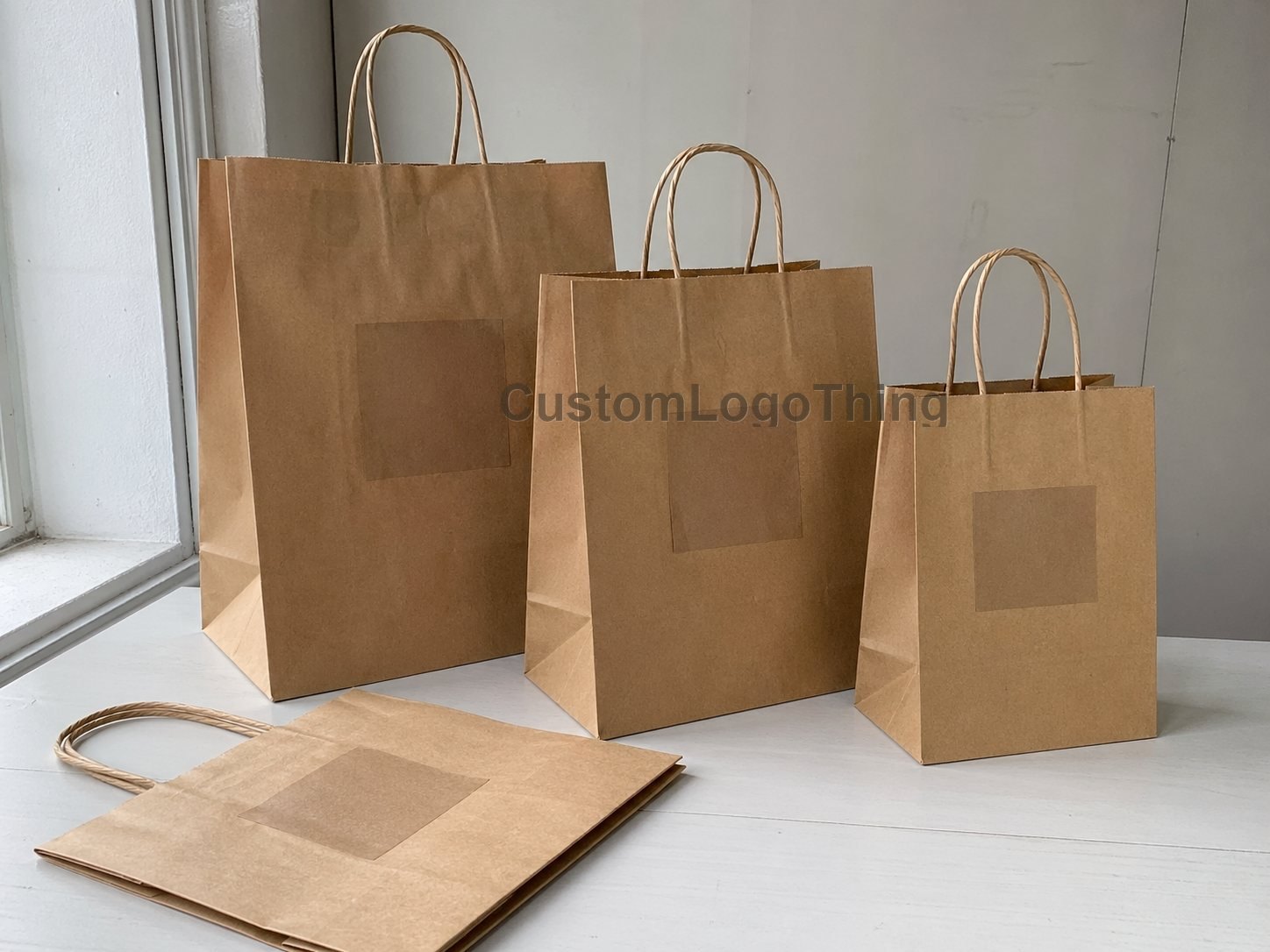
Most custom pet treat kraft paper bags use a handful of familiar constructions, and each one carries its own cost profile. Flat pouches suit smaller fills and shorter display runs, especially when the product is light and the presentation can stay simple. Gusseted bags bring a little more volume and a cleaner shelf shape. Stand-up styles usually win attention in retail because they sit neatly, look substantial in hand, and give the pack a more finished presence. For many buyers, that upright look helps justify pet treat kraft paper bags cost, especially when the bag is part of the brand experience rather than just a shipping vessel.
The paper layer is only part of the structure. Many pet treat packs combine kraft paper with an inner barrier film or liner to improve moisture resistance, grease resistance, and seal integrity. A plain kraft exterior gives a natural look, but it does not automatically provide the performance a pet snack line needs. The decision between a simple paper-based pouch and a multilayer build can move pet treat kraft paper bags cost in either direction depending on the liner, print method, and closure system.
Useful finish options include matte varnish, gloss varnish, clear windows, tear notches, and resealable zippers. A window can help sell the product because shoppers can see the actual treats, yet it changes barrier performance and adds material and converting steps. A zipper adds convenience and repeat use, which matters for larger formats and premium positioning. Tear notches support a clean first opening on a retail shelf. Each feature improves the experience in its own way, and each one also affects pet treat kraft paper bags cost.
Branding choices matter just as much as the structure. Full-color graphics across a kraft base usually need more planning than a simple one- or two-color print. Spot treatments, special white ink underlays, and tactile finishes can improve shelf appeal, though they add setup time and press complexity. Some buyers assume the kraft material will carry the visual weight on its own. It helps, but a kraft look with weak hierarchy can still feel unfinished. A strong, balanced design often delivers the best return because it supports the brand without sending pet treat kraft paper bags cost into a premium tier the product may not need.
For a new SKU, the safer path is usually the simplest structure that still protects the treats. Add the barrier needed for oily snacks or soft chews. Skip the extras if the product is dry and stable. That keeps pet treat kraft paper bags cost tied to the product itself instead of a wish list.
Common product details buyers should confirm before requesting a quote:
- Bag style: flat pouch, gusseted bag, or stand-up pouch
- Closure: heat seal, zipper, tin tie, or no reclose feature
- Window: none, partial, or full display panel
- Finish: matte, gloss, uncoated, or soft-touch effect
- Barrier need: basic dust protection, grease resistance, or moisture control
Specifications That Change Cost and Performance
The biggest cost levers are usually the ones buyers can define clearly on day one: paper weight, liner type, dimensions, gusset depth, seal area, and print side count. A larger bag uses more material. A deeper gusset changes the forming process. A stronger seal area can improve shelf stability, though it may also require a different line setup. Each detail nudges pet treat kraft paper bags cost upward or downward in a way that seems small in isolation and meaningful once the full order is priced.
Paper weight changes the look and feel of the bag. Heavier kraft often gives a more rigid, premium hand feel and can improve shelf presentation, especially for retail packs displayed upright. That same heavier material can also raise freight cost and carton weight. If the package is oversized for the fill, the buyer is paying for paper and shipping space that do not add value. A packaging spec should start with the product, not with a generic high-end target. The right thickness helps, while the wrong thickness can quietly inflate pet treat kraft paper bags cost without improving sales.
Barrier performance deserves careful attention. Dry treats may need only moderate moisture protection, while freeze-dried or high-fat snacks often need a tighter structure and better seal integrity. Grease resistance matters more than many first-time buyers expect. A bag can look fine in a sample room and still show staining or softening during storage if the inner build is too light. That kind of issue turns a low quote into a higher real-world expense, because product complaints and returns cost more than a sensible pet treat kraft paper bags cost at the quoting stage.
Dimensions matter more than many teams realize. A bag that is slightly too tall or too wide can force extra film usage and create unstable shelf behavior. A pouch that slumps loses part of the advantage of choosing a stand-up format in the first place. A bag that is too tight slows filling and makes the seal area less forgiving. Those are not cosmetic concerns. They affect line speed, inspection results, and customer experience, which is why dimensional control has a direct link to pet treat kraft paper bags cost.
For shipping and retail programs, the pouch itself is only part of the picture. A bag that stacks efficiently inside a shipper can reduce damage and carton waste. A poorly sized pack can force extra corrugated cardboard use, adding freight weight and material cost. Packaging design and logistics meet here. Teams that are also reviewing recycled content, post-consumer waste targets, or FSC-certified paper sourcing can support sustainability goals, but those choices still need to be evaluated alongside performance and price. The EPA’s packaging guidance offers useful background for teams managing material selection and waste reduction priorities: EPA packaging and materials management.
Packaging professionals usually compare specs in this order:
- Protect the product: moisture, grease, aroma, and seal integrity
- Fit the filling line: dimensions, opening size, and seal method
- Support the shelf: stiffness, print clarity, and display shape
- Control the budget: material weight, add-ons, and freight impact
If the first three boxes are not checked, the lowest pet treat kraft paper bags cost is rarely the best value. A bag that fails in transit or storage becomes expensive very quickly.
Pricing, MOQ, and Unit Cost for Pet Treat Kraft Paper Bags
This is the part most buyers want first, so it helps to be direct. pet treat kraft paper bags cost is usually shaped by setup charges, print complexity, material selection, and order quantity. The more custom the bag, the more the front-end work matters. If the artwork needs multiple color passes, a white ink underprint, a window cut, or a special zipper, the unit price rises because the production line has more steps to manage and inspect.
MOQ is one of the biggest reasons price quotes can look very different. A smaller run generally carries a higher per-bag price because the press setup, plate work, and conversion labor get spread across fewer units. That is not a sales trick; it is how custom packaging economics work. A buyer asking for 3,000 bags and another asking for 30,000 bags may receive the same design language, but the pet treat kraft paper bags cost per unit will not be close.
Here is a practical way to think about pricing bands for custom pet treat kraft paper bags. These are budgeting ranges, not promises, because actual quotes depend on bag size, ink count, structure, finish, and freight destination. They still give buyers a sensible starting point:
| Option | Typical MOQ | Typical unit cost range | What pushes price up | Best fit |
|---|---|---|---|---|
| Simple kraft flat pouch | 3,000-5,000 pcs | $0.10-$0.22 | Full-color print, zipper, specialty finish | Dry treats, trial runs, lightweight SKUs |
| Gusseted kraft bag | 5,000-10,000 pcs | $0.14-$0.30 | Window, heavier paper, wider dimensions | Retail packs that need more shelf presence |
| Stand-up kraft pouch | 5,000-20,000 pcs | $0.18-$0.38 | Zipper, barrier liner, complex artwork | Premium treat lines and repeat-use packs |
| Multi-layer kraft structure with premium finish | 10,000+ pcs | $0.24-$0.55 | Special coating, larger window, heavier barrier | High-value retail items with stronger shelf demands |
Those ranges show the core principle clearly: pet treat kraft paper bags cost climbs as the structure becomes more specialized. A zipper may be worth it. A window may be worth it. A better barrier may absolutely be worth it if the product needs protection. Every feature should earn its place, though. If the bag is for dry biscuits sold through quick-turn channels, there may be no business case for a premium build that behaves like high-barrier snack packaging.
For quote comparison, ask suppliers to break the price down the same way each time. A useful request should include bag size, material build, print method, print coverage, finish, closure, and shipping location. If one quote includes freight and another does not, the comparison is already distorted. If one supplier quotes a kraft-paper-only structure and another quotes a multilayer liner, the pet treat kraft paper bags cost comparison is not meaningful. A clean apples-to-apples quote is the only way to budget properly.
MOQ and unit cost also have a hidden relationship buyers should keep in mind. A slightly higher quantity sometimes lowers the unit price enough to justify extra inventory. Other times it does not. Shelf life, forecast confidence, and storage conditions decide that answer. If your treats move quickly and your artwork is stable, a larger run can reduce pet treat kraft paper bags cost enough to improve margin. If the product is still being tested, a smaller run may be the safer move even when the per-bag price is higher.
One more practical note: if you want a fast and accurate number, send dimensions, artwork, closure type, quantity, and whether you need samples. That gives the quoting team enough information to estimate the true pet treat kraft paper bags cost instead of guessing at the structure.
Teams that care about verified forest sourcing can include FSC-certified papers in the packaging discussion. FSC and other responsible sourcing programs do not automatically make a bag cheaper, but they can support brand claims and procurement standards. If your team is reviewing chain-of-custody language or sustainable sourcing requirements, the FSC resource center is a solid reference: FSC standards and certification.
Process, Lead Time, and Production Steps
A clean production process is one of the best ways to keep pet treat kraft paper bags cost under control. The normal flow starts with a spec review, then moves to artwork check, quotation, proof approval, material sourcing, printing, finishing, inspection, and shipment. Each step sounds routine, yet delays often happen because one piece of information was missing at the start. A final dieline, the correct bag size, and a clear list of finish requirements can save days of back-and-forth later.
Lead time usually gets lost in three places: artwork revision, material substitution, and finishing complexity. If the design is not finalized, proofing takes longer. If a preferred liner or paper grade is unavailable, the schedule can shift. If the bag includes a zipper, window, matte varnish, or another special feature, the line may need extra setup or inspection time. The most reliable pet treat kraft paper bags cost quote should come with a realistic timeline, not a vague promise.
Sampling matters more than many teams admit. A physical sample tells you how the bag feels in the hand, how the zipper closes, how the seal behaves, and whether print placement supports the brand hierarchy. A digital proof can confirm artwork position, but it cannot show how the package behaves once filled. For pet treats, that tactile check is especially useful because the product can be crumbly, greasy, or irregular in shape. A sample stage often prevents a more expensive correction after mass production starts, which keeps overall pet treat kraft paper bags cost lower over the long run.
For buyers working to a launch calendar, a buffer for approval windows and freight transit is smart. Production may finish on schedule, while ocean freight, customs clearance, or domestic shipping still shifts the arrival date. The quote should separate ex-factory timing from transit timing so the landed schedule is clear. That distinction matters as much as the bag price itself because a low unit quote is not useful if the finished packs miss the retail window. A good supplier will say that plainly and help you plan around the real pet treat kraft paper bags cost plus logistics.
Testing and transit review often use standard packaging methods to judge whether a bag and shipper can handle normal distribution conditions. The International Safe Transit Association has useful background on distribution testing and pack performance: ISTA test methods and resources. That matters because a well-priced bag still needs to survive the trip from packer to shelf.
Common timeline stages for a custom order:
- Day 1-2: inquiry, spec review, and quote preparation
- Day 3-5: artwork check and proof approval
- Day 6-10: material scheduling and print setup
- Day 11-15: production, inspection, and packing
- Transit: depends on freight mode and destination
Why Choose Us for Custom Pet Treat Kraft Paper Bags
Buyers who want straight answers usually value practical packaging guidance more than inflated claims. Custom Logo Things helps brands choose a structure that protects the product, presents cleanly on shelf, and keeps pet treat kraft paper bags cost aligned with the job the bag actually needs to do. That approach sounds simple, yet it saves real money once a project moves from concept to production.
We pay close attention to the details that affect performance: paper weight, liner type, print coverage, seal behavior, and how the bag will be used after filling. A dry biscuit line and a soft chew line do not deserve the same spec, and the wrong assumption can raise pet treat kraft paper bags cost without adding real value. Good packaging work means knowing where to spend and where to hold back.
Clear communication matters too. Buyers should be able to ask direct questions about MOQ, expected lead time, artwork requirements, and the tradeoffs between finish choices. If a bag needs a window, we can talk through the visual upside and the barrier tradeoff. If the product needs extra grease resistance, we can discuss the build in plain language. That kind of conversation keeps the pet treat kraft paper bags cost discussion grounded in facts rather than vague premium language.
Quality control is another major piece of the process. A consistent run matters because pet brands often build repeat recognition on pack shape and print placement. If the first order looks good and the second order matches it, buyers can scale with less risk. That consistency is especially valuable for private label programs and growing brands that need a dependable packaging partner rather than a one-off print job. Stable supply, thoughtful inspection, and repeatable specs help keep pet treat kraft paper bags cost predictable over time.
Packaging decisions rarely happen in isolation. Many teams compare kraft paper options, recycled material targets, and shipping cartons at the same time. Sometimes the outer pack, the inner pouch, and the corrugated shipper all need to work together. A supplier should think in terms of the full package system, not just the bag itself. If you are balancing appearance, performance, and budget, that broader view often leads to a better pet treat kraft paper bags cost outcome.
What buyers usually appreciate most:
- Clear quote language that separates material, printing, and freight
- Practical advice on MOQ and lead time
- Support with bag structure choices for dry, oily, or fragile treats
- Repeatable quality for reorder programs
- Packaging recommendations that keep pet treat kraft paper bags cost under control
Sustainability deserves honest treatment. Kraft paper can be a good fit for brands that want a natural look, and some structures can include recycled content or FSC-certified paper. Still, biodegradable packaging is not a blanket claim that applies to every multilayer pouch. Coatings, zippers, and barrier films change end-of-life behavior, so claims need to match the real structure. A supplier should be able to talk through those details without overselling them. That level of transparency builds trust and makes the pet treat kraft paper bags cost conversation more credible.
Next Steps for Pet Treat Kraft Paper Bags Buyers
If you are ready to request pricing, gather the core details first. The fastest path to an accurate quote is to send the bag dimensions, expected quantity, treat type, artwork files, preferred closure, and any shelf-life or display requirements. If you already know whether the product needs a zipper, a window, or a higher barrier liner, include that too. The more specific the brief, the more useful the pet treat kraft paper bags cost estimate will be.
Compare like for like. That sounds obvious, yet it is where many purchasing decisions go sideways. If one supplier quotes a simple kraft pouch and another quotes a stand-up pouch with a zipper and window, the numbers cannot be compared honestly. Ask each vendor to price the same structure, same print coverage, same finish, and same destination. Only then does the pet treat kraft paper bags cost comparison tell you anything useful.
Before you approve an order, confirm MOQ, lead time, and freight destination. Those three items often change the landed cost more than the base unit quote. A lower factory price can disappear once transit, duties, or cartons are added. If a supplier gives you a careful estimate on the full package, you can budget with much more confidence. That is the real goal: not the lowest number on paper, but a defensible pet treat kraft paper bags cost that matches the project and the launch plan.
A simple checklist helps:
- Send final dimensions and fill weight
- State the treat type and shelf-life target
- Attach artwork or a rough layout
- Choose your closure and finish preferences
- Confirm quantity, MOQ expectations, and shipping destination
Once those basics are set, Request a Quote and review the sample or proof stage carefully. That is where print placement, zipper feel, window clarity, and overall pack behavior get confirmed before mass production. A good proof stage protects both budget and schedule, and it usually makes the final pet treat kraft paper bags cost easier to justify.
FAQ
What affects pet treat kraft paper bags cost the most?
Material structure, print coverage, and bag size usually have the biggest impact on price. Add-ons like zippers, windows, and specialty finishes can raise unit cost quickly, especially if the artwork needs extra setup or a more complex converting process. Higher quantities usually reduce per-bag pricing even when the design stays the same, so MOQ plays a major role in the final pet treat kraft paper bags cost.
Can I lower pet treat kraft paper bags cost without changing the brand look?
Yes, usually by simplifying print coverage, reducing oversized dimensions, or choosing a standard closure. Keeping the same visual layout while using fewer inks or a simpler finish can improve pricing without making the pack look generic. The best savings usually come from matching the bag build to the actual product needs, which keeps pet treat kraft paper bags cost in a healthier range.
What MOQ should I expect for custom pet treat kraft paper bags?
MOQ depends on size, print method, and construction complexity. Simple structures often support lower minimums than bags with windows, zippers, or premium finishes. A quote should clearly show the MOQ so you can compare options with confidence and decide whether the inventory level works for your forecast. That clarity also makes pet treat kraft paper bags cost easier to manage.
How do print options change the price and lead time?
More colors, larger coverage, and premium finishing usually increase both setup work and cost. Artwork that needs revisions can extend the timeline before production even starts. A clean, final dieline helps keep the schedule moving and reduces approval delays, which protects the quoted pet treat kraft paper bags cost from creeping upward.
What should I send to get an accurate quote for pet treat kraft paper bags?
Send bag dimensions, quantity, treat type, artwork files, and your target closure or finish. Include any shelf-life, grease resistance, or retail display requirements. If you already know your target landed cost, share it so the quote can be built around that goal. The clearer the brief, the more precise the pet treat kraft paper bags cost quote will be.
Pet brands do best when packaging is treated like part of the product, not an afterthought. The right structure protects the treats, supports the shelf, and keeps the brand presentation consistent without overspending on features that do not earn their place. The practical takeaway is simple: lock the spec before you chase price, compare equal structures, and use sample checks to catch weak points early. That is how you end up with a sensible pet treat kraft paper bags cost and a package that does its job from filling line to retail shelf.

