Toy Retailer Die Cut Stickers Supplier: How to Choose the Right Partner
A toy retailer Die Cut Stickers supplier can make a small branded piece feel collectible, or make it look like a rushed extra nobody really planned for. That tiny sticker on a poly bag, carton, hang tag, or insert is often the first branded touchpoint a shopper sees, and buyers decide fast whether it feels playful, premium, or just plain flimsy.
For Custom Logo Things, the work goes far beyond printing a nice shape. A toy retailer Die Cut Stickers supplier has to balance material selection, adhesive strength, proof accuracy, kid-friendly handling, and price without turning the order into a headache. If you already know you need Custom Logo Things for branded print work, treat stickers as part of the packaging system instead of an afterthought. For programs that lean heavily on labels, Custom Labels & Tags is a helpful comparison point because it separates simple packaging labels from true die cut promo pieces.
That matters because toy retail moves quickly, changes with the season, and depends on visual appeal. A sticker can support character launches, event promos, collector bundles, loyalty giveaways, or straightforward shelf branding. The right toy retailer die cut stickers supplier helps those pieces feel deliberate instead of disposable. The wrong one leaves you with crooked cuts, weak adhesive, and a box of inventory nobody wants to handle twice.
Why Toy Retailer Die Cut Stickers Matter More Than You Think
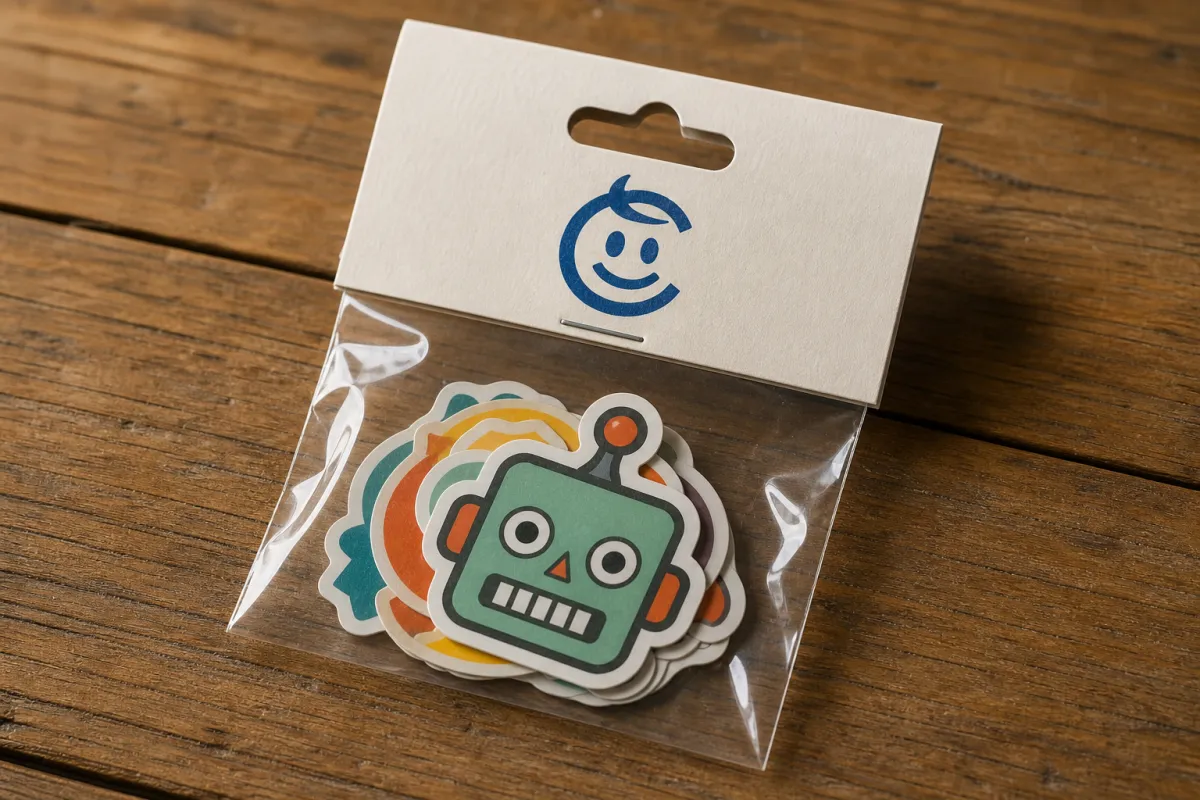
Die cut stickers are custom-shaped stickers trimmed to the edge of the artwork instead of being trapped inside a square or circle. That sounds like a small technical detail, but it changes the whole presentation. A character outline, mascot, logo burst, or product silhouette feels more polished because the shape follows the design instead of boxing it in.
A toy retailer die cut stickers supplier sees this every day: a plain sticker becomes a little collectible once the cut is tight and the edges are clean. Put that on a blind box, toy insert card, shopping bag, or ecommerce mailer and the perceived value rises. Not because the sticker cost a fortune, but because the packaging looks considered. Small upgrade, big effect.
Toy retailers usually care about three things here: shelf impact, promotion, and repeat visibility. Shelf impact is easy to understand. Seasonal promos are where sticker programs get especially useful, since a holiday character or limited-time mascot can become a die cut shape that feels like an extra keepsake rather than a throwaway label. Repeat visibility matters just as much. A sticker leaves the store, ends up on a water bottle or laptop, gets shown around, and keeps carrying the brand long after the purchase.
That is why a toy retailer die cut stickers supplier is not just a print vendor. It is a packaging decision. The sticker may be the smallest line item in the order, yet it can do more branding work than a larger box panel if the shape, finish, and print quality are right. For a branded add-on that kids will actually keep, a well-made die cut sticker usually beats a generic insert.
One detail buyers miss all the time: toy retail stickers also need to survive real handling. Kids grab them with sticky fingers. Store staff peel and restock them. Boxes get rubbed, stacked, and shipped around. A toy retailer die cut stickers supplier has to understand that the artwork lives in the real world, not just on a screen.
Strong sticker programs usually support one of four jobs:
- Packaging branding: seals, inserts, or front-facing graphics that make the pack feel finished.
- Promo giveaways: low-cost pieces that encourage collection, sharing, or repeat visits.
- Seasonal campaigns: limited runs tied to a holiday, character release, or event.
- Retail add-ons: small upsell items that can sit near checkout and pull extra margin.
That is why the supplier conversation needs to happen early. If a toy retailer die cut stickers supplier does not ask how the sticker will be used, they are guessing on adhesive and material. Guessing is fine in a game. It is a poor habit in production.
How a Toy Retailer Die Cut Stickers Supplier Works
A dependable toy retailer die cut stickers supplier should follow a clear workflow from artwork review to delivery. The steps sound simple: file check, proof, material selection, printing, die cutting, finishing, packing, and shipping. The details inside each step are what separate a clean order from a frustrating one.
The first pass is file review. A supplier should check resolution, cut lines, bleed, and whether the artwork is actually usable at the size you want. If your artwork is a pixelated thumbnail or a flattened image with no vector paths, the supplier may still be able to work with it, but the risk rises. Clean vector files usually make the process easier and less expensive.
Proofing comes next. A proper proof should show the final cut shape, layout, and any important alignment details. That is the point to catch a logo that sits too close to the edge, a character outline that feels awkward, or a bleed that is too tight. A toy retailer die cut stickers supplier should never treat proofing like a quick checkbox. It is the step that keeps expensive mistakes out of the press room.
There are two common production methods. Standard die cutting creates a custom shape that cuts through the sticker material and backing. Kiss cutting leaves the backing intact and cuts only the sticker layer, which works well for sheets, easier peel-and-stick application, and multi-sticker layouts. For toy retail, both can work. The right choice depends on whether the sticker will be handed out individually, packed in a kit, or displayed as a sheet.
A toy retailer die cut stickers supplier also needs to understand the use case. A branded insert for a boxed toy set does not need the same adhesive as a sticker meant to survive repeated handling. A freebie tucked into a kids' activity pack may need a different finish than a retail sticker sold on its own. One-size-fits-all quoting is lazy. The sticker is small, but the application is not.
For packaging buyers, the real value is translation. The supplier should be able to take a retail goal like "we want this to feel collectible" and turn it into practical specs: paper or vinyl stock, gloss or matte finish, permanent or removable adhesive, and a cut style that holds up. A good toy retailer die cut stickers supplier does not expect the buyer to speak print-shop jargon. They explain the tradeoffs in plain English.
Common production paths usually look like this:
- Buyer sends artwork, quantity, size, and use case.
- Supplier checks files and recommends stock or finish.
- Digital proof is prepared and approved.
- Printing happens on the chosen stock.
- Sticker shape is die cut or kiss cut.
- Quality control checks edge accuracy, color, and adhesion.
- Order is packed flat and shipped.
"If the supplier cannot explain bleed, cut line, and adhesive in plain English, you are probably talking to the wrong shop."
That sounds blunt because it is. You do not need mystery. You need consistency, and you need a toy retailer die cut stickers supplier that keeps the order simple enough to repeat next month without rebuilding every detail from scratch.
There is another practical angle. Retailers that also buy packaging labels often overlap sticker and label sourcing. That is where Custom Labels & Tags becomes useful as a benchmark. Labels can be cheaper and more standardized, while die cut stickers are usually more brand-driven and shape-specific. A supplier that understands both categories is usually easier to work with because they can tell you where custom shape adds value and where it only adds cost.
Toy Retailer Die Cut Stickers Supplier Pricing, MOQ, and Quote Basics
Pricing is where a toy retailer die cut stickers supplier either earns trust or wastes time. Sticker cost depends on size, shape complexity, quantity, material, finish, and whether the order is cut individually or arranged on sheets. Fancy shape, tiny quantity, and specialty finish? The price climbs. Basic shape, higher volume, and standard stock? The price gets friendlier.
For smaller toy shops, low minimums can be attractive because they let you test a design before buying a mountain of it. The tradeoff is simple: low volume almost always means higher unit cost. Larger retailers can usually get a better per-piece rate, but now they are tying up cash and storage space. That tradeoff is normal. No supplier can dodge math forever, no matter how confident the sales email sounds.
A useful quote from a toy retailer die cut stickers supplier should show more than one number. You want the unit price, setup or plate charges if any, proof fees if any, shipping, and the reprint policy. If the quote is vague, the real cost is hiding somewhere. If the quote is detailed, you can compare suppliers without guessing what is buried in the fine print.
Here is a practical way to think about sticker pricing for toy retail runs:
| Option | Typical Use | Typical Unit Cost Impact | What It Changes |
|---|---|---|---|
| Gloss paper | Short-run promos and inserts | Lowest to moderate | Bright color, but less moisture resistance |
| Matte paper | Premium-looking packaging add-ons | Moderate | Soft look, less glare under store lighting |
| Vinyl/BOPP | Durable retail stickers and handling-heavy use | Moderate to higher | Better durability and moisture resistance |
| Lamination | High-touch or shipping-heavy applications | + $0.01-$0.03 per piece in many runs | More scratch resistance and longer life |
| Removable adhesive | Temporary promos, display use | Can add a small premium | Peels easier, lower residue risk |
Those numbers are not universal because they shift with size, quantity, and coverage. Still, they give buyers a sane starting point. A 2-inch die cut sticker in a 5,000-piece run may land in a very different cost band than a 4-inch multi-color character shape in a 500-piece run. That is normal. Small quantities do not get rewarded just for being cute.
A toy retailer die cut stickers supplier should also be direct about MOQ. If you only need 200 pieces for a small seasonal drop, there may be digital or short-run options. If you need 20,000 pieces for a national campaign, offset or larger-run methods may make more sense. The right MOQ is not the lowest one. It is the one that fits your sell-through and storage plan.
A bad quote often looks cheap at first because it ignores one of the real cost drivers. Common traps include weak adhesive on coated packaging, no lamination on a high-touch sticker, slow turnaround that misses the launch date, or cut accuracy that creates waste. Cheap can get expensive in a hurry. A toy retailer die cut stickers supplier that saves you from reprints is usually the cheaper option in practice.
Here is a buyer-friendly range to keep in mind for planning:
- Small test runs: often higher per piece, but useful for art testing and seasonal experiments.
- Mid-volume orders: usually the sweet spot for unit cost and flexibility.
- Large replenishment runs: lower per unit, but they require storage and better demand forecasting.
One more point: ask how the supplier handles reorders. The best toy retailer die cut stickers supplier keeps the file, cut line, and stock spec organized so a repeat order does not feel like a brand-new project. That is where serious suppliers save time and where casual shops lose it.
Process and Timeline: From Artwork to Delivery
A toy retailer die cut stickers supplier should give you a timeline that sounds like a real production schedule, not a guess wrapped in confidence. The usual path starts with art prep. You send vector files if possible, confirm size, and make sure the cut line matches the artwork. If the shape sits tight around the design, add enough bleed so the edge does not crop awkwardly. A little extra bleed is far cheaper than rebuilding artwork after the proof stage.
Proof approval is next. One solid round of revisions is normal. Endless revisions are not. They slow production and push your order back into a queue you were not planning to visit. A good toy retailer die cut stickers supplier will tell you what needs to change and what is already fine. That kind of straight talk saves days.
Printing and finishing follow. Depending on stock and ink system, the pieces may need time to cure or dry before cutting. After that, the supplier will die cut the shapes, inspect the edges, and pack the stickers flat so they do not arrive curled or bent. That sounds boring because it should be boring. Boring production is reliable production.
Shipping is where many buyers get careless. They ask for production time, then forget transit. Not ideal. A toy retailer die cut stickers supplier should give you both, plus a rush option if available. For a launch tied to a seasonal toy drop, a trade show, or a holiday promo, the order needs enough slack to absorb proof changes and freight delays. Otherwise your "planned" sticker campaign turns into an apology campaign.
Typical turnaround depends on quantity and complexity, but many standard orders land somewhere in the 12-15 business day range after proof approval, with shipping on top. Simple reorders can move faster. Complex die shapes, specialty finishes, or large-volume runs can take longer. If someone promises an unrealistically fast schedule for a complicated sticker build, ask how they are doing it. Then ask again. People get very optimistic with timelines right up until the due date.
For buyers who want a clean scheduling rule, use this:
- Small seasonal orders: place them early enough to allow at least one proof round and transit time.
- Promo inserts: tie the sticker deadline to the packaging deadline, not the campaign date.
- Retail replenishment: reorder before you hit the final quarter of stock, because rush jobs cost more.
There is also a compliance angle. If the sticker goes directly into a toy bundle for children, ask whether the adhesive, ink, and substrate fit your product's age range and use case. For shipping durability and transit abuse, suppliers often reference standards and methods from groups like ISTA. If your program uses paper-based stock and sustainability matters to the sale, a chain-of-custody discussion around FSC paper can be worth having. Neither one replaces your own quality check. They just give you a stronger starting point.
In short, a toy retailer die cut stickers supplier should map the order in a way that makes the schedule visible. File prep, proofing, production, inspection, shipping. If any step is vague, your launch date is carrying more risk than it should.
Key Factors to Judge a Toy Retailer Die Cut Stickers Supplier
Not every toy retailer die cut stickers supplier deserves your time, and the differences usually show up fast once you know what to inspect. Quality control comes first. You want crisp edges, even color, usable adhesive, and stickers that arrive flat. If the edges look ragged or the color drifts from the proof, the supplier either skipped inspection or does not care enough to tighten the process. Neither option is pleasant.
Material fit comes next. Gloss, matte, waterproof, removable, or heavy-duty options are not decorative labels on a menu. They solve different problems. A paper sticker may be perfect for an insert pack. A vinyl or BOPP sticker may be better for a product that gets handled a lot. A toy retailer die cut stickers supplier should be able to explain the difference in plain terms, not hide behind jargon.
Retail practicality matters more than many packaging buyers admit. The sticker has to look good under store lights, stay legible after handling, and match the visual language of the toy line. For character-driven programs, that means the shape, color, and finish need to support the product story. If the sticker reads like a random design exercise, it will not help sell the toy. The market is not very forgiving.
Service depth is another major filter. Ask whether the supplier helps with dieline setup, file cleanup, sample runs, and reorder management. A good toy retailer die cut stickers supplier reduces work on your side. A bad one creates tiny fires and then acts surprised when you notice the smoke.
Scalability is the last big one. You may need 300 pieces for a pilot run and 15,000 later for replenishment. The right supplier can handle both without changing the product every time. That consistency matters because reorders become easier, packaging stays aligned, and your team stops re-learning the same basic decisions.
Here is a practical scorecard buyers can use:
- Communication: do they answer in specifics, or only in sales language?
- Proof quality: do proofs show the real cut line and finish?
- Sample support: can they provide a physical or photo sample on request?
- Lead time: is the schedule realistic for your launch date?
- Reorder ease: can they repeat the job without redoing every decision?
If you want a simple rule, use this one: pick the supplier who gives the clearest production path, not the loudest pitch. A toy retailer die cut stickers supplier that explains tradeoffs clearly is usually the one that has done enough real jobs to know what can go wrong. That is a good sign. Mystery is not.
For buyers comparing packaging vendors across sticker and label work, it helps to think in terms of category fit. Labels are often more standardized. Die cut stickers are more custom and more visible. That is why comparing a sticker quote with Custom Labels & Tags can clarify whether you need premium shape work or simply a clean branding piece with a lower cost base.
Common Mistakes When Ordering Toy Retailer Die Cut Stickers
The easiest mistake is sending low-resolution art and expecting crisp edges. That usually turns into fuzzy outlines, pixelated detail, or weird cut placement. A toy retailer die cut stickers supplier can solve some problems, but not all of them. If the source file is poor, the finished sticker usually reveals it immediately.
Another common miss is ignoring adhesive choice. Packaging that needs to peel cleanly needs a different adhesive than a sticker that will sit on a retail box and survive shipping, stockroom handling, and kid traffic. If the wrong adhesive is used, you get residue, lifting edges, or a sticker that falls off before the customer gets home. Not much of a brand moment, honestly.
Shape design can also get too clever. A very fine outline or tiny interior cut detail may look great on screen and behave terribly in production. Thin tails tear. Small islands pop loose. Complex outlines slow production and raise cost. A solid toy retailer die cut stickers supplier should tell you if the shape needs simplification before you approve it.
Skipping proof or sample review is another classic mistake. People do it because the artwork looked fine on a monitor and the deadline feels tight. Then the physical sticker arrives at the wrong size, the cut line feels off, or the finish is not what they pictured. That is not a supplier failure. That is a process failure.
Choosing a supplier on unit price alone still ranks among the fastest ways to waste money. A cheap sticker that misprints, ships late, or leaves you with dead stock is not actually cheap. A toy retailer die cut stickers supplier should be judged on the full landed cost of the order, not the number printed in bold at the top of the quote.
Here are the biggest traps in one list:
- Using weak artwork and expecting a strong print result.
- Picking adhesive without thinking about how the sticker will be handled.
- Overcomplicating the die cut shape.
- Skipping proof review because the deadline feels tight.
- Buying only on unit price and ignoring reprints or delays.
If you avoid those five mistakes, your odds improve a lot. A toy retailer die cut stickers supplier cannot rescue every bad brief, but a decent supplier can usually keep a good brief from going sideways. That is the difference between a working production partner and a pretty PDF with a phone number attached.
Expert Tips for Working With a Toy Retailer Die Cut Stickers Supplier
Ask for a sample of the most complex design before placing the full run. Not every order needs a full prototype cycle, but one sample can save you from a batch of expensive disappointment. For a toy retailer die cut stickers supplier, that request is normal. For the buyer, it is cheap insurance.
Use one design system across product lines if you can. That means consistent logo placement, repeatable size logic, and a controlled set of finishes. It makes reorder management easier and keeps the brand looking coherent across toy lines, seasonal promos, and bundle packs. Consistency also lowers the chance that somebody at your end uploads the wrong version and nobody notices until the boxes arrive. That kind of office mistake happens more often than anyone likes to admit.
Match finish to the retail setting. Matte often reads as more premium and reduces glare under store lighting. Gloss gives brighter color and a punchier look from a distance. Waterproof or laminated finishes make sense when the stickers will be handled a lot, mailed in packs, or exposed to moisture. A toy retailer die cut stickers supplier should help you decide based on use, not guesswork.
Think about inventory turns. If the sticker is a promo insert for a short campaign, small runs reduce waste. If it is a core brand asset that repeats across a whole product family, larger runs often make sense because setup cost gets spread out. A toy retailer die cut stickers supplier should help you see that tradeoff clearly. Good buying is mostly about timing and volume discipline. Glamour is optional.
Build reorder timing into the calendar now, not later. If you know you need stickers every quarter, place the next order before the last box is gone. Rush fees exist because panic is profitable for someone else. Avoid it if you can.
Keep version control tight. Seasonal artwork, character updates, and SKU changes should be labeled clearly and stored in one place. A supplier can only print the file you send. If your internal team keeps six nearly identical versions of the same die cut sticker, one of them will eventually get used by mistake. Tiny inconsistencies become big cleanup projects that way.
Here is a practical checklist for better results:
- Request one proof or sample for the most complex shape.
- Define the use case so the supplier can recommend the right adhesive.
- Choose a consistent finish across related product lines.
- Plan replenishment early to avoid rush production.
- Archive final approved files so reorders are quick and accurate.
One more thing: if you are comparing suppliers, ask how they handle issue resolution. If there is a print shift, cut error, or shipping problem, how fast do they respond and what does the fix process look like? A toy retailer die cut stickers supplier that answers clearly is usually worth more than one that sounds impressive but cannot explain the next step.
And if your broader packaging program includes labels, tags, or branded inserts, it is smart to compare sticker choices against Custom Labels & Tags. Sometimes the cheaper option is good enough. Sometimes the die cut shape is the whole point. Buyers who separate those two cases usually spend their budget more wisely.
Next Steps for Buying With Confidence
The cleanest way to start is with a one-page brief. Include size, quantity, finish, use case, target launch date, and whether the sticker is going on packaging, being handed out as a promo, or sitting on a retail display. A toy retailer die cut stickers supplier can quote much faster when the brief is specific. Vague asks create vague answers. That part is not a mystery.
Send the same artwork files to at least two suppliers. That lets you compare not just price, but proof quality, material recommendations, and how clearly they explain the job. If one quote is cheaper but the proof is sloppy and the timeline is fuzzy, that is not a deal. That is a future headache with a discount sticker on it.
Ask each toy retailer die cut stickers supplier for three things: a sample photo or physical sample, a material recommendation, and a realistic turnaround estimate. Those three answers tell you almost everything you need to know about whether the supplier understands the work. If they dodge one of those answers, keep looking.
Choose the supplier that gives you the clearest path from art to delivery. Not the flashiest sales pitch. Not the cheapest line item. The clearest path. That is how you get stickers that show up on time, look right in hand, and hold up in real retail use. The best toy retailer die cut stickers supplier is the one that makes the order feel boring in the best way possible: predictable, repeatable, and easy to reorder. That is usually where the real value lives.
So the practical takeaway is simple: define the use, lock the artwork, confirm the adhesive and finish, and get a proof you can inspect with your own hands. If a supplier cannot walk you through those four steps without jargon, keep moving. The right partner should make the process feel calm, not mysterious, and that saves more money than a tiny price cut ever will.
FAQs
What should a toy retailer die cut stickers supplier ask for before quoting?
A supplier should ask for artwork, size, quantity, material preference, finish, and how the stickers will be used. If they do not ask about application, they may quote the wrong adhesive or cut style. A clear brief usually produces a better quote and fewer proof revisions.
Are die cut stickers better than standard shape stickers for toy packaging?
Die cut stickers usually look more custom and premium because the shape follows the artwork. Standard shapes can be cheaper and faster, but they are less distinctive. For character art, mascots, and promo inserts, die cut often wins on shelf appeal.
What is a normal MOQ for toy retailer die cut stickers?
MOQ varies widely by supplier, material, and print method. Small test runs may be available, but the unit cost is usually higher. Larger runs reduce price per sticker, so the right MOQ depends on your sales volume and storage space.
How long does production usually take?
Turnaround depends on proof approval, print queue, finishing, and shipping distance. Simple orders can move quickly, while complex shapes or special finishes take longer. Build extra time into launches so one revision does not derail the schedule.
What finish works best for a toy retailer die cut stickers supplier order?
Gloss works well when you want bright color and a shiny retail look. Matte feels softer and more premium, and it can reduce glare on packaging. Waterproof or laminated finishes make sense when the stickers may be handled a lot or exposed to moisture.

