The toy retailer Mailer Boxes Material guide matters before the first proof gets approved, because packaging problems rarely begin with artwork. They usually begin with a box that feels fine on a sample table and then folds under real freight, real warehouse handling, or one damp receiving dock that never shows up in the spec sheet. For a packaging buyer, material is not a decorative choice. It controls how the package absorbs impact, how the corners hold up, how the print survives abrasion, and how much damage quietly leaks into the cost of doing business.
That hidden cost is easy to miss during sourcing. A stronger board, a better liner, or a more precise fit may add only a few cents to the unit price, yet the same change can prevent returns, replacement shipments, labor rework, and customer service time that pile up fast. A solid toy retailer Mailer Boxes Material guide is really a practical buying tool, one that keeps the focus on performance instead of assumptions.
"The lowest quote is not the lowest cost if the boxes arrive bent, soft, or scuffed. In toy packaging, the expensive part often shows up after delivery."
Toy Retailer Mailer Boxes Material Guide: Why Material Beats Guesswork
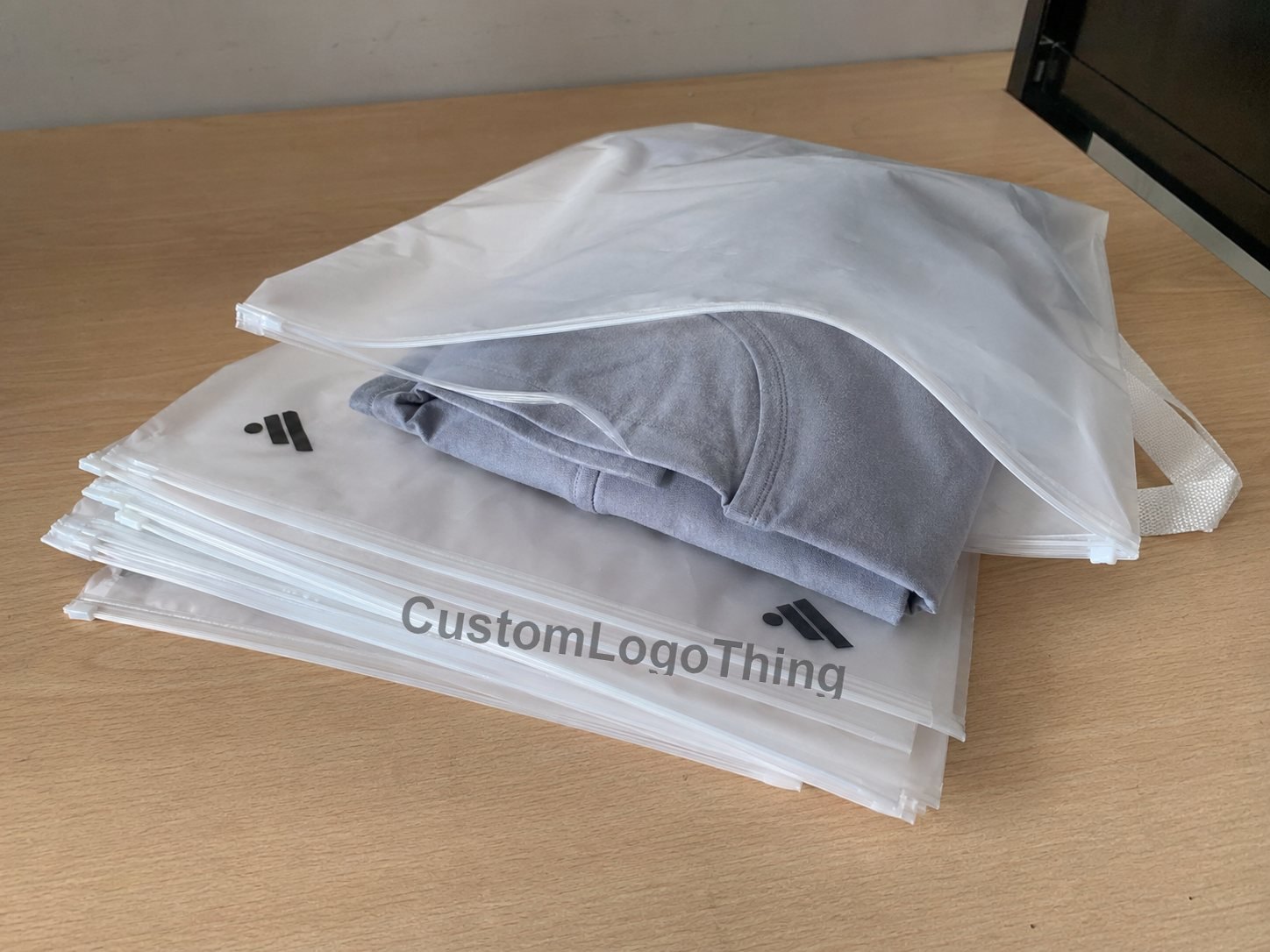
Every toy retailer mailer boxes material guide starts with the same question, even if the spreadsheet tries to hide it: what kind of material will actually protect this product? Print finish, closure style, and dieline shape all matter, but they sit behind board strength. If the package looks polished yet fails in transit, the program is incomplete no matter how good the graphics are.
Toys bring a few packaging headaches that are easy to underestimate. Hard plastic corners catch on other cartons. Collectibles show every scuff. Battery compartments create pressure points. Sets with small accessories can rattle loose inside the box and mark the interior paneling before the parcel reaches the customer. A toy retailer mailer boxes material guide has to account for that kind of wear, not just for the dimensions on a product drawing.
Four material traits do most of the work: board strength, surface finish, moisture resistance, and print readiness. Corrugated cardboard with kraft liners behaves differently from folding carton stock. Recycled paperboard behaves differently again, especially when the fibers are short or the humidity is high. The differences show up in crush resistance, folding memory, corner recovery, and how well the substrate accepts ink and coating.
Small improvements can be more valuable than they sound. On a 5,000-piece order, moving to a stronger mailer construction may add only $0.08-$0.20 per unit. That looks minor until it prevents a single wave of damaged shipments. A toy retailer mailer boxes material guide should help buyers compare that penny-level change against the larger cost of reshipping, restocking, and refund handling. Once those pieces are counted, the stronger choice is often the cheaper one in practice.
Paper-based packaging also carries sourcing questions that deserve precise language. Teams may ask for FSC certified stock, recycled materials, or a certain percentage of post-consumer waste. Those are not interchangeable claims. FSC certified refers to responsible sourcing and chain of custody. Post-consumer waste refers to fiber content. Biodegradable packaging is broader and more complicated, especially once coatings, inks, or laminations enter the picture. Clear documentation matters more than marketing language.
I have had more than one sample look perfect in hand and then fail after a short run through a hot warehouse. That is usually the moment a buyer stops treating board grade like a footnote. If the product line is still taking shape, it can help to compare the packaging program with the broader catalog at Custom Packaging Products. That gives the toy retailer mailer boxes material guide a wider frame, so the decision between a mailer box, folding carton, or another format comes from the product itself rather than habit.
How Material Choices Work in Shipping
Shipping is a bundle of stresses, not a single event. Vibration, drop impact, compression, humidity, and time in a trailer or warehouse all affect the box differently. A toy retailer mailer boxes material guide needs to reflect that mix, because a package that looks crisp on the bench can still fail after a few days in the parcel network.
Corrugated mailers are usually the safest starting point for rigid toys, boxed playsets, collector figures, and products with accessories that can shift around. E-flute is a common choice for lighter kits because it gives decent print quality without giving up too much structural support. B-flute or a heavier single-wall build makes more sense as weight rises or corner crush becomes more likely. Folding cartons still have a place for compact toys, but only when the item is light enough to avoid demanding the extra compression resistance of corrugated cardboard.
Poly mailers belong in a different category. They work well for soft goods and some thin accessories, yet they are a poor match for rigid toy packaging. A flexible mailer can wrinkle, bend, or telegraph hard edges through the film, and that can hurt both presentation and protection. In a toy retailer mailer boxes material guide, the lower price of a poly mailer only matters if the product can tolerate that kind of handling without damage or a downgraded unboxing moment.
Here is a practical comparison for common toy shipping formats:
| Material / Format | Typical Use | Approx. Unit Cost at 5,000 | Protection Notes |
|---|---|---|---|
| E-flute corrugated mailer | Light to midweight toys, kits, subscription boxes | $0.38-$0.72 | Good print surface, solid crush resistance for most parcel routes |
| B-flute corrugated mailer | Heavier toys, collector sets, boxed games | $0.52-$0.95 | Better compression performance; slightly bulkier in storage |
| 24 pt folding carton | Small toys, accessories, shelf-ready retail packs | $0.24-$0.48 | Good graphics, weaker for parcel abuse unless the product is light and stable |
| Reinforced paperboard mailer | Premium unboxing, lighter boxed items | $0.34-$0.66 | Clean presentation; may need inserts for fragile parts |
| Poly mailer | Soft goods, flat accessories, low-crush items | $0.06-$0.18 | Low cost, but poor fit for rigid toy packaging |
Moisture deserves more attention than it usually gets. Paper-based packaging loses stiffness in humid conditions, and even a box that never sees standing water can soften after a long stay in a damp dock or a warm trailer. Ocean freight, seasonal humidity, and unconditioned warehouse space all push the material harder than many buyers expect. A matte aqueous coating, a better liner blend, or a varnish can improve resistance enough to matter when routes are rough.
Testing is most useful when it mirrors the route the package will actually travel. Industry groups such as ISTA maintain test methods for vibration, drop, and compression, which gives sourcing teams a grounded way to compare materials. Their packaging testing standards are worth reviewing here: ISTA packaging testing standards. Not every toy run needs full lab validation, but every run benefits from a material choice made against a realistic transit profile.
Fit still matters as much as the board grade. A box that is too loose lets the toy shift, and movement often causes more damage than a modest drop. Inserts, partitioning, and a tighter dieline can do more to protect a product than simply increasing caliper. That lesson comes up again and again in a toy retailer mailer boxes material guide: the right size often beats brute-force thickness.
Key Factors to Compare Before You Choose a Material
A toy retailer mailer boxes material guide becomes much easier once the comparison starts with the product, not the packaging trend of the month. Weight, shape, hard edges, loose accessories, and the way a toy sits inside the carton tell you more than a polished sales deck ever will. A die-cast vehicle, a boxed board game, and a plush item all need a different balance of stiffness, print quality, and interior support.
The shipping route comes next. Direct-to-consumer parcels take different abuse than wholesale cartons or retailer replenishment packs. A subscription box moving every month through the same fulfillment line may face repetitive handling that looks mild on paper but wears down weak corners over time. Automated sortation adds another layer of stress. If packages move through that kind of network, the toy retailer mailer boxes material guide should give crush resistance and corner integrity a front-row seat.
Surface finish affects more than appearance. Some toy packaging needs a glossy look for shelf appeal. Some needs a matte surface that accepts handwriting, stickers, or tamper evidence. Soft-touch laminate can feel premium, yet it can scuff more easily when parcels rub against each other in transit. A simple aqueous coating may be the better tradeoff when the box spends more time in shipping than in display. The toy retailer mailer boxes material guide should treat visual appeal and shipping durability as one decision, not two separate ones.
Storage and fulfillment change the economics in ways that are easy to ignore during design review. Thicker board can improve stacking and pallet stability. Lighter board can speed assembly if it folds cleanly and holds its shape. Some materials tolerate humidity better than others. A packaging program that sits in inventory for weeks before launch may need different material behavior than a box that goes straight from production into the warehouse line.
For teams that need flexibility across more than one product type, a split sourcing plan often works well. A mailer program can pair with Custom Poly Mailers for soft goods or flat accessory items while keeping corrugated structures for rigid SKUs. That approach usually costs less than trying to force one format to cover every product in the catalog.
Recycled content deserves the same practical view. Recycled materials can support sustainability goals, but recycled fiber alone does not guarantee the right package. A slightly stronger corrugated cardboard mailer may reduce damage, eliminate extra void fill, and lower re-ship volume, which can cut waste more effectively than a weaker paperboard choice that fails too early. FSC certified sourcing can help on the procurement side, yet the structure still has to survive transit. A toy retailer mailer boxes material guide should tie the environmental target to a functional result.
EPA guidance on waste reduction and recycling offers useful background for teams making those decisions: EPA recycling resources. It does not choose the packaging for you, but it does help separate recyclable design, recycled fiber content, and claims that sound green without changing the operation in a meaningful way.
Three questions tend to sort the options quickly:
- Will the toy move, rub, or crush inside the package?
- Does the package need to still look premium after carrier handling?
- Can the warehouse pack it quickly without extra inserts or rework?
Answer those with real product samples in front of you, and the toy retailer mailer boxes material guide turns from guesswork into a buying filter.
Toy Retailer Mailer Boxes Material Guide: Cost, Pricing, and MOQ
Box pricing gets confusing fast when the conversation stays focused on unit cost alone. A toy retailer mailer boxes material guide should use total landed cost, which includes board, print setup, freight, warehousing, spoilage, and the labor hidden inside every damaged shipment. A box that is $0.09 cheaper on the quote can cost more once the return rate rises or the fulfillment team spends extra minutes on each pack.
MOQ creates another common trap. A lower MOQ can be useful for seasonal toys, licensed characters, pilot launches, or regional retail runs. A higher MOQ can reduce the unit price enough to justify deeper inventory. The decision is not just about what the box costs today. It is about cash flow, storage space, sales timing, and the risk of sitting on packaging that no longer matches the product mix. A toy retailer mailer boxes material guide should help buyers compare those pressures honestly.
Quote drivers are usually predictable. Custom sizing, print coverage, additional colors, foil, specialty inks, matte or soft-touch finishes, and interior inserts all push pricing upward. So does the choice between uncoated kraft paper and a brighter printed surface. A more decorative box can look stronger on a retail shelf, but if the toy line sells mostly through e-commerce, protection and pack speed may matter more than presentation extras that never carry their weight.
Here is a straightforward way to frame the economics:
- Estimate the unit cost of each structure at the expected order volume.
- Add freight to the delivered rate instead of stopping at the factory quote.
- Include sample charges, proofs, and any tooling or plate costs.
- Assign a damage allowance based on the route and handling profile.
- Compare labor time for packing, especially if inserts are required.
That process is not flashy, but it tells the truth far better than a line-by-line quote comparison. The toy retailer mailer boxes material guide is most useful when it uncovers the full cost picture before the purchase order goes out.
As a rough sourcing pattern, many teams see these ranges for custom toy packaging at mid-volume:
- 24 pt folding carton: $0.22-$0.45 per unit, depending on coverage and finish.
- E-flute corrugated mailer: $0.38-$0.72 per unit, depending on size and print complexity.
- B-flute corrugated mailer: $0.52-$0.95 per unit, depending on board grade and freight.
- Premium reinforced paperboard mailer: $0.34-$0.66 per unit, depending on inserts and coating.
Those numbers move with paper markets, geography, capacity, and artwork. They still give the toy retailer mailer boxes material guide a concrete starting point. A stronger box may add cents. A return may cost dollars. The buying decision sits right in that gap.
One more practical point: custom packaging becomes more efficient when the size is exact. Oversized cartons waste board and freight, then ask for extra void fill to compensate. Tight, product-specific sizing reduces both. If a toy line includes several SKUs, do not assume one size can cover every product cleanly. Two right-sized boxes often outperform one compromise box, especially when the line mixes lighter accessories with heavier boxed sets.
Ask for the exact board grade, finish, and closure style when requesting samples. A toy retailer mailer boxes material guide only works when the sample mirrors the final run. A nice-looking sample made from the wrong stock does not tell you much about production reality.
Production Steps, Process, and Lead Time for Custom Orders
Production usually follows a familiar sequence, but delays tend to appear in the same few places. A toy retailer mailer boxes material guide should start with the brief, then move through dieline review, sample creation, approval, manufacturing, and freight booking. Each stage can expose a different issue. The product dimensions may need to be measured again. The sample may show a closure that is too stiff. Artwork may need a color correction after it lands on the chosen substrate.
Lead time stretches for three main reasons: revisions, sourcing, and capacity. Artwork revisions are the most common delay because even small edits can trigger a fresh proof. Sourcing comes into play if the selected stock is not already available. Capacity becomes a problem during peak seasons, when even simple projects move slower than the calendar suggests. A toy retailer mailer boxes material guide should build in buffer time from the beginning, especially if the packaging supports a holiday launch or retail rollout.
Clear information helps suppliers move faster. Finished size, target ship weight, print method, closure style, shipping destination ZIP codes, and whether the box needs to survive parcel handling or retail handling all reduce back-and-forth. The tighter the brief, the fewer redesign loops appear later. In that sense, the toy retailer mailer boxes material guide is about more than materials; it is also about getting the order correct the first time.
Typical production timing for a custom run might look like this:
- Brief and quoting: 1-3 business days if the specs are clear.
- Dieline and proofing: 2-5 business days, longer if multiple revisions are needed.
- Sample approval: 3-7 business days, depending on shipping and review speed.
- Manufacturing: often 12-20 business days after approval, sometimes longer for specialty finishes.
- Freight booking and transit: add local transit time, customs time if applicable, and receiving appointments.
That kind of timeline reaches beyond a simple print estimate. A toy retailer mailer boxes material guide should include downstream logistics, not just the factory schedule. If inventory arrives late, the best box spec in the world will not rescue the launch.
Testing belongs in the production flow as well. The most useful tests match the real risks: drop, vibration, compression, and humidity exposure if the route calls for it. Some brands use ISTA-style screening alongside internal pack-out trials. The toy retailer mailer boxes material guide becomes far more reliable once the sample is loaded with the actual toy, the real insert, and any loose accessories that can shift during transit.
That last detail matters more than many teams admit. Empty-box samples can feel perfect and still fail once the product is inside. A toy changes the stress pattern inside the carton, and a closure, fold, or corner that looked fine in isolation may become the weak point under load. A test build with the real contents is often the cheapest insurance in the whole program.
When the structure is not quite right, changing stock often costs less than living with the problem later. A better board, a cleaner insert design, or a different finish can save time across the whole launch cycle. That is why the toy retailer mailer boxes material guide belongs in operations as much as in design.
Common Mistakes in Planning
The most common mistake is choosing the heaviest board by default. Heavy does not automatically mean better. A toy retailer mailer boxes material guide should be shaped by risk, not by the instinct to overbuild. If the product is light and stable, extra thickness can raise cost, slow assembly, and create a box that feels more industrial than retail-ready.
Dimensional tolerance causes trouble next. A box can be technically the right size and still fail once board caliper, print build, and insert fit are taken into account. The result is rubbing, bulging panels, or crushed corners. The opposite problem is just as familiar. A box that is too loose invites movement and wastes void fill. A toy retailer mailer boxes material guide works best when the product sample is checked against actual production dimensions, not just nominal measurements.
Humidity testing is often skipped, and that omission can be expensive. A package that sits in a humid dock, a warm trailer, or an overseas container may lose stiffness before it ever reaches the customer. Compression deserves attention too, especially when pallets are stacked in a warehouse. Some materials look fine on a bench and then fail once the distribution environment starts putting weight on them.
Brand teams sometimes design graphics before they confirm the stock, then discover that the chosen finish cannot hold the artwork cleanly. Scuffing, poor holdout, or color shift can follow. A toy retailer mailer boxes material guide should make print readiness part of the material decision from the start. Rich solids, fine detail, and premium finishes all depend on the substrate behaving well.
Procurement can create its own mess when one quote becomes the only quote that matters. A slightly more expensive material may reduce damage, improve pack speed, and eliminate inserts. That can make it cheaper overall. The toy retailer mailer boxes material guide is supposed to uncover those tradeoffs before the order is placed, not after complaints begin to arrive.
For toy brands that need more than one packaging format, it helps to build a matching system across the line. A boxed toy may need one structure, while a flatter accessory item may need another. That is why some teams keep both mailer boxes and Custom Poly Mailers in the sourcing plan instead of forcing one material to carry every SKU.
Expert Tips and Next Steps
The cleanest way to turn the toy retailer mailer boxes material guide into a real decision is to build three options. Start with a baseline, then test a stronger version, then test a premium version. Compare them on damage risk, packing speed, unit cost, and customer presentation. That three-point comparison often settles the debate faster than a long round of opinions.
Request physical samples, not only spec sheets. A spec sheet can tell you flute type, caliper, and board grade. It cannot tell you how the box feels in hand, how the closure locks, or whether the surface scuffs after a carrier route. The toy retailer mailer boxes material guide becomes meaningful once the toy is inside the box and the package is handled the way it will be handled in real life.
Score every sample against the actual workflow:
- How much shelf or storage space does it consume before use?
- How fast can a packer assemble it during a busy shift?
- Does it protect corners, accessories, and inserts without extra void fill?
- Does it still look sharp after a rough carrier journey?
That scoring method sounds plain, and plain is often where the money lives. A package that saves 8 seconds per pack can matter more than a prettier matte finish. A package that lowers damage by even a small amount can move margin in a meaningful way. A toy retailer mailer boxes material guide should make those comparisons visible, not bury them inside a design conversation.
Sustainability claims deserve the same practical discipline. If a brand wants recyclable packaging, paper-based mailers, kraft liners, and clearly documented recycled materials are easier to defend than vague eco language. If the program needs FSC certified sourcing, ask for the paperwork early. If the marketing team wants to mention biodegradable packaging, verify that the full structure actually supports that wording. Claims hold up best when they match the spec.
The strongest packaging programs are rarely the fanciest. They fit the product, pack quickly, survive distribution, and avoid waste that serves no purpose. That is the real value of the toy retailer mailer boxes material guide: a better decision, not just a better-looking box.
For the next sample round, choose three materials, load each one with the actual toy and any loose parts, and run them through the route that matters most to your business. If the box survives the real handling, packs cleanly, and stays within budget after freight and labor, you have your answer. That is the simplest way to use the toy retailer mailer boxes material guide without getting lost in theory.
How do I choose the best material for toy retailer mailer boxes?
Match the board strength to the toy's weight, shape, and fragility instead of defaulting to the thickest stock. Corrugated cardboard is often the safer starting point for hard-surface toys, collectible sets, and products with accessories. Ask for samples and test the finished package with the actual toy inside. That gives the toy retailer mailer boxes material guide a real-world answer instead of a guess.
Are toy retailer mailer boxes better than poly mailers for toys?
Rigid or boxed toys usually do better in a mailer box because corners, printed sleeves, and accessories are easier to damage in a flexible shipper. Poly mailers can work for soft goods or flat accessories, but only if the product will not bend, crush, or shift in transit. A toy retailer mailer boxes material guide should compare damage risk, presentation, and return cost before assuming the lower-cost option is the better one.
What affects the cost of toy retailer mailer boxes material guide options most?
Material grade, custom sizing, and print complexity usually move price more than small artwork changes. MOQ can shift the unit rate as well, especially for seasonal toy lines or licensed products. Freight, samples, and spoilage should be included so the quote reflects real spend. That is the only way the toy retailer mailer boxes material guide gives you a true landed-cost view.
How long does production usually take for custom toy retailer mailer boxes?
Timeline depends on dieline approval, artwork revisions, sample review, and the availability of the chosen stock. Once approved, production can move steadily, but special finishes and peak shipping periods can stretch the schedule. Build in buffer time for holiday launches, retail rollouts, or inventory arrivals. A toy retailer mailer boxes material guide should treat time as a material constraint, not a side note.
What should I ask for in a sample kit for toy retailer mailer boxes?
Request the exact board grade, finish, and closure style you plan to order so the sample reflects production reality. Ask for both an assembled sample and a flat sample if you want to compare pack speed and storage efficiency. Then test it with the real toy, inspect the corners, and check for surface scuffing. A toy retailer mailer boxes material guide only works if the sample behaves like the final product.


