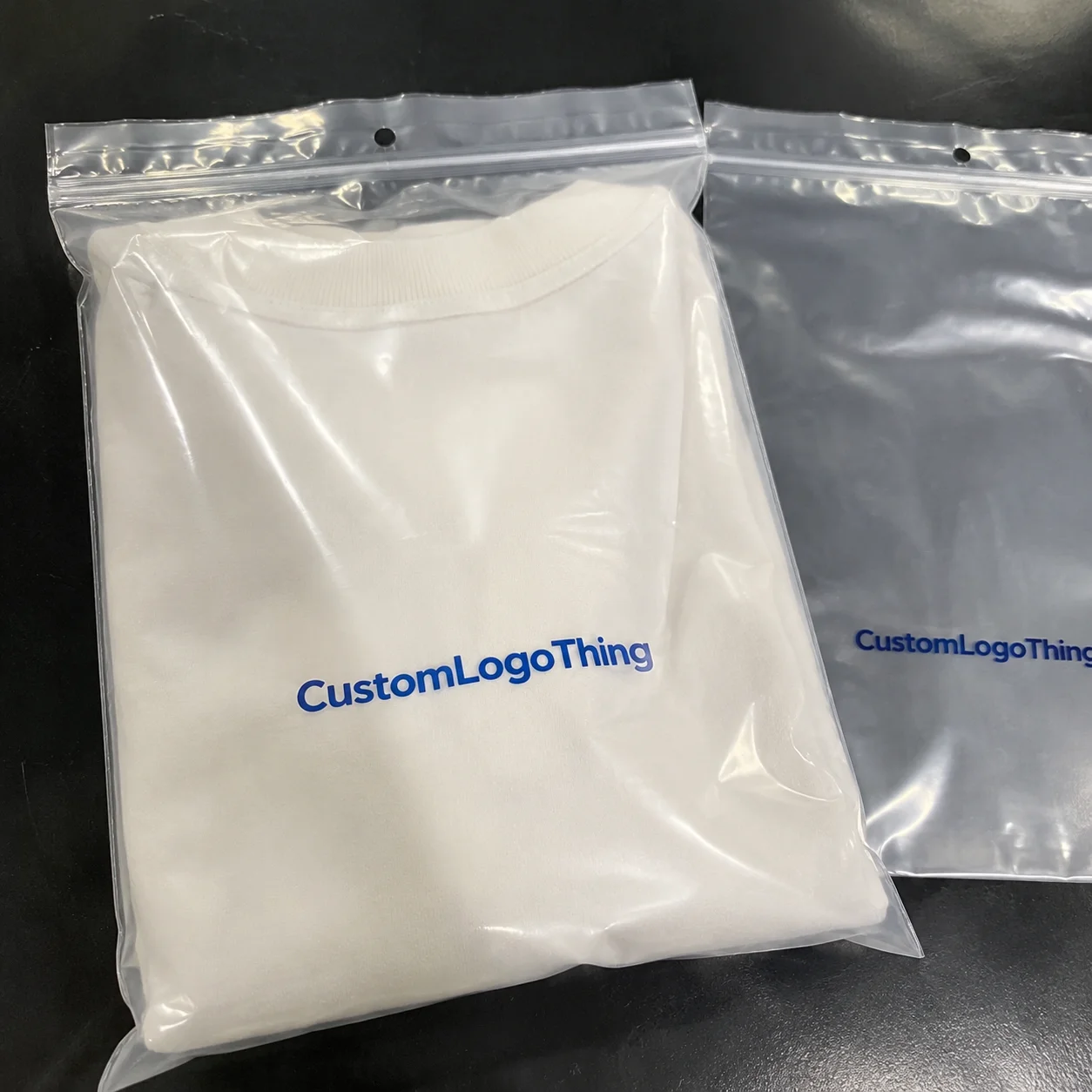
A toy retailer Zipper Pouches Supplier can make a product line feel polished, easy to merchandise, and easier to reorder, or quietly eat into margin with every shipment. Cheap quotes often hide the real cost until the zipper starts catching, the print scuffs during packing, or the pouch lands a few millimeters too tight for the toy set that was supposed to fit cleanly inside it.
From a packaging buyer's point of view, zipper pouches are not just bags with a closure. They carry shelf presence, labor efficiency, product protection, and customer perception all at once. A solid toy retailer zipper pouches supplier helps sort out structure, size, finish, and print setup so the package works on a peg hook, in a bin, and in a shipping carton without creating extra headaches for the warehouse team.
Blind bags, small play sets, accessories, craft kits, and seasonal bundles all place different demands on the pouch. Some need stronger opacity. Some need a clearer front panel so the toy can be seen right away. Some need a film that holds up to sharp corners or dusty parts. A strong toy retailer zipper pouches supplier pays attention to those details before production starts, because once the run begins, those details are no longer cheap to change.
I have seen the same pattern more than once: the sample looks fine on a screen, the quote looks fine in a spreadsheet, and then the actual fill line tells a different story. That gap is exactly why the right supplier matters.
What a toy retailer zipper pouches supplier actually handles
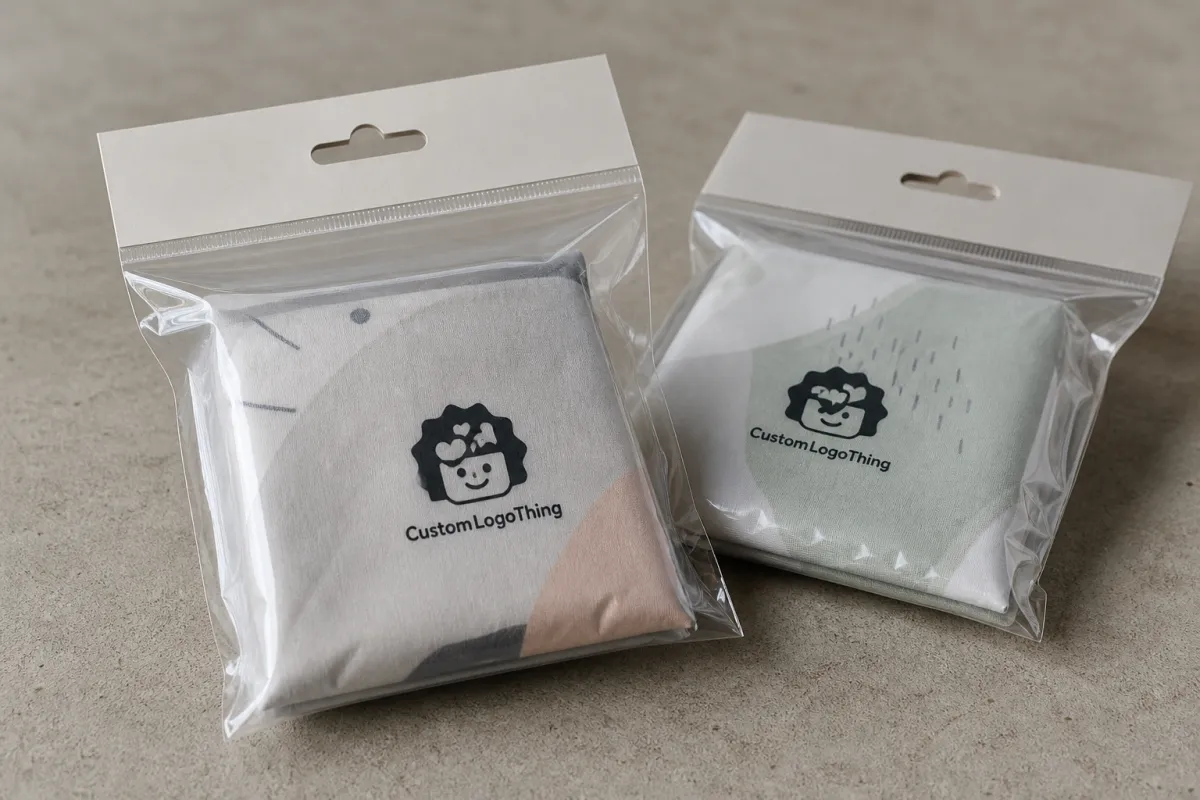
The easiest mistake is treating the pouch as a commodity and nothing more. A toy retailer zipper pouches supplier handles material sourcing, zipper style, print method, size planning, proofing, sampling, quality control, and freight coordination. If a vendor only takes artwork and passes the job along, that is a middle layer, not a real packaging partner.
The cheapest-looking pouch on a quote sheet can become the most expensive pouch in use. A zipper that fails after a few openings creates complaints. Print that scuffs during packing lowers the shelf impression. A pouch that runs small slows filling and pushes labor cost up. A seasoned toy retailer zipper pouches supplier thinks through those failure points before the first production order is released, and honestly, that is where the real value usually sits.
Different toy categories need different pouch behavior. Blind bags usually benefit from stronger opacity and quick filling. Small play sets may need a clearer front so buyers can see the contents before they make the purchase. Accessories and craft kits often need a careful balance between barrier, stiffness, and flexibility, since parts can snag or poke through weaker films. A toy retailer zipper pouches supplier should ask about weight, shape, surface texture, and whether anything inside is sharp, dusty, oily, or sensitive to moisture.
There is a real difference between a packaging broker, a factory, and a full-service supplier. A broker can coordinate quotes and samples, but may not control the machine settings that decide final quality. A factory can control production, but may not help much with the commercial tradeoffs that affect margin and retail fit. The best toy retailer zipper pouches supplier usually sits closer to the middle, with enough technical control to fix problems and enough practical judgment to keep the order workable.
The first questions should be about product dimensions, retail channel, display style, child-safety concerns, target margin, and how often the pouch will be reordered. If the supplier starts with artwork only, they are missing the point. A good toy retailer zipper pouches supplier should care about how the pouch will be sold, not just how it will be printed.
“If the pouch looks polished but slows the fill line by 15 seconds per unit, it is not cheap. It is just politely expensive.”
How a toy retailer zipper pouches supplier turns a brief into samples
The workflow should feel controlled and unhurried, because that usually means the process is being managed properly. A toy retailer zipper pouches supplier normally starts with the product brief, reviews artwork, recommends a structure, builds a digital proof, and then produces a physical sample before mass production. Skipping one of those steps is how buyers end up with cartons of packaging that are almost right and still unusable.
Size usually comes first, though not by guessing at the outer dimensions of the toy. The pouch should be built around the actual product, then adjusted for seal allowance, zipper width, headspace, and the way the finished pouch will sit on a shelf. A pouch that is too snug slows filling and puts stress on the seals. A pouch that is too loose lets the toy shift around and makes the retail presentation look careless. A practical toy retailer zipper pouches supplier will leave a little tolerance instead of pretending the product is a perfect rectangle.
Material choice comes next. Depending on the toy, the supplier may recommend PET/PE, BOPP/PE, matte laminated film, or a structure with better tear resistance and more stiffness at the top. If the toy has moisture sensitivity, a stronger barrier layer can matter. If the toy has sharper edges, seal strength usually matters more than a glossy finish. The right toy retailer zipper pouches supplier should explain the reason behind the structure instead of hiding behind vague words like premium.
Digital proofs help with layout, barcode placement, window position, and copy fit. They do not tell you how the pouch feels in hand, how the zipper behaves, or whether the seal lands where you expected. That is why a physical sample matters. A strong toy retailer zipper pouches supplier will push for both before release. One proof shows the design. The other shows the actual package.
Communication usually falls apart in the same three places: vague artwork files, missing dimensions, and unclear rules for color and zipper placement. If the Pantone target is not spelled out, drift is likely. If the artwork has tiny type near a seal area, edits will follow. If the buyer and designer are not on the same page, delay tends to show up quickly. None of this is mysterious. It is just what happens when packaging decisions are rushed.
When the sample arrives, check the dull details first. Does the zipper open cleanly? Are the seals straight? Does the product fit without forcing the pouch to bulge? Is the barcode still readable after printing? A toy retailer zipper pouches supplier can fix a lot before production, but only if the sample is reviewed like a working package rather than a pretty mockup.
Cost, pricing, and MOQ for toy retailer zipper pouches
Pricing looks simple until the quotes are placed side by side and the differences start showing up. A toy retailer zipper pouches supplier is pricing several variables at once: pouch size, film structure, zipper style, print coverage, matte versus gloss finish, and order quantity. A larger pouch may use more material, but a small pouch with heavy printing can still cost more because setup time and color work push the bill upward.
For basic retail zipper pouches, a realistic range at 5,000 pieces is often around $0.18-$0.32 per unit, depending on size and print coverage. If the order moves into thicker gauge film, specialty zipper hardware, matte lamination, or full-coverage multi-color printing, the range can climb to $0.28-$0.55 per unit. Very small custom runs usually sit higher. A toy retailer zipper pouches supplier that offers a bargain number without much explanation is often leaving out something important.
MOQ tends to rise when the order calls for custom colors, special zipper parts, or several SKUs printed in one run. That is not greed. It is setup efficiency. Machines care about roll changes, plates, material waste, and line time, not about a launch calendar that is already crowded. A toy retailer zipper pouches supplier can sometimes split MOQ across designs, but only if the print plan and fill plan make sense together.
Compare quotes on the same spec, or the comparison is not useful. One supplier may be quoting a different film thickness, another may use a different zipper style, and a third may include export packing and documentation while the cheaper quote leaves those out. A simple breakdown helps keep the decision grounded.
| Option | Typical MOQ | Unit Price Range | Best For | Tradeoff |
|---|---|---|---|---|
| Clear PE zipper pouch with simple print | 3,000-5,000 | $0.18-$0.30 | Basic accessory sets and low-risk assortments | Lower visual impact and a less premium shelf feel |
| Matte laminated printed pouch | 5,000-10,000 | $0.24-$0.42 | Retail sets where branding matters more | Better appearance, higher setup and material cost |
| Heavy-gauge custom pouch with specialty zipper | 8,000-15,000 | $0.30-$0.55 | Sharper-edged toys, premium bundles, repeat-open products | More cost, more lead time, more sample scrutiny |
| Multi-SKU printed run | Depends on layout | Usually 10%-20% higher than single-SKU runs | Seasonal retail programs and assortment packs | More art control and more chance for file mistakes |
Hidden costs matter too. Sample fees may run $50-$250 depending on complexity. Tooling or plate charges can land around $120-$450 if a custom print setup is required. Freight can stay manageable or turn painful, depending on whether the order ships by air, sea, or a domestic rush service. A toy retailer zipper pouches supplier should quote those items clearly instead of folding them into a mystery number.
The real comparison is landed cost, not factory price. Cheap packaging can destroy margin once shipping, rework, damaged goods, and extra labor are added in. If the filling team loses five seconds per pouch because the zipper is stiff, that labor cost will never appear on the quote, but it will show up everywhere else. A serious toy retailer zipper pouches supplier looks beyond the invoice and into how the package will actually behave.
What changes the price fastest
Three things move the number quickly: print coverage, material thickness, and zipper style. A full-wrap design with dense color coverage costs more than a light logo print. A thicker film gives better durability, but it also adds cost and can lengthen lead time. A specialty zipper can improve usability, yet it raises the minimum order. A toy retailer zipper pouches supplier should be able to tell you which tradeoff is worth paying for and which one is only decoration in a suit.
Process and timeline: from artwork to delivery
The timeline should be clear enough that no one has to guess what happens next. A normal order with a toy retailer zipper pouches supplier usually moves through brief submission, structural recommendation, digital proof, sample approval, production, inspection, and shipping. Each step has a purpose. If one step gets skipped, the next one inherits the mess.
Proofing often takes a few days. Sampling can take 5-10 business days if the structure is standard, or longer if special materials are involved. Production often lands in the 12-20 business day range after approval, though that shifts with queue position and order complexity. Shipping is a separate issue: a domestic move may take a few days, while sea freight can add several weeks. A toy retailer zipper pouches supplier that promises a miracle schedule without asking about artwork status is telling you what you want to hear, not what is likely to happen.
The slowest parts are usually sample approval, special material sourcing, and production queue timing. A rare zipper profile or an unusual film finish can stretch the calendar while materials are found and checked. Three rounds of artwork revisions can move the launch date even before production starts. A reliable toy retailer zipper pouches supplier will flag those delays early instead of pretending they came out of nowhere.
Rush orders can happen, but they are not magic. They often cost more because the supplier has to interrupt another run, reorder stock film, or move jobs out of sequence. That creates higher labor pressure and more risk. If someone offers a rush price that feels suspiciously calm, ask what step is being skipped. Usually it is proofing or inspection, and that is exactly where trouble likes to hide.
For retail launches, keep a buffer. It is better to hold two extra weeks in reserve than to spend a weekend fixing packaging because a sample arrived late. Holiday sell-in, trade show deadlines, and seasonal assortment windows do not care about excuses. A smart toy retailer zipper pouches supplier helps protect that buffer by being honest about every step, especially the parts that can stall.
One practical rule saves a lot of pain: if the timeline sounds unrealistically fast, someone is probably skipping proofing or quality checks. That does not make the supplier fast. It makes the order fragile.
Key factors that matter more than pretty printing
Pretty printing gets attention. Structure gets repurchases. A toy retailer zipper pouches supplier should help balance both, but if the choice has to be made, function should come first. Material selection affects barrier, clarity, tear resistance, seal strength, and hand feel. Those qualities decide whether the pouch survives a busy sales floor or turns into a customer complaint.
Clarify what the pouch must protect. Delicate components need enough stiffness to resist corner punctures. Dusty or moisture-sensitive products need barrier performance more than a shiny finish. Pouches meant to be reused after purchase need zipper quality and seal strength that hold up in real homes, not just under studio lights. A toy retailer zipper pouches supplier should explain the reason behind the structure instead of saying it looks nicer and leaving it there.
Zipper style matters more than many buyers expect. A smooth zipper supports repeat opening and closing, which is useful if parents want to store small parts after the toy is opened. A stiffer zipper may protect the seal better during shipping, but it can frustrate customers at home. For younger children, the opening force matters too, since fingers should be able to access the pouch without yanking the top seam apart. A thoughtful toy retailer zipper pouches supplier can recommend the right balance instead of defaulting to whichever zipper is cheapest that week.
Graphics should help the package sell the toy, not fight against the product inside it. Window placement matters because buyers want to see what they are getting. Barcode visibility matters because stores still scan things. Hang-hole decisions matter if the pouch goes on a peg. Shelf-facing layout matters if the pouch has to stand out in a crowded bin. A toy retailer zipper pouches supplier that understands retail behavior will guide the artwork around those realities.
Compliance and safety belong in the conversation as well. If the packaging is used for products aimed at younger children, pay attention to choking-hazard risk from loose parts, sharp zipper pulls, and any extra components attached to the pouch. Printing and materials may need to align with customer requirements for ink safety, migration control, or retail program specs. For shipping durability, testing against a recognized method such as ISTA procedures can help spot weak seams or weak cartons before the order reaches stores. A toy retailer zipper pouches supplier that understands these checks is worth more than a prettier mockup.
Sustainability can matter too, though it should be real and not just decorative marketing language. If paper-based elements are needed, ask about FSC-certified materials through FSC. If the goal is lower waste, ask whether the pouch can be made lighter without losing seal strength. Less material sounds noble right up until the package splits open on the way to the shelf.
The short version is simple: shelf performance matters. A pouch can look excellent on a screen and still fail in a peg hook, a bin, or a warehouse carton. A serious toy retailer zipper pouches supplier treats display, handling, and retail abuse as part of the spec.
Common mistakes toy retailers make with zipper pouch orders
The first mistake is ordering by price alone. That feels disciplined until the fill line slows down, the zipper jams, or the pouch arrives with a finish that looks cheaper than the toy inside it. A toy retailer zipper pouches supplier should be judged on more than unit price because packaging cost includes material, labor, shipping, and customer perception. Ignore one of those and the others collect the debt.
The second mistake is submitting artwork before the size is final. Once the artwork is built around the wrong dimensions, stretched logos, awkward windows, or text too close to a seal usually follow. Fixing that late can mean rework fees and more time lost. A toy retailer zipper pouches supplier can still rescue the job if the design is still early enough, but after production starts, the options get expensive fast.
The third mistake is overlooking how the toy is actually packed. A pouch that looks fine on screen may bulge because the product has an odd shape, or the zipper may sit too low and interfere with insertion. Sharp edges can stress the side seals. Loose pieces can create uneven pressure that weakens the corners. A smart toy retailer zipper pouches supplier will ask for the real packed sample, not just the product photo.
The fourth mistake is skipping the physical sample. A digital proof cannot show zipper feel, seal strength, or how the pouch behaves after being handled ten times. That matters more than people admit. The sample is where you find out whether the packaging is practical or only photogenic. A toy retailer zipper pouches supplier who discourages sampling is usually protecting their schedule, not your order.
The fifth mistake is underestimating replenishment. Retailers often place the first order cautiously, then need a reorder faster than the supplier can repeat the exact spec. If file storage is messy or approvals are unclear, the second run can turn into a fresh project. That is avoidable. A reliable toy retailer zipper pouches supplier should keep the final spec, color references, and revision notes on file so repeat orders do not start from zero.
- Do not approve a pouch before checking fill behavior with the real toy.
- Do not compare quotes unless size, film, zipper, and finish are identical.
- Do not assume a digital proof reveals seal stress or zipper friction.
- Do not let a launch calendar force you into skipping inspection.
- Do not forget that reorders need file control and color consistency.
If that list sounds obvious, good. Packaging mistakes are often obvious in hindsight, which is a remarkable time to learn nothing useful.
Expert tips and next steps for choosing the right supplier
Start with a comparison sheet. Keep it simple: size, material, zipper type, MOQ, sample cost, lead time, print method, and landed cost. Once those fields are side by side, fake savings tend to disappear quickly. A strong toy retailer zipper pouches supplier should be willing to quote in a way that makes comparison easier, not harder.
Ask for one sample that matches the real toy dimensions. Not a generic pouch that is “close enough.” Close enough is how margin leaks away in slow motion. If the sample fits the real product, you can judge fill speed, seal fit, and shelf presentation with some confidence. A good toy retailer zipper pouches supplier will understand that a sample is not a trophy; it is a test.
Request reorder support details before the first order is approved. Who stores the files? How are color changes handled? What happens if you need a repeat run with no artwork changes? What if the original pouch spec needs a small revision? These questions feel boring until the second order arrives and nobody agrees on what was approved. A dependable toy retailer zipper pouches supplier should answer them clearly.
Look for someone who explains tradeoffs plainly. If a supplier can tell you why a slightly thicker film is worth the extra spend, or why a matte finish might show scuffs more easily under warehouse handling, that is useful. If they only tell you everything is possible, that is not expertise. That is sales theater. The best toy retailer zipper pouches supplier reduces guessing. They do not add more of it.
The practical buying rule is simple: choose the packaging partner that makes your team faster, not just your mockup prettier. Speed matters, but only when it does not create hidden defects. A toy retailer zipper pouches supplier that balances size, cost, and fillability will usually save more money than the one with the lowest quote and the loudest promises.
Before you place the order, confirm three ownership points: who owns the final spec, who approves revisions, and how the next order will be referenced. That one habit makes repeat runs smoother and keeps the buyer from reliving the same argument six months later. It is not glamorous. It is just how packaging stays manageable.
For retailers buying custom packaging at scale, the right toy retailer zipper pouches supplier is the one that protects margin, reduces rework, and gives you a repeatable spec you can trust. That is the real takeaway: not the flashiest pouch, not the cheapest quote, but the one that ships cleanly, sells cleanly, and does not surprise you when the reorder lands.
FAQ
What should I ask a toy retailer zipper pouches supplier before ordering?
Ask about MOQ, sample cost, lead time, material options, and exactly what the quote includes. Confirm whether the toy retailer zipper pouches supplier handles artwork checks, production updates, and freight coordination. Request examples of similar retail pouches so you can judge print quality, zipper consistency, and how the pouch holds up after handling.
How do I compare quotes from different toy retailer zipper pouches suppliers?
Compare unit price, setup charges, sample fees, shipping, and any tooling costs. Check whether the quotes are based on the same size, film structure, finish, and zipper style. Use landed cost and lead time, not just factory price, or the comparison will be misleading. A strong toy retailer zipper pouches supplier should make that process easier by listing the spec clearly.
What is a realistic MOQ for toy retailer zipper pouches?
MOQ depends on size, print complexity, and factory setup, but custom runs usually start higher than stock pouches. Lower quantities are possible, though the unit cost is often noticeably higher. If you need multiple SKUs, ask whether the toy retailer zipper pouches supplier can split the MOQ across designs without pushing the price up too much.
How long does it take a toy retailer zipper pouches supplier to produce an order?
Timing usually includes proofing, sample approval, production, inspection, and shipping. Simple jobs move faster; custom materials, special finishes, or color matching add time. Build a cushion into launch plans so a delayed sample does not wreck the retail schedule. A toy retailer zipper pouches supplier that gives you a realistic schedule is doing you a favor, even if the number is less exciting.
Can a toy retailer zipper pouches supplier help with design decisions?
Yes, a strong supplier can recommend size, material, zipper style, and print layout based on the product. They should flag risks like weak seals, poor shelf visibility, or artwork that will not reproduce cleanly. Use that input early, because fixing design problems before production is cheaper than fixing them after. That is exactly where a good toy retailer zipper pouches supplier saves money.