Trade Show Folding Cartons Unit Cost: Request Quotes gets attention quickly because a carton that looks straightforward on paper can become surprisingly expensive once print coverage, finish choices, structure, and event deadlines all land on the same desk. In a trade show setting, trade show folding cartons unit cost is never just a line on a quote; it is a decision about presentation, protection, and how much risk the team can tolerate before the show opens.
From a packaging buyer's point of view, the tricky part is that the lowest sticker price is not always the lowest real cost. A carton that scuffs, bows, or arrives late can cost more than a better-built version that protects samples, supports the brand story, and reaches the booth table looking exactly as approved. I have seen projects where a few cents saved on the unit cost turned into a reprint and a headache nobody wanted. That is why trade show folding cartons unit cost should be treated as an early planning metric, not a last-minute procurement detail.
If your event team is still comparing structure options, it helps to think in terms of cost per piece, not just total spend. A well-built carton can reduce handling damage, speed pack-out, and lower the chance of rework. That is real value, and it often changes the quote conversation more than buyers expect. The cheapest number on the page is not always the one that holds up once the cartons are stacked, moved, and handed out under bright lights.
Why Trade Show Folding Cartons Unit Cost Surprises Buyers
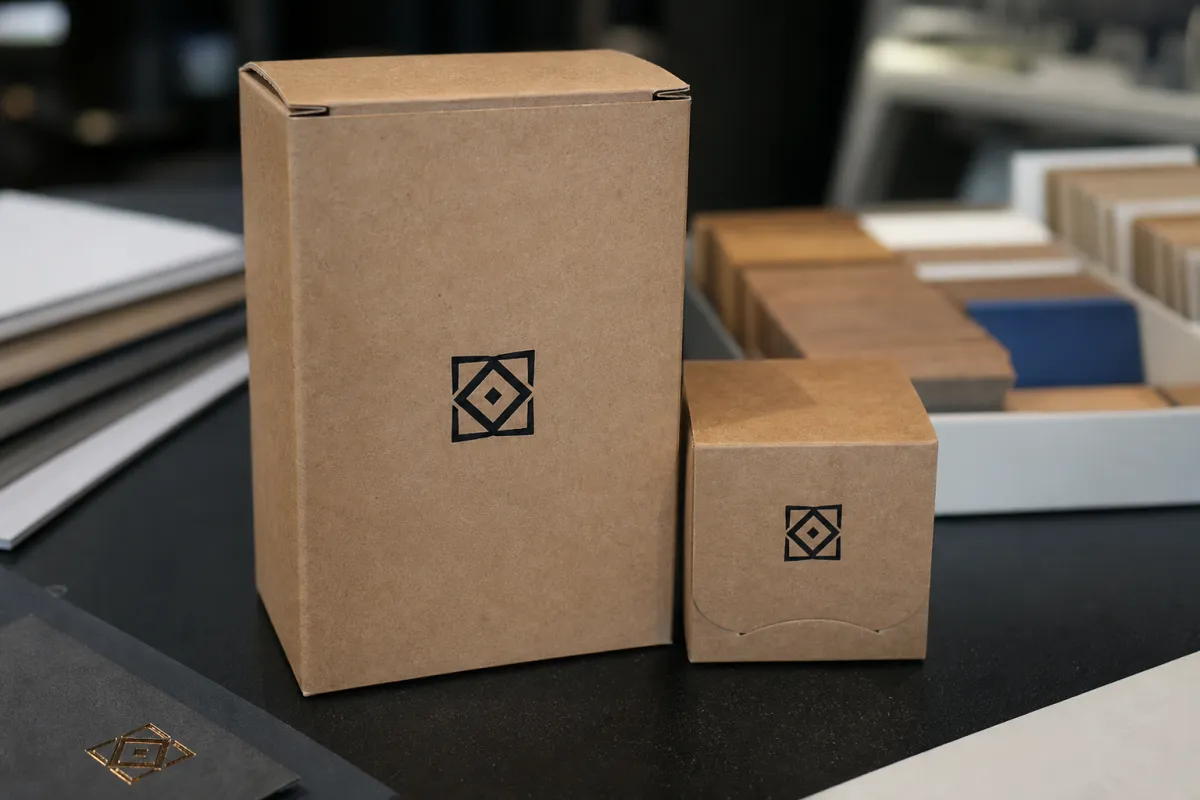
Trade show folding cartons unit cost surprises buyers because the requirements are compressed into a short window. Booth-ready packaging usually needs stronger graphics, tighter print control, and a cleaner finish than an ordinary shipping carton, while also moving fast through artwork approval, proofing, and production. Those pressures stack up. The result is that trade show folding cartons unit cost often comes in higher than a comparable retail carton, even when the structure looks similar.
The first surprise is presentation. A carton meant for a conference table or product handoff has to look finished from every visible angle. That means more ink coverage, better board selection, and in many cases a coating that resists fingerprints and scuffing under show lights. The second surprise is timing. Short deadlines can push up setup charges and narrow the range of finishing options that are available. The third surprise is risk. If the carton protects a premium sample, a demo kit, or a launch giveaway, the real comparison is not the sticker price; it is trade show folding cartons unit cost against the cost of a damaged or downgraded presentation.
Experienced buyers compare trade show folding cartons unit cost against qualified sample count and event-ready yield. A carton that looks inexpensive on a spreadsheet can become costly if it triggers reprints, last-minute substitutions, or manual repacking at the venue. A carton that costs a little more per unit can save money if it preserves the product and the brand impression through the full event cycle.
Use trade show folding cartons unit cost as a benchmark before approvals lock the design. Once the board grade, print coverage, and finish are set, the quote is much harder to improve without changing the look or the function. Buyers who open that conversation early usually get better control over unit cost, MOQ, and delivery timing. That early conversation matters more than most teams think, because once the artwork is signed off, there is not much room left to adjust the economics.
A booth carton should do more than hold a product. It should survive transport, present cleanly under bright lights, and make the brand look deliberate, not improvised.
There is also a hidden comparison that matters. A standard carton may be acceptable for general distribution, but a trade show carton is judged in public, often by prospects who are comparing your product against three competitors within the same aisle. In that setting, trade show folding cartons unit cost is tied to perceived quality. The carton becomes part of the sales message, whether the team planned it that way or not. That is a funny thing about event packaging: people notice the small details faster than they notice the budget line that paid for them.
Trade Show Folding Cartons Unit Cost Drivers
The biggest driver of trade show folding cartons unit cost is usually board grade. SBS, kraft, and heavier calipers each create a different feel, print result, and stiffness profile. SBS tends to deliver a cleaner print surface and a more polished presentation. Kraft can project a more natural or sustainability-minded look. Heavier calipers increase rigidity, but they also raise material usage and sometimes the die-cutting burden. In most quotes, board choice is the first place to look if trade show folding cartons unit cost needs to come down.
Print coverage is the next major lever. Full-bleed artwork, metallic inks, extra spot colors, and dense background coverage all add complexity. A simple one- or two-color layout often produces a steadier cost per piece than a high-coverage design with multiple color corrections and longer press setup. That does not mean the carton has to look plain. It means the design should earn every added color and every extra pass through production. Trade show folding cartons unit cost responds quickly to those choices, and the difference can be larger than a designer expects during the first round of comping.
Finishing is where the spread widens. Soft-touch coating, aqueous coating, gloss lamination, foil stamping, embossing, blind debossing, and spot UV each carry their own production implications. One premium finish can elevate the carton without blowing up the budget. Three premium finishes on a small run can push trade show folding cartons unit cost into territory where the packaging becomes more expensive than the product sample inside. That is not a theoretical concern; it shows up constantly in quote reviews, especially when the marketing team wants the box to do a lot of visual work in a very small footprint.
Structure matters just as much. Inserts, window cutouts, locking tabs, and auto-lock bottoms can improve protection or ease of assembly, but they also change material consumption, die complexity, and labor. If the carton is being packed by hand at a distribution center, a well-designed closure can save time. If the carton is built for a show counter and opened by prospects, the structure needs to feel intuitive and clean. The right structure can lower hidden labor costs even if the trade show folding cartons unit cost on paper looks slightly higher.
For teams that need a technical reference point, transit performance should not be guessed. Internal packaging specs can be aligned with common test protocols such as ISTA procedures, and the carton design can be checked against brand or fiber-source requirements. If your procurement policy requires certified materials, FSC chain-of-custody documentation belongs in the quote request. For more context on industry standards and packaging discipline, see ISTA and FSC.
The art file itself is another cost driver. Clean dielines, correct bleeds, and well-separated layers can save proofing time and reduce prepress back-and-forth. Messy files do the opposite. They add labor before the press even starts. That labor is part of trade show folding cartons unit cost, whether it appears as a line item or gets folded into the quote. Buyers who share final artwork, dieline files, and exact structural notes early are usually rewarded with tighter pricing. If you send half-finished files, you are basically asking the estimator to guess, and that is gonna show up somewhere in the quote.
Specifications That Set the Price Floor
Dimensions set the price floor faster than most buyers realize. A small change in width or depth can alter board usage, nesting efficiency, and the number of cartons that fit on a sheet. That is why trade show folding cartons unit cost can shift even when the carton looks almost identical from the outside. If one design wastes less board during imposition, the quote improves. If it creates awkward layouts or more trim waste, the cost rises. The same principle applies to height: taller cartons often need more material and can affect shipping density.
Carton style matters as much as size. A straight tuck end, reverse tuck end, auto-lock bottom, and sleeve format each have different assembly profiles. Tuck styles are often economical for presentation cartons that do not need heavy bottom support. Auto-lock bottoms can speed filling and improve security, but they generally raise material and tooling demands. Sleeves can create a premium unveiling effect, but they may require additional components or tighter tolerances. Every one of those choices affects trade show folding cartons unit cost.
Artwork complexity is another cost floor issue. A clean, repeatable layout with one main panel and consistent branding usually produces steadier press results than a design with heavy gradient work, multiple varnish zones, or tiny reverse type. Prepress teams spend more time checking registration, trapping, and finish alignment when the artwork is busy. That time is not free. It becomes part of tooling fees or setup charges, and sometimes both. A pretty file can still be a difficult file, and the pressroom tends to punish surprises.
Storage and transport requirements also belong in the specification set. Trade show cartons are typically shipped flat, then packed closer to the event. Flat-pack delivery reduces cube, but it increases the need for cartons to resist edge crush, curl, and moisture swings before the show. If the cartons will be stored in a warehouse, at a distributor, or in a back-of-house booth area, the board and coating need to tolerate that handling. In practical terms, a low-cost carton that deforms during storage creates a higher effective unit cost than a slightly better carton that remains presentable.
That is why the smartest buyers define the use case before asking for trade show folding cartons unit cost. Is the carton holding a luxury sample? Is it carrying multiple components? Will it be hand-assembled on site? Is it being packed for a one-day launch or a multi-city road show? Each answer changes the minimum spec. And once the minimum spec changes, the quote changes with it. If the carton is meant to be opened, reclosed, and handled by strangers all day, that detail alone can change the board choice.
What to lock before asking for a quote
Before requesting pricing, lock the dimensions, product weight, carton style, board preference, finish level, and delivery deadline. Without those details, trade show folding cartons unit cost is only a rough guess. With them, the quote can reflect actual production conditions instead of generic assumptions.
Buyers who want sharper numbers should also define tolerance expectations. A carton for a premium giveaway can demand tighter print alignment and cleaner folding than a carton meant for bulk sample distribution. That difference affects yield. Yield affects cost per piece. And cost per piece affects whether the event budget holds.
If your team is still deciding between a presentation-first build and a more economical structure, ask for both. Seeing two specifications side by side is often the fastest way to understand where trade show folding cartons unit cost is being spent. The comparison can reveal that one finish, one board upgrade, or one insert choice adds more value than the rest of the design combined.
| Quantity Tier | Typical Unit Cost Range | What Usually Drives It | Best Fit |
|---|---|---|---|
| 250 units | $1.25 - $2.40 | Higher setup charges, shorter run efficiency, more tooling fees per piece | Small regional events, pilot launches, internal demos |
| 500 units | $0.82 - $1.65 | Setup still matters, but material waste begins to normalize | Targeted trade shows and limited product sampling |
| 1,000 units | $0.52 - $1.10 | Better sheet utilization and more favorable bulk pricing | Standard booth programs and multi-day events |
| 5,000 units | $0.24 - $0.58 | Setup is spread across more pieces, so trade show folding cartons unit cost usually drops | National campaigns and recurring show calendars |
Those figures are illustrative, not universal. A carton with foil, embossing, or a custom insert can move outside the range quickly. Still, the table shows the basic pattern: trade show folding cartons unit cost falls as the MOQ rises, but only if the specification stays controlled. If the design becomes more elaborate at higher quantities, the savings can disappear. That is where a lot of buyers get caught. They ask for a bigger run, then add a nicer finish, and the savings slide right back out the door.
Trade Show Folding Cartons Pricing, MOQ, and Quote Scenarios
MOQ is one of the most misunderstood parts of trade show folding cartons unit cost. Many buyers assume the minimum order quantity is only a production rule. In reality, MOQ shapes how much setup cost gets absorbed by each carton, and that affects the price more than most teams expect. A small run can make sense for a test event or a regional show, but short runs usually push cost per piece upward because tooling fees and setup charges are spread across fewer units.
Bulk pricing works the opposite way. Once a carton spec is stable, trade show folding cartons unit cost typically improves as volume rises. The savings are not just about the quantity of paperboard. They also come from better press efficiency, smoother changeovers, and lower relative prepress effort. That is why tiered pricing matters. If a quote only gives one number, it hides the break points where the unit cost becomes more attractive.
Ask for at least three quantity tiers. A 250-unit quote can show whether the structure is feasible. A 500-unit quote can show whether the unit cost improves enough to justify a larger pilot. A 1,000-unit quote often reveals where the real buying threshold sits. In many programs, 5,000 units is where trade show folding cartons unit cost starts to feel much more efficient, assuming the artwork and structure do not become more complicated at the same time.
A useful quote should separate the major cost buckets. Buyers should be able to see carton cost, print charges, tooling fees, inserts, special finishes, and freight as distinct items. That separation matters because it shows where changes will move the price. If the board is upgraded, the material line changes. If foil is removed, the finishing line changes. If the event date moves closer, the freight line may change. Transparency is the only reliable way to manage trade show folding cartons unit cost across purchasing, marketing, and operations.
Here is the mistake many teams make: they compare totals instead of trade show folding cartons unit cost. Total spend matters, of course, but it does not explain the economics. One quote may look expensive because it includes better packaging design and lower damage risk. Another may look cheap because it hides rework, separate tool charges, or a freight estimate that is too low. The right comparison is not just quote A versus quote B. It is what each quote buys in actual booth performance.
Lead time also influences pricing. If approval is delayed, the production window gets compressed. That can force the factory to rearrange work, move the order into a faster slot, or narrow finish options. Each of those changes can increase trade show folding cartons unit cost. Buyers who protect approval time usually protect price as well. A delayed proof is often more expensive than a larger run. A tidy schedule is boring, sure, but boring is usually cheaper.
In practical terms, a clean quote request includes quantity, carton style, dimensions, board preference, finish, insert needs, and ship-to location. Add the event date, not just the delivery address. The date tells the supplier whether the schedule is normal or compressed. That alone can change trade show folding cartons unit cost by a meaningful amount.
Production Process, Timeline, and Lead Time
The production process usually starts with specs and dielines, then moves to artwork review, proofing, sample approval, and final production. Each step has a purpose. Each step can also add cost if it is rushed or redone. That is why trade show folding cartons unit cost is often more stable when the project is managed in sequence rather than through constant revision. A buyer who changes graphics after proof approval is not just changing design. That buyer may also be resetting labor, press setup, and schedule assumptions.
Lead time depends on the completeness of the files and the complexity of the build. If the carton is straightforward and the artwork is ready, some projects move from approval to production in roughly one to three weeks. If special finishes, die-cut windows, or sample inserts are involved, the window can widen. If the event deadline is tight, rush handling may be possible, but it can narrow finishing options and raise freight pressure. That affects trade show folding cartons unit cost directly.
Experienced procurement teams ask for a structure sample before mass production for a reason. A sample can reveal fit issues, folding tension, board stiffness concerns, and print alignment risks before the full run starts. Fixing those issues early is cheaper than fixing them after thousands of units are printed. In many cases, a small sampling fee saves a much larger reprint bill. It also makes the final trade show folding cartons unit cost more predictable.
Freight should be planned separately from production. Flat-packed cartons are efficient to move, but they still need enough crush protection in transit and enough lead time to clear receiving, warehousing, and booth build-out. A carton that arrives two days late is functionally useless for an event. That may sound obvious, but it happens more often than people admit. The quote that looked lowest often ignores the real cost of a missed deadline.
To keep trade show folding cartons unit cost under control, the schedule should be built backwards from the event date. Hold time for proof review. Hold time for corrections. Hold time for shipping and receiving. If the event has a union labor window, hotel delivery rule, or venue receiving deadline, those factors need to be included too. A buyer who treats the event calendar as a hard constraint usually makes better pricing decisions than one who only focuses on the press schedule.
One practical standard worth using here is transit testing. If the carton will travel through multiple handling points, request performance criteria that reference established packaging tests such as ISTA methods. That does not mean every event carton needs lab certification. It does mean the design should be judged against actual handling risks rather than assumptions. That discipline keeps trade show folding cartons unit cost tied to real-world performance, not wishful thinking.
Why Buyers Choose Our Folding Cartons for Trade Shows
Buyers usually want three things from a trade show carton: predictable quality, clear pricing, and a structure that performs on the booth floor. That sounds basic, but it is exactly where many suppliers fall short. If the carton is part of the presentation, every unit needs to look consistent. A slight color drift or a weak fold line is enough to make the whole batch feel less polished. That is why trade show folding cartons unit cost is only one part of the buying decision. Consistency matters just as much.
We keep the pricing conversation simple on purpose. The quote should show where the money goes, and the customer should be able to see the tradeoffs. If a premium finish is not adding value, it should not be forced into the spec. If a simpler board still delivers the right look under show lighting, that option should be on the table. This is how trade show folding cartons unit cost stays tied to business value instead of design habit. Nobody wants to pay for decoration that only looks good in a mockup.
From a packaging buyer's point of view, flexibility is only useful if it is grounded in reality. A structure that looks elegant but slows down packing may cost more in labor than it saves in materials. A carton that is easy to assemble but too soft for the product may create loss at the event. The best build sits in the middle: strong enough, clean enough, and priced with discipline. That balance is what most teams are after, even if they phrase it differently.
We also see a pattern with hybrid use cases. Some cartons must do double duty as a sample shipper and an event display piece. In those cases, the structure has to protect the product in transit and still look polished on the table. The answer is not always a more expensive build. Sometimes it is a smarter one: a stronger tuck, a better board caliper, or one premium finish instead of several. Those decisions can improve trade show folding cartons unit cost without sacrificing the booth presence.
Another reason buyers choose this approach is speed of comparison. A clean quote with separate line items makes internal approval easier. Marketing sees the presentation value. Procurement sees the unit cost. Operations sees the packing logic. That shared view reduces friction, and it often shortens approval time. Shorter approval time can protect the price, which brings the conversation back to trade show folding cartons unit cost again.
For teams that need a broader packaging context, industry groups such as Packaging Institute resources can help frame material choices, sustainability language, and packaging terminology. That kind of reference is useful when internal stakeholders need a common vocabulary. It is not a substitute for a quote, but it can make the quote review faster and more precise.
Next Steps to Lock In Trade Show Folding Cartons Unit Cost
If you want a sharper quote, start with the numbers that matter most. Send the carton dimensions, target quantity, product weight, finish preference, and delivery date. If the event is fixed, say so. If the artwork is complete, attach it. If the structure is still under review, ask for a blank dieline or a structural estimate first. Those steps make trade show folding cartons unit cost far easier to estimate accurately.
Then ask for two or three quantity tiers. Do not accept a single number if the order is still flexible. Tiered pricing is the clearest way to see where bulk pricing starts to work and where MOQ pressure still dominates. It also makes it easier to compare cost per piece across scenarios. If the difference between 500 and 1,000 units is small, the larger run may be the smarter move. If the gap is large, a shorter run may be the right call for the event cycle.
Request one simplified version as well. That is often the fastest way to see trade show folding cartons unit cost fall without degrading the carton's purpose. Simplify the finish. Standardize the dimensions. Reduce unnecessary ink coverage. Keep the structure strong. One or two of those adjustments can shift the quote more than a long round of negotiation. Buyers are sometimes surprised by how much cost is sitting in a decorative detail that does not help the show floor.
If your internal team needs to decide between a premium look and a tighter budget, use the quote to test the tradeoff instead of guessing. Ask what happens if foil is removed. Ask what happens if the insert is standardized. Ask what happens if the MOQ is increased by one tier. Those questions usually reveal whether trade show folding cartons unit cost can be improved without sacrificing the event experience.
And if the carton must satisfy sustainability rules, bring those requirements into the quote request early. FSC fiber, recycled content targets, or alternate coating preferences can affect lead time and pricing. The earlier they are listed, the easier it is to keep trade show folding cartons unit cost aligned with the approval path. Late sustainability edits are expensive. Early ones are manageable.
That is the main point. Trade show folding cartons unit cost is controllable, but only if the request is specific. A vague brief produces a vague quote. A clear brief produces a usable number. If the goal is to protect the budget and the booth presentation at the same time, the best move is simple: define the spec, compare tiers, and let the quote show where trade show folding cartons unit cost can come down before production starts.
FAQ
What drives trade show folding cartons unit cost the most?
Size and board grade usually have the biggest impact because they control material usage and carton stiffness. Print coverage, coatings, foil, and embossing add setup charges and finishing cost. Low quantities also raise trade show folding cartons unit cost because tooling fees and press setup are spread across fewer units.
How does MOQ change trade show folding cartons pricing?
Higher MOQ usually lowers unit cost by spreading setup and tooling across more pieces. Very small runs can still make sense for pilot events or regional shows, but they rarely give the best trade show folding cartons unit cost. Ask for tiered pricing so the break point is visible.
Can I lower the unit cost without making the cartons look generic?
Yes. Keep the structure strong, then simplify only the parts that add cost without adding value. Reduce unnecessary ink coverage, standardize the box size, and use one premium finish instead of several. That approach often improves trade show folding cartons unit cost while keeping the carton polished under show lighting.
How long does production usually take for trade show folding cartons?
Artwork approval and proofing can take a few days, depending on file readiness. Production often takes one to three weeks after approval, though complex finishes can extend that timeline. Freight should be planned separately so the cartons arrive before booth build-out begins, not after.
What do I need for an accurate quote on trade show folding cartons?
Provide dimensions, quantity, carton style, board preference, finish requirements, and the delivery date. Share the artwork file or dieline, plus any insert or window needs. The more complete the brief, the more precise the trade show folding cartons unit cost estimate will be.


