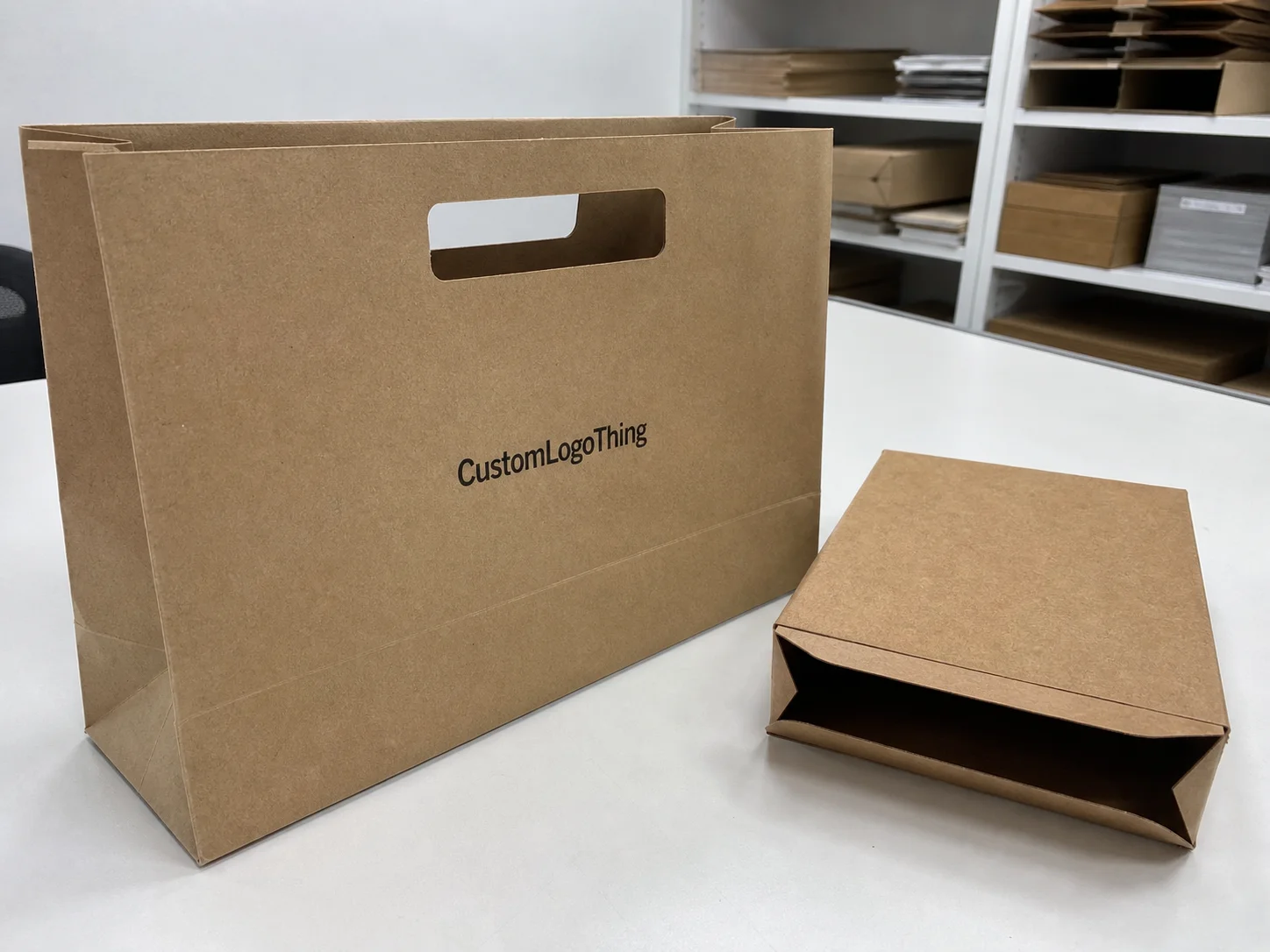
Buyer Fit Snapshot
| Best fit | unboxing experience packaging for packaging buyers who need material clarity, print proof, packing fit, cost control, and repeat-order reliability where brand print, material, artwork control, and repeat-order consistency matter. |
|---|---|
| Quote inputs | Share finished size, material target, print colors, finish, packing count, annual reorder estimate, and delivery region. |
| Proofing check | Approve dieline scale, logo placement, barcode or warning zones, color tolerance, and any recyclable or compostable wording before bulk production. |
| Main risk | Vague material claims, crowded artwork, or missing packing details can create delays even when the unit price looks attractive. |
Fast answer: Unboxing Experience Packaging: Dieline, Inserts, Print Proof, and Cost should be specified like a repeatable production item. The safest quote includes material, print method, finish, artwork proof, carton packing, and reorder notes in one written spec.
What to confirm before approving the packaging proof
Check the product dimensions against the actual filled item, not only the sales mockup. Ask for tolerance on folds, seals, hang holes, label areas, and retail display edges. If the package carries a logo, QR code, warning copy, or legal claim, reserve that space before decorative graphics fill the panel.
How to compare quotes without losing quality
Compare board or film grade, print process, finish, sampling route, tooling charges, carton quantity, and freight assumptions side by side. A lower quote is only useful if the supplier can repeat the same color, closure quality, and packing count on the next order.
What Is Unboxing Experience Design?
The first time I watched a customer open a rigid setup box at a cosmetics co-pack line in New Jersey, the room went quiet for about five seconds, which is a long time on a factory floor; that pause told me more about unboxing experience design tips than any mood board ever could. The corrugated shiver of the shipper, the soft pull of tissue, and the final lift of a printed insert all hit in sequence, and the whole package changed how the buyer felt about a product that cost under $30.
That is really what unboxing experience design is: the intentional planning of every tactile and visual layer a customer encounters from the outer shipper to the product reveal. I’m talking about structure, graphics, inserts, finishing, opening sequence, and even the little friction points, like whether the tear strip opens cleanly or the lid catches on the dust flaps. If you’re looking for practical unboxing experience design tips, start there, because the opening moment is not just decoration; it is part of the product story.
Honestly, a lot of brands still underestimate how much packaging changes customer perception. I’ve seen a simple mailer box with a 1-color flexo print and one well-written insert card outperform a much fancier pack because the message was clear, the structure protected the item, and the brand identity felt consistent from outside to inside. That is how brand recognition gets built in the hands, not just on a screen.
Good design should feel effortless to the customer even when the production side is a careful dance between dielines, print specs, material sourcing, and assembly labor. When I was visiting a folding carton plant near Guangzhou, the operator showed me three different blank layouts for the same brand, and one small change in tuck direction saved 14 seconds per pack-out; that kind of decision does not show up in a pretty rendering, but it absolutely shows up in margin and consistency. The best unboxing experience design tips are the ones that balance emotion with factory reality.
The reason this matters is bigger than aesthetics. A strong unboxing experience can improve retention, support user-generated content, and make a modest product feel premium when the pack-out is engineered well. If the customer opens the box and immediately understands the story, the value, and the care behind it, your packaging is doing real brand work. If it feels messy or confusing, the same product can seem cheaper than it actually is.
For brands that want a more technical reference point, standards from organizations like ISTA and sustainability guidance from EPA recycling resources are useful starting places. I don’t say that to sound formal; I say it because I’ve had clients spend thousands on beautiful boxes, then discover the product failed a basic drop profile or the board was too soft for parcel handling.
How the Unboxing Process Works from Concept to Pack-Out
Most people picture packaging as a design file and a finished box, but the real process is more like a relay race. A brief starts the job, then concepting, structural design, mockups, print setup, finishing, sample approval, and final pack-out each hand off to the next team. If one step is weak, the final result usually feels it, which is why so many unboxing experience design tips begin with process discipline instead of pretty graphics.
It usually starts with dimensions and product behavior. Is the item light and fragile, like a glass serum bottle, or dense and stable, like a metal grooming tool? That answer changes everything, from whether you use an SBS paperboard insert, an E-flute mailer, or a rigid tray with board wraps. A cosmetics brand I supported in Chicago wanted a luxe reveal for a 120 ml glass bottle, but the first mockup failed twice because the neck was too tall for the insert window; we fixed the structure before we ever touched the artwork, and that saved weeks.
Dielines are the backbone of the job. They determine where folds land, how tabs lock, and where the customer opens first. Insert trays, folding cartons, mailer boxes, and corrugated shippers all shape the opening experience in different ways, and each one affects both protection and presentation. A kraft corrugated mailer can feel honest and earthy, while a rigid setup box signals higher perceived value, especially when paired with a clean insert and restrained print.
Printing method matters more than many buyers expect. Offset printing gives you excellent color fidelity and works well for longer runs; digital printing is faster for short runs and variable data; flexographic printing is common for corrugated shippers and large-volume mailers; screen printing is useful for specialty effects or heavier ink laydown. Those choices influence lead time, unit economics, and whether your Pantone 186 C actually looks like the red on your brand guide or turns slightly orange under certain coatings. I’ve had a client approve a digital proof and then complain the final offset run looked “different,” and the issue wasn’t the press so much as the substrate and finish interacting.
Hand assembly enters the process when the experience includes tissue, ribbons, seals, stickers, nested inserts, or product cards placed in a specific sequence. This is where labor planning gets real. At one fulfillment center I visited in Ohio, a brand had specified five inserts, one cotton ribbon, and a folded thank-you note inside every kit; the pack-out looked beautiful, but the labor cost was nearly 22% higher than projected because no one timed the assembly line beforehand. That’s one of the clearest unboxing experience design tips I can give: count the hands, not just the materials.
Before a full production run, smart teams ask for review checkpoints. Structural prototypes show fit. Prepress proofing catches color and copy errors. Production samples confirm the finishing and assembly sequence. If your packaging partner skips those stages, that is a red flag. I’d rather delay a launch by four business days than ship 8,000 units of a box that tears at the wrong fold or prints the logo 3 mm off center.
Key Factors That Shape a Great Unboxing Moment
Strong branding is the first factor, and by branding I mean far more than slapping a logo on a lid. Typography, color palette, logo placement, and message hierarchy should reinforce the identity without crowding the reveal. If everything screams at once, nothing lands. One of the cleanest unboxing experience design tips I’ve learned is to decide what the customer should notice in the first two seconds, then strip away anything that fights that moment.
Material choices do a lot of heavy lifting. SBS paperboard is crisp and print-friendly, E-flute corrugated gives you structure and ship strength, rigid setup board creates a premium feel, kraft liners suggest natural simplicity, and specialty wraps can add a tactile cue that makes the box feel more considered. I still remember a supplier meeting where a client wanted “luxury” but insisted on the thinnest board available; once we put a 350 gsm C1S carton next to a 24 pt rigid sample, the difference in hand feel settled the argument in under a minute.
Then there is the sensory side, which people underestimate because it is hard to quantify. The sound of a magnet flap closing, the slight resistance when tissue lifts, the texture of uncoated stock under fingertips, and the pacing from outer shipper to inner reveal all shape emotion. In a watch packaging project I handled, the customer opening sequence included a soft-touch lid, a foam watch seat, and one embossed card underneath; the client later told me that the “pause before the watch appeared” was what got shared most on social media. That is not luck. That is sequence design.
Practicality matters just as much, though, and this is where many glamorous concepts fall apart. If the box scratches easily, the closing flap pops open in transit, or the insert slows fulfillment by 20 seconds per unit, the customer pays for the mistake. Great packaging has to protect the product, survive parcel handling, store efficiently, and assemble without chaos. In my opinion, the best unboxing experience design tips are always grounded in how the pack behaves at the warehouse table and in the back of a delivery truck.
Sustainability choices can strengthen the story when they are authentic. Recyclable inks, reduced plastic, and right-sized packaging often improve brand trust, especially if the customer can tell the design was made thoughtfully rather than performatively. FSC-certified paper stocks are worth considering too, and you can verify sourcing guidance through FSC. I’ve seen brands gain real goodwill by switching from a plastic blister to a paperboard insert, but only when the replacement still held the product securely and didn’t look flimsy. Eco-friendly packaging that fails in transit is not sustainable; it is waste with better marketing.
Step-by-Step Guide to Designing Your Unboxing Experience
Start with the customer journey. Ask what you want them to feel at first touch, during the reveal, and when they finally see the product. Do you want calm, excitement, delight, reassurance, or a sense of premium craftsmanship? Once that emotional target is clear, the rest of the choices become much easier, and your unboxing experience design tips become a working checklist instead of vague inspiration.
Next, map the layers from outer shipper to inner wrap. Write down what lives on each surface: shipping label, exterior branding, opening instructions, insert card, tissue wrap, product tray, and any surprise element like a discount card or care guide. The sequence should feel intentional. If the customer has to guess where to open, the experience loses momentum. I once reviewed a subscription box prototype where the “hero message” was hidden on the bottom flap; moving it to the inside lid made the whole concept feel more coherent without adding a single dollar in material cost.
Choose the structural format based on product size, fragility, and target price point, then request a mockup before final artwork lock. A plain RSC corrugated shipper, a roll-end mailer, a straight tuck carton, or a rigid shoulder box all create different opening behaviors. If you are shipping ecommerce, I usually ask brands to test at least two options side by side: one that is visually stronger and one that is operationally easier. Often, the right answer sits in the middle.
Align the graphics and finishing with your budget. Spot UV, embossing, foil stamping, soft-touch coatings, and flood varnish all change the feel, but each one adds cost and production complexity. A clean uncoated look can actually be more persuasive than too much gloss if your brand identity is about authenticity, wellness, or hand-crafted quality. I’ve had clients spend $0.18 per unit for a printed insert that delivered more perceived value than a $0.40 decorative finish, simply because the copy was sharper and the information hierarchy was better.
Test the pack with real users, not just internal stakeholders. Hand the sample to someone who has never seen it before and watch where they hesitate, tear, or miss the message. Ask them to open it without coaching. Then ask what they remember after 30 seconds. Those simple tests reveal more than ten Zoom meetings. This is probably the most overlooked of all unboxing experience design tips, because the factory may build exactly what the drawing says, and still the customer may experience confusion if the opening cue is weak.
Cost, Pricing, and Timeline Considerations for Branded Packaging
Packaging costs are driven by material grade, print complexity, number of components, finishing processes, assembly labor, and volume. A 5,000-piece run of a simple mailer with one-color print might land around $0.62 to $0.95 per unit depending on size and board caliper, while a rigid two-piece box with lamination, foil, and insert work can climb well above $2.00 per unit. Those numbers move with freight, paper markets, and regional labor, so any quote should be treated as a live estimate, not a promise carved in stone.
Custom inserts, specialty coatings, multi-piece kits, and hand assembly add cost quickly. That does not mean you should avoid them; it means you should spend where the customer will notice. If the insert holds a fragile product and the reveal card carries your brand story, those are worthwhile places to invest. If you are adding a printed belly band, a sticker seal, and a die-cut sleeve just because they look nice in a render, pause and ask whether the structure is doing real work or just making the pack harder to assemble.
Here’s the practical pricing rule I give clients: spend on the one or two touchpoints that define the experience, then simplify everywhere else. A brand with a $38 average order value probably should not build a five-layer luxury kit unless the margins support it. Meanwhile, a premium skincare line selling at $120 can often justify a higher box cost if the packaging reinforces the brand story and reduces returns. That is the real heart of good unboxing experience design tips: not “how fancy can we make it,” but “where does the customer actually feel the value?”
Timelines need just as much honesty. Artwork approval, dieline revisions, sample rounds, print queue time, finishing, and freight all add up. A straightforward mailer might take 12 to 15 business days from proof approval to completion, while a complex rigid box with specialty finishing and hand assembly can run 4 to 6 weeks or longer. If marketing, operations, and fulfillment teams are all involved, build extra time for internal approvals, because the slowest step is often not the factory.
I learned that the hard way on a holiday gift kit for a personal care brand. The client approved the structure in three days, then spent 11 more days debating copy on the insert card and the exact shade of gold foil. The production slot slipped, and we had to split freight across two shipments. Nothing was wrong with the packaging; the schedule just didn’t respect the amount of coordination the project required. If you want reliable unboxing experience design tips, plan for that coordination from the beginning.
Common Mistakes That Weaken the Unboxing Experience
The most common mistake is overdesigning the box so the customer has to fight through too many layers. If they need scissors, effort, or guesswork to get to the product, the emotional energy drops fast. I’ve seen beautiful packs fail because a ribbon pull looked elegant in concept but snagged every third time on the line. A good reveal should be intuitive in the hand, not just pretty in a presentation deck.
Another issue is choosing premium finishes that look impressive in renderings but scuff badly or slow production. Soft-touch lamination can feel wonderful, but if the board stock is too light or the coating rubs in transit, the box arrives looking tired. Foil stamping can elevate a package, but on certain textured stocks it can break up or fill in. I’ve sat across from brand teams at sample review tables where the “luxury” finish they loved on screen had to be rejected because it didn’t survive handling.
Brand inconsistency causes trouble too. If the outer box looks modern, the insert card sounds formal, and the product pouch feels handmade, the whole story can split into three separate identities. That weakens brand consistency and muddies the visual branding. The outside, inside, and product should feel like they came from the same thinking, even if they use different materials or levels of finish.
Poor cost planning is another trap. I have seen teams pour budget into decorative elements while underinvesting in protection and shipping performance, and that usually becomes expensive very quickly. A crushed corner, a bent tray, or a damaged bottle costs more than a clean, simpler presentation would have cost in the first place. Good unboxing experience design tips always respect the full journey: factory, freight, warehouse, and customer hands.
Weak testing is the last big mistake. Skip drop tests, assembly checks, or customer walkthroughs, and you invite avoidable problems. Even a basic ISTA-oriented test plan can reveal weaknesses before full production, which is far cheaper than fixing them after launch. I’ve seen one carton design pass a desk review and then fail after a 24-inch drop because the insert allowed the item to shift by 6 mm. That tiny gap became a broken corner and a refund.
What are the best unboxing experience design tips for a featured-snippet-ready package?
If you want a strong result without overcomplicating the job, start with one hero moment. Maybe that is a reveal card, a nested tray, a signature tissue wrap, or a perfectly printed inside lid. One memorable feature done well will outperform five half-finished ideas every time. That is one of my favorite unboxing experience design tips because it keeps the design focused and the production realistic.
Create a simple checklist for marketing, operations, and manufacturing so everyone signs off on the same goals and limits. Include dimensions, target substrate, print method, finish, number of components, pack-out steps, and acceptable tolerances. If a team member wants to add a flourish, the checklist makes it obvious what that flourish costs in labor, materials, or freight. I wish more brands did this before ordering samples; it saves everyone from awkward mid-project surprises.
Request physical samples early. Digital proofs can show layout, but they cannot tell you how a tuck feels, whether a lid bows, or how the ink behaves on the actual stock. A sample from a real factory setup is worth far more than a polished mockup in a PDF. If you are comparing options, put them side by side on the same table with the same light source and the same product inside. The best design choice often becomes obvious in under a minute.
Compare at least two material or structure options before you lock anything. Sometimes the most visually attractive concept is not the most efficient on press or in pack-out, and sometimes the simplest structure creates the strongest customer perception because it feels honest and deliberate. That is where experience matters. I’ve negotiated with paper mills over board lead times, and I can tell you that the “perfect” material is often the one you can source consistently at the right caliper, right finish, and right price.
For the next step, define the exact reaction you want from your customer, audit your current packaging, gather your dimensions and brand assets, then request a quote and prototype plan from a packaging partner. If you already know your product weight, shipping method, and target unit cost, you are ahead of most brands that come to the table. And if you are still refining the concept, that is fine too; the best unboxing experience design tips are built from honest constraints, not wishful thinking.
Custom Logo Things can help you turn that plan into something real, whether you need a simple printed mailer, a structured insert, or a more polished branded kit. Start with the customer experience first, then let the material and production choices follow. That order has saved me from plenty of expensive mistakes, and it is usually the fastest path to packaging that feels memorable without feeling overdone.
FAQs
What are the best unboxing experience design tips for small brands?
Focus on one memorable reveal element instead of multiple costly extras. Use strong branding on the inside lid or insert card where it will be seen immediately. Prioritize protection and clean pack-out first, then add low-cost touches like tissue, stickers, or a thank-you card.
How do I keep unboxing Packaging on Budget without looking cheap?
Choose a simple structural format with one premium accent rather than many expensive finishes. Use smart print placement and clean design to create a polished look without heavy decoration. Reduce labor by minimizing assembly steps and unnecessary components.
What materials work best for a Premium Unboxing Experience?
Rigid boxes, SBS paperboard, and well-printed corrugated mailers are common choices depending on budget and product weight. Soft-touch coatings, uncoated textured stocks, and kraft finishes each create different brand impressions. The best material is the one that matches protection needs, brand tone, and shipping conditions.
How long does it take to produce custom unboxing packaging?
Timing depends on artwork approval, structural sampling, print method, finishing, and order size. Simple designs move faster than complex multi-part kits with specialty coatings or hand assembly. Build in extra time for revisions, sample reviews, and freight so launch plans stay realistic.
How can I measure whether my unboxing experience design is working?
Track customer feedback, repeat purchases, and social shares or unboxing content. Watch for operational signals like fewer packing errors, less Damage in Transit, and smoother fulfillment. Use test groups to see whether customers understand the opening sequence and remember the brand story.