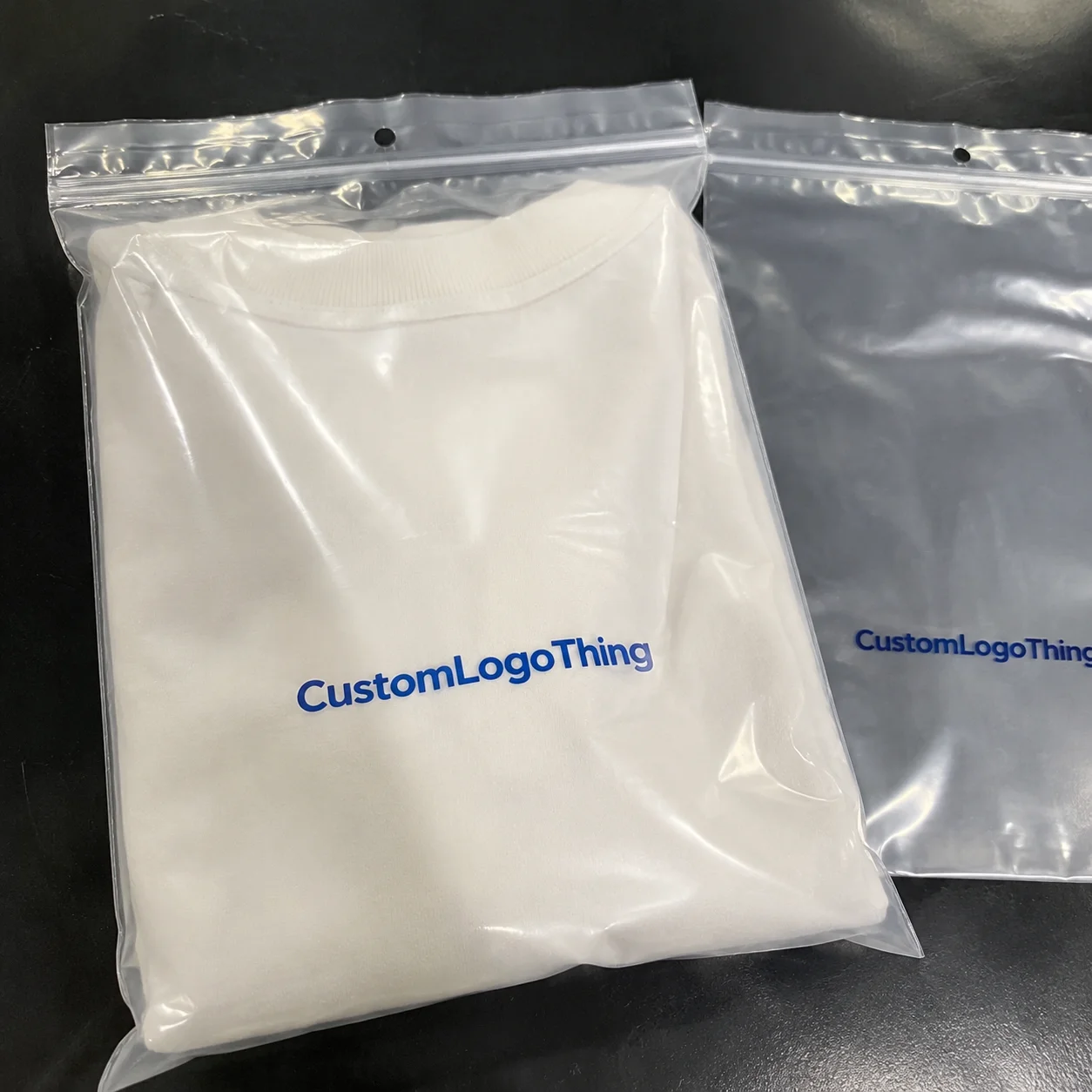
Buyer Fit Snapshot
| Best fit | unboxing experience premium quality branding for packaging buyers comparing material specs, print proof, MOQ, unit cost, freight, and repeat-order risk where brand print, material, artwork control, and repeat-order consistency matter. |
|---|---|
| Quote inputs | Share finished size, material target, print colors, finish, packing count, annual reorder estimate, and delivery region. |
| Proofing check | Approve dieline scale, logo placement, barcode or warning zones, color tolerance, and any recyclable or compostable wording before bulk production. |
| Main risk | Vague material claims, crowded artwork, or missing packing details can create delays even when the unit price looks attractive. |
Fast answer: Unboxing Experience Premium Quality Branding: Dieline, Finish, Proof, and Buyer Review should be specified like a repeatable production item. The safest quote includes material, print method, finish, artwork proof, carton packing, and reorder notes in one written spec.
What to confirm before approving the packaging proof
Check the product dimensions against the actual filled item, not only the sales mockup. Ask for tolerance on folds, seals, hang holes, label areas, and retail display edges. If the package carries a logo, QR code, warning copy, or legal claim, reserve that space before decorative graphics fill the panel.
How to compare quotes without losing quality
Compare board or film grade, print process, finish, sampling route, tooling charges, carton quantity, and freight assumptions side by side. A lower quote is only useful if the supplier can repeat the same color, closure quality, and packing count on the next order.
Two products can roll off the same filling line, carry the same formula, and sell for the same margin, yet one arrives in a plain corrugate shipper while the other opens like a carefully staged reveal, and the customer instantly reads one as ordinary and the other as Unboxing Experience Premium quality. I’ve watched that happen on factory floors from Dongguan to New Jersey, and honestly, it still amazes me how packaging can change perception more than the product spec sheet does. If you want stronger brand identity, better brand recognition, and a cleaner first impression, unboxing experience premium quality is not a garnish; it is part of the product, especially when the packaging uses a 350gsm C1S artboard sleeve, a 1200gsm greyboard rigid base, or a custom molded pulp insert produced in Guangdong Province.
At Custom Logo Things, I’ve seen brands spend $18,000 on formulation work and then try to save eighty cents on the box, which is backwards if the packaging is the first thing the buyer touches. The box, the insert, the reveal sequence, and even the closing sound all shape customer perception before the customer ever tests the item itself. I remember one launch where the formula was excellent, the brand story was strong, and the packaging looked like it had been assembled during a lunch break (I wish I were exaggerating), while a small adjustment to a matte aqueous finish, costing about $0.15 per unit for 5,000 pieces, would have changed the entire first impression. That is why unboxing experience premium quality matters for cosmetics, tech accessories, apparel, candles, supplements, and subscription kits alike.
Premium packaging also supports a smoother customer journey, because the first physical interaction can either confirm the purchase or introduce doubt. When a box feels considered, the buyer senses care, and that feeling often carries into reviews, repeat orders, and social sharing. In practical terms, unboxing experience premium quality is a mix of presentation, protection, and tactile design, and the strongest brands treat it as a core part of their packaging strategy rather than an afterthought.
What Unboxing Experience Premium Quality Really Means
On a line visit in Shenzhen, I once held two samples that had the same internal dimensions, both built for a serum bottle with a 38 mm neck and a 120 ml fill. One sample was a standard mailer with kraft paper and loose tissue; the other was a rigid setup box with a 1200 gsm greyboard shell, wrapped in 157 gsm art paper, lined with a matched insert, and finished with a soft-touch laminate from a converter in Bao'an District. The formula inside was identical, but the second package immediately felt like unboxing experience premium quality because every detail was aligned: structure, print, materials, fit, finish, and the order of the reveal, down to the 1.5 mm lid gap and the 0.3 mm crease registration.
That distinction matters. Premium unboxing is not the same as expensive packaging, and it is not the same as decorative packaging. True unboxing experience premium quality is the combined effect of structure, materials, print precision, surface finish, and the sequence in which the customer discovers the product, whether the package ships from Ningbo, Los Angeles, or a contract packer in New Jersey. A plain box can be well engineered, and a flashy box can still feel cheap if the insert rattles or the artwork is off by two shades of Pantone drift; I’ve had clients swear a package looked “fine” until we opened the sample and the lid made a sad little click that killed the mood immediately.
Most people get this wrong because they assume premium means more. More foil, more gloss, more layers, more printing. In my experience, premium means more control. A package that looks and feels premium because it is consistent, quiet, and deliberate will outperform a noisy design that tries to do too much. That is the real job of unboxing experience premium quality—to signal care, value, and consistency before the product itself gets a chance to speak, whether the packaging uses a 24-point SBS carton with a 1-color interior or a 157 gsm C2S wrap with a blind emboss on the lid in one corner only.
There is also a difference between luxury-looking, premium-feeling, and premium-performing packaging. Luxury-looking packaging may photograph beautifully, but if the closure is weak or the insert is loose, the customer notices. Premium-feeling packaging has tactile cues like a 24-point SBS carton, a magnetic flap with a 2.0 lb pull force, or a clean tear strip. Premium-performing packaging survives transit, holds the product tight, and arrives without corner crush or scuffing, even after a 36-inch drop test and a 24-hour compression cycle. The strongest brands aim for all three, because unboxing experience premium quality lives at the intersection of aesthetics and performance.
The emotional side is not soft science. Anticipation begins when the shipping label is scanned, continues when the tape is cut, and peaks at the first reveal. Delight shows up in the silence of a well-fitted insert, trust appears when the package opens cleanly, and shareability arrives when the customer thinks, “I should film this.” That is why unboxing experience premium quality often travels farther than paid ads; it is a physical story people want to repeat, especially when the package includes a textured stock from Taiwan, a foil accent applied in Suzhou, or a message card printed on 300gsm uncoated paper in Charlotte.
How Premium Unboxing Works on the Customer Journey
I like to think of the unboxing journey as five stages: the outer shipper, the opening action, the first reveal, the product presentation, and the final take-away. Each stage either builds trust or chips away at it. With unboxing experience premium quality, every stage is designed, not left to chance, and that design shows up in repeat orders, organic posts, and better word-of-mouth in the first 30 days after delivery, especially for launches that ship from a warehouse in Dallas or a fulfillment center outside Rotterdam.
The outer shipper matters more than people admit. A premium inner box inside a beat-up corrugate shipper will still feel damaged, because shipping scars the brand before the customer sees the reveal. I’ve seen 32 ECT corrugated mailers crushed on the corners after a cross-country move, while a 44 ECT double-wall outer shipper protected a delicate rigid box and preserved the full unboxing experience premium quality. Protection is not separate from presentation; it is part of the experience, and a 0.5-inch air gap around the carton can be the difference between a clean arrival and a dented disappointment.
Visual cues create the first emotional read. Foil stamping on a logo, a careful emboss on the lid, a soft-touch laminate that reduces glare, and disciplined color matching all tell the eye that the brand paid attention. A box with crisp white space and a single accent foil often feels more premium than a crowded design with seven effects fighting each other, especially when the foil is applied in a single pass at a factory in Wenzhou rather than layered in multiple decorative treatments. In real packaging terms, unboxing experience premium quality is often about restraint, not decoration.
Tactile details do a lot of heavy lifting. A magnetic closure that snaps shut with a 1.5 to 2 pound pull force, a dense EVA insert cut to within 0.5 mm tolerance, a tissue fold that opens in one clean motion, or a pull ribbon placed exactly where the thumb naturally lands can change the whole mood. That is why unboxing experience premium quality is felt in the hands as much as it is seen with the eyes, and a 12 mm satin ribbon or a 9 mm grosgrain pull can be more effective than another printed panel.
Brand protection during shipping is a practical issue, not a theoretical one. If the product shifts, the corner rubs off, or a bottle cap scuffs against the tray, the customer does not think about logistics. They just think the brand is careless. I learned that during a client meeting with a skincare brand that had gorgeous outer cartons but no internal restraints; after three weeks, their return photos showed loose jars and cracked seals. We fixed it with a custom insert, changed the pack sequence, and the unboxing experience premium quality instantly improved because the product stopped arriving compromised, all from a change that added only about $0.07 per unit at 10,000 pieces in a factory near Dongguan.
When that experience is intentional, the business results follow. Better retention, more repeat orders, stronger social sharing, fewer damage claims, and more positive comments about the brand all tie back to packaging decisions made months earlier. If your package makes people want to photograph it, talk about it, or keep the box on a shelf, you have built unboxing experience premium quality into the customer journey, and you can usually see the effect in return rate drops of 8% to 15% within the first quarter after launch.
Key Factors That Shape a Premium Unboxing Experience
Material choice is the first big decision. Rigid board is excellent for high-perception items like gift sets, fragrance, premium electronics, and boxed apparel because it delivers structure and weight. Premium SBS folding carton works well for retail shelves and lighter products that still need a refined look, especially when paired with aqueous coating or a matte film. Corrugated mailers can absolutely support unboxing experience premium quality when the board grade is strong, the print is clean, and the inside reveal is thoughtfully designed, such as a 32 ECT white-lined chipboard mailer with a 1-color black interior.
Specialty papers and recycled options matter too. I’ve toured plants in Zhejiang Province that use FSC-certified paperboard with recycled content and still achieve a high-end finish by controlling print density and texture. If your brand story includes sustainability, then a 400 gsm recycled board with a natural fiber feel can support unboxing experience premium quality without pretending to be something it is not. For reference on responsible sourcing, FSC has clear guidance at fsc.org, and many mills in Vietnam and South China now offer comparable chain-of-custody documentation for export orders.
Print and finish choices shape perception almost immediately. CMYK is fine for many jobs, but spot colors give better brand consistency when your logo must hold a precise shade across reorders. Foil stamping, embossing, debossing, UV spot varnish, matte lamination, gloss coating, and soft-touch all influence how the package is read. A single gold foil logo on a matte black box can feel more premium than full-coverage print, which is why unboxing experience premium quality often depends on disciplined print strategy rather than volume of effects, especially when a 0.2 mm emboss height is enough to create the right touch response.
Structure and fit are where packaging either earns trust or loses it. Tolerances matter. If the insert pocket is 2 mm too loose, the product moves. If it is 1 mm too tight, assembly slows and product risk rises. Die lines, nesting geometry, and partition placement should be tested against the real SKU, not just a render. A well-fitted box that stops movement and frames the product cleanly gives you unboxing experience premium quality that customers can feel the moment the lid opens, whether the insert is EVA foam in Shenzhen or molded pulp from a supplier in Suzhou.
Branding consistency is another quiet but powerful factor. Typography, logo placement, color accuracy, and even the spacing around a mark should stay disciplined across cartons, sleeves, inserts, and shipping labels. I once sat with a brand manager who had three different blues across the same packaging set because the artwork passed through three vendors; the package looked “off” even though each component was technically acceptable. That kind of mismatch chips away at unboxing experience premium quality faster than most people realize, especially when a designer file is converted from RGB to CMYK without a proof on 300gsm stock.
The sensory layer matters, too. The sound of a rigid lid lifting, the slight resistance of a magnet, the clean tear of tissue, and the absence of strong odor in a cosmetics or food package all contribute to confidence. For food, supplements, or skincare, a scent-free interior is often smarter than a perfumed insert because the customer should smell the product, not the board adhesive. Unboxing experience premium quality is really a choreography of senses, and the best packages respect that with low-VOC glue, water-based coatings, and an opening sequence that lasts under 45 seconds.
Visual branding must support the moment as well. Packaging with strong hierarchy—logo, product name, benefit line, reveal element—helps the eye land where it should. If the package is cluttered, the customer works too hard, and that work pulls down the premium feel. I’ve found that a clean logo mark, one clear message, and one memorable tactile detail usually deliver stronger unboxing experience premium quality than a box overloaded with claims and graphics, particularly when the hierarchy is printed on 157gsm art paper wrapped over a rigid tray made in Dongguan.
For brands that want to understand the standards behind transit performance, the ISTA testing framework is worth a look. I’ve had projects pass visual checks and fail drop tests at 24 inches because the insert was too shallow or the corner protection was weak. Those failures are exactly why unboxing experience premium quality has to be built for both shelf appeal and shipping abuse, not just for a polished studio photo in a New York showroom.
Process and Timeline: From Concept to First Production Run
The best packaging projects start with discovery, not artwork. I ask clients about the product weight, the shipping channel, the opening environment, the target margin, and the customer’s emotional expectation. A subscription beauty kit opened at a kitchen table needs a different structure than a premium watch box opened at a retail counter. That early clarity keeps unboxing experience premium quality grounded in how the product actually lives, whether it is packed in California, assembled in Shenzhen, or fulfilled from a warehouse in Pennsylvania.
From there, the workflow usually runs like this: discovery, design brief, structural dieline, artwork setup, prototype, sample revisions, production approval, printing, finishing, packing, and shipment. On a straightforward folding carton, you might move from brief to first sample in 7 to 10 business days, then production in another 12 to 18 business days after sign-off. A rigid box with specialty foil, insert assembly, and magnetic closure usually takes longer, often 20 to 35 business days depending on component complexity. That timing is normal if unboxing experience premium quality matters and you want the pack right the first time, especially when the proof rounds are being reviewed across time zones in Chicago, Shenzhen, and London.
Most delays happen in the approval stage. Artwork proofing, color matching, material selection, and sample sign-off can drag if the team has five stakeholders and no single decision-maker. I remember a launch where we had approved structure in three days, then lost nine days debating whether the interior tray should be ivory or warm gray. That choice affected the overall visual branding, and in the end the warmer tone made the whole pack feel more premium. Small choices like that shape unboxing experience premium quality more than most teams expect, especially when the color is checked against a printed Pantone swatch under D65 light.
On the factory floor, the production sequence matters. Sheets are printed, then laminated or coated, then die-cut, then creased, then glued or wrapped, and finally inspected and packed. If the job includes window patching, magnetic insert placement, or hand assembly, labor time climbs quickly. I’ve seen a rigid box line in Guangzhou slow from 4,000 units per shift to 1,800 because the insert fit was too precise for easy hand loading. That kind of detail is part of real unboxing experience premium quality planning, and it can affect the line rate by 20% to 35% if it is not resolved before mass production.
If the launch is seasonal, build in cushion. Holiday kits, limited editions, and influencer boxes should not be treated like ordinary replenishment orders. I usually advise clients to allow at least 2 extra weeks for revised proofs, color checks, and late-stage sample tweaks, especially when foil, embossing, or specialty board is involved. A rushed pack rarely delivers the calm, deliberate feel that defines unboxing experience premium quality, and a two-day delay at the art stage can easily turn into a ten-day delay at the press in Kunshan or Xiamen.
“The box is the first handshake,” a cosmetics buyer told me during a procurement review in Los Angeles, after we replaced a flimsy two-piece carton with a rigid setup box and a custom insert. “If it arrives looking tired, the product starts behind.” That line stayed with me because it captures exactly why unboxing experience premium quality matters so much, especially when the packaging cost was only $1.18 per unit at 3,000 pieces and the damage rate fell from 4.6% to 0.9%.
Cost and Pricing Factors for Premium Packaging
Packaging cost comes down to a handful of variables: material grade, box style, print coverage, finish complexity, insert count, order quantity, and shipping footprint. A 24-point SBS carton with one-color print and aqueous coating is far less expensive than a 1200 gsm rigid box with foil, embossing, soft-touch lamination, and a custom molded pulp insert. The more steps and components, the more labor and setup costs you carry, which is why unboxing experience premium quality should be designed with a clear budget ceiling and a production quote that accounts for dieline setup, plate charges, and finishing passes in places like Dongguan or Suzhou.
Quantity has a major impact on unit pricing. At 1,000 pieces, custom die lines, plate setups, and finishing adjustments can make the per-unit cost look high. At 10,000 pieces, those same setup costs spread out and the unit price drops significantly. I’ve quoted folding cartons at about $0.62/unit for 1,000 pieces and closer to $0.24/unit at 10,000 pieces, depending on board and print coverage. On a rigid setup box, I’ve seen prices around $1.95/unit for 2,000 pieces and $1.12/unit at 5,000 pieces when the job used 157gsm wrap paper, a magnetic flap, and a paperboard insert. That is a normal reality in custom packaging, and it directly affects how brands plan for unboxing experience premium quality.
Design choices can control cost without flattening the experience. Instead of full foil coverage, use one accent foil on the logo or inside panel. Instead of three inserts, rethink the product orientation so one precision-cut insert does the job. Instead of printing every surface, reserve the interior for the reveal moment. These decisions keep the package visually restrained while preserving unboxing experience premium quality where customers actually notice it, and they can cut print and finishing spend by 15% to 25% without changing the overall feel.
There is also a practical tradeoff among rigid boxes, folding cartons, and premium mailers. Rigid boxes deliver the highest perceived value, but they cost more to assemble, ship, and store because of their bulk. Folding cartons are efficient and versatile, especially for retail and e-commerce hybrid channels. Premium corrugated mailers give you a strong structure at a lower cost than rigid packaging, and with good print and a well-planned interior, they can still support unboxing experience premium quality very well, particularly when a 32 ECT or 44 ECT board is paired with a clean white litho label.
Shipping footprint matters more than many brands expect. A large rigid box may look beautiful, but if it increases dimensional weight by 35 percent, the freight bill can erase the emotional upside. I always encourage clients to evaluate packaging against perceived value, return reduction, and retention, not just the unit cost. If a 30-cent upgrade reduces breakage and improves repeat purchase behavior, unboxing experience premium quality may pay for itself faster than a cheaper but forgettable alternative, especially on air shipments from Shenzhen to Los Angeles where volumetric weight drives the invoice.
Honestly, one of the biggest mistakes is treating premium packaging as a vanity cost. It is not vanity if it cuts damage claims, supports customer loyalty, and improves the brand’s sell-through. The best packaging spend is the kind that earns back attention, confidence, and reuse. That is where unboxing experience premium quality becomes a business decision, not just a design choice, and where a $0.15 insert upgrade or a $0.22 tissue-and-card combination can deliver a measurable return.
Step-by-Step Guide to Designing a Better Unboxing Moment
Start with the product and the customer, because the box should serve both. What are they buying, where will they open it, and what do you want them to feel in the first 10 seconds? A skincare customer opening a serum at home may want calm and reassurance, while a gamer opening a limited-edition accessory wants excitement and surprise. Those emotional goals define the shape of unboxing experience premium quality, whether the box is a 350gsm C1S artboard sleeve or a rigid set built in New Jersey.
Map the opening sequence in order. Outer shipping box, seal, closure, reveal layer, product hold, message card, final component. If you know the sequence, you can decide where to insert a moment of delight and where to maintain restraint. I’ve seen brands put their best design effort on the outer sleeve and forget the interior panel, which is a missed opportunity because the final reveal is where unboxing experience premium quality actually lands, especially if the interior print uses a single PMS accent against uncoated kraft.
Choose structure before decoration. That rule saves time, money, and headaches. A beautiful box with poor protection is a false victory, and a hard-to-open package can ruin the feeling even if the print is perfect. Build the carton or rigid box around the real product dimensions, then decide whether an insert, a ribbon, a sleeve, or a magnetic closure supports the story. That order keeps unboxing experience premium quality practical instead of theatrical, and it keeps the board spec, whether 24pt SBS or 1200gsm greyboard, aligned with the actual SKU.
Prototype early. A paper mockup can tell you if the lid height feels right; a fully printed sample will show you whether the color reads too dark under LED lights; a packed test will reveal if the product slides during a 36-inch drop. I’ve had clients reject a gorgeous sample because the ribbon was placed 8 mm too deep to grab comfortably. That kind of hands-on testing is what turns unboxing experience premium quality from theory into something you can actually ship, and a prototype cycle usually adds only 3 to 5 business days before the first proof.
Test for real life, not just for photos. A package may look amazing in a studio, but if the product shifts after a carrier sort or the insert tears after two openings, the value drops fast. Photograph the sample under normal room lighting, ask a teammate to open it one-handed, and see what happens when the shipping label is applied slightly off-center. If the package survives the messy parts of real use, your unboxing experience premium quality strategy is on the right track, especially after a 48-hour packed hold test and a basic vibration cycle.
Then refine and lock the specs. Once the sample feels right, freeze the board caliper, insert dimension, artwork file, finish method, and tolerance notes. I’ve lost count of the times a “small tweak” late in production turned into a two-week delay because the vendor had to remake a die or rerun a plate. The cleanest path to unboxing experience premium quality is disciplined approval, not endless revision, and the final spec sheet should include the board grade, adhesive type, and acceptable color variance.
- Define the customer emotion you want.
- Map the opening sequence from outer shipper to final reveal.
- Choose the right structure and board grade.
- Add only the details that reinforce the story.
- Prototype, test, revise, and freeze specs before production.
Common Mistakes That Make Packaging Feel Less Premium
Oversized boxes are one of the fastest ways to weaken perceived value. If the product can move around inside the pack, the customer feels waste before they feel delight. A huge mailer full of filler paper does not automatically create unboxing experience premium quality; often it does the opposite because it looks inefficient and careless, particularly when the void fill adds $0.18 per unit and still leaves the item shifting in transit.
Weak inserts are another problem I see all the time. The product should rest snugly without being crushed, and the insert should hold its shape after repeated handling. If the cavity is too shallow or the material too soft, the item shifts during transit and the presentation suffers. That tiny movement can ruin unboxing experience premium quality even if the outside box looks polished, especially on cosmetics jars, glass bottles, and metal accessories with sharp edges.
Color inconsistency is brutal. If the brand blue on the sleeve does not match the logo blue on the insert card, people notice, even if they cannot name the issue. Low-resolution artwork, fuzzy registration, and off-brand white space make a package feel cheap fast. In my experience, brand consistency is one of the easiest ways to support unboxing experience premium quality, and one of the most common things teams neglect when files pass between a studio in Brooklyn and a printer in Guangdong.
Overdecorating can also cheapen the look. A package loaded with four foils, three gloss levels, and a busy interior illustration may feel more like a craft project than a premium system. I’m not anti-decoration; I’m anti-random decoration. If the finishes do not support the brand story, they become noise. The best unboxing experience premium quality usually comes from one or two well-chosen accents, not a pile of effects, and often the right answer is a single blind emboss and a 1-color interior print.
Shipping reality is non-negotiable. A box that looks perfect on the bench but arrives dented in zone 5 freight or rubbed through at the corner in parcel transit has failed. The premium test is not whether the sample looked good in the studio, but whether it still looks good after vibration, compression, and handling. That is why unboxing experience premium quality must be validated with transit testing and real packing trials, including 24-inch drop tests, edge crush checks, and a packed cube shipment from the factory to a distribution center.
Poor ergonomics ruin the moment too. If the lid is hard to lift, the tape placement is awkward, the product is buried under unnecessary fillers, or loose accessories slide out too early, the customer has to work too hard. Premium should feel calm. It should not feel like a puzzle. Good unboxing experience premium quality is intuitive, and intuitive packaging feels expensive in the best way, whether the opening takes 20 seconds or 40 seconds but never feels clumsy.
Expert Tips to Make Unboxing Feel Premium Without Wasting Budget
If budget is tight, invest first in structure and protection, then choose one or two signature details that customers will actually remember. A sturdy box with perfect fit and one elegant reveal can outperform a box covered in expensive finishes that do not matter to the buyer. That is the smartest route to unboxing experience premium quality when every dollar has to justify itself, and it is often better to spend $0.11 on a precise insert than $0.40 on extra surface decoration.
Use contrast with intention. A matte exterior with a vivid interior, a restrained shipper with a bold inside message, or a simple logo on the lid paired with a printed story card can create a sense of discovery without driving up cost too much. Contrast gives the customer a moment of surprise, and surprise is a powerful ingredient in unboxing experience premium quality, especially when the inside panel carries a one-line brand promise printed on 300gsm uncoated stock.
Standardize packaging dimensions wherever you can. If three product families can fit into two common carton sizes, you will improve production efficiency, simplify inventory, and reduce waste. I’ve seen brands save real money by standardizing insert heights and lid depths while keeping the visual system intact. That sort of discipline supports unboxing experience premium quality and makes forecasting easier, particularly when the same die can be used across 2,500-unit and 7,500-unit runs.
Test with real shipping conditions, not just with hand-delivered samples. Drop tests, vibration checks, compression stacking, and corner wear are all worth evaluating. If possible, ask internal staff or a small group of customers to photograph the opening sequence so you can judge the emotional effect from a normal user’s perspective. The camera often exposes weak spots that an internal review misses, and that feedback can sharpen unboxing experience premium quality quickly, especially when the package moves through a parcel network in Texas, Ohio, and California.
Use an outside standard when it helps. ASTM methods and ISTA protocols can give your packaging team a shared language for testing and performance expectations. If you want a deeper technical reference on responsible packaging and waste reduction, the EPA has useful material at epa.gov. Standards do not make the package beautiful by themselves, but they help ensure unboxing experience premium quality survives transit and not just a studio shoot, and they give your supplier in Yiwu or Xiamen a concrete target for pass/fail review.
My final advice is simple: audit the current packaging, identify one structural upgrade and one sensory upgrade, request a sample, and build a one-page unboxing checklist before the next launch. If you do that, you will stop guessing and start designing. That is the point where unboxing experience premium quality becomes repeatable instead of accidental, and it is usually easier to maintain when the spec sheet includes exact board caliper, coating type, and closure force.
When I visited a subscription box operation that shipped 40,000 units a month, the team had one rule taped above the packing table: “If it rattles, it goes back.” That blunt little rule saved them from dozens of complaints and made the brand feel more expensive without adding a single unnecessary flourish. It is a good reminder that unboxing experience premium quality often comes from operational discipline, not just design flair, and from pack-out rules that the team in Phoenix could follow at 7 a.m. as easily as the crew in Atlanta could at 7 p.m.
“We thought premium meant gold foil everywhere,” a client told me after the third sample round. “What actually made the box feel premium was the fit, the quiet opening, and the way the insert held the product like it was made for it.” That is exactly how unboxing experience premium quality earns trust, especially when the box uses 350gsm C1S artboard for the sleeve, 1200gsm greyboard for the shell, and a two-step reveal that takes less than 30 seconds.
Unboxing Experience Premium Quality: decision table
| Decision area | Best fit | What to verify | Risk if skipped |
|---|---|---|---|
| Board or flute choice | Product protection, stacking strength, and shipping distance | Caliper/flute, crush resistance, and sample fit | Weak structure or oversized cartons increase damage and freight cost |
| Print and finish | Retail presentation, unboxing, and shelf recognition | Color proof, coating, scuff resistance, and logo placement | A good dieline can still look cheap if finish and color drift |
| Packing method | Hand packing, ecommerce fulfillment, or retail-ready cartons | Inner count, master carton, label position, and warehouse handling | Good packaging slows operations if pack-out is ignored |
FAQs
What makes an unboxing experience premium quality instead of just expensive?
Premium quality comes from thoughtful structure, precise fit, and a smooth reveal, not only from costly finishes. Customers notice consistency, protection, and intentional details that make the package feel designed rather than decorated. That is the real difference behind unboxing experience premium quality, whether the pack costs $0.24 or $2.10 per unit depending on board grade and finish.
How can small brands create a Premium Unboxing Experience on a budget?
Focus spending on strong structure, accurate sizing, and one memorable detail like foil, insert print, or a custom interior. Keep the design disciplined so every element supports the brand instead of adding unnecessary cost. That approach can still deliver unboxing experience premium quality without overspending, and many small brands can start with a 24-point folding carton or a 350gsm C1S sleeve rather than a full rigid box.
How long does it take to produce premium custom packaging?
Timelines vary by box style, artwork complexity, and finishing methods, but sampling and approvals usually add the most time. Allow extra time for prototyping, revisions, and production scheduling if the packaging includes rigid structures or specialty finishes. For many custom builds, unboxing experience premium quality takes planning in business days, not hours, with typical production landing at 12 to 15 business days from proof approval for simple cartons and 20 to 35 business days for rigid sets.
Which packaging materials best support a premium unboxing experience?
Rigid boxes, premium folding cartons, and high-quality corrugated mailers are common choices depending on product weight and shipping needs. The best material is the one that protects the product while matching the brand’s visual and tactile goals, which is the foundation of unboxing experience premium quality. In practical terms, 1200gsm greyboard, 350gsm C1S artboard, and 44 ECT corrugate are all strong candidates for different channels.
How do you measure whether premium unboxing is working?
Track repeat purchases, customer feedback, damage rates, social shares, and unboxing photos or videos from real customers. A strong premium experience usually shows up in both perception metrics and practical outcomes like fewer returns or breakages, which tells you unboxing experience premium quality is doing its job. If damage drops from 3.8% to 1.1% and organic unboxing posts rise within 30 days, the packaging is doing real work.
The clearest takeaway is simple: audit the current pack from shipper to reveal, then upgrade one structural element and one sensory detail before the next production run. If the box protects better, opens more cleanly, and fits the product with less movement, unboxing experience premium quality stops being a vague design goal and becomes something customers can feel in their hands the moment the package opens. That is the kind of improvement that sticks, whether the job is running through Dongguan, Suzhou, or a warehouse outside Chicago.