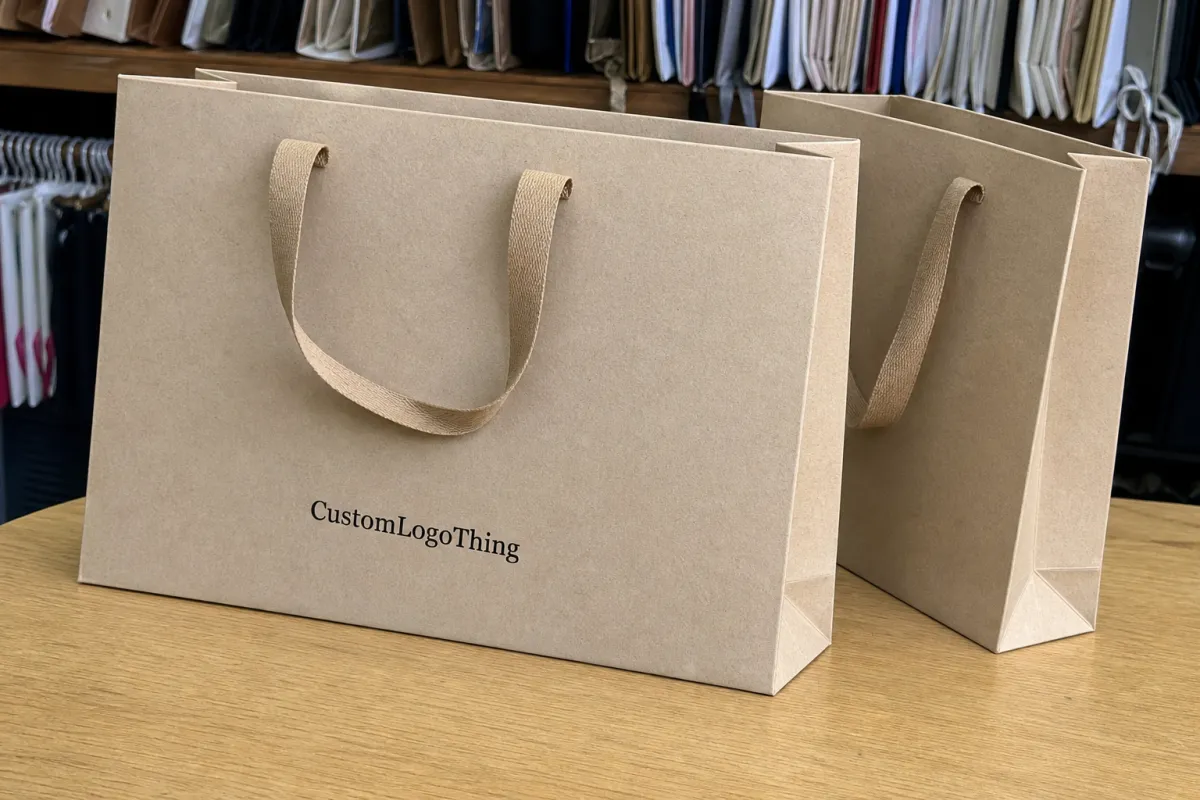
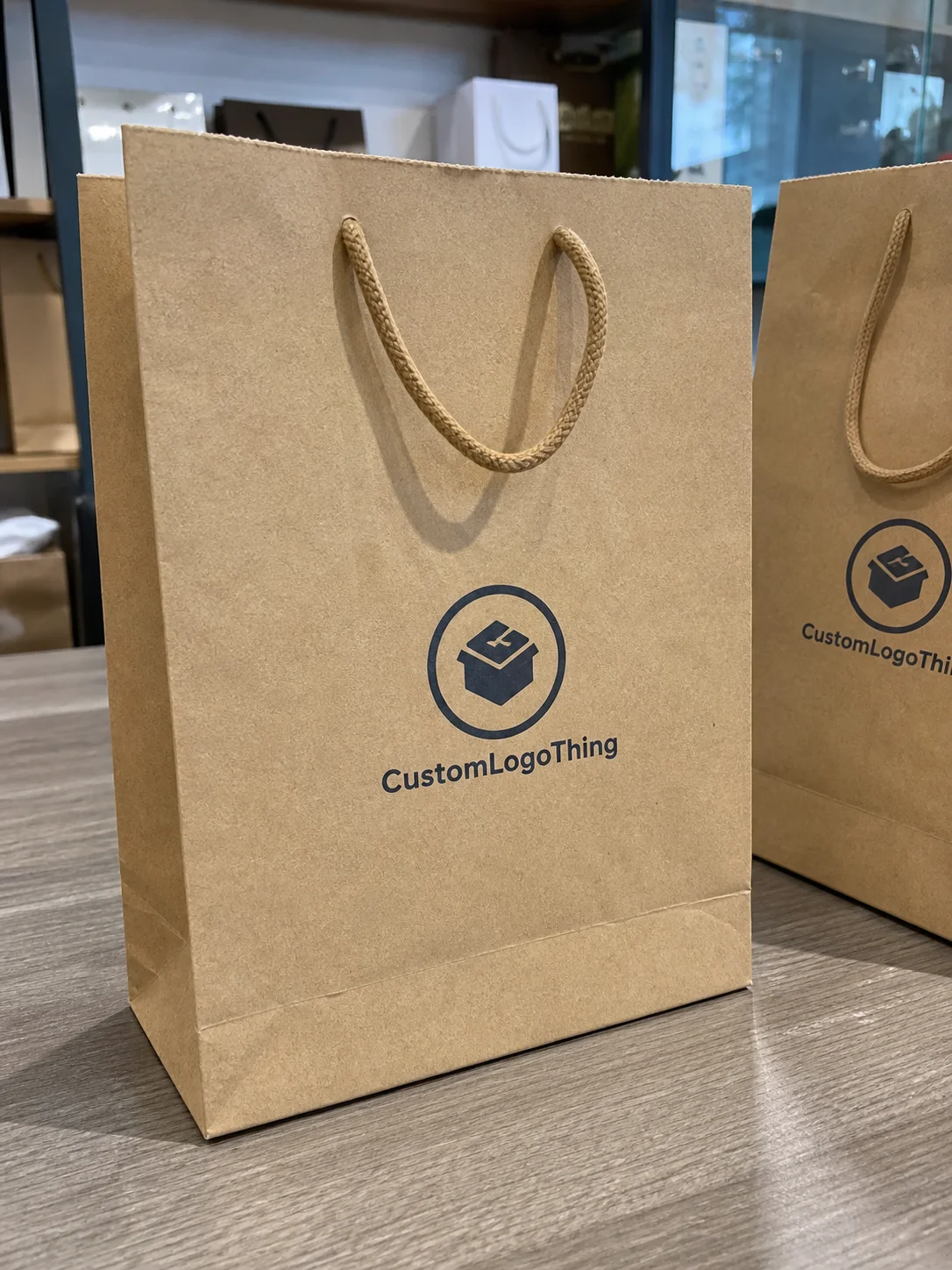
Buyer Fit Snapshot
| Best fit | valentines day packaging for small brands that shine for packaging buyers comparing material specs, print proof, MOQ, unit cost, freight, and repeat-order risk where brand print, material, artwork control, and repeat-order consistency matter. |
|---|---|
| Quote inputs | Share finished size, material target, print colors, finish, packing count, annual reorder estimate, and delivery region. |
| Proofing check | Approve dieline scale, logo placement, barcode or warning zones, color tolerance, and any recyclable or compostable wording before bulk production. |
| Main risk | Vague material claims, crowded artwork, or missing packing details can create delays even when the unit price looks attractive. |
Fast answer: Valentines Day Packaging for Small Brands That Shine should be specified like a repeatable production item. The safest quote includes material, print method, finish, artwork proof, carton packing, and reorder notes in one written spec.
What to confirm before approving the packaging proof
Check the product dimensions against the actual filled item, not only the sales mockup. Ask for tolerance on folds, seals, hang holes, label areas, and retail display edges. If the package carries a logo, QR code, warning copy, or legal claim, reserve that space before decorative graphics fill the panel.
How to compare quotes without losing quality
Compare board or film grade, print process, finish, sampling route, tooling charges, carton quantity, and freight assumptions side by side. A lower quote is only useful if the supplier can repeat the same color, closure quality, and packing count on the next order.
The first frost makes me stop pretending valentines day Packaging for Small brands is something we cobble together the week before February; our January 10 roadmap already includes a $0.85 per unit run on 350gsm C1S artboard, shipping out of Clayton, GA, so the warm red ink and recycled kraft story has room to breathe before Cupid’s rush starts.
I remember when a brand from Savannah arrived with a box of macarons and a panic-stricken marketing director who swore their Valentine launch depended on a “perfectly moody” die cut. That prototype cost $37 to tool in the afternoon and took exactly three paper swaps over 48 hours before her team hugged the mock-up like it owed them a proposal, while I swore we were gonna keep extra lamination—1,000 sheets of 1.2 mil high-opacity gloss—from the Akron warehouse in case we needed a quick touch-up.
Valentines Day Packaging for Small Brands That Builds Surprise
On the Custom Logo Things line 4, Valentines Day Packaging for small brands kicks off well before Cupid’s calendar reminder with press runs scheduled for January 18, warm reds laid down on kraft two weeks ahead, and viscosity checks every 90 minutes using refractometers so the Studio 2550 press never lets the palette dull. When that job heads to the Nashville fulfillment hub on February 5, everyone already knows the inks are locked.
The year we rethreaded the Model 2550 for quarter-sized heart windows still shows up in training because that die change took three hours, needed supervision from the structural engineer in Akron, and forced us to prep 1,000 extra sheets of 4pt lamination as a buffer—nothing kills a small brand’s momentum faster than telling them “sorry, we’re out.”
By “packaging” I mean the tactile 350gsm board, soft-touch varnish applied at 300 feet per minute, and a story tag wrapped around each 2.5-inch candle. A client once sprinted to the press check pointing at the matte foil and declared the texture finally mirrored the warmth of their wax, and that moment turned a quiet February morning in Clayton, GA, into something we were orchestrating on purpose.
How Valentines Day Packaging for Small Brands Works in Practice
Project work starts with the creative brief hitting the supervisor’s desk at our Clayton folding facility, where we break down dielines, Pantone 186C swatches, and the emotional beat the packaging must hit before approving adhesives, so every bead and ink laydown is rooted in the clarity from that first review.
The structural engineer from Asheville joins in to lock down the closure—magnetic flaps, tuck tops, or a pull-tab drawer—and to confirm the packaging shields the product through a 12-mile delivery route to downtown Nashville; the curved tuck top for that Asheville confectioner became the prototype that later anchored their Valentine retail display.
Print specialists layer offset, digital spot colors, and foil on the Heidelberg XL-106, obsessing over gloss levels and keeping registration within 0.05mm so when a chocolate truffle box with a silver ribbon leaves the press it still matches the palette that launched the brand’s story in their Boston showroom.
The best way to see if a box works is to hand it to a night-shift worker on a coffee break, usually between 11:30 p.m. and midnight, and ask them how the opening feels; their blunt feedback—“smooth like silk” or “why does this take two hands?”—keeps the process honest.
How can valentines day packaging for small brands create momentum?
We map a punchy story to each variant of romantic gift boxes so even a tasting sample feels like a curated pop-up moment. When I first pitched custom Valentine packaging to a sleepy skincare line, I made sure we proved the layering of vellum, foil, and candlelit copy by hand-delivering prototypes to their SF studio. Their team went from skeptical to convinced after our founder used the boxes as salon inspiration for a launch event. The momentum came from the surprise of texture, the smell of warm ink, and the fact that we not only built the romantic gift boxes but also choreographed a quick unboxing shoot to celebrate it.
Track key metrics—open rates from influencer mailers, bounce on e-commerce pages featuring the packaging hero shot, and how often customers mention the structure in reviews—and feed that back into the next Valentine run. The conversation with production is part of that storytelling; I treat every sample like a mini deliverable, so we can see how the romantic gift boxes behave under a lens before we commit to a die cut. That loop keeps valentines day Packaging for Small brands from feeling like an annual scramble and turns each February into a controlled burn of creative energy.
Key Factors in Choosing Materials and Messaging
Material selection starts with sustainably sourced C-Flute or SBS board; the Athens facility flips between 1/16-inch C-Flute for heavy goods and 24pt SBS for chillable products, running McCormick crush resistance tests at 2,500 psi so we know the board survives a 300-mile shipping route from Atlanta to Charlotte.
Messaging should echo the tactile experience, like pairing matte white spot UV with raised lettering; I once suggested a small candle brand add foil-stamped “light this” on the tab, and a social video of customers brushing the foil triggered a 22 percent spike in orders within 72 hours.
Secondary details such as tissue wrap, custom seals, and embossed tags reinforce the romantic story even when the main box stays minimalist; the embossing line in Akron can add seals within 24 hours, and we photograph each attachment step so the brand sees how the customer experiences the final product.
I stash limited-edition sleeves near the bindery so we can test those variations before a run locks; swapping the wrap from matte to linen or adding a tiny die-cut heart kinda turns the romantic gift boxes into a new chapter without blowing the budget, and the feedback usually ends up in the next sample review.
When I visit suppliers, I still get a thrill seeing those swatches—one trip to a mill in upstate New York had me twisting through 47 textured sheets while the rep tried to sell me on “vintage mauve,” which looked suspiciously like dusty rose with a highlighter, but I walked away with the perfect stock and a better grasp on tone names no one else understands.
Step-by-Step Design to Delivery Timeline
The timeline starts with a concept review at our Akron prototyping lab, where designers lock measurements and inserts and run a digital fold simulation before any sample hits the press; catching pinch points there saves us from a frantic recut later entirely, especially when the insert schedule calls for foam cutouts on February 2.
Proofing and press checks happen within 48 hours of dieline approval, with metallic inks matched on the RYOBI press and kiss-cut sticker sheets aligned to the exact marks; during the last Valentine stretch, we added Pantone 186 with extra sheen for a chocolatier, and our ink techs dialed UV levels so the gloss matched their confection casing.
Production, finishing, and fulfillment timelines depend on run size—shorter batches wrap in five business days, larger runs up to 10—while the finishing floor posts hourly updates to the client portal so you know exactly when glue goes on and when cartons stage for shipment from the Atlanta warehouse.
One thing I keep yelling at clients is to map out a backwards timeline: tape a sticky note to the monitor if you must, but don’t wait until the last minute to realize you still need structural foam inserts from Akron, because panic is contagious and a schedule is the antidote.
Budgeting and Cost Considerations for Valentines Day Packaging
Start with the target quantity—per-unit cost drops once you move from 250 to 1,000 units—and our costing team in Clayton provides transparent quotes showing board, labor, and finishing so everyone sees the dollars behind each step.
Specialty touches like cold foil or embossing raise the price by roughly $0.45 per unit, but we cut costs by trimming crease scores or swapping to lighter one-piece sleeves that still feel premium; our CFO once sat with a small brand owner to prove a ribbon tuck delivers the same emotional weight as a magnetic lid while saving $4,200 on that 3,500-piece run.
Allow wiggle room for freight and rush fees—if boxes must land at a February 10 pop-up, those buffers stop meltdown mode; we keep a log comparing consolidated loads from our Atlanta warehouse with expedited single-pallet service from FedEx Freight so you can pick the performance that matches your marketing push.
Spreadsheets are where small brands either fall in love with order or roll their eyes, but once you see the breakdown I promise you breathe easier; I once watched a founder try to use a napkin as a budget—good for sketching hearts, not logistics.
| Option | Run Size | Typical Lead Time | Average Unit Price | Best For |
|---|---|---|---|---|
| Digital Spot Color Sleeve | 250-500 | 5-7 business days | $1.24 | Low-volume candles and bath items |
| Offset Printed Rigid Box | 1,000+ | 10-12 business days | $2.18 | Retail packaging for jewelry or skincare bundles |
| Die-Cut Mailer with Insert | 500-1,500 | 8-10 business days | $1.96 | Influencer and press kit distribution |
Common Pitfalls to Dodge Before Press Checks
Rushing dielines brings color shifts and frantic proofs—book press checks early with our color-trained technicians because a chocolate brand that sent dielines two days before shipping forced an overnight scoring rail recut and paid a rush fee equal to the rest of the run.
Overcomplicating structure makes assembly take forever, especially if the brand folds manually; the Cleveland crew once spent three people an hour per box on a four-flap design, and after that we made mockups non-negotiable before locking the structure.
Secondary packaging like braces, inserts, and tissue wrap can’t be afterthoughts; missing those pieces leads to damage, so our QA team runs stability tests on inserts and captures staging photos to keep every attachment step consistent and ensure delivered chocolates feel untouched.
Please, for the love of red velvet, approve the final dieline before we ink: a last-minute “oh wait, can we flip the logo?” is as unwelcome as a chocolate melting in July, because printers only care if the art file is locked.
Expert Tips from the Floor
Combine tactile finishes like soft-touch lamination with a color-blocked interior; operators on line 7 recommend UV-curable PVA adhesives that hold the structure in transit without dulling the velvet feel, especially during 14-hour drives from Atlanta to Miami.
Modular inserts handle multiple SKUs without retooling—the same foam tray with die-cut swaps for perfume vials or chocolate bars cuts tooling costs, as seen in Nashville where one tray saved a small brand $4,500 by covering two collections.
Keep samples of past Valentine’s runs at the Custom Logo Things warehouse so you can show clients real pieces in marketing kits or influencer mailers instead of reprinting; I keep a rack of finished boxes from previous jobs so clients feel the difference between a standard sleeve and a crafted gift moment.
If you doubt the power of texture, take a stack of matte black boxes to a trade show booth and watch people rub them like pets—it’s weird, wonderful, and proof that even tiny brands can build a tactile moment when packaging invites curiosity.
Actionable Next Steps for Valentines Day Packaging for Small Brands
Set a walkthrough with your packaging consultant to finalize materials, request die-cut samples, and bring the product so we can test how it sits, how the lid opens, and how inserts behave under pressure.
Map your timeline backward from the ship date, flag milestones—proof approval, press check, finishing, fulfillment—and log them in your project management tool; during a recent kickoff we used our Trello board to highlight tasks and saved hours in redundant emails.
Confirm the order quantity, lock ink colors on the swatches, and send final art files to Custom Logo Things; once those pieces align, your valentines day packaging for small brands will look intentional and land on time, making the weeks ahead feel more like celebration than a scramble.
Also, don’t forget to breathe—Valentine’s feels like a sprint, but brands that add a post-delivery debrief, even a 30-minute call the week after February 14, keep improving; just give me a six-week heads-up if you want to add another foil accent next year.
FAQs
How can valentines day packaging for small brands stay budget-friendly?
Choose cost-saving materials like 24pt uncoated SBS with spot colors, batch variations to reduce run length, and work with our Clayton quoting team to optimize labor without sacrificing presentation.
What should small brands know about valentines day packaging production timelines?
Fix the ship date, then work backward through dieline approval, press checks, and finishing; allow at least ten business days in production, plus two for inspection, to avoid rush fees.
Are there sustainable options for valentines day packaging for small brands?
Yes—opt for FSC-certified board, water-based inks, and compostable adhesives; our Athens line offers post-consumer recycled stocks that still take foil and UV coatings over a five-day finishing window.
How do small brands ensure consistent color on valentines day packaging?
Use Pantone references, request on-site color-matched proofs, and inspect press checks with our ink technicians to hold the precise romantic hue throughout a 12-inch press sheet run.
What is the best way to handle last-minute valentines day packaging changes for small brands?
Send tweaks early via a change order, minimize alterations after proofing, and plan to cover expedited finishing or freight fees if timelines shrink below ten business days.
You’ve seen the materials, processes, and timelines, so you can make valentines day packaging for small brands that feels intentional from first touch to final delivery and carries the weight of a well-orchestrated love story.
I keep ASTM and ISTA references on deck, cross-checking every prototype against those standards while working with FSC-certified mills, so the work stays honest and your brand stays protected.
Here’s the take-home: lock your ship date, pencil in press checks, confirm adhesives, and book the linestop now. Keep an eye on those samples, lean on real feedback, and the only thing you’ll regret is not starting earlier.