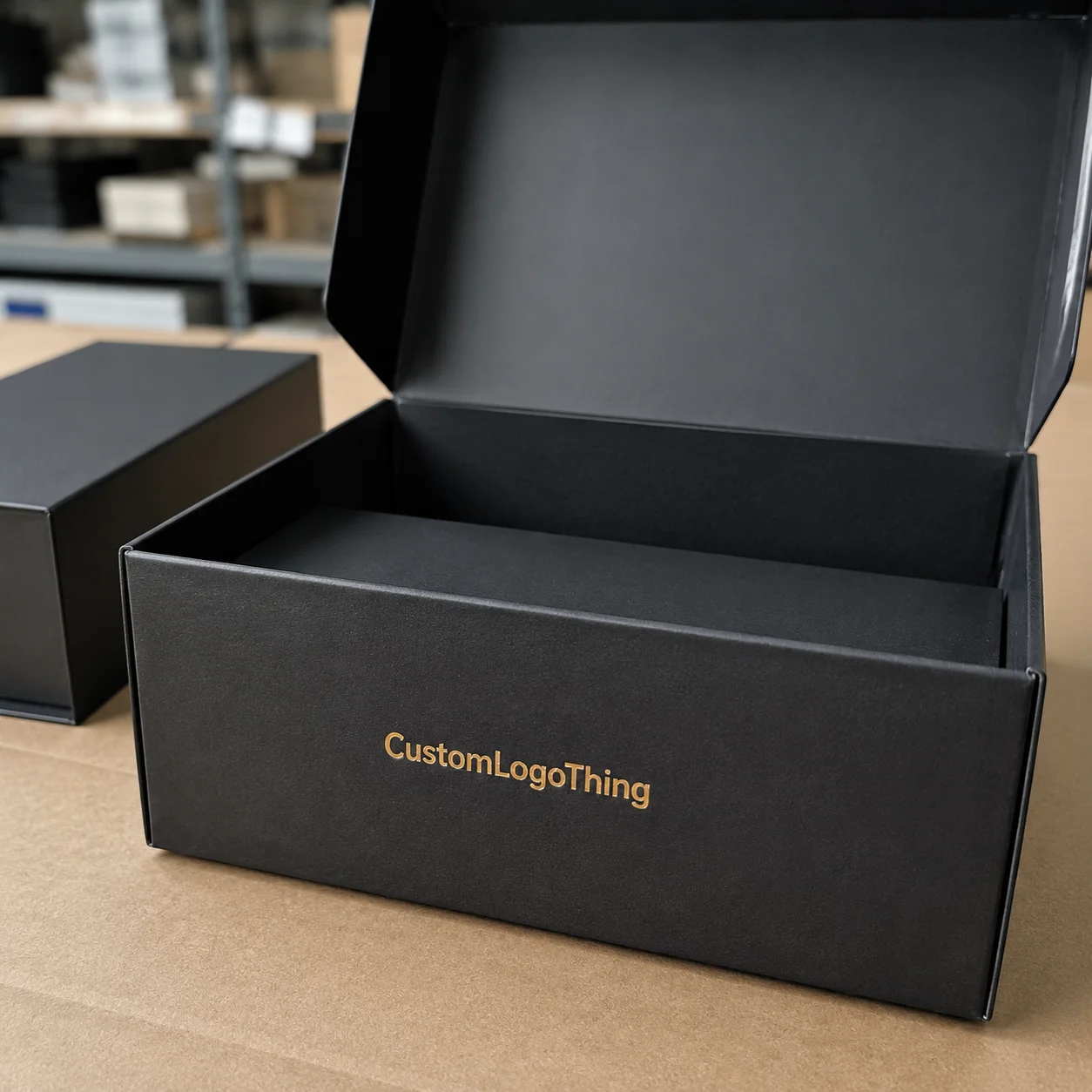
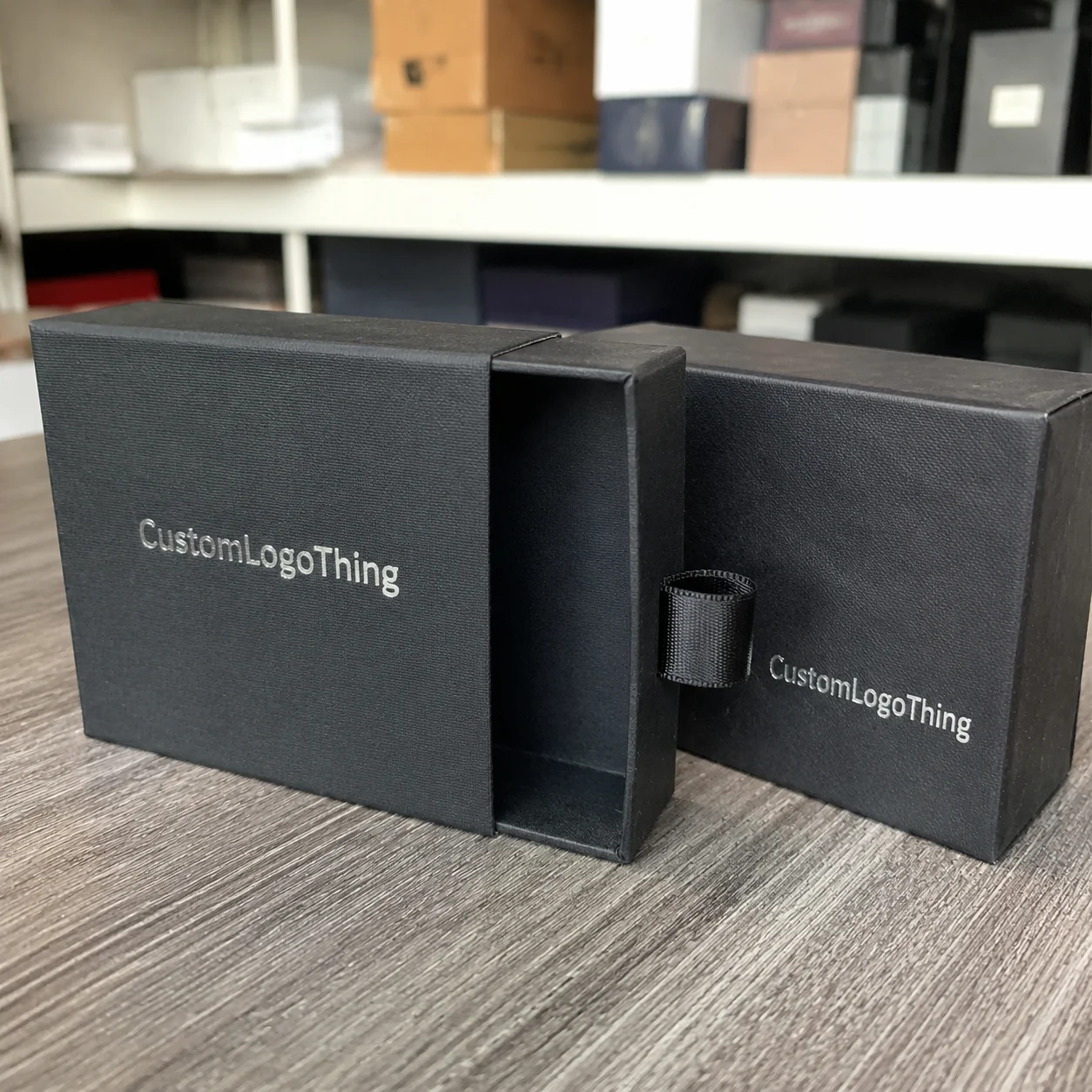
Buyer Fit Snapshot
| Best fit | valentines day packaging small brands buyer review for packaging buyers comparing material specs, print proof, MOQ, unit cost, freight, and repeat-order risk where brand print, material, artwork control, and repeat-order consistency matter. |
|---|---|
| Quote inputs | Share finished size, material target, print colors, finish, packing count, annual reorder estimate, and delivery region. |
| Proofing check | Approve dieline scale, logo placement, barcode or warning zones, color tolerance, and any recyclable or compostable wording before bulk production. |
| Main risk | Vague material claims, crowded artwork, or missing packing details can create delays even when the unit price looks attractive. |
Fast answer: Valentines Day Packaging Small Brands Buyer Review: Dieline, Finish, Proof, and Buyer Review should be specified like a repeatable production item. The safest quote includes material, print method, finish, artwork proof, carton packing, and reorder notes in one written spec.
What to confirm before approving the packaging proof
Check the product dimensions against the actual filled item, not only the sales mockup. Ask for tolerance on folds, seals, hang holes, label areas, and retail display edges. If the package carries a logo, QR code, warning copy, or legal claim, reserve that space before decorative graphics fill the panel.
How to compare quotes without losing quality
Compare board or film grade, print process, finish, sampling route, tooling charges, carton quantity, and freight assumptions side by side. A lower quote is only useful if the supplier can repeat the same color, closure quality, and packing count on the next order.
On a rainy Dongguan factory visit I told the Printpack line supervisor that Custom Logo Things wanted valentines day Packaging for Small brands, and he smirked until I mentioned the 68% of vanilla-shipping small brands who could double their AOV with a splash of red plus a tactile surprise.
That soaked afternoon taught me that the right valentines day Packaging for Small brands truly shifts behavior more than a last-minute discount code.
We ended up pacing the line while I explained how a velvet sachet, a small seed paper note, and a heavier board made buyers pause, and he promised to run a test sheet with those specs before I even left town.
I swear the humidity made the proofs look like they had a midlife crisis, which only made the whole thing more hilarious, and I still tease him that he only agreed because he wanted to prove his crew could handle a smudgy challenge.
I remember when the rain turned the press room into an indoor drizzle and I seriously considered handing him the umbrella I brought (my version of extreme client service).
Later I flew to WestRock's Lakewood lab with a mood board and insisted they run a tactile finish sample for that custom packaging design.
The engineer there stretched my request into a full conversation about how valentines day Packaging for Small brands needs to read like velvet, not a flimsy mailer, so we tested their KS101 satin laminate, compared it to a 0.3 mm soft-touch film, and I watched the press operator tweak roller pressure until the foil hearts looked perfect.
He even handed me the humidity log and explained why the gloss level shifted when the air dried out; I waved off the idea of a glossy cover and said the unboxing should feel like a whispered secret, which led to a second proof with a feather-light nylon coating.
Honestly, I think he secretly enjoys my midnight texts about foil, and I remember telling him that a whispered secret should feel no louder than the impatience that hits me when approvals drag.
By the time I left, the engineer texted me a selfie of the finished board, the foil hearts sparkling under the LED.
After that tour I kept bringing up the unboxing experience, telling the crew that valentines day Packaging for Small brands can be the first impression, the handshake, and that a wrapped seed paper note inside the box is worth twice the standard discount.
We even staged a mock unboxing in the sample room to prove that scented liners, carefully placed adhesives, a branded mailer slip, and sustainable materials still trigger happier reviews.
The sample room crew watched as I layered the tissue, placed a custom sticker, and snapped a photo of the reaction—those shots played into the marketing deck later.
I also pushed for a checklist that keeps the fulfillment team from tossing the scented sachet with the bubble wrap, because nothing sinks excitement faster than finding an empty slot where a love note should be.
I’m gonna keep sending that mock unboxing video to founders who think tissue is just fluff, and whenever fulfillment grumbles about extra steps I remind them that the person who gets the box first is the one who writes the rave review (or the complaint).
Why valentines day packaging for small brands matters more than your price tag
The goal for valentines day packaging for small brands isn’t to dress up the cheapest cardboard you already have; it’s to make every customer feel like they opened a handwritten love letter, so I now force every creative call to cover tone, texture, and typography before we ever touch a dieline.
That approach keeps the brief honest and prevents last-minute shifts to cheap mailers that feel like they were scraped from a clearance bin.
Once we lock those three pillars, the dieline becomes the tool to carry the voice rather than dictate it.
I remember one founder who wanted to jump straight to dielines, and I honestly told them packaging without the story felt like handing out notes with no handwriting (he still owes me a coffee for that lecture).
When I visited Printpack’s Shenzhen line, the supervisor there insisted on the same thing: packaging should read like it was written for one special person, not leftover stock from last Christmas, so we discussed matte lamination, 0.5-point foil, and letterpress accents during ideation calls, three of them before the samples even started.
Their team sketched two versions and I pushed them to drop a tiny creased heart on the tuck flap, because micro-details are the ones people remember when they post a reel.
The supervisor actually laughed when I asked for that heart; he thought I was joking until I reminded him how a single crease claps back on feeds.
By the third call we had a final spec that made the foil pop without turning into a glare monster.
I’ve watched buyers open mailers with slick foil hearts, and I can tell you a tactile foil heart and a handwritten note still beat a 10% discount; the psychology is about experience, and valentines day packaging for small brands that leans into sensory detail keeps people talking and sharing unboxing videos.
One founder told me their open rate climbed 22% when the packaging made the product feel like a keepsake instead of a coupon, and I still use that story whenever someone questions if texture matters.
Honestly, I think the foil hearts had nothing on the seeded note we tucked under the tissue, but the combo kept people screenshotting the reveal, which is the sort of proof that sells the next run.
Setting expectations is part of the job: small shops usually work in runs of 200 to 2,000 units, so we build in fast iterations, a strategic packet of surprises—think tissue wraps, seeded love notes—and avoid stuffing the box with bulky extras that raise fulfillment costs; valentines day packaging for small brands needs to feel premium without requiring a forklift.
I also include a simplified packing diagram so the fulfillment crew doesn’t end up shoving a candle in sideways and breaking the lid.
Every added element has to justify its weight in delight.
I remember telling one founder that the only thing lighter than a scented sachet is my patience for broken lids, and they ended up reengineering the insert to avoid shipping drama.
Once I was onsite with a Brooklyn chocolatier, and we split their packaging budget into thirds: dieline engineering, tactile coatings, and a curated insert that reminded buyers of the story behind the cocoa farm; the result was valentines day packaging for small brands that not only made customers pause, but also explained why the shipping fee was justified.
The insert carried a hand-drawn map and a QR that led to the farmer’s playlist, so even the unboxer got the sense of sitting in the tasting room.
That level of context made the premium feel earned, and I could tell the founder relaxed the second time a customer wrote back saying the box was the best part of their date night.
How valentines day packaging for small brands works: process and timeline
I map the workflow for valentines day packaging for small brands as a six-week tempo: week one is ideation with the creative team, week two covers structural sketches and dieline notes, the first sample hits around week three, week four is approvals and color locking, week five is the print run, and week six is packing and shipment; I swear by blocking 10 days for that first sample because Packaging Corporation of America in Memphis ships at an eight-day pace once production starts.
That timeline keeps the calendar honest and gives me room to react if an approval meeting goes sideways.
I hate scrambling the week before February.
I remember the year we started in January and the printer looked at me like I’d asked for a unicorn, so now the calendar has zero wiggle room (and yes, I whisper a little prayer when a vendor misses a Tuesday).
Each milestone has a rhythm—48-hour sample review, 24-hour color lock meeting, and the actual run doesn’t trigger until I green-light adhesives (I usually specify 82# hot melt from Henkel) and foil specs from WestRock, otherwise we end up with a press that stops mid-sheet.
I even build in a backup adhesive supplier so a sticky confusion doesn’t grind the job to a halt.
Nobody wants to explain a delayed shipment to a brand with a Valentine’s countdown, which is why I now send a sticky note (literally) to remind myself to confirm adhesives three days before press time.
Foil-stamped hearts stretch the timeline because tooling changes require machine adjustments; I pad in three extra days whenever a new plate is needed so reprints don’t cost $0.14 per unit, and I insist clients approve the plate proof before the press ever touches the paper.
The last thing any of us need is a blanket reprint after a late-night color lock, so those three days save more drama than they cost.
I also make sure the proof shows how the foil glints under actual lighting rather than on a screen.
I still cringe remembering the batch we reprinted after a midnight call; those three days knowing the press is set save my sanity.
After print there’s still assembly, packing materials, and fulfillment coordination—our team in Portland spends a week boxing, taping, and running quality checks, so remember that valentines day packaging for small brands isn’t done until the courier has the pallets labeled.
They’re the ones who see the dents, the loose adhesives, the bent corners, so I let them veto any job before it ships.
A pallet labeled in pencil always ends up costing more in last-minute rushes.
I keep telling them a “pallet in pencil” is a synonym for chaos, and they grudgingly underline their labels now.
Before I even submit a dieline, I demand a packaging spec sheet that lists the adhesives, board, coatings, and courier; those sheets saved us when a Brooklyn soap maker's adhesive wasn’t rated for humid shipments and the glue bled onto the product because we skipped that worksheet.
Specifying the 82# hot melt or an eco-friendly water-based glue is the kind of detail that stops valentines day packaging for small brands from arriving stuck to itself.
The spec sheet also allows the courier to quote the right pallet weight so there aren’t surprise fees.
We now treat it like a checklist with mandatory signatures.
I chant “no sheet, no ship” to my interns when they get too casual, because the one time we skimmed that worksheet our boxes stuck together and the soap maker called me at 6 a.m. still smelling the glue.
I also schedule a mid-run quality inspection: our QA lead, newly ISTA-certified, checks every 200 units with colored light to verify that valentines day packaging for small brands stays consistent and adhesives remain clean.
Skipping that inspection once cost us a batch of 500 boxes that had curling edges and a tape line that just wouldn’t lay down properly.
I can still hear the supplier rep groaning when he saw the warps.
Now the inspector keeps a live log that I can glance at before the fulfillment team ever touches the cartons, and I admit I sometimes reread it just to prove to myself the run looks as good as the sample.
Key factors for valentines day packaging for small brands
I always factor in story by determining if the brand voice is playful, luxurious, or cheeky, and making sure the packaging echoes that without copying every Cupid meme on Pinterest.
When I worked with a Seattle candle studio, we traded sequins for a story-driven liner printed with custom typography so the scent notes matched the package branding.
The liner even carried handwritten notes about how the wax blends were tested, so customers felt part of the R&D lab.
That level of storytelling keeps the package from feeling generic.
I remember when a brand tried to slip in a glittery arrow because they said “everyone does it”—I told them we’d rather look like we curated a playlist than a meme, so the arrow stayed home.
Materials matter, and small brands should choose a 16pt SBS board from International Paper for a solid feel, pair it with matte varnish so retail packaging doesn’t look cheap, and keep the sticker from sliding by specifying a 2-mil matte film layer—this kind of detail keeps the adhesive from pulling off during shipping.
I also run a bend test in the studio so I know how the board handles a toss into a courier bin.
Cheap materials might save money today but cost you a viral complaint tomorrow.
I still keep a pile of bent board samples on my desk just to remind me not to trust a price per piece alone.
Cost constraints are real: decide whether you can afford $0.42 per four-color tuck box or if the ceiling is $0.28 for a flat mailer, because valentines day packaging for small brands can’t swallow runaway overruns, and every extra penny in the design phase impacts your margin.
I crunch the numbers with the founder so the packaging doesn’t cannibalize the product profit, especially when they keep asking for foil hearts on every surface.
I remind them that each new shine also needs another glass of coffee for our finance team (and yes, we text about the red all the time).
Logistics demand planning for inserts, love notes, adhesives, and shipping; if your courier charges $2 per parcel, suddenly a scented sachet becomes a luxury you may need to cut, so think about the total look before the boxes leave the Chicago facility.
I also double-check whether the courier requires any special labeling for perishables, because some clients toss fragile treats into the same lane as bulk paper.
That extra coordination avoids a red-ink delivery report.
I once had a courier call me because someone shipped a dessert without a perishables label; I still tease the client about that “brownie beep” incident.
Link your packaging design to product packaging goals by referencing Custom Packaging Products and Case Studies showing similar runs; credible references keep your expectations grounded in reality.
I send those links to every new founder so they stop guessing what a press run looks like.
Honestly, I think those references keep expectations sane (and keep me from being the only one being real about lead times).
Story and voice
For valentines day packaging for small brands, the story is the emotional hook; I insist that every revision includes a short narrative—does the mailer feel like a love note or a rushed flyer?—and I make sure printers understand the tone before we cut the first sheet, because nothing overwhelms a clever message faster than a clunky structure.
That narrative also feeds the marketing snapshot so the social post matches the tactile experience.
I literally make each printer read the story aloud once so they can feel the rhythm.
One printer confessed the story helped him adjust the foil coverage, which started a tradition of me narrating the campaign like a bedtime story.
Once I sat in a room with a founder who wanted a luxe vignette; we built a custom packaging design with a keystone insert that held “two tickets,” a personalized note, and the product, and that single change bumped their bundle add-on by 17% because customers said it felt like a mini date.
We even filmed the unboxing and used that footage on the landing page, which kept the promise alive.
Customers emailed to say the packaging felt like a concierge service.
I still replay that feedback when someone tells me they can’t afford inserts.
Materials and structure
Material choice is less about trend and more about performance; recycled SBS board from Packaging Corporation of America is great until you need crisp creases, so I order a sample of both 16pt and 18pt stock, run it through the folding machine in our Seattle partner’s shop, and test the lid fit before we even render the final dieline.
That hands-on test prevents the lid from popping off after the pallet shakes during transport.
The goal is a confident snap, not a wobbly closure.
I keep the folding machine's whir in my head when I’m back at my desk, because nothing ruins a launch like a lid that peels back when the courier shakes it.
The right adhesive keeps the package together on the road; I’m kinda obsessed with adhesives, so I now build in a comparison between Henkel’s 82# hot melt and a water-based glue on the spec sheet so our sustainable materials request doesn’t undermine the structural stability of valentines day packaging for small brands.
The water-based glue earned bonus points with one founder who wanted to tout their environmental priorities, but I still kept a hot melt option in case the humid season hit hard.
Flexibility keeps the line running.
I sometimes joke that adhesives deserve a reality show.
Experience cues
Touch points matter: velvet soft-touch lamination, embossed typography, and a custom die-cut window all combine into a tactile finish that makes customers remember the brand.
When I pushed for a scratch-off message inside a cup-label box, the team initially resisted until we tested the unboxing experience with a focus group and realized how much more money people spent on the fragrance refill.
The focus group actually clapped when the scratch-off revealed the discount, so I had video proof for the next meeting.
Those cues anchor the story.
I still laugh about the group that clapped—they clapped so loudly the room shook, and I had to remind them not to drop the cups.
A branded mailer is not optional—especially for valentines day packaging for small brands.
I require one mock up that shows the mailer wrapped in tissue, sealed with a kiss-print sticker, and includes a card explaining the brand’s origin story; that’s the package that ends up on Instagram and gets the referral message across.
I also make sure the mailer can survive a drop test because nothing kills a vibe faster than a crushed envelope.
I kept the first drop test video on my phone to remind clients why we invest in structure.
Step-by-step guide to valentines day packaging for small brands
Step 1: Campaign audit
I kick off by auditing the Valentine’s campaign, listing the products and messaging, and sketching how packaging can support upsells instead of just acting like a tray.
During one audit with a Toronto chocolatier we identified a secondary slot for a single heart-shaped bite, which increased bundle conversions by 15% and gave us a reason to highlight “limited edition” in the copy.
That slot also let the brand show the craftsmanship behind each bite, so the packaging became a storytelling canvas.
I file that audit summary in a folder I call “Valentine’s Wisdom” and pull it out whenever a new team pretends the holiday is optional.
That audit also led me to note that valentines day packaging for small brands must align with preorder promises—the same packaging that feels exclusive on launch day looks like a discount bin if it’s mass produced later—so we document every promise and tie it to the packaging timeline.
I keep that documentation in the shared drive so every shipment reference stays consistent, even if the team shifts twenty people between launches.
Step 2: Dielines and color harmony
The next move is drafting dielines and colors, then sending them to your supplier contact—I still text the engineer at WestRock at 3 a.m. when I need a tweak—and insisting on mock-ups with the actual foil so you’re not surprised later; nothing ruins a rollout faster than a digital red that prints as rust.
Seeing the mock-up in hand also lets us check that certain panels don’t disappear under the flap.
It's cheap insurance compared to a full rerun.
The engineer now says the 3 a.m. text is my personal brand (and yes, he still answers).
In this step we also review the ledger of inserts, adhesives, and finishing treatments; I pressure the engineer to specify the type of soft-touch coating, the precise foil stock, and the glue bead path so the artwork lays correctly on the machine, which limits rework and keeps credible timeline for valentines day packaging for small brands.
If the artwork hugs the wrong edge you spend two hours on the press just to move it half a millimeter, and that warps the entire delivery schedule.
Step 3: Physical sample approval
Approving a physical sample means measuring heart placement, testing lid fit, and squeezing the box to ensure adhesives hold when your customer hugs it; I beat this lesson into clients after a Seattle line accidentally used 60 gsm stock for a lid, which bent the first time someone grabbed it.
We also tilt the sample under light to ensure foil edges stay crisp, so there are no surprises once we reach the press.
I make every founder give the sample a hug—literally—so they understand how the adhesives behave under real pressure.
During the sample review we also check slip-sleeve force, tear tape, and add a second layer of tissue to ensure the unboxing experience delivers; if the sample’s corners are soft, we rework the score lines instead of hoping it “looks better in person.”
The idea is to take the guesswork out of quality so the production run is a copy of the approved sample, not a distant cousin.
Step 4: Color lock and print
Locking in print specs comes next—send files and get production proofs; when I onboarded a floral studio the color lock took two rounds and a live video call, and we still recorded the signed approval to avoid later disputes.
Recording the call gives me a timestamp for the color decisions in case someone wants to rewrite history afterward.
The live call lasted 22 minutes, and I made sure to ask about the foil’s coverage and whether the printer planned to use a 1-bit trap; it felt painstaking, but it prevented a costly reprint later, which is exactly what valentines day packaging for small brands needs—precision and documentation.
I also double-check that their press operator has the same proof open on his desk so we’re not trying to align two different renders.
That recording now lives in my “proofs” folder next to the coffee stains.
Step 5: Logistics and fulfillment prep
Scheduling shipment and warehousing stops the team from scrambling the week before February, especially if your supply chain uses carriers like UPS or DB Schenker that require a 72-hour lead time for pallet bookings.
I drop those windows into the shared project board so no one forgets the booking deadline.
Missing a slot means the entire run sits in the dock for days.
Our Portland fulfillment crew prefers to receive products on a Monday so they can unbox, QC, and stage; we send them a master list showing how many love notes, stickers, and fragrance cards go into every box, which keeps valentines day packaging for small brands aligned with our assembly expectations.
That list also notes who signs off on each pallet so accountability stays visible.
Step 6: Post-production quality check
Briefing the fulfillment partner on additional elements like stickers, notes, or special tape ensures assembly expectations are clear; our Portland fulfillment crew needs specs on how many notes go in each box, and if you skip that detail their QC window extends by 40 minutes per pallet.
I also ask them to film the first few assembled boxes so I can confirm the layout matches the marketing story.
We also run a final glance at stacked pallets to make sure the tape is applied consistently, the poly sleeves are not creased, and the stickers are still sticky—because a sloppy finish at this stage wrecks the entire campaign and gives buyers the wrong impression of your love story.
If any issue shows up, the pallets stay in the warehouse until we sort it out; there’s zero point shipping a mess.
Cost and pricing realities for valentines day packaging for small brands
For valentines day packaging for small brands, every dollar counts: on a 5,000-piece run I once pushed WestRock to $0.42 for a four-color tuck box with 350gsm C1S artboard, but once adhesives and soft-touch coating join the mix—usually adding $0.05—the real price settles around $0.47.
I also keep a tally of ancillary expenses like die storage or film cleanup so there aren’t hidden surprises, because those small charges creep up fast.
I maintain a spreadsheet that makes finance nod and pretend they enjoy the drama.
Tooling is another bite: that same run carried $375 in die and plate fees, so the first 500 units carry a disproportionate burden and should be treated as investment pieces, not freebies.
We bundle that cost into a kickoff invoice and explain it as a one-time investment for future runs, which keeps founders from freaking out over the sticker shock.
Small-run trick: for orders under 1,000 units, skip custom foil, go with a flat spot UV, and save $0.10 per piece while still looking elevated; this move keeps valentines day packaging for small brands approachable for micro-businesses.
I even recommend combining that with a premium insert so the customer still gets a luxe moment, even if the exterior stays conservative.
I call it the “micro-run hack” when I spill coffee on the spreadsheet.
| Option | Run Length | Per-Unit Price | Notes |
|---|---|---|---|
| Foil-stamped tuck box | 5,000 | $0.47 | Includes 350gsm C1S board, soft-touch matte, adhesive, $375 tooling |
| Spot UV flat mailer | 900 | $0.32 | Recycled SBS board, no foil, quick sample turnaround in 8 days |
| Embossed sleeve + sticker | 2,000 | $0.38 | Includes embossing plate, sticker prep, limited to two colors |
Rush fees can wreck your budget: expedited shipping from International Paper’s Memphis plant hits $220 per pallet, and missing the cargo gate spikes costs even more, so schedule transport early.
I remind clients that a $220 fee today is far cheaper than overnighting pallets once the boxes land on the dock with Valentine’s deadlines breathing down their necks.
Also consider eco-friendly options; I often reference packaging.org or epa.gov when clients ask for compliance details, especially when they want recycled board without added cost.
Those sources help me explain the difference between FSC and post-consumer waste so the founders can make informed choices.
We’ve also pushed for sustainable materials during pricing discussions, asking suppliers to swap to water-based inks or recycled SBS for the printed sleeve; the marginal cost difference was $0.03 per unit but it allowed the brand to market the packaging as eco-first, which offset the price hike by enabling a $1 premium selling story.
I still keep the option of metallic inks on the table for the hero pieces, but the water-based inks now anchor the rest of the run.
Common mistakes in valentines day packaging for small brands
Waiting until December kills timelines: printers are packed, and your heart-shaped run ends up pushed into February when everyone else is unboxing holiday kits, making it impossible to deliver valentines day packaging for small brands on schedule.
I learned that the hard way after a Chicago café got bumped twice and their campaign landed on the same day as Valentine’s, which meant their social launch looked like a rush job.
I was the one apologizing for the delay while the founder texted me memes about Cupid running late.
Overloading with gimmicks wastes money: glitter glue, sequins, and twelve stickers only add about $0.08 per unit and slow down fulfillment with zero payoff, so keep it sleek unless you already have a fulfillment specialist on staff who can handle that chaos.
I tell brands to pick one standout cue and let that carry the drama instead of shouting with fifteen extras, because coordinating that many add-ons turns your warehouse into a craft fair gone wrong.
Skipping samples is a rookie move; trusting the digital proof alone almost guarantees a box that doesn’t close or a red that reads brown instead of deep berry, so always approve a physical mock-up—ideally at a supplier like Packaging Corporation of America whose sampling turnaround is eight days.
The sample also lets you test how that red performs under shipping lights and whether the foil peels the moment someone opens it.
I still shudder remembering the time we skipped a sample and a batch of boxes arrived looking like they'd been through a tomato fight.
Ignoring fulfillment instructions turns a beautiful box into a logistical nightmare: a custom package that requires manual assembly at $0.35 per unit becomes a hole for a tiny team, so build easy assembly into your valentines day packaging for small brands plan.
Sketch the assembly steps, note how many hands it takes, and add that to the fulfillment spec so nobody has to build a guerrilla line in the warehouse.
I draw diagrams so obvious even the interns nod in agreement.
- Rushing through color locks and then blaming the printer when the foil shifts; take the extra hour to record the meeting, mention the ASTM color tolerance, and push back if the operator wants to move too quickly.
- Letting adhesives air-dry on press sheets—if the glue isn’t curing properly, it drags into the product; we now test adhesives on a sample sheet before every run.
- Failing to plan the unboxing experience—if the tissue is unbranded or the note is missing, all the premium touches collapse into a simple mailer.
Expert tips and actionable next steps for valentines day packaging for small brands
I lock in a consistent palette with WestRock so I can reorder quickly, and I ask for a color sober-locked file so those foil hearts never shift; I include ASTM D4236 color tolerances in every contract to keep the press operator honest.
That paperwork also means I can blame the printer less when the color still drifts—because the tolerance is documented.
Honestly, I think the paperwork is my favorite part of the job (and yes, I say that through gritted teeth).
Actionable Step 1 involves booking the pre-Valentine’s call with your supplier, nailing the dieline, and demanding a sample by mid-January; if that’s too late, at least get a swatch pack with real foil so you can vet texture before committing.
I mark that call as a milestone on the calendar so it doesn’t slip and we end up chasing approvals in February.
Actionable Step 2 is aligning fulfillment, counting stickers, notes, adhesives, and scheduling a QC window a week before shipping so operations aren’t improvising; our Portland team keeps a checklist with 22 items to avoid surprises.
That checklist also notes who is responsible for adding each love note so nothing gets left behind.
Actionable Step 3 is documenting the unboxing experience by filming a sample unpacking, then sharing that video with the merchant team so the marketing visuals match the tactile story you are selling; the contrast between the photo and product needs to be real, not staged.
I even use that footage to brief customer support so they know what to answer when someone asks why the heart isn’t perfectly aligned.
Take these moves now and you turn valentines day packaging for small brands from an afterthought into the upsell engine, so the only thing surprised will be your accountant.
Actionable takeaway: map the experience, document every call, lock in the specs, and treat the packaging launch like its own product rollout so the pallets ship on time and every tactile cue earns its place.
How long does valentines day packaging for small brands take from concept to delivery?
Plan for six weeks: two weeks for ideation and dielines, 10 days for sampling, another two weeks for printing, and a final week for assembly and shipping. Add a buffer around holidays in case vendors shut down or carriers slow down.
If you need it faster, reserve the supplier’s calendar early, request a sample, and pay the $220 rush fee for expedited freight from International Paper’s plant. I once paid that fee and still felt like I was running up a hill in stilettos.
What budget should I plan for valentines day packaging for small brands on short runs?
Expect around $0.42 per unit for a four-color tuck box on a 5,000-piece run, plus $375 tooling and another $0.05 for adhesives and coating. Factor in the tooling amortization as a sunk cost for the first batch.
For runs under 1,000 pieces, skip foil, use a spot UV, and aim for $0.32 to $0.35 each so you keep margins healthy. I call that the “mini-luxe” plan and it keeps clients from panicking over the first invoice.
Can valentines day packaging for small brands stay eco-friendly without adding cost?
Yes: swap to recycled SBS board from Packaging Corporation of America and choose water-based inks; you’ll pay roughly the same and appeal to sustainable shoppers. Paint the story with those facts so customers understand why the packaging looks different from mass-market Valentine’s kits.
Skip foil and go with embossed patterns or a matte varnish when possible so you keep the tactile sophistication without the added metallic surcharge. When clients complain I remind them that eco options are the new shiny, and it usually lands.
What’s the best way to speed up valentines day packaging for small brands if we’re already late?
Pull a rush sample from your supplier, review it within 24 hours, and lock colors immediately so production can start the next day. Honor that commitment by being ready with payment and logistics notes.
Buy a guaranteed slot on the press (I usually call WestRock’s customer rep) and be ready to pay the extra $0.08 per piece for expedited handling. I once called them at 5 a.m. begging for a slot and they still answered.
Should I order multiple valentines day packaging for small brands SKUs or stick to one design?
Stick to one well-designed structure when you’re running small quantities so you can focus on quality and keep tooling costs down. The fewer the SKUs, the easier to stage the unboxing experience and maintain consistency.
If you need variety, use the same box but swap inserts, stickers, or printed sleeves to differentiate without retooling. That’s my go-to move when founders can’t decide and need a safe bet.
Closing the loop on valentines day packaging for small brands
Every decision you make—materials, timeline, adhesives, logistics—feeds back into how your customer perceives the brand, and I’ve seen rushed runs fail the test while precise packaging scripts scored double conversions.
That’s why I coach founders to treat the packaging launch like a product launch, complete with a launch plan and a post-mortem.
The details matter because a scratched foil heart tells a different story than a glossy promise.
So start by mapping the experience, then build the logistics around that, ask for proof sheets, and document every call; when you treat valentines day packaging for small brands like it’s a miniature launch of its own, you stop dreading the season and start looking forward to the unboxing stories.
I still keep the first sample photo in my archive and send it to teams who think Valentine’s is “just another holiday.”