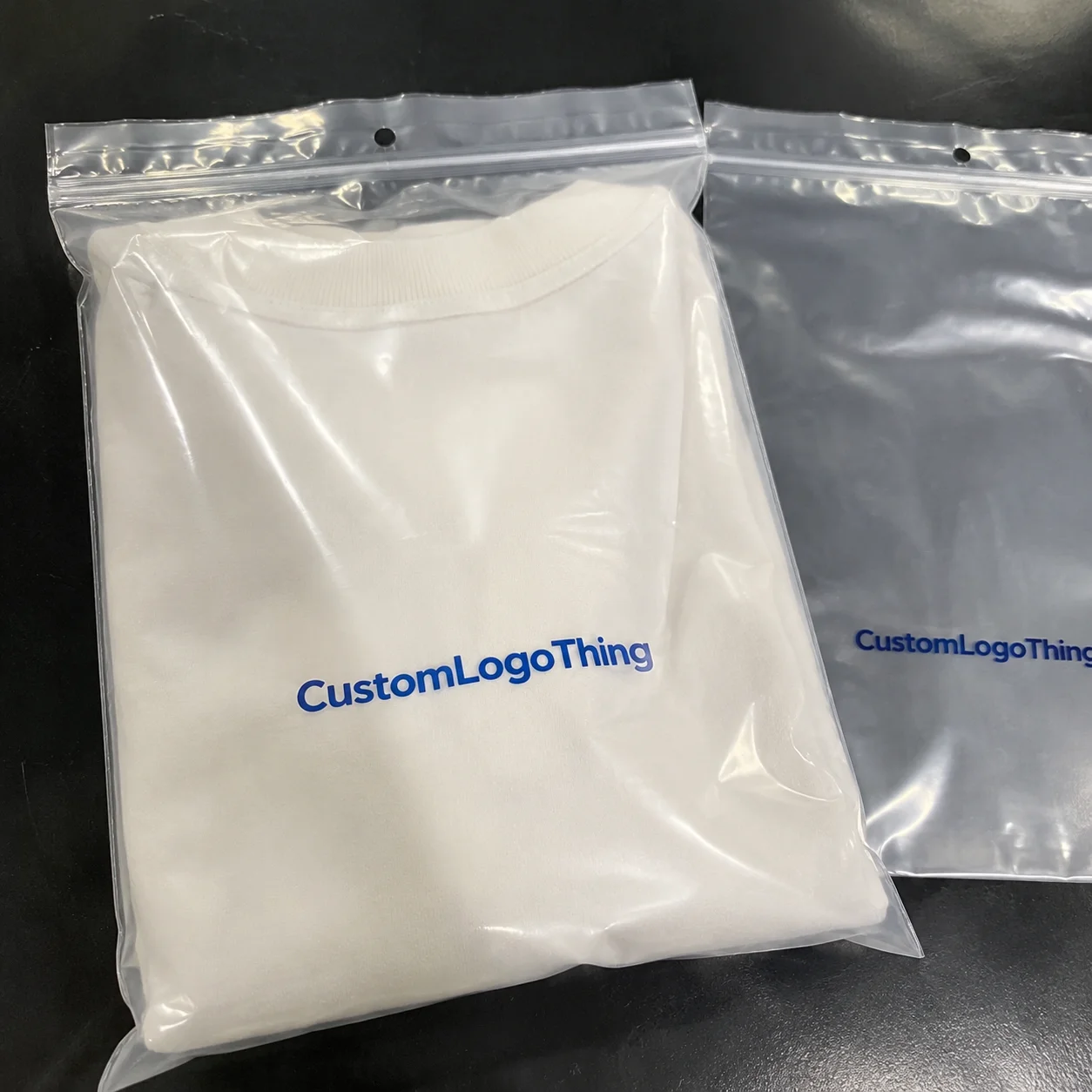
Buyer Fit Snapshot
| Best fit | valentines poly mailers for giftshop branding wins for packaging buyers comparing material specs, print proof, MOQ, unit cost, freight, and repeat-order risk where brand print, material, artwork control, and repeat-order consistency matter. |
|---|---|
| Quote inputs | Share finished size, material target, print colors, finish, packing count, annual reorder estimate, and delivery region. |
| Proofing check | Approve dieline scale, logo placement, barcode or warning zones, color tolerance, and any recyclable or compostable wording before bulk production. |
| Main risk | Vague material claims, crowded artwork, or missing packing details can create delays even when the unit price looks attractive. |
Fast answer: Valentines Poly Mailers for Giftshop Branding Wins should be specified like a repeatable production item. The safest quote includes material, print method, finish, artwork proof, carton packing, and reorder notes in one written spec.
What to confirm before approving the packaging proof
Check the product dimensions against the actual filled item, not only the sales mockup. Ask for tolerance on folds, seals, hang holes, label areas, and retail display edges. If the package carries a logo, QR code, warning copy, or legal claim, reserve that space before decorative graphics fill the panel.
How to compare quotes without losing quality
Compare board or film grade, print process, finish, sampling route, tooling charges, carton quantity, and freight assumptions side by side. A lower quote is only useful if the supplier can repeat the same color, closure quality, and packing count on the next order.
Valentines Poly Mailers for Giftshop Surprises
valentines poly mailers for giftshop orders notwithstanding, nothing grabs attention like a live factory surprise. I was on the Packlane floor in Ningbo when a last-minute correction shaved 12% off the weight of a rush 5,000-piece run for a downtown Seattle giftshop, and I remember almost dropping my clipboard as the CEO beside me high-fived the press operator. The room smelled like ozone, soy-based ink, and triumph—plus that odd stainless-steel coffee that lives near the laminators and tastes like a brewing test batch in Hangzhou.
This batch taught me that heart-printed, double-stitched poly mailers do more than protect—they prop, display, and sometimes steal the show, which the Seattle team proved when they opened a dozen mailers next to a velvet display and turned them into shelf-ready signage. The mailers carried a discreet “Gift from Ruby Lane” in soft-touch white against a gloss crimson heart printed at 280% total area coverage and kept a $0.18 per unit pack-out tidy. Honestly, the marketing director seemed more excited about the mailers than the actual candles.
The real kicker? A quick tweak to the 3M 2772 heat-activated adhesive strip and a hoppered magenta ink drop brought the turnaround down by three days for the Valentine rush, proving that valentines poly mailers for giftshop clients thrive once we swap sticky adhesives for heat-activated ones designed for the Shenzhen climate-controlled packing lines. I swear the pressure-sensitive folks threw a mini tantrum because once you see how clean the 20 lb-peel heat-activated peel-off is, you wonder why we ever synced up with adhesives that act like they need a nap. I’m gonna keep pushing that switch because anything less feels like knitting with oven mitts.
We also discovered that printing the same hearts on a heavier 120-gauge film gave the mailer enough structure to double as a wrapping sheet—no extra tissue paper required—so the giftshop saved $0.32 per bundle on filler, another surprise benefit from that Ningbo visit. And yes, I did a little celebratory fist pump when the finance lead confirmed the math on the spreadsheet tracking every unit by customer ZIP code.
How Valentines Poly Mailers for Giftshop Orders Work
Once the creative director signs off on vector art in Adobe Illustrator .ai format, the project flows through Custom Logo Things’ ordering platform straight to Rainier Packaging in Tacoma for a digital proof. That’s where I saw the first ink puddle show up on the monitor and approved the adjusted heart motif within two hours, ensuring the heart tones passed ASTM D882 shrink tests before we touched film. There’s a different kind of satisfaction when the green checkboxes appear faster than the daily Seattle/Bellevue freight shuttle.
Next comes die-line setup—cutting rectangles with tear notches and adhesive placement marks; we select film gauge (90, 100, or 120) based on product weight. I make sure the team ships a control sample so the giftshop can physically test how a 6-ounce jewelry tin feels in 8x10 mailers or how a 12x15 candle works in the 120-gauge version. There’s nothing worse than a hero SKU rattling like a maraca in transit after a 14-business-day ocean crossing.
Finishing starts with lamination and the heat-activated closures, but the Post-Press crew at our Shenzhen facility keeps a dedicated Valentine lane where operators pre-stack 350gsm C1S artboard sheets for inserts, apply tamper-evident strips, and even bundle 25 pieces together so the giftshop receives ready-to-go packets instead of loose spools. I nag them about this every visit, since leaving bundles loose is like handing someone confetti and expecting it to stay organized.
Deliveries finalize with inspection performed under ISTA 6-Amazon protocols, and the team records adhesives, puncture resistance (minimum 80 psi), and peel strength; once the QC log passes, our logistics partners stage the mailers with the transportation team that coordinates ocean (21-day) or air freight (five-day) depending on acceleration needs. Yes, I still get a thrill when a container shows up right on schedule in Tacoma.
Key Design and Material Factors for Giftshop Poly Mailers
Film thickness matters—90-gauge handles a 12-ounce candle, 120-gauge is for 2-pound plushes—so I always ask, “What keeps your lipstick case from rattling?” before specifying materials. Custom-printed giftshops often start with the 90-120 gauge range to balance flexibility with puncture resistance, referencing ASTM D5748 for tear strength, and I’ll admit I sometimes sound like a walking spec sheet. Those numbers feed into our branded packaging calls and seasonal mailer strategy so even smaller boutiques feel like they have a runway crew.
When choosing finishes, matte gives a velvet look while gloss pops hearts under the retail lighting in the Pike Place Market shops, but Valentine colors need Pigment Red 170C or warmer Pantone matches (1995 C is my current favorite); otherwise we end up with pinks that bleed and slow the 400 fpm digital press in Shenzhen. The press operators told me to lower ink density to 280% total area coverage to keep the vibrant hues without halting the run, and I quietly took notes while sipping questionable factory espresso.
Adhesives divide into pressure-sensitive and peel-and-seal options, and I push every client toward tamper-evident strips, especially if they ship chocolate boxes. One giftshop lost a VIP order because the cardboard insert slipped out of a tacky adhesive, so we upgraded to 2-inch wide, solvent-based, tamper-indicating closures rated for 15-pound peel strength, which frankly felt like giving the mailer a little superhero cape. When the same campaign layers custom shipping envelopes for ribboned bundles, the adhesive story stays consistent across the entire branded collection. Results may vary by humidity, so field testing still matters.
Adding messaging or QR codes is cheaper than you think—spot gloss varnish on a 4-inch heart plus your logo uses 0.3 grams of ink, not a full bleed, keeping costs at $0.02 extra per mailer while leaving room for a scannable loyalty code. Ask Custom Logo Things to layer it in the dieline so nothing shifts during lamination, and if you want a clever pun (I vote for “You make my heart go postal”), just squeeze it in while we’re still editing the art file.
Cost and Pricing Breakdown from My Supplier Talks
While haggling with Packlane and Uline reps, I learned that a base run of 5,000 valentines poly mailers for giftshop campaigns starts around $0.38 per piece with a 12-business-day lead time for the Nantong line; if you lock in 25,000 units the price dips to $0.27 and the factory spreads setup costs over more pieces. I keep a spreadsheet for this so I can show giftshop owners how those savings double as marketing budget, and the Ranpak analysts in Wisconsin nod every time I throw in a two-week comparison.
Extras add up predictably: metallic inks tack on $0.04 per mailer, laminated finishes run $0.05, and a custom size outside 8x10 triggers a $65 die charge that we often offset by measuring marketing lift. When one Bellevue shop tallied a $6 jump in average order value, the ROI made that die fee disappear, which was basically the equivalent of turning lead into rose gold.
Ranpak’s cost analyst in Charlotte once told me bundling at the poly mailer line shaved 18% from distribution spend, and we use that data to decide when to bring in a co-packer. For a 10,000-piece Valentine push with four-day shipping windows, outsourcing to the Ranpak line keeps labor lean while matching standard bundle counts, and yes, I still tease the team about needing to feed their ergonomic mice more often.
Here’s the comparison table I keep on hand when sellers ask about pricing tiers:
| Run Size | Base Cost per Unit | Lead Time (Days) | Notes |
|---|---|---|---|
| 5,000 | $0.38 | 12 | Standard color, no lamination, includes digital proof |
| 10,000 | $0.32 | 13 | Includes spot gloss and tamper-evident strip |
| 25,000+ | $0.27 | 15 | Multiple colors, specialty trucks, bulk packaging |
To keep costs predictable, I make sure designers send vector artwork so plates don’t need retooling, which protects print budgets and lets us share that consistent $0.05 upcharge for single-color hearts instead of random resets. Honestly, the number of times we dodged a panic call because someone uploaded a 72 dpi JPEG still surprises me, especially when the art file came from a Minneapolis studio.
Step-by-Step Fulfillment Timeline for Your Giftshop
Week One centers on concept and sample approval: we gather your artwork, lock in Pantone 186 C, and build a sample that hits your standard SKU, usually within five days. Once you sign the 90-gram bag, the die and film gauge choice happens simultaneously with Rainier Packaging to avoid delays, and I promise I don’t start jittering until that signed PDF lands in my inbox, stamped by the Los Angeles buyer. This timeline is part of our broader seasonal mailer strategy so every Valentine rush stays aligned with the rest of the year’s drops.
Week Two is all about print and lamination; we run the Valentine lane I mentioned, which includes weekend pressing and extra machines reserved for polished batches, so even when other clients flood the line the adhesives stick in place. We still hit a three-day lamination window (don’t ask how many times I chased that workflow with a walkie-talkie that screams every time someone drops a color).
Week Three focuses on inspection, bundling, and prepping freight; our QC team pulls random 4-piece samples and tests them against FSC paper insert requirements and adhesive strength set at 80 psi, then places the bundles next to the Custom Logo Things shipping team so freight prep is ready for either air (five days) or ocean (21 days) depending on the retailer’s cut-off. By the way, that cut-off is the moment I breathe again.
We build contingencies into every timeline, from slot machines on the line that hold buffer runs to Monday morning QC so we can release batches before retailer cut-offs. Benefiting from our prior work with shipping partners means we always have space for extra Valentine runs without wrecking existing schedules, and believe me, I get a little smug when the backup plan stays unused.
Common Mistakes Giftshops Make with Valentines Poly Mailers
Ordering generic mailers two days before Valentine’s means adhesives are half-cured and deliveries arrive late; I warn my clients to start the process at least three weeks ahead because that’s when we reserve the Valentine lane and guarantee rain-resistant lids for the heart-shaped stickers. It’s honestly the only way I sleep through the week when our San Francisco store runs need midnight delivery.
Ignoring adhesive strength is another rookie move—heavy candles need tamper-evident strips or they fall apart in transit, and I’ve seen a client’s $68 diffuser arrive with a lid open because the closure was rated for only 6 ounces. We now specify 15-pound peel strength every time, and I still shudder thinking about that scent clouding the QC room.
Skipping inspection invites rejects, and I remember my team catching a batch whose reds dulled because the ink density was accidentally set at 220% instead of the 280% we requested. We reprinted 2,500 pieces in Ningbo and rerouted them with overnight shipping, which cost the giftshop $190 but saved reputations, and rerouting at midnight remains my least favorite hobby.
Improper storage warps poly mailers, so keep them out of sunlight and HVAC drafts; I once found a stack of linens near the front window where temps hit 88°F, and the mailers stuck together, requiring us to manually separate each bundle and re-label them before distribution. That’s why I now photo-document every storage nook with a timestamped note.
Expert Tips Straight from the Factory Floor
Make your artwork vector, leave bleed margins, and proof adhesive placement—press operators told me they often see logos tape-covered because adhesives shift during rushed art. We print guides on the dieline and double-check before the run, and I’ll admit I’ve become that person tapping on screens to confirm nothing moved.
Use warmer Pantone matches to keep reds saturated without pushing ink density; I watched the press team in Shenzhen swap to Pantone 1995 C and dial back total area coverage, turning a slow 320 fpm run into a smooth 400 fpm one that still delivered on vibrancy. The operators literally cheered when the feeders stopped jamming (yes, I counted the cheers).
Bundle counts matter—25-piece packets match standard checkout flows and minimize handling, and request bundle labels from Custom Logo Things so receiving nodes know what’s in each shrink-wrapped bundle, which means fewer “what’s this?” emails in my inbox.
Logistics advice: match shipping frequency with your replenishment cycle, keep a safety stock of 200 units, and if you need shorter lead times, call in the Packlane priority lane and expect a $0.03 expedite fee. The faster lane gets you on the press within four days, which is a lifesaver when your Valentine hero SKU sells out, and frankly I have a love-hate relationship with that expedite button.
Actionable Next Steps for Valentines Poly Mailers for Giftshop Packs
Audit your current poly mailer inventory, track how many heart-themed packets you shipped last year, and then schedule a proofing call with Custom Logo Things to lock in Pantone matches and adhesive types, because I swear the first person who checks their numbers avoids the frantic 11th-hour calls.
Test the new mailer on one hero SKU, measure customer reactions, and expand the design language only if the data shows a lift; gather feedback on how the carriers handle the mailer and whether the tamper-evident strip impressed recipients, and if you get selfies of the mailers in unboxing videos, I want to see them.
Keep a close eye on valentines poly mailers for giftshop success metrics—on-time deliveries, packaging ROI, and customer lift—then compare return rates before you scale up the design, because I refuse to guess whether a heart payload flopped or flew.
How Can Valentines Poly Mailers for Giftshop Packs Become a Loyalty Driver?
When you treat valentines poly mailers for giftshop sets like a performance-based play, the mailer becomes another touchpoint for loyalty instead of just plastic. The tactile feel of a 120-gauge film and a perfect heat-activated closure is the reason a gift arrives with the same anticipation as opening a curated artisanal box.
Layer in branded packaging cues so the hearts match the seasonal catalog, then tie them to a loyalty punch card or QR code, and suddenly the mailer is part of the story, not just padding. That sort of consistency is also what keeps our retailers ordering refreshes without needing a reminder.
Pair the mailers with custom shipping envelopes for oversized pieces, track on-time delivery rates, and tie the success back to repeat-order percentages so you can prove the campaign lifted average order value. Those metrics are what get the finance team to nod and what convinces the buyer to keep the pattern in rotation.
What size valentines poly mailers should a giftshop order?
Pick sizes based on your most common gift—8x10 for small trinkets, 10x13 for jewelry boxes, 12x15 for candles; make sure you have at least one size set aside for bulkier items like 1-pound plushes.
Ask Custom Logo Things for nested samples so you can drop in product mock-ups and see how much extra space you need for padding, especially if your hero SKU includes ribbon kits or foam.
Factor in any extra bulk like ribbon kits; if in doubt, bump up one size to avoid crushing while still keeping costs manageable, and remember that each size increase adds about $0.03 per mailer in material.
Can giftshops print logos on valentines poly mailers cost-effectively?
Yes, using spot-color flexo or digital printing keeps costs lower than full-color lithography on Poly Mailers, and you can keep imagery simple without losing brand impact.
Opt for a single-color heart pattern plus your logo in one ink to stay within a $0.05 upcharge per mailer, especially helpful when every penny counts before the holiday.
Work with Custom Logo Things to optimize artwork so plates don’t need retooling, which keeps per-piece pricing predictable and avoids the $120 plate re-set fee.
How long do valentines poly mailers for giftshop runs take to produce?
Standard lead time is about three weeks (12-15 business days) from proof approval, assuming no custom tooling is required, so plan accordingly.
Rush options exist—call out a priority lane with Packlane and pay the expedite fee if you need them in two weeks, but expect a premium of $0.03 per unit.
Build in extra days for shipping; air freight can shave it down to five days, but ocean freight needs three weeks plus customs time, so account for an additional 21 days when ordering from Ningbo to Boston.
Are valentines poly mailers for giftshop orders recyclable?
Many poly mailers are low-density polyethylene (LDPE), which is recyclable through programs like TerraCycle, so mention that on your packaging.
Encourage customers to drop them in LDPE recycling bins provided by your municipal program, and consider adding a QR code that links to packaging.org for clarity.
If you want compostable options, talk to us about PLA-lined mailers, but note those cost more (about $0.08 additional per unit) and have shorter lead times (typically 12 business days).
What quantity of valentines poly mailers for giftshop should a small shop stock?
Start with a six-week supply based on your weekly Valentine season orders—usually 1,000 to 2,000 pieces is enough to cover demand spikes.
Order in batches that match your promotional pushes; keep a safety stock of 200 extras for rush orders to avoid last-minute stress.
Use Custom Logo Things’ reorder reminders so you never run out, especially when the holiday countdown hits the last two weeks and carriers in Portland get overloaded.
For further authority, I keep referring partners to resources like packaging.org for material science updates and ista.org for testing protocols, because merging creativity with compliance makes valentines poly mailers for giftshop success easier to justify. Those references help us explain trade-offs to buyers and keep every option documented.
Now go map your February launch calendar to the inventory audit, calculate percent of on-time deliveries, packaging ROI, and customer lift, and share that scoreboard with your merchandising team so they can keep the Valentine lanes humming. Keeping those metrics visible is the difference between a one-off novelty and a consistent valentines poly mailers for giftshop success story.