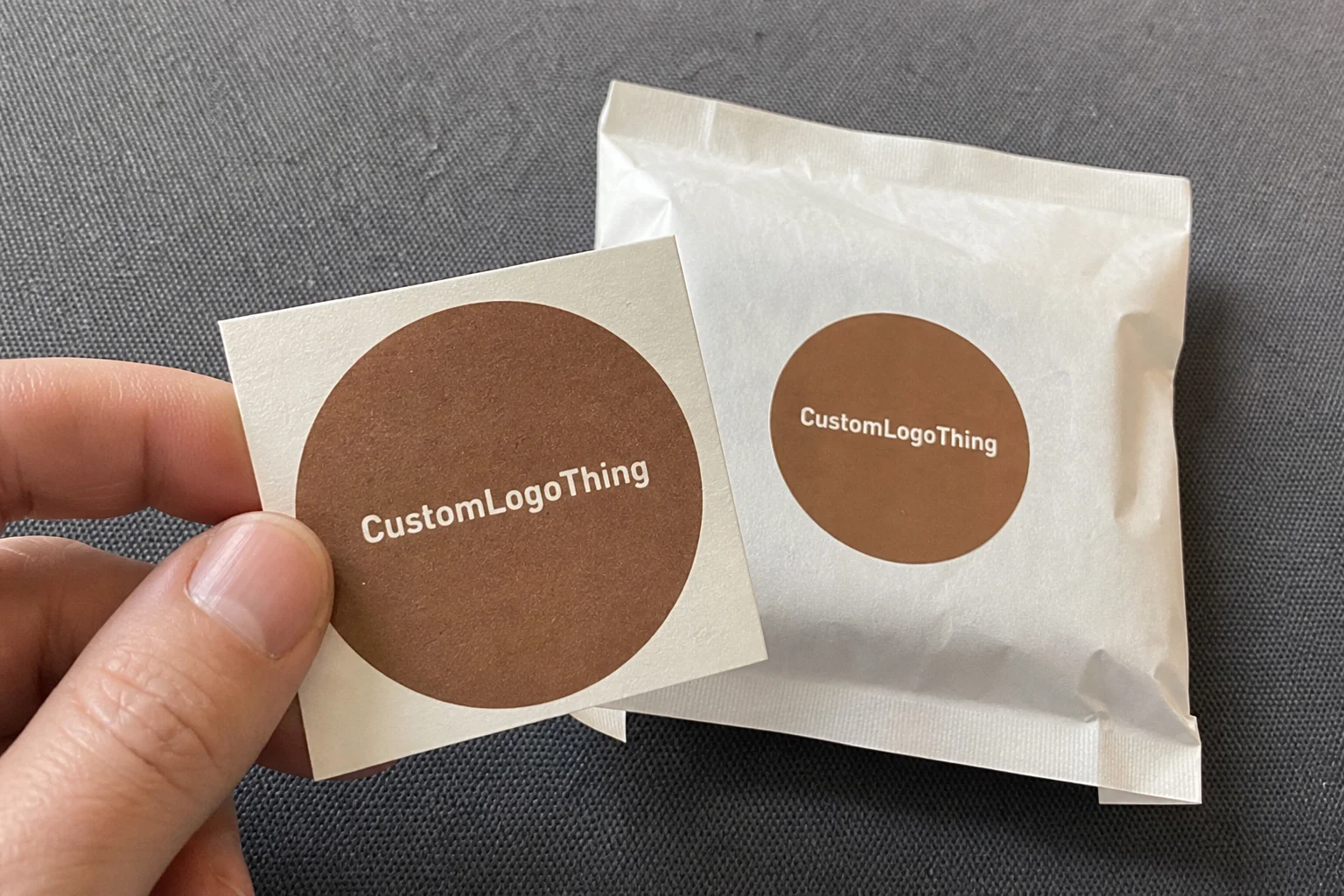
Label Stickers Low MOQ Custom Order for Fast Launches
Label Stickers Low MOQ Custom Order for Real Product Runs
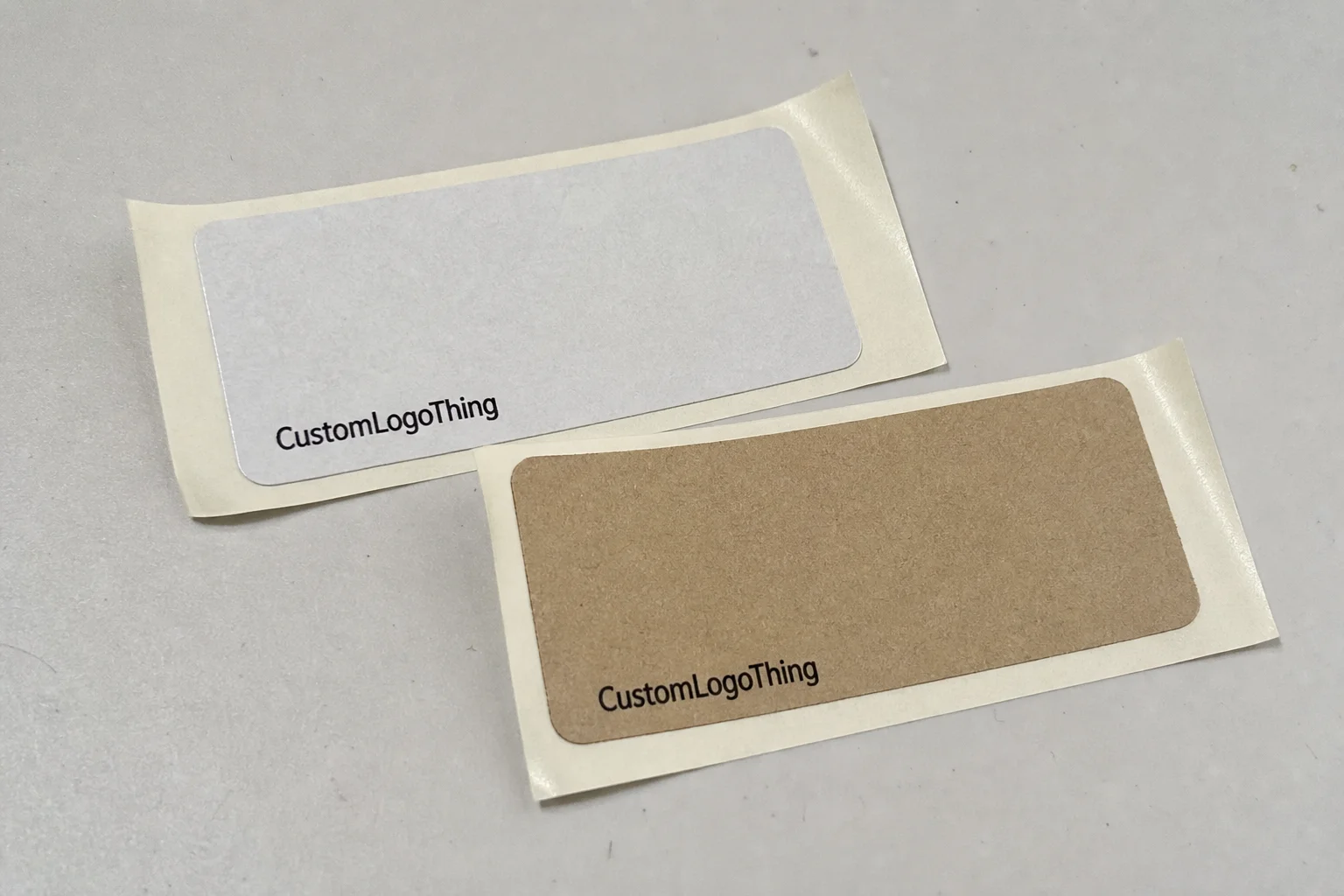
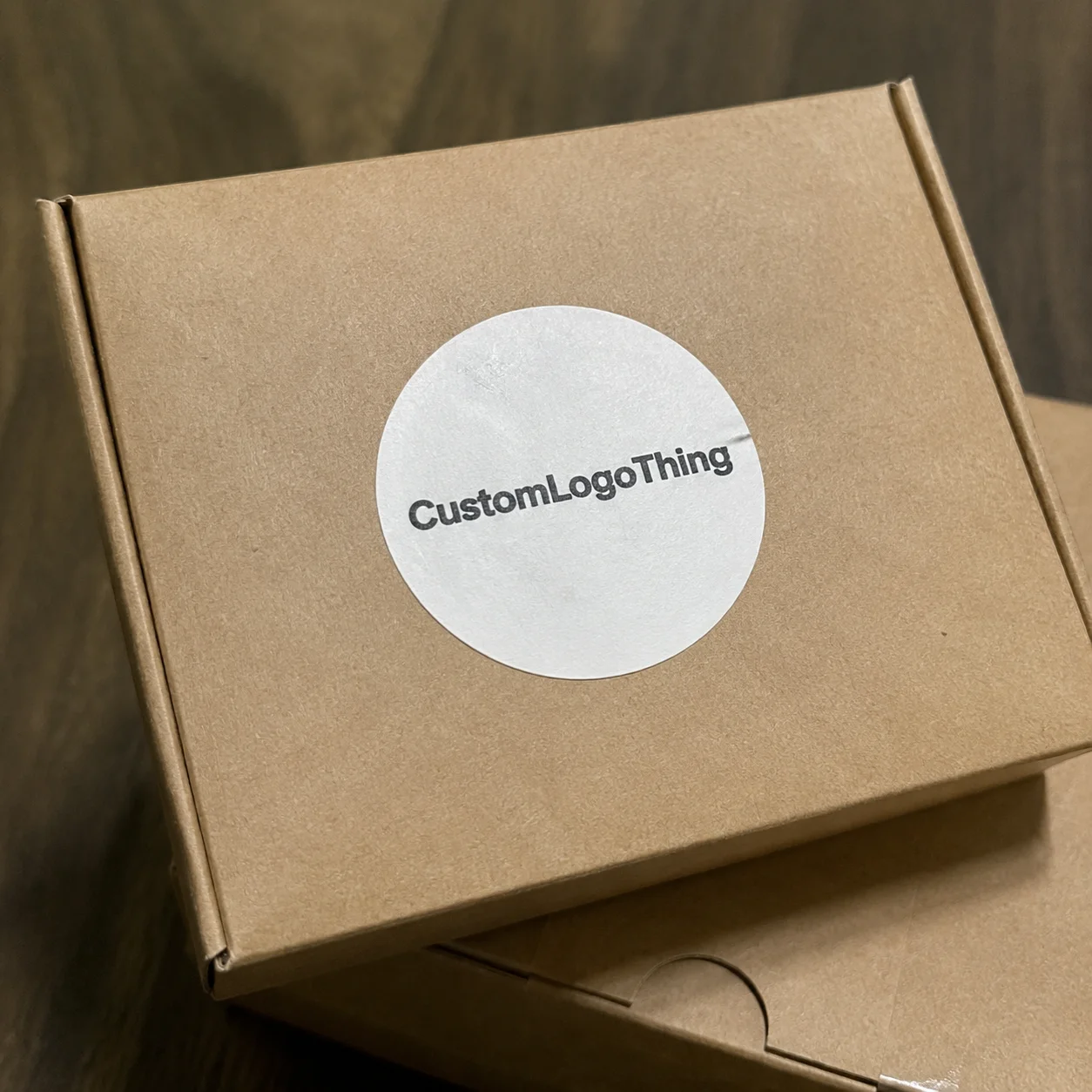
A label Stickers Low MOQ Custom Order makes sense when the product does not need 10,000 labels yet. The real number might be 100 labels for a scent test, 250 for a farmers market batch, or 500 for a seasonal SKU that still has to prove itself on a shelf before anyone commits to a full packaging run.
That is not timid buying. It is evidence-based buying.
Short-run custom labels are not just for startups, either. Established brands use small label runs for compliance updates, ingredient changes, barcode revisions, subscription inserts, retail trial packs, limited editions, and packaging design tests. One outdated ingredient panel can turn a neat stack of unused labels into scrap.
From a packaging buyer's point of view, the value is blunt: order Custom Label Stickers in the size, adhesive, material, print method, and finish that fit the actual job. Do not let a minimum quantity decide your inventory risk. A low MOQ order can still look retail-ready if the technical details are handled correctly.
A proper label order should include a clean die line, color-managed artwork, accurate sheet or roll format, adhesive matched to the surface, and a finish that protects the print through filling, handling, shipping, and retail display. For branded packaging, those details matter more than shaving a fraction of a cent from a label that later wrinkles, scuffs, lifts, or scans poorly.
Practical rule: the goal is not the cheapest sticker possible. The goal is the lowest practical order quantity that still gives you a professional label your team can apply cleanly and your customer can trust on the package.
For product packaging comparisons, the Custom Labels & Tags category is a useful starting point. The right label format depends on how the finished product will be packed, shipped, displayed, opened, stored, and handled after purchase.
What Low MOQ Means for Custom Label Stickers
A label Stickers Low MOQ Custom Order is a small production run of custom printed stickers made to your artwork, size, material, adhesive, and finish requirements without forcing a large minimum order quantity. In practice, it gives product teams a way to buy low minimum order labels for real packaging, not just mockups.
The phrase sounds clumsy because buyers use it in different ways. Some mean small-batch product labels for a first launch. Some mean custom sticker printing for five or six SKU versions. Others mean a reorder bridge while a larger packaging program is being revised. The common thread is risk control: buy enough to sell, test, photograph, ship, or sample the product without burying cash in obsolete inventory.
That matters most when product information is still moving. Fragrance names get adjusted. Cosmetic ingredient lists shift after supplier changes. Food brands update net weight, nutrition facts, allergen statements, or UPCs. A candle maker may test three jar sizes before choosing one. A supplement brand may need retail samples before the next production forecast is defensible.
The more uncertain the product, the more valuable the low MOQ path becomes. It trades the cheapest theoretical unit price for agility. That trade is often rational. A label that costs a few cents more but prevents 8,000 unusable pieces from sitting in storage can be the less expensive choice by a wide margin.
There is one caveat buyers sometimes miss: low MOQ does not mean every specification becomes cheap at low volume. Specialty foils, unusual adhesives, custom tooling, multiple finishes, and exact color matching can still carry setup costs. The run is smaller, but the press still has to be prepared. The file still has to be checked. The material still has to be handled correctly.
Materials, Adhesives, and Finishes That Match the Job
Material choice is where many label projects either become solid or start drifting. White paper label stock fits dry indoor goods, cartons, mailer inserts, simple retail packaging, and products that will not face moisture, oil, refrigeration, or heavy abrasion. It prints cleanly, usually prices well, and works for many low MOQ custom label projects where presentation needs to be sharp but the environment is controlled.
BOPP film, short for biaxially oriented polypropylene, is a stronger choice for bottles, jars, cosmetics, bath products, beverages, refrigerated items, and packaging handled repeatedly. It can be white, clear, or metallic, and it resists moisture better than uncoated paper. Clear film is popular for the no-label look on glass jars or clear plastic bottles, but it often needs white ink under color areas so the artwork does not fade into the product behind it.
Kraft paper gives handmade, organic-style, or rustic packaging a warmer look. It is less forgiving around oily products, condensation, and wet environments. Metallic and holographic stocks can add shelf impact for specialty branding, promotional drops, or gift packaging, though they usually raise unit cost and may require extra proofing for barcode contrast and small type.
Adhesive selection deserves the same scrutiny as the face stock. Permanent adhesive is the usual choice for retail packaging. Removable adhesive fits short-term promotions, temporary seals, or reusable containers. Freezer-grade adhesive is built for cold-chain products, while higher-tack options may be needed for textured corrugated mailers, curved tins, lightly coated paper tubes, or plastic containers with lower surface energy.
Surfaces behave differently. Glass jars, HDPE bottles, PET containers, candle vessels, paper tubes, flexible pouches, tins, corrugated mailers, and cosmetic jars all create different bonding conditions. Curvature matters too. A label that looks perfect flat can flag at the edges if it is too wide for a tight-radius container.
Finishes protect the print and set the visual tone. Gloss lamination gives colors more pop. Matte lamination softens glare. Soft-touch coating adds a tactile feel. Spot UV creates selected shine, and foil stamping can add a premium detail when the budget supports it. For a label stickers low MOQ custom order, start with the finish that solves a real packaging problem first. Decorative effects come second, and only where they help the product sell.
| Material or Finish | Best Use | Practical Notes | Typical Cost Impact |
|---|---|---|---|
| White paper | Dry indoor goods, cartons, simple retail packs | Good print surface, not ideal for moisture or oil | Lower |
| White BOPP film | Bottles, jars, cosmetics, refrigerated products | Moisture resistant and durable for handling | Medium |
| Clear film | Glass and clear plastic containers | May need white ink behind color and text | Medium to higher |
| Kraft paper | Natural, handmade, and artisan presentation | Warm appearance, limited moisture resistance | Low to medium |
| Foil or spot UV | Premium retail packaging and gift products | Adds setup and proofing considerations | Higher |
Sizes, Shapes, Artwork Specs, and Print Details to Confirm
Label shape should follow the package, not just the logo. Common shapes include rectangles, squares, circles, ovals, wraparound bands, tamper seals, neck labels, lid labels, and custom die-cut shapes built around a logo, product silhouette, or front panel. A rectangle may be the most cost-efficient shape. A custom die can make sense when it helps the label sit cleanly on a molded bottle, narrow jar, or specialty carton.
Measure the real container before approving size. Use a flexible ruler or printed paper mockup and check the front panel, side seam, lid clearance, barcode scan zone, ingredient copy, warning text, and any raised features on the package. On curved jars and bottles, leave enough room at the edges so the label does not fight the surface and lift during storage.
Artwork should be prepared for production, not screen viewing. Vector files are best for logos and line art. Raster images should be 300 DPI at final print size. CMYK color mode gives a more realistic print target than RGB. Fonts should be outlined, linked images embedded, bleed extended beyond the cut line, and small text kept inside a safe zone so trimming tolerance does not bite into the copy.
Digital printing is often efficient for a label stickers low MOQ custom order, especially when there are several SKUs, short runs, or variable artwork versions. Flexographic or offset-style production may become more economical once the job is stable, repeatable, and ordered in larger quantities. The break point depends on label size, ink coverage, tooling, material, and run length.
Proofing is where small errors get caught. Check spelling, nutrition panels, compliance marks, UPC size, QR code readability, color direction, cut line, and contrast on clear or metallic labels. A barcode printed over shiny silver stock or wrapped too far around a small bottle can become a scanning problem, even if the design file looks polished.
Transparent and metallic stocks need one extra question: will white ink be required? White ink can sit under color graphics to make them opaque, or it can print as a visible design element. Without it, red, yellow, light gray, and fine black text can lose strength on clear containers or reflective materials.
Small type deserves special caution. Many labels look generous on a 27-inch monitor and cramped once reduced to a 1.5-inch panel. Ingredient lists, warnings, batch codes, storage directions, and legal copy should be checked at actual size. If the label must carry regulatory information, design preference cannot be the only decision-making filter.
MOQ, Pricing, and Unit Cost Factors
MOQ and pricing depend on more than quantity. Size, material, adhesive, shape, number of artwork versions, roll or sheet format, finish, die-cut complexity, and special effects all influence the quote. A 2-inch circle on white paper is a different job from a 4-by-6-inch clear film label with white ink, matte lamination, and four artwork versions.
Small runs carry setup, file prep, proofing, material handling, and press time across fewer labels, so the unit cost is usually higher than it will be on a larger repeat order. That is not a defect in low MOQ buying. It is the trade for protecting cash flow, avoiding obsolete inventory, and testing real demand before scaling.
As a planning range, simple digitally printed paper labels may land around $0.12 to $0.35 each at quantities near 500 to 1,000 pieces, depending on size and ink coverage. Film labels, clear labels with white ink, specialty adhesives, lamination, foil, or custom shapes can move higher, sometimes into the $0.30 to $0.85 range for small batches. These are planning numbers, not a fixed quote, because a half-inch seal and a full-wrap bottle label do not consume the same material or press time.
A low MOQ label order is often the smarter financial choice for market testing, product launch sampling, small-batch manufacturing, influencer kits, event handouts, farmers market inventory, limited drops, or a packaging update where demand is not proven. If the product sells, the next run can be adjusted with better data.
Cost control starts with standardization. Use the same label size across multiple SKUs when possible. Keep material and finish consistent. Group compatible designs into one production order if they share size, substrate, finish, and format. Skip foil, embossing, or spot UV unless the selling environment truly supports the upgrade.
For a useful quote, send the label dimensions, quantity, material preference, number of designs, application surface, finish, roll direction if needed, and shipping destination. A vague request for sticker pricing usually creates a placeholder number. A complete spec lets the production team quote the actual job.
Process and Timeline From Quote to Finished Labels
The order process is direct when the specifications are complete. The buyer sends dimensions, quantity, artwork, application details, and material preferences. The label team reviews file quality and performance requirements, prepares a quote, sends a proof, and starts production after approval. Finished labels are cut, inspected, packed, and shipped.
Proofing is not a formality. It is the checkpoint that confirms size, cut line, copy placement, barcode position, color direction, finish, roll orientation, and any white ink layer. With a label stickers low MOQ custom order, every label has more value because there are fewer extras to absorb a mistake.
Standard digitally printed labels often move faster than specialty labels, though timing depends on artwork readiness, material availability, order size, finishing, and shipping method. A simple roll label might be quoted in a span such as 5 to 10 business days after proof approval. Foil, embossing, unusual substrates, custom tooling, or multiple finishing passes can require more time.
Revisions stretch the schedule. A changed ingredient panel may need a new proof. A resized label may need an adjusted die line. A smaller layout can make legal copy too tight or reduce QR code readability. Those changes are normal, but they should happen before containers arrive at the filling line.
Send final artwork early. Identify the application surface. Approve proofs promptly. Confirm the shipping method before production is complete. If labels are needed for machine application, confirm roll direction, core size, outside roll diameter, unwind direction, and gap spacing before the job is produced.
Brands testing retail or e-commerce packaging may also want to review distribution standards such as ISTA test procedures. Label durability is only one part of package performance, but scuffing, abrasion, moisture, and compression during transit can change how the product looks when the customer receives it.
Ordering Mistakes That Raise Cost or Slow Production
Under-measuring is one of the most common problems. A label that looks clean on screen can wrinkle on a curved jar, wrap too close to a seam, interfere with a lid, cover an embossment, or hide required container features. Print one paper mockup at actual size and tape it to the container before approving the final dimensions.
Material chosen by appearance alone can backfire. Paper can look warm and natural, but it may struggle around oil, refrigeration, condensation, bathrooms, candles, and frequently handled cosmetic packaging. Film labels usually perform better in damp or high-touch settings, though they can cost more and may need a different finish to control glare.
Artwork issues create delays fast. Missing bleed, low-resolution logos, RGB color builds, unoutlined fonts, thin reverse type, unreadable QR codes, and barcodes placed on curved or reflective areas can all trigger proof revisions. For small text, especially legal copy or ingredients, keep contrast high and avoid placing critical information too close to the cut line.
SKU planning also affects price. Ordering each design separately can increase setup cost, while grouping compatible versions may make production more efficient. Compatible is the key word. If the designs share the same size, material, finish, adhesive, and format, grouping can help. If every SKU needs a different shape or substrate, separate pricing may be more accurate.
Application details often get ignored until the labels are on the packing table. Labels supplied on sheets may be fine for hand application at a small station, but a labeling machine may require rolls with a specific unwind direction and core size. Adhesive can also fail if labels are applied over dust, condensation, cold surfaces, oily residue, or freshly filled containers that are still changing temperature.
Many label problems trace back to treating the sticker as decoration first and packaging component second. A good label has to print well, apply well, stay put, scan correctly, and survive the handling path from production to customer. That is exactly why a label stickers low MOQ custom order should be specified like packaging, not like a giveaway sticker.
How to Prepare a Low MOQ Label Sticker Order
Start with the package in your hand if possible. Measure the container or panel, decide the label shape, choose an approximate quantity, gather final artwork files, identify how the labels will be applied, and note any exposure to water, oil, cold, heat, abrasion, or refrigeration. These details help match the label to the real product, not just the design concept.
For a fast quote, send label dimensions, quantity, number of artwork versions, material preference, finish preference, roll or sheet format, application surface, shipping destination, and any deadline tied to launch, filling, retail delivery, or an event date. If you are also building cartons, mailers, inserts, or custom printed boxes, review related Custom Packaging Products so the label and package branding work together instead of being treated as separate pieces.
If material choice is still open, start practical. White paper is fine for many dry indoor products. White BOPP is safer for moisture and handling. Clear film needs careful white ink planning. Matte or gloss lamination can be a sensible upgrade for labels that will be touched often, while foil or spot UV should earn its place through shelf impact or brand positioning.
Ask for file setup guidance before submitting final art if you are working with small text, transparent labels, metallic materials, multiple SKUs, or strict alignment across a product family. For paper sourcing and responsible material claims, buyers can also review guidance from the Forest Stewardship Council when FSC-certified paper is part of the packaging requirement.
For larger repeat programs, it may be worth comparing a label stickers low MOQ custom order with replenishment pricing through Wholesale Programs. The first run can stay lean, then the reorder can be refined once the size, material, finish, and sales velocity are confirmed.
The strongest low MOQ label order is not the smallest possible order. It is the smallest order that still respects the product, the surface, the filling process, the sales channel, and the customer who eventually picks it up. That is where short-run labels do their best work: reducing waste without making the package look temporary.
FAQ
What is the minimum quantity for a label stickers low MOQ custom order?
Minimums depend on label size, material, finish, and production format, but a label stickers low MOQ custom order is built for small batches such as product tests, seasonal runs, sample kits, and early retail launches. To confirm the practical minimum, send the label dimensions, quantity, number of designs, and whether the labels should be supplied on rolls, sheets, or individually cut pieces.
Can I order multiple label sticker designs in one low MOQ custom order?
Yes, multiple designs can often be grouped when they share the same size, material, finish, and format, which may help keep setup and production more efficient. If each design uses a different shape, substrate, finish, adhesive, or roll direction, the order may need separate production setups.
Which material is best for custom label stickers on bottles or jars?
Paper labels work well for many dry indoor products, while BOPP and other film labels are better for bottles, jars, cosmetics, bath products, refrigerated goods, and packages exposed to moisture or frequent handling. For clear containers, clear film with white ink support may be needed so the artwork remains readable instead of blending into the product inside.
How much does a low MOQ custom label sticker order cost?
Cost is based on quantity, label size, material, adhesive, finish, number of artwork versions, die-cut shape, and whether specialty effects such as foil, embossing, or spot UV are included. Low MOQ orders usually have a higher unit cost than larger runs because setup, proofing, and production preparation are spread across fewer labels.
How long does production take for low MOQ custom label stickers?
Timing depends on artwork readiness, proof approval, material availability, finish complexity, and shipping method. Simple digitally printed labels usually move faster than labels requiring specialty materials, foil, embossing, custom dies, or multiple finishing steps. For more detail on common ordering questions, the FAQ page can help buyers prepare cleaner specifications before requesting a quote.