Vitamin Brand Carton Inserts Cost: Buyer Ordering Guide
For a vitamin brand, Vitamin Brand Carton Inserts cost is rarely just a number on a quote sheet. It is a structural decision with consequences you can measure. Does the bottle land centered? Do the labels stay clean? Does the pack feel solid in the hand, or does it rattle a little and immediately look cheaper than it should? I have watched buyers save a few cents on the insert and then spend far more dealing with crushed corners, customer complaints, and the kind of hand-pack slowdown that eats a whole afternoon.
That is why I push teams to look past unit price first. A carton insert can shape shipping protection, shelf presentation, assembly speed, and brand consistency all at once. If the insert was treated as an afterthought after the carton size was locked, the result is often a heavier board, a more complicated die line, or a secondary packing step that never needed to exist. For premium supplements, that can also shift the brand signal in a way buyers do not catch until the samples are already in the room.
From a packaging buyer's point of view, the real question is not only vitamin brand carton inserts cost. The real question is how the insert performs across protection, presentation, and line efficiency. A good insert keeps the bottle from shifting, supports a clean unboxing experience, and lowers the odds that the outer carton reaches retail with wear marks or loose product inside. That is the standard worth pricing against.
Vitamin Brand Carton Inserts Cost: What Buyers Miss First
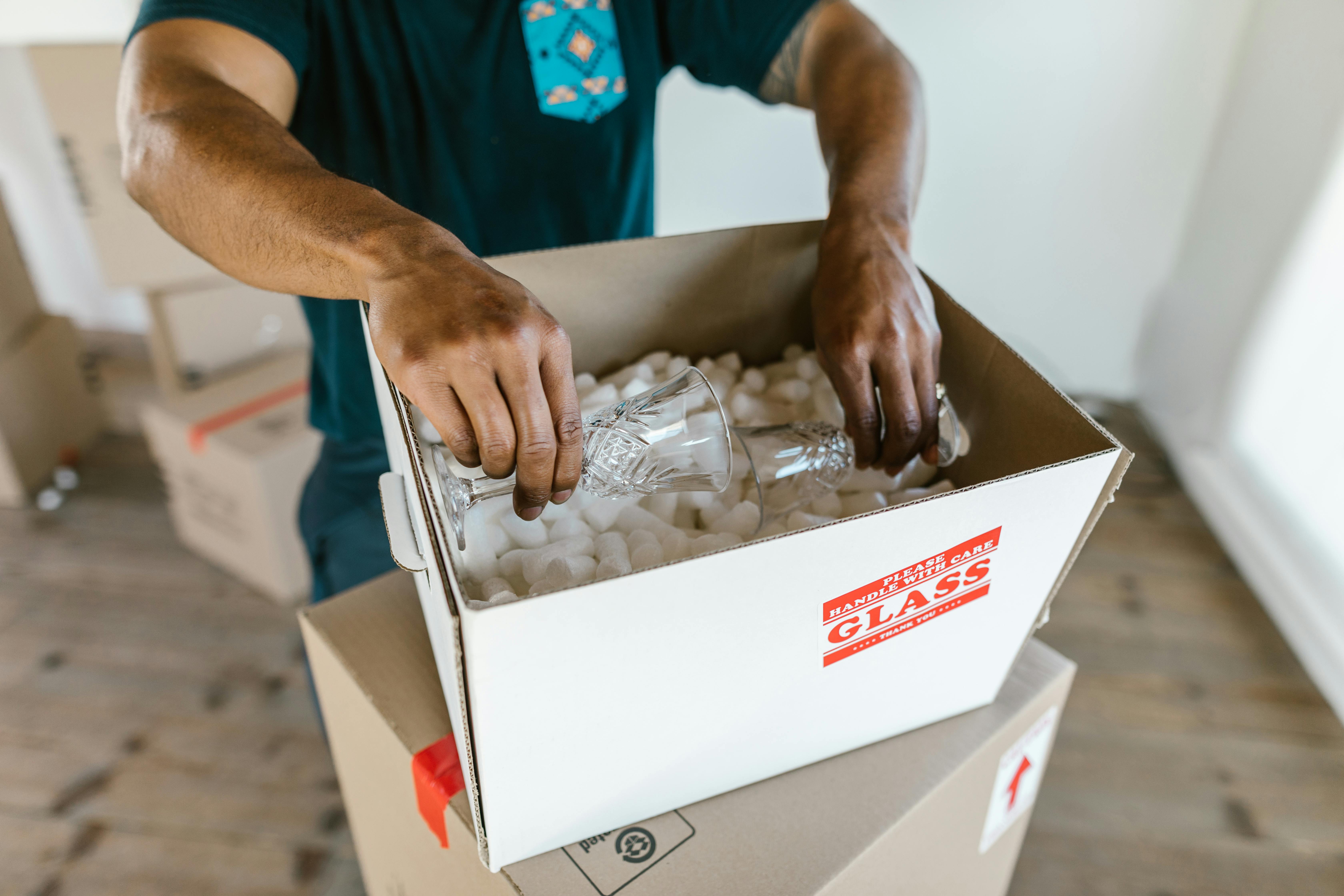
Most vitamin teams start with the outer carton and only think about the insert once the package size is already fixed. That order of operations creates trouble. If the carton footprint is too tight, the insert is gonna need thinner board, smaller tabs, or a different fold pattern just to fit. If the carton is too large, the insert may need more material to keep the bottle stable. Either way, vitamin brand carton inserts cost climbs because the structure has to work around a decision that came too early.
The insert does more than hold a product in place. It also controls the first impression a buyer gets when the carton is opened. A centered bottle looks intentional. A bottle that leans, rattles, or sits too low feels like a lower-end pack even if the label art is strong. That is why vitamin brand carton inserts cost should be tied to customer perception, not just board usage. A small structural upgrade can help the pack feel more secure and improve brand recognition on shelf and in transit.
Another common mistake shows up when teams compare insert quotes without asking what labor the insert creates downstream. A simple die-cut support may cost less per piece than a more engineered nested insert, but if it takes longer to place by hand or triggers fit checks every shift, the true spend climbs. That is the part buyers miss. vitamin brand carton inserts cost should be reviewed as a total system cost, including board, tooling, assembly, and the impact on damage claims.
"A carton insert is not just a spacer. It is a small structural part that can save time on the line and prevent expensive packaging complaints later."
In practical terms, a well-designed insert helps in three ways at once:
- It keeps the bottle, jar, or tube from moving inside the carton.
- It improves the visual presentation when the pack is opened or displayed.
- It can speed up hand insertion by giving the packer a clear stop point and predictable fold logic.
That is why the lowest quote is not always the best answer. If two options differ by a few cents but one reduces pack-out friction, stabilizes the product better, and supports a cleaner shelf look, the second option may deliver better value. That is the part of vitamin brand carton inserts cost that experienced buyers learn to respect.
For teams that are still early in the buying process, it helps to review structural examples and past formats before finalizing a spec. Our Case Studies page is a useful place to see how packaging decisions show up in real production work, especially where fit and branding need to work together.
Vitamin Brand Carton Inserts Cost Drivers and Material Choices
Several cost drivers shape vitamin brand carton inserts cost, and most of them are structural before they are graphic. Board grade is one of the biggest. So is geometry. A flat spacer is cheaper than a multi-pocket insert. A straight score is cheaper than a folded cradle. Tight registration around a window, cutout, or branding reveal can also raise cost because the converting tolerances need to be tighter. When a buyer asks why one quote is higher, the answer is usually in the amount of board, the amount of folding, or the amount of setup needed to make the insert repeat cleanly.
The material choice matters as well. Vitamins are often packed in folding cartons made from paperboard, SBS, kraft, or heavier stock, depending on whether the pack is meant to feel clinical, natural, premium, or retail-forward. The right material depends on product weight, carton size, and how visible the insert is once the box is opened. A lightweight capsule bottle may do fine with a simple paperboard support. A heavier gummy jar or a kit with multiple components may need a more rigid structure. In those cases, vitamin brand carton inserts cost is justified by the added protection and the reduction in movement.
| Insert option | Typical use | Approximate unit cost range | Strengths | Watchouts |
|---|---|---|---|---|
| Simple paperboard support | Single bottle or jar, low-complexity fit | $0.08-$0.18 | Low material use, fast converting, easy to pack | Limited restraint if the product is heavy or loose |
| SBS folding insert with print | Retail-facing packs with visible insert surfaces | $0.12-$0.28 | Cleaner appearance, better brand consistency, good print quality | Higher setup and print costs than plain board |
| Kraft or natural board insert | Natural, wellness, or eco-positioned lines | $0.10-$0.24 | Good visual branding for earthy or clean-label products | Color and surface tone may vary more than coated stock |
| Multi-pocket engineered insert | Kits, bundles, or multiple SKUs in one carton | $0.22-$0.55 | Strong positioning, better separation, higher perceived quality | More folds, more die complexity, more labor risk |
Those numbers are not a promise for every job, because board thickness, print coverage, and quantity all move the final figure. Still, they give buyers a practical starting point. A very simple insert can be cheap on material, but if it requires dense print, a coated finish, or a tight fit around multiple bottle sizes, the numbers move quickly. That is where vitamin brand carton inserts cost starts to reflect the design itself rather than just the substrate.
Print coverage and finishing are easy to underestimate. If the insert is visible through a display window or inside a carton that opens in a premium way, the surface finish may matter nearly as much as the carton exterior. Soft-touch lamination, aqueous coating, spot varnish, or a matched print tone can improve the experience, but each one adds cost. Buyers should decide whether that finish is doing real work for the brand, or whether it is simply adding expense without improving presentation.
Nesting efficiency matters too. A die line that nests well on the sheet reduces waste and can lower the effective unit cost. A geometry that wastes board, leaves too much trim, or forces awkward sheet layout can make a modest insert more expensive than expected. That is why experienced packaging buyers do not stop at the quoted price. They ask how the insert is laid out on press sheets, how it ships in bundles, and whether the fold pattern creates assembly friction. All of that is part of vitamin brand carton inserts cost.
For buyers who want to compare the overall pack path, it also helps to review transport-test thinking early. Packaging structure is not only about appearance. It is about how the filled carton behaves through handling, warehouse movement, and transit vibration. Standards and test methods from groups such as ISTA are useful because they remind teams that real-world motion is part of the design brief, not a late-stage surprise.
Specifications for Vitamin Brand Carton Inserts Cost and Fit
Accurate quoting starts with accurate inputs. If the carton insert is being built around a bottle, jar, or packet, the supplier needs the outer carton dimensions and the filled product dimensions, not just the marketing carton size. The count per carton matters too. A single-bottle pack is a very different structural problem from a two-bottle bundle, a bottle plus scoop, or a kit with capsules, sachets, and literature. The more components the insert has to hold, the more vitamin brand carton inserts cost tends to climb.
The most useful spec sheet includes the following details:
- Outer carton length, width, and depth.
- Product diameter, height, and any shoulder or cap geometry.
- Pack count per carton.
- Target board thickness or preferred stock range.
- Whether the insert is hand-packed or machine-assisted.
- Any print, coating, or label-matching requirements.
- Photos of the filled pack from several angles.
Those details matter because fit is not guesswork. A few millimeters can decide whether the bottle sits snugly or rocks inside the pack. A pocket that is too loose creates movement, and movement creates scuffing, label wear, and a weaker customer perception of quality. A pocket that is too tight slows the line or makes the pack impossible to close without forcing. Either issue raises vitamin brand carton inserts cost in a different way, because the cost shows up as waste, line stoppage, or rework.
Structural details also affect the quote. Pocket depth, slot width, tuck direction, fold direction, glue points, and locking tabs all change the amount of converting work required. If the insert must open and close in a particular sequence for hand assembly, the design may need extra scoring or a different grain direction. That can improve pack speed, but it can also increase setup time. From a buyer's point of view, the right question is whether the design earns its cost by making the pack more reliable and more repeatable.
Food-contact concerns can come up too, depending on how the brand uses the insert. Many vitamin brands do not need direct food-contact performance from the insert itself, but they do care about cleanliness, odor, dust, and surface finish. A clean board surface, low lint, and good cut quality help the package feel trustworthy. If the insert sits close to label surfaces, abrasion resistance becomes important because tiny scratches can make a new pack look older than it is. That is a subtle part of vitamin brand carton inserts cost, but it matters in premium wellness packaging.
Scuff resistance and fit testing are especially important for glossy labels, foil labels, and high-contrast graphics. A bottle that rubs the carton wall during shipping may not fail structurally, but it will fail visually. Buyers sometimes discover this too late, after the design is approved and production is underway. A simple fit sample, filled prototype, or short production trial can prevent that. Even when that sample costs a little more, it often lowers the final vitamin brand carton inserts cost by avoiding mistakes that would cost more to fix later.
One practical habit saves time on every job: capture dieline data, photo references, and a filled carton sample before quote approval. That way the supplier is pricing the real pack, not a theoretical size on a drawing. When the carton insert is being matched to an existing bottle or jar, that step is the difference between a clean quote and a quote full of assumptions. It is also one of the simplest ways to keep vitamin brand carton inserts cost from drifting during revision rounds.
Vitamin Brand Carton Inserts Cost: Pricing, MOQ, and Quote Logic
Pricing is usually built from several pieces rather than one flat number. Setup, tooling, board consumption, print complexity, and run quantity all affect vitamin brand carton inserts cost. If the job needs new tooling, a fresh die line, or special registration, there will be upfront cost that has to be spread across the order. If the structure is simple and the quantity is high, the unit cost drops because setup is amortized over more pieces. That is why the same insert can look expensive at 1,000 pieces and very reasonable at 10,000.
MOQ is tied to that setup logic. It depends on sheet size, die-cut efficiency, converting layout, and how much operator time the insert requires. A tiny design change can push a job into a different price band if it affects the sheet layout or the hand assembly burden. That is one reason buyers should ask for tiered quotes. A quote with break points at 1,000, 3,000, 5,000, and 10,000 pieces tells a much better story than a single unit price. It shows where vitamin brand carton inserts cost begins to improve and where it stays stubbornly high.
Here is a simple way to think about quote logic:
- Prototype pricing covers design checks, sample cutting, and proofing.
- Low-volume pricing absorbs more setup and handling cost per piece.
- Production pricing improves as the run quantity rises and the layout stabilizes.
- Special finishing or complex folding increases unit cost even at higher volume.
Short runs make sense for launches, reformulations, seasonal offers, and pilot programs, but they usually carry higher unit pricing. That does not mean they are a bad choice. It means the buyer is paying for speed, flexibility, and lower inventory risk. If a brand is still testing flavor rotation or packaging size, a higher vitamin brand carton inserts cost per unit may be the right tradeoff because it avoids overcommitting to a design that may change later.
Buyers can lower cost without damaging performance by simplifying the structure. Standardizing dimensions across SKUs, reducing cut complexity, limiting print coverage, and avoiding unnecessary pockets are all practical ways to improve unit cost. Sometimes two SKUs can share one insert design if the product geometry is close enough. That shared structure can reduce tooling spend and simplify replenishment. The key is to make sure fit remains secure and the carton still presents cleanly on shelf.
To make price comparison easier, it helps to use a clear quote table during the buying process:
| Volume band | Typical MOQ behavior | Approximate unit price range | Best fit | Main tradeoff |
|---|---|---|---|---|
| Prototype / sample | Very low MOQ or one-off sample run | $0.35-$1.25 | Fit validation, artwork checks, launch decisions | Highest per-piece price |
| Short run | Usually 500-2,500 pieces | $0.18-$0.45 | Launches, pilots, smaller e-commerce runs | Setup cost still heavy on the unit rate |
| Mid-volume run | Usually 3,000-10,000 pieces | $0.10-$0.28 | Core stock keeping units and repeat orders | Needs stable specs to stay efficient |
| High-volume run | 10,000+ pieces | $0.06-$0.20 | Established vitamin lines with steady demand | Less flexibility for late changes |
Those are planning ranges, not universal promises. The final number will depend on board grade, print coverage, fold count, and how much hand work the insert requires. Still, they show why vitamin brand carton inserts cost should be reviewed alongside workflow. A cheaper unit price is not automatically the lower total spend if the structure slows packing or creates more waste in production.
This is also where brand consistency shows up in the numbers. If each SKU uses a different insert shape, the brand may spend more on tooling and inventory, but the upside is precise fit. If multiple products can share a common structure, the business may lower cost and simplify replenishment. The right answer depends on catalog size, product weights, and how often the line changes. In other words, vitamin brand carton inserts cost is not just a procurement issue. It is a packaging architecture decision.
Process, Timeline, and Lead Time for Carton Inserts
The production path for a carton insert is straightforward, but each step needs clean input. It begins with a brief, then moves to dimensions, dieline development, sample review, approval, cutting, printing if needed, converting, and final packing. If any one of those steps is rushed or incomplete, the schedule slips. That is why vitamin brand carton inserts cost should never be considered without also considering time. A low-cost quote that misses the delivery window can create much higher business costs later.
The biggest schedule risks are usually simple. Missing measurements create redraws. Late artwork changes force another proof round. Fit problems found after the first sample can send the job back into adjustment. Approval delays can sit on a desk while production space is waiting. None of this is unusual. It is normal packaging work. But it is also why a buyer who wants stable vitamin brand carton inserts cost should give the supplier everything needed at the start.
A realistic timeline often looks like this:
- Dieline and structural review: 1-3 business days.
- Sample or proof preparation: 2-5 business days.
- Sample evaluation and approval: buyer-dependent.
- Production for simple inserts: often 7-12 business days from approval.
- Production for more complex inserts: often 12-20 business days or more.
Those ranges depend on materials, workload, and how much revision the project needs. If the board is in stock and the insert is simple, the process can move quickly. If the structure has multiple compartments, precise folds, or special print requirements, lead time extends. That is not a defect. It is the normal price of complexity. Complexity shows up in vitamin brand carton inserts cost as both unit pricing and schedule risk.
Simple inserts usually move faster because they have fewer moving parts. The more the design relies on tight fold logic, gluing, or multiple pockets, the more time it takes to validate. That is especially true when the insert must be built around fragile containers or a multi-item kit. It is worth aligning the insert design with the launch calendar early, before artwork finalization creates a bottleneck. A solid schedule starts with locked specs, not optimistic assumptions.
If your pack needs transport validation, it is smart to think about the insert alongside ship testing rather than after it. Groups such as Packaging Institute resources can help teams think through terminology and structure, while ISTA guidance helps frame the physical demands of distribution. That broader view often keeps vitamin brand carton inserts cost in line with the actual performance target instead of a guess.
For launch planning, the safest habit is to work backward from the shelf date. Count the time needed for sample review, revisions, production, packing, and freight. If the insert is part of a bigger carton program, do not leave it until the end. That is how deadlines slip. A disciplined schedule protects both the launch window and vitamin brand carton inserts cost, because urgent rework is one of the fastest ways to make a simple project expensive.
Why Choose Us for Vitamin Brand Carton Inserts
Custom Logo Things is a strong fit for this kind of work because carton inserts are not treated as generic fillers. They are treated as structural packaging parts that have to align with the carton, the product, and the way the order will actually be packed. That technical mindset matters when vitamin brand carton inserts cost needs to stay balanced against protection and appearance. A good insert does its job quietly. It does not call attention to itself by causing rework or sloppy presentation.
Our role is to help buyers compare structure, cost, and line efficiency without losing sight of the customer-facing side of the package. A vitamin insert might be hidden inside the carton, but it still affects the unboxing experience. It affects how the product lands in the hand. It affects whether the bottle feels stable or loose. It affects whether the pack feels premium or rushed. That is why we look at vitamin brand carton inserts cost as part of the whole packaging system, not a separate purchase order.
Where buyers often benefit most is in the early structural conversation. A small adjustment to pocket depth, board thickness, or fold direction can reduce material use or make assembly easier. Sometimes a design looks economical until it is actually folded, filled, and packed. That is where experience matters. A packaging partner should be willing to say, clearly, when a feature adds cost without adding much performance. That honesty helps protect unit cost and keeps the brand from overpaying for unnecessary complexity.
We also pay close attention to dimensional repeatability. Clean edges, consistent folds, and accurate slot placement matter because small deviations become visible when a bottle is inserted at speed. If the insert is off, even a little, the pack may tilt or the carton may bulge. That affects customer perception immediately. It also makes future reorders less predictable. Good production control supports brand consistency and keeps vitamin brand carton inserts cost from creeping up in later lots.
Paper sourcing and sustainability questions come up often in supplement packaging. That is a fair question, especially for brands that want a cleaner materials story. If recycled content, responsible sourcing, or chain-of-custody documentation matters to your team, a certification body such as FSC is worth reviewing during the sourcing stage. The point is not to oversell the label; it is to make sure the board choice supports the product story while still keeping vitamin brand carton inserts cost under control.
We also encourage buyers to compare actual structural examples before committing. If the insert has to hold an odd-shaped bottle, a bundle, or a premium supplement kit, seeing how similar projects were handled can save a lot of trial and error. Our packaging case studies offer a practical way to think through fit, finish, and presentation before final approval. That kind of review often leads to a better quote and a better result.
Most importantly, we understand that buyers are balancing more than one objective. You may need a lower unit cost, but you still need a tight fit. You may want a premium look, but you cannot afford a structure that slows pack-out. You may have a launch date, but you cannot sacrifice protection to hit it. That balance is exactly where vitamin brand carton inserts cost should be managed, and it is the kind of balance a good packaging partner helps maintain.
Next Steps to Price and Order Vitamin Brand Carton Inserts
If you are ready to Request a Quote, start by gathering the facts the supplier actually needs. A complete brief speeds up the process and reduces revision cycles. It also gives you a much cleaner read on vitamin brand carton inserts cost, because the quote will be built on the real pack rather than a rough guess. The more precise the input, the less room there is for surprises later.
Send the following items together if you can:
- Carton dimensions and product dimensions.
- Count per carton and any accessory items.
- Target order quantity and expected reorder frequency.
- Board preference, if you have one.
- Artwork requirements, print expectations, and finish details.
- Photos or a sample of the filled carton.
If the insert has to hold a strange shape, a fragile container, or multiple items, ask for a sample or dieline review before you commit. That step is not extra bureaucracy. It is how you avoid a mismatch that could raise vitamin brand carton inserts cost later through rework or lost time. For unusual packs, a good sample is often the cheapest form of insurance.
It also helps to compare two or three structural options. A simpler insert may lower the unit cost without sacrificing protection. A slightly stronger board may reduce shipping damage enough to justify the difference. A different fold pattern may be easier to assemble by hand, even if the board usage is similar. The point is to compare total value, not just the quote line. That is where vitamin brand carton inserts cost becomes a smart buying decision instead of a reactive one.
For project planning, set a launch date and work backward. Build in time for sample approval, production, freight, and any internal review cycle. If your team tends to revise artwork late in the process, lock the structure first. If the insert is tied to a broader carton redesign, coordinate both pieces before final signoff. That keeps the schedule cleaner and helps preserve vitamin brand carton inserts cost at the level you actually budgeted.
The fastest path to accurate pricing is simple: send a complete spec sheet, include a clear fill sample, and keep the approval cycle moving. That is how you Get a Quote That reflects the real job, the real board, and the real production effort behind it. When those pieces line up, vitamin brand carton inserts cost becomes easier to control, easier to compare, and easier to defend inside the business. If you need a starting point, our Case Studies page can help you frame the structural questions before you request pricing.
For vitamin packaging, the best answer to vitamin brand carton inserts cost is not the lowest number on paper. It is the number that matches the product, protects the shipment, supports the brand, and keeps the line moving without surprises.
Frequently Asked Questions
What affects vitamin brand carton inserts cost the most?
Board type, insert complexity, print coverage, and quantity usually drive the biggest swings in vitamin brand carton inserts cost. If the insert needs tight fit tolerances, multiple folds, or separate compartments for more than one item, the price rises because setup and converting effort increase. The same is true when the insert must look clean through a display opening or match the outer carton visually.
Do low-MOQ vitamin brand carton inserts cost more per unit?
Yes, smaller runs generally carry higher unit pricing because tooling and setup are spread across fewer pieces. That is standard in packaging. A low MOQ can still make sense for launches, pilots, or reformulated products, but the buyer should expect vitamin brand carton inserts cost to be higher per piece than it would be in a larger production lot. The tradeoff is flexibility, speed, and lower inventory risk.
How do I get an accurate quote for carton inserts?
Provide carton dimensions, product dimensions, pack count, board preference, artwork needs, and target quantity. Photos of the filled carton or a sample unit help confirm fit and reduce revisions. The more exact the input, the less likely it is that vitamin brand carton inserts cost will change after the first quote. A clear spec sheet is the simplest way to keep the conversation grounded in real production conditions.
How long does production usually take for vitamin carton inserts?
Timeline depends on sample approval, material availability, and how complex the insert is. Simple inserts often move faster, while multi-pocket or highly engineered designs take longer. If the specs are locked early and approvals are quick, vitamin brand carton inserts cost is usually easier to hold steady because the project avoids rushed revisions and schedule-driven changes. For planning, it is better to leave room for proofing than to squeeze the job too tightly.
Can one insert design work for multiple vitamin SKUs?
Sometimes it can, if the carton dimensions and product profiles are close enough for a shared die line. A shared structure can lower tooling and simplify replenishment, which can help reduce vitamin brand carton inserts cost. The caution is fit: the insert still has to hold each product securely and keep the carton looking clean. If the size difference is too large, one shared design can create more problems than it solves.


