Vitamin Pom Pom Beanies Unit Cost Review for Bulk Buyers
A vitamin pom pom Beanies Unit Cost Review should start with one simple idea: the beanie body is only part of the bill. Two quotes can look close on the surface and still land in very different places once decoration, sample fees, packaging, and freight are added. That gap is not cosmetic. At 1,000 units, even a $0.25 swing per piece turns into a real budget problem.
Bulk buyers run into this all the time. Merch teams want a clean headline price. Procurement wants a clean comparison. Suppliers, meanwhile, may quote a neat unit number that leaves out the parts that actually move the total. Cute trick. Not useful.
The practical way to review vitamin Pom Pom Beanies Unit Cost is to break the order into separate cost buckets: the blank knit item, the trim, the decoration method, the packaging, and the landed freight. Once those are split out, the quote gets a lot easier to read. More importantly, it gets easier to defend internally when someone asks why one offer is cheaper on paper but more expensive in reality.
This article stays focused on bulk buying, not fashion fluff. The point is to help you compare quotes on the same basis, spot where MOQ tiers matter, and understand what a fair per-unit price looks like before you approve a sample or lock a PO.
Vitamin Pom Pom Beanies Unit Cost Review: key drivers
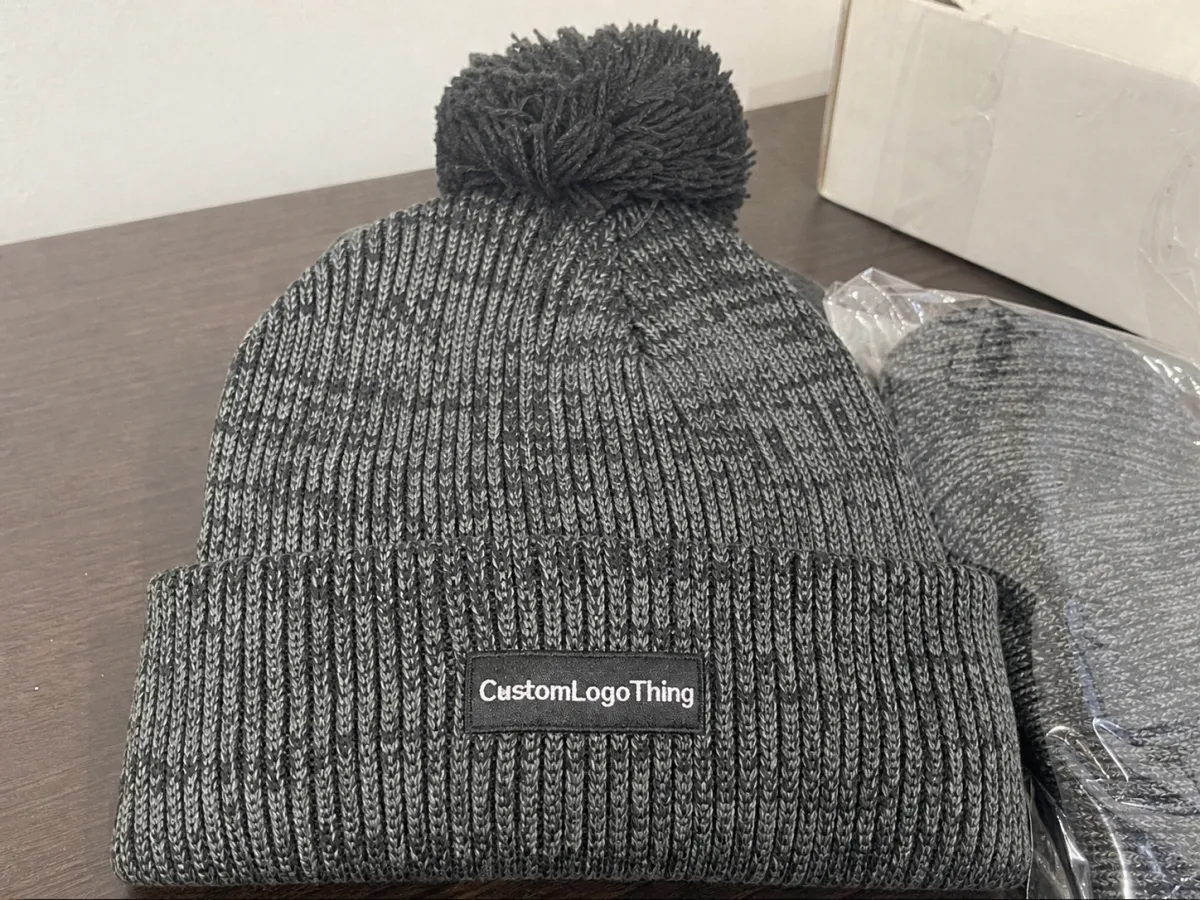
The first thing to check is how the supplier structured the quote. A serious quote should separate the blank beanie cost, decoration, sample development, packaging, and freight assumptions. If everything is buried in one line, you do not have clarity. You have a number with confidence issues.
Three factors usually drive the unit cost the most: the base yarn and knit spec, the pom construction, and the decoration method. A basic acrylic beanie with a yarn pom and woven label sits in a very different cost band from a wool-blend body with a faux-fur pom and embroidered front logo. The finished product may look similar from ten feet away. The production path is not similar at all.
For a clean comparison, treat every quote as four separate figures:
- Blank garment cost - the knit shell before any branding or trim.
- Decoration cost - embroidery, patch, woven label, print, or knit-in art.
- Setup charges - digitizing, sampling, art prep, and tooling if needed.
- Landed cost - product plus packaging and freight to the receiving point.
That split matters because a low base price can hide expensive extras. A quote at $2.20 per piece can end up costing more than a $2.55 quote if the cheaper one excludes polybags, carton labels, and freight to the destination. Some quotes are cheap because they are incomplete. Convenient for the seller. Less exciting for the buyer.
A useful quoting habit is to ask for the unit price at a stated quantity, then ask what is excluded. Do that early. It exposes whether the supplier is pricing from a real bulk template or just tossing out a rough number and hoping nobody notices the missing pieces.
“If the quote does not separate the beanie, the trim, the decoration, and the shipping assumption, it is not a final number. It is an opening bid.”
Material and trim choices that change buyer value
Material choice sets the floor for both feel and cost. Standard acrylic is still the volume workhorse because it offers predictable bulk pricing, consistent dye behavior, and manageable knit cost. For many seasonal programs, it is the sensible spec. Warm enough. Durable enough. Cheap enough to keep the program alive.
Wool blends sit higher on the ladder. They usually cost more, but they also change how the product is perceived. Buyers choose them for retail assortments, premium gift kits, or colder-weather programs where hand-feel matters. Recycled yarn options usually land between acrylic and wool blends on price, but they can bring tighter shade tolerances and longer approval cycles if the mill or knit source needs confirmation. Sustainability claims are nice. Meeting them on time is nicer.
The pom deserves more attention than it usually gets. A yarn pom is generally the least expensive and easiest to repeat. Faux-fur poms add visual impact and often help at retail, but they bring extra labor, trim complexity, and higher rejection risk if the size or density is inconsistent. Removable poms make sense if the beanie needs washing or if the program wants two looks in one, though the attachment hardware can raise cost and add another failure point. Sewn-in poms are simpler to finish and less likely to loosen, but they reduce flexibility.
Trim choices change both appearance and price. A ribbed cuff usually improves fit and gives the beanie more structure. A folded cuff creates a bigger branding area and tends to look stronger in group orders. Woven labels, care tags, and inside branding are small line items one by one, yet they change the finished product enough to affect perception and margin. That is why “just a beanie” is rarely just a beanie once a buyer actually counts the specs.
Program type matters too. School and event merch usually needs bold color, visible logos, and durable trim. Retail buyers care more about knit density, hand-feel, and how the pom holds shape after handling. Corporate gift kits are a different animal again. Presentation can matter more than shaving five cents off the unit price. Nobody remembers the cheapest insert. They do remember the one that fell apart in the box.
Packaging also affects value and recovery rate in transit. If the product ships directly to consumers or through a warehouse network, the packing format needs to protect the cuff and pom. The ISTA testing framework is useful here because it pushes buyers to think about handling and transport early, not after the pom has been flattened into a sad little tuft.
Spec sheet details to lock before you quote
Most quote problems begin with vague specs. A buyer says “custom pom beanies,” the supplier prices a generic version, and the sample shows up with the wrong fit, the wrong label position, or a pom that looks nothing like the reference. That is not bad luck. That is a weak brief.
Lock the measurements first. Confirm crown depth, cuff height, stretch range, and pom diameter. A one-centimeter change in cuff height might sound harmless, but it can alter decoration space, knit time, and the overall look of the finished piece. The same is true of crown shaping. A shallow fit and a slouchier silhouette do not produce the same labor profile, and they definitely do not behave the same in bulk production.
Color control needs clear rules. Pantone references help, but they are not magic. Heather yarns, marl effects, and multi-color striping all introduce variation. The buyer should decide in advance how much variation is acceptable. If the run uses two yarn shades, ask how shade approval will work and whether the supplier is providing a yarn swatch, lab dip, or both. Avoid “close enough” unless close enough actually works for the brand. Most of the time, it does not.
Decoration placement should be fixed before sampling starts. Will the logo sit on the cuff, on a front panel, on a woven patch, or inside the label? Each option affects setup, labor, and visual impact. Embroidery on the cuff is usually the easiest route for small logos. A woven patch can look cleaner for retail. Direct knit-in art is attractive, but it often tightens MOQ and leaves less room for late changes. That is the trade. Buyers can have flexibility or fixed tooling. Rarely both.
Packaging deserves the same level of detail. Polybags, hangtags, inserts, and carton labels all change the final number. If the beanies are headed to a warehouse club, individual polybags may be required. If the order supports a retail launch, a branded insert might be worth the added cost. If a receiving team needs carton marks or barcodes, spell that out before the quote is final. Otherwise the correction shows up later, usually with a fee attached, because of course it does.
The FSC standard matters if the hangtags or inserts are paper-based and the brand has sourcing requirements tied to responsibly managed materials. That does not always change unit cost much, but it can change approval timing and supplier choice. Paper compliance is rarely the most dramatic line item. It can still slow the schedule if nobody thought about it early.
One practical check saves time: request a marked-up placement mockup before the sample is produced. A five-minute approval review is far cheaper than correcting a 1,000-piece run because the logo sat too low on the cuff or the patch landed under the fold.
Cost, pricing, and MOQ breakpoints
This is where a vitamin Pom Pom Beanies Unit Cost review starts paying off. Buyers often stare at the unit number first, but MOQ and setup spread can change the actual economics more than expected. A supplier may price 100 units one way and 500 units another because pattern prep, artwork work, and production loss are spread across a much larger base.
Typical bulk pricing bands for a custom order with one decoration method and standard packaging often look like this:
| Order Size | Typical Base Spec | Indicative Unit Price | Common Add-Ons |
|---|---|---|---|
| 100 pcs | Acrylic, yarn pom, woven label | $3.20-$5.20 | Higher setup charges, sample fee, limited color options |
| 250 pcs | Acrylic or acrylic blend | $2.40-$4.10 | Lower setup per piece, basic packaging included |
| 500 pcs | Standard acrylic, embroidery or patch | $1.95-$3.40 | Better bulk pricing, more stable decoration cost |
| 1,000 pcs | Higher consistency spec, repeat run | $1.65-$2.95 | Lowest cost per piece, more room to negotiate freight |
Those numbers are directional, not universal. A wool blend, faux-fur pom, or custom knit pattern can push the quote higher. A simpler label program can pull it down. The real point is the breakpoint behavior. Once the order crosses the tier where setup cost gets diluted, the unit price usually drops faster than first-time buyers expect.
Sampling and development charges should always be checked separately. A basic prototype for custom pom pom beanies often runs around $25-$80, depending on whether the factory is working from an existing body spec or building a new one. If the artwork needs digitizing, if the pom attachment is custom, or if new knit tooling is required, the setup bill can add another $40-$150, and more on complex programs. None of that is unusual. The issue is visibility. A buyer should see the extras before the sample is approved, not after.
Here is a simple comparison method that actually works:
- Put the unit price, sample fee, and setup charge in separate columns.
- Add freight to the same destination using the same transport method.
- Divide the total by quantity to get a true cost per piece.
- Check whether MOQ changes the decoration method, packaging, or lead time.
That process catches a common trap. A quote can look cheaper because it excludes polybags, carton marks, or inland delivery. Then the missing items get added later, and suddenly the “best” offer is not the best offer anymore. The invoice always remembers what the quote forgot.
Seasonality matters too. If the order supports a November launch, the lowest unit price may not be the smartest choice if it adds two weeks to the schedule. Sometimes paying a little more buys better production slot priority and fewer missed launch dates. For retail or event programs, timing risk can cost more than the unit spread. Strange, but true.
Production steps, timeline, and approval checkpoints
The production path for custom pom pom beanies is fairly predictable, but only if the approvals are disciplined. It usually runs from brief to quote, then artwork and sample, then bulk production, inspection, packing, and shipment. Every stage has a failure point. Most of them are boring. That is exactly why they get missed.
Quote-stage delays usually come from missing files. Artwork that is not vectorized, a label position that is not clear, or conflicting color references will slow everything down. So will a buyer changing the yarn shade after the sample has already been approved. That one is especially popular. It resets the schedule more often than teams admit.
Sampling and bulk production should be treated as separate phases. A sample may take 5-10 business days if the factory is using an existing body spec. A new silhouette, custom pom method, or special label work can push that longer. Bulk production for a standard run often sits around 12-20 business days after approval. Add transit on top of that. Ocean freight, air freight, and domestic delivery are not interchangeable, and they should never be described as if they are the same thing.
Quality checkpoints matter more than polished sales language. Ask for sample photos before the run starts. Request pre-production approval on the artwork, yarn shade, pom type, and label position. For larger orders, ask for an in-line inspection or at least final carton photos before shipment. A quick visual check can prevent a very expensive argument later.
A practical approval path looks like this:
- Approve the artwork placement and decoration method.
- Approve the yarn color, pom type, and cuff spec.
- Approve the sample or prototype.
- Approve packaging mockups and carton marks.
- Release the PO only after the above is documented.
That sequence helps most on seasonal programs and multi-location rollouts. Winter accessories are often treated as low-risk, but the real risks sit in the details: pom attachment, color consistency, and packaging strength. A supplier that understands those checkpoints usually saves time even if the first quote is not the cheapest one on the page.
For shipments that need extra protection, ask about carton stacking and transit testing. Product that travels well arrives saleable. That should be obvious, yet it still gets forgotten in budget conversations. Then everyone acts surprised when the poms arrive crushed. Mystifying, apparently.
What a reliable bulk supplier should prove
A reliable supplier proves control, not just capacity. The quote should show clear specs, consistent line items, and no mystery charges. If the supplier can explain yarn shade matching, label placement, pom attachment, and packing methods without wandering off into vague promises, the buyer is in better shape.
Look for evidence in the small things. Proactive sample photos are a good sign. A clean revision log is another. So is a supplier that can explain what changed between the proto, the pre-production sample, and the bulk run. That level of discipline reduces back-and-forth and makes approvals faster. It also tells you whether the factory actually runs a process or just hopes one exists.
Repeat orders are easier when standards hold from run to run. The yarn shade should stay consistent. The logo should sit in the same place. The pom should attach the same way each time. If a supplier treats those points as controllable inputs rather than casual variables, they are easier to work with on seasonal programs and repeat retail orders.
Cost stability matters too. Buyers often focus on the first order discount and ignore how the price behaves on the second run. That is a mistake. If the supplier can keep the quote structure stable, procurement can plan margin with less guessing. A slightly higher first-order price can still be the better long-term deal if it avoids nasty surprises later.
A good vitamin pom pom Beanies Unit Cost review ends with one blunt question: can this supplier prove that the same spec will come back the same way? If the answer is yes, risk drops. If the answer is fuzzy, the low price is carrying too much weight.
Ask whether the supplier has documented tolerances for pom diameter, cuff height, and embroidery placement. Tolerances are not glamorous, but they separate a real production partner from a middleman with a nice quote template. The quote may look polished either way. The production result usually does not.
Next steps to move from estimate to order
Pull together a one-page buying brief before asking for final quotes. Keep it tight: quantity, color count, decoration method, packaging needs, target delivery window, and destination. If those five or six details are clear, the quote becomes cleaner. If they are vague, the review turns into a round of clarifying emails that could have been avoided from the start.
Ask for two versions of the offer. One should show the lowest practical spec. The other should show the preferred premium version. That side-by-side view makes tradeoffs obvious. Maybe the upgraded yarn only adds $0.28 per piece. Maybe the faux-fur pom adds $0.60. That can be a sensible premium for retail and a waste for an internal giveaway. Context matters more than the sticker shock.
Before you release the PO, confirm the sample approval path, payment terms, and shipping mode. Freight method can shift both cost and timing more than buyers expect. A quote that looks fine ex-factory can become much less attractive once it is landed, checked in, and carrying all the missing extras that were not in the first draft.
For larger programs, use a simple decision checklist on every offer. Does the quote match the same spec? Does it show the same MOQ? Are setup charges and tooling fees listed separately? Is packaging included? Is the transit assumption realistic? If those answers are consistent, the buying decision gets much easier. If they are not, the lowest number is probably doing a lot of pretending.
That discipline is the difference between a quote that looks good and a program that actually pencils out. A strong vitamin pom pom beanies unit cost review should tell the truth before the order is signed. Better to catch the problem on paper than in a warehouse receipt.
What affects vitamin pom pom beanies unit cost the most?
Decoration method, pom construction, and material blend usually move price more than the knit body itself. MOQ and packaging can also shift the per-piece rate once setup costs are spread across the order.
What MOQ should buyers expect for custom pom pom beanies?
Many suppliers price best once the order reaches a tier where setup costs are diluted, often around 250 to 500 pieces. Smaller orders can still work, but buyers should expect a higher unit cost and fewer customization options.
Do samples change the final quote for custom beanies?
Yes. Sampling can add separate charges for development, artwork, or prototype materials. A sample is still worth it because it reduces the chance of paying for a full run that misses color, fit, or trim targets.
How long does production usually take after approval?
Timeline depends on order size, decoration complexity, and whether labels or packaging need extra steps. Buyers should separate production time from freight time so launch dates are planned realistically.
How can I lower beanie pricing without changing the look too much?
Reduce color changes, simplify packaging, and choose a decoration method with lower setup or labor cost. Ask for two quote options so you can compare the same design at different MOQ levels and identify the most efficient spec.

