A vitamin brand Stand Up Pouches supplier is not just someone who prints a logo on flexible film and sends it out the door. The better suppliers read a supplement pack the way a mechanic listens to an engine: moisture exposure, fill behavior, zipper fatigue, gusset depth, seal width, all of it. A pouch can look polished in a render and still fail in production if the film is too soft, the seal zone is too narrow, or the fill count pushes the package past the shape it can actually hold.
For vitamins, gummies, capsules, and powders, the work sits at the intersection of materials science and retail psychology. A strong vitamin brand Stand Up Pouches supplier balances barrier performance, production speed, and visual branding so the finished pouch protects the formula, fits the filling line, and earns attention from the first glance. That matters because shoppers almost never separate packaging from product quality. They read them together, sometimes in less than two seconds.
What a vitamin brand stand up pouches supplier really does
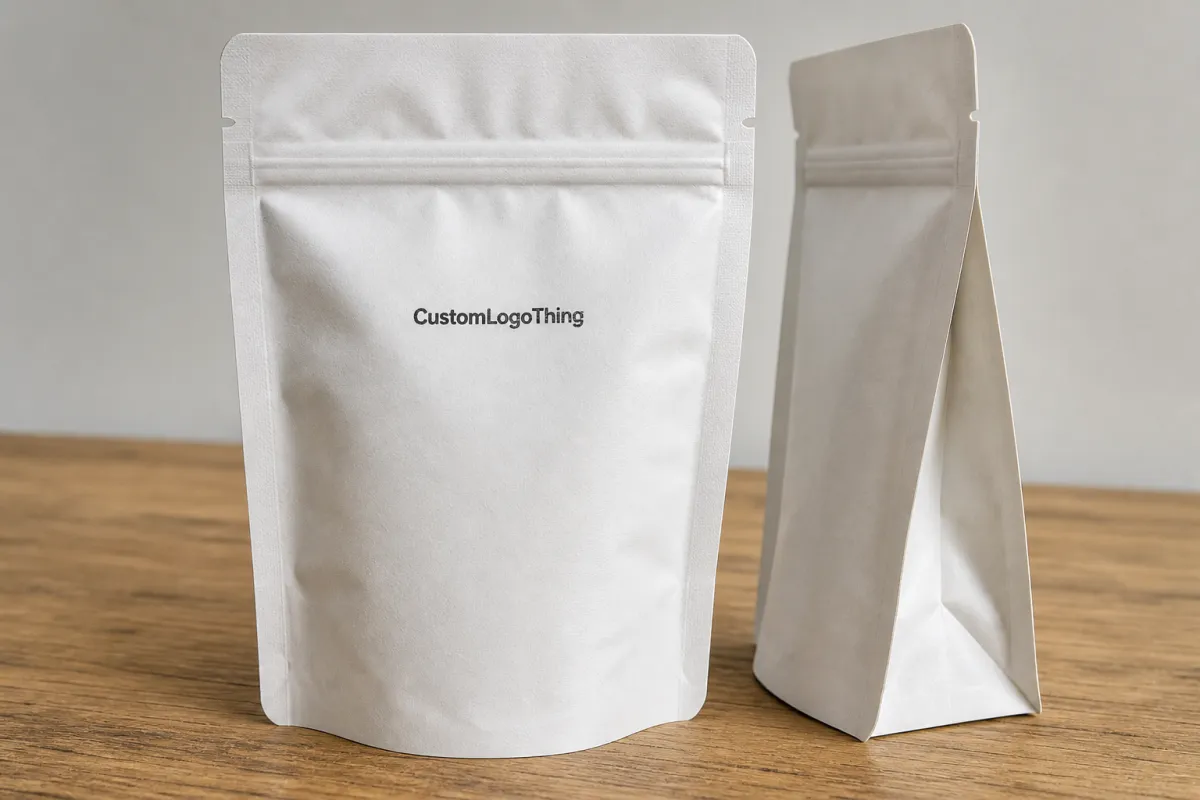
Some buyers think a vitamin Brand Stand Up Pouches supplier simply accepts artwork, runs film, and ships bags. That view misses most of the work. The real job starts with the product itself. The supplier needs to understand the format, the target shelf life, the filling method, and the visual story the brand wants to tell in a crowded supplement aisle or on a product page where the pouch may first appear as a thumbnail the size of a postage stamp.
That matters because the pouch has to carry more than a logo. It has to support brand identity, hold a dependable seal, resist moisture ingress, and present cleanly during the unboxing experience. A gummy supplement usually needs stronger moisture protection and a zipper that closes with a firm tactile snap. A capsule blend may need a lighter structure with enough stiffness to stand upright after filling, without paying for protection the formula does not need. I once reviewed a vitamin launch where the sample looked gorgeous, but the seal line was working so close to the zipper that the first production run would have been a headache. That kind of miss is expensive, and it is avoidable.
A good vitamin Brand Stand Up Pouches supplier will usually help with several decisions at once:
- Material selection: choosing between PET, PE, metallized films, and high-barrier laminates.
- Pouch style: standard stand up, resealable zipper pouch, flat bottom, or a shape suited to display.
- Barrier needs: moisture, oxygen, odor, and light protection based on product sensitivity.
- Artwork coordination: dielines, bleed, safe zones, barcode placement, and finish selection.
- Production fit: whether the pouch will run cleanly on your filling equipment and seal station.
That mix of technical judgment and commercial awareness is what separates a basic print house from a useful vitamin brand stand up pouches supplier. The buyer sees fewer surprises, the line runs with less friction, and the final package supports brand consistency across retail, e-commerce, and subscription channels.
Stand up pouches are popular in supplement packaging because they use shelf space efficiently, weigh less than rigid jars, and can be customized for different serving counts. A pouch can hold 30 gummies, 60 capsules, 120 capsules, or a powder blend without forcing the brand into a large hard container that costs more to ship and takes up more shelf depth. That is one reason a vitamin brand stand up pouches supplier is often asked to solve logistics and presentation at the same time.
A pouch that looks premium on a screen can still fail in the filling room if the zipper sits too close to the seal or the gusset depth does not match the fill weight. Real packaging starts with what the product needs, not what the mockup flatters.
From a packaging buyer's point of view, the best outcome is fairly plain: a pouch that protects the supplement, looks right beside competing SKUs, and reinforces the feeling that the product inside was made with care. That is the practical value a vitamin brand stand up pouches supplier should bring to the table.
How a vitamin brand stand up pouches supplier builds shelf-ready pouches
Every pouch begins with structure. A vitamin brand stand up pouches supplier will look at laminate layers, seal areas, the bottom gusset, the tear notch, and the closure style before talking about artwork. Those details sound small, but they decide whether the pouch sits flat in a carton, stands upright on a shelf, and opens and closes the way customers expect. If the structure is wrong, no amount of shiny branding fixes it. The package just acts wrong.
A typical stand up pouch may include an outer print web, a barrier layer, and a sealant layer. The outer layer carries the visual branding and has to reproduce color cleanly. The barrier layer may be metallized film, foil, or a high-performance barrier structure that slows oxygen and moisture transfer. The inner layer is what lets the pouch seal properly and hold up under repeated opening. A skilled vitamin brand stand up pouches supplier knows those three layers must work together, not compete with each other.
Barrier level is one of the biggest decisions. Vitamins do not all react to the environment in the same way. Dry capsules are often less demanding than hygroscopic powders, and gummy formulas can be especially sensitive to humidity, stickiness, and temperature swings. A product with long shelf-life goals may justify a higher barrier structure, while a stable dry blend may do fine with a more economical laminate. The right vitamin brand stand up pouches supplier should explain that tradeoff in plain language, not bury it in jargon.
Finish affects both appearance and function. Matte film can make a brand feel softer, more natural, and more premium in certain categories. Gloss finish often pops on shelf and can sharpen color contrast. Clear windows can build trust because shoppers can see the product, but a large window may reduce barrier performance if it is not planned carefully. Metalized films can improve shelf impact and protection, though they are not necessary for every formula. A seasoned vitamin brand stand up pouches supplier will help you avoid a design choice that weakens the product.
Then come the practical features that shape day-to-day use. A tear notch helps with first opening. A zipper supports resealability and can improve customer experience after the first serving. A hang hole can help in display programs. Some supplement lines may need a spout or a specialty closure, though that is less common for vitamins than for liquids or gels. The point is simple: the vitamin brand stand up pouches supplier has to align those details with the real product format.
For brands selling both online and in stores, shelf-ready design matters twice. Online, the pouch needs strong visual branding, readable claims hierarchy, and enough contrast to show well on a small screen. In store, the package has to stand upright, face forward, and remain legible under retail lighting. That is where visual branding and structure meet. A skilled vitamin brand stand up pouches supplier will often recommend a pouch size that improves front-panel visibility without making the package look underfilled.
In practical terms, a pouch spec is usually built around a few questions:
- What is the fill weight or count?
- Does the product need moisture, oxygen, or light protection?
- Will the pouch be hand-filled, semi-automatic, or run on a vertical or horizontal pack line?
- Do you want matte, gloss, or a mixed finish with a window?
- How important are premium cues like soft-touch texture or metallic accents?
Once those answers are clear, a vitamin brand stand up pouches supplier can build a pouch spec that is easier to run, easier to approve, and more likely to match the brand's commercial goals from the start.
Cost, pricing, and MOQ factors for vitamin brand pouches
Pricing is where many supplement brands get a wake-up call. A vitamin brand stand up pouches supplier may quote one price for a simple stock-style pouch and a very different price for a fully custom run with special barrier film, metallic finishes, and multiple print passes. That gap is normal. The structure, the print setup, and the minimum order quantity all shape the final number.
The main cost drivers are usually pouch size, film structure, barrier level, zipper style, finish, print coverage, and whether the order is stock or fully custom. A larger pouch uses more material and often costs more to ship. A higher-barrier laminate can raise raw material cost. A premium zipper adds cost, as does a special texture or a matte soft-touch finish. The more print coverage you use, the more press work and setup attention the job may require. A practical vitamin brand stand up pouches supplier will break those factors out instead of giving you a single vague number.
MOQ matters because setup costs need to be spread across the run. Plates, prep time, press time, and material waste are easier to absorb when the order is larger. On a smaller run, those fixed costs can make the unit price feel high. On a larger run, the price per pouch usually comes down because the same setup is spread over more pieces. That is why a vitamin brand stand up pouches supplier should quote several quantities, not just one.
Here is a practical way to think about typical custom supplement pouch pricing. These are broad planning ranges, not promises, and actual quotes depend on size, structure, finish, and order volume.
| Option | Typical MOQ | Typical Unit Range | Best Use | Notes |
|---|---|---|---|---|
| Stock-style pouch with light customization | 1,000-3,000 | $0.18-$0.32 | Testing a new SKU or a limited launch | Lower setup cost, fewer size and finish choices |
| Semi-custom printed stand up pouch | 5,000-10,000 | $0.14-$0.28 | Most supplement launches | Good balance of brand recognition and price control |
| Fully custom high-barrier pouch | 10,000+ | $0.22-$0.45 | Moisture-sensitive gummies, powders, or premium retail lines | Higher protection and stronger visual branding |
The table only tells part of the story. Freight, sample charges, tooling, and proofing can change the true landed cost. That is why a buyer should ask a vitamin brand stand up pouches supplier for pricing at multiple quantities and confirm whether plate charges, sampling, and shipment are included. A quote that looks cheaper on paper can become more expensive once freight and rework are added.
There is also a real tradeoff between standard structures and stronger barrier structures. A lower-cost film may look fine at first, but if the product is sensitive to moisture, oxygen, or odor loss, the savings can disappear into complaints, spoilage, or a shortened shelf life. A more protective structure may cost more per unit, yet it can save money by reducing returns and supporting a steadier customer experience. A good vitamin brand stand up pouches supplier will say that plainly.
From a buyer's point of view, the most useful quote is one that shows:
- Price at three or more quantity breaks
- Unit cost and total run cost
- Tooling or plate charges, if any
- Sampling or proofing fees
- Estimated freight and transit method
- Lead time from approval to shipment
That level of transparency helps a vitamin brand stand up pouches supplier become a planning partner instead of a mystery line item. It also makes it easier to compare quotes on real value instead of chasing the lowest sticker price.
For brands that care about sustainability claims, packaging material choices can affect both cost and customer perception. Paper-based cartons with FSC certification may support the outer presentation, while the flexible pouch still carries the actual barrier duties. If you need transit validation for e-commerce fulfillment, many brands reference ISTA testing methods to think through drop, vibration, and compression risks. If you use paper components in the total pack, FSC certification can support paper sourcing decisions. A thoughtful vitamin brand stand up pouches supplier should be comfortable discussing those details.
One more pricing point gets missed often: print coverage affects more than art cost. Full-coverage deep black or dense metallic layouts can require tighter color control, which may increase press time and make proof approval more important. That does not make the design wrong, but it should be part of the quote conversation. A vitamin brand stand up pouches supplier with experience in supplement packaging will anticipate that rather than treating it as an afterthought.
Process, timeline, and lead time for custom pouch production
A smooth production run usually follows a predictable path, and a vitamin brand stand up pouches supplier should explain it before money changes hands. The work often begins with a product brief that covers count, weight, fill method, target shelf life, and finish preferences. From there, the supplier recommends a structure, confirms dimensions, and prepares the artwork files for proofing. That early structure conversation prevents many future problems.
After the brief, the next step is dieline and artwork setup. This is where seal zones, zipper placement, tear notch location, barcode space, and bottom gusset layout are mapped out. If the dieline is wrong, the artwork can look fine in a PDF and still fail in print because important text lands in a seal or too close to a cut line. A dependable vitamin brand stand up pouches supplier will review that carefully before production starts.
Then comes proofing. Some projects need a digital proof only. Others need a printed sample or a physical mockup, especially if the brand is still deciding between matte and gloss, or if the pouch is part of a premium launch where customer perception matters a great deal. If you are filling gummy supplements, a sample with actual product is worth the time because the pouch can look and feel different once it is filled. A vitamin brand stand up pouches supplier that skips this step may save a day on the front end and cost a week later.
After approval, production moves into printing, lamination, curing if needed, slitting, pouch conversion, and final inspection. Depending on the structure and order size, this stage often takes 12-20 business days after proof approval, although a larger or more complex order can take longer. Freight adds another variable. Domestic transit may only take a few days, while ocean freight or a busy-season shipment can push arrival farther out. A practical vitamin brand stand up pouches supplier will separate those timelines clearly.
Here is a useful way to think about the total schedule:
- Artwork and dieline review: 1-3 business days if files are ready
- Proofing and revisions: 2-7 business days depending on changes
- Production: often 12-20 business days after approval
- Transit: 2-10 business days domestic, longer for international routes
Those numbers can move quickly if the artwork is press-ready and the structure is already confirmed. They can also stretch if product claims, panel layout, or compliance text need extra review. Tiny details cause the worst delays. A barcode too close to a seal zone, a legal note that needs more room than the layout allows, a nutrition panel that becomes cramped after trim adjustment. A careful vitamin brand stand up pouches supplier will flag that before the job is locked.
Planning tip: work backward from your launch date, not forward from your quote date. If your supplement is tied to a retailer deadline, a trade show, or a subscription box schedule, leave room for revisions, transit, and one extra approval cycle. That buffer protects the launch and keeps your brand consistency intact across the first shipment and any reorders.
For brands shipping direct to consumer, transit validation deserves attention. A pouch may survive the print run and still fail when packed in a corrugated mailer, stacked on a pallet, or bounced across a distribution route. That is why some teams reference ISTA methods and request mock shipping tests early. A good vitamin brand stand up pouches supplier should not treat packaging as isolated from the rest of the supply chain.
Common mistakes when choosing a supplement pouch supplier
The first mistake is choosing on price alone. A low quote can feel tempting, especially if the product launch is already expensive, but the cheapest pouch is not always the least expensive package over the life of the SKU. If the film structure cannot protect vitamins from humidity, odor loss, or light exposure, the brand can lose money in returns, spoilage, or negative reviews. A smart vitamin brand stand up pouches supplier will help you compare value, not just unit cost.
The second mistake is giving vague specs. A pouch cannot be properly quoted if the supplier does not know the fill weight, product density, zipper preference, or sealing equipment. A 60-count capsule pouch may need a different width and gusset than a 60-gram powder pouch. The structure may change as well. A seasoned vitamin brand stand up pouches supplier will ask for those details, because guessing at them usually leads to a poor fit and avoidable rework.
The third mistake is skipping sample review. A digital mockup can hide a lot. Zipper feel, seal performance, print clarity, and the way the pouch stands when filled all matter in real use. The sample is where you can see whether the pouch supports the unboxing experience, whether the front panel reads clearly, and whether the closure feels premium or flimsy. A vitamin brand stand up pouches supplier that encourages sampling is usually thinking about the end customer, not just the order form.
The fourth mistake is weak file preparation. Artwork files that are not press-ready can create avoidable delays, extra charges, and color mismatch. Barcodes can sit too close to the seal area, nutrition panels can get crowded, and small legal copy can lose legibility after shrink or trim adjustment. A professional vitamin brand stand up pouches supplier should supply a dieline and a production checklist, but the brand still needs to respect those technical limits.
There is also a communication issue that shows up more often than people admit. A buyer may send a rough idea, then expect the supplier to infer the rest. That rarely works. The more complete the brief, the cleaner the result. If you are clear about the product format, shelf-life target, finish, and quantity, the vitamin brand stand up pouches supplier can make better recommendations and the approval process moves faster. Honestly, this is where many projects get tripped up, and it is kind of preventable.
Some warning signs are easy to spot:
- One quote with no breakdown of structure, quantity, or freight
- No sample or proofing process before production
- Unclear lead time or vague shipment language
- Refusal to discuss zipper type, barrier layer, or finish
- Artwork support that ignores seal zones and cut lines
Any of those signs should make a buyer slow down. A reliable vitamin brand stand up pouches supplier does not need to sound flashy, but they should be specific. In packaging, specificity is a form of trust.
Expert tips and next steps before you request quotes
If you want better quotes, start with three essentials: product format, target shelf life, and expected fill weight. Those three decisions shape almost every other part of the pouch spec. A vitamin brand stand up pouches supplier can work with incomplete information, but the quote gets sharper and the recommendation gets more useful when the basics are clear.
After that, request samples and test them with actual product, not just air. Fill the pouch, close it several times, check seal behavior, and watch how it stands on a shelf or in a mailer. If you are shipping capsules or gummies, see whether the closure still feels secure after repeated opens. If you are packaging powder, check for dust contamination around the seal and whether the pouch retains a clean front panel after filling. That is how a vitamin brand stand up pouches supplier should be evaluated in real conditions.
A simple buyer checklist keeps the process organized:
- Pouch size or fill count
- Product type: gummies, capsules, powders, or blends
- Finish preference: matte, gloss, soft-touch, or window
- Closure style: zipper, tear notch, or specialty feature
- Print style and color expectations
- Target quantity and reorder plan
- Desired ship date and launch date
That checklist is not fancy, but it saves time. It also helps the supplier quote the right structure the first time. If your brand is still defining its shelf look, compare the front-panel layouts, zipper options, and finish choices against real products in the market. You can also review our Case Studies to see how packaging details influence presentation, shelf presence, and brand recognition across different product categories.
From there, compare two or three quotes side by side. Look at barrier structure, unit cost, MOQ, proofing support, and lead time. Ask each vitamin brand stand up pouches supplier to explain the tradeoff between price and protection in plain terms. If one quote is much lower, find out why. If one supplier is more expensive, ask what extra protection, finish, or support is included. That kind of comparison usually reveals the best value quickly.
My practical advice: choose the supplier that understands your product, not just the one that can print a logo. The right vitamin brand stand up pouches supplier will make the pouch work for your formula, your filling line, and your customer. That balance matters more than a flashy mockup because it protects both the product and the reputation behind it.
For brands that are still early in development, it helps to talk through the packaging plan before final artwork is locked. A supplier who understands supplements can often point out where a design needs more room for claims, where the seal area will affect text placement, and where a different material choice could improve customer perception without pushing the budget too far. If that sounds useful, the Custom Logo Things team can help you plan the next run with a vitamin brand stand up pouches supplier mindset.
How do I choose a vitamin brand stand up pouches supplier for my supplement line?
Check whether they recommend the right barrier structure for your product type and shelf-life goals. Ask for samples, proofing steps, and clear lead times before you place an order. Compare more than price by reviewing print quality, zipper options, and production support. A capable vitamin brand stand up pouches supplier should explain the reasoning behind the structure they recommend.
What should I ask a vitamin brand stand up pouches supplier about pricing?
Ask for pricing at several quantities so you can see how MOQ affects unit cost. Confirm whether tooling, proofs, freight, and sample charges are included. Request the cost difference between standard film structures and higher-barrier options. The best vitamin brand stand up pouches supplier will show you the real landed cost, not just a headline number.
How long does it take to produce custom vitamin stand up pouches?
Timeline depends on artwork readiness, proof approvals, production schedule, and shipping method. Sampling and revisions can add time, so plan early if your launch date is fixed. Ask the supplier to separate design, production, and transit lead times in the quote. A dependable vitamin brand stand up pouches supplier should give you a timeline you can actually plan around.
What pouch features matter most for vitamins and supplements?
Barrier protection matters most for moisture-sensitive powders, gummies, and capsules. Seal quality, zipper performance, and pouch stability affect both freshness and shelf appeal. Finish, window placement, and print coverage matter if you want premium retail presentation. A seasoned vitamin brand stand up pouches supplier will match those features to your product rather than selling extras you do not need.
Can a vitamin brand stand up pouches supplier help with artwork setup?
Yes, most suppliers can provide dielines and production specifications for print-ready files. They should review layout issues that affect seals, cut lines, and barcode placement. Clear artwork support reduces delays and helps the first run match the approved proof. A good vitamin brand stand up pouches supplier treats artwork as part of packaging performance, not just decoration.
Supplements are judged on quality long before a customer reads the fine print, and the package carries a lot of that first impression. If you want your next launch to protect the product, support the brand, and hold up through production and shipping, a vitamin brand stand up pouches supplier with real technical guidance is worth far more than a low quote alone. The practical takeaway is simple: send a precise brief, request real samples, and compare barrier structure as carefully as you compare price. That is how you end up with a pouch that earns its place on the shelf.


