Soap Brand Stand Up Pouches Cost: What Actually Drives the Number
Soap Brand Stand Up Pouches cost often surprises buyers for the better. The quoted price is only one piece of the puzzle. Material weight is lower, freight is lighter, and storage usually takes less space than jars, tubs, or bulky carton systems. Once those hidden costs enter the picture, the pouch starts looking less like a packaging choice and more like a margin decision.
I have sat through enough packaging cost reviews to know that a package can photograph beautifully and still eat into profit. That part gets missed a lot. Soap Brand Stand Up Pouches cost depends on size, film structure, print coverage, finish, and order quantity, but the landed cost is the figure that matters. Manufacturing, shipping, handling, and breakage all belong in the same conversation. Split them apart and the packaging looks affordable; put them back together and the picture changes fast.
For soap brands, that difference is not abstract. A launch can look healthy on paper and still wobble if the pack is too heavy, too fragile, or too expensive to move. The packaging should support the formula, the channel, and the price point. If it does not, the savings vanish quietly, then all at once.
Why Soap Brand Stand Up Pouches Cost Less Than Rigid Packaging
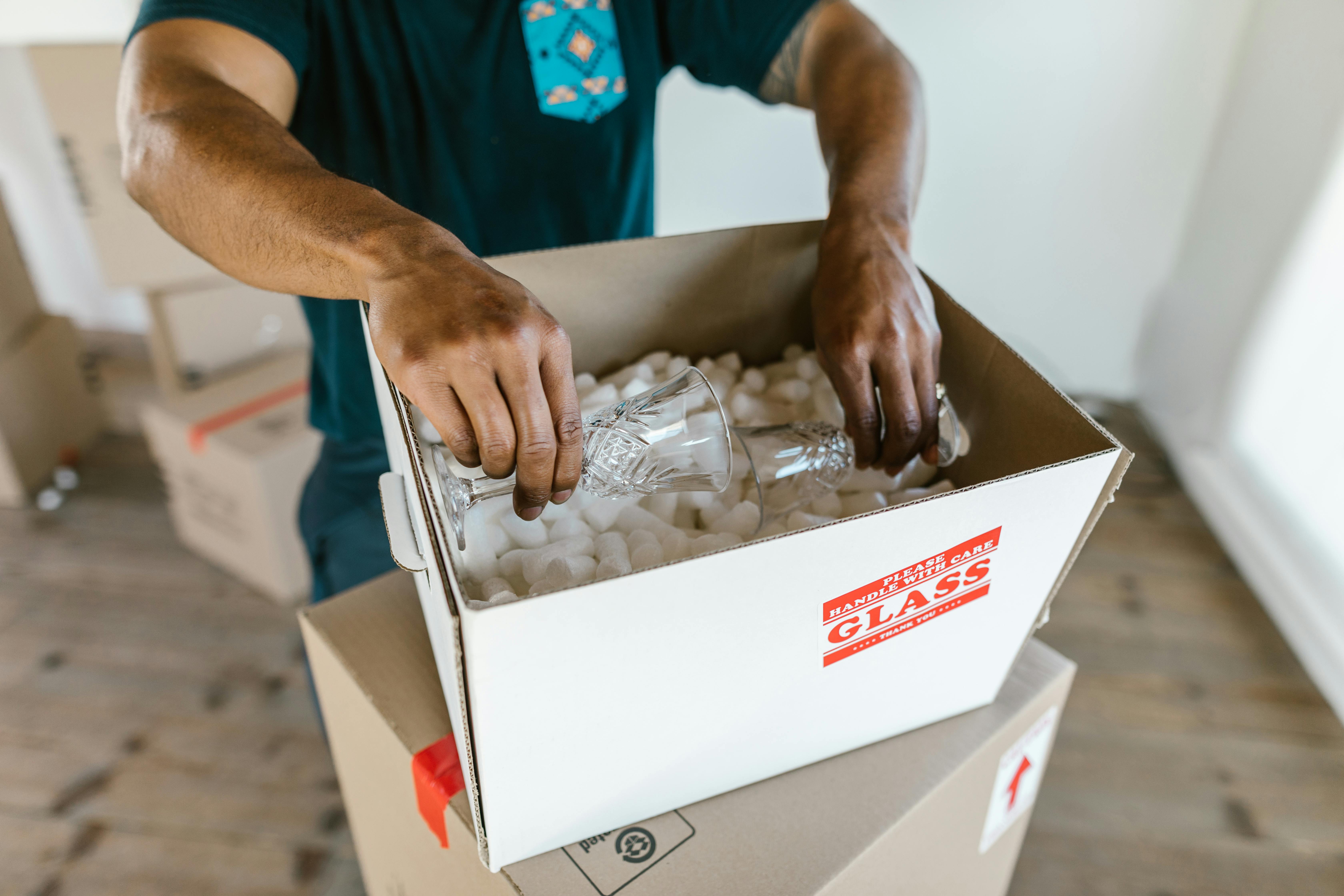
Soap brand stand up pouches cost less than rigid packaging for a very plain reason: less material, less weight, less dead air. A glass jar is mostly container. A pouch is mostly product space. That difference sounds small until freight rates, pallet density, and warehouse labor start doing their work. A carton full of pouches moves differently than a pallet of tubs. It stacks flatter, ships tighter, and usually wastes less room in transit.
There is also a damage factor that never gets enough attention. Broken lids, cracked jars, scuffed labels, and warped tubs all create waste that does not show up in the sample quote. A pouch removes a few of those failure points before they happen. That does not make it indestructible, and it does not excuse a weak seal or sloppy production, but it does simplify the supply chain. Soap brand stand up pouches cost is often lower because the package gives fewer chances for money to leak out along the way.
A new soap line can use that simplicity to test demand without committing to a heavy structural format. That matters when the formula is still being refined or the market response is still uncertain. A brand can launch faster, learn faster, and avoid locking itself into a package that needs extra cartons, extra padding, or extra freight just to survive the trip. Soap brand stand up pouches cost gives the buyer a lower-risk entry point than a rigid pack with higher setup and shipping overhead.
Warehouse handling adds another layer. A lighter package can move more easily, and easy movement usually means lower labor cost. That seems unglamorous until an operator has to pick, move, and store thousands of units. The same math applies to returns. Fewer breakage claims mean fewer replacements and fewer headaches. If the goal is total landed cost, the question is not only "What does the pouch cost?" The better question is "What does the package cost from press to shelf?"
For brands comparing formats, the tradeoffs usually look like this:
- Rigid jars and tubs: Higher freight weight, more breakage exposure, and more shelf space consumed by the container itself.
- Cartons: Strong on presentation, but often need inner packs, more converting, and more handling.
- Stand up pouches: Lower material usage, easier shipping, and enough print space for branding, instructions, and compliance copy.
Brands selling through wholesale and direct-to-consumer channels often notice another benefit. The same pouch structure can carry both sales channels without forcing a second packaging system. That keeps the brand image cleaner and the operations team happier. Soap brand stand up pouches cost is not just a line item; it shapes how the product moves through the business.
Product Details: What Soap Brand Buyers Actually Need
A stand up pouch for soap is usually a bottom-gusseted flexible pack with a closure, a printable surface, and enough structure to sit upright on a shelf. The basics are unexciting. They are also the part that matters. The pouch has to hold the product, protect it, present it, and survive handling without looking flimsy. Soap brand stand up pouches cost stays reasonable when the spec stays focused on those jobs instead of adding extras for their own sake.
Soap products are not all built the same, so the pouch should match the formula. Liquid refills behave differently from powdered soap, bath blends, travel packets, or specialty cleansing products. A dry powder may need moisture protection above all else. A liquid refill may need a stronger seal and a tougher film structure. A fragrance-forward bath soak may need barrier performance that protects scent over time. That is why soap brand stand up pouches cost changes with product type, not just with artwork.
Some features earn their place. A zipper helps when the product is used in portions. A tear notch improves retail presentation and user access. A hang hole helps peg display. A clear window can work, but only if showing the product adds value. Matte and gloss finishes shift the look and the price. So do soft-touch coatings, foil accents, and specialty layers. The right choice depends on whether the feature improves the product or just adds weight to the invoice.
Most soap buyers should keep barrier needs practical:
- Moisture resistance: Helps dry blends, powders, and salts stay loose instead of clumping.
- Aroma retention: Useful for scented soaps, bath soaks, and fragranced refills.
- Grease or oil resistance: Helpful for richer formulas or products with residue risk.
- Seal strength: Weak seals create distrust faster than poor graphics ever will.
Common structures include PET/PE, BOPP/PE, and higher-barrier laminations with metalized layers when scent protection or shelf life calls for it. A simpler structure works fine for many soap products. A more advanced barrier only makes sense when storage conditions, distribution routes, or fragrance retention justify the extra expense. Soap brand stand up pouches cost rises quickly when the film is over-specified for the formula.
A cheap pouch that fails in transit is not cheap. It is delayed waste wearing better graphics.
A useful way to judge the package is to compare it to the product itself. A value-priced soap should not carry a luxury package that eats margin. A premium blend, by contrast, often needs a pack that supports its shelf price with strong print, clean structure, and a better hand feel. The job is not packaging theater. It is alignment between product, price, and perception.
Sample runs help more than most buyers expect. A pouch can look polished in a PDF and feel wrong in the hand. Edge quality, zipper action, and finish all change the customer’s first impression. Soap brand stand up pouches cost becomes easier to justify when the sample behaves the way the brand promised it would. I have seen a low-cost spec turn expensive because the seal line looked crooked after filling. That kind of detail is boring until it is not.
Soap Brand Stand Up Pouches Cost Drivers: Materials, Print, and Finish
Soap brand stand up pouches cost comes down to three main levers: film structure, print method, and finishing choices. A supplier who gives only one lump sum is hiding the real tradeoffs. The number may be real, but the reasoning is missing. Buyers need the pieces broken out if they want to make smart comparisons.
Material choice is usually the first driver. Simple laminated films are cheaper than high-barrier or metalized structures. A matte BOPP/PE pouch can be a solid fit for many soap products, while foil or advanced barrier laminations make sense when scent retention or shelf stability matters more. Brands often ask for premium protection on a product that does not require it. The result is a higher soap brand stand up pouches cost without a visible return.
Print method changes the math as well. Digital print is usually the better fit for shorter runs, faster turnarounds, and artwork that may still change. Flexographic printing becomes more attractive once volume rises enough to spread setup across more units. Gravure can make sense at larger volumes, but it is rarely the first stop for a soap brand still testing the market. Paying for a large-run format before demand is proven is a quick way to spend money twice.
Finish choices are where the design team gets excited and the finance team starts checking the calendar. Matte gives a softer, more restrained look. Soft-touch feels premium, though it adds cost. Spot effects, metallic accents, and specialty coatings can lift shelf appeal, but each one changes setup, material use, or both. None of those choices are wrong. They just need a reason. Soap brand stand up pouches cost should not swell every time someone wants one more decorative layer. A beautiful foil accent can be the right move. A second one, not so much. Finance teams are gonna ask why the invoice climbed, and they should.
For a standard custom laminated pouch, not a plain stock bag, the rough pricing bands below can help anchor conversations with suppliers:
| Quantity | Typical Unit Cost | Best Fit | Notes |
|---|---|---|---|
| 500 units | $0.85-$1.60 | Testing a new soap line or seasonal SKU | Higher per-unit cost because setup is spread across fewer pouches |
| 1,000 units | $0.60-$1.10 | Small launch or pilot retail program | Good balance if the formula or artwork may still change |
| 5,000 units | $0.24-$0.48 | Established SKU with predictable demand | Often the sweet spot for soap brand stand up pouches cost |
| 10,000 units | $0.18-$0.36 | Higher-volume replenishment | Lower unit cost, but only smart if sell-through is real |
Those figures are directional, not a promise. Final pricing shifts with pouch size, film spec, print coverage, closure type, and freight. The pattern still holds: soap brand stand up pouches cost drops as quantity rises, then starts climbing again if the buyer over-orders and stock sits untouched. A lower unit price is a poor victory if the warehouse turns into a storage plan for obsolete packaging.
Artwork coverage also matters. Full-bleed graphics with dense color fields usually cost more than a cleaner design with controlled ink coverage. That does not mean the package should look sparse. It means the layout should do its job without creating unnecessary production drag. Strong design can still be efficient. The best packaging looks deliberate, not crowded.
Brands with sustainability goals often ask for paper-based outer materials or FSC-certified components. Those choices can support a sourcing story, but shipment durability still deserves attention. Testing against recognized transport methods is more useful than vague environmental language. The ISTA standards help buyers understand how packages behave in transit, while EPA recycling guidance gives a better framework for material conversations than generic green claims ever could.
The practical lesson is simple. Soap brand stand up pouches cost rises when the pouch is asked to do too many jobs at once. Keep the structure aligned with the formula, the finish aligned with the brand, and the print spec aligned with the order volume. That is the path to a clean buy without turning the package into a lab experiment.
Pricing, MOQ, and Unit Cost: How to Read a Quote
A useful quote should separate the pieces that make up the total. Soap brand stand up pouches cost is easier to judge when tooling or plate charges, print setup, materials, finishing, packing, and freight are listed clearly. One flat number may look tidy, but tidy is not the same as helpful. Buyers Need to Know what is driving the price, not just what the price is.
MOQ is the next variable to watch. Minimum order quantity changes with print method, structure, and finish. Digital printing often allows smaller runs, which helps during a launch or reformulation. Flexographic printing usually wants a higher volume, but the unit price drops once the setup is spread across more pouches. That is not a trick. It is just the math. Soap brand stand up pouches cost looks higher at low volume because the setup has fewer units to lean on.
Cheap unit pricing can still be the wrong move. Ten thousand pouches for a soap SKU that only sells two thousand in a quarter is not a bargain. It is storage, risk, and cash sitting still. Brands fall into that trap often enough to make it familiar. The unit cost looks attractive, then the warehouse fills up, the formula changes, or the artwork gets refreshed, and the savings disappear.
A better method is tiered pricing. Ask for scenarios at 500, 1,000, 5,000, and 10,000 units. That reveals the break points and helps the buyer decide whether a short run or a longer commitment makes sense. Soap brand stand up pouches cost is best managed against real sell-through, not against an imaginary perfect volume that may never arrive.
Use the quick breakdown below as a quote-reading tool:
- Low quantity: Useful for testing, but the unit cost is higher.
- Mid quantity: Often the best balance of pricing and flexibility.
- High quantity: Lowest unit price, but only smart if the SKU is proven.
Before approving a quote, ask these questions:
- Is the quote based on the correct pouch size and fill weight?
- Does it include the closure type and finish I actually want?
- Are freight, duties, and delivery fees listed separately?
- Does the print method match the order volume?
- What happens to pricing if I change coverage or barrier level?
The last question often changes the outcome more than buyers expect. A small shift in artwork coverage or a move to a specialty coating can move soap brand stand up pouches cost enough to affect margin. A good supplier explains that before production starts. A weak one waits until the invoice arrives and hopes nobody notices.
To compare how packaging specs affect production decisions, review our Case Studies and look at how different runs change when the business goal changes. The goal is not to buy the smallest number on paper. The goal is to Buy the Right number for the stage the soap line is actually in.
Process and Timeline: From Artwork to Production Steps
The fastest way to inflate soap brand stand up pouches cost is to begin without clean files and clear specs. Good production has a boring rhythm, and that is a compliment. Inquiry, spec review, quote, proof, prepress, production, inspection, shipment. Nothing theatrical. Everything necessary.
Artwork prep is where a lot of schedules start slipping. Low-resolution logos, missing dielines, unclear copy, and late changes after proof approval all create drag. If the brand has not decided on zipper style, finish, or window placement, the quote can still be estimated, but it should not be treated as final. The missing details always come back later, usually with extra cost attached.
Lead times depend on print method and order size. Short digital runs often move faster once the artwork is ready. Larger flexographic jobs take more coordination because setup is heavier and the economics change with volume. Specialty finishes, unusual film structures, and structural tweaks add more time. Soap brand stand up pouches cost is tied to timing as much as it is tied to material.
Plan around a realistic schedule:
- Spec review and quote: Often 1-3 business days if product details are clear.
- Artwork proofing: Usually 1-5 business days depending on revisions.
- Production: Often 12-15 business days after proof approval for straightforward jobs; longer for larger or more complex runs.
- Inspection and shipping: Depends on destination and transit method, and should be planned before the order is released.
That range is a planning tool, not a promise. Tight launch windows leave very little room for indecision. If the artwork is ready, approvals should move quickly. A week spent arguing over shade differences nobody outside the design room will notice can turn a manageable project into a rush order. The cleaner the decision path, the more predictable soap brand stand up pouches cost becomes.
Transit testing deserves attention too. If the order is heading to a warehouse, retailer, or distribution center, ask whether the pack should be checked against transport conditions. The ISTA resource library is useful for understanding shipment evaluation. That beats guessing and hoping the seal survives a truck ride, a pallet shift, or a rough receiving dock.
Rush fees usually cost more than preparation. Final copy, approved artwork, and prompt answers keep the project moving. That habit protects schedule and keeps soap brand stand up pouches cost from jumping because of a preventable last-minute change.
What a Good Supplier Should Explain
Good packaging suppliers do more than send a number and wait. They explain why the number looks the way it does. That matters, because soap brand stand up pouches cost is rarely driven by one dramatic factor. It is usually a stack of smaller ones: a thicker film here, a different closure there, a print change that adds a setup step, a freight lane that costs more than expected.
A supplier worth listening to should be able to walk through tradeoffs without sounding scripted. If the soap is a dry blend, maybe a simpler barrier is enough. If the formula carries fragrance that fades quickly, maybe the pack needs more protection. If the brand wants a retail-ready look on a limited budget, maybe the finish should do the heavy lifting while the structure stays straightforward. That kind of conversation feels practical because it is practical.
Experience shows up in the small details. The best recommendations usually come with one honest warning: the cheapest option is not always the best option, and the most expensive one is not always the strongest. I have seen a modest pouch beat a premium-looking one simply because the zipper held up and the seal stayed clean after transport. Customers rarely reward drama. They reward consistency.
There is also a trust piece. If a supplier is vague about material gauges, lead time, or MOQ, ask again. If the answer changes three times, ask why. Packaging costs are not mysterious, even if they can feel that way during launch season. A clear explanation usually means fewer surprises later, and fewer surprises are what most brands really want.
What buyers usually want from a supplier is straightforward:
- Fast quote turnaround with real numbers, not placeholders.
- Line-item transparency so the cost drivers are visible.
- Spec guidance that explains what is worth paying for.
- Brand consistency across repeat orders and reorders.
- Support on MOQ so the first order is practical, not reckless.
There is a brand side to this as well. Good packaging shapes customer perception before the soap is ever opened. The unboxing experience does not need to be dramatic. It should feel intentional. Clean structure, sharp print, and the right finish reinforce the brand without making the package overdesigned. That is how visual branding becomes brand recognition.
If paper-based inserts, cartons, or mailers are part of the system, FSC-certified sourcing can support the story. If shipping performance matters more, ask for testing against recognized standards. Facts beat adjectives. Every time.
Most of all, the supplier should help keep soap brand stand up pouches cost grounded in the actual job. That means saying when a premium finish earns its keep and saying when it does not. Buyers should hear both answers. Otherwise, the quote is just theater with a logo stamped on top.
Next Steps to Lock In Soap Brand Stand Up Pouches Cost
If you want a useful quote, gather the basics before you send the request. Product type. Fill weight. Pouch size. Closure choice. Finish. Quantity. Target ship date. That is the minimum set of inputs. Soap brand stand up pouches cost becomes easier to control when the supplier is working from facts instead of guesses.
Send artwork if you have it. A rough mockup still helps if the brand is early in the process. A supplier can flag spec issues before the number starts moving. That saves time and cuts down the back-and-forth that usually comes from missing details people pretend do not matter. They do.
A smart quote request should include two or three options. Compare a lower-cost version, a faster-turn version, and a premium finish version. That gives the brand a real decision framework. Sometimes the best answer is the middle-tier pouch with a cleaner layout. Sometimes the premium version is justified because the product price can carry it. Either way, soap brand stand up pouches cost becomes a choice instead of a surprise.
Before placing the order, confirm these points:
- Specs are final: Size, closure, and finish are locked.
- Artwork is approved: No hidden copy changes remain.
- Pricing tiers are reviewed: You know the unit cost at each volume level.
- Delivery timing is realistic: Launch plans match production capacity.
- Samples are checked: The physical pouch matches the brand plan.
That process protects margin and keeps the package aligned with the soap itself. It also helps the brand stay consistent across reorder cycles, which matters more than a one-time discount. A pack that looks right, ships well, and holds up in use is easier to defend internally and easier to sell externally.
So the actionable takeaway is simple: start with three quote scenarios, one lean, one balanced, one premium, then compare them against real sell-through rather than a wish list. If the pouch spec is clean, the art is approved, and the MOQ matches the stage of the line, soap brand stand up pouches cost becomes a controllable number instead of a moving target.
What is the typical soap brand stand up pouches cost per unit?
It depends on pouch size, film structure, print coverage, finish, and order quantity. Small runs usually cost more per pouch because setup costs are spread across fewer units. Ask for tiered pricing so you can compare unit cost at multiple volume levels and avoid guessing. A standard laminated custom pouch will not price the same as a stock plain bag, so make sure you are comparing like with like.
What MOQ should I expect for custom soap stand up pouches?
MOQ varies by print method and structure, but smaller digital runs usually start lower than larger printed jobs. If you are testing a product, request a short-run option first instead of overcommitting. Higher MOQ usually lowers unit cost, but only if demand is real. The wrong quantity can lock cash into packaging that sits in a warehouse for months.
Which features increase soap pouch pricing the fastest?
Specialty finishes, high-barrier films, custom windows, and extra closures all add cost. More print coverage and more complex artwork can also raise the quote. Keep the spec focused on what the soap actually needs, not what looks fancy on a sample board. A little restraint often buys more margin than another decorative layer ever will.
How long does production usually take for soap brand stand up pouches?
Timing depends on artwork readiness, print method, order size, and whether the pouch is stock or fully custom. Proof approval and final spec confirmation are the most common delays. A clean file and fast approvals reduce lead time more than any sales promise. If a launch date is fixed, the packaging schedule needs to move first, not last.
Can I lower soap brand stand up pouches cost without making the pack look cheap?
Yes, by simplifying finishes, choosing the right pouch size, and avoiding unnecessary extras. Use print coverage strategically so the design still looks branded without overcomplicating production. A strong structure and clean layout usually beat flashy add-ons that nobody pays for. The trick is to spend where shoppers can see the value and trim where they cannot.
Soap brand stand up pouches cost is easier to control once the buyer focuses on the right variables: material, print, finish, MOQ, and timeline. Get those right, and the packaging stops being a guessing game and starts acting like a real brand asset. That is the kind of cost control that lasts through reorder season, not just the first purchase order.


