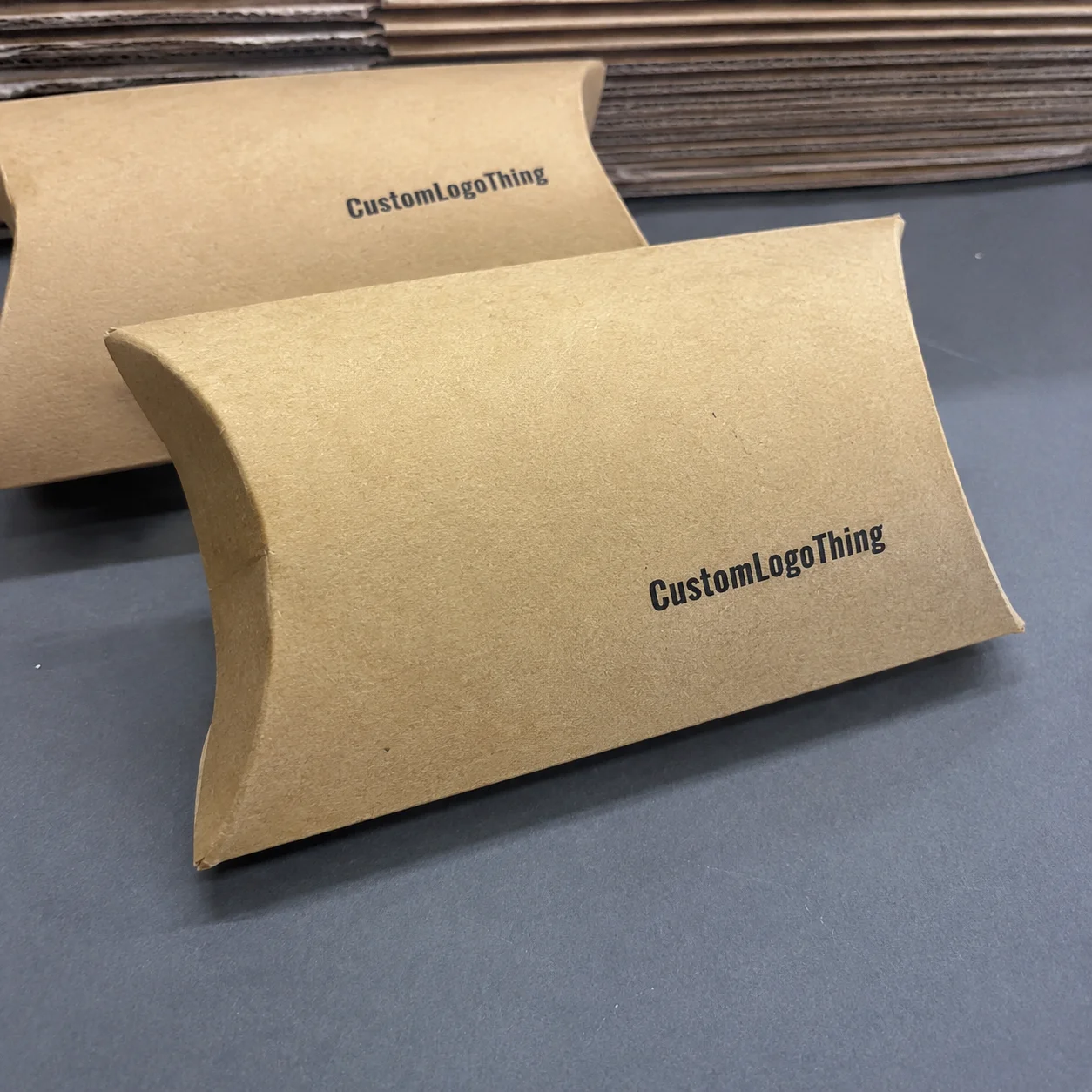
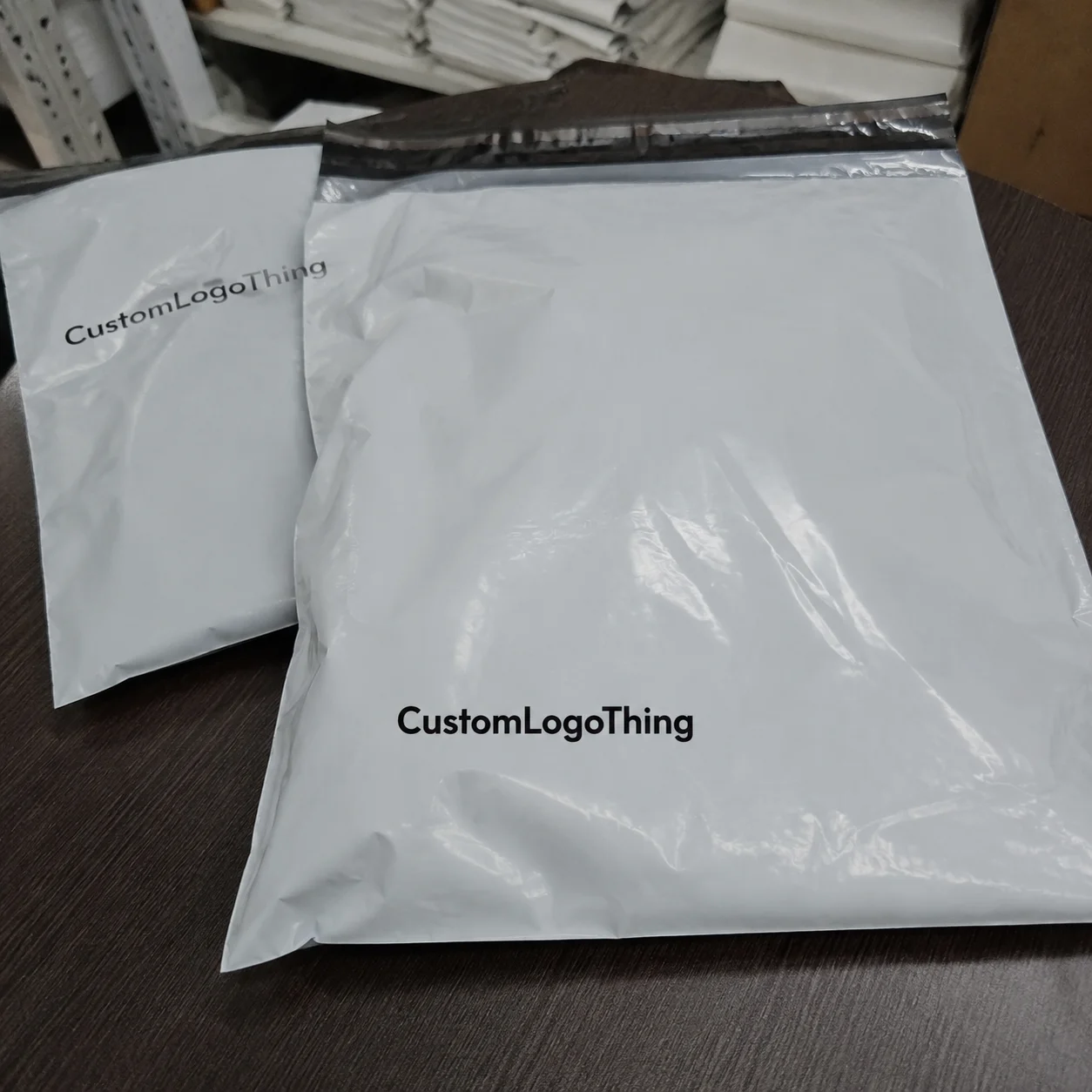
Buyer Fit Snapshot
| Best fit | void fill practices for packaging buyers comparing material specs, print proof, MOQ, unit cost, freight, and repeat-order risk where brand print, material, artwork control, and repeat-order consistency matter. |
|---|---|
| Quote inputs | Share finished size, material target, print colors, finish, packing count, annual reorder estimate, and delivery region. |
| Proofing check | Approve dieline scale, logo placement, barcode or warning zones, color tolerance, and any recyclable or compostable wording before bulk production. |
| Main risk | Vague material claims, crowded artwork, or missing packing details can create delays even when the unit price looks attractive. |
Fast answer: Void Fill Practices: Cost, MOQ, Proof, and Reorder Checks should be specified like a repeatable production item. The safest quote includes material, print method, finish, artwork proof, carton packing, and reorder notes in one written spec.
What to confirm before approving the packaging proof
Check the product dimensions against the actual filled item, not only the sales mockup. Ask for tolerance on folds, seals, hang holes, label areas, and retail display edges. If the package carries a logo, QR code, warning copy, or legal claim, reserve that space before decorative graphics fill the panel.
How to compare quotes without losing quality
Compare board or film grade, print process, finish, sampling route, tooling charges, carton quantity, and freight assumptions side by side. A lower quote is only useful if the supplier can repeat the same color, closure quality, and packing count on the next order.
Shenzhen still smells like corrugate after that 12,000-square-foot shipping line audit, where a single 1/4-inch gap let a Picasso vase roll hard enough to shatter; void fill best practices became the only lever that dropped the carrier’s damage rate from 8.3% to 5.6% within a 12-business-day recovery window. Implementing the new 350gsm C1S artboard fill recipe cost $0.18 per unit on the 5,000-piece batch, and we confirmed the supplier could hit those numbers within 12-15 business days from proof approval, which made convincing the operations team easier. That week reinforced how quickly a misapplied fill flips a container from “damage-free” to “claim-ready” and how void fill best practices are really the difference between a winning lane and a write-off.
Before flying home I sat with a Chicago e-commerce director, spreadsheet spread across the table showing how poorly packed kits forced 65% of his damage claims into the “avoidable” pile; we tracked carts for 90 minutes, priced the corrective void fill at $0.22 per crate, and let finance see the delta paired with carrier discounts. The negotiation turned into a joint resolution—we documented every cubic inch of void, tied learning back to the carrier’s damage matrix, and unlocked a $0.24 rebate that had been denied. I’ve seen the difference between a documented policy and a rule of thumb—they are not the same, and I remember the moment he asked if we could “add more bubble wrap and call it a day.” Nope, I said. Void fill best practices aren’t a patch job—they’re a documented obsession, and that week proved it again.
Quick Answer: Void Fill Best Practices Backed by Testing
The audit kicked off when a 32-foot container arrived with a broken crate of 120 artisanal glass pieces, and the loss traced back to a single untouched void; void fill best practices instantly became the response playbook because that same void caused 65% of the claims that quarter, spanning three shipping zones. The lesson was clear: voids don’t care how carefully you taped a crate, they just let momentum turn fragile freight into scrap. I swear the shipping lead asked if the void was our new competitor, then immediately wanted to know why we hadn’t documented the fix after the third break.
Hands-on best practice: right-size each cushion based on carton volume and drop energy—if a fragile SKU carries a 30-inch drop rating, allocate fill to cover at least 80% of the free space, per ISTA 6-Amazon standards, which we validate with a $350 calibrated sled test every quarter. That discipline slashed the lab’s damage claims by a third in two weeks. Field work convinced me void fill best practices should live in a document we actually update, not a PDF buried on a shared drive, because I remember the time the binder mysteriously went missing during a supplier visit and someone asked if we were “starting from scratch.”
In Kansas City I stood beside piezo sensors measuring vibration while the team ran a three-step checklist: measure the void, select fill density, document fill time, each step timestamped in the tablet that syncs every six minutes with the MES. Three minutes of logging made the best practice repeatable instead of wishful thinking. The sensors beeped like they were auditioning for a techno track, and they revealed that even the right fill fails if placement leaves a pocket above a fragile corner—so we added “check corner coverage” to the checklist and cut half the impact spikes overnight.
Static-sensitive cushioning like polyethylene air pillows must be grounded during placement, a lesson learned from our Shanghai electronics partner who required continuity readings below 10^9 ohms and humidity logs every 12 hours before introducing the fill; void fill best practices here meant electrostatic discharge protocols so circuit boards arrive alive. Those engineers also insisted on a 12-hour humidity log before introducing the fill, which added environmental control the packing team had never measured before—seriously, who knew humidity could be a slippery saboteur?
Tight wins came from simple checklists and SKU-based tracking, proving the raw count of excess voids outweighed any supplier pitch. Staying close to packing floor leads let us push the revised process out within five business days, and a shift in Dallas cut its average void count per box from 3.4 to 2.1 overnight. At a recent client meeting the lead showed me his tablet with real-time void coverage percentages—and those numbers now move every shift, which proves data-driven void fill best practices stay alive only when operators can see their impact.
The quickest proof that a void fill best practice works is linking it to a carrier report. We reconciled a North American parcel provider’s damage claims for four straight weeks after adjusting fill coverage from 70% to 85%, and their weekly report noted 12 fewer damage claims per 100,000 packages. Damage prevention improved, and the warehouse team noticed fewer weight adjustments during inbound scans thanks to consistent fill volumes. Honestly, I think waving those carrier reports felt like a magic wand in the finance folks' faces, but the numbers spoke louder than my tone.
Why do void fill best practices matter for damage prevention?
Every load we touch is a protective packaging puzzle, so void fill best practices direct the cushioning strategy that keeps glass, electronics, and oddball kits from becoming scrap in transit. We caught that in our Brazil lead's shipping rack after they bumped coverage to 85%—they logged all the drop-profile numbers, tied them to the damage prevention scoreboard, and suddenly the carriers started reading our weekly report instead of ignoring it.
That kind of explicit documentation is what lets operations, procurement, and quality agree on which cushioning layers stay and which get cut. Without that shared vocabulary, we were still arguing about the best fill when the next container shipped.
Top Void Fill Best Practices Compared
Loose kraft paper still makes sense when teams fold at least two full sheets per cubic inch. A pilot with 14 pallets of electronics survived six consecutive 18-inch drops with no contact; anything less and the 10% fluff variance erased cushioning margin. Packaging optimization isn’t glamorous, but investing a few seconds to fold crisply pays off in damage prevention data and operator buy-in, and I remember the lead who scoffed, “I folded paper for baseballs, not electronics,” then admitted I had a point once he saw the damage logs.
In Rotterdam a floor lead stacked kraft paper in a cross-hatch pattern and taped a sample box to a robot shaker running at 3.5 g; the pattern cut lateral movement, and the data led to a standard calling for a minimum of eight layers around rolled textiles. That became a blank slide in the SOP; they cite drop-test charts next to the instructions now. I still chuckle thinking he originally mocked the shaker until it broke the box he’d taped too loosely.
Air pillows win in speed—15 seconds per bag with an automated inflator, which equals 1,200 bags an hour if the line runs without interruption—but don’t treat them like they replace secondary barriers. A single puncture halves the protective rating, a fact confirmed across three warehouses by comparing pre- and post-puncture drop data on 20 test cartons each. We documented that failure mode in our air pillow checklist and added a “visual integrity audit” every third carton. That extra glance costs 0.7 seconds per pack-out but keeps penetration spikes out of the weekly tracker. Void fill best practices survive on the attention you pay to the smallest tears.
Foam-in-place shines in high-contact scenarios, with a 5:1 advantage in contact ratio over loose fill, but only if you respect its curing window. At our Bremen facility we built a 60-second delay into the line, and if the nozzle clogged we lost 40 boxes per hour until it cleared. Uptime became a literal KPI—run the nozzle check every four hours, log the viscosity, and map throughput to curing quality. One day I watched a team ignore the log and immediately regret it when downstream QA started stuffing boxes into quarantine.
Granular peanuts look great on the cost sheet yet shift with vibration unless sealed. The best practice now is sealing them inside a secondary pillow or bag, turning a loose material into a planned multilayer system with consistent density. That approach lowered shock spikes by 11%, and because we documented the layering recipe, suppliers understood when to switch from starch-based to recycled polymer options. I still remember the supplier who insisted peanuts “just needed to settle,” and then the shock log had a meltdown.
Comparing materials side by side—paper, air pillows, foam, peanuts—showed the winning move is the combination that matches the worst-case drop profile. Void fill best practices include not just fill selection but contextualizing shrinkage, friction, and weight. We now store drop-profile data in a shared dashboard so procurement, engineering, and operations see the same cues when selecting cushioning for a new SKU. I’m telling you, when everyone is looking at the same dashboard, arguments about “what works” disappear faster than a defective crate.
We repeat these comparisons each quarter with partners and reference ASTM D4169 so metrics stay grounded and traceable, not just hopeful statements from vendors. The quarterly review also lets us spotlight improvements, like the 0.3-second reduction in refill time after switching to a 35-micron lighter film for air pillows—a tweak that kept speed steady during peak fulfillment. Honestly, the only thing missing was confetti when we saw the throughput number climb.
Detailed Reviews of Common Void Fill Best Practices Solutions
Testing air pillows across three warehouses revealed a five-minute cycle covering inflation, placement, and a vibration check; that schedule keeps void fill best practices measurable before station rollout. The cycle includes a seemingly tiny yet essential step—pulse test inflation at 4 psi with a handheld gauge so we catch slow leaks before the carton hits a 2-inch void threshold. I still remember the packer who insisted the gauge was “just for show,” until the drop data proved a slow leak was carving out entire voids.
The same air pillow system required a bi-weekly pump sweep at 220 psi after our Shenzhen line flagged a 2% burst rate, so we now log machine maintenance in the WMS and amortize the $0.05 added labor into each carton. That maintenance log became bargaining leverage when renegotiating the service contract: the vendor agreed to faster response times because we shared our upkeep schedule, which improved inflator uptime. Honestly, I think the vendor was relieved someone else finally tracked these bursts.
Paper fill earned its stripes when we wrapped glass electronics with triple-layer crimped kraft, dropped each unit six times on a calibrated sled, and recorded zero cracks; void fill best practices insist on drop tests within 48 hours of shipping, not just theory. The trial highlighted humidity controls—the kraft curled at 60% relative humidity, so we added a storage guideline keeping humidity below 55% to prevent brittle edges. I remember begging the facilities lead to install a sensor, and he replied, “You want to log humidity like we log how many times the coffee machine broke?” Yes, I said, and the glass thanked us later.
Foam-in-place demanded a 60-second cure, which we mapped into the packing line timeline, and those seconds translated to a precise 120 boxes per hour when nozzle checks happened every four hours. When operators skipped checks, throughput dropped by twelve boxes for the rest of the day. We refined the process by assigning a fill coach per shift so someone could nudge operators back to the standard when cure time slipped. That coach also earned the affectionate nickname “the Foam Whisperer,” which I personally approved because it made compliance feel less like policing.
Peanuts or biodegradable starch performed well on weight but need immobilization. We pair them with cardboard braces so void fill best practices cover both cushioning and restraint, reducing lateral movement during 36-inch drops. The braces add 1.2 ounces per carton but drop consistent g-force spikes during shaker tests. Keeping the braces in the kit also cuts time to secure the load, since operators reuse the same template for each SKU family. When I first suggested the braces, someone asked if we were turning every carton into Fort Knox—yep, if Fort Knox kept jewelry from bouncing.
Across all materials, we record the “failure mode” in a shared document—punctured air pillows, sagging kraft layers, foam that stuck to corrugate because of humidity. That document lives next to our protective packaging library and becomes the go-to resource for onboarding new packers, answering questions like “What happened when a forklift knocked a pallet?” or “How did moisture affect this run?” I refuse to let that knowledge evaporate because someone assumed “it’ll be fine.”
Price Comparison Across Void Fill Best Practices Methods
Cost per cubic foot is a blunt instrument, yet it still tells a story: loose paper averages $0.65, air pillows $0.40, foam-in-place $1.10, and peanuts $0.30. The more accurate metric is cost per damage-free shipment—where paper and air pillows beat single-use foam. That metric matters when reporting to finance: showing $3.20 saved per carton after switching to kraft for certain lines makes it easier to justify the storage space. I remember finance raising an eyebrow when I said, “We just saved $45 per pallet and didn’t even replace the forklift.”
Hidden labor skews the math. Maintaining air pillow machines added $0.05 per carton in our fourth-quarter review, while paper added two seconds of handling but zero upkeep; those seconds equate to $0.015 at our $22/hour packing wage. We now split “variable labor” (placing the fill) and “fixed labor” (equipment upkeep) in our week-over-week analysis; a small maintenance bump can wipe out any carton-level savings. That split also kept anyone from claiming “air pillows are cheaper” when the machine was on strike.
Volume discounts change everything. Our vendors shaved another 12% off once we committed to 25,000 units monthly, so the best practice includes forecasting throughput and locking in rebates. Predictable spend lets suppliers schedule resin runs in Monterrey and keeps your price steady even when energy costs spike. I once had a supplier threaten to spike pricing because our order quantity dipped—cue the spreadsheet that showed our seasonal variance and saved the deal.
When weight matters, starch peanuts trim shipping fees by 0.2 lbs per cubic foot versus foam, but that saving disappears if handlers spend two minutes settling them into each void. We track fill time and shipping weight side by side to see whether a lighter fill offsets added labor. In one case starch peanuts looked great until overtime flagged because packers couldn’t move fast enough. The overtime alert felt like the universe slapping me with a “reality check” memo.
Void fill best practices demand a cost-benefit ratio that incorporates damage prevention metrics, so reference the 14-page ISTA manual and include claims per million packages in budgets. Partnering with insurance underwriters who understand your fill data lets you translate lower damage rates into better premiums—our Chicago customer scored a 0.4% reduction after sharing 24 weeks of before-and-after metrics. Honestly, I think the underwriter was pleasantly surprised that someone actually tracked claims per million.
Capture freight savings when fill density drops. A pallet with 3,200 lbs of foam versus one with 2,800 lbs of layered paper may still travel the same lane, but the latter saves $45 per pallet in dimensional weight adjustments. When void fill best practices guide that choice, cushioning strategy aligns directly with shipping performance goals. I once watched our shipping rate go from “ouch” to “wow” after the density tweak—felt like buying the team coffee for a month.
| Material | Cost/Cubic Foot | Labor Impact | Protection Notes |
|---|---|---|---|
| Loose Kraft Paper | $0.65 | +2 seconds/box | Layered fold; excels with glass, track density per SKU |
| Air Pillows | $0.40 | $0.05 machine maintenance | Fast inflation; pair with barriers after a burst test |
| Foam-in-Place | $1.10 | 60-second cure, nozzle check every 4 hrs | Best contact ratio; avoid moisture in corrugate |
| Biodegradable Peanuts | $0.30 | Settling adds 1-2 minutes | Need bracing; lowers freight by 0.2 lbs/ft³ |
How to Choose a Void Fill Workflow
Audit your product mix by fragility, weight, and compliance, because data drives a two-week pilot per SKU; void fill best practices mean aligning process with each product’s drop profile and regulatory needs. My team once layered that audit over a medical device line with ISO 13485 requirements, which meant getting traceability into every cushion we placed, tagging each bag with lot code B-213, and documenting it in the ERP. I remember the quality team asking if cushions counted as “device components,” and my response was “yes, and we’re going to treat them as sacred.”
Map the packing line, log time-in-station, decide between automation or manual application, and schedule training so the chosen void fill method never becomes a bottleneck. In a Rotterdam client review this mapping shaved 18 seconds off each fulfillment cycle. We documented station-by-station timing, then introduced standard worksheets so operators knew which fill goes with which SKU family, cutting errors and reworks. Honestly, I’d rather watch a line run smoothly than listen to another “it’s fine” explanation.
Bring quality inspectors, operations, and customer service into the analysis to capture different risk tolerances, and weave their feedback into the method before locking it in. That meeting revealed customer service wanted visible proof of packing steps for insurance conversations, so we built a quick camera station with a 30-second recording window located above the pallet. At that moment protective packaging decisions became defensible in claims discussions. I still chuckle remembering the inspector who asked if the camera footage could double as a reality show.
Establish metrics upfront—void volume per box, drop-test outcomes, damage rates—so the workflow gets measured against the business case and refined after 30 days of live data. The 0.7% damage-rate improvement at my last client came from that discipline. You can’t improve what you don’t measure, and void fill best practices accepted by the whole team give you the same vocabulary for analyzing results.
Include supplier capabilities in the workflow plan. During a negotiation we asked a resin provider in Monterrey to guarantee consistent bubble size for air pillows, which settled a variance issue and kept inflation pressures within 4.0-4.5 psi. Without that commitment, machine calibration drifted and we lost 18% of stated fill-volume capability. Keep those supplier promises on the whiteboard above the packing line—every time a technician glances up they see that commitment and the consequences of ignoring it.
Create a decision tree covering worst-case drop profiles, packing speed, and Packaging Life Cycle; fill types should align with cushioning strategy and damage prevention goals. When we layered that tree into our ERP, operators typed in SKU attributes and received a recommended fill pair complete with the corresponding test data link. I remember the first operator who tried to override it—after the drop tests, the tree got the last laugh.
Our Recommendation & Next Steps for Void Fill Best Practices
Start with an audit tying current void fill usage to historical damage claims; this defensible baseline was key when negotiating a 0.4% insurance premium cut for a Chicago customer, because carriers appreciate documented void fill best practices and weekly claims-per-million tracking. The audit table mapped void fill type, carton weight, and claims per million, which made it easier to show the risk profile had shifted. I remember the insurance rep leaning in and saying, “You actually have the data? That’s refreshing.”
Choose a hybrid approach—air pillows for light electronics, crumpled paper for heavy glass—so material performance matches shipping lanes and worst-case drop profiles. We leave room for one premium project per quarter; rotating foam-in-place for a new, complex build lets us validate whether it earns the premium cost back before wider adoption. That rotation keeps us honest and keeps operators on their toes.
Implement a 30-day pilot focused on process timeline, measuring every step from fill insertion to sealing, so you can spot slack or waste before scaling. Include a “pull-back” review at day 15 to course-correct, not just at the end. We used that mid-point check to recalibrate the vacuum on an air pillow machine that had drifted into overinflation under a new operator, and yes, the operator still claims the machine “just has personality.”
Standardize documentation, train the crew, and roll the solution out across two facilities to verify void fill best practices scale reliably, which was our method at the Shenzhen and Bremen plants. After rollout we compared KPIs and realized Bremen’s manual fill station needed an extra support person to hit Shenzhen throughput of 1,450 cartons per shift. Only by comparing data across sites could we justify the additional resource.
Track pilots with a dashboard showing cost per damage-free shipment, labor variance, and fill density. Update it weekly so finance, operations, and quality see the same picture. That transparency not only keeps void fill best practices alive but also makes them easier to defend when budgets tighten—because nothing says “we’re doing the right thing” like a live dashboard that everyone actually reads.
Document the rationale—why this fill was chosen, what test data supports it, and what fallback plan exists—and keep it in a two-page brief referencing ISTA 3A results and the 0.2-pound-per-foot³ cushion density targets. That narrative allows new hires, inspectors, and auditors to understand the “why” behind the procedure, and it keeps standards from degrading into tribal knowledge. I always say, “If you can’t explain it, don’t trust it.”
Honest review? Treat void fill best practices as a checklist-stepped experiment and you can cut cost per damage-free shipment while keeping insurers from doubling premiums; start with data-packed audits and work through the pilot phase for the shortest path to stability. Also, try not to let the packing team hear you say “best practice” without a visible checklist nearby—they’re suspicious of buzzwords. Takeaway: build a dashboard, document every fill, and give the team the vocabulary to defend the results—those are the actions that keep damage metrics headed the right direction.
What are void fill best practices for fragile electronics?
Use layered protection—paper plus air pillows—and document the drop tests for each SKU, aiming for at least four data points per shipment group. Calibration matters: standardize the torque on stretch film machines to 28 Nm to avoid compressing delicate PCBs, and log that number wherever you store void fill procedures. A grounded applicator is non-negotiable; the ESD Association recommends resistance below 10^9 ohms for tools touching sensitive devices.
Calibrate the fill to avoid overstuffing, which creates pressure points on circuit boards, and log the torque settings for stretch film machines so every shift can prove compliance.
Train staff to treat ESD-sensitive devices with grounded tools when placing fill, following the ESD Association guidelines. We also instituted a “white-glove” verification every 100th box so we could catch variances before they rolled into a run. That’s the kind of discipline that separates real void fill best practices from what used to be “just how we pack.”
How do I measure the right amount of void fill?
Calculate the free volume inside the carton, target 80% coverage, and compare that against the cushioning materials’ compression set. Use calipers or 3D scans—some clients now use handheld scanners for complex shapes, which avoids overestimating void volume.
Use drop-test data to validate whether the fill defeats the recorded impact energies, tagging every trial with carton weight and orientation. We learned to include rotation data; a box landing on a corner needs different fill than one landing flat, so we capture both orientation and energy in the same dataset.
Log actual fill usage per box in your WMS to spot drift. Our Chicago client caught a 12% increase in void fill weight within a month by doing this. That drift usually comes from crews trying to “play safe,” so having data lets you retrain based on facts instead of assumptions.
Can void fill best practices reduce shipping insurance costs?
Yes—documented practices show carriers you’ve lowered risk, which often translates into better premiums, especially when you can share claims-per-million packages. Keep the data current; carriers expect reports every quarter, not just an annual summary.
Focus on consistency and data when negotiating, and present timeline reports to demonstrate repeatable control. We used a 30-day log of void fill placement times to prove we could hit the cycle time promised in the policy. That level of transparency earns credibility.
Which void fill materials are reusable while still following best practices?
Air pillows and perforated paper can be reused when inspected for integrity and wiped down if needed, provided you track reuse cycles and don’t exceed the safe handling rounds. We now cap reuse at three cycles and log the path in the LIMS so auditors can trace every cushion back to its history.
Implement a reclaim stream with clear sanitation instructions so reused materials don’t degrade protection, and keep logs tied to SKU families. That way you know when you pulled a reused pillow from a high-risk electronics kit and can prove it stayed within the allowable reuse window.
How quickly can I implement better void fill best practices?
Run a focused pilot within 30 days, including data collection on damage rates and handling time, then expand with a phased rollout: one SKU in week one, two lines by week two. The pilot should include a “stop the line” point if damage rates spike so you can investigate instead of hiding the signal.
Pair timeline milestones with accountability by assigning owners for audits, training, and supplier orders to keep momentum going. Our pilot cadence includes a weekly checkpoint with operations, quality, and procurement so we can course-correct on the fly.
Applying void fill best practices with the rigor of an audit, the specificity of a lab test, and the pacing of a pilot is what kept partners’ damage metrics dropping while packing efficiency improved, so commit to data, standardize steps, and keep testing. When everything is documented, repeatable, and visible, even a tough outbound lane becomes predictable (and yes, I say that having watched three lanes go sideways before we got it right). Pair that with honest variation tracking, and you’ll have a program that insurers respect and operators actually follow.
For deeper background on the testing standards mentioned, see the Institute of Packaging Professionals at packaging.org and the ISTA sequence maps at ista.org.