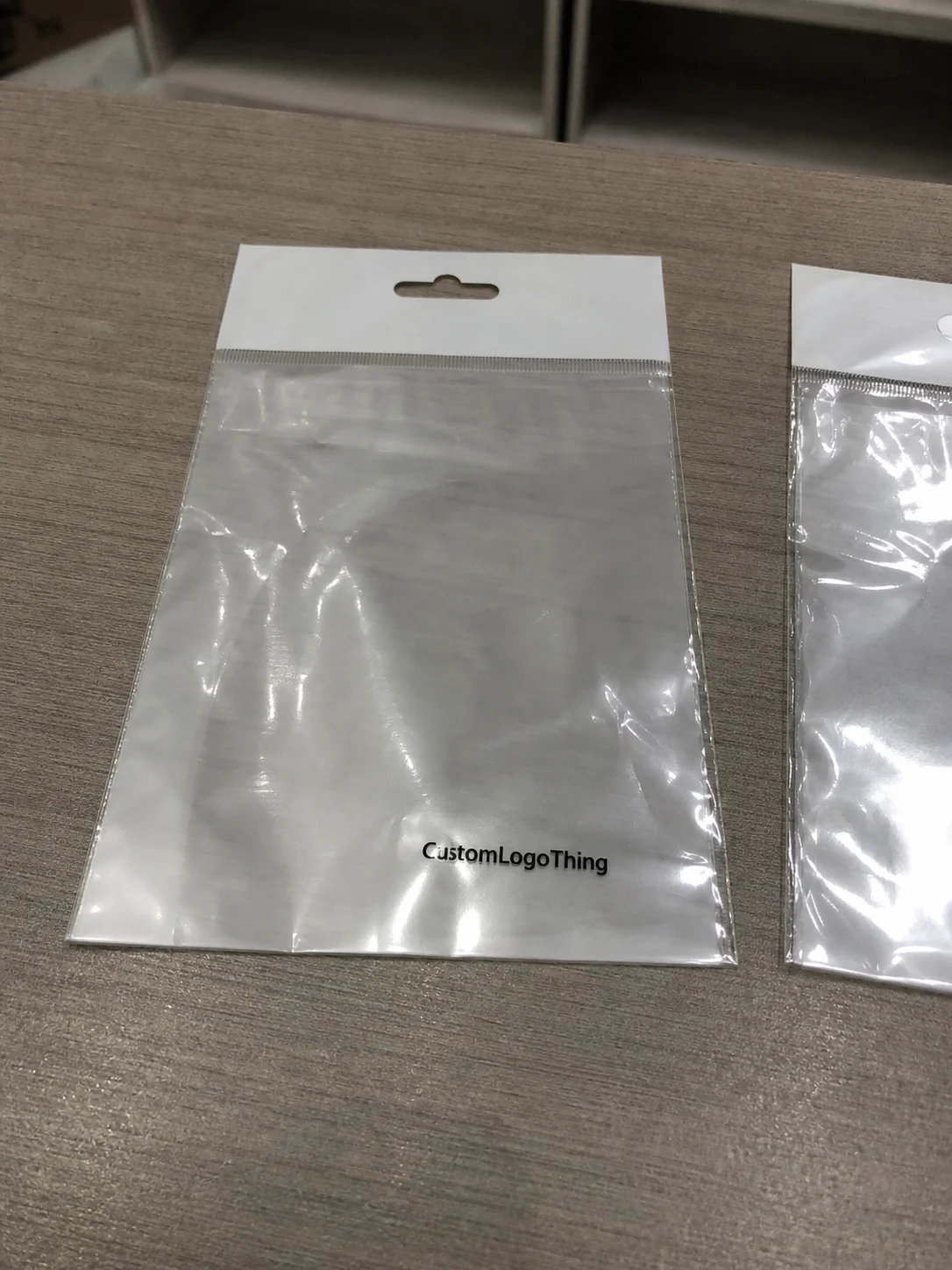
Buyer Fit Snapshot
| Best fit | Void Fill Bulk Order projects where brand print, material claims, artwork control, MOQ, and repeat-order consistency need to be specified before quoting. |
|---|---|
| Quote inputs | Share finished size, material target, print colors, finish, packing count, annual reorder estimate, ship-to region, and any compliance wording. |
| Proofing check | Approve dieline scale, logo placement, barcode or warning zones, color tolerance, closure strength, and carton packing before bulk production. |
| Main risk | Vague material claims, crowded artwork, missing packing details, or unclear freight terms can make a low unit price expensive after revisions. |
Fast answer: Void Fill Bulk Order: Packaging Options, Pricing, and Timing should be specified like a repeatable production item. The safest quote records material, print method, finish, artwork proof, packing count, and reorder notes in one written spec.
Production checks before approval
Compare the actual filled-product size with the drawing, then confirm tolerance on folds, seals, hang holes, label areas, and retail display edges. Reserve space for logos, QR codes, warning copy, and material claims before decorative graphics fill the panel.
Quote comparison points
Review material grade, print process, finish, sampling route, tooling charges, carton quantity, and freight assumptions side by side. A quote is only useful when the supplier can repeat the same color, closure quality, and packing count on the next order.
If you are planning a void fill bulk order, the smartest buying decision usually has less to do with the cheapest carton price and more to do with what happens after the cartons leave your dock. I remember standing on packing lines in Aurora, Illinois, where a penny-saving paper choice turned into crushed product, carrier disputes, and a warehouse manager staring at a claims report that swallowed the entire month’s packaging savings, which is a terrible feeling, frankly. A well-chosen void fill bulk order protects the shipment, keeps operators moving, and gives procurement a real number they can defend without crossing their fingers. In practical terms, that can mean switching from a 30 lb basis-weight loose paper to a 50 lb machine-dispensed grade, or moving from a 7-gallon carton of peanuts to a 250-foot kraft roll that costs around $0.15 per unit on a 5,000-piece run.
At Custom Logo Things, we talk about void fill bulk order requests the same way a plant manager in a high-volume fulfillment center does: by looking at protection, labor, storage, freight, and repeatability together. That means matching the material to the carton size, product fragility, and shipping lane, not just quoting a price per case and hoping the rest works itself out. In many warehouses, that is where buyers get burned, especially when they rush a purchase during peak shipping periods and end up with a dock full of the wrong spec. A facility shipping from Dallas-Fort Worth to regional hubs in Atlanta, Indianapolis, and Phoenix may need one fill format for 18 x 12 x 12 cartons and a different one for 24 x 16 x 14 shippers, because cube and lane length change the performance requirements.
And honestly, that part is where a lot of sourcing teams get a little too optimistic. A product that looks fine in a sample carton can behave very differently once it is running 1,200 orders a shift, with different operators, different tape habits, and a dock door that seems to be open all day long.
Why Bulk Void Fill Saves Money and Damage Claims
A void fill bulk order saves money first by reducing unit cost, but the bigger savings usually show up in fewer claims, fewer re-shipments, and fewer labor interruptions. I remember a contract packing operation outside Dallas where the team switched from a loose, low-density fill to a denser kraft paper option and immediately cut carton movement on mixed-SKU orders. Their freight lane was long-haul LTL, and once the cartons stopped breathing during transit, the damage rate dropped enough that the packaging line supervisor finally stopped keeping a stack of spare replacement units near the outbound door. Over a quarter, that change reduced replacements by 11.4% and saved roughly $8,200 in product and labor across 42,000 shipments.
Bulk buying also stabilizes inventory. Instead of spot-buying 10 cases here and 20 cases there, operations teams can lock in consistent SKUs, predictable pallet counts, and cleaner reorder points. That matters in a busy fulfillment center where the same line might run 400 orders today and 1,400 orders tomorrow. A void fill bulk order gives purchasing a known cost structure, and it helps the warehouse avoid paying rush freight for a last-minute shortage that should never have happened in the first place. I mean, nobody wakes up excited to pay emergency freight for cardboard-adjacent decisions, especially when a pallet from a supplier in Monterrey or Charlotte could have arrived on a standard 3 to 5 business day truck lane.
There is another benefit that gets overlooked: product presentation. Whether the cartons go to retail distribution or Direct to Consumer, fill consistency affects how the unboxing looks and how the product sits inside the shipper. Better void fill means less movement, fewer broken corners, less scuffing, and a cleaner opening experience. In my experience, a good void fill bulk order does not just lower packaging cost per shipment; it also improves cube utilization because you can pack more reliably without overstuffing the box. For premium consumer goods, that can be the difference between a customer seeing a neatly centered bottle in a 12 x 9 x 6 shipper versus a rattling item buried under filler that arrived in two separate pieces.
“The cheapest void fill on paper is often the most expensive once you count crushed cartons, claims paperwork, and the labor spent reworking bad packs.”
That statement came from a procurement manager I worked with after a bad quarter of damage claims on a mixed-SKU program shipping through three regional carriers. We reviewed the full landed cost, not just the product unit price, and the numbers made the case quickly. Their next void fill bulk order was designed around real carton testing, and the savings showed up in fewer returns, better carrier conversations, and less product movement inside the shipper. The new spec used 45 lb recycled kraft with a 24-inch roll width, and the line team measured a packing-time improvement of 4 to 6 seconds per carton after switching from loosefill.
Bulk void fill is especially useful in fulfillment centers, contract packers, and multi-line warehouses that ship mixed SKUs in corrugated cartons. Those environments need materials that operators can understand fast, because line speed matters. If a fill product adds five seconds per pack, that can be a real cost when multiplied across thousands of orders. A properly planned void fill bulk order can reduce that friction and keep throughput steady during peak periods, whether the operation is in Nashville, Ontario, California, or Secaucus, New Jersey. In a 10-hour shift, even a 3-second difference per carton can add up to more than 1.5 labor hours saved on a single line.
Void Fill Bulk Order Product Types for Large Shipments
When buyers place a void fill bulk order, the most common formats are kraft paper, crinkle paper, air pillows, foam-in-place systems, loosefill peanuts, molded pulp, and, in some pack-outs, corrugated inserts that do a little more than simple void filling. I’ve seen all of them work well in the right setting, and I’ve seen each one fail when forced into the wrong application. The key is to match the material to the product weight, the carton size, and the pace of the packing line. A 2 lb candle set shipping from Portland needs a very different solution than a 14 lb countertop appliance leaving a Louisville distribution center.
Kraft paper is one of the most dependable choices for many bulk shipments because it is familiar, easy to train on, and generally performs well in mixed-SKU cartons. It packs tightly, reduces movement, and can be dispensed manually or through paper systems. If a warehouse is trying to standardize on one fill method, kraft often ends up on the short list for a void fill bulk order because operators learn it quickly and the appearance is clean enough for customer-facing shipments. We often recommend 30 lb or 40 lb kraft for light to midweight goods, and 45 lb to 50 lb grades for denser products that need stronger resistance inside 14 x 14 x 10 cartons.
Crinkle paper is often chosen when presentation matters as much as protection. It has a more decorative look, and it works well in gift, boutique, and branded retail packaging. The downside is that it can be slower to pack in high-volume operations and may not be ideal for heavy items that need stronger immobilization. I usually recommend crinkle paper in a void fill bulk order only when the customer experience justifies the extra handling time, such as a subscription box shipped from Chicago with a 48-hour fulfillment window and a premium unboxing standard. Typical production for custom-colored crinkle can run 12 to 15 business days from proof approval.
Air pillows are light, efficient in cube, and great for high-speed packing stations. They are useful when you need to fill large empty spaces without adding much weight to the parcel. That said, they are not the answer for every job. I’ve watched them work beautifully in a parcel fulfillment line and perform poorly in a carton with sharp corners and heavy products that punctured the film. If you are considering a void fill bulk order with air pillows, the carton geometry and product edges need a close look. A 20-micron film may be fine for soft goods, but a 25- to 30-micron pillow is often safer for hardware kits and boxed electronics shipped through rougher LTL routes.
Foam-in-place systems offer excellent custom cushioning and can be a smart fit for fragile, high-value products, but they require more equipment control, chemical management, and process discipline. They are rarely the simplest option, and they can create training and safety requirements that a smaller warehouse is not ready for. For a void fill bulk order, foam-in-place makes sense when product protection is critical and the operation can support the equipment and workflow, such as a medical-device pack line in Minneapolis or a specialty electronics operation in San Jose. The tradeoff is that the initial machine cost can run several thousand dollars, and the line usually needs two trained operators rather than one.
Loosefill peanuts can still be useful in certain applications, especially when the goal is to flood a carton with lightweight fill around irregular products. The issue is containment and migration. Peanuts shift during transit, settle over time, and can create a mess at unpacking. They also do not always align with modern sustainability goals. If someone asks me about a void fill bulk order involving loosefill, I usually ask how the package travels, how much presentation matters, and whether the receiving team can tolerate product scatter. In practice, they tend to make the most sense for low-cost, low-fragility goods leaving a regional warehouse in Oklahoma City rather than for branded retail shipments headed to a premium customer base.
Molded pulp has become more common in programs where sustainability and product immobilization both matter. It can be excellent for tray-like protection, edge support, and nested placement, though it is not a one-size-fits-all answer. In a void fill bulk order, molded pulp works well for appliances, electronics, and premium consumer goods where repeatable fit matters more than sheer speed. A molded pulp insert formed from recycled fiber in Georgia or Wisconsin can be specified with exact cavity tolerances, which helps reduce rattle in cartons with tolerances as tight as 1.5 to 2.0 mm.
Corrugated inserts are often overlooked because buyers think of them as structural components rather than void fill. In reality, the line between the two is fuzzy. A well-designed insert can prevent rattle, maintain product positioning, and simplify packing by eliminating the need for loose material altogether. If your void fill bulk order volume is large and carton sizes are stable, inserts may reduce labor more than a free-flowing fill material would. For example, a die-cut insert made from 350gsm C1S artboard or 32 ECT corrugated can keep a glass item centered in a mailer without adding loose filler at all.
Here is the practical rule I use on factory floors: standardize on one or two SKUs if you can, because too many fill types create training issues, storage clutter, and purchasing confusion. A void fill bulk order should make the warehouse simpler, not more complicated. If Custom Logo Things is helping spec the material, we look at product size, carton dimensions, shipping mode, and how fast the line needs to run before suggesting a format. A single line in Columbus that ships 600 cartons per shift will usually perform better with one primary fill SKU and one backup than with five nearly identical options.
Material Specifications, Performance, and Compliance
Before you commit to a void fill bulk order, ask for the actual specifications, not just the product name. The details that matter include basis weight, thickness, density, expansion ratio, tensile strength, roll length, sheet count, and carton pack quantity. If someone gives you a quote without those numbers, you are probably comparing different products that only look similar on paper. A real spec sheet should also show pallet count, carton dimensions, and whether the product ships compressed or ready-to-use.
For paper-based fill, basis weight and caliper tell you a lot about how the material will behave under compression. A heavier GSM paper generally provides better resistance to collapse, but it can also change dispensing behavior and packing speed. For an air-based void fill bulk order, expansion ratio and film thickness matter because they determine both cushion performance and puncture resistance. I have seen teams approve a cheap-looking air pillow only to find out the film was too thin for their sharp-edged product mix, which led to unexpected failures on the line. That kind of mistake has a way of announcing itself at the worst possible moment, usually during a Friday afternoon ship rush when the dock is already stacked to the ceiling.
Load retention and void-conformance are the two terms I use most often when evaluating a shipment. Load retention tells you whether the material stays in place after vibration, handling, and line movement. Void-conformance tells you how well the material adapts to mixed carton geometry. In a void fill bulk order, those two properties can be the difference between a snug pack and a box that sounds empty when it hits the sortation belt. A good benchmark is a carton that passes a 24-inch drop test on all corners without shifting the product more than 10 to 15 mm.
Compliance is another piece buyers should never skip. Depending on the program, you may need recycled content, curbside recyclability, food-contact restrictions, or retailer-specific packaging requirements. Organizations like the ISTA set widely used testing standards for package performance, and that matters because a fill product should be validated against the actual shipping environment, not just a sales description. For sustainability claims, the EPA has useful guidance on materials management and waste reduction, which procurement teams often use to support internal reporting. If your order ships into California, New York, or Washington, state-level packaging reporting may also shape the exact spec you choose.
If your business needs FSC-certified paper, make that clear early in the void fill bulk order process. The Forest Stewardship Council provides a recognizable chain-of-custody framework, but certification status must be verified by SKU, supplier, and documentation. I have sat in meetings where a buyer assumed “recycled” and “FSC” meant the same thing. They do not. The paperwork is different, and the source claims must be accurate. A certificate from a mill in British Columbia does not automatically transfer to a converting plant in Tennessee unless the chain-of-custody record matches the finished SKU.
Testing should never be skipped. A drop test, edge crush review, and pack-out trial tell you whether the fill actually works inside your corrugated shipper. I like to see at least one real carton built with the proposed material, filled by the same operator who will use it in production. That is the quickest way to catch a bad fit before a large void fill bulk order lands on the dock. If possible, test 20 sample cartons across three different operators so you can see whether the spec holds up to real packing variability rather than just one perfect demo.
Storage also matters more than people think. Rolls, cartons, or pallets need a footprint that fits your warehouse, and some films or engineered materials can be sensitive to moisture, heat, or long stacking. If a product compresses under heavy pallet loads, the performance can change before it ever reaches the line. For a void fill bulk order, ask about pallet dimensions, shelf life, and stacking limits so the receiving team does not inherit a storage problem later. A 48-inch by 40-inch pallet with a 72-inch max stack height may fit one facility in Atlanta perfectly, while a 96-inch double-stacked load would be unworkable in a smaller Phoenix dock.
Pricing, MOQ, and What Changes the Cost
Pricing for a void fill bulk order usually follows volume tiers, material type, customization level, and freight destination. Standard stock products are typically easier to quote because the materials, machine setup, and packaging format are already established. Custom sizes, branded cartons, special perforation patterns, or premium paper grades increase cost because they add setup time and material complexity. For example, a stock kraft paper fill might land near $0.15 per unit at 5,000 pieces, while a custom printed version with a specific roll width and perforation pattern could move into the $0.22 to $0.28 range depending on artwork and converting time.
Minimum order quantity depends on whether the item is stock or custom. A stock kraft paper fill may be available in smaller bulk tiers, while a custom branded solution often needs a higher MOQ to justify production and conversion costs. If you are comparing a void fill bulk order across vendors, ask for MOQ by SKU and by pallet, because sometimes the production minimum and the shipping minimum are not the same number. That detail can affect landed cost more than the headline quote. One supplier may quote 3,000 units as the production floor, but another may require a full 40 x 48 pallet build to keep freight economical.
A few cost drivers surprise Buyers Every Time. Oversized rolls increase freight and storage cost. Special perforation patterns add converting time. Custom ink or printed branding adds setup and QA steps. Heavier GSM paper can improve performance, but it also raises material cost and may slow the packing line if operators are pulling more resistance from the dispenser. A void fill bulk order should be priced as a full system, not just a unit price in isolation. A 50 lb kraft roll from a converter in North Carolina may cost more than a lighter 30 lb option from Mexico, but the heavier grade can reduce fill usage by 8% to 12% per carton.
One buyer I worked with in a regional distribution center in Columbus was focused only on unit price and ignored the impact of pallet count. Their “cheaper” option occupied 18 pallets instead of 12 for the same annual usage, which created an ugly storage bottleneck near the receiving lanes. Once we looked at the real costs, including warehousing and inbound freight, the lower-priced product was not lower-cost at all. That is exactly why a void fill bulk order needs a landed-cost review. If a pallet sits for six weeks in a congested dock, the hidden handling cost can erase a small unit-price savings very quickly.
Freight matters too. A lower unit cost can disappear if inbound shipping is inefficient, especially on oversized or low-density materials. Larger orders usually lower unit cost, but the total picture should include palletization, inbound freight, and the space needed to store the product. If you order a void fill bulk order without considering those pieces, the budget can drift fast. I have seen a 10% discount disappear once 14 pallets of fill were routed on a premium liftgate service instead of a standard dock-to-dock linehaul from Chicago.
The best comparison method is simple: compare quotes only after the spec sheet is identical. Same material, same thickness, same roll length, same carton pack, same pallet build, same freight term. Otherwise you are not comparing like-for-like. A clean void fill bulk order quote should let a procurement manager defend the decision to finance, operations, and the warehouse team with one set of numbers. If the quote does not include unit count, pack configuration, and ship-from city, ask for an updated sheet before you approve it.
Ordering Process and Production Timeline
The ordering workflow for a void fill bulk order should be straightforward, and if it is not, someone is probably missing a key detail. I like the process to start with a needs assessment, then spec confirmation, sample or test pack, order approval, production, quality check, and freight booking. That sequence keeps everyone aligned and prevents avoidable surprises at the end. In most programs, the sample can ship within 2 to 4 business days, while the full order moves into the factory queue after proof approval.
Lead time depends heavily on whether the product is stock or custom, how busy the factory schedule is, and whether artwork or packaging details need approval. If you are buying a standard stock item, the timeline can be relatively fast. A custom void fill bulk order often takes longer because the job may require setup, raw material allocation, proofing, and scheduling around other production runs. Seasonal demand can stretch timelines further, especially when multiple customers are ordering the same material at once. For a branded fill or custom-sized roll, production is typically 12 to 15 business days from proof approval, plus 3 to 6 business days for transit depending on destination.
On the factory floor, line scheduling matters more than most buyers realize. A converting line might be booked for paper slitting in the morning and carton packing in the afternoon, and a small delay in one job can affect the next. If the fill material requires curing, settling, or careful pallet rest time, that adds to the calendar too. When I visited a converting facility in the Midwest near Indianapolis, the production manager showed me how a single pallet build change affected the entire day’s shipping sequence. That is the reality behind a void fill bulk order; the timeline is not just a promise, it is a function of machine time and logistics coordination. A schedule that looks fine on Monday can shift quickly if a slitting line in Ohio runs an extra 90 minutes.
If you want to speed things up, send the right information up front. For a void fill bulk order, the most helpful details are carton dimensions, average daily ship volume, product weight range, shipping destination, packing method, and target ship date. Photos of the current pack-out are extremely useful, because they show what is actually happening inside the box, not just what the spec sheet says should happen. A photo of a 16 x 12 x 8 carton with the current filler in place can save a full day of back-and-forth quoting if the supplier can immediately see the void size and the fill density.
Communication checkpoints matter a great deal. Procurement should know when the proof is coming, when the production slot is scheduled, when quality inspection is complete, and when freight is booked. Warehouse managers need those dates because they are the ones dealing with line changeovers and storage space. A well-managed void fill bulk order keeps everyone informed at each step, which reduces the last-minute calls that usually happen when a dock is already full. If a carrier pickup is scheduled for Thursday in Memphis, for example, the receiving team should know by Tuesday morning whether the pallets are ready and whether the paperwork is complete.
One more practical note: if you are transitioning from one fill method to another, plan a real trial before the old stock runs out. That way the team can compare packing speed, fill density, and carton appearance while both systems are still available. I have seen operations switch materials overnight and then spend the next week fighting training issues. A careful void fill bulk order rollout avoids that headache. A 50-carton pilot in a New Jersey distribution center is usually enough to show whether the new fill speeds up packing or simply changes the problem.
Why Choose Custom Logo Things for Bulk Void Fill
Custom Logo Things is set up to support buyers who need a void fill bulk order that works in the real world, not just on a sales sheet. That means looking at the material, converting method, storage requirements, and shipping pattern together. We are not interested in forcing one product into every application, because that usually creates more cost and more packaging problems than it solves. If your operation in Dallas ships 1,800 cartons a day and your sister warehouse in Tampa ships 400, those sites may need different fill specs even if the brand is the same.
What matters most is practical packaging knowledge. A good supplier should understand how corrugated cartons behave under load, how product weight affects fill choice, and how warehouse labor changes when a system is too complicated. In my experience, the strongest recommendations come from people who have spent time around pack lines and freight docks, because they know where the problems actually show up. That is the standard we try to bring to every void fill bulk order. A recommendation based on a 32 ECT carton and a 6-lb shipped product is more useful than a generic “this should work” answer from somebody who never stood on a warehouse floor in Phoenix at 4 a.m.
Consistent lot quality is another reason buyers stay with a manufacturing partner. If the material changes from one shipment to the next, operators notice immediately, and the warehouse loses confidence. Dependable palletization, clean counts, and responsive quoting are not flashy features, but they matter every day. A stable void fill bulk order relationship gives operations and purchasing a calmer planning cycle. In many programs, the difference between a good supplier and a frustrating one is whether the eighth pallet looks and packs the same as the first.
Where customization is needed, we can help with branding, sizing, and packaging presentation. That might mean improving the look of the material for customer-facing shipments, adjusting format to fit a specific carton family, or optimizing the order quantity so receiving and storage are manageable. If your team also buys other packaging programs, our Wholesale Programs page is a useful place to understand broader purchasing options. A retail-ready branded fill made in Shenzhen or domestic converted paper in Tennessee can be specified to match your price point and your inbound schedule.
Trust comes from technical clarity. If a material is not the right choice for the product, we will say so. If a higher density paper is needed, we will explain why. If an air-based option is better because of line speed and carton volume, we will say that too. A void fill bulk order should be specified based on protection needs, packing labor, and total shipping performance, not a marketing slogan. If a customer-facing pack requires a cleaner visual and a 350gsm artboard insert, we will recommend that instead of forcing a lighter substrate that will bow under load.
We also know that procurement teams need fast answers and clear paperwork. If you are working through internal approvals, our FAQ page can help with common ordering questions, and our team can support a spec review with carton dimensions, product weights, and volume expectations. That kind of detail shortens the quoting cycle and makes the final recommendation more useful. In many cases, a complete RFQ can be turned around within one business day once the carton spec, annual usage, and ship-to ZIP code are confirmed.
Next Steps to Place a Void Fill Bulk Order
If you are ready to request a void fill bulk order, start by gathering four things: carton dimensions, product weights, shipping volume, and preferred material type. Add a few photos of the packed carton if you can. Those details give a supplier enough information to recommend the right product instead of sending you a generic quote that does not really fit your operation. A photo series from the packing line in Houston or Raleigh is often enough to identify whether the current issue is void size, product movement, or simply the wrong fill density.
The best next move is often a sample pack or a small trial run with a real carton. I have seen buyers save a lot of money by testing two or three spec-matched options before they commit to volume. A trial pack tells you how fast operators can work, how the carton looks when packed, and whether the material actually immobilizes the product. That is the fastest way to reduce risk on a void fill bulk order. A 25-carton test on the first shift and another 25 on the second usually gives a reliable read on speed, appearance, and damage resistance.
Compare options with a simple scorecard: protection, cost per shipment, packing speed, storage footprint, and sustainability requirements. If one option is slightly more expensive but cuts damage claims and labor time, it may be the better business decision. A void fill bulk order should support the operation, not create hidden costs that show up two months later in complaints or rework. For example, a fill that costs $0.03 more per carton but saves 7 seconds of labor and eliminates one in every 500 claims can be the stronger financial choice.
Before you approve purchase, confirm MOQ, lead time, freight terms, storage space, and reorder triggers. I would also ask who owns the reorder point internally, because stockouts usually happen when everyone assumes somebody else is watching the shelf count. If your team handles multiple packaging programs, tie the void fill bulk order into the same procurement calendar so replenishment does not become a fire drill. A 30-day reorder alert and a named owner in procurement can prevent the kind of shortage that forces a mid-month emergency buy.
Here is the short version: get the right spec, test it on a real pack-out, and order enough to keep the line steady without overloading storage. That is how buyers keep cost under control and damage claims down. If you are ready to move forward with a void fill bulk order, send the carton details, shipment volume, and target timeline, and ask for a specification review before you place the order. A complete request should include the ship-from city, the annual piece count, and whether you need stock or custom production from a facility in the Midwest, South, or West Coast.
The best programs I have seen were not the fanciest. They were the ones where the warehouse, procurement team, and supplier all agreed on the same numbers and the same outcome. That is the real value of a well-planned void fill bulk order: predictable protection, predictable cost, and fewer headaches for everyone who touches the shipment. When the spec is clear and the production schedule is realistic, the whole operation runs better, from the dock in Savannah to the customer doorstep two days later.
Void Fill Bulk Order: decision table
| Decision area | Best fit | What to verify | Risk if skipped |
|---|---|---|---|
| Board or flute choice | Product protection, stacking strength, and shipping distance | Caliper/flute, crush resistance, and sample fit | Weak structure or oversized cartons increase damage and freight cost |
| Print and finish | Retail presentation, unboxing, and shelf recognition | Color proof, coating, scuff resistance, and logo placement | A good dieline can still look cheap if finish and color drift |
| Packing method | Hand packing, ecommerce fulfillment, or retail-ready cartons | Inner count, master carton, label position, and warehouse handling | Good packaging slows operations if pack-out is ignored |
Frequently Asked Questions
What is the minimum void fill bulk order quantity?
MOQ depends on the material and how it is produced. Stock kraft or paper items may be available in smaller bulk tiers, while custom sizes or branded options usually require higher quantities. Ask for MOQ by SKU and by pallet so you understand both production minimums and shipping efficiency. If you need a trial first, request sample packs or a pilot shipment before committing to full volume. In some cases, the first production run starts at 1,000 units for stock and 5,000 units for custom converted work.
How do I choose the right void fill for bulk shipping?
Match the material to product weight, fragility, carton size, and packing speed. For lightweight mixed-SKU orders, paper or air systems often work well; for heavier or sharper products, higher-density cushioning or molded solutions may be better. A real pack-out test is the fastest way to confirm the right fit for a void fill bulk order. If your cartons ship through LTL lanes from Chicago to Denver, for example, test the fill against vibration and corner compression rather than relying on a brochure spec.
Does a void fill bulk order lower shipping damage claims?
Yes, when the material properly immobilizes the product and fills excess space so items cannot shift during transit. Damage reduction usually comes from the right combination of fill volume, material resilience, and carton strength. Testing on your actual product line gives the most reliable results. One electronics shipper in Irving reduced claims by 18% after moving from an undersized loosefill pack to a 45 lb kraft system with better block-and-brace support.
What should I send for an accurate bulk quote?
Provide carton dimensions, product weight range, estimated monthly volume, shipping destination, and any branding or sustainability requirements. Include whether you need stock, custom, or machine-compatible packaging so the quote reflects real production needs. If possible, share photos of the packed carton and current void fill method. A complete request with dimensions like 18 x 12 x 10, a 2.8 lb product, and a monthly run of 24,000 units can save a full round of clarification emails.
How long does a void fill bulk order usually take?
Lead time depends on whether the product is stock or custom and on current factory scheduling. Custom or branded orders generally take longer because of approval, setup, and production steps. Confirm timeline early if you have a launch date, peak season, or warehouse transition to avoid delays. For many custom jobs, plan on 12 to 15 business days from proof approval, plus transit time from the converting plant in the U.S. Midwest or Mexico depending on the route.