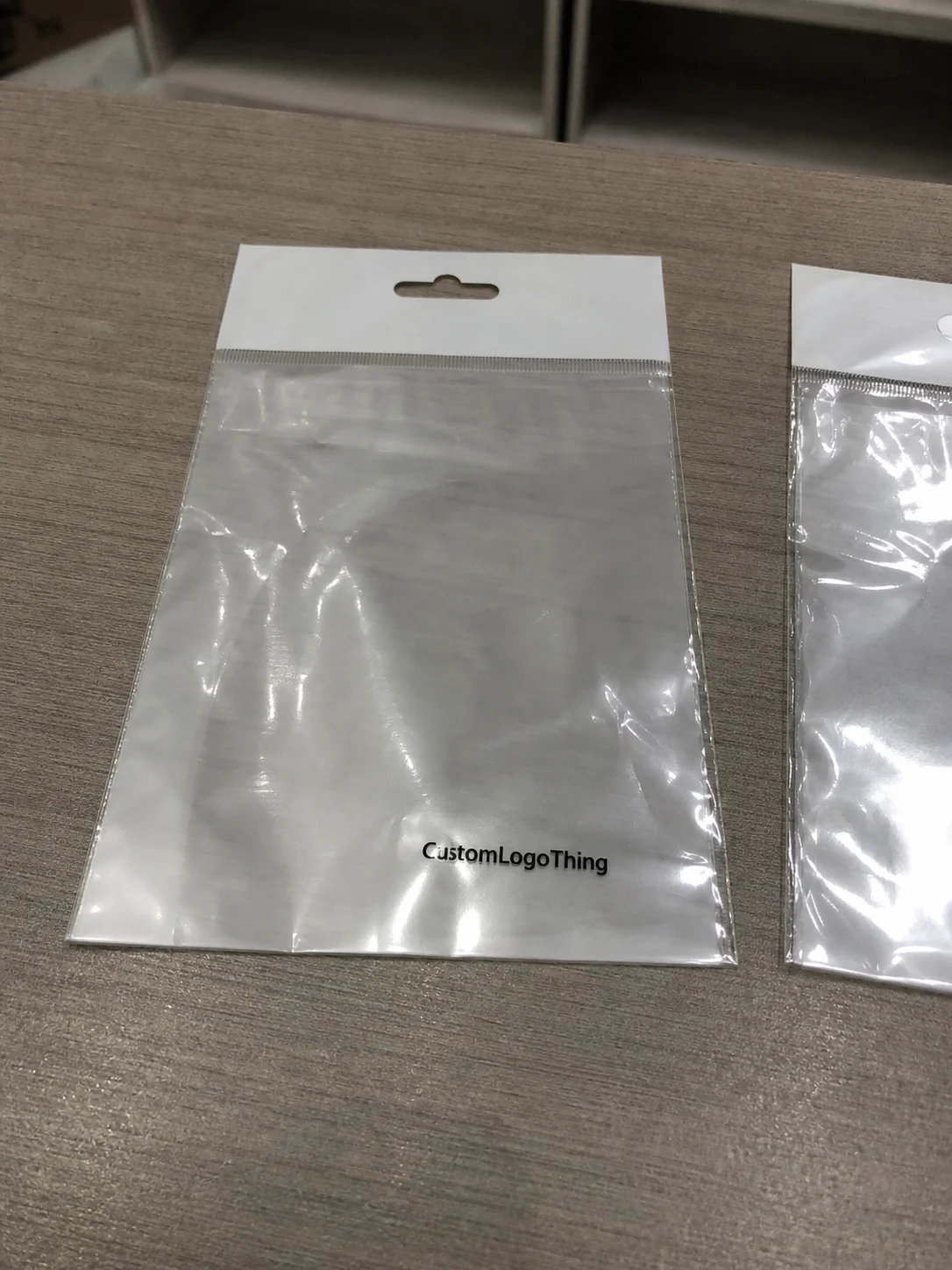
Buyer Fit Snapshot
| Best fit | Void Fill Bulk Order projects where brand print, material claims, artwork control, MOQ, and repeat-order consistency need to be specified before quoting. |
|---|---|
| Quote inputs | Share finished size, material target, print colors, finish, packing count, annual reorder estimate, ship-to region, and any compliance wording. |
| Proofing check | Approve dieline scale, logo placement, barcode or warning zones, color tolerance, closure strength, and carton packing before bulk production. |
| Main risk | Vague material claims, crowded artwork, missing packing details, or unclear freight terms can make a low unit price expensive after revisions. |
Fast answer: Void Fill Bulk Order: Pricing, Specs & Fast Delivery should be specified like a repeatable production item. The safest quote records material, print method, finish, artwork proof, packing count, and reorder notes in one written spec.
Production checks before approval
Compare the actual filled-product size with the drawing, then confirm tolerance on folds, seals, hang holes, label areas, and retail display edges. Reserve space for logos, QR codes, warning copy, and material claims before decorative graphics fill the panel.
Quote comparison points
Review material grade, print process, finish, sampling route, tooling charges, carton quantity, and freight assumptions side by side. A quote is only useful when the supplier can repeat the same color, closure quality, and packing count on the next order.
If you are planning a void fill bulk order, the first thing I would tell you is to look beyond the per-pound quote. In a busy packing room, the real cost shows up in breakage, labor minutes, jammed dispensers, and the number of times a picker has to walk back for more material. I have stood on warehouse floors where a $0.04 difference in unit price turned into a $1.20 difference in total pack-out cost because the fill would not feed cleanly and cartons were being reworked all afternoon.
At Custom Logo Things, we approach a void fill bulk order the way a plant manager does, not the way a brochure does. That means looking at product weight, carton size, damage history, line speed, and storage space before anyone talks about pallet counts. Honestly, that is where most buyers get tripped up. They buy the cheapest-looking filler, then spend the next three months paying for it in claims and wasted motion.
I’ve also seen the opposite mistake, where a team over-specs the fill because they are trying to solve a product issue that really belongs to the carton. A heavier board grade, a tighter case size, or even better dunnage placement can sometimes reduce the amount of loose fill you need. That kind of detail matters, and it is one reason procurement and operations should sit at the same table before a purchase order goes out.
Why Bulk Void Fill Saves More Than Money
A void fill bulk order saves money first by reducing the soft costs that never show up neatly on a quote. Fewer purchase orders mean fewer admin touches, and fewer stockouts mean fewer emergency buys from whatever supplier can ship fastest that week. In a 3PL in Ohio where I helped compare paper fill against loose-in-case buying, the team cut receiving interruptions by nearly half simply because palletized supply lasted long enough to keep three shifts on the same standard.
Bulk purchasing also helps a warehouse standardize the pack bench. If one shift uses crumpled paper, the next uses inflated pillows, and the third uses old mixed scrap, your carton performance starts drifting. The boxes look fine leaving the dock, but in transit the product can migrate, settle, or crush into a corner. That is how you end up with dented cosmetics cartons, chipped glass, and the kind of rework that burns time in the returns area.
I remember a client in apparel fulfillment who insisted their damage rate was “a product problem,” until we watched the pack line for twenty minutes. Their void fill was coming in short bundles that fed badly, so the operators were stuffing too little into oversized mailers. Once we moved them to a void fill bulk order in palletized kraft paper, their pack stations ran smoother, and the carton count per hour improved because the paper released consistently from the dispenser.
There is another hidden cost people miss: dimensional-weight waste. If your fill is too bulky for the shipment, you may be paying to move air. If it is too weak, you may be paying for damage. A good void fill bulk order finds the middle ground, keeping products centered while controlling carton expansion, pallet density, and freight efficiency. That is especially true for manufacturers shipping repeat outbound lots of small parts, where every inch of empty space shows up in carrier charges.
There is a practical angle too. Fill that is easy to grab, tear, and place reduces operator fatigue over a long shift. That sounds minor until you watch the fourth hour of a Friday outbound rush and notice the packers getting sloppy because the material is fighting them. A decent bulk program keeps the line moving without turning the station into a wrestling match.
For operations teams, the payoff is simple:
- Fewer replenishment runs to the supply cage
- More consistent packing performance across shifts
- Lower damage and rework rates
- Cleaner purchasing with fewer emergency orders
- Better standardization for training and quality control
If you want the fuller procurement side of it, our Wholesale Programs page is a good starting point, especially if you are comparing repeat-volume supply against spot buying.
Void Fill Material Options for Bulk Orders
The right void fill bulk order starts with the material family, because not every filler behaves the same on the floor. Kraft paper, recycled paper, air pillows, polyethylene foam, molded pulp, and corrugated inserts each serve a different purpose, and I have seen all of them win in the right application and fail in the wrong one.
Kraft paper is one of the most common choices for a void fill bulk order because it is versatile, printable, and easy to dispense. In high-volume apparel and accessories packing, it gives enough structure to stabilize items without adding much weight. Recycled paper works similarly, and buyers like it when they want a curbside-recyclable story that is easy for end customers to understand.
Air pillows are excellent for light cushioning and fast pack stations, especially in e-commerce operations shipping cosmetics, small electronics, and lightweight household goods. They occupy little storage space before inflation, and a dispenser can keep pace with a high-speed bench. The tradeoff is that they are not the best answer for every product; heavy or sharp-edged items can puncture them, and then the whole protective system loses value quickly.
Polyethylene foam tends to show up where abrasion control matters, such as electronics, instrument parts, and polished components. It has more structure than paper, and in some cases better surface protection. The downside is that some recycling programs do not accept it as easily as paper-based formats, so your sustainability position depends on local recovery rules and customer expectations.
Molded pulp and corrugated inserts are less like loose void fill and more like engineered protection. I have seen them work beautifully in glassware, medical kits, and industrial component boxes where orientation matters. If the product must stay locked in a fixed position during transit, a void fill bulk order of loose material may not be the best path at all; an insert system can reduce movement more reliably.
Here is the practical way I would compare them on a factory floor:
- Paper: good general-purpose stabilization, easy to train on, usually recyclable
- Air pillows: light, fast, clean-looking, best for high-throughput stations
- Foam: stronger surface protection, often used for delicate or finished parts
- Molded pulp: shape retention and positioning, good for repeat SKU packs
- Corrugated inserts: best when the load needs structure rather than loose fill
Material form matters too. A void fill bulk order may arrive as compact rolls, pre-expanded cartons, palletized bales, or machine-fed units that sit beside the pack station. In a cosmetics fulfillment center I visited near Dallas, the switch from loose cartons to palletized bulk paper shortened replenishment trips because the team could stage two pallets at a time near the line instead of constantly opening small cases.
For sustainability-minded buyers, I would recommend checking the basic compliance story with authoritative sources such as the EPA recycling guidance and, where fiber sourcing matters, FSC certification information. Those details matter when your customers ask what happens after the box is opened.
One more practical note: if your customers are in regulated industries, ask whether the material has any odor, dust, or particulate concerns before you place the order. That comes up more often than people expect in medical supply, cleanroom-adjacent packaging, and premium consumer goods.
Specifications That Matter Before You Place an Order
Before you place a void fill bulk order, I always want to see the specs in writing. Dimensions, fill strength, expansion ratio, basis weight, caliper, puncture resistance, roll length, and case pack quantity all change how the material behaves. A quote without those details is just a guess with nicer formatting.
If you are buying paper, ask about basis weight in gsm or pounds, plus how the paper is wound and perforated. If you are buying pillows, ask for film thickness, pillow size, and inflation ratio. If you are buying foam, caliper and compression recovery Matter More Than people expect, because a soft-looking sheet can collapse under stack pressure and stop protecting the product by the time it reaches the carrier hub.
A simple rule of thumb I have used with packing teams is this: light, non-fragile goods need stabilization first, medium-fragile goods need controlled cushioning, and heavy or sharp products may need a combination of void fill and structural packaging. A void fill bulk order for apparel mailers is not the same as one for glass bottles or machined parts. The carton size alone can change the amount of fill by 20% to 40% if the product shape is odd.
Compatibility with equipment is another area where people make expensive mistakes. If your warehouse uses a paper dispenser at each bench, make sure the roll size, tear behavior, and feed path fit that unit. If you run inflatable pillow machines, confirm the film works with your inflation settings and heat seal temperature. I once saw a client Order the Right-looking pillow stock, only to discover it shrank differently under their machine’s seal bar and caused a 15-minute jam every hour. That kind of problem can sink a void fill bulk order even when the unit price looks good on paper.
Storage and handling matter just as much. Ask whether the goods ship compressed, palletized, or ready to use, and whether the pallet footprint is standard 48 x 40 inches or something custom. Check stacking limits, moisture sensitivity, and how long the material can sit in a warm dock area before performance changes. Paper can absorb humidity. Foam can deform under poor stacking. Inflatable formats need protection from sharp rack edges.
Quality consistency is not optional. Ask about lot-to-lot variation, inspection steps, and sample testing. I like to see a trial run in a real pack station before a full void fill bulk order is approved. A clean sample in a conference room means very little if the operators hate it after 300 cartons on the warehouse floor.
“We stopped judging the fill by how it looked in a sample box. The real test was whether our team could pack 600 orders without slowing down or reworking cartons.”
Pricing, MOQ, and What Affects Your Unit Cost
Pricing for a void fill bulk order usually comes down to five things: material type, order volume, pallet count, freight distance, and whether the product is stock or custom converted. A standard recycled paper fill will usually price differently from a machine-grade pillow film or a molded insert program, because each one has a different conversion cost and storage profile.
Minimum order quantity, or MOQ, also behaves differently depending on the supply model. Some suppliers set pallet minimums, some use case minimums, and some offer contract pricing tiers that reward annual volume. I have negotiated both ways, and my honest view is that buyers should not get fixed on the MOQ number alone. A slightly higher MOQ can be the better move if it lowers freight per unit and keeps you from paying rush charges twice a month.
Here is how I would compare quotes on a void fill bulk order:
- Separate product cost from freight cost.
- Ask whether there are setup fees for custom sizes or printing.
- Check if the quote includes palletizing, wrapping, and dock delivery.
- Compare landed cost per carton protected, not just cost per roll or pound.
- Factor in labor savings if the new fill feeds faster.
Freight can change the real story more than the material line item does. A low-priced fill that ships LTL across multiple terminals may cost more than a slightly higher-priced fill that ships on a full truckload with fewer touches. That is one reason high-volume customers often consolidate SKUs and standardize on one or two fill types. A cleaner void fill bulk order plan can reduce storage strain and make reordering much easier for purchasing.
On a large manufacturing account I supported, the warehouse moved from four fill SKUs to two. The result was not just lower inventory complexity; they also reduced emergency receiving labor because the same palletized product covered more carton styles. That is the kind of cost reduction that does not show up in a pretty unit-price comparison.
The cheapest option is not always the lowest total cost. If a fill breaks down during pack-out, slows operators, or increases damage claims by even a small percentage, your actual packaging spend goes up. A well-sized void fill bulk order should lower total landed packaging cost, not just save a few cents on the invoice.
If you are building a budget for the quarter, it helps to map the fill purchase against total outbound volume, not just against a single SKU. That makes seasonality easier to see and helps prevent the classic mistake of underbuying during peak months.
What should you ask before approving a void fill bulk order?
Before you approve a void fill bulk order, ask about feed performance, carton fit, storage needs, freight method, and lot consistency. The fastest way to protect your budget is to verify how the material behaves in a real pack station, not just in a sample box. A supplier should be able to explain how the material will perform with your current dispensers, your pack speed, and your shipping mix.
It also helps to ask what happens if volumes change. If your business has seasonal spikes, the fill program should account for that. A palletized paper program, for example, may be a better fit than small-case purchasing if you need to avoid stockouts during peak weeks. A thoughtful void fill bulk order plan should make purchasing easier, not more fragile.
Bulk Order Process and Typical Lead Times
The buying process for a void fill bulk order is usually straightforward when the supplier has the right information. First comes application review, then a recommendation, then sample approval, then quote, purchase order, production or allocation, and finally shipment scheduling. If any one of those steps is vague, delays usually follow.
The fastest quotes come from buyers who send carton dimensions, product weight, daily pack volume, current fill method, warehouse location, and target delivery date. If you can also share damage history or returns data, that helps even more. I have sat in meetings where a buyer could not explain whether they needed void stabilization or cushioning, and the quote process stalled for a week because the wrong material would have been a costly mistake.
Lead time depends on raw material availability, custom conversion, freight mode, and seasonal congestion. Stock materials can often move faster than custom options because there is no extra converting step. A standard palletized void fill bulk order might ship in a shorter window, while printed, custom-sized, or machine-specific formats can take longer depending on the production queue.
How the order is packed matters too. Palletized freight is easier for docks that can receive straight in, mixed-SKU pallets help smaller buyers manage space, and full truckload makes sense when volume is high enough to fill a trailer efficiently. On a cold dock in New Jersey, I watched a team lose nearly an hour because they had not planned for mixed pallet receiving and the unload sequence kept blocking access to the other freight. Small details like that can turn a good void fill bulk order into a frustrating day.
Realistic expectation setting helps everyone. Stock paper and standard pillow formats tend to move quicker. Custom dimensions, specialty printing, or machine-specific options usually take longer. If your operation has a hard launch date, tell the supplier early so production and transportation can be planned correctly. That usually beats chasing a rush freight solution after the fact.
In practice, I tell buyers to build one extra week into the schedule if the order is replacing an existing fill program. That gives you room for test runs, operator feedback, and any last-minute pallet configuration changes.
Why Buyers Choose Custom Logo Things
Buyers come to Custom Logo Things because they want a supplier that understands how packaging behaves in a real distribution setting, not just on a spec sheet. A void fill bulk order is only useful if it keeps product protected, feeds cleanly, and fits the way your team already works. That is the lens we use.
We draw on experience across paper converting, corrugate, foam, and fulfillment workflows, which helps us recommend a fill type that matches the actual operation. A 3PL shipping 4,000 parcels a day has different needs from a parts manufacturer shipping 200 heavy cartons to distributors. If someone pushes one answer for every job, I start asking questions.
What buyers value most is dependable planning and honest communication. If a material is in stock, we say so. If a substitution affects lead time or performance, we say that too. I would rather have a direct conversation about freight, pallet counts, and sample testing than promise a magic turnaround that the dock cannot support. That is how you build trust on a recurring void fill bulk order.
We also help customers think beyond price. A better fill can reduce damage claims, improve pack speed, and cut training time for new hires. I have seen warehouses with high turnover benefit simply because the material was easier to handle and more forgiving at the station. That kind of operational fit matters just as much as the invoice total.
If you need support across repeat supply planning, our Wholesale Programs page and FAQ section can help you map the next step without guesswork.
How to Place a Void Fill Bulk Order the Right Way
The best way to place a void fill bulk order is to prepare the facts before you request pricing. Gather carton dimensions, product weight, damage history, monthly usage, and the fill type you currently use. If you already know your pack station limitations, include those too. A supplier can quote faster and more accurately when the operating picture is clear.
Ask for a sample kit or, better yet, a test pallet. That lets your warehouse verify pack speed, storage fit, and protection level before committing to full volume. I have seen many teams discover that a material they liked in theory was too dusty, too bulky, or too slow in practice. A small trial can prevent a very expensive full void fill bulk order from becoming shelf clutter.
Compare two or three material options side by side. Do not choose only by price. Weigh waste, protection, storage density, and how the fill performs under real operator use. If one option cuts labor by 10 seconds per carton and another saves 2 cents per unit, the labor saving may win by a wide margin over a month of shipments.
Confirm delivery expectations, dock requirements, and reorder points before you approve the order. That is especially important if your warehouse receives only certain days or needs liftgate service. A missed delivery appointment can trigger rush freight and wipe out the savings from a carefully negotiated void fill bulk order.
My final recommendation is simple: create a one-page void-fill specification sheet for purchasing and operations. Include material type, target carton sizes, acceptable alternates, storage notes, sample approval status, and reorder threshold. Once you do that, every future void fill bulk order gets easier, faster, and more consistent.
Keep the spec sheet close to the people who actually pack the orders, not buried in a folder no one opens. The best programs I have seen are the ones where the dock team, the buyer, and the quality lead all know the same standard and can call out a problem before it spreads.
“The right void fill is not the cheapest one on paper; it is the one that keeps your boxes intact, your team moving, and your purchasing calm when the month gets busy.”
FAQ
What is the best void fill for a bulk order if I ship mixed product sizes?
Choose a versatile material such as recycled kraft paper or air pillows if you need one fill type for many carton sizes. Paper is usually better for stabilization, while air pillows work well for light cushioning and fast pack stations. Test the material in your largest and smallest cartons before committing to a full void fill bulk order.
How do I know my void fill bulk order MOQ is enough for our warehouse?
Estimate monthly usage from carton count, average void volume, and current waste rate. Ask the supplier for pallet quantities, case packs, and reorder thresholds so you can map the MOQ to real consumption. If your volume changes a lot, start with a test pallet or a lower-tier void fill bulk order commitment if that option is available.
What affects pricing most on a bulk void fill order?
Material type, order quantity, freight method, and whether the product is stock or custom converted are the biggest pricing drivers. Machine-compatible formats and specialty specs can raise cost, but they may reduce labor and improve packing speed. Freight often changes the true landed cost more than the unit price on the quote for a void fill bulk order.
How long does a void fill bulk order usually take to ship?
Stock materials can often ship faster than custom formats because they do not require extra conversion time. Lead time depends on order size, warehouse location, current inventory, and freight mode. Provide your delivery deadline early so the supplier can plan production and transportation correctly for the void fill bulk order.
Can I get samples before placing a large void fill bulk order?
Yes, and it is strongly recommended for any high-volume packing operation. Samples let your team test dispensing speed, carton fit, dust levels, and product protection in real conditions. A small test run can prevent costly mistakes on a full pallet or truckload void fill bulk order.