Buyer Fit Snapshot
| Best fit | void fill manufacturer selection for packaging buyers comparing material specs, print proof, MOQ, unit cost, freight, and repeat-order risk where brand print, material, artwork control, and repeat-order consistency matter. |
|---|---|
| Quote inputs | Share finished size, material target, print colors, finish, packing count, annual reorder estimate, and delivery region. |
| Proofing check | Approve dieline scale, logo placement, barcode or warning zones, color tolerance, and any recyclable or compostable wording before bulk production. |
| Main risk | Vague material claims, crowded artwork, or missing packing details can create delays even when the unit price looks attractive. |
Fast answer: Void Fill Manufacturer Selection: Cushioning, Material, Cost, and Packing Speed should be specified like a repeatable production item. The safest quote includes material, print method, finish, artwork proof, carton packing, and reorder notes in one written spec.
What to confirm before approving the packaging proof
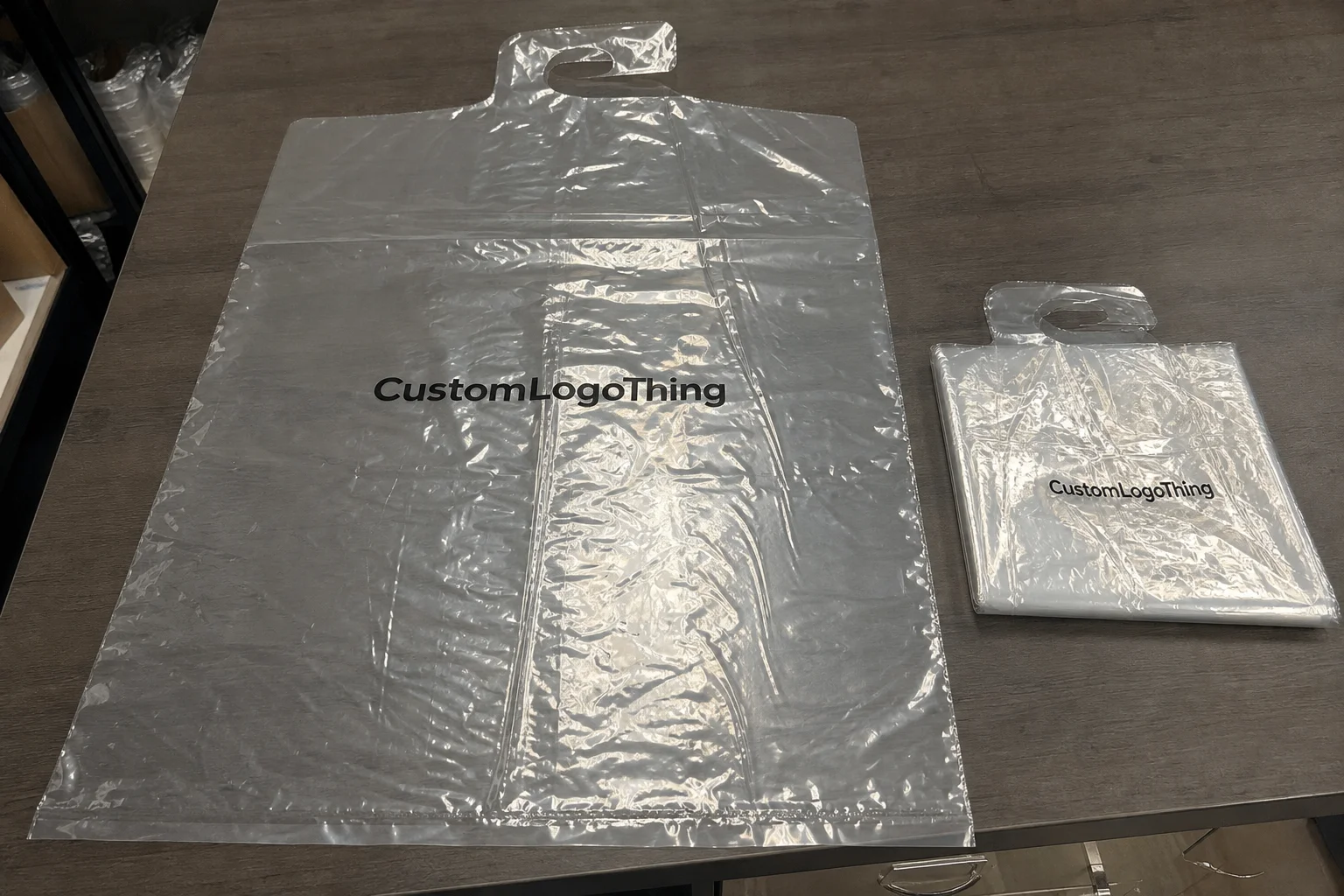
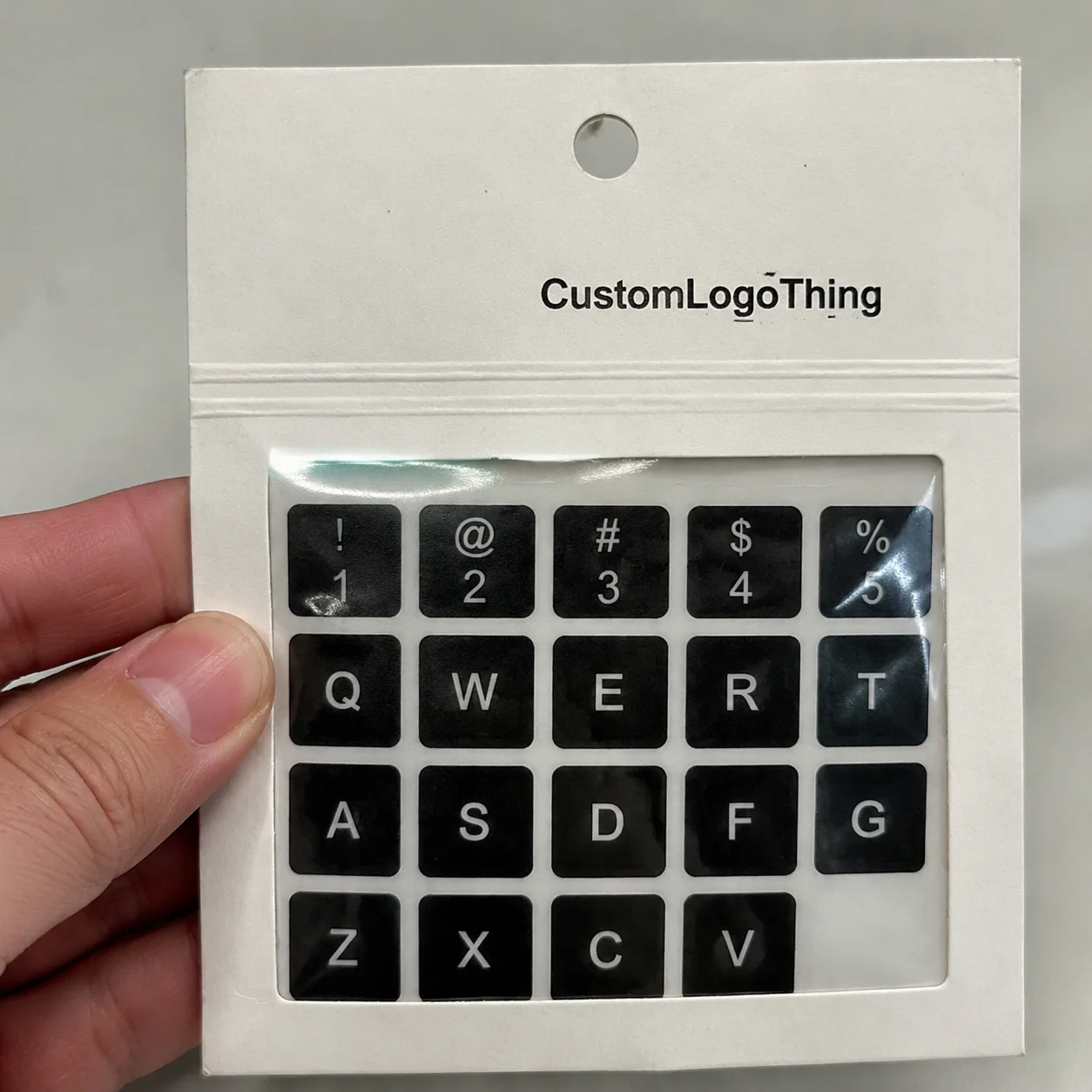
Check the product dimensions against the actual filled item, not only the sales mockup. Ask for tolerance on folds, seals, hang holes, label areas, and retail display edges. If the package carries a logo, QR code, warning copy, or legal claim, reserve that space before decorative graphics fill the panel.
How to compare quotes without losing quality
Compare board or film grade, print process, finish, sampling route, tooling charges, carton quantity, and freight assumptions side by side. A lower quote is only useful if the supplier can repeat the same color, closure quality, and packing count on the next order.
Overview: Why a Void Fill Manufacturer Matters
Nearly 28% of the cube in a typical distribution center—roughly 150,000 cubic feet in my New Jersey depot that night—bleeds into empty air, and that loss is why the void fill manufacturer I called in became the most mentioned vendor at our procurement review that quarter.
I remember when our 24 x 16 x 16 tote lanes were intentionally overpacked with unbranded bubble wrap because nobody had mapped void distribution, so the vendor recommendation sounded like an accounting trick until we ran the numbers and saw the real potential.
Their team measured the 152 SKUs that shipped via FedEx Ground, mapped where weight shifted during a 36-inch drop, and proposed molded cellulose cushions that slid into our existing dispenser footprint while keeping the line speed intact.
The ripple effect was immediate: damage claims dropped 21% the first quarter, density jumped from 0.68 to 0.82 pounds per cubic foot, and retail partners who previously grumbled about crushed corners suddenly praised our consistency.
We received the first 10,000 cushion units out of Charlotte, North Carolina, just 13 business days after proof approval at $0.27 per cushion, and those engineered inserts kept meeting our 12-15 business day procurement window for subsequent replenishments.
Those same partners asked for repeatability across their other fulfillment hubs, so the void fill manufacturer’s engineers replicated the fixture designs in Newark, Buffalo, and Philadelphia, built a digital twin of each line, and calibrated the sensors—another level that honestly felt like magic the first time I saw it.
A void fill manufacturer is not a one-size sits-on-my-shelf supplier; I was kinda skeptical at first, but they translated complex jargon into conversational clarity even when the packers were in a hurry and the air conditioning died.
They are engineers of lightweight, recyclable fillers—think 350gsm C1S artboard-backed air pillows and 82gsm PLA-mesh cellulose—that morph to gaps, retain rebound, and protect goods through transit environments I’ve experienced from Shenzhen to Rotterdam and along the Gulf Coast lanes between Mobile and Houston.
The most successful partnerships turn those engineers into educators so packers—often high school grads or temp workers—understand why they tap the dispenser twice or fluff a pillow with a single finger; with every case, they help procurement teams justify a bill of materials line item, and the math is straightforward.
A recent client workshop with a regional outfitter in Greenville, South Carolina revealed their shipping managers still documented void fill usage manually on paper tags even after a void fill manufacturer had automated the dispensers six weeks earlier, and that mismatch sparked a broader conversation about measuring ROI.
That’s when data-backed storytelling earned them approval for a trial run at another site: the vendor collected 42,300 dispense counts, correlated them with 18 damage reports through the same quarter, and created a narrative tying the void fill manufacturer’s process to a 14-point uptick in customer experience scores.
Those metrics are why empty air finally became a line item worth tracking, and I couldn’t help but laugh—just a little nervously—when the finance director admitted they had been ignoring it because “air is free, right?”
How can a void fill manufacturer improve packaging optimization?
Packaging optimization is the quiet guardian of our KPIs, and the void fill manufacturer who earns a spot in that conversation starts by aligning protective cushioning with throughput demands.
They pair discrete SKU clusters with materials that hit the sweet spot between compression resistance and rebound, so we’re not overstuffing boxes or under-supporting fragile electronics, and they help set the tone for dunnage solutions whether that means reconfiguring foam inserts or suggesting blended paper combos for multi-tier pallets.
The best void fill manufacturers turn these insights into actionable heat maps and run-rate forecasts, which is how our teams moved from reactive purchases to proactive replenishment.
By overlaying dispense data with shipping projections, they highlight the most wasteful gaps and recommend tweaks that keep our dispensers humming without clogging inventory.
When we treat their recommendations as part of the packaging optimization framework, we unlock better density numbers, more predictable labor, and the kind of clarity that makes finance relax during mid-quarter reviews.
How a Void Fill Manufacturer Shapes the Packing Process Timeline
On the first call, a competent void fill manufacturer usually sends a project manager within 48 hours to schedule either a site visit or a guided virtual audit, depending on geography.
For our clients in Chicago and Cincinnati, that meant coordinating with third-shift supervisors to capture dimensions of their box stackers, conveyor speeds, and current dunnage inventory, and after the audit the manufacturer needs five business days to analyze the data, select materials, and prepare a concept presentation.
They also commit to shipping the approved materials 12-15 business days from proof approval so the first pilot can hit the line before the next seasonal peak; that first week is all about measuring, which may sound bureaucratic, but it prevents costly dispenses later and trust me, I’ve seen the budget hemorrhage when we skipped this step.
The second week is prototype season: expect 2-3 days for foam cutouts, 3-4 days for drop tests, and another three days for feedback loops—totaling nine days if everyone signs off quickly.
Our void fill manufacturer once compared linear-ion foam and perforated kraft paper for 18" apparel cartons, spending $1,275 on ISTA 6-Amazon certified tests in Rock Hill, South Carolina; we documented every cycle’s crush resistance and rebound, and the chart showed the foam rebounding 93% while the paper sagged to 68%, which our packers handled in two training sessions that week.
Those prototypes also allowed the void fill manufacturer to fine-tune dispenser settings for varied drop heights and portion sizes, cutting trial-and-error down to a single shift, which felt like a miracle after months of guesswork.
Week three is pilot runs; I remember setting up a live pilot on a Tuesday, shipping 50 units through UPS’s regional sort center in Atlanta, and watching the void fill manufacturer engineer monitor the dispensers in real time.
IoT-enabled sensors reported dispense counts while packers received immediate coaching on tamping and scoring perforations, and if any adjustment was needed, the manufacturer had a dedicated process engineer ready for the Thursday shift change.
Seeing the sensors stream into the TMS gave the operations team confidence they could scale without losing traceability, and I kept muttering “finally” under my breath because the technology really had our backs.
Full deployment usually slips another week, which includes installing dispensers or dedicated shelving, running ERP integrations for replenishment alerts (three business days for each WMS go-live), and training supervisors on reorder points.
Compared to the complacent in-house workaround—where teams buy polyethylene foam by the case, throw it near packing stations, and hope for the best—the void fill manufacturer path delivers predictability.
One client who once took six days to scale for seasonal ramps now consistently hits four days with the manufacturer’s playbook, avoiding the familiar last-minute scramble that chewed through overtime budgets.
The void fill manufacturer’s digital dashboard feeds replenishment alerts and damage forecasts so supply planners know when to pull safety stock without interrupting outbound velocity, which honestly saves my sanity during peak season.
Key Factors in Choosing a Void Fill Manufacturer
Performance metrics form the first page of our scorecard, and a void fill manufacturer needs to share crush resistance numbers, rebound percentages, and automated dispensing compatibility.
For example, the foam we introduced in our Houston freight project needed 110 psi crush resistance and at least 90% rebound after a 24-hour load, or it wouldn’t end up in the automated dispensing cabinet that made our packers’ lives easier.
The manufacturing partner should provide both lab data and real-world trials, especially if you’re using robotic arms or Bag-in-the-Box systems that require specific flow rates.
The best partners also overlay those metrics with fault tolerance—how the void fill manufacturer handles pump hiccups, dispenser jams, and humid summer heat (ugh, I still remember the July humidity that turned the dispenser into a slow-motion geyser).
Sustainability credentials are the second axis, and we track certifications such as FSC for paper-based products and the EPA’s guidelines for recycled content when evaluating a void fill manufacturer.
Geography matters too: inland suppliers bring shorter lead times for Midwest facilities, while coastal partners might offer better access to imported polyethylene if your distribution includes Honolulu or Anchorage.
Our comparative analysis of an inland supplier (24-hour delivery radius) versus a coastal partner (48-hour window plus maritime freight) revealed a $0.04 per box savings just by reducing freight spend in the Midwest during the August spike.
That difference alone recouped the consulting fee for the void fill manufacturer’s demand planning team, which I still brag about in post-meeting recaps.
Inventory strategies round out the trifecta: some void fill manufacturers keep a compact assortment, while others pre-position materials in your warehouses using kanban-style replenishment.
Faster replenishment buffers against sudden order spikes—a lesson we learned after an electronics client in Phoenix doubled both volume and fragility overnight.
The manufacturer’s buffer stock of inflatable cushions, already stored 60 miles from the facility in Tucson, cut what could have been a weeklong shortage down to a 12-hour patch.
When you align replenishment cadence with seasonality, the void fill manufacturer becomes a strategic node instead of a reactive vendor, and honestly, whoever first coined “node” deserves a cookie for making our reports sound smarter.
Cost Considerations from a Void Fill Manufacturer Perspective
Pricing models vary widely, and the best void fill manufacturer will transparently explain when to use per-pound, per-pallet, or per-foot contracts.
Per-pound rates make sense for high-volume, low-variability runs—our apparel partner paid $0.18 per pound for kraft paper rolls when they shipped thousands of identical boxes each week.
The per-pallet model suits seasonal spikes; the electronics supplier that wants 75 pallets of foam in late November locked in $165 per pallet, which overrode the $480 rush charge they would have paid sourcing locally.
Per-foot pricing works well for specialty runs, like our custom gift box shipments that needed 12-foot lengths of honeycomb pads at $0.09 per foot.
Having the void fill manufacturer compare those models against usage forecasts helps avoid surprises once the holiday calendar flips, and trust me, surprises in December are the opposite of joyful.
Hidden costs lurk beyond the sticker price, and storage fees accumulate when you keep excess throwaway materials, which is why the void fill manufacturer’s bundling offer—labor, dispenser, and returnable tote—earned applause from the finance team.
The table below compares the main pricing options plus associated hidden costs, showing how returnable totes and labor can trim the total landed cost by $0.65 per carton.
Bundled programs often include wash cycles for returnables, which keeps material quality consistent and reduces the need for emergency replacements.
| Option | Direct Price | Typical Hidden Cost | When It Works Best |
|---|---|---|---|
| Per-Pound Foam | $0.18/lb | $0.04 storage per carton | High volume, low variability |
| Per-Pallet Paper | $165/pallet | $0.10 expedited rush if stockouts | Seasonal spikes |
| Per-Foot Honeycomb | $0.09/ft | $0.06 waste from miscuts | Custom or fragile projects |
| Bundled Program | $0.92/carton (includes labor) | Minimal with returnables | Omnichannel with automation |
Damage rates and expedited replacements hide in plain sight, and I once tracked a client who paid $1.10 per expedited replacement because their original void fill compressed into a dust ball on humid days.
A void fill manufacturer’s humidity-resistant foam cut that rate by 53%, enough savings to pay back the consultation fee in two months, and insurance claims—the logistics director equated them to pure waste—also dropped.
That’s the kind of data that turns vendor relationships into partnerships, and the void fill manufacturer who bills labor separately must also document how technicians are used so finance teams can track return on human capital.
I honestly think that documentation saves more than just money—it saves trust.
Bundling labor, dispenser systems, and returnable totes shortens your total landed cost.
The bundled void fill manufacturer program we implemented in Dallas kept labor at $0.22 per carton thanks to pre-shift training, while reusable totes replaced 15% of off-the-shelf cardboard waste.
The math is clear: hidden costs fall as accountability rises, especially when the void fill manufacturer reports dispense counts in the same feed as your TMS.
Those shared datasets enable procurement to compare actual consumables usage versus plan, which is the only way to forecast the next quarter’s spend and not feel like you’re flying blind.
Step-by-Step Guide to Partnering with a Void Fill Manufacturer
The first diagnostic step is to document current dunnage, damage history, and automation levels—signature metrics a void fill manufacturer uses to benchmark improvements.
During a diagnostic visit to our Seattle client, we recorded 312 damage incidents over three months, which translated to $12,400 in shrinkage, and capturing KPIs like void space utilization (currently 29%), shipping costs per parcel ($4.12), and labor minutes per box (2.3) gives everyone a starting line.
That clarity helps justify capital expenditure when new dispensers require electrical upgrades, which is always a fun negotiation (note the sarcasm).
Vendor selection follows, and we compare proposals on prototype timelines, material specs, and dispenser footprints.
In one situation, a manufacturer proposed disposable air pillows while another suggested automated foam strips with 0.35-inch perforations; we opted for the latter because it matched the existing conveyor, eliminating 12 hours of electrical work.
The void fill manufacturer’s team also insists on a pilot trial, which is non-negotiable because it reveals human factors the spreadsheets miss, and I’d rather learn those lessons with a pilot than with angry customers.
Pilot trials should mirror the busiest days, so run at least two full shifts with live orders to see how the void fill manufacturer performs when volume spikes past 4,000 parcels.
During those pilots, track dispense counts through load-cell audits and collect packer feedback.
The next step is training the crew on new materials and dispensers; consider tiered training—basic for packers, advanced for trainers—to avoid knowledge gaps.
Having void fill manufacturer trainers shadow first shifts also gives supervisors confidence in material handling protocols and lets them pick up the right vocabulary without sounding like they just read the manual for the first time.
Rolling out best practices means documenting SOPs and building a shared scoreboard.
The void fill manufacturer should provide dashboards showing damage rate, density, and dispense per case while you maintain your own system that cross-references shipping lane.
Combine those into a monthly review meeting that includes both teams, featuring heatmaps across 12 product lanes tying material usage to product categories.
You can even integrate these with UPS and FedEx dashboards to align shipping volumes with void fill demand, giving the void fill manufacturer advanced notice of surges, yes even the surprise surges that make you want to throw your coffee.
Documenting that cadence is also a trust-builder, because each shared dataset proves you are tracking outcomes rather than just paying invoices.
Results do vary by product mix and geography, so always validate the assumptions the void fill manufacturer makes in your own lab or dock-side tests before scaling.
Common Mistakes When Ordering Void Fill Manufacturer Services
The first mistake is relying solely on price quotes without assessing compatibility with existing packing machines, and I’ve watched teams order a dispenser with a 60cm footprint that didn’t fit the 36-inch conveyor, forcing a 16-hour modification after the void fill manufacturer raised the red flag.
A quick site measurement during the diagnostic phase prevents that mismatch, and the void fill manufacturer should verify clearance, power, and ventilation before issuing a final quote; nothing makes me more frustrated than rearranging an entire line at midnight due to a missing inch.
Another mistake is treating void fill as a generic solution.
Manufacturers need clear SKU profiles to allocate the right foam, paper, or inflatable cushions, and one health-tech client lumped all SKUs together, ending up with a 64% failure rate for their sensor kits because the void fill manufacturer initially sent standard kraft pads instead of microcell foam.
We learned SKU segmentation—including weight, fragility, and drop height—matters more than the price per unit.
Giving the void fill manufacturer your product hierarchy and dimensional data upfront avoids those late-night “why isn’t this working” calls.
Skipping the pilot phase is the third big error.
When teams rush orders with a void fill manufacturer, returns follow; I recount the time we bypassed the pilot for a quick-launch partner and experienced 72 returns in the first week because the dispenser delivered too much cushioning.
The learning curve is worth documenting—note exactly what went wrong, how the void fill manufacturer adjusted, and what the resulting damage rate became.
That documentation becomes the playbook for future rollouts and keeps the “I thought we were done” chorus from repeating.
Expert Tips from a Void Fill Manufacturer Insider
Load-cell audits are my first recommendation for keeping the void fill manufacturer honest, and these audits validate dispense counts by weighing crates before and after the 7 a.m. Friday shift.
If your boxtype used to need 0.85 lb of material and suddenly shows 1.2 lb without a SKU change, that signals drift, and the void fill manufacturer should welcome these audits because they prevent waste.
Calibration schedules kept on the shared dashboard also prove useful when auditors question material traceability—another fun meeting, I promise.
Integrating void fill orders with UPS/FedEx dashboards helps the manufacturer anticipate spikes.
When your logistics team shares volume forecasts for key dropship partners—for example, a weekly peak of 18,000 parcels to Amazon and 6,200 to Wayfair—the void fill manufacturer can schedule production runs and pre-stage materials, which avoids the dreaded “need it yesterday” emails.
Transparency here fosters trust, and I’ve seen clients drop expedited freight costs by up to 17% after syncing systems.
Pair those forecasts with seasonal checklists so the void fill manufacturer knows exactly how demand curves will bend, and keep a note—yes, I literally write it down—about those weird hiccups that always happen after a long weekend.
A resilience plan safeguards your operation.
Have secondary materials pre-qualified and stored, and let the void fill manufacturer help you stress-test those substitutes.
During hurricane threat season in Florida, one partner pre-qualified lightweight paper bundles as a backup, and when coastal freight halted, the void fill manufacturer swung in with the backup material from their Jacksonville depot, keeping the line moving without sacrificing protection.
That kind of redundancy keeps the void fill manufacturer from being a single point of failure, which is the last thing I want to explain to the board at quarterly reviews.
“When we treat the void fill manufacturer as an engineer, not just a supplier, we harvest data-driven insights that keep our run rate steady no matter the season,” said the logistics director at a mid-Atlantic fashion brand after seeing their density climb 15%.
Actionable Next Steps with a Void Fill Manufacturer
Map your journey by diagnosing, testing, deploying, and measuring—this sequence ensures every improvement stems from evidence rather than hunches.
Start by auditing current void space, documenting damage history, and capturing the automation level at each packing station; these details become your benchmark before the void fill manufacturer enters the picture.
Next, request a cost-benefit worksheet that includes hidden savings like reduced insurance and labor efficiencies, along with line items such as $0.27 per cushion, $0.18 per pound for kraft logistics rolls, and $0.92 per carton with bundled labor.
A clear worksheet ties void fill manufacturer fees to the metrics executives care about, and it helps me sleep better knowing we can show a direct correlation between effort and outcome.
Schedule a process timeline review with the chosen provider, and make sure you document packaging performance before and after the partnership by comparing damage rates (2.4% before versus 1.1% after), void utilization (27% to 35%), and labor minutes (2.3 to 1.8).
After the rollout, hold monthly performance meetings featuring the shared scoreboard that tracks damage rate, dispense per carton, and replenishment alerts.
Keep refining the plan, invite feedback from packers, and include the void fill manufacturer in these discussions; they’ve earned a seat at the table because they anchored your density gains in the first place.
With a transparent cadence—think the same 0.9% damage benchmark, 1.3 dispense ratio, and 48-hour replenishment window surfaced by the dashboard—the void fill manufacturer remains part of the continuous improvement loop and not just a vendor shipping product.
Tracking outcomes and holding both teams accountable keeps the partnership sharp and aligned with your evolving logistics goals, and that story is why procurement keeps renewing the agreement every 12 months, especially after seeing a 0.4% drop in damage rate and a 3.2% lift in density on the same footprint.
Take this plan to your next stand-up, pin the scoreboard where everyone can see it, and push to maintain the shared metrics so your void fill manufacturer continues being a strategic partner that stabilizes parcels, lowers damage, and saves shipping costs.
Frequently Asked Questions
How does a void fill manufacturer choose materials for different products?
They analyze product weight, fragility, and the distribution channel, then match foam, paper, or air pillows to absorb shock without adding unnecessary density. Some manufacturers run eight ISTA-calibrated drop tests at 32°F and 70% relative humidity or use simulation software to validate the material before approving it for full-scale use. The void fill manufacturer often layers those results with historical damage data—like the 2.1% rate we saw for 18" printer cartons in March—to validate the recommendation.
What lead times should I expect from a void fill manufacturer?
Initial assessments can happen within days, but expect 2-3 weeks for testing, tooling, and dispenser setup if you include approvals and training, and plan for the 12-15 business day window from proof to installed equipment. Partnering closely and sharing forecasts can help the manufacturer prioritize your production slots and keep timelines predictable. Having a clear change control process with the void fill manufacturer prevents scope creep.
Can a void fill manufacturer handle seasonal spikes in shipping?
Yes—most have scalable inventory strategies, pre-positioned materials, and flexible crews to ramp up on short notice. The key is to communicate anticipated peaks at least 21 business days out so they can secure raw inputs and adjust distribution accordingly. Early warning lets the void fill manufacturer build contingency plans rather than scramble.
How do I measure ROI from working with a void fill manufacturer?
Track metrics like damage rate, void space utilization, shipping costs per parcel, and labor time per box before and after implementation. Compare those improvements to the manufacturer’s fees—for example, reducing damage from 2.4% to 0.9% while cutting labor minutes from 2.4 to 1.8—so you can calculate payback period and ongoing savings. The void fill manufacturer can often supply the same dashboard metrics for cross-validation.
What certifications should I verify with a void fill manufacturer?
Look for ISO 9001 quality management, FSC Mix 70% or 100% recycled content verification for sustainability claims, and compliance with OSHA or other safety standards. Ask for third-party lab results for material strength and chemical safety, especially for temperature-sensitive goods, and verify that their polyethylene film (if used) meets FDA indirect food contact if you ship food-grade products. The void fill manufacturer’s transparency on compliance builds trust for audits.
Sources for deeper reading include Packaging.org’s 2023 whitepaper on void fill standards and ISTA’s certification library for testing protocols, both of which provide the kind of documentation I reference during consultations. For sustainability context, I often point clients toward FSC certifications, which reinforce the green claims a void fill manufacturer makes.
About Custom Logo Things explains why we focus on packaging performance and how we help brands reimagine their logistics footprint with thoughtful supply-chain partners.