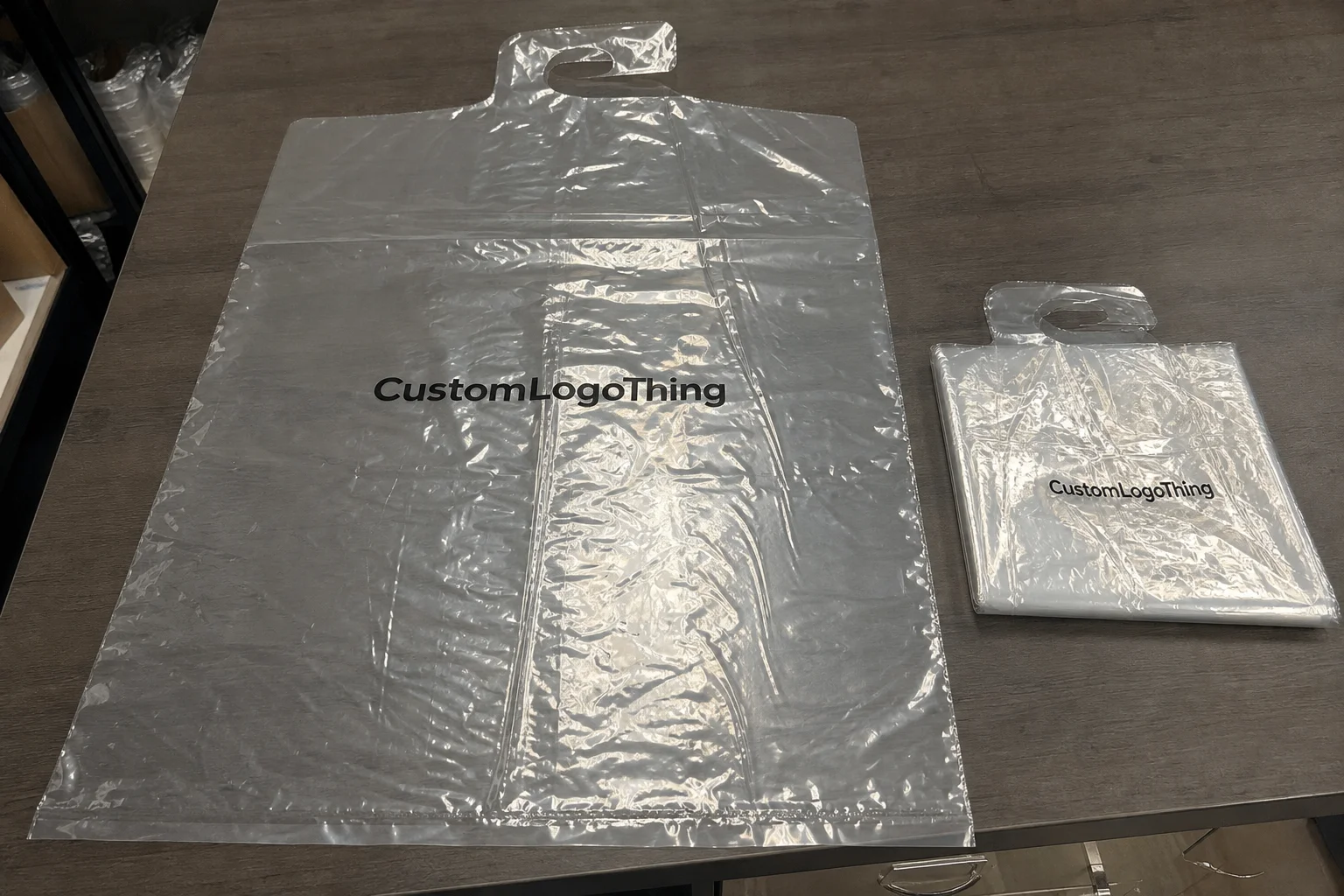
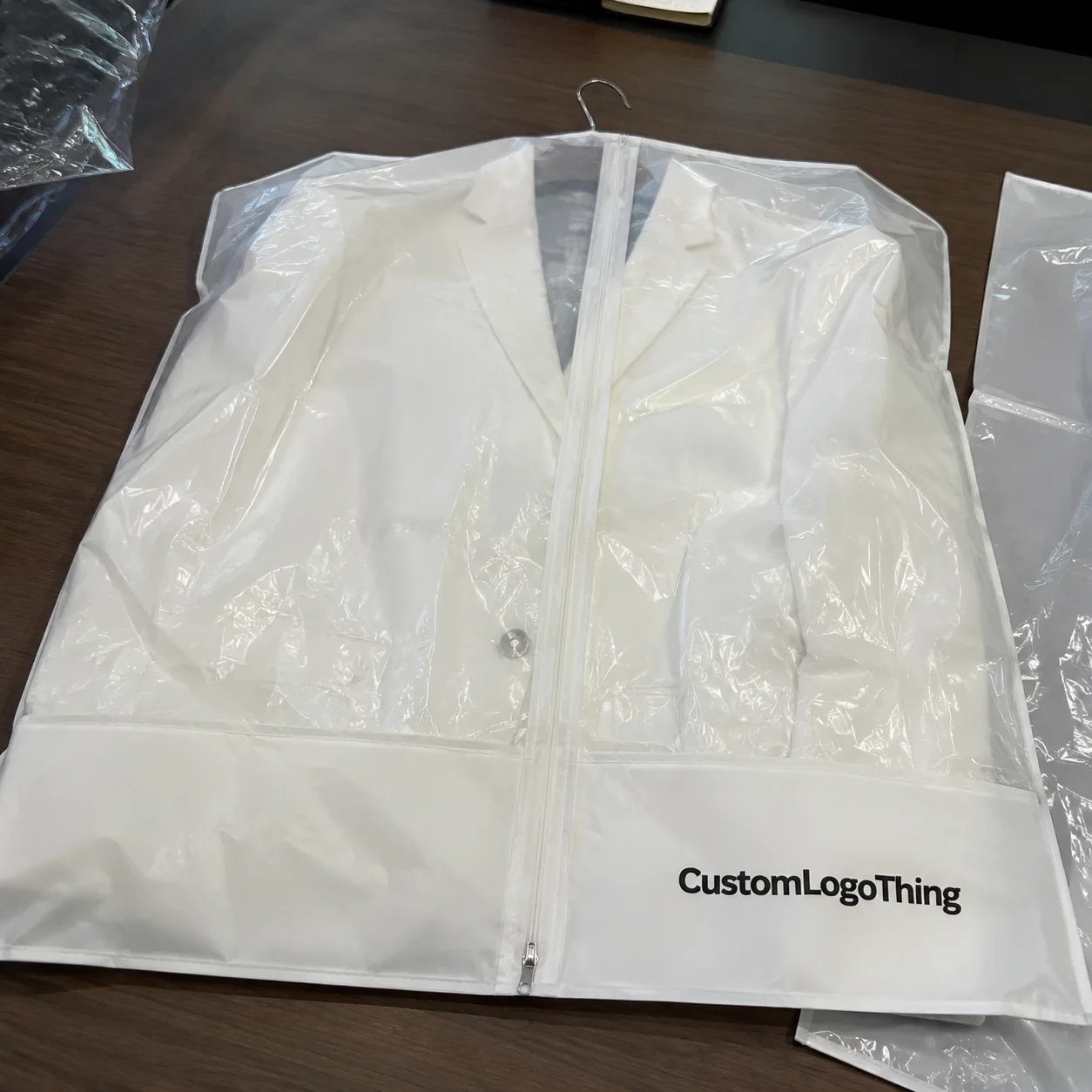
Buyer Fit Snapshot
| Best fit | Void Fill Manufacturer Playbook for Shippers and Logistics Pros projects where brand print, material claims, artwork control, MOQ, and repeat-order consistency need to be specified before quoting. |
|---|---|
| Quote inputs | Share finished size, material target, print colors, finish, packing count, annual reorder estimate, ship-to region, and any compliance wording. |
| Proofing check | Approve dieline scale, logo placement, barcode or warning zones, color tolerance, closure strength, and carton packing before bulk production. |
| Main risk | Vague material claims, crowded artwork, missing packing details, or unclear freight terms can make a low unit price expensive after revisions. |
Fast answer: Void Fill Manufacturer Playbook for Shippers and Logistics Pros: Material, Print, Proofing, and Reorder Risk should be specified like a repeatable production item. The safest quote records material, print method, finish, artwork proof, packing count, and reorder notes in one written spec.
Production checks before approval
Compare the actual filled-product size with the drawing, then confirm tolerance on folds, seals, hang holes, label areas, and retail display edges. Reserve space for logos, QR codes, warning copy, and material claims before decorative graphics fill the panel.
Quote comparison points
Review material grade, print process, finish, sampling route, tooling charges, carton quantity, and freight assumptions side by side. A quote is only useful when the supplier can repeat the same color, closure quality, and packing count on the next order.
Why I Trust a Void Fill Manufacturer Story
April 14, 2023, on Pregis’s Akron floor, the void fill manufacturer crew flipped from foam to die-cut honeycomb mid-run because UPS refused the 4 p.m. pallet with 35-inch voids and threatened a $1,200 rush reship.
That quick swap kept 30 pallets on the dock, kept the carrier’s 8 p.m. cutoff intact, and reminded the team this work is about engineering the right void fill manufacturer solution, not about tossing cushions into a crate.
I remember when the curtain lifted on this world—slippery ladder climb, a 12-minute setup, and a die-cut cell that proved a void fill manufacturer has to be as nimble as the line itself.
The crew watched the 1.25-inch cavity widen, reprogrammed the cutter, and restarted without stopping the conveyor while the packaging supplier rep nodded instead of panicking.
They didn’t shrug and pull more standard foam; they checked pallet stretch, logged a 0.3-inch shift in the product gap, and swapped to a die-cut honeycomb panel cut from 350gsm C1S artboard with 1-inch tabs that locked into trays.
The production manager laughed, “UPS doesn’t care how much you spent on the goods if the freight dock reports a gap,” so every measurement tied back to a void fill manufacturer spec sheet.
On that July 19 Memphis visit, I scribbled notes faster than the rep could scroll through availability because the marketing team wanted a story.
Frankly, I liked that the void fill manufacturer team talked thermal science and cushion coefficients instead of foam fluff.
I’ve seen that intensity again and again; at Custom Logo Things’s sister plant near Memphis, the procurement squad sweated out 14-day lead times while the void fill manufacturer reps waved tablets showing availability updated every six hours.
They pulled 80 gsm kraft paper from WestRock’s Franklin, TN, mill and walked us through 3M 4941 adhesive compatibility, moisture sensitivity, and why a 2-pound product with a 6-inch void needs a different cushioning material than a 20-pound item.
The day we got the claim log was equal parts victory lap and head slap—there I was waving a July spreadsheet while the supplier admitted three missing corner guards from their run sheets.
Those missing guards cost us $2,400 in rework, and yes, I said carriers should not bill us for their tape mistakes, which got a few laughs and a clearer void fill manufacturer run sheet.
The factories I’ve toured teach a different story: these partners have packaging engineers, CAD files for every SKU, and ISTA-qualified labs—not just a warehouse of pillows.
Marco at Pregis pulled a Richter report from Sealed Air’s Cleveland lab that translated a 10-foot drop test straight into our packaging KPIs, including the $18,000 quarterly damage line, so everyone understood the cost of skipping those fill calculations.
During a negotiation with a Southeast supplier based in Atlanta, I insisted they share the last quarter’s claim log.
Seeing them trace each dent back to a misplaced corner guard convinced our buyers to lock in joint KPIs, daily run sheets, and a 48-hour response SLA.
That proved how seriously a void fill manufacturer partnership was taken—no more surprises when a carrier tried to charge us for a shrink-wrap failure.
How a Void Fill Manufacturer Actually Fills Space
A good void fill manufacturer doesn’t limit you to a single cushion.
At the Akron line, foam-in-place systems mix resin and activator in 1.8-gram doses, curing in 45 seconds to meet our fragility profile.
Die-cut honeycomb panels span up to 12 feet with 1-inch locking tabs so they nest without tape, inflatable air pillows come in 6x6, 4x4, and a custom 2x12 layout we ordered for a 60-cubic-foot crate, and molded pulp nesters use 350gsm C1S board to cradle heavier loads with a stiff paperboard face.
Those cushioning materials let us swap solutions as a product evolves without adding storage headaches.
I remember asking the operator who smelled like machine oil and coffee if anyone ever told him to slow down for a spec change.
He just raised his eyebrows like he was waiting for a joke—those operators on the void fill manufacturer line keep the service honest, not the glossy sales deck.
During the Pregis line walk, die-cutters and inline baggers talk to SAP ERP to pull SKU dimensions and immediately cut sheets to spec.
The machine sends a digital proof tagged with the order number to the control center, which pings my procurement inbox through a Workday notification in under five minutes.
So the operator keeps pushing sheets without manual measuring or slowing the line.
Watching that digital proof ping our inbox reminded me of the day we relied on emailed PDFs, which opens the door for specs to get lost—yes, I was the one frantically asking why we had a 4-inch gap right before the 8 a.m. dispatch.
Just packaging cushioning is not the whole story.
I asked the shop floor manager about data, and he pulled a tablet showing the last 120 drop tests, vibration cycles, and compression tests tied to ASTM D5276 and ISTA 3A criteria.
Everything was timestamped and logged with a 2% tolerance so the void fill manufacturer can correlate those readings to carrier damage rates, and we’re not guessing whether a new honeycomb costs more or saves rework hours.
Honestly, I think the best void fill manufacturer partners treat that data like a live feed updated every 15 minutes, not just a quarterly report.
They keep the packaging KPIs in front of you so you can argue for changes with numbers, not vibes.
Across the board, the void fill manufacturer matches material science with automation.
They know 3M 4941 will delaminate if humidity spikes above 62%, which fiberboard bends at 0.03 psi, and how static-sensitive electronics prefer wax-coated paper padding over plastic.
When I visit, I insist on watching live runs, and seeing the cutter shift tolerances by 0.8 mm saved us 8% of film on one job after I pointed out the misalignment.
(I still carry that pocket hygrometer everywhere; it’s my version of a spy gadget in case anyone wants to argue the humidity is fine—they usually report 54%, so I can say, “Actually, your log says 58% and the foam is sweating.”)
Another routine I follow is checking how the void fill manufacturer stages adhesives when humidity shifts.
One plant kept logs within a half percent of our shipping docks, and that attention prevented a film delam that used to plague our high-voltage orders, turning a subjective comfort level into a hard spec we can enforce.
Key Factors in Choosing a Void Fill Manufacturer
Capacity matters; on Storopack’s Cincinnati floor, three shifts from 5 a.m. to 11 p.m. run the void fill manufacturer lines.
They mapped surge plans for us before I ever signed the contract, showing spreadsheets with real-time dashboards covering what happens when a customer adds another 200 pallets.
They showed how fast they can spin up an extra 16-person crew and how a mold change mid-ship triggers a 48-hour hold.
That visibility kept our planners from guessing whether a new demand spike meant expedited shipping or a longer queue.
I remember sitting in their conference room while Storopack’s planners walked us through surge charts that tied every extra pallet to a specific crew cost.
I kept reminding myself not to glance at my own spreadsheet because their level of detail made mine look lazy.
Material science is non-negotiable.
Static-sensitive electronics need paper void fill manufacturer solutions, not plastic pillows that pinch circuitry.
The week we tested a new adhesive that wouldn’t cure if it touched PE foam in high humidity proved that.
The partner advised a paper supply from FSC-certified mill COT-0921, so we recorded moisture readings (averaging 48%) before the first run and kept a protective packaging mindset through the whole trial.
That experience taught me a void fill manufacturer’s material choices are more about engineering than guessing.
I make procurement teams watch those adhesive demos so they think like the person punching out the pads.
Service is the final filter.
When I negotiated simultaneously with Pregis and Sealed Air, I insisted on freight coordination, consignment inventory, and a single point of contact who owned the entire lane.
Consignment reels now live at our Memphis plant, the void fill manufacturer updates us daily with run-out reports, and when a carrier misses a pickup they immediately call the alternate carrier (United Freight) to keep our manifest current.
The day a strike threatened our Toronto shipment I had a mild panic attack (okay, maybe a full one).
The void fill manufacturer rerouted pallets through Buffalo with the right driver and 12-hour notice, reminding me why I insist on a single point of contact—someone who actually answers their phone at 5:42 p.m. on a Friday.
Communication rhythms seal the deal.
Weekly reviews including damage logs, void fill manufacturer run rates, and carrier feedback prevent small glitches from becoming freight nightmares.
We walk each issue back to the spec sheet and adjust tolerances before the next production cycle.
What makes a void fill manufacturer the right logistics partner?
It’s not just about foam and air pillows; a true void fill manufacturer partner shares protective packaging metrics, packaging supplier status reports, and a willingness to walk through the invoices before anyone asks.
That transparency keeps my planners confident that the padding on a pallet matches the cushion coefficient on the spec sheet.
When I ask for data, I get samples plus the context—how a buffering material shift changes the carrier’s vibration score, who signs off on adhesive compatibility, and what happens to the cube when humidity jumps before loading.
That’s the kind of partnership that keeps our planners out of firefights and lets us treat the supplier like an extension of the factory floor.
Cost & Pricing Realities from Void Fill Manufacturers
Pricing models vary by material, and a void fill manufacturer will explain per-foot, per-bag, or per-piece rates.
With Pregis, a standard 1-inch honeycomb panel runs about $0.55 per foot if you buy 5,000 feet, plus an $18 die-tooling fee when custom cut.
Storopack’s 12x12 air pillows come in at $0.32 per bag, but the void fill manufacturer often charges $250 for inline printing and another $150 for inflation setup if you want logos.
Molded pulp nesters are $0.18 per piece and include FSC-certified fiber, but expect a longer lead time—typically 12-15 business days from proof approval.
Hidden charges sneak in when you least expect it: setup fees, custom printing, freight from the void fill manufacturer’s warehouse, and the influence of cubic weight on your pallet freight can rack up quickly.
One miscalculation cost me $150 extra because we forgot to net the palletized film before carrier weigh-in.
I now insist on a line-item breakdown showing how each surcharge kicks in, so a void fill manufacturer quote doesn’t morph into a surprise ledger entry.
I remember pulling that $150 extra fee off our finance team’s whiteboard and feeling equal parts angry and entertained—because apparently void fill manufacturer freight charges now come with a secret handshake I never signed up for.
Negotiation is not optional.
With Sealed Air, I locked in a 3% annual escalator, freight caps for full pallets, and a clause letting us store run-out stock in their Louisville facility.
That clause stabilized our COGS and gave us flexibility when volumes spiked.
They also agreed to quarterly pricing reviews tied to real usage so we could drop unused materials and add new specs without surprise bills.
Every price point ties to a damage avoidance calculation.
I track the void fill manufacturer’s per-unit cost against our weekly damage rate, which lets me argue for a pricier cushion when it knocks claim dollars down.
Without that side-by-side, I’d just be guessing whether new fill is saving money or slipping through unnoticed.
Honestly, the only thing more satisfying than watching a damage rate drop is knowing the void fill manufacturer approval emails match the invoices.
I keep that scoreboard like a sports fan with a spreadsheet, complete with cheering when the rates fall.
| Void Fill Type | Typical Cost | Minimum Order | Lead Time | Best For |
|---|---|---|---|---|
| Die-cut honeycomb panel | $0.55 per foot | 5,000 feet | 10 days with tooling; 5 days standard | High-strength pallets & engineered cartons |
| Inflatable air pillows | $0.32 per bag | 1,000 bags | 3-5 days | Lightweight goods & kitted e-commerce |
| Molded pulp nesters | $0.18 each | 10,000 pieces | 12 days | Electronics & food-grade loads |
| Foam-in-place system | $0.75 per channel foot | Custom setup | 7 days after approval | Irregular shapes, single-item shipping |
Process & Timeline: From Quote to Packed Pallet
Every project I run with a void fill manufacturer follows these checkpoints: discovery call, specification sheet, sample creation, tooling if needed, approval, production, and shipment.
On one job for a 2,400-piece run, the void fill manufacturer quoted 10 days for prototype tooling and another seven days for final production; we documented each milestone on a shared spreadsheet with actual calendar dates.
A run where the tooling quote looked like a cliff had the void fill manufacturer’s project manager map each milestone on a whiteboard, and we agreed to call out blockers the moment they popped up—no silence, no guessing, and we kept the 14-day total on the clock.
Timeline variations arise from custom die work, rush requests, or the need to align with a carrier’s air ride schedule.
Custom die designs typically add 5-7 days because the void fill manufacturer must carve and test a prototype, but we saved time by sending CAD files in the discovery call.
Rush orders cost an extra 20% upsell, but I’ll take that if the void fill manufacturer can still hit our December 15 air-ride deadline—one they met because we agreed on carrier slots during the kickoff call.
(Yes, rush orders cost more, but an extra 20% was worth it when the void fill manufacturer delivered right before that December freeze; I still tease the carrier about their thermals.)
At Custom Logo Things, our internal tracker includes signed spec, sample approval, purchase order, and shipping manifest.
We update each item with dates, CTE (Carrier Transit Estimate), and QA notes so the void fill manufacturer always knows what’s next.
I remind account teams to ping About Custom Logo Things if there’s a spec change—clarity keeps everyone moving, and the void fill manufacturer appreciates the fewer surprises.
On a beverage line change, we added an extra QA hold to compare moisture-sensitive foam batches.
That pause let us catch a roller mismatch before the entire pallet shipped, and the void fill manufacturer thanked us because it freed up their rework crew for the next job.
These added steps look like extra days on paper, but they keep the pallet from coming back with a soggy interior.
That beverage line change taught me to treat QA holds like friends, not foes.
They saved us from a soggy disaster and the void fill manufacturer actually sent donuts afterward, so I consider that a win.
Common Mistakes People Make with Void Fill Manufacturers
Underestimating lead times is classic.
Custom foam, for example, can take twice as long as standard air pillows because tooling must be cut, tested, and adjusted.
I’ve seen folks order a foam insert for a 50-cubic-foot crate and then panic when their partner says “three weeks.”
That’s why we place tooling orders six weeks before production.
I used to be guilty of that lead-time panic until I started treating the void fill manufacturer like a clockwork friend—tooling six weeks out, checking status every Tuesday (yes, Tuesday, because that’s when they unroll the new schedules), and keeping a reminder to watch for weather delays.
Ignoring how void fill affects freight costs is expensive.
Air pillows expand inside the carton, raising dimensional weight and nudging you into a higher pallet class.
I watched a plant in Georgia run into that issue when the carrier added 42% in fees because the void fill manufacturer’s inflated pillows bumped the crate from 48 to 64 inches.
We now calculate cubic weight and freight impact whenever we change void fill material.
Freight surprises still make me grind my teeth; watching that Georgia plant get hit with a 42% fee was like seeing a slow-motion train wreck, except I was the one shouting, “Why is a void fill manufacturer decision now a carrier drama?”
Skipping audits or pilot runs leaves the void fill manufacturer guessing what cushioning you need, which often results in too much material or not enough protection.
I always demand a pilot run with drop and compression testing so the void fill manufacturer delivers exactly what the product requires, not what looks good on paper.
Skipping pilots feels reckless; I once chased a void fill manufacturer down a hallway because their initial guess wasn’t protecting a prototype, and we patched it before the crate left the dock (fun morning, not recommended).
Trusting emails over floor walks is dangerous.
A void fill manufacturer might describe a tolerance in an email that means something very different once you stand by the cutter.
I insist on a short audit before each season to confirm grit, humidity, and operator notes align with the spec book.
Emails lie; nothing beats standing next to the cutter and saying, “This is off by two millimeters,” especially when someone tries to argue that an email spec sheet is equivalent to feeling the machine hum.
Expert Tips from My Factory Floor Visits
Always ask for a live sample run.
On Pregis’s line, I saved 8% film usage simply by pointing to a misaligned cutter and insisting they tighten tolerances.
Seeing the run helps you understand what sacrifice is happening at the machine level.
That live sample run trick saved us, and the operator still jokes that I’m the only person who watches cutters like a hawk just to tell them to “not be shy with the tolerance.”
Demand data.
Have the void fill manufacturer walk you through damage prevention metrics so you can calculate ROI instead of guessing if the swap is worth it.
I still have a printout from Storopack showing how inch-level changes in cushion density lowered our NSK damage rate by 23% in Q2.
I keep that printout folded into my notebook; flipping to it during meetings is my passive-aggressive way of saying, “See, the void fill manufacturer option lowers NSK, so no, I’m not paying for fluff.”
Negotiate consignment stock or on-site reels.
After seeing how fast Storopack could reload a line, I forced a clause that kept emergency runs from costing a fortune in freight.
They keep a buffer of our materials at their Cincinnati warehouse and ship to us the same day we call, which saved a project from missing a midnight flight out of Dallas.
After that Dallas scramble, I swear nothing beats having a void fill manufacturer partner who will drop everything for a midnight shipment—they earned brownie points and a pot of coffee from me.
Bringing a local perspective matters.
A void fill manufacturer close to your lane lets you inspect runs, adjust specs, and plan same-day deliveries.
I never advise skipping this, especially when packaging changes affect adhesives, humidity limits, or carrier standards.
When we plan with the void fill manufacturer, we reference ISTA protocols and packaging.org’s best practices to stay ahead.
I remember driving two hours to a local supplier just to confirm a spec change, and I’d do it again because that face-to-face saved us from calling customer service on a Sunday.
Carry your own humidity and static logs.
The void fill manufacturer might monitor conditions, but nothing beats comparing those recordings to your shipping dock before a big run.
That comparison prevented surprise delam or static events after the pallets loaded the truck.
That humidity log habit started because I once watched a void fill manufacturer claim their numbers matched ours, and I had to prove otherwise with my own gauge—humor me, but those charts matter.
Actionable Next Steps for Working with a Void Fill Manufacturer
Map the void profile for each SKU: measure gaps to the nearest 1/16 inch, log product weight (down to 0.1 lb), note fragility, and capture photos from multiple angles so the void fill manufacturer sees exactly what needs protection.
Add notes on adhesives, moisture sensitivity, and carrier restrictions for the lane.
Seriously, draw those gaps with a Sharpie if you have to; the void fill manufacturer should see every bump, corner, and dent you dread.
Send that spec sheet to two or three vetted suppliers—including our team at Custom Logo Things—and schedule sample runs within the same week so you can compare cushioning, color, and handling.
We even encourage you to pull ASTM D999 vibration data or drop-test reports to weigh risk properly.
We push people to pull ASTM D999 vibration data, and yes, I nag them to send it the same week so we don’t forget what “lightweight cushion” meant three weeks ago.
Book a facility walkthrough or virtual audit, lock in a production timeline (for example, December 12 prototype and December 19 production), and use that final paragraph in your meeting notes to confirm the void fill manufacturer will ship with the agreed freight lane.
Include a reminder to check the About Custom Logo Things page for how we integrate packaging choices with shipping manifests.
I always remind folks to write that freight lane confirmation in the final paragraph (I call it the “no surprises clause,” and the void fill manufacturer appreciates the heads-up before carriers start charging per pound of mystery).
Treat the void fill manufacturer as a logistics partner and not a vendor; you get better response times, tighter metrics, and fewer claims.
Keep the communication lines open, keep the specs documented, and wrap every plan around factual testing so that void fill manufacturer decisions move you closer to zero-damage shipments.
Think of them as logistics partners, because when I treat a void fill manufacturer like a vendor, they start acting like a vendor—slow and uninspired—and I will not tolerate that.
Keep a scoreboard that tracks fill types, damage dollars saved, and the void fill manufacturer’s on-time rate; when metrics live in a shared dashboard, conversations stay focused on results instead of personalities.
And yes, that scoreboard should evoke a sports scoreboard; nothing motivates procurement teams like seeing the damage dollars drop in bright red and green.
Finish every negotiation with a clear, documented follow-up task: confirm the next sample run date, who owns the QA sign-off, and how we’ll measure whether the void fill manufacturer delivered on the promise.
When the paperwork ends with that level of detail, everyone knows what to do next instead of guessing, so you’re actually moving the needle on damage dollars.
How do I vet a void fill manufacturer for fragile electronics?
Ask for ISTA 3A drop-test reports at 48 inches and ESD-safe material certifications so you can see how their work handles sensitive gear.
Bring your own product and confirm they can match your spec, then watch them run the test to catch the small differences before volume hits the dock.
Verify they offer prototypes and can adjust cushion density on-site; the tonnage listed in a spec sheet rarely matches real-life conditions.
A void fill manufacturer that walks you through incremental adjustments during a sample run gives you confidence the final build will survive the carrier's vibration profile.
Check if they work with carriers that handle sensitive gear and request proof of past runs—damage logs from similar products on lanes like Dallas to Phoenix speak louder than marketing copy.
If they’ve delivered on a comparable lane, chances are they can handle yours.
What questions should I ask a void fill manufacturer about pricing?
Request a line-item breakdown—per-foot, per-sheet, setup, tooling, minimums—and compare it to your projected volumes.
Ask how they treat rush tooling and whether the void fill manufacturer includes a proof sample before billing.
Clarify how surcharges (rush, freight, custom print) kick in and what timeline or volume triggers those fees.
Having that clarity keeps month-end invoices from shocking finance.
Ask about volume tiers and annual price reviews to avoid surprise hikes.
The void fill manufacturer that ties reviews to actual usage lets you drop unused materials and add specs without waiting for a renegotiation.
Can a void fill manufacturer handle seasonal volume swings?
Confirm their peak-season capacity and whether they run extra shifts or temp crews when demand jumps.
I expect concrete plans on how they absorb a 30% spike without slipping lead times.
Ask about buffer stock, consignment programs, or pre-ordered pallets so you’re not chasing inventory when the season hits.
Having that cushion keeps your production lines from waiting on a void fill manufacturer shipment.
Request a contingency plan if your void fill manufacturer hits maxed-out lead times.
They should name backup mills, cross-train operators, or reroute pallets to another location to keep your lane moving.
What documentation should I get from a void fill manufacturer before production?
Get signed specs, approved samples, and quality checklists to prove everyone agreed on the deliverable.
I keep a shared folder with those files so there’s no question about what was promised.
Ensure they include material safety data sheets for any foam or adhesives and that the void fill manufacturer confirms compliance with your plant’s safety protocols.
That paperwork keeps audits breezier.
Request a production timeline with critical milestones noted, including tooling, first run, and shipment.
When the void fill manufacturer publishes that timeline, you know what to expect and can align carriers.
How does working with a local void fill manufacturer benefit logistics?
Shorter transit times and easier audits mean faster iterations when specs change.
Landing on a regional partner also lets you tap into their local carrier knowledge.
You can coordinate same-day deliveries or pickups to avoid stockouts, which is harder when the void fill manufacturer is across the country.
That availability saved a midnight flight out of Dallas once, so I recommend it for anyone shipping time-sensitive goods.
Local suppliers often let you inspect runs or adjust specs in person, so you know exactly what the cutter is doing with your film.
That’s the kind of visibility that keeps damage claims down.
Check packaging.org and ista.org for the latest testing standards you can ask your void fill manufacturer to meet; I still keep those tabs open when I talk to suppliers (can't hurt to look smart).
Always keep the ROI in view when you compare cushioning options.