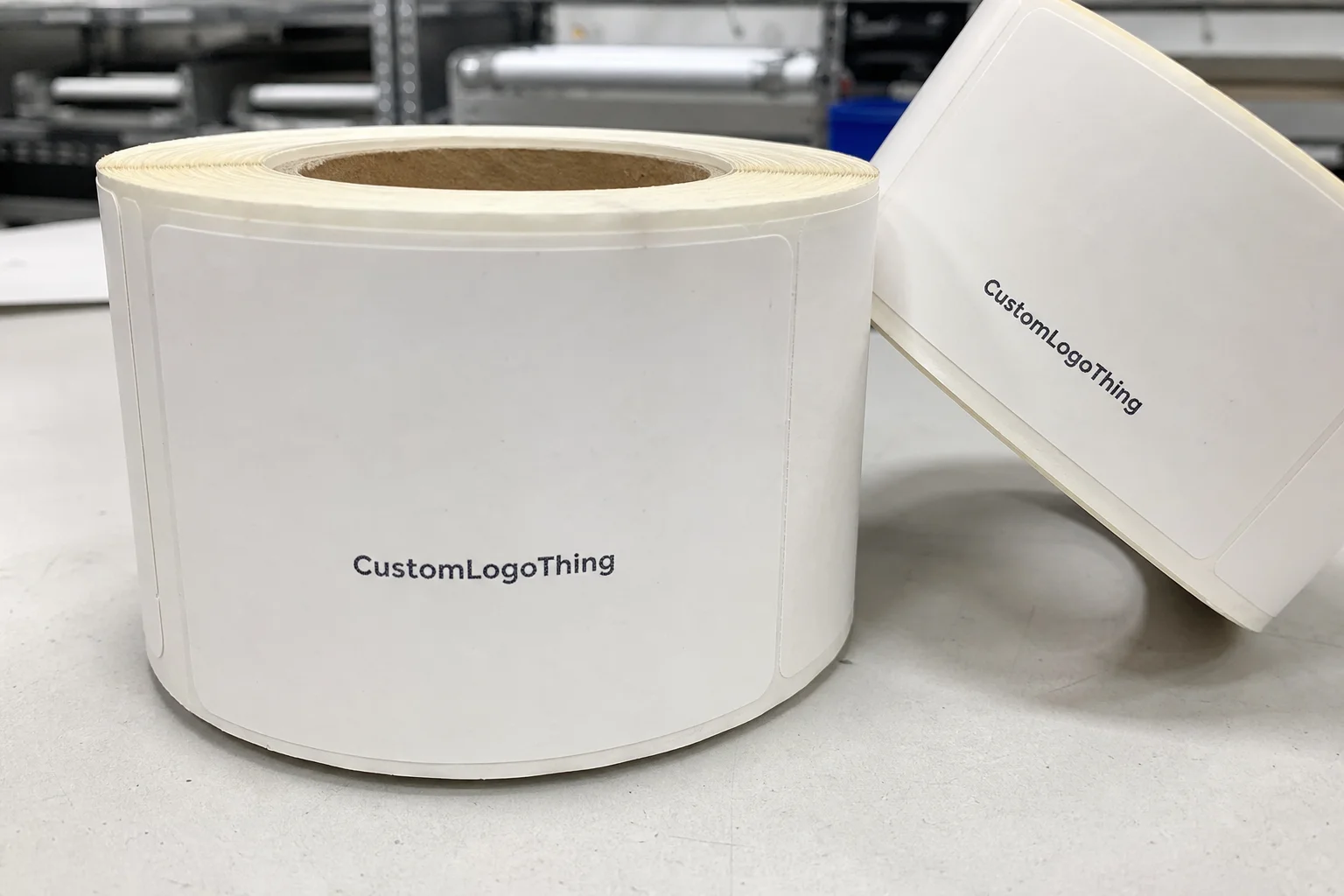
Walgreens custom labels can be useful for apparel and packaging work, but only if the label spec matches the job. A clean mockup is not proof that the material will hold up on fabric, survive handling, or stay readable after contact, folding, or moisture. That mismatch is where a lot of small brands lose time and money.
The label itself is usually the smallest line item in the budget, which is part of the problem. Small parts get treated like small decisions. In practice, they can affect how a product looks on the shelf, how it ships, and whether customers trust the finish. A label that curls, smears, or peels early makes the rest of the packaging look cheaper than it is.
If you are building a small apparel line, finishing school merchandise, or packaging promotional garments, think about the label as a production component, not decoration. Adhesive strength, print durability, edge quality, and application method all matter. A good spec does not need to be fancy. It does need to be fit for purpose.
Why Walgreens Custom Labels Seem Easy, But Often Aren’t
The usual assumption is simple: if the design looks fine and the quote is reasonable, the order should be straightforward. It rarely is. Walgreens custom labels may be easy to place, but apparel and packaging are not forgiving environments. Fabric moves. Heat softens adhesive. Freight can scuff the surface. Wash cycles are harsher still. A label that works on a flat carton may fail once it touches clothing.
That is why buyers need to separate promotional labels from functional apparel labels. A promo label might only need to identify a product, brand a polybag, or sit on a folded insert. A clothing label can have a longer job. It may need to remain legible after repeated handling, resist edge lift, and survive pressure from stacking or shipping. Same category name. Very different performance requirements.
For small runs, the best use cases tend to be temporary branding, size identification, care information on packaging, folded-garment labels, and event merchandise. Those jobs fit into a broader Custom Labels & Tags workflow alongside hang tags and insert cards. If the label only touches paper stock or a polybag, the material choice is easier. If it touches fabric, the requirements rise immediately.
Buyers often miss how many variables live inside a simple label order:
- Adhesive behavior on cotton, polyester, blends, and coated packaging.
- Cut quality, because small labels reveal rough trimming fast.
- Ink or toner durability after handling, bending, and shipping.
- Surface compatibility, not just visual appeal.
- Application method, since peel-and-stick, sew-in, and transfer labels are not interchangeable.
The cheapest option only makes sense if it still looks right after the product leaves the box. That is the standard. Anything less is an assumption, not quality control.
For brands coordinating apparel labels with boxes, inserts, or mailers, it helps to think of the label as part of the packaging system, not a separate purchase. If you are already sourcing Custom Packaging Products, the label should match the presentation level of the rest of the kit. Otherwise the weakest piece sets the tone.
How the Ordering Process Usually Works
The ordering path is usually simple on paper. In practice, most delays come from missing information. A clean process starts with the use case, then the size, material, artwork, proof, quantity, and delivery window. That order matters because the material recommendation depends on where the label will live.
Before placing an order for Walgreens custom labels or any comparable apparel label run, buyers should have a few basics ready:
- Final artwork in vector format if available.
- Exact dimensions, not a rough comparison to another product.
- Brand color references or Pantone targets.
- The surface the label will touch: fabric, paper, film, or board.
- The attachment method: peel-and-stick, sew-in, transfer, or temporary use.
- Quantity range, because 250 labels and 5,000 labels are priced differently for a reason.
Proof review is where many mistakes should be caught and sometimes are not. Check bleed, trim, spacing, contrast, and copy accuracy. If the logo sits too close to the cut line, that is not a minor detail. It can become a production defect. If the type is small and the contrast weak, it may look acceptable on a screen and still print muddy in real life.
If a proof looks “close enough,” it usually is not. Print exposes vague approvals.
The difference between a retail-style label order and a more controlled apparel-label workflow is the amount of setup around the art. A real production workflow expects a dieline, a defined finish, and a known application surface. That is why labels tend to work better when they are planned with the packaging system rather than added after the rest of the design is finished.
Timing matters too. If the label is tied to a launch, event, or seasonal drop, build in more time than the quote suggests. Rush orders can work, but they narrow the margin for corrections. Once a job moves into production, small mistakes become expensive to fix.
Walgreens Custom Labels: Cost, Materials, and Real Tradeoffs
Pricing on Walgreens custom labels is shaped by the same variables that drive most custom print work: quantity, material, finish, cut complexity, and whether the order needs proofing or rush handling. The headline price can look attractive, then rise once setup, shipping, special cuts, or a reprint enter the picture. That is normal. It is also why unit price only matters after the full landed cost is known.
Small batches usually cost more per label because setup is spread across fewer pieces. Larger runs lower the per-unit price, but inventory risk rises. If you order 2,000 labels for a product that changes every month, the lower unit cost may not be saving anything. It may just be sitting in storage.
Here is a practical comparison of common constructions used for apparel and retail packaging tasks:
| Label Type | Best Use | Typical Durability | Common Price Range | Notes |
|---|---|---|---|---|
| Paper label | Short-term packaging, inserts, polybags | Low to moderate | $0.04-$0.12 per unit at mid-size runs | Low cost, but not built for washing or hard handling. |
| Polyester film | Care labels, size labels, product identification | Moderate to high | $0.08-$0.22 per unit | Better resistance to scuffing and moisture. |
| Synthetic woven-look label | Brand presentation on garments and premium retail packaging | High | $0.12-$0.30 per unit | More polished appearance, often worth it for branded presentation. |
| Removable adhesive label | Promo garments, temporary identification, folding cartons | Variable | $0.06-$0.18 per unit | Useful if the label must come off cleanly. |
The table gives a starting point, not a final answer. Finish changes the result as much as substrate does. Matte usually reads softer and more restrained. Gloss pushes color harder and can make a logo stand out. Coating or lamination improves resistance to rubbing and moisture, but it also changes reflectivity and feel. That can help or hurt depending on the product.
Price is only part of the tradeoff. A label can be inexpensive and still be a poor buy if it fails early. A slightly higher-spec label can be cheaper in practice if it reduces spoilage, reprints, or customer complaints. That is especially true in small apparel runs, where a single bad batch is visible fast.
For buyers who want a more standards-based view of packaging quality, it helps to understand how testing and sourcing are handled in the broader industry. ISTA publishes shipping and packaging test standards on ISTA’s testing standards site. If your packaging mix includes paper components at scale, FSC certification can also matter. See FSC certification information for the basics. Those references do not choose a label for you, but they help separate production-aware suppliers from guesswork.
Compare quotes on more than the unit price. Ask about artwork prep, proofing, adhesive type, wash resistance, rush fees, and reprint policy. A $0.09 label that fails after one wear cycle is not cheap. It is a second order waiting to happen.
Material, Finish, and Adhesive Choices That Actually Matter
Material is where the job either works or becomes a nuisance. For apparel and related packaging, the usual options are paper, synthetic film, polyester, and woven-look visuals. Each solves a different problem. Paper works for short-lived inserts or packaging. Synthetic film and polyester handle moisture, abrasion, and handling better. A woven-look label can give a more textile-like appearance without requiring sewn construction.
The finish should match the brand’s visual language. Matte feels calmer and often reads as more premium on soft goods. Gloss gives stronger color and sharper contrast. Coated or laminated finishes hold up better against abrasion, but the change in surface feel can be noticeable. That is useful in some product lines and wrong in others.
Adhesive is where many low-cost orders fail. A label that looks perfect on a proof can still perform badly if the adhesive was intended for cardboard rather than fabric. On folded apparel, the adhesive needs to stay in place during handling and release cleanly if removal is part of the use case. On polybags, adhesion is usually easier. On textured or stretchy fabric, the margin gets smaller.
Before approving a production run, test the label on the real surface. Not a similar one. The actual garment, insert, or packaging stock. You want three answers: does it stick, does it stay flat, and does it remove cleanly if that matters? A spec sheet can describe the material. It cannot tell you how it behaves on your product.
For brands using Walgreens custom labels as part of a broader packaging system, the label should support the rest of the setup. A sturdy box can make a weak label look worse. A simple, modern apparel line can feel disjointed if the label is overly glossy or visually loud. Good packaging is mostly consistency, and labels are a visible part of that.
One practical note: if the label will face refrigeration, condensation, abrasion, or frequent handling, say so early. That changes the material recommendation, the finish, and often the adhesive. Understating the use case usually creates a predictable result, and the result is a label that performs exactly as designed for the wrong environment.
Process and Turnaround: What to Expect Before You Order
Turnaround is not only a shipping question. It starts with artwork readiness, proof approval, stock availability, and production load. A clean job can move quickly. A messy one cannot. The usual sequence is quote, art prep, proof approval, production, packing, and delivery. The production clock does not really start until the proof is approved.
For a straightforward run, a reasonable lead time is often around 7 to 15 business days after approval. Rush service can shorten that, but it brings tradeoffs: higher cost, less room for corrections, and less flexibility if the artwork still needs cleanup. If a supplier promises speed without asking about dimensions, surface type, or application method, that is not efficiency. It is a warning sign.
Time is usually lost in the same places:
- Artwork files that need cleanup or conversion.
- Missing dielines or incorrect dimensions.
- Color expectations that were never defined.
- Late copy changes after proofing.
- Questions about material or finish that should have been settled before the quote.
If the label is part of a launch, trade show, or seasonal drop, build a buffer into the schedule. Packaging teams often discover that the fastest route to stress is assuming every part of the order will finish on the same day. A few extra business days can keep a small delay from becoming a missed release.
For brands coordinating labels with boxes, inserts, or mailers, align the label timeline with the rest of the Custom Packaging Products order. If the box arrives and the labels do not, the packaging plan is now a logistics problem.
The practical rule is simple. Order early enough to leave room for proof corrections, keep the artwork clean, and treat lead time like a real production schedule. Walgreens custom labels can fit tight timelines, but only when the inputs are final and the spec is settled.
Common Mistakes When Buying Clothing Labels
Most bad label orders come from a small set of errors. None of them are complicated, which is why they keep happening.
- Choosing a material that looks good but fails on fabric, folds, or wash cycles.
- Ordering a size that is too large for the garment or too small to read once applied.
- Skipping proof review and approving spelling errors, weak contrast, or bad trim placement.
- Using the wrong attachment method for the job.
- Buying too little, then paying more for a rushed second run.
Size mistakes show up often. A label can look elegant in a mockup and still overwhelm a small garment or disappear on a larger package. Proportion matters. A 1 inch by 2 inch label may work on a folded tee, while a 3 inch square can fit a mailing box but look clumsy on apparel. There is no universal size standard because the product sets the scale.
Another failure is treating every label application as if it behaves the same. A peel-and-stick label is not a sew-in label. A temporary promo sticker is not a care label. A transfer-style mark is not a packaging label. The construction matters because the use case matters.
Small runs still need quality control. If a typo makes it through one proof, it can be repeated across every piece. That is how a low-cost order turns into an expensive correction. Print does not care that the mistake was accidental. It reproduces the mistake faithfully.
For buyers building branded packaging, the label should feel like part of the same system as the carton, insert card, or mailer. If the custom printed box is crisp and the label looks rushed, customers notice. They may not name the problem, but they feel the difference.
What to Do Next Before You Request a Quote
Before asking for pricing, write a one-page label brief. Keep it direct. Include the product type, garment material, label size, finish, quantity range, target delivery date, and how the label will be applied. That gives the vendor enough context to recommend a spec instead of defaulting to the easiest option to print.
Then gather the source files. A clean logo, final text, size requirements, and color references are usually enough to begin a proof. If you have a photo of the garment or packaging surface, include it. Visual context matters more than most buyers expect. It is easier to recommend the right adhesive when the surface is clearly fabric, coated stock, or film.
A small sample or material recommendation is worth asking for before the full run. Test batches are especially helpful if the label still needs validation for fit, adhesion, or appearance. The unit cost will be higher. That is the price of learning early instead of discovering a problem after thousands of labels are printed.
When comparing quotes, compare total landed cost. Include setup, proofing, shipping, and any rush fee. Not the first number in the estimate. If the quote is vague, ask for line-item clarity. A serious supplier should be able to explain the tradeoff between cost, turnaround, and durability without hiding behind marketing language.
In practical terms, Walgreens custom labels can work for clothing and packaging, but only if the surface, adhesive, and finish fit the real use case. Get the spec right first. Then buy the quantity that matches the run. That is the difference between a label that supports the brand and one that quietly drains budget.
Are Walgreens custom labels good for clothing tags and apparel packaging?
They can work for simple apparel packaging uses, but clothing labels need the right adhesive, finish, and durability for the actual application. If the label will touch fabric, be washed, or stay on a garment, material choice matters more than the storefront name on the order page.
What affects the price of Walgreens custom labels the most?
Quantity is usually the biggest driver, followed by material, finish, cut complexity, and whether the order needs proofing or rush service. Shipping and setup can also change the real unit cost, especially on small runs.
How long do custom clothing labels usually take to produce?
Typical turnaround depends on proof approval, stock availability, and order size. A straightforward run often takes about 7 to 15 business days after approval, with rush service available in some cases. Build in extra time if the label is tied to a launch, event, or seasonal drop.
What file do I need to order custom labels without delays?
A clean logo file, final text, size requirements, and any color references will speed up proofing. It also helps to provide where the label will be applied, because that affects material and adhesive recommendations.
Can I order a small batch of custom labels first?
Yes, small batches are useful for testing fit, adhesion, and brand presentation before committing to a larger run. Expect higher unit cost on low quantities, but lower risk if you are still validating the design.