Washed Cotton Dad Hat Colorfastness Guide for Buyers
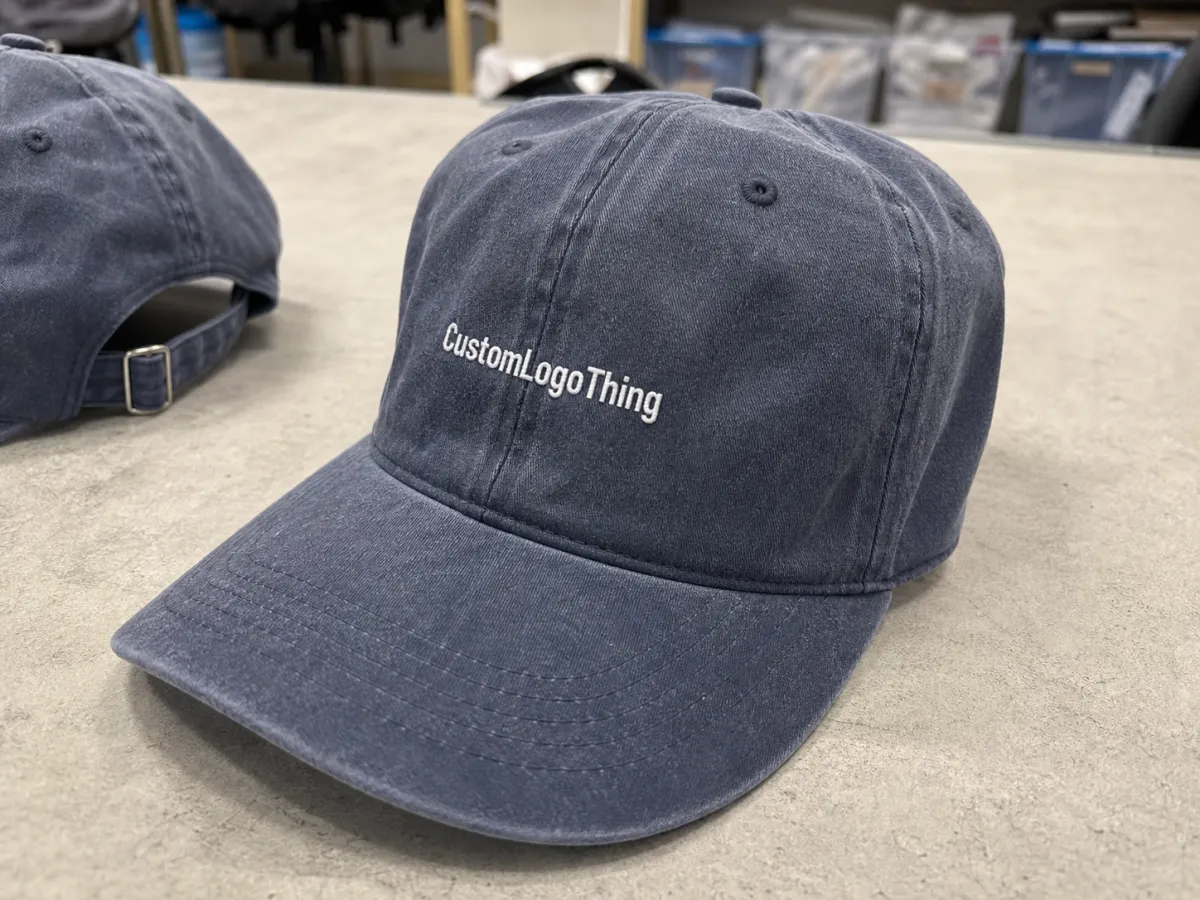
A brand signs off on a dusty navy sample that looks spot-on: soft, broken-in, and faded in the right way. Then the bulk order lands after embroidery steaming, tight bagging, carton pressure, and a humid week in storage, and the shade comes in lighter than expected. Worse, the front panel and visor no longer feel like they belong to the same cap.
That is the kind of problem a washed cotton dad hat colorfastness guide should help buyers avoid. The point is not to make washed cotton act like molded plastic. Cotton takes in moisture, dye reacts to abrasion, and garment washing intentionally disturbs the surface. The real job is to keep fading, rubbing, sweat, sunlight, trim matching, and packing pressure under control so the finished cap still looks deliberate after shipping and normal wear.
Washed cotton is supposed to look relaxed. Mild fading is part of the appeal. The red flags are different: dye transfer onto tissue paper, sweat halos around the band, sun streaking across the crown, visor edges that fade too fast, or panels that look like they came from different production runs.
There is a clear difference between a controlled vintage wash and poor colorfastness. A good wash gives the cap character without breaking the product apart visually. Poor colorfastness means the crown, side panels, visor, sweatband, fabric strap, and closure age at different speeds. That is how a simple merch run turns into returns, reships, and awkward conversations.
This guide covers the dye and wash choices that affect color stability, the checks buyers can run before bulk production, where formal testing helps, what to put in a quote, and the shortcuts that cause fading, transfer, and shade mismatch.
How Colorfastness Works on Garment-Washed Cotton Caps
Colorfastness means resistance to color change or color transfer under stress. For caps, that stress usually comes from rubbing, sweat, moisture, sunlight, heat, washing, handling, and pressure inside packaging. Lab reports use cleaner terms, but buyers usually describe the problem more simply: why did this navy cap mark the white mailer, or why did the black one turn brown at the seams?
Washed cotton dad hats are more vulnerable than many structured caps because the fabric is soft, the build is relaxed, and the wash process opens up the cotton surface. A six-panel unstructured cap bends, puckers, and rubs at seams, visor edges, back straps, and crown folds. That lived-in feel is the selling point, but it also gives color more chances to move.
Pigment-dyed cotton usually sits closer to the fiber surface. It is popular because it creates the dusty, vintage, already-owned look buyers often want from washed cotton dad hats. The tradeoff is higher risk of rubbing and fading, especially in black, navy, burgundy, forest green, rust, and saturated red. Reactive-dyed cotton bonds more strongly with the fiber, so it generally holds color better, though the finished cap may look cleaner and less worn-in.
The wash process matters just as much as the dye. Enzyme wash softens the fabric and gives a mild aged effect. Stone wash adds abrasion and more shade variation. Acid wash or a heavy vintage wash brings more personality, but it also raises the chance of panel mismatch, pale seam edges, and weak-looking high spots on the crown or visor. Personality costs something. Usually predictability.
Transfer points are easy to miss during sample approval. Sweatbands, woven labels, polybags, tissue paper, hangtags, fabric pouches, fulfillment handling, and light-colored apparel can all pick up loose color. A cap can photograph beautifully and still fail in shipping if dark pigment sits against white paper under pressure for several humid days.
You may see terms such as crocking, perspiration fastness, washing fastness, and lightfastness. Crocking is color rubbing off onto another surface. Perspiration fastness checks how color holds against acidic or alkaline sweat. Washing fastness measures how the fabric behaves when cleaned. Lightfastness looks at fading from exposure to light. These are simply ways to stress the hat before the customer does.
Key Colorfastness Factors Buyers Should Check Before Ordering
Start with the fabric. A loose 180gsm cotton twill may feel soft and casual, but it can show abrasion and panel variation faster than a denser 220gsm to 260gsm twill. Heavier fabric is not automatically better; a stiff cap can miss the dad-hat feel entirely. Still, a tighter weave gives the dye and wash process a more consistent base, especially for darker colors.
Color choice sets the risk level early. Black, navy, forest green, burgundy, rust, and strong red need more attention because they show crocking, fading, and sweat marks clearly. Khaki, stone, washed olive, faded charcoal, dusty blue, washed denim, and muted clay are more forgiving because the design already allows visible variation.
Construction details can make small color movement look larger. Unstructured six-panel crowns, curved brims, fabric straps, antique metal buckles, contrast stitching, sandwich visors, and white embroidery all create reference points where fading becomes obvious. A curved brim edge gets touched constantly. A fabric strap sits against hair, skin, and sweat. White contrast stitching on a dark pigment-dyed cap makes pale seam lines stand out even more.
Decoration changes the way the color reads. Embroidery compresses the fabric and may be exposed to heat, steam, and pressing during finishing. Polyester embroidery thread often holds its color better than washed cotton, which can create a sharp logo on a fading cap. Sometimes that contrast looks premium. Sometimes the logo looks new while the crown looks tired.
Patches solve some problems and introduce others. A woven, leatherette, or cotton patch can hide mild front-panel variation, but adhesive, backing, heat, pressure, and stitch density may affect the washed fabric below it. Ask whether the patch is sewn, heat-applied, or both. That small production detail can change the risk profile of a washed cap.
Sweatband color deserves more attention than it usually gets. A bright white sweatband inside a dark pigment-dyed cap is an obvious transfer risk. For black, navy, forest, burgundy, and rust caps, a charcoal, tan, navy, self-color, or darker neutral sweatband often performs better in wear and hides normal handling marks. The cheapest sweatband can become the most expensive decision if it stains or makes the cap look dirty after a few uses.
Buyer rule: approve washed colors in daylight, not only under studio lights. LED lighting, phone auto-correction, and warehouse fluorescents can make one dusty navy look like three different caps.
Write down the shade tolerance. Phrases such as “within one shade of approved sample,” “no obvious panel mismatch when viewed at arm’s length,” or “minor vintage variation acceptable, heavy streaking not acceptable” are more useful than saying the color should “match.” Vague approval language leaves too much room for argument after the cartons arrive.
Process and Timeline for Testing Dad Hat Color Stability
A sensible process starts before bulk fabric is cut. Confirm the target color, choose the dye method, select the wash level, review a lab dip or fabric swatch, produce a physical cap sample, test rubbing and moisture exposure, adjust if needed, then approve bulk production. Skipping steps saves time only if nothing goes wrong.
Lab dips often take 3 to 7 working days. Physical cap samples commonly take 7 to 14 working days, depending on fabric, trim, buckle, sweatband, decoration, and wash availability. Extra colorfastness testing at an outside lab can add another 3 to 10 working days, depending on the methods you ask for.
If the order has a fixed ship date, build in time for a second sample round. A small color tweak is easy when you catch it early. It is expensive when you discover it after the bulk run is already moving.
For buyer-side checks, keep the process simple and repeatable. Compare the sample in daylight, rub a clean white cloth across hidden and visible areas, look at damp fabric after a short sweat or water test, and inspect the cap again after it dries. That will not replace lab testing, but it catches the most common problems fast.
Testing should include real storage conditions whenever possible. A cap that passes a dry rub test on a workbench can still leave color on tissue paper after a hot, sealed trip in a carton. If your order will sit in a warehouse, travel by sea, or ship into warm weather, ask for that scenario to be considered before approval.
Cost, MOQ, and Quote Details That Affect Colorfastness
Colorfastness choices affect pricing in small ways at first and bigger ways once you add testing, tighter tolerances, or special trims. Reactive dye, higher-grade cotton, longer wash cycles, and lab testing usually cost more than a basic pigment wash on standard twill. None of that is surprising, but buyers often miss how much of the quote sits in the details around the cap, not just the cap itself.
Minimum order quantity often changes the option set. A low MOQ may limit custom dye matching, extra wash trials, or multiple sweatband options. A larger order can unlock better material selection, but it also raises the cost of being wrong. That tradeoff is worth spelling out before anyone approves the sample.
Ask what is included in the quote. Does it cover lab dip revisions, sample shipping, wash testing, embroidery setup, color approval rounds, packing under tissue, polybag selection, and carton labeling? If the supplier does not list these pieces clearly, the final bill can drift after approval.
Packaging is not a side issue. Dark washed caps packed against white tissue, white cardboard inserts, or pale polybags can show rub marks that look like a product defect even when the cap itself is fine. If color transfer has been a problem before, request darker packing materials or a simple barrier layer.
Freight conditions matter too. Sea freight, humid storage, and hot containers can expose loose dye or weak finishing. If the order is going into a warm climate or long transit, mention that in the quote request. Suppliers can sometimes adjust the wash, packing, or final handling if they know the route ahead of time.
Common Mistakes That Cause Fading, Transfer, and Shade Mismatch
One common mistake is approving the sample only under bright showroom light. The cap looks fine there, then looks off under daylight, office LEDs, or warehouse fluorescents. Shade issues are easier to catch when the cap is checked in the same type of light where it will actually be sold or worn.
Another mistake is treating “vintage” as a free pass for any level of variation. Mild wash variation is part of the product. Random streaking, pale seam lines, and obvious panel drift are not. Buyers need to describe the line between acceptable character and a bad run.
Some teams focus on the crown and ignore the sweatband, strap, buckle, and lining. That is where a lot of wear damage shows up first. A cap may still look good from the front while the inside tells a different story.
Pressing and finishing can also cause trouble. Too much heat can flatten the wash effect, create shine, or shift how the pigment sits on the surface. Steam can make a cap look better for five minutes and worse the next day. If the sample was pressed heavily before approval, ask for a second piece finished the same way bulk production will be handled.
Finally, people forget that one cap can affect the whole shipment. If color transfer starts inside the carton, a good cap can stain a bad one and turn a small issue into a full claim. That is why packing tests matter even when the fabric itself passes.
Expert Tips for Ordering Washed Cotton Dad Hats That Hold Color Better
Choose muted tones when the design allows it. They age more gracefully, hide light rubbing, and look intentional longer. A washed olive or dusty navy usually gives you more room than a saturated red or deep black.
Ask for a production sample that matches the actual packout, not just the cap body. That means the same sweatband, same thread, same buckle, same tissue, same polybag, and the same finishing method. A clean cap in one setup can fail in another.
Keep the approval note blunt. Say what matters: no visible rub-off, no obvious panel mismatch, no white mark on the inside pack material, and no heavy streaking. Short instructions are easier to follow than a polished paragraph nobody wants to interpret twice.
When in doubt, ask for a dark backing or darker internal trim on dark caps. It is a small change that often saves a lot of grief later.
Next Steps Before You Approve a Bulk Dad Hat Order
Before you sign off, compare the cap in daylight, check it after light rubbing, and inspect the packing materials it will ship with. If the sample still looks balanced after those three checks, you are probably close.
Get the color tolerance in writing. Get the wash level in writing. Get the packing method in writing. Those three lines do more to prevent arguments than a long approval email ever will.
If anything feels vague, slow the order down and ask for another sample. That extra week is usually cheaper than fixing a warehouse full of caps that aged differently than expected.
FAQ
Do washed cotton dad hats always fade?
No. They are made to look relaxed, not unstable. The real issue is whether the fading stays even and intentional.
Is pigment dye bad for colorfastness?
Not automatically. It is just more likely to rub and fade than a stronger bond dye, especially on dark colors and heavily washed finishes.
What is the fastest way to spot a bad sample?
Check it in daylight, rub a white cloth across hidden areas, and look at the inside packing material after the cap has sat for a bit.
Should buyers always request lab testing?
Not always, but it helps when the order is dark, highly washed, or shipping into heat and humidity.


