Slouchy Knit Beanie Fit Sample Checklist for Buyers
Slouchy Knit Beanie Fit Sample Checklist Basics
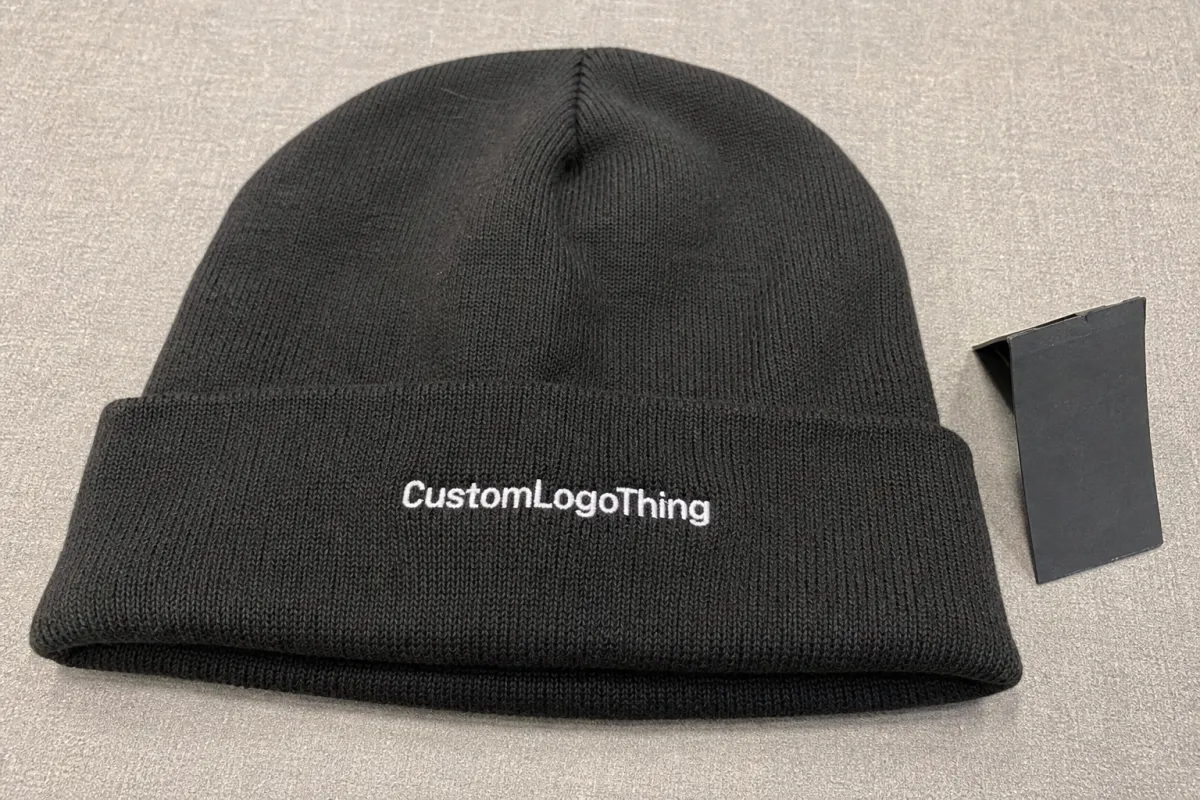
Most rejected beanie samples are not rejected because the logo is wrong. They are rejected because the crown drape, opening tension, and back slouch do not behave the way the buyer pictured once the hat is actually worn. That is why a slouchy knit beanie fit sample checklist is useful before a purchase order moves into bulk production.
A fit sample checklist is a buyer-side review sheet for the physical sample. It helps you evaluate fit, shape, stretch recovery, yarn hand feel, logo placement, trims, labeling, and packing presentation before the larger run is approved. A mockup can show artwork position. A tech pack can show dimensions. The real sample shows whether the beanie feels comfortable on a head and whether the slouch looks deliberate rather than stretched out.
Many buyers underestimate how engineered a relaxed beanie is. A slouchy beanie is not simply a longer cuffed beanie. Crown length, yarn weight, knit density, seam construction, and finishing all decide whether the fabric falls softly or collapses into an awkward pouch. Add a thick woven patch or stiff leatherette label to the front, and the balance of the hat can change quickly.
It helps to separate three common sample types. A design mockup is usually a flat digital proof showing color, logo size, and general placement. A pre-production sample is made close to final construction and decoration for approval before bulk production. A fit sample focuses on physical behavior: opening tension, comfort, crown height, drape, stretch, recovery, and how the decoration sits after the knit expands around the forehead.
A good checklist creates a shared language between the buyer, designer, merchandiser, and factory team. Instead of saying “make it nicer,” everyone can point to the same measurement, photo, or construction detail.
How Slouch, Stretch, and Knit Construction Work Together
The slouch effect comes from the relationship between total crown height, yarn softness, stitch structure, and the amount of fabric left above the head after the beanie is pulled into position. If the crown is too short, the hat reads like a standard beanie. If it is too long with no body, the back can sag flat and shapeless.
Knit structure matters more than a flat drawing suggests. A 1x1 rib knit stretches evenly and gives a snug, familiar fit. A 2x2 rib feels chunkier and often has a more casual look. Fisherman rib adds loft and warmth but can increase finished weight. Jersey knit gives a smoother surface for patches, although edges may curl if construction is not controlled. Waffle knit and cable knit bring texture, but logo placement needs closer checking because raised stitches can make embroidery or heat-applied trims sit unevenly.
Yarn content changes the personality of the hat. Acrylic is common because it offers a wide color range, soft hand feel, and budget-friendly pricing. Cotton feels breathable and natural, but it may have less recovery after stretching. Wool blends add warmth and loft, usually with a higher unit cost and more attention needed around care labeling. Recycled yarns can be a strong brand choice, but sample review should be tighter because texture, shade consistency, and stretch can vary by blend.
Gauge is the density of stitches. A tighter gauge gives a cleaner surface for woven patches, embroidery, and clamp labels. A looser gauge gives relaxed drape, but it also allows more movement, which can make a front logo appear slightly wavy after wear. For a retail-style custom beanie, review both the flat measurement and the worn look. The same 11-inch total height can behave differently across two knit gauges.
Stretch recovery deserves real attention. The opening should expand comfortably over the head, then return enough to avoid a loose, tired rim after repeated wear. Lining, fleece bands, or double-layer construction can improve warmth, but they may reduce the easy slouch buyers expect. If warmth is part of the brief, check the lined sample on a head before assuming the extra layer improves the product.
Fit Sample Measurements Buyers Should Record Before Approval
Numbers will not tell the whole story, but they keep the conversation honest. Your checklist should record opening width relaxed, opening width stretched, total height, cuff height if used, crown depth above the head, seam length, and approximate finished weight. For adult beanies, a flat relaxed opening around 8.25 to 9.25 inches is common, though that range depends on yarn, stitch, and target fit.
Measure the sample laid flat on a clean table without pulling the knit out of shape. Over-stretching during measurement creates false confidence. A loose opening can look acceptable if someone tugs it flat, then fail during a wear test because the rim gaps at the temples or slides upward.
- Opening width relaxed: Measure edge to edge across the bottom opening while flat.
- Opening width stretched: Stretch gently to a comfortable maximum, not to the breaking point.
- Total height: Measure from bottom edge to crown top, including cuff if present.
- Cuff height: Record folded height and check whether it stays even after handling.
- Finished weight: Weigh one sample in grams to compare bulk consistency later.
Try the sample on at least two head sizes. A smaller adult fit and a larger adult fit are often enough to reveal problems that flat measurements miss. The beanie may look polished on one wearer and too baggy on another. Photograph it from the front, side, back, and three-quarter angle while worn. Slouch is visual, and a back-view photo often tells the truth faster than a paragraph of notes.
Compare the physical sample against the approved tech pack, previous sample, or reference beanie. Use millimeters or inches rather than vague comments. “Reduce total height by 0.75 inch” is production language. “Less floppy” is not. Logo placement should also be measured while the beanie is worn, especially for woven patches, leatherette patches, direct embroidery, and clamp labels. Knit stretch can shift artwork upward, sideways, or into the curve of the head.
Do not skip hand feel. A sample can pass measurements and still feel wrong for the intended customer. Some acrylic yarns feel dry or squeaky; some cotton blends feel pleasant at first but relax too much; some wool blends need a softer interior or clearer care instructions. If the product will be sold at retail, the first touch matters almost as much as the front logo.
Process and Timeline From First Sample to Bulk Production
A clean process usually starts with confirmed artwork and yarn direction, then a tech pack, sample creation or adjustment, physical fit review, written comments, revision if needed, production sample approval, bulk knitting, finishing, quality control, and packing. Each stage is simple on paper. Delays usually appear in the handoffs.
Timeline depends on yarn availability, color matching, decoration method, trim sourcing, sample revision count, and packaging. A first physical sample often takes about 7 to 15 business days after artwork and construction details are clear. A revised sample may add another 5 to 12 business days. Bulk production for a typical custom beanie order may run 15 to 30 business days after approval, with shipping time separate.
The first sample often reveals decisions the buyer did not know they needed to make. Should the logo sit on the cuff, above the cuff, near the side seam, or centered on the front panel? Should the back seam be visible? Does the buyer want a relaxed streetwear slouch or a tighter outdoor-style fit? A slouchy knit beanie fit sample checklist keeps those decisions organized instead of scattered across email threads.
Clean comment rounds save real time. Group fit, color, logo, label, and packaging notes into one marked-up response. Sending one note on Monday, another on Wednesday, and a packaging question on Friday can restart internal review more than once. Rushing approval can be expensive because any fit issue approved at sample stage usually multiplies across the full production quantity.
- Receive the sample and confirm it matches the purchase order description.
- Complete a 24-hour visual review under daylight and indoor light.
- Run a wear test on at least two adult head sizes.
- Record flat and stretched measurements.
- Check decoration size, placement, stitching, and edge security.
- Review packaging fit, label placement, and carton instructions.
- Send written approval or one clear revision request.
Cost, Pricing, and MOQ Factors Behind Sample Decisions
A sample is not just one small hat. It can include yarn setup, knitting time, decoration setup, trim sourcing, technician review, and shipping. That is why a complex sample with custom yarn, woven patch, branded hang tag, and retail-ready packaging costs more than a standard blank beanie with a simple embroidered mark.
Major unit cost drivers include yarn type, beanie weight, knit complexity, number of yarn colors, decoration method, label material, packaging choice, order quantity, and quality control requirements. MOQ means the minimum order quantity needed to make setup practical. Lower quantities usually carry higher unit costs because yarn preparation, machine setup, decoration labor, and packing time are spread across fewer pieces.
| Feature | Typical Buyer Impact | Approximate Cost Behavior |
|---|---|---|
| Acrylic rib knit beanie | Good color range, soft hand, common promo or retail option | Often lower unit cost at 500+ pieces |
| Wool blend or recycled yarn | Warmer feel or sustainability story, tighter sample review needed | Usually higher than standard acrylic |
| Direct embroidery | Efficient for simple logos, may pucker stretchy knits | Can be economical for small marks |
| Woven or leatherette patch | Clean detail and retail feel, adds sewing and placement control | Commonly adds $0.40-$1.25 per unit depending on size and material |
| Kraft belly band or hang tag | Improves shelf presentation and brand messaging | Often adds $0.18-$0.45 per unit for moderate quantities |
| Individual poly bag or recyclable sleeve | Protects product and supports distribution control | Often adds $0.06-$0.28 per unit depending on material and print |
Decoration choices behave differently on knit goods. Embroidery can be efficient for simple marks, but dense stitches may distort a stretchy forehead area. Woven patches hold fine detail and keep the logo clean. Leatherette patches add perceived value and work well for outdoor, coffee shop, brewery, and lifestyle brands. Metal trims, specialty labels, and clamp tags raise both cost and handling time.
Packaging also affects price and presentation. Individual poly bags, recyclable sleeves, kraft belly bands, hang tags, barcode labels, size stickers, and retail-ready cartons all add steps. If sustainability claims are part of the brand brief, review the FSC label rules for paper-based packaging and the EPA recycling guidance for practical consumer-facing language. Claims should be accurate, not decorative.
Use the sample stage to decide which features truly matter. Removing one trim, simplifying the stitch pattern, or changing from a printed sleeve to a kraft belly band can reduce unit cost without making the beanie feel cheap. Not always, but often.
Common Fit Sample Mistakes That Cause Production Problems
The biggest mistake is approving from table photos only. A slouchy fit must be judged on a head because gravity, hair volume, forehead shape, and crown collapse all change the final look. A flat beanie can appear balanced and still look bulky or limp once worn.
Color checking under poor lighting causes trouble too. Heathered yarns, black, charcoal, navy, cream, and brand-specific colors can shift between warm indoor light and daylight. If color matters, check under daylight, office light, and a neutral light source. For tighter color control, ask whether a lab dip or yarn color reference is being used.
Vague revision language is another common problem. “More premium,” “less floppy,” and “better shape” sound reasonable in a meeting, but they do not tell production what to change. Say “reduce total height by 1 inch,” “increase opening tension slightly,” “move patch 0.5 inch higher from cuff edge,” or “use a firmer gauge for the crown.” Those notes are easier to act on and easier to verify.
Logo scale errors show up quickly on slouchy beanies. Artwork that looks balanced on a flat proof can become too large, too low, or wavy once the knit stretches around the forehead. A 2.5-inch patch may be right for a cuffed beanie but overpower a low-profile slouch shape. Always confirm logo size on the worn sample.
Packaging oversights are just as real. Hang tag holes placed through thick seams can distort the knit. Belly bands that are too tight can crush the relaxed crown. Poly bags that are too small can flatten the slouch and make the product arrive looking cheaper than it is. Packaging fit belongs on the same checklist because the customer sees the packed product first.
Wash, steam, and wear behavior also deserve a quick check. Some yarns relax after finishing. Some trims stiffen the front panel. Heat-press elements may feel secure at first, then show edge lift after flexing. If the order is intended for retail sale, discuss reasonable test expectations, care labeling, and inspection tolerance before bulk approval.
Expert Review Tips From a Production Floor Perspective
Handle the sample the way a real customer will. Stretch the opening. Put it on and off several times. Fold or adjust the cuff if there is one. Place it in the proposed packaging, then take it out and see whether the shape still looks intentional. A beanie that only looks good once, after careful styling, is not ready for broad distribution.
A simple review sheet with pass, revise, and reject columns works well. Use one line each for opening tension, total height, crown drape, seam appearance, yarn hand feel, logo placement, logo durability, label position, packaging fit, and carton marking. Personal preference still matters, but the approval decision should not rely on memory alone.
Knit products need realistic tolerances. They do not behave like molded plastic, rigid paperboard, or die-cut foam inserts. A small measurement variance is normal because yarn tension, finishing, steam, and handling can change the final dimension. Discuss tolerances such as +/- 0.25 inch on opening width or +/- 0.5 inch on total height if the construction supports that range. For transit packaging, larger programs may also reference standards such as ISTA test procedures, especially if beanies ship in retail cartons or mixed e-commerce packs.
Flex the logo area gently. Check patch edges, embroidery puckering, label stitching, adhesive grip, and heat-press security. A decoration that looks clean on the table but fights the knit during stretch can create returns, customer complaints, or inconsistent shelf appearance.
Review the sample beside its intended packaging. The beanie, tag, insert, bag, and carton should feel like one product system. From a packaging buyer’s point of view, a handsome knit hat stuffed into a tight, cloudy bag is a missed opportunity. The reverse is also true: premium packaging cannot rescue a poor fit.
The best sample comments are firm but practical: identify the issue, describe the desired result, reference a measurement or photo, and confirm whether a second sample is required.
Next Steps Before You Approve the Final Beanie Sample
Before final approval, slow the decision down just enough to make it repeatable. Photograph the worn sample. Record flat measurements. Review stretch recovery. Confirm logo placement. Check trims. Review packaging. Compare every point against the purchase order and tech pack. That disciplined pass can prevent expensive cleanup later.
Create a final approval packet. It should include approved worn photos, flat photos, relaxed and stretched measurements, yarn color reference, decoration size, label placement, trim notes, packaging instructions, carton marking details, and written tolerances. If the order includes multiple colors, confirm whether every color needs its own approved sample or whether one construction sample and color references are enough.
If the sample is close but not production-ready, separate must-fix issues from preference changes. Poor stretch recovery, wrong crown height, unstable logo placement, incorrect yarn hand feel, or packaging that changes the product shape are usually must-fix issues. A tiny label shift or minor packaging wording update may be handled through written production instructions, depending on risk and buyer comfort.
Keep one approved physical sample as the control sample for bulk inspection. That control sample becomes the reference for fit, yarn hand, logo placement, trims, and packing presentation. It is especially useful when the order includes several yarn colors, different labels, or separate packaging versions for retail and event distribution.
A slouchy knit beanie fit sample checklist gives the approval process a calm, repeatable structure. Gather the artwork, target fit reference, quantity range, packaging needs, deadline, and any tolerance requirements before the sample is made. Clear input will not remove every adjustment, but it does make each sample round sharper and easier to approve with confidence.
FAQ
What should a slouchy knit beanie sample checklist include?
Include relaxed and stretched opening width, total height, crown slouch, cuff height if used, yarn content, knit structure, logo size, label placement, trim quality, packaging fit, and written tolerance notes. Add worn photos from the front, side, and back so the sample is judged by real fit and drape, not only by flat measurements.
How do I know if a slouchy beanie fit sample is too loose?
The opening should feel comfortable but should not slide upward, gap around the temples, or lose shape after being stretched by hand. If the back crown collapses into a shapeless pouch instead of a soft fold, the beanie may need less height, firmer yarn, or a tighter gauge.
Does logo placement change on a slouchy knit beanie after stretching?
Yes, knit stretch can lift, widen, or curve the logo area, especially with embroidery, woven patches, and leatherette patches. Always check logo placement while the sample is worn, then measure from the cuff edge, side seam, or center front so production has a clear reference.
How does MOQ affect slouchy knit beanie pricing?
Higher quantities usually lower the unit cost because yarn preparation, knitting setup, decoration setup, and packing labor are spread across more pieces. Low MOQ Orders may still be practical, but buyers should expect fewer customization options or a higher unit cost for specialty yarns, custom trims, or retail packaging.
When should I request a second slouchy beanie fit sample?
Request a second sample when the first sample has structural issues such as poor stretch recovery, wrong crown height, unstable logo placement, incorrect yarn hand feel, or packaging that changes the product shape. If the changes are minor, such as a small label shift or a confirmed packaging note, written approval with clear production instructions may be enough.


