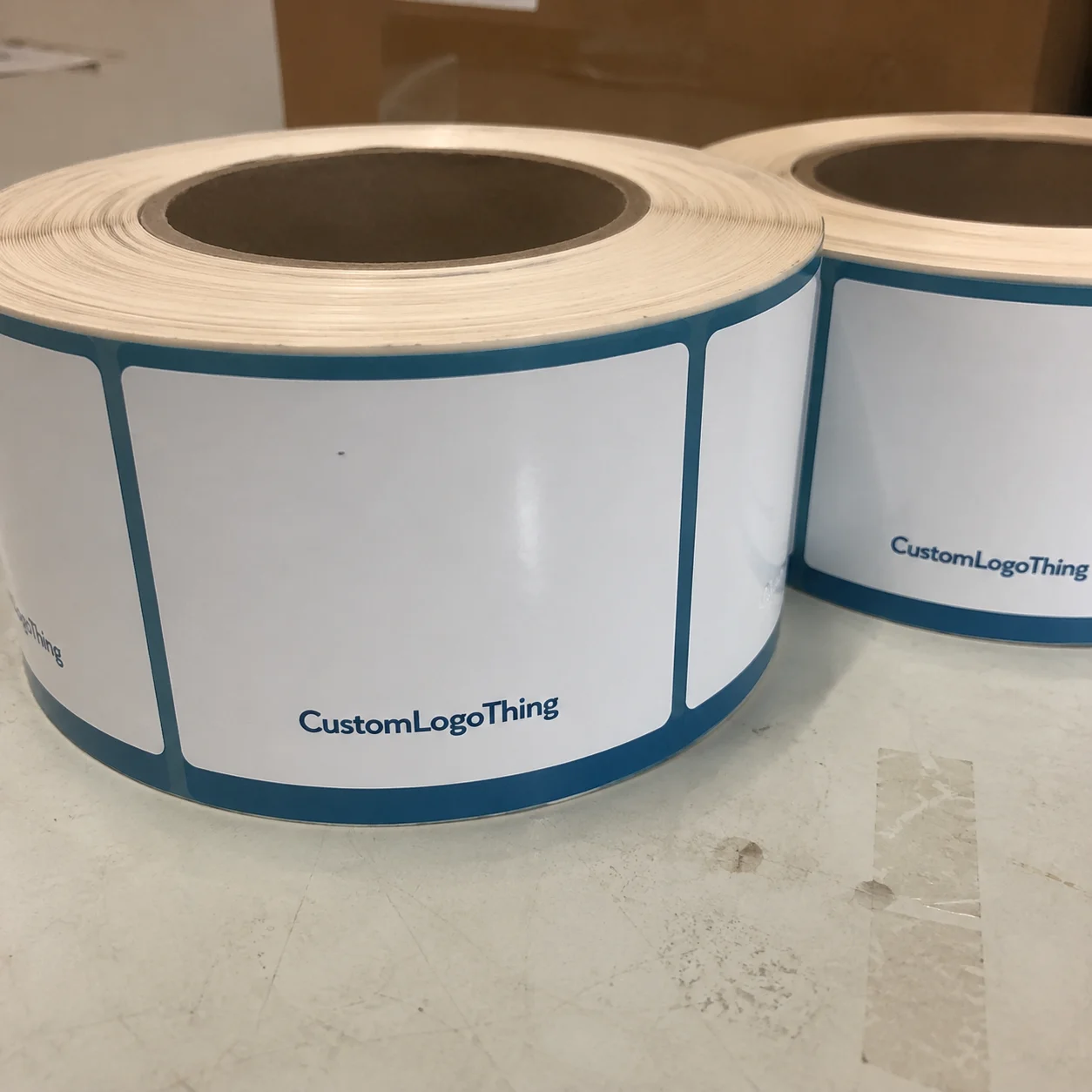
Waterproof Labels Personalized for Clothing solve a problem that shows up fast and costs more than people expect. A label can look sharp in a mockup, then start fading, lifting, curling, or smearing after a few wash cycles. Once that happens, the brand name, size, and care details become hard to read, and the garment begins to look older than it is.
That failure is usually not a design issue. It is a material problem, a finish problem, or an attachment problem. The right construction can keep a label legible through repeated laundering, abrasion, detergent, skin oils, and heat. The wrong one can fail before the product leaves the first customer’s laundry room.
Buyers often assume “waterproof” means one universal spec. It does not. A label that resists splashes on packaging may still fail on a cotton tee. A label that holds on a coated shell may peel off a stretchy knit. The garment, the wash profile, and the placement all shape the answer.
What makes personalized waterproof labels different on clothing
Clothing is a harsh environment for print. Garments get folded, rubbed, stretched, soaked, spun, dried, and handled with skin oils and detergent residue still on them. That is why waterproof labels personalized for apparel need more than a clean graphic. They need a spec that survives use.
In practical terms, there are four common construction families. Coated paper works for hang tags and short-life packaging, but it is the wrong choice for frequent laundering. Synthetic film, usually polypropylene or polyester, is the most common direction for care and brand labels because it handles moisture better and keeps print crisp. Woven labels can be made with water-resistant inks or protected finishes, which gives a textile feel but not always the same barrier against wear. Laminated labels add a protective surface layer over the printed face, which improves wash resistance and abrasion performance.
The word waterproof gets used loosely, so the buyer has to separate marketing language from actual performance. Water-resistant usually means the label can handle humidity, splashes, or a quick wipe. Waterproof construction is built for harsher exposure, including soak testing and repeated washing. Even then, the adhesive, garment texture, and heat exposure still matter. There is no magic material that ignores every variable.
For apparel, these labels are most useful where readability has to last: care labels, size markers, children’s apparel, activewear, outerwear, uniforms, and any item that will be washed regularly. They also help brand presentation on retail goods. A clean inside label tells a customer, quickly and without words, that the product was made with care.
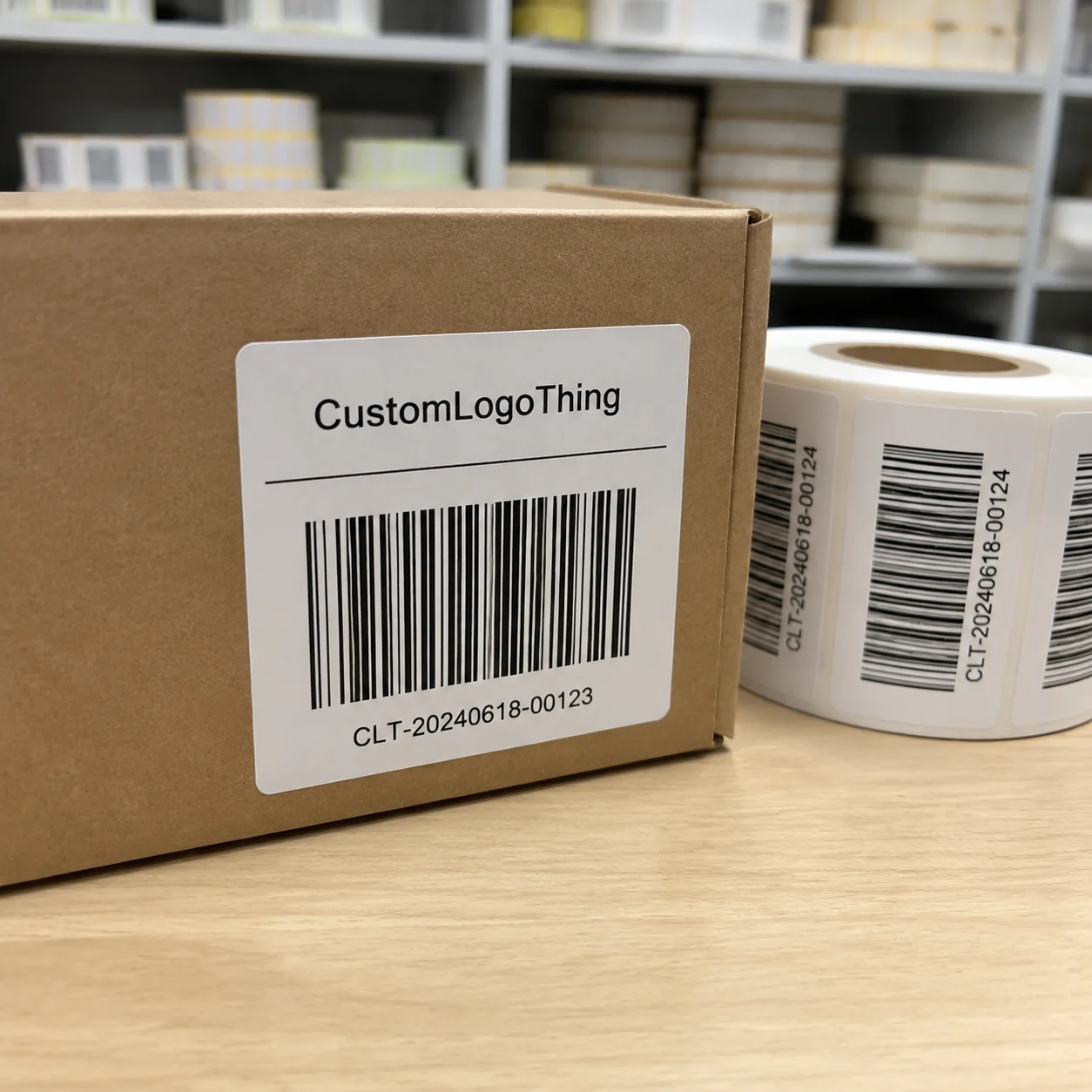
Personalization can go well beyond a logo. It can include wash symbols, size runs, fiber content, QR codes, barcodes, serial numbers, batch IDs, and variable data for different SKUs. If the label has to carry compliance text as well as branding, the layout should be built for legibility first. Decorative type only works if people can still read it after the garment has lived a real life.
How waterproof garment labels are made and printed
Durability starts with the substrate. Polypropylene film is popular for clean print quality and solid moisture resistance. Polyester film usually performs better under heat and abrasion, which matters for garments that see frequent drying or repeated wear. Vinyl can be useful in flexible label systems, though it is not always the best fit for high-heat or high-abrasion apparel use. In softer-feel applications, a textile face can be paired with a protective printed layer so the label does not feel plasticky against skin.
Printing method matters almost as much as the material itself. Digital printing suits shorter runs, multiple versions, and fast proofing. Flexographic printing is usually more efficient at scale and is strong for repeated spot colors. Thermal transfer is common for barcodes and variable data because it produces sharp, machine-readable information. UV printing cures quickly and can be durable, but the final result depends on the substrate and whether a topcoat or laminate is added afterward.
Attachment style changes the whole equation. A peel-and-stick label needs adhesive that matches the garment surface, not just a strong adhesive in the abstract. A sewn-in label can use printed film or woven construction. A heat-applied label needs a bonding layer that survives the press temperature, dwell time, and pressure without distorting the print or damaging the garment. The best method depends on the fabric, the placement, and the expected wash cycle.
Protective finishes are the part buyers often overlook. A laminate, seal coat, or varnish can protect the print from moisture, detergent, body oils, and rubbing. If the label will be washed frequently, ask whether the artwork sits under a protective layer or directly exposed. Direct exposure may look acceptable on day one, then degrade faster once abrasion starts doing its work.
Testing is not optional if the label is supposed to hold up. Good suppliers will run soak checks, rub resistance tests, and simulated wash cycles before approving a build. For higher-wear categories, that matters more than a glossy proof. A label that survives a splash test is not automatically ready for a washing machine. Different failure modes show up under different conditions, and the laundry cycle is usually the unforgiving one.
Material thickness also deserves attention. A thin film can feel lighter and sit flatter, which helps on close-to-skin applications. A thicker structure can improve handling and print stability, but it may feel stiffer or create more edge visibility. On a premium garment, that tradeoff is not trivial. The “best” label is usually the one that balances durability, comfort, and the brand’s visual language without overbuilding the piece.
Key cost, pricing, and MOQ factors to compare before you order
Pricing for waterproof labels personalized for apparel follows familiar print economics, but the stakes are higher because the label is part of the product, not a disposable insert. Material choice is the first major variable. A basic polypropylene label with one-color print is cheaper than a polyester label with laminate, custom die-cutting, and variable data. Size and shape also matter. Rounded corners are simpler than intricate cutouts, and standard dimensions are usually more economical than fully custom geometry.
Print coverage affects cost too. A label with a simple black logo on a clear or white base is easier to produce than a full-color layout with dense backgrounds, white ink underlays, and multiple passes. Finishing adds another layer. Matte, gloss, soft-touch, laminate, and specialty coatings all change both price and performance. Higher quantity lowers unit cost because setup is spread across more pieces, but that only helps if the spec is correct.
| Option | Typical use | Approx. unit range | Notes |
|---|---|---|---|
| Basic synthetic label | Short runs, simple branding | $0.10-$0.22 | Best for lower detail and lighter wear |
| Laminated waterproof label | Care labels, activewear, children’s apparel | $0.18-$0.35 | Better wash resistance and cleaner wiping |
| Custom die-cut premium label | Brand-forward garments, specialty shapes | $0.28-$0.60+ | Higher setup and finishing complexity |
Those ranges are planning numbers, not a quote. A small care label with simple art may sit near the lower end, while a multi-version label with special finish and exacting die-cut tolerances will move upward. The cheapest quote is not always the cheapest outcome. If the label fails after a few washes, the cost of replacements, complaints, and rework can exceed the savings quickly.
MOQ deserves a close look. Some suppliers can support small runs with standard sizes or shared tooling. Fully custom shapes and specialty finishes often require higher quantities to cover setup. For a new garment line, it can be smarter to test with a standard size first, then move to a more customized build once the placement, feel, and wash performance are proven. That keeps early mistakes from becoming expensive inventory.
Ask how proofing, setup, and artwork preparation are billed. Some suppliers bundle them, others separate them. That changes the landed cost more than many buyers expect. If you are comparing custom labels against other garment trim options, compare equivalent specs line by line. A stock label and a laminated custom build are not substitutes just because the unit price looks close.
Production steps, process, and typical turnaround for custom orders
The order flow is usually simple on paper: artwork review, proofing, material selection, printing, finishing, inspection, and packing. In practice, each step can affect the next. If the label includes variable data, compliance text, or barcode logic, the proof stage becomes more than a formality. A small layout error can multiply across an entire production run.
Artwork readiness matters. Vector logos reproduce more cleanly than low-resolution raster files. Brand colors should be specified if matching is important. Die-line accuracy matters as well. A cut line that is off by a fraction can leave too little border, clip text, or make the label sit unevenly on the garment. QR codes and barcodes should be checked at print size, not just on screen. A code that scans in a design file can still fail after scaling or contrast changes.
A realistic timeline for a standard custom order looks like this: proofing in 1 to 3 business days if the files are clean, production in 5 to 10 business days for typical runs, finishing and inspection in another 1 to 3 days, plus shipping time. For complex jobs, 12 to 18 business days from proof approval is a common planning window. Some orders move faster. Some do not. Specialty adhesives, multi-layer construction, and intricate shapes can extend the schedule.
What slows things down most? Missing artwork, unclear instructions, late compliance edits, and shape revisions after proof approval. Rush service can shorten the calendar, but not every label spec is suited to speed. Some finishes need full curing. Some adhesives benefit from a rest period. If the job is being pushed hard on timing, the supplier should say exactly where the risk sits instead of pretending every spec can be rushed safely.
“The cleanest orders usually arrive with garment type, attachment method, care text, and quantity split already defined. That reduces revision cycles and makes the proof useful instead of decorative.”
How to choose the right label spec for your garment line
The garment should drive the label, not the other way around. Babywear and children’s apparel need readable care text, soft edges, and reliable wash durability. Athletic apparel has to withstand sweat, stretch, and repeated laundering. Workwear usually needs tougher construction and longer service life. Outerwear and swimwear bring moisture exposure into the equation, which changes the adhesive and finish choice. Boutique basics may care more about hand feel and brand presentation, but they still need a label that stays intact.
Attachment method should follow fabric and placement. Sew-on labels are dependable across most textiles and work well on seams, necklines, and side panels. Heat-transfer labels can feel lighter and flatter, which many activewear brands prefer. Adhesive-backed labels are useful in some temporary or packaging-related settings, but on garments they need careful compatibility testing. Hang-tag applications help with branding and inventory, but they do not replace a care label if laundering instructions must remain with the garment.
Texture changes performance more than many buyers expect. A stiff label on a soft jersey tee can irritate the wearer. A label that is too soft can wrinkle or lose edge definition. The best build usually sits between those extremes. It should be visible, readable, and low profile without drawing attention for the wrong reasons. If the finish is too glossy, it may clash with a matte garment aesthetic. If it is too matte, wipeability can suffer a little. That tradeoff should be chosen intentionally, not by default.
Think about what must remain readable after repeated laundering. For most garments that means logo, size, fiber content, and care symbols. For some lines, origin details or batch codes matter as well. Dark fabrics usually need strong contrast, often through white ink or a light base layer. Stretch textiles can distort fine type, so the design needs more breathing room than a paper label would. Brushed fleece, textured knit, or moisture-prone performance fabric can all alter how the label sits and how long it stays crisp.
If the garment line uses multiple trims, keep the visual language consistent across hang tags, inserts, and sew-in labels. That does not mean every piece must look identical. It means the customer should recognize the brand in a glance, even when one element is hidden inside the garment.
Common ordering mistakes that shorten label life
The first mistake is approving a label because it looks good on screen. A glossy finish can look premium in the proof and then scuff early in use. The second mistake is trying to fit too much information into a tiny label. Fine lines, long care instructions, and crowded QR codes can become unreadable once they are reduced to production size.
Adhesive compatibility is another frequent problem. Stretch fabrics, coated textiles, textured surfaces, and high-lint garments all behave differently. A label that sticks well to one fabric may fail on another. “Strong adhesive” is not enough detail. Surface energy, fabric movement, temperature exposure, and wash chemistry all affect bond strength. A sample on the actual garment fabric is far more useful than a generic substrate test.
Skipping sample approval is expensive in a way that is easy to underestimate. A common failure is not dramatic; it is subtle. The print is a little too dark on black fabric. The barcode is a little too small. The finish reflects too much retail lighting. None of that looks serious until the order is packed and distributed. At that point, every small defect becomes a cost multiplier.
Compliance deserves the same seriousness. Care-label placement, language, fiber disclosure, and customer expectations all shape how the label performs in the real world. If the customer cannot find the care instructions or the label peels before the first wash, the brand absorbs the problem. The best waterproof labels personalized for apparel are built with production reality and end-user behavior in mind. A label is not just decoration. It is a functional component of the product.
Expert tips for better durability, branding, and buyer confidence
Use high-contrast typography and keep the layout clear. Decorative flourishes can disappear once the label is exposed to abrasion and repeated washing. Clean type, sensible spacing, and enough edge margin usually survive better than intricate ornament. In apparel, readability is often the more premium choice because it shows restraint.
Test the label on the exact fabric you sell. Poly-cotton, brushed cotton, rib knit, polyester shell fabric, and stretch blends all behave differently. Texture affects adhesive grip, edge lift, and visual contrast. If the line includes more than one fabric family, do not assume a single sample tells the whole story. Run the test where the label will actually live.
Keep both a smaller and larger version of the design if the garment line uses multiple placement points. One size may fit a neckline, while another works on a side seam or outer branding panel. That flexibility reduces production friction later if the line expands or a new style enters the range.
Specify finish deliberately. Matte works well for understated branding and reduces glare under retail lighting. Gloss can make colors pop and sometimes wipes cleaner. Lamination is a good choice when moisture and abrasion are the main risks. For garments that see hard use or frequent washing, the more protective option is usually the safer one unless there is a specific aesthetic reason to go lighter.
Keep a reorder record that includes the approved artwork, size, material, finish, attachment method, and quantity split. That prevents quiet drift between batches. A reorder that looks “close enough” can still introduce a different laminate, a changed adhesive, or a revised cut line. Brands grow faster when their trim stays stable.
Next steps: request samples, compare specs, and place a smart reorder
Start with the use case. Decide where the label will sit, how often the garment will be washed, and whether the priority is comfort, durability, or a premium finish. Then request samples or a proof package that shows the exact material, finish, and attachment method you plan to use. Evaluating the actual build is more useful than looking at a polished mockup.
Compare at least two Specs Before You commit. A lower-cost build may be enough for low-wear garments. A laminated construction may be the better value for products that need to stay readable for the life of the item. Price, MOQ, and turnaround should be weighed together, not separately. A label that is cheaper but fails quickly is not a bargain.
Before approval, confirm the artwork, compliance text, quantity split, and barcode or QR requirements. If the supplier knows the fabric type and attachment method, they can usually narrow the build faster and avoid obvious mismatches. Keep the approved spec sheet with the product record and use it for every reorder.
That is the practical path to waterproof labels personalized for apparel that last beyond the first wear. When the material, print method, finish, and attachment style all match the garment, the label does its job quietly and consistently. That is the outcome worth paying for.
FAQ
Are waterproof labels personalized safe for repeated washing on clothing?
Yes, provided the substrate, ink, adhesive, and finish are selected for garment use and validated through wash and rub testing. The best choice depends on whether the label is sewn, heat-applied, or adhesive-backed, and on the fabric it will contact.
What’s the difference between waterproof and water-resistant clothing labels?
Water-resistant labels can usually handle splashes, brief moisture, or light handling. Waterproof labels are built for stronger exposure and repeated laundering. For apparel that gets washed often, waterproof construction is usually the safer spec.
How much do custom waterproof clothing labels usually cost?
Pricing depends on quantity, material, print method, finish, label size, and whether the shape is standard or fully custom. Higher quantities usually lower unit cost, while smaller orders often carry setup and proofing charges.
What is a typical turnaround time for personalized waterproof labels?
Most orders move through proofing, production, finishing, and shipping, so total turnaround depends on artwork readiness and complexity. Standard jobs often fall in the 12 to 18 business day range after proof approval, though some are faster and some take longer.
What should I send for the most accurate quote on waterproof label options?
Send your artwork, label size, quantity, fabric type, attachment method, and any wash-performance expectations. Those details help the supplier recommend the right construction and reduce costly revisions later.