Custom Clear Drawstring Bags: Compare Specs Before You Buy
Custom clear drawstring bags do a quiet but useful job: they let the product sell itself before anyone opens the package. For retail gift sets, event swag, starter kits, and sample packs, that visibility changes how the item is perceived the second it lands in someone’s hands. If the film looks cloudy, the seam wanders, or the closure feels flimsy, the whole piece reads cheap fast, even when the contents are solid.
That is why smart buyers compare specs before they compare price. Size, thickness, print coverage, and closure style all affect the finished look, the unit cost, and how well the bag supports branded packaging. If you are sorting through custom printed boxes, pouches, and other product packaging, the clear bag needs to earn its place instead of just adding another line item.
Why clear visibility sells before the bag opens
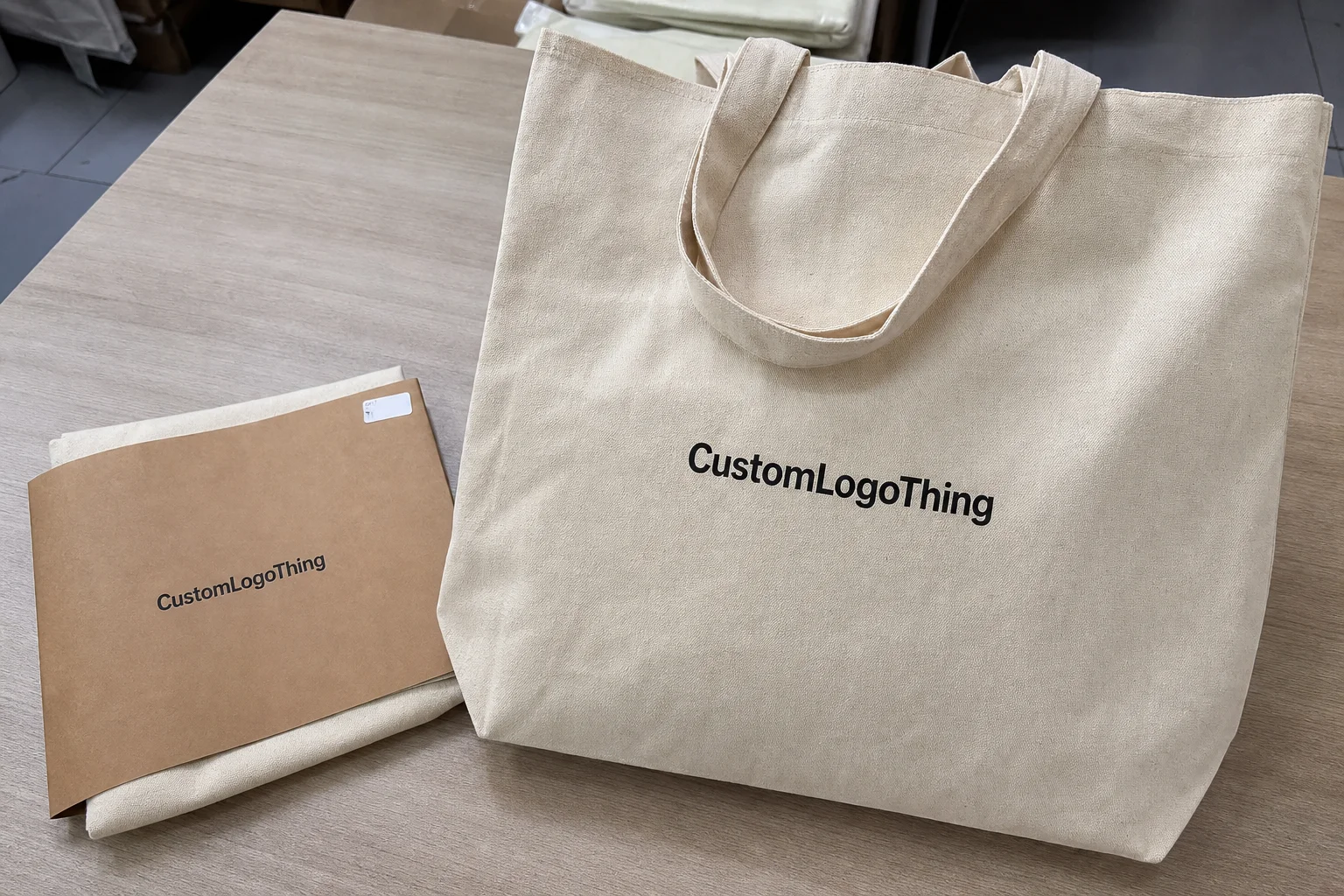
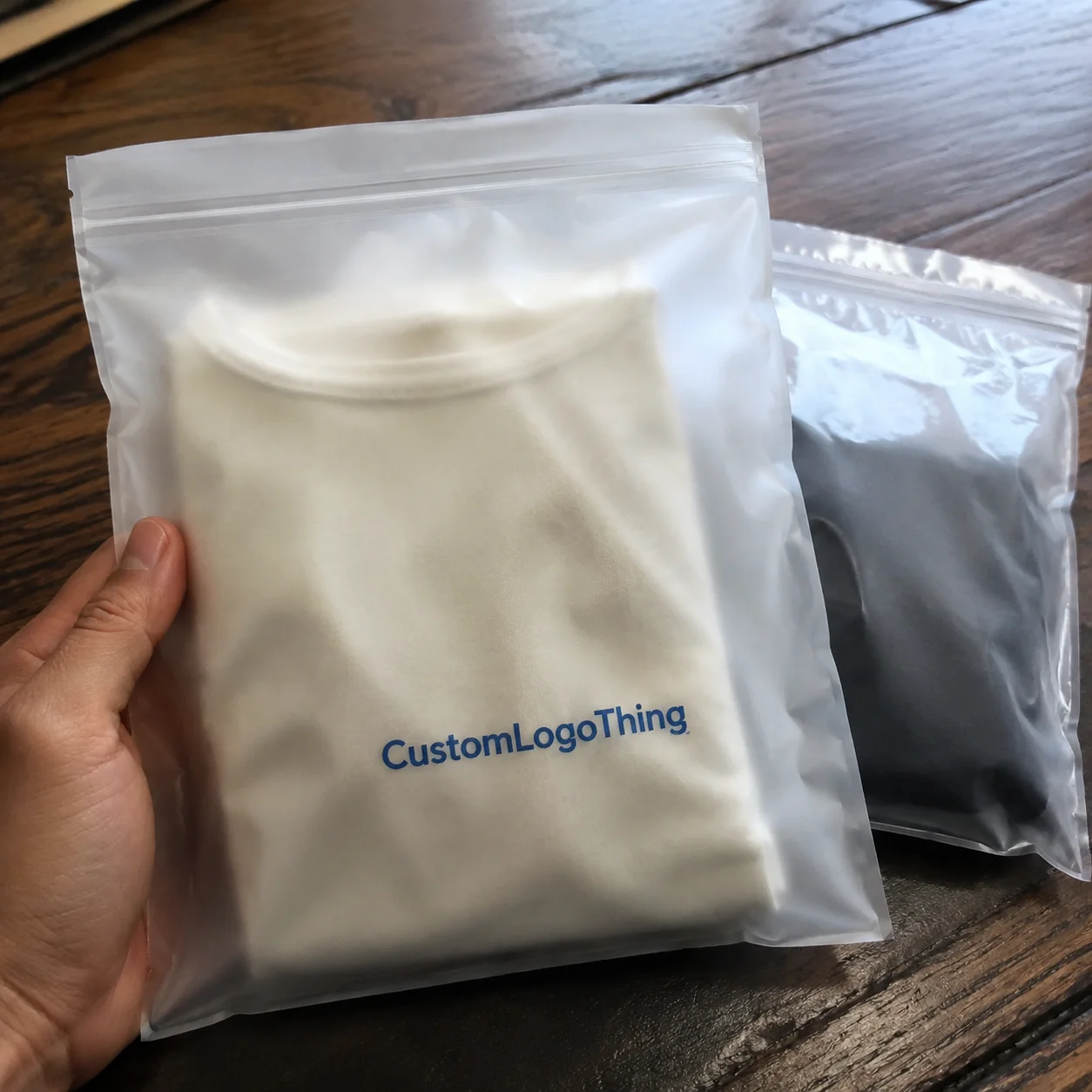
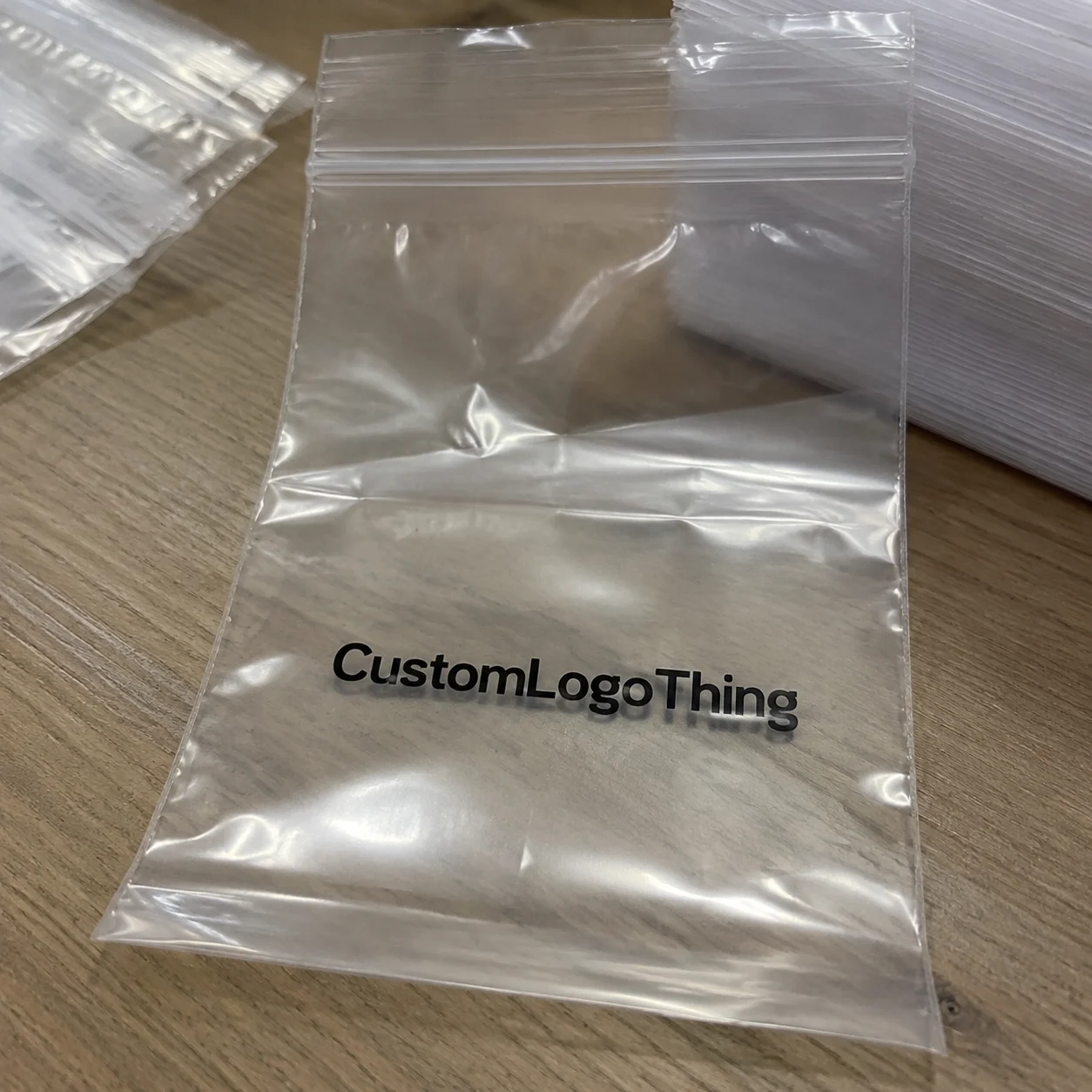
A clear bag does part of the selling for you. That sounds obvious until you compare two kits side by side: one tucked into a plain pouch, the other sitting in a clean transparent bag with the logo placed neatly and the contents aligned. The second one usually feels more deliberate, even if both products cost the same to make.
That is the real value of custom clear drawstring bags. They show color, shape, texture, and quantity without forcing the buyer to guess. For retail packaging, that matters because shoppers want fast visual confirmation. For event swag, it matters because a sponsor logo and a few well-chosen items inside can communicate value before the bag even opens. For starter kits, it keeps the contents visible and organized instead of buried under layers of opaque material.
There is also a hard truth here: presentation gets dragged down by the weakest part of the package. A cloudy film or rough seam makes a good product look like it was packed in a hurry. A weak closure does the same thing. In packaging design, people usually obsess over graphics first, but with transparent packaging, the material finish and construction quality are doing just as much of the work.
Clear packaging has one job: show the product cleanly. If the bag clouds up or the proportions are off, the value drops before the customer touches anything.
That is why buyers who care about package branding often compare clear bags against other formats like Custom Packaging Products and custom printed boxes. Each format does a different job. Boxes control structure. Bags create visibility and speed. If your goal is to show what is inside, custom clear drawstring bags are usually the easier sell.
There is a practical upside as well. Visibility reduces handling. A customer can identify the contents without opening the package, and staff can sort inventory faster on the back end. That sounds small until you are packing hundreds or thousands of units. In a busy fulfillment line, a package that is easy to see and easy to open cuts friction everywhere.
How the closure, film, and opening actually work
Strip away the marketing language and the structure is simple. You have clear film panels, sealed seams, a top channel or hem that holds the cord, and a drawstring that lets the user open and close the bag quickly. In practice, the details of those pieces determine whether the bag feels neat and reusable or flimsy and disposable.
Most buyers ask for a polyethylene or PVC-style clear film, usually somewhere around 3 mil to 6 mil depending on the weight of the contents and how much reuse they expect. Lighter promotional items can work in thinner film. Heavier retail sets or bags that will be handled often usually need a thicker build. The point is not to chase the biggest number. The point is to match the material to the use case.
The closure changes the user experience more than people expect. A drawstring bag opens fast, closes fast, and carries without adding a zipper or snap. That makes it useful for event entry, sample distribution, retail display, and organized kits. It is also the reason these bags often get reused. If the cord pulls smoothly and the opening is wide enough, people keep using it. That is useful exposure for the brand and better value for the buyer.
Where clear bags fall short is protection. They are not a substitute for rigid product packaging when the contents need crush resistance, sealing, or serious transit protection. If the item is fragile, sharp, or expensive enough to justify layered protection, a clear bag may be the outer presentation layer, not the only layer. Good buyers separate the display job from the shipping job.
One more detail matters more than many first-time buyers expect: how the bag feels in the hand. A clear film that is technically strong can still feel stiff, noisy, or slippery. That may be fine for a one-time giveaway. It is less fine for retail packaging that is supposed to feel polished. The hand-feel should match the product value, not just the durability target.
Specs that change performance: size, thickness, and print
Size should start with the product, not with a guess. Measure the finished item, then add enough clearance so the contents slide in without stretching the film or bunching the top edge. For soft goods, a little extra room is fine. For rigid items, oversized packaging can make the contents drift around and look less premium. A bag that is just large enough usually looks more intentional than one that is simply huge.
Get the size right first
A practical rule: leave enough room for the product to enter without force and still sit flat once inside. If the item has corners, handles, or layered components, add more space than you think you need. A bag that is too tight wrinkles, distorts the logo, and stresses the seams. A bag that is too loose loses shape and makes the contents look random.
For bulky kits, ask for a gusseted build or a slightly deeper bag rather than forcing everything into a flat format. That small change can improve the shelf view and keep the contents from slumping to the bottom. The difference is visible the moment the bag is filled.
Choose thickness for feel and use
Thickness changes both the hand feel and the durability. Thin film is cheaper, lighter, and fine for low-risk giveaways. Midweight film usually gives the best balance for retail packaging because it feels more controlled and holds its shape better. Heavy film works when the bag will be reused often or the contents have some weight, but thicker is not automatically better. Overbuilt packaging can waste budget without improving the customer experience.
For buyers comparing custom clear drawstring bags, the usual sweet spot is a midrange film that stays presentable without pushing the cost up for no reason. If the contents are lightweight, do not pay for a tank when you only need a decent shell. If the contents have edges, weight, or irregular shapes, do not trim the film too aggressively just to win a lower quote.
Keep print clean and readable
Print decisions matter because clear packaging has less visual room to hide mistakes. A small logo, a short message, or a single-color mark usually works better than a full wrap that blocks the contents. Too much ink defeats the whole point of transparency. It also makes the package feel cluttered, which is a strange thing to do to a clear bag.
When the artwork is restrained, the contents remain the focus and the print acts like a signature instead of a billboard. That is often the right move for package branding. It also helps the bag work across more uses, since a cleaner design usually feels less dated and less tied to one campaign.
Registration matters too. On a transparent bag, a logo that is off by even a little bit looks more obvious than it would on opaque stock. The same is true for small text. Fine lines, tiny reverse type, and dense gradients are all riskier than they first appear. Simpler art is not a creative compromise here. It is the format working the way it should.
Check the extra details
- Gussets help the bag hold bulkier items and sit more squarely on a shelf.
- Reinforced edges reduce stress where the bag is lifted or filled repeatedly.
- Hanging features make retail display easier if the bag will sit on hooks or pegs.
- Finish quality affects clarity, and clarity is the whole point here.
- Cord quality affects how often the bag gets reused after the first opening.
Those details are small on paper. In a store or at an event, they are visible immediately. They also affect how much work the pack-out team has to do. A bag that opens cleanly and sits flat saves time. A bag that twists or fights the contents slows everything down.
Custom clear drawstring bags pricing, MOQ, and quote drivers
Pricing for custom clear drawstring bags is usually driven by five things: bag size, film thickness, print coverage, order quantity, and setup complexity. That sounds basic because it is. Most quoting problems happen when a buyer compares two prices that are not actually built to the same spec.
MOQ, or minimum order quantity, matters because setup costs get spread across the run. A lower MOQ is convenient, but it often means a higher per-unit cost. A larger run usually lowers the unit price, though freight, storage, and cash flow still matter. If you only need a small batch for a short promotion, paying a bit more per unit can be rational. If you need a long-run retail item, a tiny order makes less sense.
| Spec tier | Typical build | Best use | Approx. unit price at 5,000 pcs |
|---|---|---|---|
| Basic | 3 mil film, small one-color logo, standard cord | Giveaways and light event kits | $0.18-$0.28 |
| Midrange | 4 mil film, medium logo, reinforced seams | Retail packaging and reusable promo kits | $0.28-$0.42 |
| Premium | 5-6 mil film, larger print area, upgraded closure details | Heavier sets and repeat-use packaging | $0.42-$0.75 |
Those numbers are normal ranges, not promises. A narrow bag with simple art can land lower. A larger bag with more print coverage, special packing, or extra handling can climb fast. Add rush work and the price moves again. Freight can also make a cheap quote expensive in a hurry, which is why buyers should always ask whether shipping is included.
Use a clean quote checklist so you compare apples to apples:
- Finished size in inches or millimeters
- Film thickness or gauge
- Print locations and print colors
- Artwork file format and resolution
- Quantity tier and target delivery date
- Ship-to address and freight method
That list saves time because it strips out guesswork. If one supplier prices a heavier film or a larger logo, the lower quote is not actually lower. It is just thinner. If the product is going into a retail environment, ask for a sample or a photo of a comparable finished bag before you commit. A spec sheet can look fine while the actual finish tells a different story.
Production process and turnaround: from proof to delivery
The production path is usually straightforward, but small mistakes slow it down. It starts with a quote request, then artwork review, then a digital proof, then sample or pre-production approval if needed, then manufacturing, inspection, and shipping. Each step is simple on its own. The delays come from missing information, not from mystery.
The two biggest time killers are weak artwork files and incomplete specs. Low-resolution logos create cleanup work. Missing dimensions create proof revisions. Late changes create headaches for everyone, including the factory and the buyer. If the delivery window matters, do not improvise halfway through the order.
Typical timing depends on quantity and location, but a realistic domestic window is often 12 to 18 business days after proof approval for standard runs, with rush options available at a higher cost. Shipping can add a few more days. If the order has to arrive before a launch, event, or seasonal promotion, place it early enough to absorb one correction cycle without panic.
QC deserves a real place in the process. For clear bags, that usually means checking seam alignment, cord length, print registration, film clarity, and the way the bag opens and closes under repeated use. A good supplier should be willing to inspect more than just the first piece off the line. If the order is meant for retail, ask how many random units are checked and what happens when a bag shows haze, a weak weld, or a crooked print.
For fragile contents, it is worth asking how the bags will travel and whether the vendor has any testing discipline tied to transit damage. Industry groups such as ISTA publish transport test methods, and packaging teams often use those kinds of checks to catch issues before shipment. If your broader packaging design also uses inserts or paper components, sourcing those pieces with FSC-certified stock can help keep the project cleaner from a materials standpoint.
The buyer takeaway is simple: confirm the proof, confirm the slot, confirm the ship date. If any of those are vague, the timeline is probably vague too. A vague timeline is a warning sign, not a scheduling style.
Common mistakes that make clear bags look cheap
The worst clear bag orders usually fail in the same few places. The first mistake is sizing too small. People see the product dimensions and forget the packaging needs room to breathe. The result is a stretched bag, a bent logo, and a seam that looks stressed before the customer even touches it. That is not premium. That is a struggle.
The second mistake is choosing the wrong thickness at either end. Too thin, and the bag sags or wrinkles. Too thick, and the budget gets wasted on a build the product did not need. Buyers often assume thicker equals better, but for clear packaging that is only true when the contents justify the extra material.
The third mistake is overprinting. Clear bags are not the place to dump every possible line of copy onto the surface. If the print area gets crowded, the transparency stops doing its job. The package starts to look busy, and busy rarely reads as premium. Clean logos, short copy, and restrained ink coverage usually win.
The fourth mistake is skipping proof review. This sounds boring because it is, and it still causes avoidable errors. Missed copy, off-center artwork, the wrong closure length, or a size mismatch can all slip through if nobody checks the proof carefully. One bad approval can wreck an otherwise fine order.
Finally, some buyers forget that clear packaging reveals everything. Fingerprints, scuffs, dust, warped seams, and crooked loading all show up. That is the benefit and the trap. If the bag is part of retail packaging, the packing process needs to be clean enough to support the format.
A fifth mistake is ignoring the contents themselves. A transparent bag makes the product part of the visual design, which means color consistency and item arrangement matter more than they would in an opaque pouch. If the contents are mismatched or loosely packed, the bag cannot hide that. It exposes it.
Expert tips and next steps for a clean ordering process
Start with the product, not the decoration. Measure the item, think about how it will be inserted, and allow for a little movement inside the bag. Then decide whether the bag is carrying the whole presentation or acting as one layer inside a larger kit. That answer changes the film thickness, the print area, and the closure choice.
If the order needs to feel polished, ask for a proof that shows final dimensions, artwork placement, and closure details all together. A proof that only shows the logo is not enough. You need to know where the print lands relative to the opening and how the bag will look once filled.
If timing matters, confirm three things before you commit: sample availability, production slot availability, and shipping method. Those are the numbers that protect a deadline. Everything else is decoration.
For buyers building a full package, it can help to compare the clear bag with other Custom Packaging Products early in the process. If the kit needs more structure, pair the bag with product packaging that supports the insert or display component. If the goal is a cleaner retail presentation, compare the bag against custom printed boxes before you approve the final package branding plan.
- Choose the size from the product dimensions plus clearance.
- Pick the film thickness based on weight and reuse expectations.
- Keep the artwork simple enough to preserve visibility.
- Confirm quantity, timeline, and delivery window before pricing.
- Approve the proof only after checking scale, placement, and closure style.
That process is not fancy. It just works. Custom clear drawstring bags perform best when the spec is simple, the art is clean, and the timeline is realistic. Get those pieces right and the bag supports the product instead of fighting it.
There is a final practical point worth keeping in view. The best bag is not the thickest or the most heavily printed one. It is the one that makes the contents look organized, keeps the production line moving, and lands at a cost that still makes sense once freight and setup are included. That is usually a narrower target than buyers expect, but it is also the one that holds up in real use.
What size clear drawstring bags should I order?
Measure the finished product first, then add enough clearance for easy loading and a clean shape. If the item has corners, handles, or bulky edges, give yourself extra room so the bag does not look stretched or pinched.
How much do custom clear drawstring bags usually cost?
Price depends on size, thickness, print coverage, quantity, and whether the order needs special handling or rush production. Higher quantities usually bring the unit cost down, but setup, freight, and artwork changes can still move the total.
What artwork works best on clear drawstring bags?
Simple logos and short messages usually print best because they preserve visibility. Vector art and one-color branding are easier to keep sharp, and they stop the bag from feeling crowded.
How long does production for clear drawstring bags take?
Turnaround depends on proof approval, order size, and whether the factory already has a production slot open. Rush options exist, but they usually cost more and leave less room for corrections.
Are clear drawstring bags reusable for retail or events?
Yes, if the film thickness and seam construction match the weight and shape of what you are packing. They work best for light to medium-duty use, not sharp edges or heavy items that can stress the bag over time.
For most buyers, custom clear drawstring bags are a smart buy only when the spec is tight, the print stays restrained, and the timeline is realistic. If you treat them like a display tool instead of a generic pouch, they do exactly what they should: show the product clearly and support the brand without shouting over it.