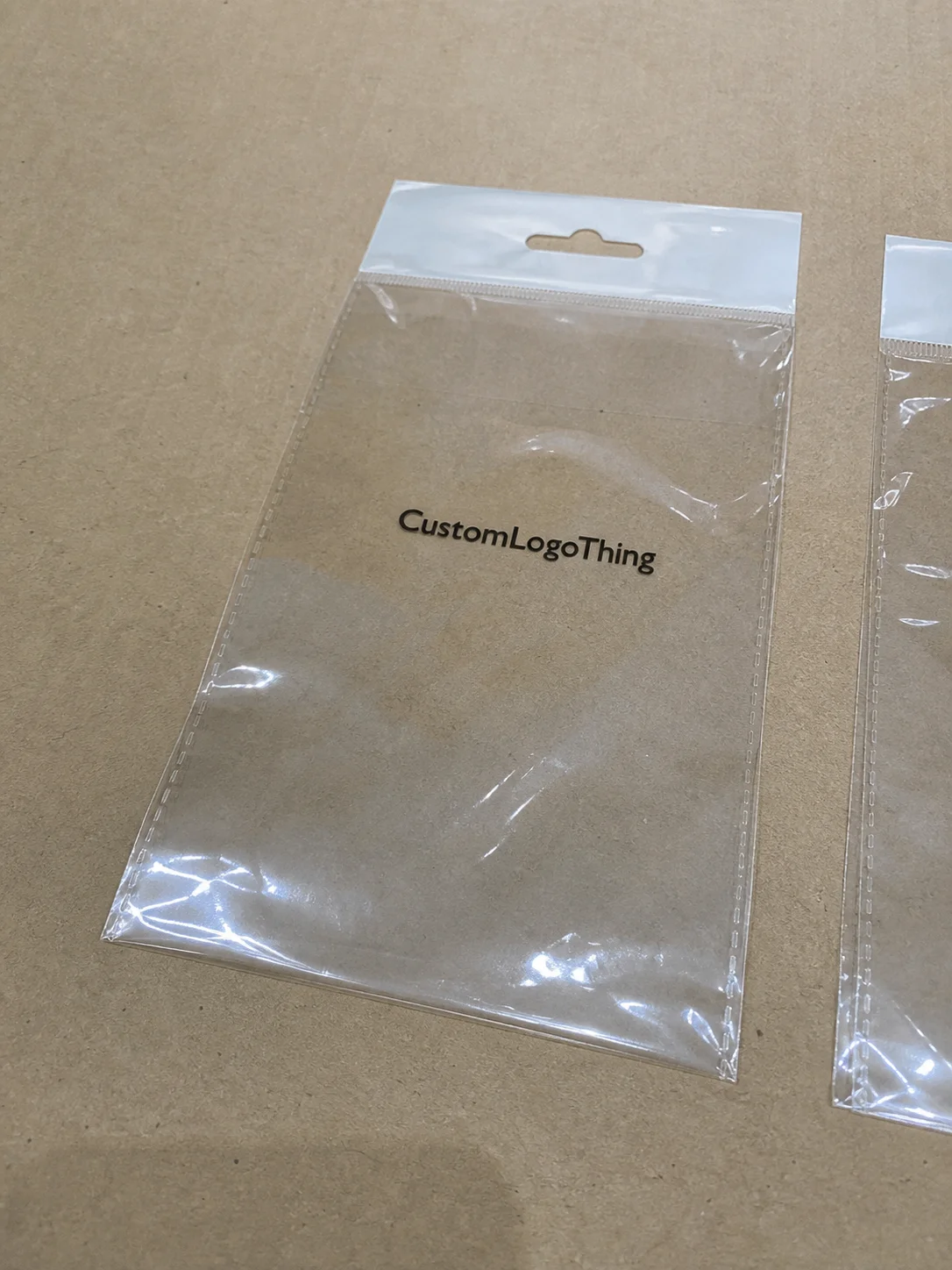
Buyer Fit Snapshot
| Best fit | Flexible Packaging Industry projects where brand print, material claims, artwork control, MOQ, and repeat-order consistency need to be specified before quoting. |
|---|---|
| Quote inputs | Share finished size, material target, print colors, finish, packing count, annual reorder estimate, ship-to region, and any compliance wording. |
| Proofing check | Approve dieline scale, logo placement, barcode or warning zones, color tolerance, closure strength, and carton packing before bulk production. |
| Main risk | Vague material claims, crowded artwork, missing packing details, or unclear freight terms can make a low unit price expensive after revisions. |
Fast answer: Flexible Packaging Industry: Quote Scope should be specified like a repeatable production item. The safest quote records material, print method, finish, artwork proof, packing count, and reorder notes in one written spec.
Production checks before approval
Compare the actual filled-product size with the drawing, then confirm tolerance on folds, seals, hang holes, label areas, and retail display edges. Reserve space for logos, QR codes, warning copy, and material claims before decorative graphics fill the panel.
Quote comparison points
Review material grade, print process, finish, sampling route, tooling charges, carton quantity, and freight assumptions side by side. A quote is only useful when the supplier can repeat the same color, closure quality, and packing count on the next order.
What is Flexible Packaging Industry? An Anecdote at the Line
When I asked the floor supervisor at a mid-sized snack brand in Minneapolis what is flexible packaging industry, she pointed to a stack of rigid cartons with 300gsm litho-lam board and then to the gleaming rolls of high-barrier film from Jiangsu province feeding the filling line; after the conversion, where the first 5,000 pieces averaged $0.15 per unit during a four-day trial, the crew cut waste by 48% while shaving two days off the transit window, turning the question from curiosity into a performance lever.
I remember when we first started tracking that same question on paper towels in a noisy lab near the Nanshan district—before I carried the coordinates to polymer suppliers in Frankfurt and Milan—the notebook was practically damp from late-night calls about Henkel H2072 hot-melt barrier adhesives and EVOH ratios in a 12-layer laminate; I’ve walked through the narrow corridors of a Shenzhen film house where the solvent scent lingered above the 14-micron extrusion lines, and I’ve sat with procurement teams in Chicago’s Fulton Market who were stunned that a roll-stock pouch cutter could flex between cranberry chips and organic trail mix without changing mandrels, all while maintaining 92 N/50mm seal strength.
Journalist turned consultant, I consult with packaging engineers who remind me that the term “what is flexible packaging industry” is shorthand for dozens of decisions: selecting 12-micron cast PET from Toray for clarity, weighing metallized foil from RKW for oxygen barriers, and deciding whether a stand-up zipper with 0.25-inch teeth will bite the margin; we validate those choices with ISTA-3A drop data and ASTM F88 peel strength reports saved on my laptop, and one client’s line uptime rose to 92% after switching to a 90-gsm PE over-laminate sourced from DuPont, because the new structure maintained tension and yielded fewer jams, proving the industry isn’t a stylistic choice but a throughput driver.
I still think the question what is flexible packaging industry keeps getting richer as I collect stories from each plant—like the afternoon a sensor at a Munich laminator kept screaming “tension spike” because a restless intern infected the rollers with an unauthorized playlist from Spotify, forcing the team to pause production for 23 minutes while mechanics recalibrated the nip; there’s real sweat behind those flexible webs, and when the right people, materials, and data meet, it feels a little magical, even if the first hour is troubleshooting.
Each plant story reminds me what is flexible packaging industry is, a tether between curiosity and throughput, a blend of chemistry, mechanics, and real humans who keep the machines humming.
How the Flexible Packaging Industry Works: Film to Fulfillment
Explaining what is flexible packaging industry starts with the workflow: a marketing team in Atlanta submits a brief, designers respond with digital mockups aligned with brand color standards, and structural engineers compare dielines to current retail packaging, noting that Pantone 186 C requires 3.2-micron anilox cells; I’ve seen suppliers rig Adobe Illustrator files to feed directly into flexo platemaking systems so the constant updates land in the engraved cylinders that deposit inks in micro units, critical for keeping shelf presence consistent.
The film travel starts with mother rolls—clear PET from the Kawasaki plant in Japan, white OPP from Malaysia, or opaque metallized PET from the U.S. South Side—each measured in microns, often in 12-micron increments; sensors monitor tension in real time, and I watched a line in Mississauga automatically throttle down when the web’s temperature crept past 155°F, preventing delamination between polyester and the 89 gsm PE sealant layer.
Compared to rigid lines that need three to five days for mold tooling, flexible lines register changeovers within hours because gravure cylinders spin up in Cleveland rather than waiting on injection molds from OEM partners.
Coatings, adhesives, lamination, and pouch forming turn the printed web into the consumer package: a Bischof + Klein laminator squeezes Henkel H2072 hot-melt adhesive between the barrier layer and facestock, and the pouch-forming machine folds, seals, and cuts while cameras calibrated to ASTM D882 inspect seal integrity, rejecting any blister before the filler; data like pull-down rates of 6,200 linear feet per minute, web tension in psi, and print density at 120 lpi feed dashboards so strategy calls reference actual run lengths and uptime.
I still chuckle about the time a supplier swore each calibration saved an hour, so we ran six of them before a noon meeting; the line operator waved me over like a magician and told me, “Marcus, we already have the numbers, but the tape measure is stuck between the nip rollers again,” which captures the human side of what is flexible packaging industry—tons of data, but sticky hands and quick humor when anything goes sideways.
Every run is a reminder of what is flexible packaging industry demands from even the most data-savvy operators.
Process & Timeline in the Flexible Packaging Industry
Breaking down the process clarifies the answer to what is flexible packaging industry: discovery, structural design, sampling, regulatory review, pilot, and scale, with discovery taking three days when shelf-life data exists and up to two weeks when we’re testing new ingredients in a lab outside Guangzhou.
Structural design, where we choose 3-layer, 5-layer, or 7-layer films using 350gsm C1S artboard for supports, aligns with regulatory and barrier documentation, and sampling often takes seven to twelve business days from the Ontario press room so co-packers can calibrate their fill heads.
FDA reviews from Silver Spring or certifications such as FSC for board liners shift lead times; I once worked on a dairy alternative pouch that required an FDA review due to aseptic contents, adding another 10 days, which we flattened by parallelizing material approvals with contract negotiations in the Chicago area and by scheduling a pre-approval press trial in the Cleveland proofing lab.
Sprint-style planning—material approval, pre-press sign-off, press trial—keeps the work visible in our shared Monday tracker, and if a seal trial fails we log it immediately, reassign tasks, and shift the timeline only a day or two instead of a week.
Cycle time expands when pilots need downstream testing: a spout pouch pilot in Kansas City required filler runs, so once a heat seal failed we looped in the supplier, ran a root cause within two hours, and adjusted the temperature profile by 8°F; documented steps shorten future orders, and most suppliers deliver mid-sized batches (50,000 to 100,000 units) within four to six weeks, while larger retrofit projects or those using active or bio-based barrier materials might push to ten to twelve weeks.
I sometimes feel like a conductor organizing this choreography; when a Munich regulator throws a surprise requirement, the orchestra pivots, and I curse under my breath (gently, because regulators might still hear me), but then we deliver a pilot that sings, and clients refer back to the timeline to understand why we told them to approve the lamination sample early, reinforcing that what is flexible packaging industry is adaptive project management demanding a pinch of stagecraft.
Capturing that stagecraft reasserts what is flexible packaging industry means in action.
Cost & Pricing Signals Shaping the Flexible Packaging Industry
Cost is an unavoidable part of what is flexible packaging industry, with inputs like PET resin at $1.10/kg, PE at $0.90/kg, aluminum at $1.30/kg, plus Henkel adhesives, UV-curable inks, and energy; film thickness plays a big role—upgrading from 70 to 90 microns on transparent PET adds $0.04 per linear foot, laminated constructions tack on $0.04 to $0.07 per foot, and high-density inks with optical brighteners drive an additional $0.03 while slowing lines from 450 to 420 fpm because anastatic printing increases drying time.
Pricing models vary: some suppliers charge per linear foot, others per thousand pouches, and run-length discounts are common—orders over 15,000 feet often drop per-foot cost by around 12% because changeover time amortizes; tooling fees for gravure cylinders run $650–$900 per repeat for a 12-inch register, and minimum order quantities typically hover near 3,000 pounds of finished film unless a pilot lowers it to 700 pounds with premium color management costs.
That makes comparing total landed cost, including freight and waste, essential.
| Feature | Standard Film | Premium Barrier Film |
|---|---|---|
| Per Linear Foot | $0.11 | $0.18 |
| Seal Strength | 320 N/50mm | 410 N/50mm |
| Run Range | 50,000–100,000 | 20,000–80,000 |
| Barrier Rating (Oxygen) | 35 cc/m²/day | 6 cc/m²/day |
| Typical Line Speed | 400 fpm | 520 fpm |
Rolling these costs into ROI reveals the impact: a premium barrier film might cost $0.06 more per pouch but reduces spoilage by 18%, allows faster fill speeds by eliminating oxygen scavengers, and lowers freight by shaving 6 ounces per unit, and with a refrigerated meat brand in Des Moines the investment paid back in 11 weeks once they stopped rejecting 7% of loads due to package failure, proving higher upfront spend can be justified with equipment uptime, freight savings, and shelf-life gains.
When suppliers hand me numbers without context I feel like I’m reading a foreign script—the cost isn’t meaningful until we trace it to a real run where the machine ate a film roll because the operator misread the gauge—so I keep a folder of line-scan photos labeled “This is what happens when we ignore web tension,” since the question what is flexible packaging industry keeps leading back to cost transparency and real-world validation.
That clarity is the sort of context that keeps what is flexible packaging industry from becoming just abstract percentages.
Step-by-Step Guide to Evaluating Flexible Packaging Opportunities
The first step is auditing your SKU portfolio, tracking fragility, shelf life, and packaging cues; on one project in Charlotte the audit revealed 12 SKUs were over-packaged despite sharing a 21°C moisture profile, so we consolidated them into two flexible structures with barrier layers costing $0.03 and $0.05 respectively, allowing the team to eliminate three truckloads of cardboard per quarter.
Align with technical specialists and rely on lab data to harmonize design with protection requirements; never select a film solely on a brochure claim—always check oxygen transmission rates, sorption data, and UV exposure metrics from test chambers in Rochester, and use simulation tools to verify whether a 3-layer structure can guard against oxygen and moisture before the first sample.
Run pilots that matter for production and real-world feedback: send pilot pouches through your fill line, measure sealing temperatures, note filler jams, and test consumer handling; during a Kansas City retail test a zipper depth of 0.25 inches caused shoppers to struggle to reopen the pouch after sneezing, prompting a tweak that shaved 0.05 inches from the rib depth.
Monitor actual costs, waste, and speed post-launch by logging scrap rates, tracking reject data, and aligning replenishment with demand forecasts so promising savings don’t evaporate; flexible packaging often wins by reducing freight and enabling quarterly contract revisions when waste creeps above 2% even if the line in St. Louis runs at 490 fpm.
If pilot data feels overwhelming, remember I’ve stared at those same spreadsheets on a rainy Sunday in Portland, wondering if the web tension curve was a sign of misalignment—once you keep recording and adjust, past mistakes turn into lessons and you answer the question what is flexible packaging industry with metrics instead of hope.
Recording those lessons keeps what is flexible packaging industry anchored in metrics.
Common Pitfalls in the Flexible Packaging Industry
One misstep I see repeatedly is underestimating barrier demands: a snack line I inherited assumed a standard EVOH layer would do, but the result was stressed antioxidants and a recall that cost $240,000 in destroyed shelf-ready trays, so always verify oxygen, moisture, and UV resistance for the specific product, especially if it shrinks or heats during the 12-hour transit to Phoenix.
Learning that what is flexible packaging industry includes verifying barrier demands was a costly lesson.
Another issue is neglecting equipment compatibility; without running a form-fill-seal compatibility test, a perfect converter pouch can cause jams at the filler or incompatible seal heights, so I monitor sealing temperatures and fin heights on site in Charlotte to confirm tolerances before full production.
Recyclability is also a trap: brands rush to reuse existing inks or adhesives without checking recyclers or certifications like FSC or EPA, which is why I compile resin data, additive disclosures, and coordinate with recyclers before production, since backtracking mid-run delays shipments and diminishes trust.
Focusing only on price invites trouble—cheap inks fade and unclear lamination delaminates, costing more than the initial savings, so provide suppliers with digital assets featuring exact design specs, clean vector files, and color proofs to keep the pressroom on track and avoid rework that could add $1,200 in overtime.
The most frustrating part is watching brands treat what is flexible packaging industry as just another vendor directory; this industry is the orchestra of people, materials, tests, and occasional tears when a film order is delayed by customs in Rotterdam, yet the same industry rewards patience with faster fulfillment and happier consumers.
Expert Tips for Navigating the Flexible Packaging Industry
Lean on data: compare throughput, changeover time, and waste rates between flexible and existing formats, and keep spreadsheets showing how a 10% increase in flexible line speed in Charlotte equaled a 19% improvement in weekly output compared to their cardboard setup.
Choose partners offering advanced color proofs, print islands, and digital twins; a beverage brand I advised in Atlanta avoided misaligned metallic gradients by using proofing sheets and digital twins to simulate the final pouch on the shelf, letting the actual run proceed without expensive ink adjustments mid-run.
Factor recyclability in early by collaborating with recyclers or take-back programs instead of retrofitting sustainability later; when we worked with a dairy alternative company, embedding recyclability goals into the brief saved three redesigns and earned a placement in a retailer’s sustainable planogram.
Build cross-functional teams—marketing, operations, and supply chain—to weigh trade-offs of film, finish, and functionality; during a workshop in Seattle the operations lead insisted on matte film for grip while marketing wanted gloss for visual pop, so by aligning both through data we introduced a dual-finish pouch and a coordinated rollout plan.
Navigating what is flexible packaging industry can feel like herding ink-filled cats, but once you wrangle stakeholders and keep everyone anchored with data, the path forward becomes clearer and even a little fun when the line finally hums at record speed.
The deeper you dig, the clearer the purpose of what is flexible packaging industry becomes.
How does what is flexible packaging industry shape sustainability and speed?
When we ask how does what is flexible packaging industry shape sustainability and speed, we start with adhesives that can bond thinning films without adding weight, because those flexible packaging solutions demand both recyclability and high-tack performance to keep run speeds above 400 fpm.
Answering how does what is flexible packaging industry shape sustainability and speed also underscores packaging innovation, prompting us to overlay digital twins, metallic gradations, and thermoform testing so the spectrophotometer in Dallas agrees with the press operator in Santiago, proving what is flexible packaging industry should measure in both color fidelity and uptime.
Keeping what is flexible packaging industry central to cross-functional discussions keeps the Packaging Supply Chain from sending premature purchase orders or ignoring adhesives from Henkel, and that kind of coordination lets us balance freight, waste, and regulatory paperwork around the next fill date.
Next Steps to Engage with the Flexible Packaging Industry
Start by compiling specs and scoring current packaging: document inch-by-inch measurements, barrier performance data, and cost per unit, then run a waste and cost audit to calculate how much return you can chase through flexible alternatives, especially for SKUs shipping to regional distribution centers in Denver with high spoilage rates.
Reach out to suppliers with historical data, ask for detailed run logs, and request sample runs to understand how the films behave at scale; plan a week-long pilot so you can observe how your fill line interacts with the new film, how the packaging feels in consumers’ hands, and how brand standards hold up, because this is when you catch adhesive wrinkles or unexpected curling.
Keep asking what is flexible packaging industry? It matters because logistics and sustainability pressures keep tightening their grip, and a flexible strategy lets you respond faster, reduce waste, and present packaging that elevates shelf appeal without huge capital investments; revisiting the question every quarterly strategy session ensures you stay ahead as materials, regulations, and retail demands evolve.
Need more custom options? Review Custom Packaging Products for tailored solutions that match evolving needs.
How does the flexible packaging industry differ from rigid packaging in responsiveness?
Flexible packaging usually requires shorter setup time—often two hours instead of two days—fewer changeovers, and can be tailored per SKU more quickly than rigid formats.
What sustainability pressures influence what is flexible packaging industry today?
Brands demand mono-material films, recyclability certifications such as FSC 100%, and reduced carbon impact, which pushes the industry in Austin and Rotterdam to innovate in resin blends and adhesives.
What are common lead times within the flexible packaging industry supply chain?
Standard projects take four to eight weeks from briefing to delivery, depending on approvals, sampling, and regulatory checks; expedited runs exist but add 15–20% to the cost.
How can a team vet quality before ordering from the flexible packaging industry?
Request physical samples, inspect seals, conduct drop/aging tests per ISTA 3A, and confirm the supplier’s color management system matches your brand standards.
How does the flexible packaging industry measure ROI on custom runs?
Teams compare unit cost savings, freight efficiency from lighter loads, waste reduction, and lift in shelf appeal to determine ROI.
Final thought: Keep revisiting what is flexible packaging industry in your strategy and track one operational metric each quarter—web tension deviation, seal integrity rejects, or freight weight per case—so you can point to a specific improvement or adjustment next time the team debates a new film; that practice ensures this industry remains measurable and valuable, not just a hopeful anecdote.