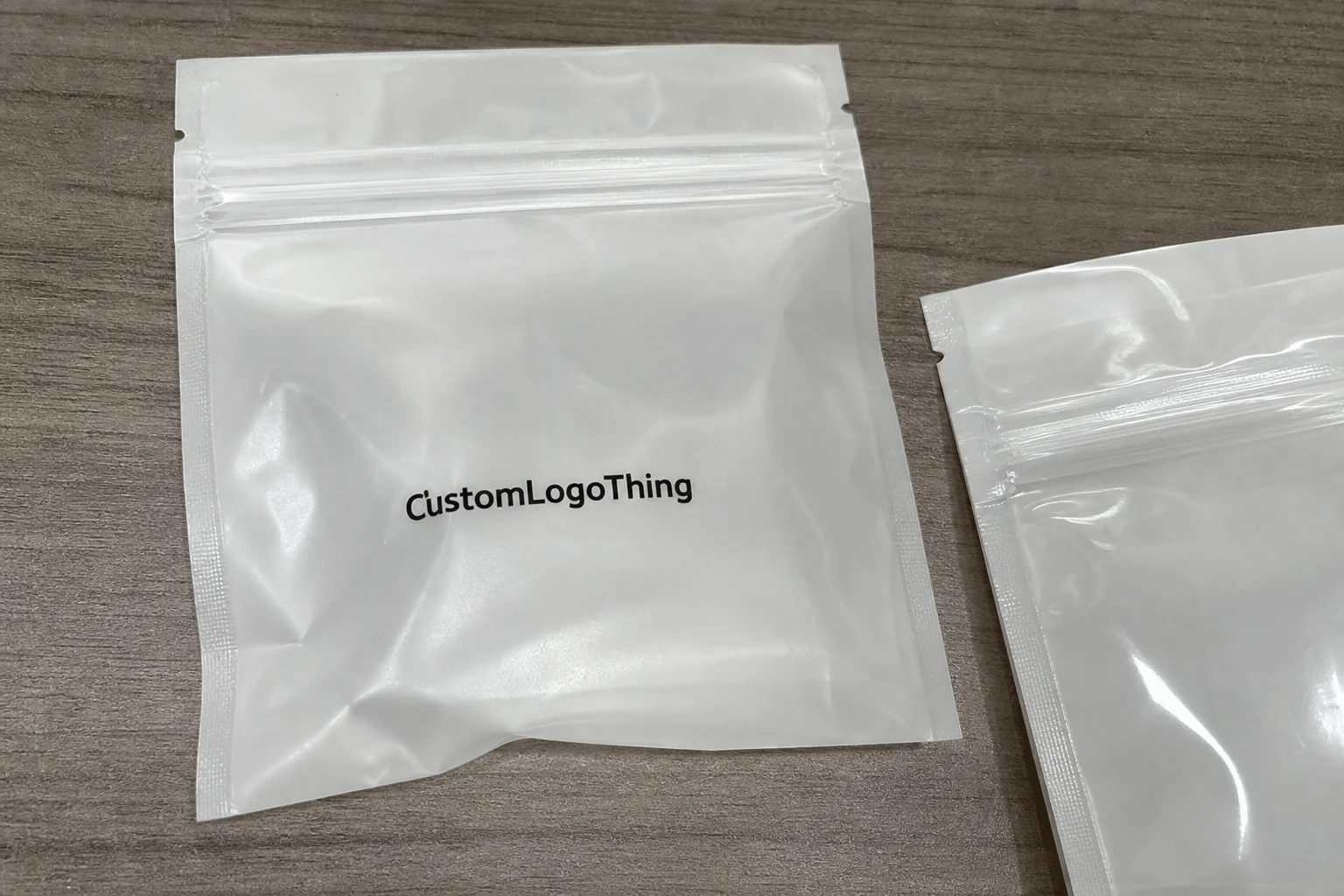
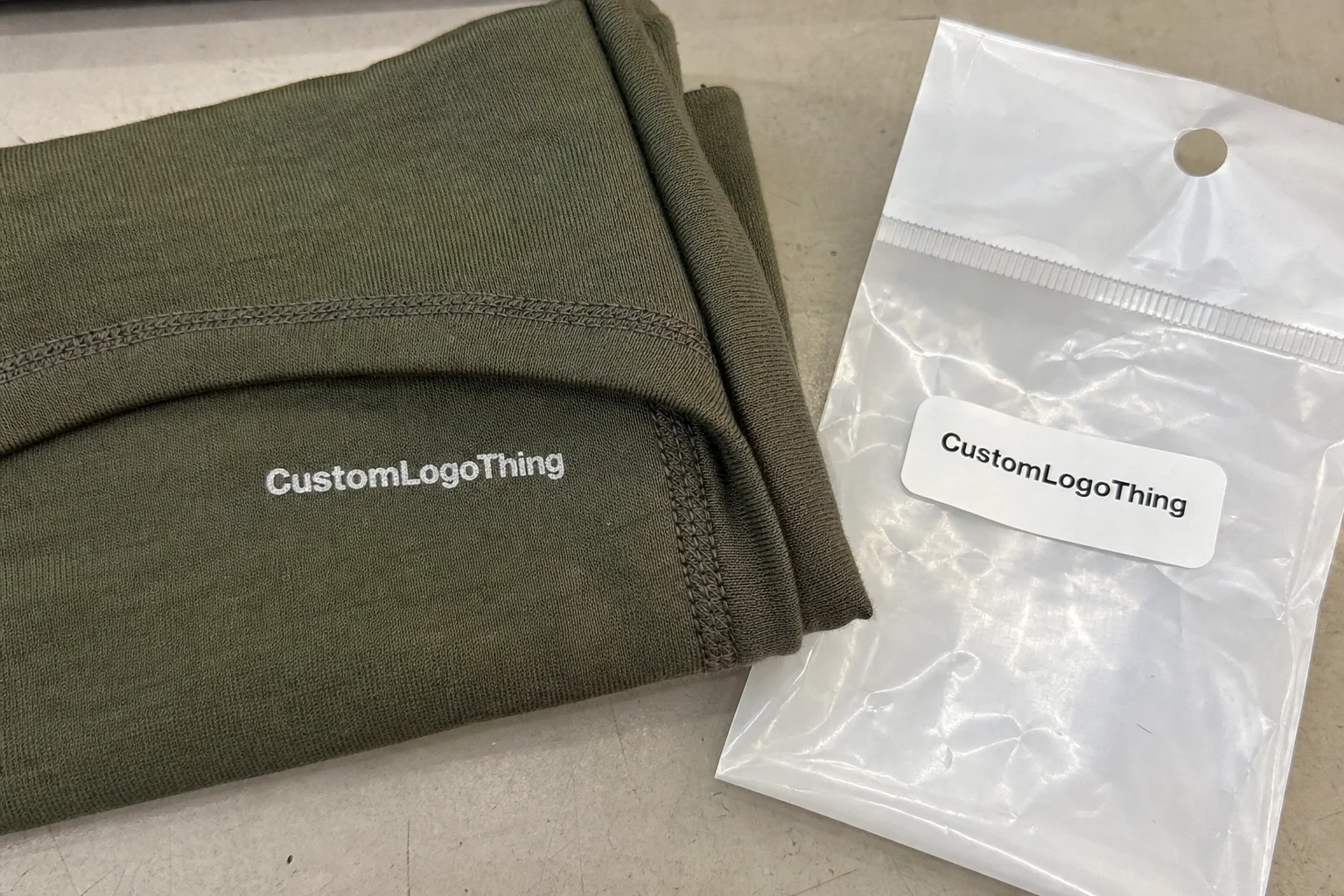
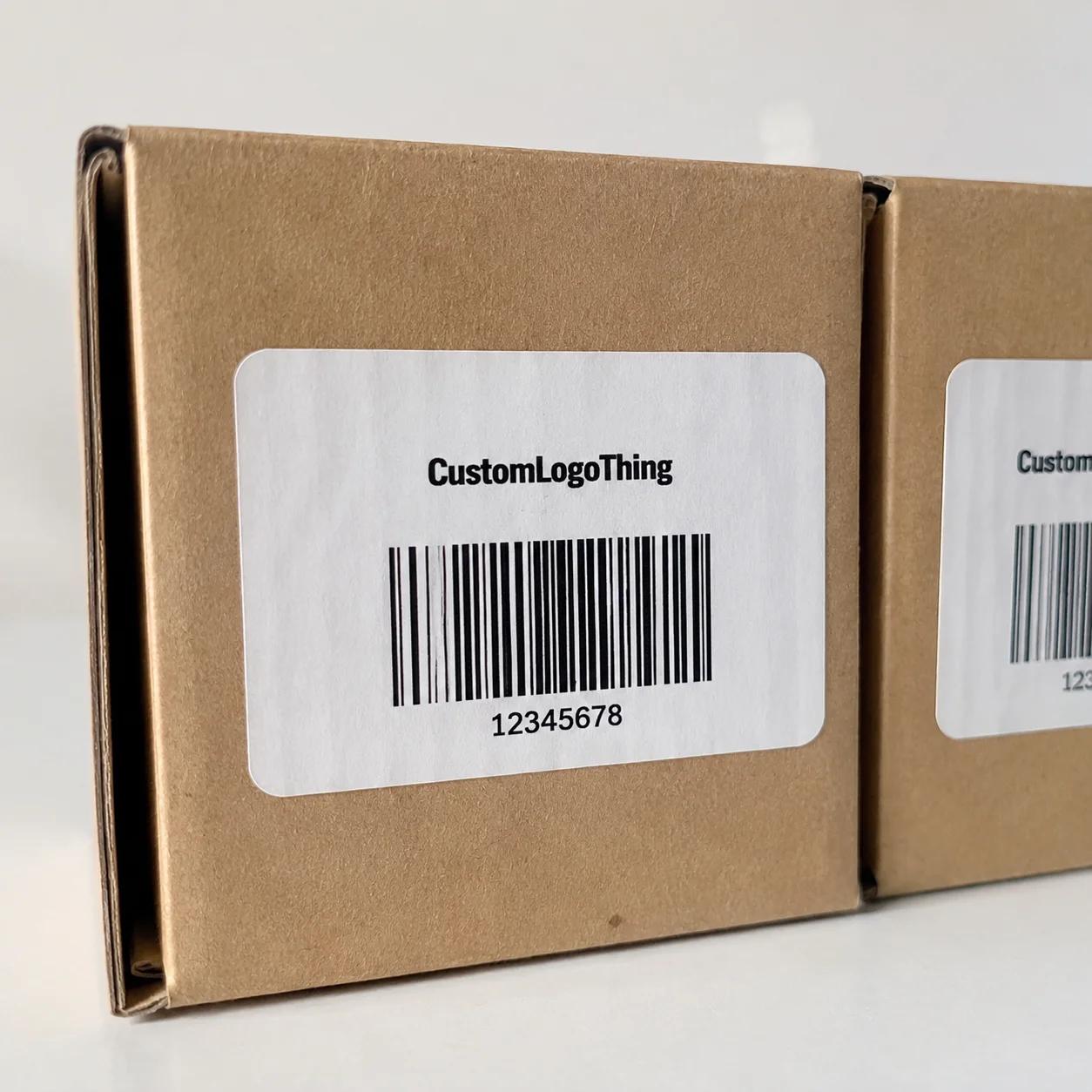
When a buyer requests a boutique retailers Waterproof Apparel Mailers supplier quote, the useful answer is rarely a single unit price. It should make clear whether the mailer will keep folded garments dry, hold its seal under pressure, resist surface scuffing, and still arrive with the clean appearance boutique customers tend to notice before they even handle the product.
That is where many packaging programs lose discipline. Two quotes may look close at first glance, then turn out to describe very different bags: one with thinner film, one with a weaker closure, one with a size that forces the packing team to overstuff knits into stressed corners. For tees, folded sets, soft accessories, denim, and light outerwear, the quote has to reflect the actual packout, not a generic shipping pouch.
A good starting conversation is practical: garment size, order volume, print expectations, and the way the package will be handled after it leaves the packing table. If you are still shaping the spec, you can start with Contact Us or review broader Custom Packaging Products before narrowing the format to a waterproof apparel mailer.
What a Boutique Retailers Waterproof Apparel Mailers Supplier Quote Should Include
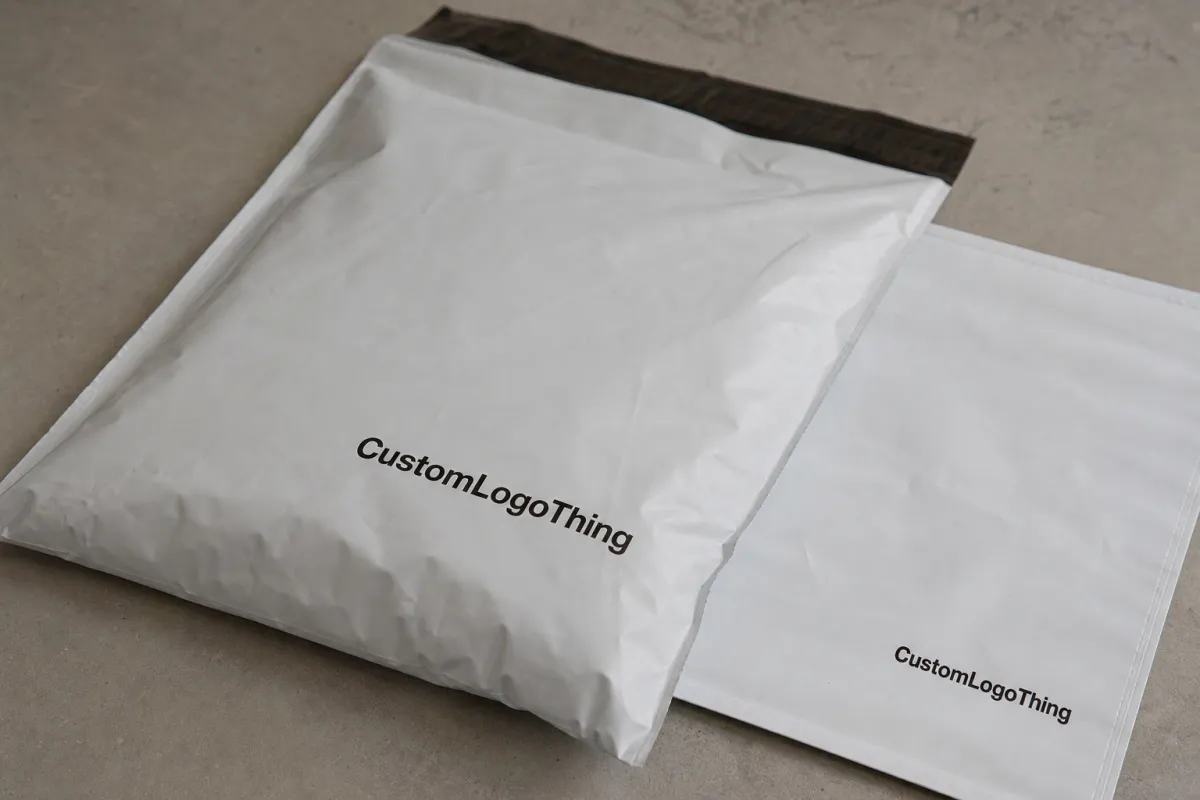
A serious quote should be easy to compare without guessing. The clearest versions list layflat dimensions, usable internal space, film thickness, material construction, closure style, print coverage, carton pack, estimated lead time, and any setup charges in one place. If several of those details are missing, the price may be hiding a compromise.
Many boutique retailers overpay, or buy the wrong item, because they treat apparel mailers like ordinary shipping bags. In practice, the decision is about how the package behaves through storage, hand packing, carrier handling, delivery exposure, and final opening. A useful boutique retailers Waterproof Apparel Mailers supplier quote should tell you whether the pack protects presentation, not just whether it seals shut.
Ask for specifics early:
- Exact layflat dimensions, plus any usable internal dimension guidance after sealing.
- Film construction, thickness or gauge, opacity, and whether recycled content is included.
- Closure format, such as permanent peel-and-seal, resealable strip, or tamper-evident style.
- Print method, print colors, ink coverage, artwork setup, and any plate or tooling charges.
- Carton quantity, carton size, pallet configuration if applicable, and approximate shipment weight.
- Lead time after artwork approval, not just lead time after purchase order.
Those details matter because the receiving experience is part of the product. A folded top that arrives flat, clean, and dry feels cared for. One that arrives wrinkled into a corner, with a rubbed surface or a loose closure, makes the order feel less considered even if the garment itself is undamaged.
A strong apparel mailer quote explains what the customer is likely to receive, not only what the buyer is likely to pay.
The first step is defining the product format. Slim folded tees and tanks do not need the same mailer as bulky sweaters, denim, or layered sets with tissue and inserts. If the packing team uses inner garment bags, hangtags, tissue, return slips, or branded cards, include those in the size discussion. Even a few millimeters of extra stack height can affect closure stress on a tightly fitted mailer.
For many boutiques, the best quote is not the cheapest line on the page. It is the one that removes uncertainty: the bag fits the folded merchandise, the closure has enough bonding area, the film is opaque enough for the product category, and the printed area does not interfere with shipping labels or carrier scanning.
Waterproof Film, Seal Strength, and Apparel Fit That Actually Protect the Order
Waterproof performance depends on more than the word “waterproof” in a product description. Polyethylene films, coextruded films, and certain laminated structures can all provide moisture resistance, but the side seams, bottom seal, and adhesive closure are just as important as the film itself. If the side seal splits under pressure, or the adhesive strip peels before delivery, the material grade is not doing much practical work.
For apparel, fit changes the entire result. A bag that is too tight stretches around corners and pulls against the seal area, which can create small gaps or a strained fold at the mouth. A bag that is much too loose lets the garment slide and bunch, often producing wrinkles and scuffed folds by the time the parcel reaches the customer.
Lightweight tees, camisoles, leggings, and soft basics often perform well in flatter mailers with modest extra room. Sweaters, denim, fleece, and layered outfit sets usually need more width and a little more allowance around the folded stack. The goal is not to leave the garment floating; it is to let the pack close without forcing the film into tension.
Weather exposure also deserves an honest look. A standard poly mailer may be adequate for lower-risk shipments moving through protected lanes, especially where orders are bagged and delivered quickly in dry conditions. Waterproof Apparel Mailers are more compelling when packages face rain, damp loading areas, front-porch delivery, long multi-carrier routes, or higher-value garments where presentation carries more weight.
There are limits. Waterproof does not mean puncture-proof, and it does not protect against every form of crushing or abrasion. Sharp hardware, heavy embellishments, belt buckles, and rigid accessories can still stress the material if they are packed loosely. If the product includes metal components or pointed trim, the quote should address film gauge, internal wrapping, or a different shipper altogether.
Basic inspection points are worth discussing before production. A supplier should be able to describe how seal consistency is checked, whether film thickness is verified within normal tolerance, and how printed mailers are reviewed for alignment, ink coverage, and adhesive contamination. On printed mailers, ink or coating near the seal strip can create avoidable closure issues if the production layout is not controlled.
For broader performance references, organizations such as ISTA provide useful transit-testing context, especially for brands building a larger shipping program. If the retailer also uses paper inserts, cartons, tissue, or hangtags and wants to manage sustainability claims across the whole packaging set, FSC is relevant for fiber-based components even though the mailer itself is film-based.
Sizes, Thickness, Closures, and Print Options for Retail Programs
The core specifications sound simple until they start interacting. A proper quote should identify the layflat size, film thickness, closure style, print coverage, label area, and carton configuration. Those small pieces decide whether the mailer feels polished in the customer’s hands and efficient at the packing bench.
Thickness affects both performance and feel. Heavier film can improve puncture resistance, opacity, and hand feel, which may matter for dark garments, denim, or boutique orders where packaging is part of the brand experience. Lighter film can reduce cost and still perform well for controlled merchandise, shorter routes, and clean packing habits. Neither choice is automatically better.
Common apparel mailers often sit in a practical mid-range of film thickness, with heavier gauges used for bulkier or higher-risk shipments. The exact number should not be chosen in isolation. A well-sized lighter mailer may outperform a heavier bag that is too small and constantly under seal stress.
Closure style deserves more attention than it usually gets. Permanent peel-and-seal closures are common because they are fast, clean, and tamper-discouraging once closed. Resealable formats can be useful for returns, but they may cost more and should be tested for how they behave after the first opening. If returns are a major part of the apparel model, a dual-strip returnable mailer can be worth quoting, but only if the extra cost is justified by the customer journey and operations.
Print options are often best kept purposeful. Boutique retailers may choose a one-color logo, a quiet exterior message, return instructions, or a patterned panel that stays away from the carrier label area. Full-coverage graphics can be attractive, but they increase artwork review, ink usage, and sometimes production complexity. Clean contrast and thoughtful placement usually do more than crowding every surface.
Label behavior is a practical detail that gets overlooked. The mailer surface should accept shipping labels cleanly, without curling at the edges or making barcodes difficult to scan. If the print is dark, glossy, or very busy, reserve a clean label zone or plan for a white label panel. A beautiful bag that slows carrier scanning is not doing its job.
For multi-SKU retailers, standardizing around one or two sizes often produces the biggest operational gain. Tees, light knits, and leggings might share one format, while denim and sweaters sit in a second tier. That approach usually beats forcing one oversized bag across the entire line, which wastes material and makes small orders look underfilled.
| Option | Typical Use | Typical Unit Range at 5,000 Pieces | What It Changes |
|---|---|---|---|
| Plain waterproof apparel mailer | Basic retail shipments and controlled packing lines | $0.18-$0.28 | Lowest print cost, clean presentation, straightforward replenishment |
| Printed waterproof mailer | Brand-led boutique shipments | $0.24-$0.40 | Adds logo or message, improves arrival impression, raises setup cost |
| Heavier-gauge custom mailer | Denim, knits, fleece, or higher-risk routes | $0.30-$0.52 | Improves puncture resistance and hand feel, increases material cost |
| Custom size with branded print | Programs needing a specific garment fit | $0.32-$0.60+ | Reduces overpacking and waste, but setup and tooling can raise pricing |
These ranges are only planning references. Resin markets, film structure, print count, order quantity, carton pack, and freight all move the landed number. They do, however, give buyers a reasonable frame for spotting a quote that is unusually high, suspiciously low, or missing key specifications.
Cost, MOQ, and Unit Price Factors Buyers Should Compare
Pricing is driven by a handful of concrete levers: resin grade, film thickness, mailer size, closure construction, print colors, ink coverage, order volume, and freight. Buyers who understand those levers tend to get better answers because the supplier can solve for the packing need rather than guessing from a vague description.
Minimum order quantity matters more for smaller boutiques than many teams expect. A lower MOQ gives a retailer room to test a size, evaluate artwork, and see how the mailer behaves during daily packing. Larger orders usually reduce unit cost, but a large minimum can create inventory drag if the retailer is still refining garment fit, brand design, or seasonal product mix.
Setup charges should be separated from unit price. Artwork preparation, print plates, tooling, or custom-size setup may be charged once and then spread across the run. If those costs are buried inside a unit price without explanation, it becomes harder to compare a first run against a reorder.
Freight can change the real cost as much as the film itself. Two quotes with the same unit price may land differently after carton count, palletization, shipment weight, and receiving constraints are considered. A dense carton pack can reduce freight per piece, while awkward carton dimensions can create storage or handling problems in a small back room.
There is also the hidden cost of poor fit. If staff need to fold garments twice, add extra tape, repack orders, or reach for a second mailer because the first size is unreliable, the low unit price stops looking low. Damaged presentation has a cost too, even when the item is technically usable.
A practical request should ask for at least two or three comparable versions. For example: standard size versus custom size, plain versus printed, and standard gauge versus heavier film. If returns matter, add a returnable closure option as a separate line. That structure makes it easier to see where the money is going and which upgrades solve real operational problems.
Do not judge a quote by the largest quantity break alone. A 25,000-piece price may look attractive, but if the retailer only ships 2,000 pieces a month and the design may change next season, the storage and obsolescence risk may outweigh the savings. Better pricing is only better if the inventory will actually be used.
Process, Timeline, Proofing, and Lead Time From Spec to Shipment
The production flow should be orderly: spec review, size confirmation, artwork check, proof or sample approval, manufacturing, inspection, packing, and outbound freight booking. If the quote skips these steps and jumps straight from price to delivery date, the schedule may not be grounded in the actual work.
First-time custom jobs usually take longer than reorders. The first run may require measurement confirmation, artwork adjustment, color review, and approval of closure placement or print zones. A reorder can often move from an approved file and settled structure, provided no material, quantity, or artwork changes are introduced.
Late changes are the most common delay. Missing folded dimensions, uncertain print placement, unclear label zones, or a last-minute switch from plain to printed can restart part of the review. So can changing thickness or closure after sampling, because the mailer may pack and seal differently.
Typical lead time depends on quantity and complexity. Plain stock-style mailers can move faster if material is available. Custom print, custom sizing, returnable closures, specialty films, or higher-volume runs require more planning. A supplier should ask for artwork, dimensions, quantity, and delivery expectations before giving a serious timeline.
Proofing should be treated as a control point, not a formality. Review logo size, orientation, color callouts, safe areas, return address placement, barcode or label clearance, and the relationship between the print and the seal strip. For boutique packaging, a small alignment issue can make the finished mailer look cheaper than it is.
Quality control should include simple but useful checks: seal strength, closure placement, film thickness within tolerance, print alignment, opacity, carton count, and label-ready surface condition. On larger runs, cartons should be labeled clearly enough that receiving staff can distinguish size, print version, and quantity without opening every box.
If a launch date is fixed, build in breathing room. Apparel retail calendars rarely forgive packaging delays, especially around seasonal drops, holiday shipping, or store openings. A realistic production schedule is better than an optimistic one that leaves no time for proof corrections or freight variation.
Seasonal and Multi-Store Fulfillment Considerations
Retail buyers usually want consistency before anything else. A mailer has to work across store staff, packing teams, and carrier handling without slowing the order flow. The value is not only in the film or the print; it is in getting the same reliable pack from one carton to the next.
Seasonal programs are especially sensitive to fit. Summer tops, swimwear, and light basics may pack neatly in a slim format, while fall layers and holiday bundles may require more room. If the spec never changes, staff may end up forcing bulkier products into a bag designed for a different season.
A second size tier often solves more problems than it creates. One mailer can handle compact folded apparel, and another can cover denim, sweaters, or small multi-item orders. The added inventory line is usually worthwhile if it reduces damaged presentation, overstuffing, and rework at packout.
Multi-store fulfillment adds another layer. If several stores or stockrooms ship from the same packaging program, the mailers should be easy to identify and simple to train against. Clear carton labels, consistent sizing names, and straightforward closure instructions help reduce mistakes, especially when seasonal staff join the packing process.
Brand presentation should stay disciplined. A custom apparel mailer does not need to be loud to feel intentional. Subtle branding, readable return information, a neat seal, and a surface that stays clean through handling often make a stronger impression than an overdesigned exterior.
Some retailers use more than one mailer type across their shipping line. They may rely on Custom Poly Mailers for lower-risk items and reserve Waterproof Apparel Mailers for higher-value garments, wet-weather routes, or orders where arrival presentation matters more. That mixed approach can be more sensible than forcing one format to cover every shipment.
There should also be honesty around sustainability language. Film mailers may offer lightweight shipping advantages and can sometimes include recycled content, but recyclability depends on local collection systems and material structure. If the retailer makes environmental claims, the supplier should provide clear material information rather than vague wording that cannot be supported.
Next Steps to Lock in the Right Spec and Quote
Before requesting a formal quote, gather the folded garment dimensions, target quantity, monthly or seasonal volume, print requirements, preferred closure, and any return-shipping needs. Include photos or a simple packing description if the order includes tissue, cards, hangtags, or inner bags. These details help prevent a quote that looks clean on paper but fails during packing.
Ask for comparable options rather than a single number. One size may work for tees and light knits, while another may be better for denim or sweaters. A supplier who can show how size, thickness, closure, and print affect both performance and price gives you a stronger basis for decision-making.
Confirm the reorder plan early. Boutique inventory moves by season, and a one-off quote may not be the right structure for a repeat program. If the mailer will be reordered, keep the approved artwork, dimensions, material spec, and carton pack documented so the next run does not become a fresh development project.
The most useful boutique retailers Waterproof Apparel Mailers supplier quote is built from the way the retailer actually ships. Give the folded size, apparel category, quantity, print expectations, closure preference, and desired delivery window, then review the quote for material, fit, freight, and quality-control details. That is how a simple mailer becomes a dependable part of the retail experience rather than another packing supply that needs constant correction.
What should I include in a boutique retailers waterproof apparel mailers supplier quote request?
Include folded garment dimensions, target quantity, print needs, closure preference, desired lead time, and whether the order needs a standard or custom size. Ask for film thickness, material construction, carton pack, setup charges, and freight assumptions so you can compare total value instead of unit price alone.
Are waterproof apparel mailers better than standard poly mailers for boutique orders?
They are often better when moisture resistance, presentation, opacity, or higher perceived packaging quality matters. Standard poly mailers can still work for simple, lower-risk shipments, but waterproof apparel mailers provide a stronger option for rain exposure, porch delivery, and brand-sensitive orders.
How does MOQ affect pricing on custom apparel mailers?
Higher volume usually lowers unit cost because setup and production overhead are spread across more pieces. Smaller MOQs are useful for testing fit and artwork, but custom sizing, specialty closures, and printed designs can raise the unit price on short runs.
What lead time should buyers expect for custom waterproof mailers?
Lead time depends on material availability, artwork approval, size complexity, print setup, and order volume. Repeat jobs are usually faster than first-time custom runs because the approved file and structure are already established.
Can boutique retailers use one mailer size across multiple apparel categories?
Yes, but one size works best when the product mix is similar, such as tees, leggings, and light knits. Retailers that also ship denim, sweaters, fleece, or multi-item sets often perform better with two mailer sizes rather than one oversized or overstuffed format.