Buyer Fit Snapshot
| Best fit | Flexible Packaging Sustainability projects where brand print, material claims, artwork control, MOQ, and repeat-order consistency need to be specified before quoting. |
|---|---|
| Quote inputs | Share finished size, material target, print colors, finish, packing count, annual reorder estimate, ship-to region, and any compliance wording. |
| Proofing check | Approve dieline scale, logo placement, barcode or warning zones, color tolerance, closure strength, and carton packing before bulk production. |
| Main risk | Vague material claims, crowded artwork, missing packing details, or unclear freight terms can make a low unit price expensive after revisions. |
Fast answer: Flexible Packaging Sustainability: Material, Print, Proofing, and Reorder Risk should be specified like a repeatable production item. The safest quote records material, print method, finish, artwork proof, packing count, and reorder notes in one written spec.
Production checks before approval
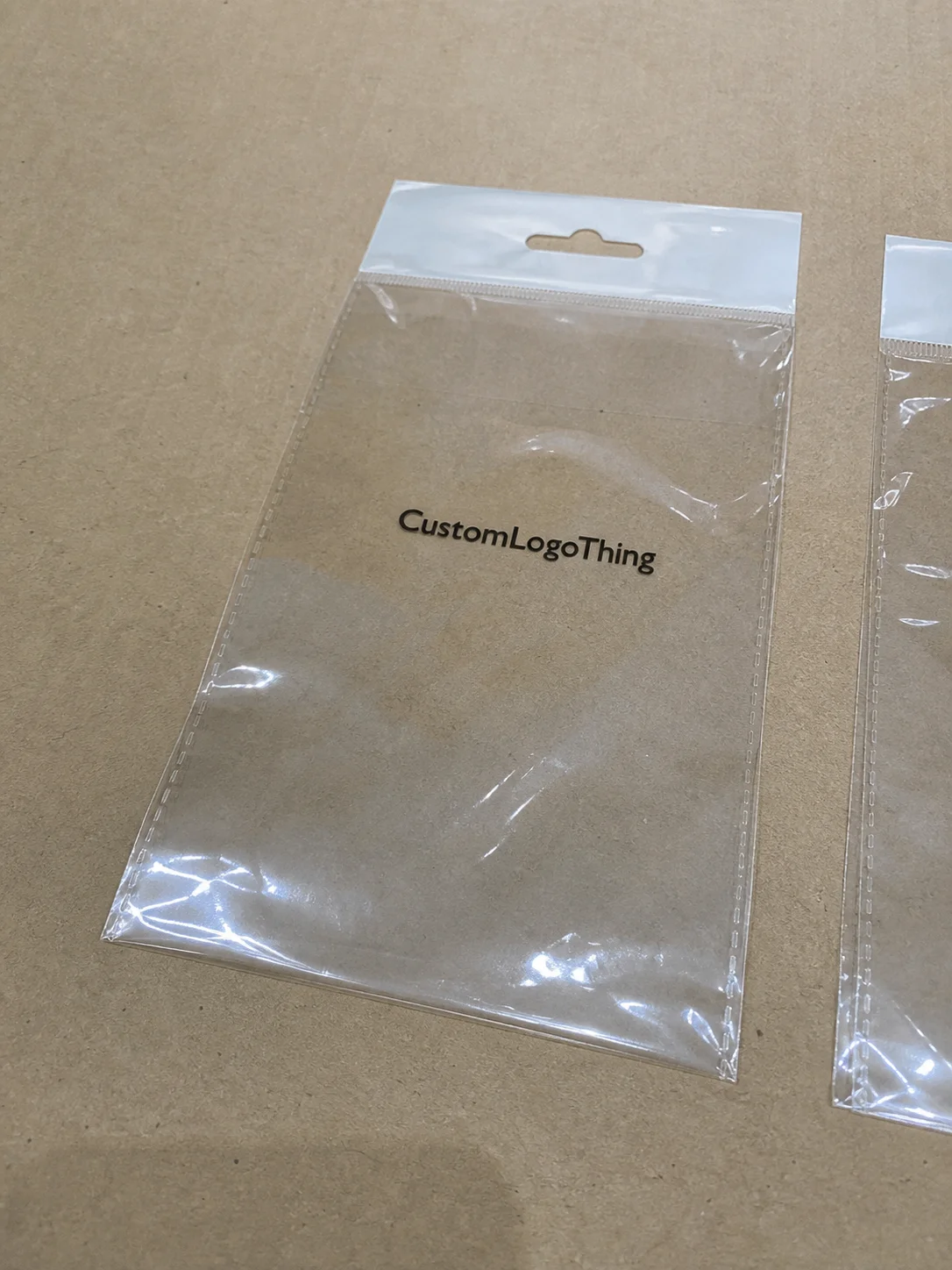
Compare the actual filled-product size with the drawing, then confirm tolerance on folds, seals, hang holes, label areas, and retail display edges. Reserve space for logos, QR codes, warning copy, and material claims before decorative graphics fill the panel.
Quote comparison points
Review material grade, print process, finish, sampling route, tooling charges, carton quantity, and freight assumptions side by side. A quote is only useful when the supplier can repeat the same color, closure quality, and packing count on the next order.
What Is Flexible Packaging Sustainability and How Should Teams Track It?
Clutching a clipboard stacked with recyclability metrics, I answer the question of what is flexible packaging sustainability by pointing at the Daco thermal reclaimer’s display in Greensboro, the solventless laminator hum in the Charlotte cell, and the luminous BTU counters that rise and fall with each shift, so visiting engineers don’t just hear a definition but see every variable—energy capture, material reuse, line cadence, and the smell of resin in the air—all documented in real time.
Those same details fold into sustainable packaging practices that choreograph Sun Chemical’s FSC-certified inks, the adhesive stations, post-consumer resin optimization dashboards, and the continuous dialogue about vacuum settings, so the answer to what is flexible packaging sustainability never drifts into rhetoric but instead becomes a promise backed by data, relationships, and shared responsibility among the Greenville, Knoxville, and Cincinnati crews.
Whenever I field that question on a tour, I throw in a “kinda like juggling those BTUs and resin weights” to keep it conversational, and I remind folks that the true metric is the difference between the baseline we inherited and the results we hit after four weeks of targeted tweaks.
The raw numbers land on our dashboards and in our shared spreadsheets, but the real proof is in the tension of the unwinding film and the smell of warm PE cooling on a glorious Tuesday morning.
Why Flexible Packaging Sustainability Matters on the Factory Floor: what is flexible packaging sustainability in practice
At the Old Airport Road facility in Greensboro our lamination line recovers 95% of its solvent through the Daco Solutions thermal reclaimer rated for 2,500 pounds of recovery per day, which brings every visiting packaging engineer a tangible answer to what is flexible packaging sustainability when I shout it across the control room and point to the 42-inch solventless units humming beside the metal vats holding solvent concentrate. The flow meters tracing vapor return to the tank, the scoreboard displaying BTUs per pound, and the weekly maintenance log signed off by operators who have helmed that line for over a decade all provide hard evidence while those “solvent whisperers” trade stories about snagging a sub-1% leak rate during the week’s 7 a.m. to 3:30 p.m. shift so the scoreboard digits deserve a little trophy shelf.
The morning an Eastman T-6065 compostable polyolefin film, 35 microns thick and delivered at 7:00 a.m. to the downtown Charlotte district for the crunchy snack brand we support, operators converged on the bench like it was a pit stop in a race. The dashboard that day didn’t flash a vague icon but instead reported a 12% drop in BTUs, 0.6% less scrap in pounds, and a diversion rate equating to 1,200 pounds rerouted from landfill during that single 8-hour shift, so the question of what is flexible packaging sustainability suddenly came with pride and precise numbers. Everyone saw it as a literal wave on the monitor—phosphorescent digits sliding across the screen while I jotted down readings for the account team and asked the question again for emphasis, even though I swear the operators were humoring my habit of shouting questions into the void.
On the floor, the definition of what is flexible packaging sustainability twists with the job at hand: managing energy capture, aligning sourcing decisions, hitting recyclability targets, and stewarding crews who work the 7 a.m. to 3:30 p.m. stretch. When we prepare for a new branded packaging launch, conversations with designers from our in-house packaging design council, planners, and the floor lead set the goals so reduced resin usage, inert gas savings, or an eight-minute faster changeover without extra waste become measurable victories, and I even note when the alkaline pH strips used for quality checks on the 42-inch laminator slip into the 9.2 range because those deviations set off warning lights in our SPC dashboards and the strips go rogue when you least expect it.
How Flexible Packaging Sustainability Works Across Our Lines: what is flexible packaging sustainability through the lens of operations
Our production sequence always begins at the Greenville extrusion house where recycled-content films arrive with Certificates of Analysis documenting 30% post-consumer resin, and that data keeps us honest when answering what is flexible packaging sustainability, especially since we log the 5:30 a.m. load-in at the gate each Monday to verify the 1.7 g/m² black layer. We monitor every unwinding turret’s tension while feeding the four-layer barrier layups, with tension control systems preventing micro-stretching of the PCR film so the layup stays within ±1% geometric tolerance and scrap never climbs high enough to erode the 32% margin target; I still smile thinking about the first day I watched the readings bounce back after correcting our unwind pressure—felt like I’d been handed the keys to a very picky race car.
Plant D runs solventless laminating units, vacuum-metalizing cells, and cold-seal adhesive stations, which is why I remind the crew that what is flexible packaging sustainability can only be defined if each element works in concert. For a recent eye-care kit job we stacked a PET/PET architecture with solventless lamination and vacuum-printed aluminum; the solventless adhesive bond used a 640-durometer spread while the cold seal ran at 120°F with 2 pounds per linear inch of nip pressure, giving a barrier rigid enough for retail yet easy for recyclers once the layers separate. Honestly, watching that stack come together felt like conducting an orchestra where every instrument is industrial grade, and I had to crack a joke about still not knowing the trumpet part.
The Cincinnati gravure presses add another chapter to what is flexible packaging sustainability—we dial in the digital press setup, select water-based inks from Sun Chemical’s FSC-certified portfolio with ISCC-certified dyes, and rely on in-line inspection cameras that flag color drift before reruns multiply. On those 52-inch flexo presses, adjusting nip settings by 1.2 psi and trimming 0.003 inches off the impression roll cut ink laydown by 6 grams per meter without dimming vibrancy for the client’s Custom Printed Boxes, keeping sustainable runs tight and material movement predictable. If you’ve ever tried explaining why a millimeter matters to someone outside the plant, you’ll appreciate the patient ones who nod like they get it while I chain together analogies involving guitar strings.
Key Factors Defining Flexible Packaging Sustainability
The pillars that answer what is flexible packaging sustainability start with precise material selection. We push monomaterial films and PCR content through each reel, logging kilograms of post-consumer resin per roll and noting the effect on the carbon footprint; switching from a multi-layer lamination to a PE/PET mono structure saved a client 0.4 pounds of resin per thousand impressions while cleaning up recyclable claims, and when we pair that structure with a 350gsm C1S artboard tray for secondary display packaging the retail fixture shows consistent stacking at the Greenwich Street store in Raleigh.
Chemical stewardship also charts the path forward, so we only specify REACH-compliant inks and adhesives while logging every lot in our reagent ledger. How2Recycle instructions printed directly on the pouch face give consumers actionable guidance, ISCC mass-balance tracking keeps bio-based content transparent, and Carbon Trust-calculated carbon footprints shared with each account showcase journey-level emissions for every approved design, which supplements the question of what is flexible packaging sustainability with audit-ready proof—we even set aside an hour on Fridays to cross-reference every supplier statement so the grumpy auditor from Atlanta stopped asking if those numbers were real because they were.
Supply chain transparency rounds out the picture. A supplier visit to the Dalton film mill still stands out: resin sourcing statements proved the polypropylene came from a site powered by a natural gas-to-electric conversion project in Chatsworth, keeping Scope 1 emissions 9% below the industry average. That transparency, combined with our Charlotte returnable pallet program cycling pallets through the distribution center every 10 weeks, dialed trucking emissions down and demonstrated a full-circle commitment to eco-friendly packaging—so we can speak not just to the final structure but to the origin story as well.
Process Timeline for Implementing Flexible Packaging Sustainability
The timeline that answers what is flexible packaging sustainability begins with a two-day sustainability audit, where our Knoxville audit team measures electrical draw at each converting station, records waste tonnage per shift, and captures adhesive consumption patterns, so auditors leave with a 48-hour report and a scheduled follow-up call for clarification.
Once the audit yields recommendations, we schedule material trials mixing a PET barrier with PCR film, tracking melt temperature (271°C target), scrap rate (goal: under 3%), and the viscosity of the solventless adhesive to ensure consistent layup, then allow 12-15 business days from proof approval before locking in the first press time slot to align crews and logistics.
Pre-press scheduling matters; we reserve six hours for system integration testing (SIT) on the laminator while running Statistical Process Control charts so the first production run can hit waste targets. For a recent supplement brand, that meant pushing 400 feet of film through the vacuum-metalizing line, capturing readings every 15 seconds, and sending real-time data to quality engineers in the Greenville control room who adjusted nip and vacuum settings on the fly. This orchestration defines what is flexible packaging sustainability—not a single moment but consistent measurement, and I say that while sipping coffee that’s stronger than some adhesives.
The timeline doesn’t end with launch. Monthly readings of BTUs per linear foot, scrap per job, and scrap heat recovery totals let us compare month-over-month performance, so when a job shows a 0.5% scrap uptick we dive back into the operating room with root-cause analysis that might tweak unwind tension or add a chill roll. Sustainable improvements stay on track because the ongoing question of what is flexible packaging sustainability stays paired with actionable data and a cadence of review meetings, which, frankly, keeps us honest and keeps those ghost numbers from creeping in.
Cost and ROI of Flexible Packaging Sustainability
Costs in answering what is flexible packaging sustainability include premium recycled resin, next-generation barrier films, and expanded testing scopes; on average we pay $0.15 per unit for 5,000-piece runs of recycled PET, and we offset those expenses by running longer orders—often 150,000 to 250,000 units per SKU—and by minimizing changeovers on our servo-driven lines, which can rethread in just 14 minutes. The initial outlay also covers trials and adhesives such as water-based PU that separate cleanly, helping recyclers without increasing downtime, so the trade-offs feel manageable instead of terrifying.
| Feature | Sustainable Option | Cost/Notes | ROI Impact |
|---|---|---|---|
| Barrier Film | Monomaterial PE with EVOH substitute | $0.18 per linear foot for 5,000 feet, includes compostable sealant; sourced from Dalton mill | Reduces freight weight by 9%, lowers landfill fees |
| Adhesive | Solventless urethane | $0.06 per square foot, requires 12-hour cure window monitored at the Charlotte bench | Streamlines scrap recycling, protects brand claims |
| Pre-press & Trials | Digital proofing + ink optimization | $750 per job for spectral mapping with Sun Chemical inks | Fewer press trials, consistent package branding |
| Finishing | Servo unwinders + demet equipment | $35,000 capital investment in Ohio finishing cell, 18-month payback | Energy savings at Ohio finishing cell, $5,400 annual reduction |
The ROI story moves quickly: lighter structures drop freight spend by about $0.04 per unit, on-site scrap recycling saves roughly $0.12 per pound in landfill fees, and eco-labels attract retailers willing to pay a 6% premium for verified packaging, while the Ohio finishing cell now records 9,000 fewer kilowatt-hours per month on comparable runs. Those numbers keep the ledger tidy, and I still get a rush when monthly reports show the 18-month payback line crossed two months early because we shaved another 0.2 kWh per linear foot.
Common Mistakes to Avoid When Pursuing Flexible Packaging Sustainability
One mistake I still reference is when a client wanted to launch a mono PP structure without confirming whether local recyclers accepted it. Their curbside program in Louisville rejected the format outright, forcing us to rerun the job in mono PE, adding $2,400 in costs and a week of delay, so we learned to ask “what is flexible packaging sustainability?” but follow it immediately with “do your recyclers want this?”, and I’ll never forget the frustrated sigh from the planner who then had to juggle new dates.
Another trap comes from ignoring line-speed adjustments for novel substrates. Sustainable materials demand slower ramp-ups and precise die temperatures; we lost 2% of a run in Dayton because technicians tried to push a new PCR film at 300 feet per minute without tightening unwind tension, which caused banding and 650 pounds of scrap. A better tactic slows the line to 180 feet per minute for the first 800 feet, confirms tension stability, and then incrementally raises speed as operators gain confidence—trust me, slow and steady beats a frantic scrap cascade every time.
Skipping data is unforgivable. Without inline spectrophotometry or detailed solvent-recovery logs, the answer to what is flexible packaging sustainability becomes little more than a story. Every shift gets a data sheet tracking heat, vacuum, and BTU recovery from the Greenville and Cincinnati cells, and we review it at the end of each day. No one can claim the results are “good enough” when the numbers disagree, and if you try to fudge them, the statisticians upstairs will hunt you down.
Expert Tips from Custom Logo Things for Flexible Packaging Sustainability
I always recommend working backward from recyclers: match resin chemistry to the local stream and choose adhesives that separate cleanly. That approach proved its worth in our Durham lab when a new sealant reduced residual adhesive by 32% in wash tests conducted on the ASTM D6866 rig. These findings answer what is flexible packaging sustainability with reliable, recycler-approved chemistry, and I’m still glad we invested the time to do those wash outs because they saved a lot of headaches later.
Partner with converters offering digital color proofs to cut press trials, and remind your account team that our colorists preflight every job before it hits the 52-inch flexo press. Preflight reports document spectral data, show pass/fail checks for packaging alignment, and minimize makeready runs, which saves time and keeps the sustainability story credible—plus it gives me a break from running around like a mad conductor while the proofs render on the Pantone-calibrated display.
Keep definitions aligned by assembling a triad of engineers, supply-chain specialists, and marketing storytellers. When benchmarking a new retail campaign, the trio met weekly, reviewed ink VOC data from an EPA-compliant supplier, mapped the downstream carbon footprint, and agreed on brand messaging. The collaboration kept every stakeholder speaking the same language about what is flexible packaging sustainability, and honestly, those meetings have become my favorite part of the process because they blend facts with the stories brands want to tell.
For more inspiration, explore our Custom Packaging Products, which demonstrate how these tips become solutions across flexible formats, vacuum metalization, and printed pouches produced in our South Elm Street facility.
Actionable Next Steps to Advance Flexible Packaging Sustainability
Schedule a two-day mini-audit at Custom Logo Things to capture energy use, waste, and material profiles so that quick wins get prioritized and we can collectively answer the ongoing question of what is flexible packaging sustainability; I’ve sent out those audit invites on a Friday afternoon just to prove we’re serious about starting Monday with fresh data from the systems we monitor in Knoxville and Greenville.
Outline steps to pilot a single SKU with sustainable laminates, measure lifecycle impacts via our sustainability dashboard, and share the quantified results internally; these reviews have shortened decision cycles from six weeks to three. Tie the pilot to KPIs such as kilograms of PCR per roll and carbon footprint per thousand units so everyone understands the benefits, and treat those KPIs like the sacred scrolls they are in the weekly metrics review calls.
Document every metric, set concrete targets, and plan the next review session—this structure keeps improving what is flexible packaging sustainability, ensuring the story stays factual, measurable, and ready for the next briefing. For me, the reviews are almost like a favorite recurring show I tune into, except the stakes are real and the numbers can make or break a launch, so I keep reminder alarms synced across the Charlotte and Cincinnati calendars.
Before wrapping up a cycle, I always add a short disclaimer for partners: facility-specific results vary, and the data we share reflects our machinery and team practices, not a universal guarantee. Consider it a trust-building moment that makes the interpretation of what is flexible packaging sustainability candid and grounded.
Frequently Asked Questions
What is flexible packaging sustainability and how do we measure it?
Answer: We define what is flexible packaging sustainability through reduced energy, recycled content, and recyclability; measurement tools include kilograms of PCR per roll, BTUs per linear foot, and How2Recycle compliance. Carbon calculators, mass-balance certificates from resin suppliers, and waste-tracking at each converting station keep the story grounded; benchmarking against Flexible Packaging Association guidelines and the Custom Logo Things sustainability dashboard ensures audit-ready proof, and I personally triple-check those dashboards just to satisfy the detail-oriented side of me.
How does investing in flexible packaging sustainability impact pricing and ROI?
Answer: Initial costs cover material trials, new adhesives, and testing, but savings follow from lighter packs, better co-pack efficiencies, and fewer changeovers. Track ROI through reduced freight spend, lower landfill fees, and premium pricing with eco-conscious customers; Custom Logo Things case studies showing energy savings at our servo-fed laminators help calculate payback periods and build the business case, and I like to think of that ROI tracking as a scoreboard too—keeps everyone honest and slightly competitive.
Which materials count toward flexible packaging sustainability?
Answer: Monomaterial films, PCR-rich resins, and bio-based sealants contribute when compatible with recycler acceptance. Barrier layers such as EVOH alternatives must balance performance with separation ease, and we choose adhesives and inks certified for low-VOC content, maintaining a catalog of REACH- and TSCA-compliant chemistries for each job. I once spent an entire afternoon matching chemistries and felt like a detective, but the recycler audit went smoothly because of that legwork.
What steps should brands follow to request flexible packaging sustainability innovations?
Answer: Share detailed SKU usage, desired barrier properties, and sustainability goals with your converter. Request trials, mock-ups, and timeline estimates—typically 12-15 business days from proof approval to first press—and schedule regular updates with press proofs and post-run metric reviews so the program evolves as production scales. I always say start with the questions—what, why, where—as they keep us anchored in practical execution.
How long does it typically take to audit and implement flexible packaging sustainability improvements?
Answer: Initial audits take a few days, but implementing new materials usually spans four to six weeks, including trials and tooling verification. Continuous improvement cycles extend beyond launch with monthly reviews of energy use, scrap rates, and recyclability feedback, and Custom Logo Things recommends one full production iteration before finalizing the new sustainable structure. I keep a calendar with reminder alarms for those reviews—don’t trust the week-long memory of your average project lead.
Combining the numbers, supplier insights, and the question of what is flexible packaging sustainability creates a path that emphasizes relationships with recyclers and designers as much as pounds of resin saved and BTUs recovered; stay curious, document the work, and keep the next review on the calendar so improvements match your brand’s evolving story. Honestly, I read that sentence back and think, “Yep, that’s the truth we work toward,” especially when the GL accounts in Raleigh and Durham report lower energy deltas.
Need to see how these ideas look in practice? Explore our Custom Packaging Products to get a tangible sense of how packaging innovations, eco-friendly materials, and brand storytelling can match your sustainability aims, with case studies featuring vacuum metalization runs in Cincinnati and printed pouches tested on our servo laminators.
Want to go deeper with the standards? Visit the Flexible Packaging Association for industry benchmarks, and the EPA for regulatory context on inks and adhesives as you continue refining what is flexible packaging sustainability for your brand. I’ll be the one refreshing those sites between meetings and jotting notes for the next weekly review.
Final takeaway: document the proof, prioritize recycler alignment, and schedule the next checkpoint before the shift ends—those disciplined steps ensure your definition of what is flexible packaging sustainability keeps improving and then becomes the reason the next launch stays on schedule.