Buyer Fit Snapshot
| Best fit | Packaging Brand Voice projects where brand print, material claims, artwork control, MOQ, and repeat-order consistency need to be specified before quoting. |
|---|---|
| Quote inputs | Share finished size, material target, print colors, finish, packing count, annual reorder estimate, ship-to region, and any compliance wording. |
| Proofing check | Approve dieline scale, logo placement, barcode or warning zones, color tolerance, closure strength, and carton packing before bulk production. |
| Main risk | Vague material claims, crowded artwork, missing packing details, or unclear freight terms can make a low unit price expensive after revisions. |
Fast answer: Packaging Brand Voice: Material, Print, Proofing, and Reorder Risk should be specified like a repeatable production item. The safest quote records material, print method, finish, artwork proof, packing count, and reorder notes in one written spec.
Production checks before approval
Compare the actual filled-product size with the drawing, then confirm tolerance on folds, seals, hang holes, label areas, and retail display edges. Reserve space for logos, QR codes, warning copy, and material claims before decorative graphics fill the panel.
Quote comparison points
Review material grade, print process, finish, sampling route, tooling charges, carton quantity, and freight assumptions side by side. A quote is only useful when the supplier can repeat the same color, closure quality, and packing count on the next order.
What Is Packaging Brand Voice?
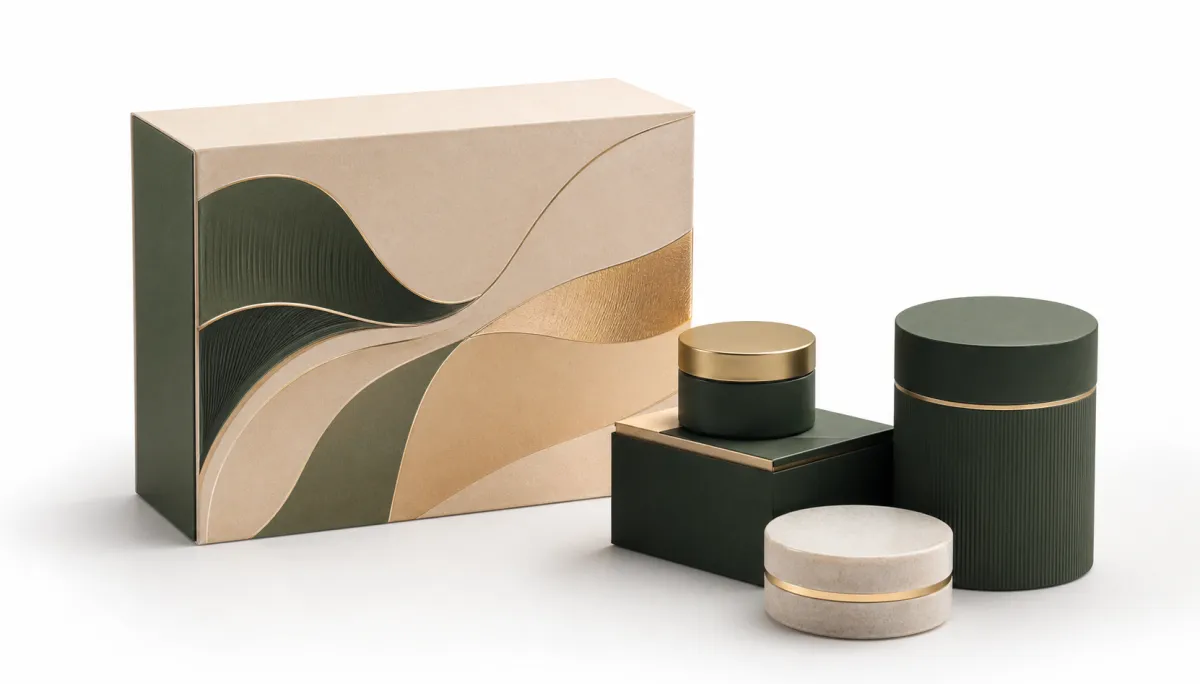
What is packaging brand voice? I think of it as the personality a product carries from the first moment a shipper lands on a doorstep in Austin, Texas or Rotterdam, Netherlands to the last second a customer folds the carton flat, keeps the insert, or tosses the box because it finally feels ordinary enough to let go. I still remember a premium skincare launch where the website promised restraint, calm, and quiet confidence, then the package showed up as a plain brown mailer with a loud recycled sticker slapped on the corner and a 9-point disclaimer crammed across the back panel. The formula was excellent, but the unboxing experience felt off by a mile. The customer said it better than any deck ever could: "I expected more from the box than this." Fair point, honestly, especially when the product retailed at $68 and the shipper cost only $0.24 per unit at 5,000 pieces.
That gap is exactly why what is packaging brand voice matters. It is not just packaging copy, and it is not only a design concern. It is the full expression of a brand through structure, materials, print finish, information hierarchy, and the tone of every word that appears on the box, insert, seal, or care card. A carton built from 350gsm C1S artboard with soft-touch lamination, tight copy, and a disciplined information stack sends a very different signal than a kraft mailer printed with one utilitarian ink pass and a rushed set of instructions. Customers do not just open packaging. They read it, feel it, and decide how much confidence to attach to what is inside, often in under 8 seconds while standing at a kitchen counter or in a lobby. Sometimes they decide in seconds, which is a little unfair, but that is how people behave.
I have watched teams treat branded packaging like decorative wrapping, then act surprised when the result feels generic. On a supplier visit in Shenzhen, I saw a cosmetics run where the outer carton looked expensive, yet the insert card sounded like it had been assembled by three different departments working in isolation across two shifts. One sentence was warm, another was clinical, and the last line read like a compliance note copied out of a spreadsheet and cut to 11 words too late. The package had polish, but the voice had no center. What is packaging brand voice if not the bridge between visual identity and customer expectation? Done well, it makes the product feel deliberate. Done poorly, it feels like leftovers dressed up for a meeting. And yes, I have seen that exact kind of leftovers problem more than once, usually right before a Friday proof deadline.
The business side matters just as much. What is packaging brand voice in financial terms? It shapes trust, supports premium pricing, and affects how quickly a first-time buyer decides the brand is credible. It also affects whether a gift purchaser feels proud to hand the box over, whether a repeat buyer can identify the right SKU at a glance, and whether the care instructions reduce support questions or create them. If the exterior says "carefully made" and the interior arrives with crooked typography and a loose insert, the voice breaks. If the package opens with clarity, rhythm, and restraint, the voice strengthens without saying a word more than necessary. That kind of consistency is not glamorous, but it pays rent, especially when the annual packaging budget runs under $12,000 and every extra proof round adds another $180 to $450.
What Is Packaging Brand Voice in the Unboxing Journey?
What is packaging brand voice during the unboxing journey? It is the sequence of messages a package delivers, one layer at a time. The shipper sets the first impression. The seal builds anticipation. The outer label guides the hand. The inner carton or tray reveals the product. The insert explains, reassures, or instructs. The thank-you card adds a human note. The disposal or reuse guidance closes the loop without confusion. Each touchpoint speaks in a slightly different register, yet all of them need to sound like they belong to the same brand family. That is the difference between Packaging That Feels designed and packaging that simply contains something, whether the pack is produced in Ningbo for a 20,000-unit run or hand-packed in Los Angeles for a 300-unit launch.
I worked with a beverage brand that wanted to sound premium without slipping into stiffness. Their outer shipper used matte black ink on natural corrugate, which gave the doorstep moment real presence, and the carton spec was a 32 ECT B-flute mailer with a 1-color flood. Inside, the insert card ran wild with 147 words, three QR codes, a promotion for a product nobody asked about, and a recycling note buried so deep no one noticed it. The journey snapped in half. We rewrote the insert to 61 words, moved the disposal note to the back panel, and gave the opening sentence one clear line: "Your order is packed to arrive in shape and ready to share." The package suddenly spoke in one voice, and what is packaging brand voice became much easier to answer because the customer could feel it instead of trying to decode it. I wish more teams would trust that instinct instead of stuffing every square inch like it owes them money.
Most packaging journeys move through seven points: the shipper, the seal, the outer label, the inner pack, the insert, the care card, and the post-use instruction. Each one has a job. The outer layer can reassure a nervous buyer who has never purchased before. The inner layer can surprise a loyal customer who already trusts the product. The insert can educate without sounding like a lecture. If you are building Custom Printed Boxes, the order of information deserves the same care as the die line or the board spec. A rigid box built on 2 mm board communicates ceremony before the lid even lifts, while a simple tuck-end mailer can still sound polished if the copy is disciplined and the hierarchy is clean. In factories near Guangzhou and Ho Chi Minh City, I have watched the difference come down to a 3 mm shift in panel spacing and a 14-word reduction in the welcome line.
What is packaging brand voice at production level? It is also a workflow. Most teams move from brief to prototype, from sample to approval, then into production sign-off. A typical artwork cycle can take 2 to 4 rounds, and a true first-pass approval is rare unless the brand has already documented the tone, font stack, and image use in a working spec. Dielines can take 3 to 5 business days. New structures may need 5 to 10 business days for sampling, sometimes longer if there is foil, embossing, a magnetic closure, or a multi-part insert system. A small change to a thank-you card can add nearly a week if it requires a fresh die line and a different folding sequence. That delay is normal. Packaging is physical, and physical things make you earn every decision. Anyone who has waited on a folded sample from a plant in Dongguan knows the strange emotional range of that process: hope, doubt, and a little annoyance at your inbox. You are kind of waiting for a box to tell you whether your strategy was real.
"The box looked good online, but the opening felt generic until we fixed the insert and the wording on the care card. The product was the same. The voice was not."
That line came from a client meeting where we compared two samples on the same table under the same light at 9:15 a.m. One used a four-color outside print and a generic insert. The other used the same substrate, trimmed the copy by 40 percent, and added a single tactile detail that made the opening feel intentional, a 1.2 mm emboss on the lid edge that caught the light just enough. People underestimate how much sequence matters. What is packaging brand voice if not the order in which trust arrives? A package does not need to say everything. It needs to say the right thing at the right moment, then get out of the way.
For brands that want a benchmark grounded in real-world shipping, technical testing matters too. Organizations like the ISTA packaging testing standards help determine whether a package survives vibration, compression, and drop conditions. A beautiful design that crushes in transit has no voice left to speak. I have seen elegant retail boxes arrive dented after a 36-inch drop test because the insert floated too loosely inside the cavity and the board spec was only 280gsm SBS instead of the 350gsm artboard the job really needed. The message of care disappeared the second the structure failed. That is the kind of thing that makes everyone in the room stare at the sample and say nothing for a few seconds, which is never a good sign.
Key Factors That Shape Packaging Brand Voice
What is packaging brand voice shaped by? Brand positioning comes first. A luxury fragrance line should not speak like a machine parts supplier. A playful snack brand should not read like a laboratory label. A clinical wellness line should not sound flippant just because the design team wanted to add personality. The strongest brand identity systems align tone, structure, and materials so the customer never has to pause and guess what kind of brand they are dealing with. A matte black rigid box with silver foil, 1.5 mm grayboard, and a 28-word insert tells a different story than a kraft mailer with soy-based ink and one handwritten line. Neither is automatically better. Fit is what counts, and fit is where a lot of brands quietly miss the mark, especially when they try to force a $24 product into a $3 packaging language.
Audience context shifts the message as well. A first-time buyer scans for legitimacy in 6 to 8 seconds and wants clarity before charm. A repeat buyer values speed, recognition, and consistency. A gift purchaser wants the packaging to do some of the emotional work without turning melodramatic. On a beauty co-packing visit in Monterrey where the line handled 18 SKUs across two shifts, the team kept asking why one SKU needed a different tone from the rest. The answer was simple: one product sold to specialists, one sold to gift buyers, and one sold to trial shoppers watching every dollar. What is packaging brand voice without audience segmentation? Usually a guess dressed up as strategy, and I have seen enough guesses to know they get expensive fast, often by $0.09 per unit once the print run crosses 10,000 pieces.
Category norms matter more than many founders expect. Cosmetics can carry a little more aspiration. Food packaging has to stay safe, legible, and quick to understand. Electronics usually ask for restraint and precision. Subscription boxes can be more conversational because the customer relationship already exists. A package that ignores category norms may look bold for a moment, then feel confusing for months. I always tell teams to study the shelf context, the shipping context, and the post-purchase context before they write a single line of copy. Good packaging speaks to where it lives. Bad packaging sounds like it wandered in from another aisle, especially on a crowded shelf in a Toronto pharmacy or a Seoul airport kiosk where the customer has maybe 4 seconds to decide.
Copy length is only one part of the voice. Typography, contrast, surface texture, print fidelity, and sustainability claims all affect how the package feels in the hand. Thin type on a low-contrast kraft surface can make the whole system sound uncertain. A palette with too many competing accents can weaken authority. Vague recycled claims can cut trust faster than almost anything else. For brands using retail packaging, the same message has to read from two feet away on a shelf and from two inches away in a customer’s hand. That is a tighter test than many design reviews account for. I have sat through reviews where everyone loved the mockup until they actually picked it up, especially when the varnish was too slick and the 8-point legal line disappeared under the lighting in the room.
Regulation shapes what is packaging brand voice more than most people admit. Claims must be accurate, legible, and compliant. An ingredient list cannot hide under a decorative flourish. A recycling mark cannot imply local acceptance where none exists. Sustainable positioning needs proof, not just good intentions. The Forest Stewardship Council remains a useful reference point, and the FSC site explains certified sourcing with real clarity. I have seen a packaging refresh stall because the team wanted to describe a board as "eco-friendly" without verifying the supplier chain from Suzhou to Long Beach. One vague word triggered two extra review rounds and a legal rewrite. Nobody loves that email, especially not on a Friday afternoon at 4:40 p.m.
The practical view is simpler: what is packaging brand voice is the result of several decisions working together, not a single clever line.
- Positioning: luxury, technical, playful, clinical, or sustainable.
- Audience: first-time, repeat, gift, or professional buyer.
- Structure: mailer, folding carton, rigid box, or multi-part kit.
- Material: kraft, SBS, C1S, corrugate, or rigid board.
- Messaging: copy length, tone, hierarchy, and compliance.
Packaging Brand Voice Pricing: Where the Budget Goes
What is packaging brand voice worth in dollars? More than many teams expect, though not always in the places they predict. The voice itself is not a line item. The cost shows up in substrate choices, finish selection, insert construction, proof cycles, and the number of formats you need to keep consistent. A strong voice usually asks for more deliberate decisions, and deliberate decisions cost time as well as money. On a recent project in Ho Chi Minh City, the jump from a plain kraft mailer to a fully printed folding carton with a custom insert was not only a visual change; it altered tooling, assembly labor, and the entire approval sequence. I have never once heard a production manager say, "Sure, go ahead, make it more complicated." For good reason.
At 5,000 units, I have seen a simple one-color mailer print land near $0.15 per unit for box printing only when the art is already set and the board is standard 32 ECT corrugate, while a full-color folding carton can run $0.41 to $0.76 per unit depending on coverage, coating, and board. A rigid box with foil, embossing, and a printed insert can rise to $1.75 to $3.15 per unit, especially when magnets, foam, or multiple components enter the design. Those numbers change with volume, but they give teams a useful reality check. What is packaging brand voice if the budget cannot support the details? In that case, the smartest move is usually to simplify the system instead of weakening the concept. I would rather see one strong finish and a disciplined layout than a package trying to do six expensive things badly.
| Packaging approach | Typical unit cost at 5,000 pcs | Voice signal | Best fit |
|---|---|---|---|
| Plain kraft mailer with one-color print | $0.15-$0.31 | Practical, clean, direct | Subscription, DTC basics, utility brands |
| Full-color folding carton with spot UV | $0.41-$0.76 | Polished, retail-ready, controlled | Beauty, wellness, consumer goods |
| Rigid box with foil and custom insert | $1.75-$3.15 | Premium, ceremonial, giftable | Luxury, limited editions, launches |
The hidden costs tend to catch people by surprise. Extra proof rounds can add 4 to 7 days and a few hundred dollars. Short-run inventory can raise per-unit costs by 15 percent or more. Fragmented SKU families can force artwork rework three or four times a quarter. Inconsistent packaging gets expensive fast because it creates redesign churn and weakens the customer experience at the same time. I sat through one supplier negotiation in Guangzhou where a brand saved $0.06 per unit by removing a foil accent, then spent almost $2,400 cleaning up artwork and correcting three line extensions. The savings looked good on paper and vanished everywhere else. That was one of those meetings where the room gets very quiet when the spreadsheet starts telling the truth.
That is why I frame what is packaging brand voice as ROI rather than decoration. Clear packaging language can reduce confusion, support premium pricing, and improve repeat purchase behavior when the system feels intentional. It can also reduce waste because teams stop inventing one-off fixes for problems that should have been solved in the first briefing. If you want a practical place to start, compare options in our Custom Packaging Products catalog and see how structure, material, and print choice shift the cost curve. The right box is not the most expensive one. It is the one that makes the message believable at the right cost, whether that lands at $0.29 or $1.94 per unit.
For some brands, the best financial move is not another feature. It is a sharper hierarchy. One clear headline, one benefit line, and one care note often do more than 250 words scattered across five panels. A disciplined voice can make a lower-cost package feel more premium than a louder one with better finishes. I have seen a $0.29 unit box outperform a $1.14 unit box in customer feedback because the less expensive package was cleaner, quieter, and better aligned with the product story. That result came out of a 12-week pilot with 2,000 testers in the Midwest, and it changed the way the team allocated budget for the next launch. Honestly, that is the kind of outcome that makes all the sample-request email chaos worth it.
Step-by-Step Guide to Building Packaging Brand Voice
What is packaging brand voice in practice? It is a system you can build, test, and repeat across SKUs. I usually start with an audit. Pull every carton, insert, seal, and label from the current line and lay them out side by side on a 6-foot table. Then mark where the voice drifts off-brand, where the copy overexplains, where the material choice says one thing and the message says another. Most teams can spot the mismatch immediately once all the pieces are in the same room. Packaging has a way of revealing its own contradictions when you stop looking at it one item at a time.
Step two is defining the voice in plain language. Strip away the marketing jargon and write the brand the way a production manager would describe it to a printer in Dongguan or a buyer in Minneapolis. Is it calm or energetic? Technical or friendly? Minimal or generous? Is the goal to reassure, to impress, to educate, or to invite repeat purchase? Those choices need to be clear before the dieline starts moving. A designer can create a beautiful layout for a vague brief, but vague briefs tend to produce packaging that looks fine and says nothing. I have seen gorgeous silence more times than I care to admit, usually on a file that took 11 hours and still needed another revision.
Step three is assigning the message hierarchy. The front panel should not try to carry the entire brand story. A package needs a lead sentence, a supporting detail, and the right amount of breathing room. The inside panels can do more of the teaching if the outer shell is already doing its job. A thoughtful what is packaging brand voice framework usually follows a simple rule: front for recognition, inside for reassurance, insert for instruction, back panel for compliance. That structure keeps the package from shouting in every direction at once, which is a problem I see constantly when a launch gets rushed and the print deadline is set only 72 hours after approval.
Step four is choosing materials and finish as part of the voice, not after the voice is already set. A 157gsm art paper wrap, a 2 mm rigid board, a natural kraft substrate, and an aqueous coating each shape the tone in a different way. Matte finishes soften the look. Gloss raises energy. Embossing adds ceremony. Foil adds emphasis. A flocked insert can turn a small object into something that feels almost ceremonial, while a plain corrugate mailer keeps the message grounded. Every choice speaks. Some choices whisper. Some choices sound like they had too much coffee, especially when a silver foil logo is paired with a rough 23 E flute shipper.
Step five is prototyping with real samples, not only PDFs. A package may look balanced on screen and still feel heavy, flimsy, loud, or awkward once assembled. I always ask teams to handle the sample the way a customer will. Open it standing up. Open it one-handed. Open it after a long workday. Open it with a child tugging at your sleeve if that matches the audience. What is packaging brand voice if it only works in a presentation deck? The answer, frankly, is not much. A package has to survive the real world, not just the deck review, and a 12-minute tabletop test in a studio in Brooklyn is a good start but never the whole story.
Step six is testing the wording in context. Read the copy aloud. Cut the sentence where your breath runs out. Check whether the brand sounds like itself when the package is damaged, when the seal is broken, or when the customer skips the card and goes straight to the product. Packaging often sounds strongest when the copy is shorter than the team wanted. I have watched a launch improve after a 92-word insert was reduced to 34 words and a line break was moved to create a better pause. That is not magic. It is editing, which is less glamorous but much more useful, especially when the final print run is scheduled for 15 business days after proof approval.
Step seven is documenting the rules before production begins. That means tone examples, approved terminology, font hierarchy, material standards, finish limits, and what not to do. If the brand wants the same voice across seasonal runs, limited editions, and core SKUs, the rules need to live somewhere people can actually use them. A good packaging voice guide saves time because it stops every team from reinventing the same decision under deadline pressure. Once that guide exists, production becomes calmer and the brand feels more coherent from factory to front door. I have seen teams breathe easier the first time they can answer a packaging question without starting a new meeting.
Common Mistakes When Defining Packaging Brand Voice
One common mistake is trying to sound premium by sounding distant. A package that strips away all warmth can feel expensive for a moment and cold for the rest of the customer relationship. I have seen luxury brands write like they were afraid of being understood, especially on products priced at $120 and above. That usually leads to copy that is polished but empty. What is packaging brand voice if the customer cannot find a human pulse inside it? Pretty quickly, it becomes expensive wallpaper. Nice wallpaper, sure. Still wallpaper.
Another mistake is mixing tones inside the same package. A box can be elegant without becoming severe, and it can be friendly without becoming casual to the point of carelessness. Trouble starts when the outer carton sounds luxury, the insert sounds clinical, and the care card sounds like a discount email. That mismatch is jarring. Customers may not use the same language to describe it, but they can feel the instability immediately. Consistency matters more than cleverness. If the brand voice keeps changing its jacket every five inches, people notice, whether the box came out of Mexico City or a facility in Suzhou.
Teams also get into trouble when they ignore the physical structure of the pack. A message that fits on a flat sheet may fail on a folded carton with limited panels, tight margins, and a real-world die line. Copy that looks neat in Figma can wrap into a disaster once the board is scored, glued, and assembled. A clean paragraph can become unreadable if the folding sequence splits it in the wrong place. Packaging is not a poster. It is a manufactured object with constraints that deserve respect. That lesson usually arrives right around the third proof, after someone says, "Wait, where did the sentence go?" and the printer replies that the panel size was only 42 mm wide.
Overwriting is a classic trap. Brands often try to explain everything they do, every ingredient they source, every award they won, and every promise they hope the customer will believe. That kind of language clogs the package and weakens the main message. A better approach is to identify the one or two things the customer actually needs at the moment of opening. The rest can live on a website, a product insert, or the back panel if it truly belongs there. What is packaging brand voice when it is overloaded? Noise with nice typography. I say that with affection, because I have written way too many versions of that noise myself, including one 118-word sleeve copy that nobody needed.
Sustainability messaging can go wrong as well. Vague claims invite skepticism. Overconfident claims invite trouble. The better route is precision. State what the board is made from, what the coating does, and what parts of the pack are recyclable in the markets where it will actually be sold. A clear claim builds trust faster than a vague green label ever will. Packaging should be honest enough to survive close reading. If it cannot survive close reading, it probably should not survive the mockup stage either, especially if the pack is headed to California, Germany, or British Columbia where claim scrutiny tends to be strict.
One more mistake: treating every SKU like it needs a unique personality. A brand family works best when the products share a common voice and vary only where the audience or category requires it. If each package invents a new tone, the line loses continuity and the customer has to relearn the brand every time. That is costly in production and tiring in the hand. I have seen teams create a beautiful mess this way, and cleaning it up is never as charming as the original brainstorm seemed, especially when the reprint turns into a $4,800 correction across eight SKUs.
Expert Tips and Next Steps for Rollout
Start with the highest-volume package first. That is where inconsistency hurts the most and where the voice framework will pay off fastest. Once the core line is stable, extend the system into seasonal runs, bundles, and limited editions. A strong voice can flex without breaking if the rules are clear enough from the beginning. I like this approach because it keeps the team from trying to solve every packaging problem in one sprint, which tends to turn into a very expensive group therapy session with 14 emails and three last-minute art swaps.
Work with the printer and converter earlier than you think you need to. Production teams catch problems that look invisible in a mockup. A foil element may crowd a fold. A black flood may scuff more than expected. A glued insert may slow the line by a full shift. The people who run the press and the folding equipment in places like Dongguan, Wenzhou, or Nuevo Laredo see things designers do not always catch from a screen. Their input can save a brand from expensive rework and a lot of frustration. I have never regretted a factory conversation that happened too early. I have regretted several that happened too late, usually after the carton window was already printed.
Keep a sample archive. Good packaging work gets lost when nobody retains the first approved version, the revised proof, or the production sample that finally got the weight, tone, and fit right. A sample wall in the studio or warehouse can become the fastest way to calibrate future launches. The box that already solved the problem is often the best teacher. A dusty shelf of old samples can tell you more than ten polished slide decks, and unlike the slides, it cannot hide its mistakes. I have seen one archive in a warehouse outside Cincinnati save a team three weeks because they could compare a 2022 carton against the current spec in under 10 minutes.
Audit after the launch, not only before it. Read customer feedback, return notes, and support tickets with the packaging in mind. If buyers keep asking how to open the box, the voice may be failing in the instruction layer. If they say the package feels cheap despite good product quality, the material and finish likely need a second look. If the package earns compliments before the product is even used, the system is doing its job. That feedback is gold, and sometimes it is annoyingly specific gold, which is even better when the same comment shows up 27 times in a month.
For teams still shaping their own standard, what is packaging brand voice becomes easier to answer once the process is documented, the materials are chosen with intent, and the copy is trimmed to what the customer actually needs. A package does not need to perform every function at once. It needs to hold attention, communicate trust, and make the product feel worthy of the moment, whether the order ships from a plant in Shenzhen or a finishing house in Warsaw.
FAQ
What is packaging brand voice in simple terms? It is the personality a package communicates through wording, structure, material, print finish, and the sequence of the unboxing experience. A strong packaging voice makes the product feel consistent before anyone has tried it, even if the pack is only a 300gsm SBS sleeve with a $0.12 insert card.
Does packaging brand voice only apply to copy? No. Copy matters, but material choice, typography, color, insert structure, and finish all shape the voice. A brand can say one thing and accidentally signal something else if the physical packaging tells a different story, especially when the substrate shifts from kraft to coated board.
How do I make packaging voice feel premium without overspending? Tighten the hierarchy, reduce unnecessary copy, and choose one or two finish details that matter. A restrained system with clear structure often feels more premium than a busy package with too many expensive effects, particularly when the unit target has to stay near $0.45 at 5,000 pieces.
What is packaging brand voice for a new brand? For a new brand, it is a way to make the first interaction feel credible and memorable. The package has to explain the brand quickly, set expectations honestly, and give the customer a reason to trust what arrives, usually within 12 to 15 business days from proof approval if the structure is already locked.
Should every product in a line use the same voice? The core voice should stay consistent across the line, while the tone can adjust for audience or category. A family of products feels stronger when the packaging language shares a common rhythm and visual system, even if the colorway shifts between seasonal runs in Miami and Milan.
How do I know if the packaging voice is working? Look at customer feedback, support questions, return reasons, and how often people share the unboxing. If buyers describe the product as thoughtful, polished, clear, or giftable, the voice is doing real work, and the proof cycle likely did its job within 2 to 4 rounds.
What should I do first if I need to define packaging brand voice this week? Write one sentence that describes the brand tone, map that sentence to the outer pack, inner pack, insert, and care note, then test a physical sample in real hands before approval. If the box sounds right but feels off, trust the sample; packaging is gonna tell you the truth faster than the deck will.