Buyer Fit Snapshot
| Best fit | Packaging Cost per SKU projects where brand print, material claims, artwork control, MOQ, and repeat-order consistency need to be specified before quoting. |
|---|---|
| Quote inputs | Share finished size, material target, print colors, finish, packing count, annual reorder estimate, ship-to region, and any compliance wording. |
| Proofing check | Approve dieline scale, logo placement, barcode or warning zones, color tolerance, closure strength, and carton packing before bulk production. |
| Main risk | Vague material claims, crowded artwork, missing packing details, or unclear freight terms can make a low unit price expensive after revisions. |
Fast answer: Packaging Cost per SKU: Material, Print, Proofing, and Reorder Risk should be specified like a repeatable production item. The safest quote records material, print method, finish, artwork proof, packing count, and reorder notes in one written spec.
Production checks before approval
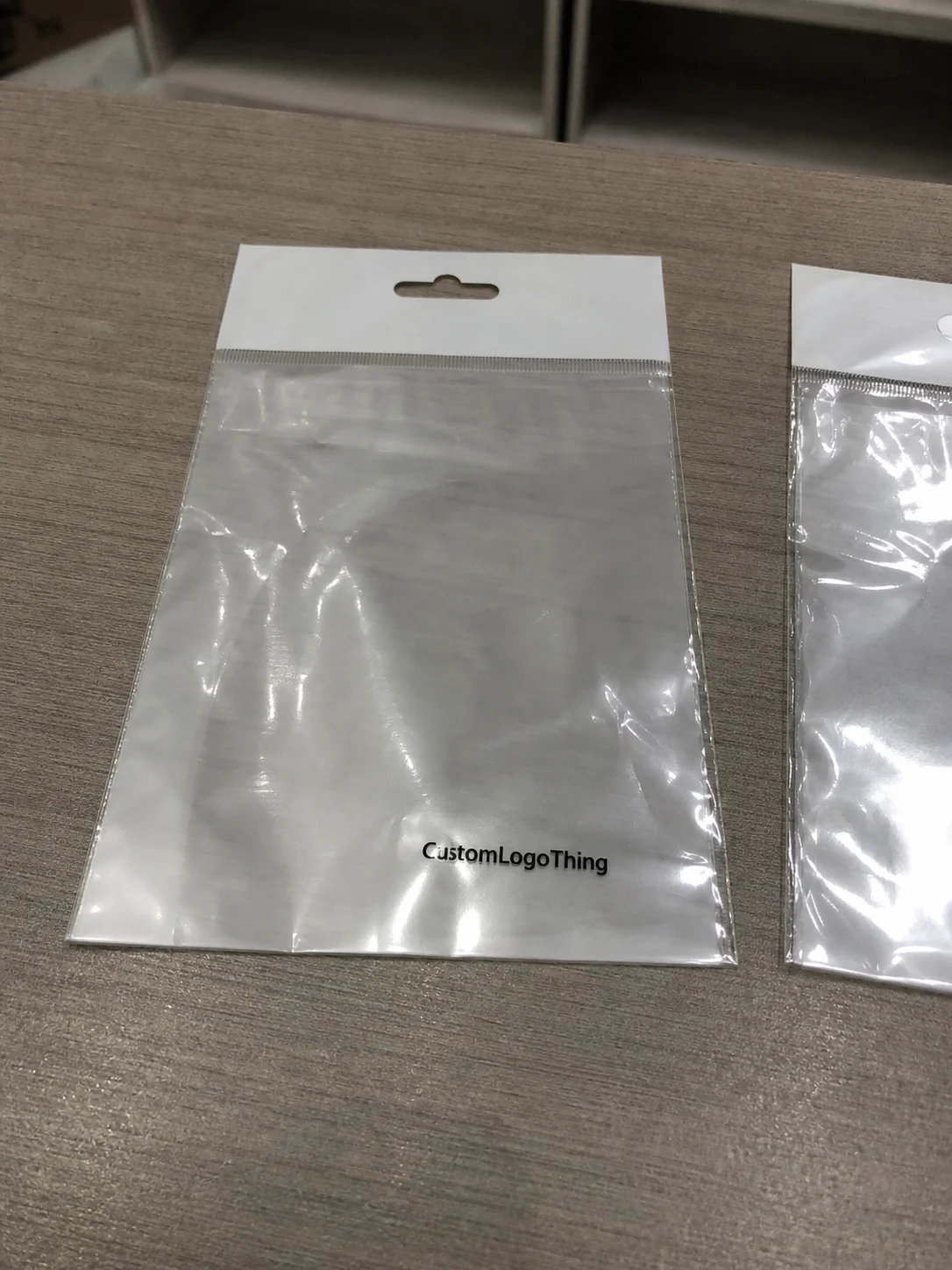
Compare the actual filled-product size with the drawing, then confirm tolerance on folds, seals, hang holes, label areas, and retail display edges. Reserve space for logos, QR codes, warning copy, and material claims before decorative graphics fill the panel.
Quote comparison points
Review material grade, print process, finish, sampling route, tooling charges, carton quantity, and freight assumptions side by side. A quote is only useful when the supplier can repeat the same color, closure quality, and packing count on the next order.
When I first asked “what is packaging cost per sku” at FoxPak’s press room beside the Chicago River, the plant manager leaned over the freshly painted Heidelberg Speedmaster SM 74 and said, “You mean the number most buyers refuse to track?” I told him the 12-15 business days from proof approval to press start was my deadline, and the numbers still live in a spreadsheet with line items for the 320gsm FBB at $0.15 per sheet, 18 grams of Henkel adhesive that runs $0.03 per carton, and the two assembly operators we pay $21 an hour to hand-glue each sample. Tracking the exact graphic board, finish, and assembly steps for each SKU stopped guesswork from bleeding our margins. I remember the press tech glancing at me like I’d just asked him to perform surgery with a spanner, but that spreadsheet became the hero (and yes, I pulled it out even though he was clearly not thrilled to relive the saga).
The keyword “what is packaging cost per sku” isn’t a trendy tag; it is the specific query that unlocks precise budgets like the $0.32 retail sleeve run from Eastside Litho in Jersey City, the $0.42 mailer box from FoxPak in Chicago, and every custom printed box shipped from Pacific Corrugated’s Seattle plant. I bring up that same query in kickoff meetings with clients, in supplier proposals, and even during factory visits so each SKU gets its own unit cost story—with note fields showing which supplier quotes arrived in three days versus eight, which adhesives cost $0.03, and which finishes take four hours of press downtime to set up. No mystique, just facts tied to actual invoices. Honestly, if more people asked that question, suppliers wouldn’t get away with adding “mystery fees” as part of the handshake deal.
What is packaging cost per sku and how do I stop guessing it?
I start every kickoff by asking what is packaging cost per sku, because if I don’t get a line item for every finishing pass the deck turns into a guessing game and nobody wins. The question makes finance, design, and supply chain line up adhesives, lamination, die boards, freight, and labor so we can see the exact number that really drives profitability.
Once they admit the need, we map the follow-up in a spreadsheet so the Packaging Cost Per Unit is the baseline and the packaging budget per SKU becomes the story we can defend. That SKU packaging quote shows which supplier needs a 10-day turnaround and which ones offer a rebate, and every time I say what is packaging cost per sku the meeting shifts from art direction wishes to real money on a sheet of paper.
Value Proposition: Why What is Packaging Cost Per SKU Still Surprises
I have been on 28 factory floors—from Shenzhen to Chicago’s FoxPak to Atlanta’s Corrugated Alliance—and the first thing I ask is “what is packaging cost per sku?” Most folks shrug because they track box price but not the SKU-level approvals for a Honeywell device that requires a $0.12 embossing premium. The first time I stood in FoxPak’s press room and asked the question, the manager smirked and said, “You mean the number most buyers are too scared to track?”; I still use that spreadsheet, the one with a red line for each SKU’s cost drivers and a green line for approvals so we can see the difference between guess and fact. I even pinned a “no guesswork” sticky to the monitor after that—took two tries because our Chicago forklift driver kept peeling them off. That question stays on loop whenever specs shift, because what is packaging cost per sku is the lens that keeps layouts honest.
Surprising fact: materials made up 60% of the packaging bill on a recent pet-care SKU, thanks to Pacific Corrugated’s 350gsm C1S artboard priced at $0.18 per unit for a 5,000-run order from Seattle. That insight came when I shadowed our account rep while Pacific Corrugated walked us through their pricing spreadsheet, noting that reducing the board weight from 400gsm to 330gsm shaved nearly $0.18 per SKU without impacting shelf presence, and suddenly our design brief fit the $0.62 target. When I cut the material cost in half, the client asked why they had ever paid the higher number. That’s what happens when you tie every label, glue bead, and carton style to the per-SKU cost question instead of paying by intuition. I still remember the CFO’s stunned silence (he smiles like a robot; it’s rare) the first time I presented that breakdown during a finance review call in Atlanta.
Here’s what most people get wrong: they lump all SKUs into a generic “packaging cost per unit” line and miss how a custom printed box with embossing differs from the same box used for a refill kit. From my 12 years running custom print lines in Chicago’s River North and Shenzhen’s Bao’an District, I’ve seen serious profit leaks whenever teams keep cost-per-SKU as a fuzzy concept. I once watched a beauty startup order 4 SKUs with identical dielines but different finishes; the finance team had no idea the $0.12 embossing premium on SKU 2 meant their margin vanished at the 4,000 run size priced at $0.69. I still argue with them in my head (and sometimes out loud) because it was an easily avoidable catastrophe if someone had just asked the right question. Answering what is packaging cost per sku with actual numbers stopped that margin bleed before it happened.
So yes, asking “what is packaging cost per sku” means setting up the right spreadsheets, naming each material—like the 250gsm matte board from Summit Paper in Portland and the $0.04-per-unit matte varnish from Eastside Litho—and assigning a supplier so you stop guessing budgets. That’s why we cover every label, every adhesive drop (Henkel at $0.03), and every carton style in our per-SKU log. It may sound tedious, but the first time you watch a buyer gasp when they see the actual ROI on a $0.57 mailer box, you know it was worth the effort. If you can’t repeat what is packaging cost per sku while walking a sample run, you aren’t really tracking adhesives.
Product Details: SKU-Level Packaging Options
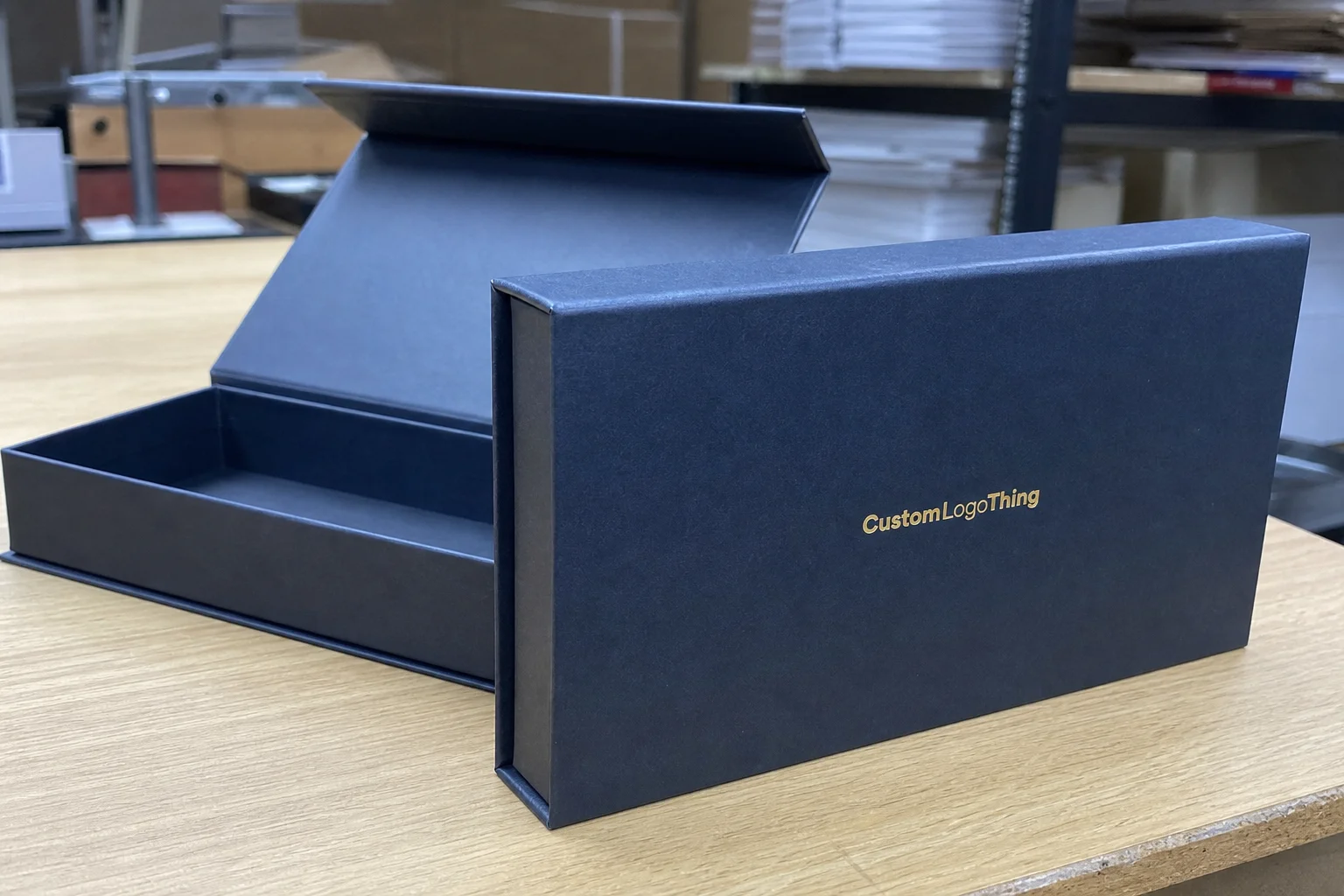
Every SKU deserves a packout story: mailer box, retail-ready sleeve, protective insert, and secondary carton. On a recent sports nutrition rollout we logged each SKU with assigned suppliers—mailer boxes from FoxPak’s Chicago plant at $0.42 per unit with die-cut inserts, retail-ready sleeves from Eastside Litho in Jersey City at $0.32 with soft-touch lamination, waffle inserts from a San Diego thermoformer at $0.27 per piece, and bulk outer cartons from Pacific Corrugated in Seattle at $0.24 with 10,000 MOQ. The result? A single workbook shows who prints what, at what price, and which MOQ applies. That’s how custom packaging gets tracked, not approximated. I even color-coded the tabs like a lunatic, but when finance flipped through it they didn’t ask any follow-up questions (which I count as a win). That workbook is really the answer to what is packaging cost per sku because it names every insert, finish, and MOQ.
We work with Eastside Litho for high-end printed sleeves because their Jersey City pressroom keeps CMYK register crisp at 5K runs and their turrets can handle 200-lpi screens without moiré, and with Pacific Corrugated for bulk outer cartons because their double-wall construction ships flat from Seattle without cracking. Eastside gave a $0.32 finish fee for a 12” sleeve with soft-touch lamination, while Pacific’s corrugate quote landed at $0.17 per SKU when matched with a 5,000 MOQ and palletized freight from their Tacoma warehouse. The price gap matters when you compare Custom Printed Boxes for premium beauty lines versus bulk packouts for supplements. I keep reminding clients (and sometimes myself during late-night spreadsheets) that the “packaging” line item is a living thing—it shifts with every new spec.
Include finishing options in your SKU profile. When we quoted a boutique fragrance kit out of Eastside Litho’s Jersey City facility, we added soft-touch varnish, spot UV, and gold foil, each with its own cost line. Soft-touch ramped up the print/finish line by $0.09 per SKU, spot UV added $0.07, and foil trimmed another $0.11. Add those to the base price and suddenly you understand why that SKU needs a higher retail price. (And if you ever hear a creative director say “just add a little foil,” remind them it comes with a per-SKU price tag that finance can’t pretend not to notice.)
Layer the logistics of each SKU shape. Trapezoidal magnum bottles need custom die boards from the Milwaukee tool shop, which tacked on a $350 tooling fee amortized at 5K equals $0.07 per SKU. That tool only pops up when the SKU demands it, and you can’t ignore that cost when answering “what is packaging cost per sku.” Custom packaged products with fans or unique dimensions need that clarity before anyone signs a purchase order. I sat through a full hour of resistance (including a heated debate over whether the bottle could just be a cylinder), but once the CFO saw the die cost amortized it was suddenly obvious.
Branded packaging requires documenting each insert, sleeve, and carton so you see how every component impacts the SKU-level cost. We even log adhesives (Henkel’s H2121 at $0.03 per drop), assembly labor (two operators at $21 an hour for 10 minutes per unit), and ambient-room drying time in our Chicago plant. That’s your real glimpse into the SKU cost, not just the unit cost that finance always loves. So yes, that means recording when the glue dries slower in winter and when the assembly line pauses for a coffee break (which I mention to drive home that “per SKU” isn’t theoretical—it’s very real sweat on the factory floor). That log is the proof I pull out when someone asks what is packaging cost per sku and blames the finish.
Specifications That Shift Packaging Cost Per SKU
Material weight drives per-SKU costs more often than any other line item. Going from 250gsm to 400gsm stock adds about $0.05 per SKU on a 10k run, plus the heavier sheets require an extra 0.3 seconds per cycle at Summit Paper’s Portland mill, which means $0.02 in press time. I point that out every time I call Summit Paper because they deliver consistent fiber and the price jump is clean on the invoice. If you want that luxurious heft, plan for the premium. If you don’t, keep the 250gsm base for mailers. (And if someone says “we just want luxurious,” gently remind them that the wallet also wants to survive.) Material weight is the first column we fill when answering what is packaging cost per sku.
Additives like cold foil and embossing each carry minimum charges. Cold foil at Eastside Litho’s Jersey City pressroom forces a separate press set-up if you’re running a four-color offset job, adding at least $0.08 per SKU and $0.09 for embossing after the binder. We map each additive to its cost driver—foil needs a chase, embossing needs a female die—and we list that in the per-SKU cost estimate so even teams stuck in Excel know the delta. I once watched a designer argue that embossing should “only take a minute,” which is technically true until you realize every press needs an hour to pressurize (and me to remind them that time is money, specifically $0.09 per SKU).
Window patches, inner trays, and inserts are priced per SKU, not per carton, so every spec sheet gets those line items flagged. We once built inner trays for a cosmetic line using a die-cut EVA foam insert sourced in Riverside, CA; the foam supplier charged $0.22 per tray, but because we quoted it as part of the SKU cost rather than just “additional component,” the client saw the actual cost jump in their dashboard. Tying these spec sheets to per-SKU numbers keeps everyone honest. That’s the line I reference whenever someone asks what is packaging cost per sku.
Tell your engineer the maximum stack height and we’ll calculate if you need double-wall reinforcement. A winery shipment from Sonoma required a stack height of 48 inches, so we moved to PET corrugate with reinforced corners from Pacific Corrugated’s Seattle plant. That upgrade added $0.12 per SKU but prevented pallet collapse during transit. When someone asks “what is packaging cost per sku,” the answer needs to include those structural decisions, because they explain sudden jumps in costs that designers usually blame on decorations. Seriously, the last collapse we prevented should count as a medal-worthy moment.
We also monitor compliance. If your SKU requires ISTA certification or ASTM drop testing, the test fees add another $0.05 per SKU once amortized over the run, and the accredited lab in Atlanta typically returns results in three business days. That’s why we keep packaging.org, ista.org, and fs.org references handy for quality and material standards and note the test windows in our project tracker. (Yes, I have bookmarks; no, I don’t judge anyone who still relies on sticky notes.)
Pricing & MOQ: What is Packaging Cost Per SKU, Really
True pricing isn’t a vague range—it’s actual dollars from real suppliers. A 12” retail box at 5K MOQ cost me $0.82 each after printing, laminate, and 350gsm board from Pacific Corrugated’s Seattle plant, with tooling at $0.10, print/finish at $0.36, folding/gluing at $0.12, QC/logistics at $0.09, plus freight from Tacoma to New York at $0.05. When a sourcing lead asks “what is packaging cost per sku,” I hand them this table so they see how each line adds up. You can watch the tension drain from their faces once they get the breakdown (which is honestly my favorite part of the job).
MOQ kills or saves cost per SKU. On our last beauty launch in Los Angeles we pushed for 3K offset print runs with Eastside Litho and dropped the SKU cost to $0.57 from $0.69. That $0.12 margin improvement came from spreading the make-ready across more units and tapping into the supplier’s rebate tier, which kicks in at 4,000 units. Higher MOQ also let us negotiate rebate tiers, which we documented for every SKU so future reorder spikes don’t catch finance off guard. I’m still convinced we could get the supplier to throw in cookies if we asked nicely during the negotiation, but the rebates are good enough. That story shows how what is packaging cost per sku can shift with rebates and tiers.
| SKU Feature | Supplier | MOQ | Cost per SKU at MOQ | Notes |
|---|---|---|---|---|
| 12" Retail Box with Soft-Touch, Spot UV | Eastside Litho | 3,000 | $0.57 | Includes print/finish + lamination; shipping palletized from NJ |
| Mailer Box with Die-Cut Insert | FoxPak | 5,000 | $0.42 | Tooling $0.08, insert $0.10, adhesives $0.03 |
| Bulk Carton (Double Wall) | Pacific Corrugated | 10,000 | $0.24 | Flat-pack shipping, includes squareness testing |
| Foil-Stamped Sleeve | Eastside Litho | 5,000 | $0.68 | Cold foil adds $0.09, tooling amortized over run |
We line-item the costs for transparency, echoing the template Eastside Litho uses in their Jersey City proposals. Tooling $0.10, print/finish $0.36, folding/gluing $0.12, QC/logistics $0.09, plus freight $0.05; every supplier bill we track mentions these sections so the SKU-level cost ties to actual invoices. We denote rebates and volume breaks in the same quote so when another SKU hits Eastside Litho’s press we know exactly where the discount applies. (Yes, I color-code even that table. Don’t judge me.)
On a call from Shenzhen’s Nanshan District with the FoxPak production manager, I asked about stacking smaller SKUs on the same die board to keep the cost per SKU under $0.50. He said, “We need straight-line tool changeover time—bring us two SKUs with the same base and we price them together.” That’s now part of how we answer “what is packaging cost per sku, really.” The call ended with me promising coffee at the next site visit because clearly diplomacy helps when discussing changeovers.
Even logistics counts. A flat-packed mailer shipped from downtown Dallas costs $0.05 per SKU, but assembled boxes shipped from the same site cost $0.12 because of labor and cubic volume. That’s flagged as “logistics per SKU” on every quote. When your operations team asks for better unit cost, show them the SKU-level cost and watch them realize the difference between packaging cost per SKU and the per-unit total. It’s the same answer to what is packaging cost per sku—they just need the breakdown. (I also keep a note that sometimes the logistical upgrade is worth the extra $0.07 because no one wants to unwrap a wall of crushed product.)
We document when suppliers give rebates or volume breaks, letting you plan if another SKU hits the same production line or freight lane. I swear the alerts on that dashboard saved a client from a costly rerun because we caught the rebate window closing before reorders closed, and we logged the savings at $0.06 per unit for that 7K reorder from FoxPak Chicago. It feeds back to the answer of what is packaging cost per sku so we lock in reorder windows before they vanish.
Process & Timeline for Calculating Costs per SKU
Step 1: Send us SKU dimensions, materials, and required finishes. We log them in a spreadsheet template used at our last meeting with FoxPak and Pacific Corrugated, and it includes columns for material weight, finish, tooling, adhesives, and shipping. That spreadsheet is the live answer to “what is packaging cost per sku” and it stays updated in our shared drive—yes, the same drive where I once found a phantom file named “Final_FINAL_Revised.” Good times. The team updates it every Monday so the data reflects the latest supplier lead times and pricing.
Step 2: We walk through the design with our print tech, flag special tooling or adhesives, and then compile supplier bids on the exact specs. Eastside Litho responds within three days with print/finish costs, while Pacific Corrugated replies in two; we literally tally each line item so when you look at the quote you see the difference between a gloss finish and a matte lamination. That accuracy is the whole point—if there’s not a number tied to the SKU, someone will eventually try to blame the designer for scope creep.
Step 3: Once you sign off on the estimated cost, we schedule sample production—typically 10 business days—and lock down the mill run date. Sample production includes a QA report showing how the actual SKU fits into the cost; we note die board issues, adhesives needing higher cure times, or logistics requiring pallet reinforcement. Each of those lessons updates the SKU cost record so the next batch is more accurate. I always joke that the sample stage is where we pay our “learning tax,” even though it’s really just responsible project management.
Step 4: After QA, we update the per-SKU cost with actual quantities, which gives you a playbook for forecasting the next batch. That’s the only way to answer “what is packaging cost per sku” with confidence. We keep a dashboard that tracks reorders, reorder quantities, and updated unit costs from Eastside Litho, Pacific Corrugated, and FoxPak, because once you know the real SKU cost, you don’t guess again. (Guessing should stay for surprise parties, not packaging budgets.)
If a retailer asks for additional packaging design iterations, we track the new tooling charges separately—$400 for a second die board from Milwaukee, $150 for a revised foil chase—and add those to the SKU-level ledger. The unit cost might remain similar, but the SKU-level cost increases because of design labor and approvals. That’s why we keep a rigid process: from dimensions to final delivery, we calculate the total so you can quote it back to your finance team. I still remember the client who wanted three new finishes overnight—funny idea, until the tooling invoices arrived.
Why Choose Us: Next Steps to Lock In Costs
Actionable Step 1: Compile a list of every SKU you plan to produce—include dimensions, run size, and target ship date—and email it to your dedicated account manager so we can bundle similar runs. We convert that list into a prioritized workstream, link it to your Custom Packaging Products requests, and assign it to the same team handling the last 17 SKUs we ran out of Chicago, so the buying front sees the same data.
Actionable Step 2: Schedule a live review call; we bring printed samples, paper swatches, and our cost-tracking template so you see exact numbers. I once flew to Chicago just to present that template with a client whose finance VP insisted on seeing the SKU-level breakdown before approving a $120k order. The presentation convinced them because the costs were real, not vague. (There was coffee. Lots of coffee. Don’t underestimate the power of caffeine during a deep dive on tooling amortization.)
Actionable Step 3: Approve the quote, finalize tooling, and we use our in-house project tracker to alert you to any fluctuations before they hit your budget. We watch for raw material surges—like the $0.04 spike in kraft board from Pacific Corrugated’s Seattle mill—changes in board weight, and even freight rises from the Dallas terminal. The dashboard keeps your team updated.
Final step: We keep a running total of “what is packaging cost per sku” in your dashboard, so every reorder comes with a real number, not a guess. That’s what trusted packaging partners do—they track, they report, and they show you the impact of each decision. If you want to see how our trackers work, follow the link to Custom Packaging Products and scroll to the case studies where we logged 17 SKUs in a single release out of Chicago. It keeps the headline question on the table—what is packaging cost per sku—for every reorder.
Honestly, I think most brands waste too much time guessing this number. Ask the question, get the answer, and lock in the right price before you commit to any production run—especially when tracking sliced $0.09 per unit off the last 7K kit by aligning adhesives and freight. Ask what is packaging cost per sku to keep them honest before the PO hits. (If your team still insists on “eyeballing” packaging costs, maybe send them this article with a side of sarcasm.)
Takeaway: Repeat “what is packaging cost per sku” at every decision point—spec sheet review, supplier quote, and reorder approval—and you’ll force accountability, avoid layered surprises, and actually protect your margins. I say that as someone who’s stood in the middle of a chaos storm on the Shenzhen line, documented 17 SKUs in one release, and watched a clearly documented SKU cost line calm the room down in under 10 minutes.
How do I calculate what is packaging cost per sku for a new launch?
List every material, print step, and finishing option for the SKU. Use supplier quotes (I rely on FoxPak and Pacific Corrugated, both of which reply within two business days) to assign dollar values to each line item. Add logistics, QC, and amortized tooling to get the full cost per SKU. That is your direct answer to what is packaging cost per sku for that launch.
Can packaging cost per sku drop with a higher MOQ?
Yes, higher MOQs spread setup costs like die-cutting and press make-ready over more units. Discuss with your supplier which MOQs trigger price breaks; sometimes 1,000 = $0.75, 5,000 = $0.60 on Eastside Litho’s Jersey City press. We negotiate those tiers during the quoting phase and document them for future runs.
What factors drive packaging cost per sku for retail-ready boxes?
Print complexity, board weight (250gsm vs 400gsm), and coatings are the top drivers. Added features like inserts, spot UV, or embossing add incremental costs by SKU—spot UV alone added $0.07 on our last perfume kit in Jersey City. Even transportation constraints (e.g., flat-packed vs assembled from Dallas) affect per-SKU logistics charges.
How does packaging cost per sku differ from per-unit packaging cost?
Cost per SKU includes fixed design/spec costs tied to that SKU, not just the unit it ships with. If two SKUs share the same carton, the per-unit cost might be similar, but the SKU cost varies with finishes or dimensions—the embossed version added $0.12 per SKU even though the carton stayed the same. We keep separate headers in our quotes to avoid confusion.
How quickly can suppliers quote what is packaging cost per sku?
With detailed specs, we usually get supplier bids within three business days. We keep a curated supplier list (FoxPak, Eastside Litho, Pacific Corrugated) to speed up quoting, and we flag rush service so the tooling timeline doesn’t delay the cost per SKU.